





What Is Battery Overcharging? Risks, Protection & Critical Facts You Must Know
Lithium-ion batteries have become an integral part of our daily lives—powering our smartphones, electric vehicles (EVs), solar storage systems, and even portable tools. While they’re efficient and long-lasting, one critical issue that can compromise their safety and lifespan is battery overcharging. If you’ve ever wondered what overcharging really is, how it harms your batteries, or whether lithium-ion batteries have built-in overcharge protection, you’re in the right place. In this blog, we’ll break down everything you need to know in simple, actionable terms—perfect for anyone using lithium-ion batteries at home, for work, or in DIY projects like lead-acid to lithium conversion.
What Is Battery Overcharging?
Let’s start with the basics: battery overcharging occurs when a battery is continuously charged even after it has reached its full capacity. Think of it like filling a glass with water—once the glass is full, pouring more water will cause it to spill over. For lithium-ion batteries, the same principle applies, but with far more dangerous consequences.
Most lithium-ion cells have a standard full charge voltage of around 4.2V per cell. Overcharging happens when the voltage exceeds this limit—for example, if it’s forced to 4.3V, 4.4V, or higher. Unlike some other battery types, lithium-ion batteries do not have a natural “off switch” to stop charging once full, which is why protection is so critical.
What Are the Risks of Overcharging a Lithium-Ion Battery?
Overcharging is one of the most dangerous ways to misuse a lithium-ion battery. The risks escalate from minor damage to life-threatening hazards, in this order:
Does a Lithium-Ion Battery Have Built-In Overcharge Protection?
This is a common misconception—and a dangerous one. Lithium-ion batteries themselves (the bare cells) do NOT have built-in overcharge protection. A single lithium-ion cell is just a power storage unit; it has no ability to detect when it’s full or stop the charging process on its own.
So, where does overcharge protection come from? It comes from two key components:
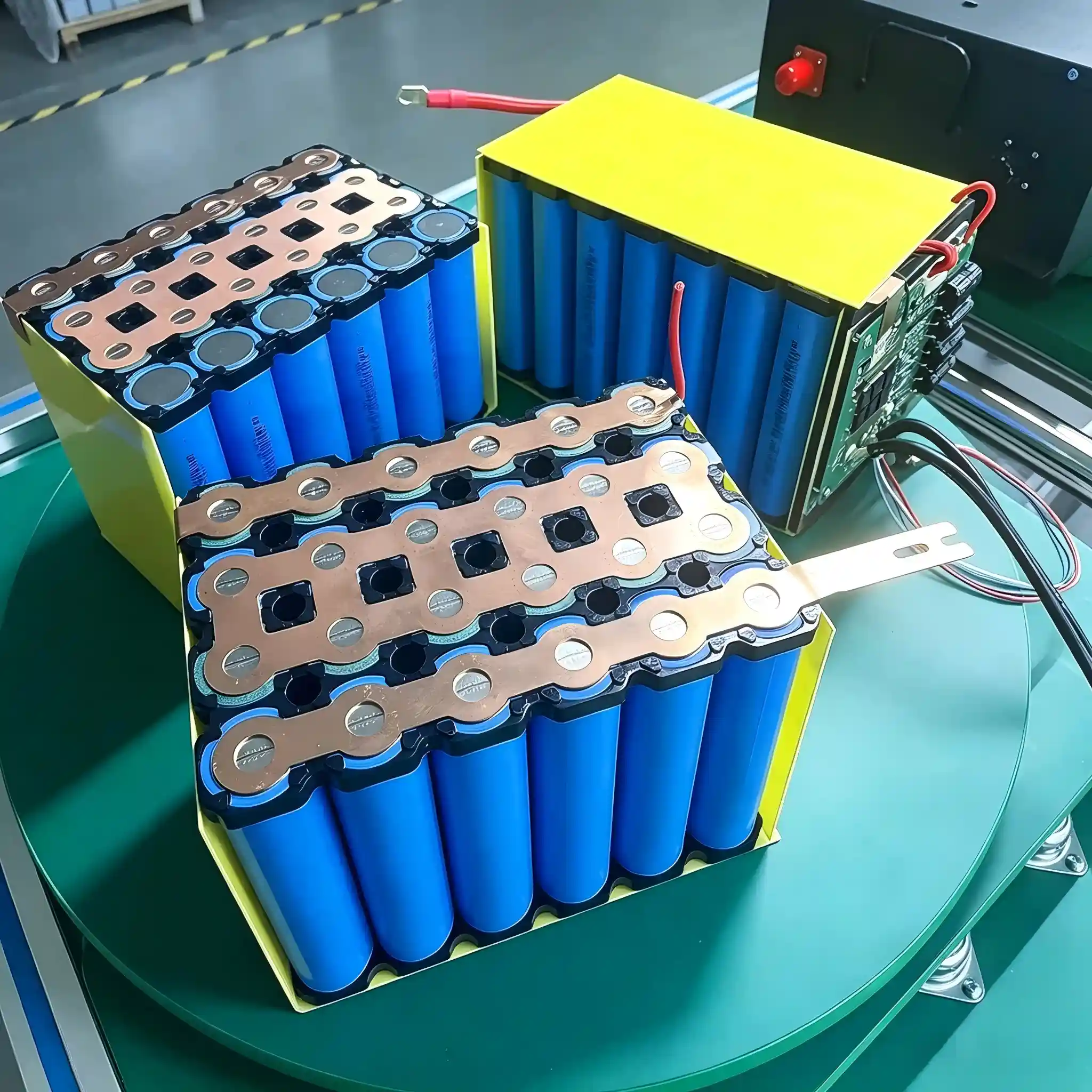
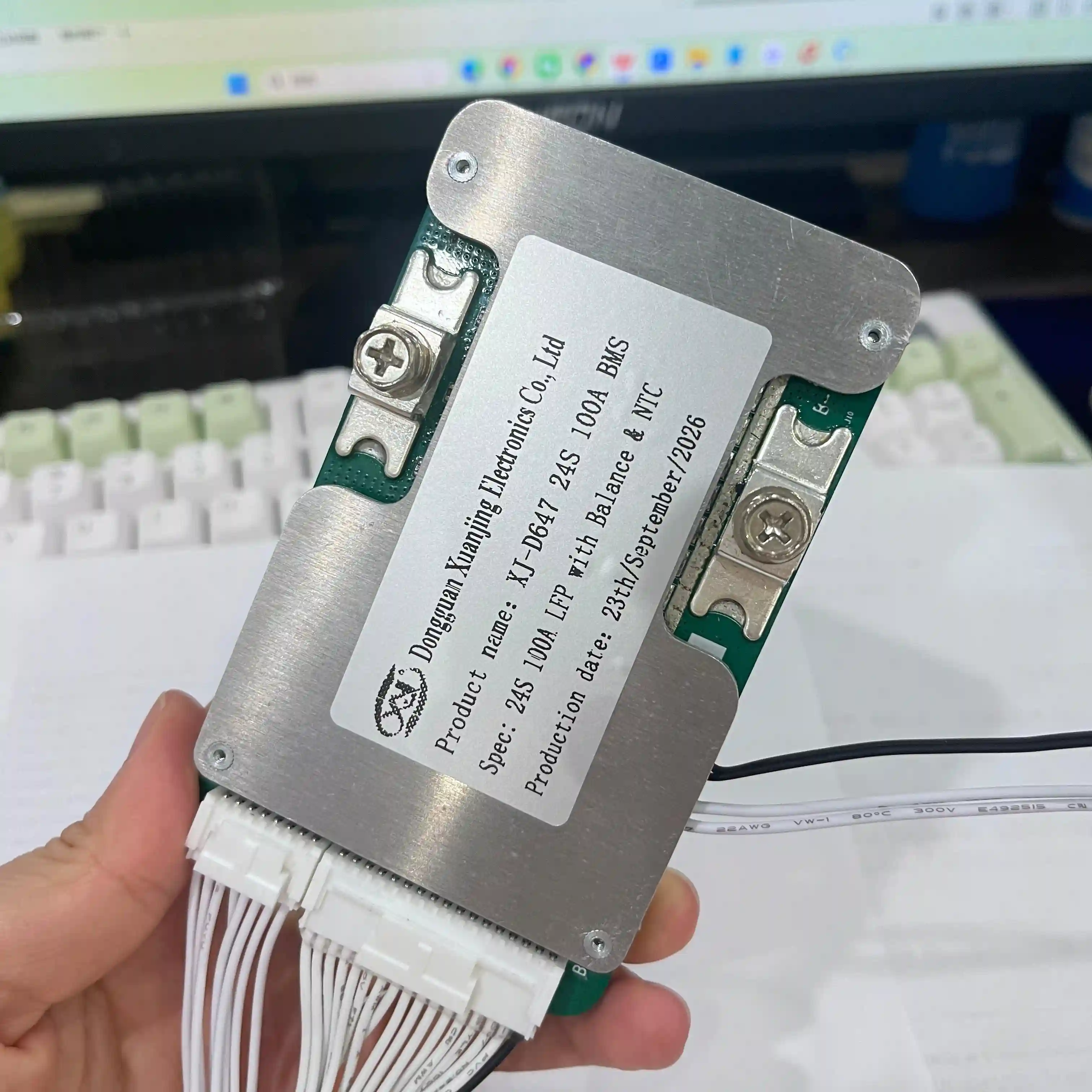
BMS (Battery Management System): The BMS, also known as a battery protection board, is the “brain” of the lithium-ion battery pack. One of its core functions is to monitor the battery’s voltage, current, and temperature. When the battery reaches its full charge voltage, the BMS automatically cuts off the charging circuit, preventing overcharging.
Qualified Chargers: Some chargers are designed with overcharge protection, but this is not a replacement for a BMS. A good charger will stop supplying power once the battery is full, but relying solely on the charger is risky—especially if the charger malfunctions.
For applications like electric vehicles, solar storage, or lead-acid to lithium conversions, a BMS is non-negotiable. Without it, your lithium-ion battery is vulnerable to overcharging and all its associated risks.
What Happens If There’s No Overcharge Protection?
If a lithium-ion battery is charged without a BMS or any overcharge protection, the outcome is predictable—and terrifying. Here’s the step-by-step chain reaction:
- The battery’s voltage continues to rise beyond its safe limit (above 4.2V per cell).
- The electrolyte inside the cell decomposes, producing flammable gas—causing the battery to bulge.
- Lithium metal starts to deposit (lithium plating) on the electrodes, which can pierce the separator and cause an internal short circuit.
- The short circuit leads to rapid overheating (thermal runaway), with temperatures reaching hundreds of degrees Celsius.
- Eventually, the battery will smoke, catch fire, or explode—posing a serious risk to people and property.
In short: Never use a lithium-ion battery without a BMS or proper overcharge protection. This is especially true for high-capacity batteries used in EVs, storage systems, or DIY projects.
Key Takeaways (Quick Recap)
- Overcharging = Charging a battery beyond its full capacity (above 4.2V per lithium-ion cell).
- Risks: Bulging, shortened lifespan, overheating, short circuits, fire, and explosion.
- Lithium-ion batteries do not have built-in overcharge protection—they need a BMS.
- A BMS (Battery Management System) is critical for cutting off charging once the battery is full.
- No overcharge protection = Extreme danger—never skip the BMS!
Final Note for DIY & Practical Users
If you’re working on a lead-acid to lithium conversion (a popular upgrade for electric bikes, scooters, or backup power), or using lithium-ion batteries for any application, investing in a high-quality BMS is non-negotiable. It’s not just a “nice-to-have”—it’s a safety necessity that protects your battery, your devices, and yourself.
Have questions about choosing the right BMS for your project? Leave a comment below, and we’ll help you find the perfect solution!