






What Is Battery Management in Electric Vehicles?
As the global automotive industry accelerates its shift toward electrification, the battery pack has become the core of electric vehicles (EVs)—determining key performance metrics like driving range, charging efficiency, and safety. Behind every reliable EV battery pack lies a critical component: the Battery Management System (BMS). Yet, many EV owners and enthusiasts have only a vague understanding of what battery management entails and how it safeguards their vehicle’s most valuable asset. In this blog, we’ll demystify EV battery management by answering three key questions: what a BMS is, how it works to protect EV batteries through monitoring and control, and what the current and future market trends for BMS are.
What Is a BMS (Battery Management System) in Electric Vehicles?
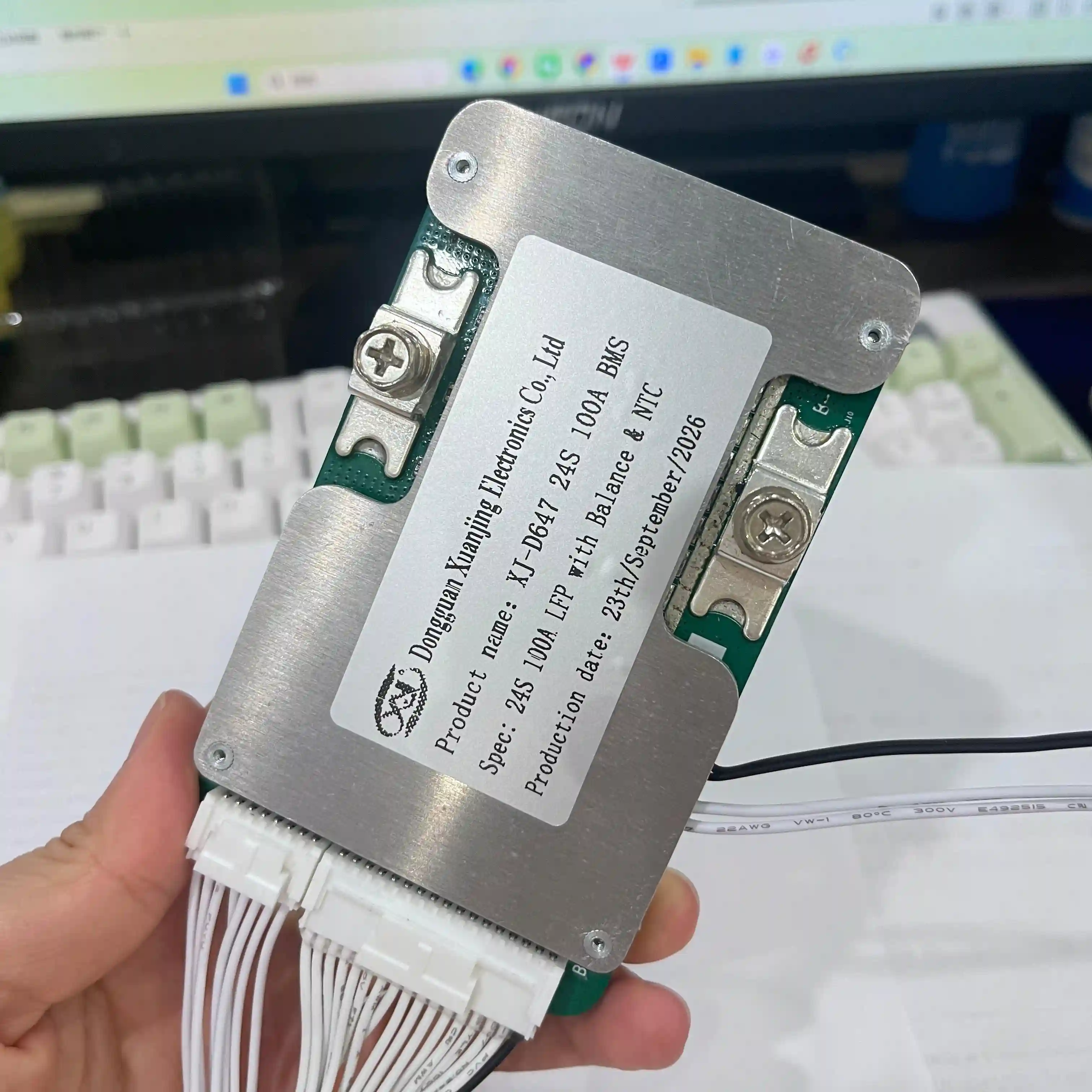
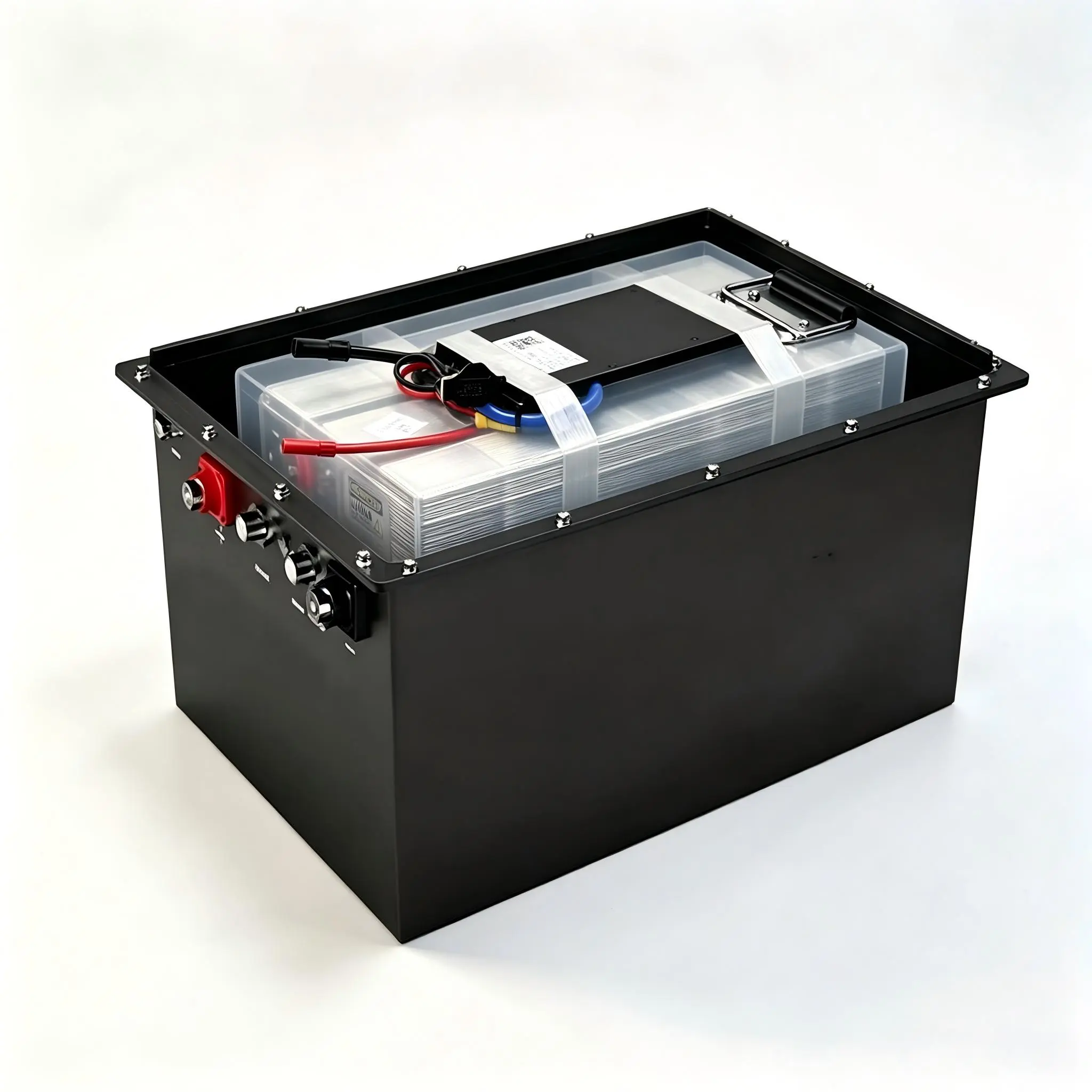
In simple terms, a Battery Management System (BMS) is the “brain” of an electric vehicle’s battery pack. It is an intelligent electronic system that integrates multi-disciplinary technologies—including electrochemistry, power electronics, and automatic control—to monitor, protect, optimize, and manage the battery pack throughout its lifecycle. Unlike a basic on-off switch, a BMS is a sophisticated system that ensures the battery operates safely, efficiently, and reliably, directly influencing the EV’s performance, battery lifespan, and overall safety.
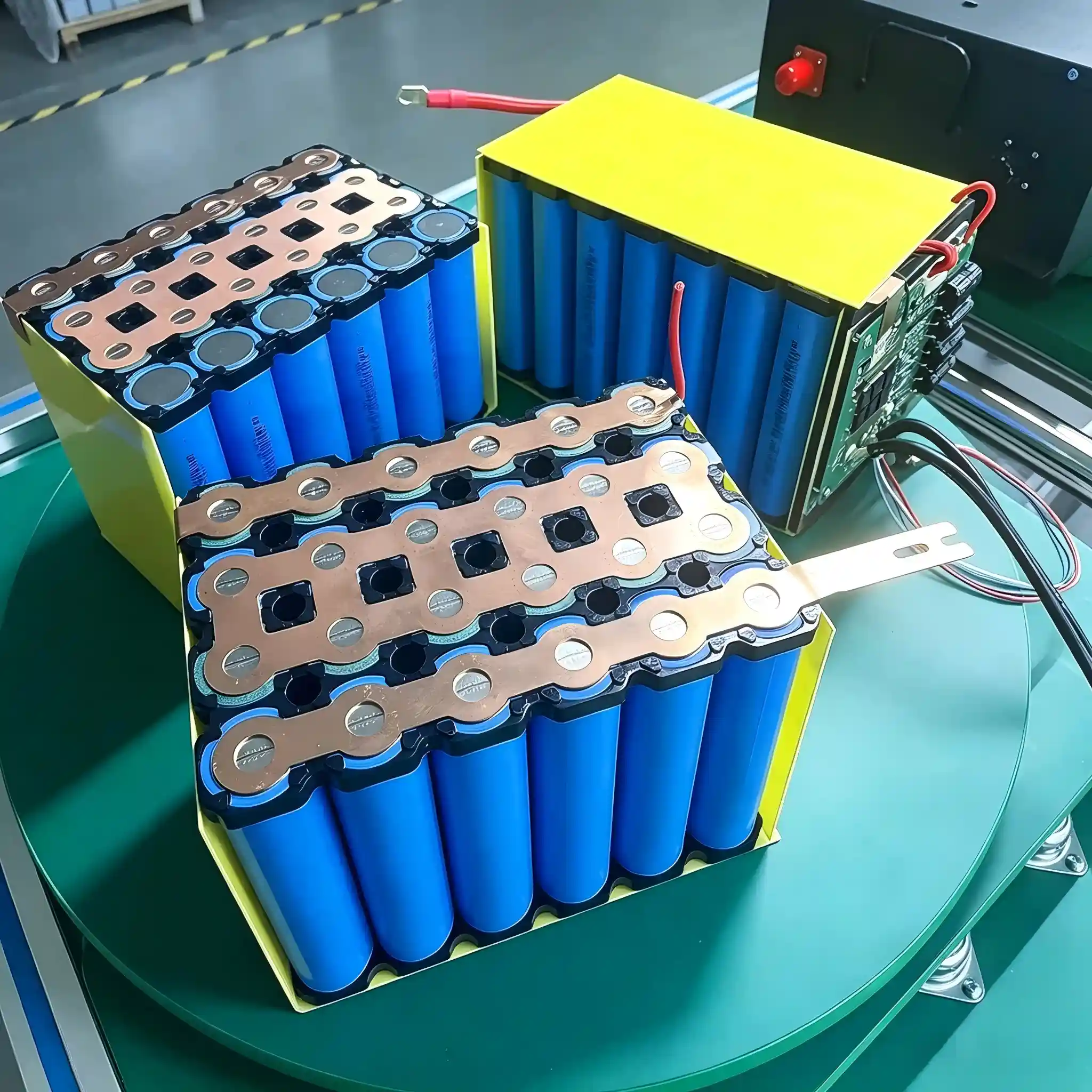
EV battery packs are composed of dozens or even hundreds of individual lithium battery cells connected in series and parallel. These cells can degrade at different rates over time, and without proper management, they can become imbalanced, overheat, or fail—posing safety risks like thermal runaway (overheating leading to fire or explosion) and reducing the battery’s overall lifespan. The BMS addresses these challenges by acting as a constant guardian, overseeing every aspect of the battery’s operation.
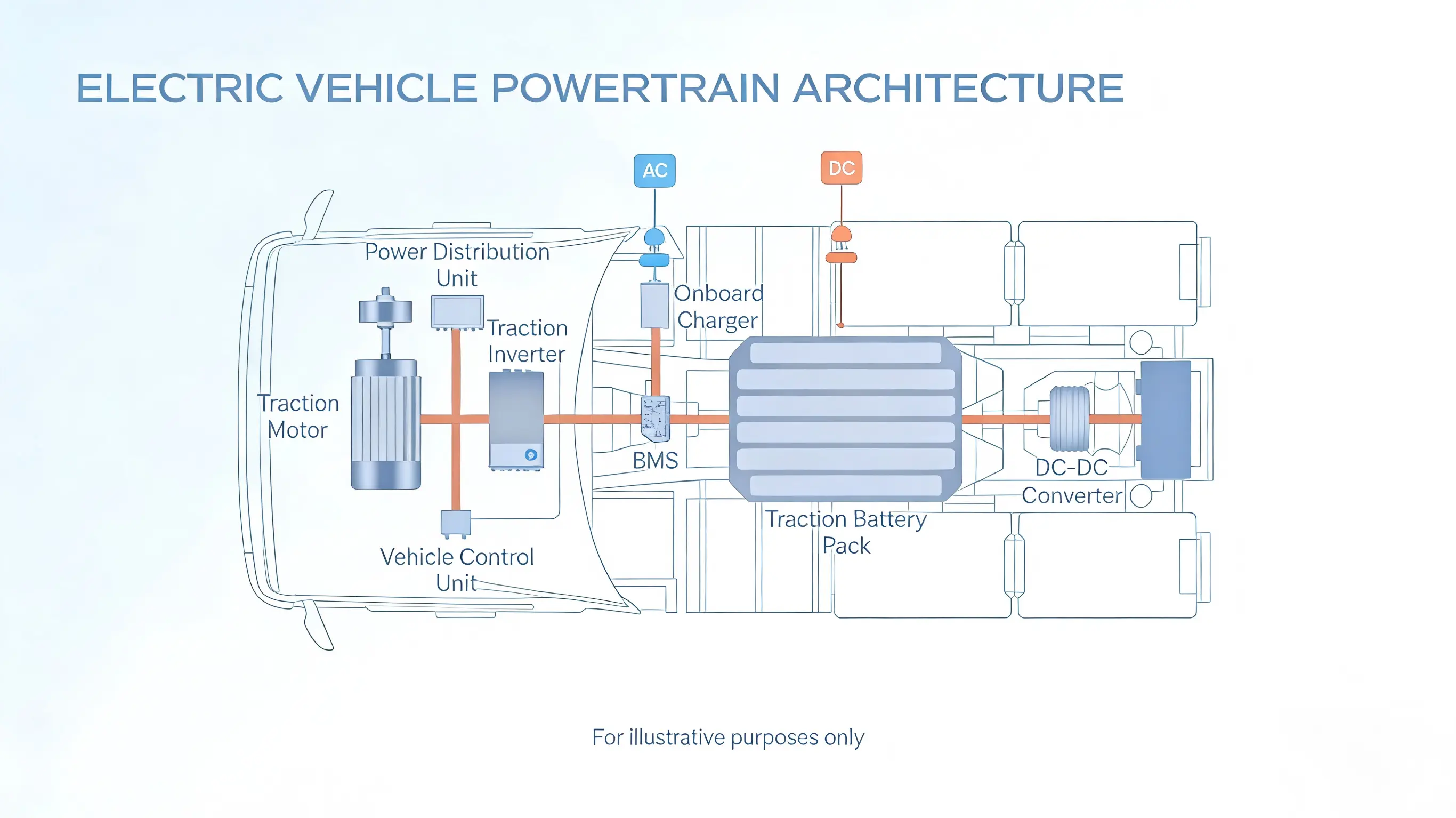
At its core, the BMS’s mission is to balance two key goals: ensuring the battery’s safety and maximizing its performance and lifespan. It serves as the bridge between the battery pack and the EV’s other systems (e.g., charger, inverter, motor), enabling seamless communication and control.
How Does BMS Work to Protect EV Batteries? Monitoring, Control & Protection Mechanisms
The BMS protects EV batteries through a three-step process: real-time monitoring, intelligent control, and proactive protection. These functions work together in microsecond-level timeframes to ensure the battery operates within safe parameters, even under harsh conditions like extreme temperatures or high-load driving. Let’s break down each step in detail:
Real-Time Monitoring: The Foundation of Battery Protection
To protect the battery, the BMS first needs to “know” its exact state at all times. It achieves this through continuous, high-precision monitoring of key battery parameters, using sensors connected to every individual cell and the entire battery pack. The most critical parameters monitored include:
- Cell Voltage: Each lithium cell has a safe voltage range (typically 2.8V to 4.2V for NCM cells). The BMS monitors the voltage of every single cell—often more than 100 in a typical EV pack—to detect imbalances. A single cell with abnormal voltage (too high or too low) can compromise the entire pack if left unaddressed.
- Pack Current: The BMS tracks the current flowing into (charging) and out of (discharging) the battery. This data helps calculate the battery’s remaining capacity and prevents over-current conditions, which can damage cells or cause overheating.
- Temperature: Lithium batteries perform best in a narrow temperature range (20℃ to 30℃). The BMS monitors temperature at multiple points in the battery pack, as extreme heat or cold can accelerate degradation or trigger safety risks. For example, in cold weather, it may detect low temperatures and adjust charging/discharging to prevent damage, while in hot weather, it triggers cooling systems.
- SOC & SOH: Using the monitored data, the BMS calculates two critical metrics: SOC (State of Charge)(the battery’s remaining capacity, like a fuel gauge) and SOH (State of Health) (the battery’s condition compared to its original capacity). Accurate SOC and SOH readings ensure the battery is not over-discharged or overcharged, while also alerting drivers to battery degradation over time.
This monitoring happens at an astonishing speed: the BMS collects data in microseconds, processes it, and makes decisions in milliseconds—ensuring no potential issue goes undetected.
Intelligent Control: Optimizing Performance & Preventing Risks
Once the BMS has monitored the battery’s state, it uses intelligent control to keep the battery operating within safe, efficient limits. Key control actions include:
- Cell Balancing: Over time, individual cells in the pack degrade at different rates, leading to voltage imbalances. The BMS corrects this through either passive balancing (discharging excess voltage from overcharged cells) or active balancing (transferring energy from overcharged to undercharged cells). This ensures all cells work in sync, maximizing the battery’s capacity and lifespan.
- Charging/Discharging Control: The BMS regulates the charging and discharging process to prevent overcharging (which can cause cell damage or thermal runaway) and over-discharging (which can permanently reduce battery capacity). For example, when the battery reaches full charge (100% SOC), the BMS stops or slows the charging current. During high-load driving (e.g., climbing hills), it limits the discharge current to avoid overheating.
- Thermal Management Integration: Many modern EVs have dedicated thermal management systems (cooling or heating). The BMS communicates with these systems to keep the battery within its optimal temperature range. For example, in extreme cold, it may activate a battery heater to improve charging efficiency, while in extreme heat, it triggers cooling to prevent thermal runaway.
Proactive Protection: Stopping Risks Before They Escalate
The BMS’s most critical role is to protect the battery (and the EV) from dangerous conditions. If it detects an abnormal parameter (e.g., over-voltage, short circuit, extreme temperature), it takes immediate action to mitigate risk—often in milliseconds. Common protection measures include:
- Disconnecting the Battery: In severe cases (e.g., short circuit, thermal runaway), the BMS triggers relays to disconnect the battery from the charger or EV systems, stopping the flow of current and preventing further damage or safety hazards.
- Limiting Power Output: If the battery is overheating or underperforming, the BMS reduces the power output to the EV’s motor, preventing additional stress on the battery.
- Alerting the Driver: The BMS sends alerts to the EV’s dashboard (e.g., “Battery Temperature Too High” or “Battery Health Declining”) to inform the driver of potential issues, allowing them to take action (e.g., stopping to cool the battery).
Market Trends for Ev Bms
As the EV market continues to grow, the BMS industry is evolving rapidly to meet new demands for safety, efficiency, and integration. Driven by EV penetration, technological innovation, and stricter regulations, the global EV BMS market is poised for significant growth in the coming years. Below are the key market trends shaping the future of EV BMS:
Market Growth & Expansion
The EV BMS market is expanding at a rapid pace, fueled by the growing adoption of electric vehicles worldwide. In 2025, the Chinese EV BMS market alone reached 213 billion yuan, and it is projected to grow to 326 billion yuan by 2029—representing a compound annual growth rate (CAGR) of 11.23%. This growth is driven by rising EV sales (expected to reach 2600 million units in China by 2029) and the increasing complexity of battery packs, which require more advanced BMS solutions.
Notably, EVs are the largest downstream market for BMS, accounting for 54% of global BMS demand—far more than ESS (energy storage) or consumer electronics.
Technological Advancement: Higher Precision & Integration
As EV batteries become more powerful (e.g., 800V high-voltage platforms) and complex (thousands of cells), BMS technology is advancing to meet stricter requirements. Key technological trends include:
- High-Precision Monitoring: BMS systems are becoming more accurate, with SOC estimation errors reduced to 3% or less. This precision helps maximize battery capacity and lifespan while improving driving range accuracy.
- High Integration: Modern BMS systems are integrating more functions (e.g., thermal management control, charging control, communication) into a single module, reducing size, weight, and cost. This integration also improves reliability
- Software-Defined BMS: The focus is shifting from hardware to software, with BMS systems using advanced algorithms and AI to optimize battery performance. Software updates (over-the-air, OTA) allow manufacturers to improve BMS functionality after the EV is sold, enhancing battery life and safety over time.
Stricter Regulations Driving Safety Upgrades
Governments worldwide are implementing stricter safety standards for EV batteries, which is pushing BMS innovation. For example, China’s GB 44495-2022 standard mandates BMS systems to include SOH diagnostic functions, while the EU’s New Battery Regulation requires BMS to support battery passports and carbon footprint tracking. These regulations are elevating the BMS from a simple component to a critical compliance tool throughout the battery’s entire lifecycle.
Localization & Cost Reduction
The BMS industry is seeing increased localization of components, particularly in regions like China. Domestic manufacturers are developing affordable, high-quality components (e.g., analog front-end chips) that reduce BMS costs by up to 25%. This cost reduction is making EVs more affordable and accelerating the adoption of advanced BMS technology in mainstream vehicles.
Integration with Smart Grids & V2G (Vehicle-to-Grid)
As EVs become part of smart energy systems, BMS systems are evolving to support V2G (Vehicle-to-Grid) technology. This allows EV batteries to store excess energy from the grid and feed it back during peak demand. BMS systems play a critical role in this process by monitoring battery state and controlling energy flow, ensuring the battery is not damaged while supporting grid stability.
Final Thoughts
Battery management (BMS) is the unsung hero of electric vehicles, ensuring that the battery pack operates safely, efficiently, and reliably. From real-time monitoring of cell voltage and temperature to intelligent control and proactive protection, the BMS is essential for maximizing battery lifespan, driving range, and safety. As the EV market grows, the BMS industry is evolving to meet new challenges—with higher precision, integration, and compliance driving innovation.
Whether you’re an EV owner, industry professional, or enthusiast, understanding how BMS works and its market trends is key to appreciating the technology that powers the future of transportation.