





What Are the Disadvantages of BMS? (A Guide from a BMS Manufacturer)
If you’re working with lithium-ion batteries—whether for electric vehicles, energy storage systems, portable devices, or industrial equipment—you’ve likely heard of a battery Management System (BMS). As a professional BMS manufacturer with years of experience, we believe in transparency:a BMS is not a “magic shield”, but it is an indispensable component for safe, reliable battery operation.
In this blog, we’re breaking down the honest disadvantages of BMS (no sales hype, just facts) and explaining why, despite these limitations, you can’t afford to skip a high-quality BMS for your battery packs.
The Honest Disadvantages of BMS (From a Manufacturer’s Perspective)
We don’t shy away from the flaws of our products—transparency builds trust. Here are the most common limitations you’ll encounter with a BMS, whether it’s a basic model or a high-end intelligent system:
Added Cost to Your Battery Pack
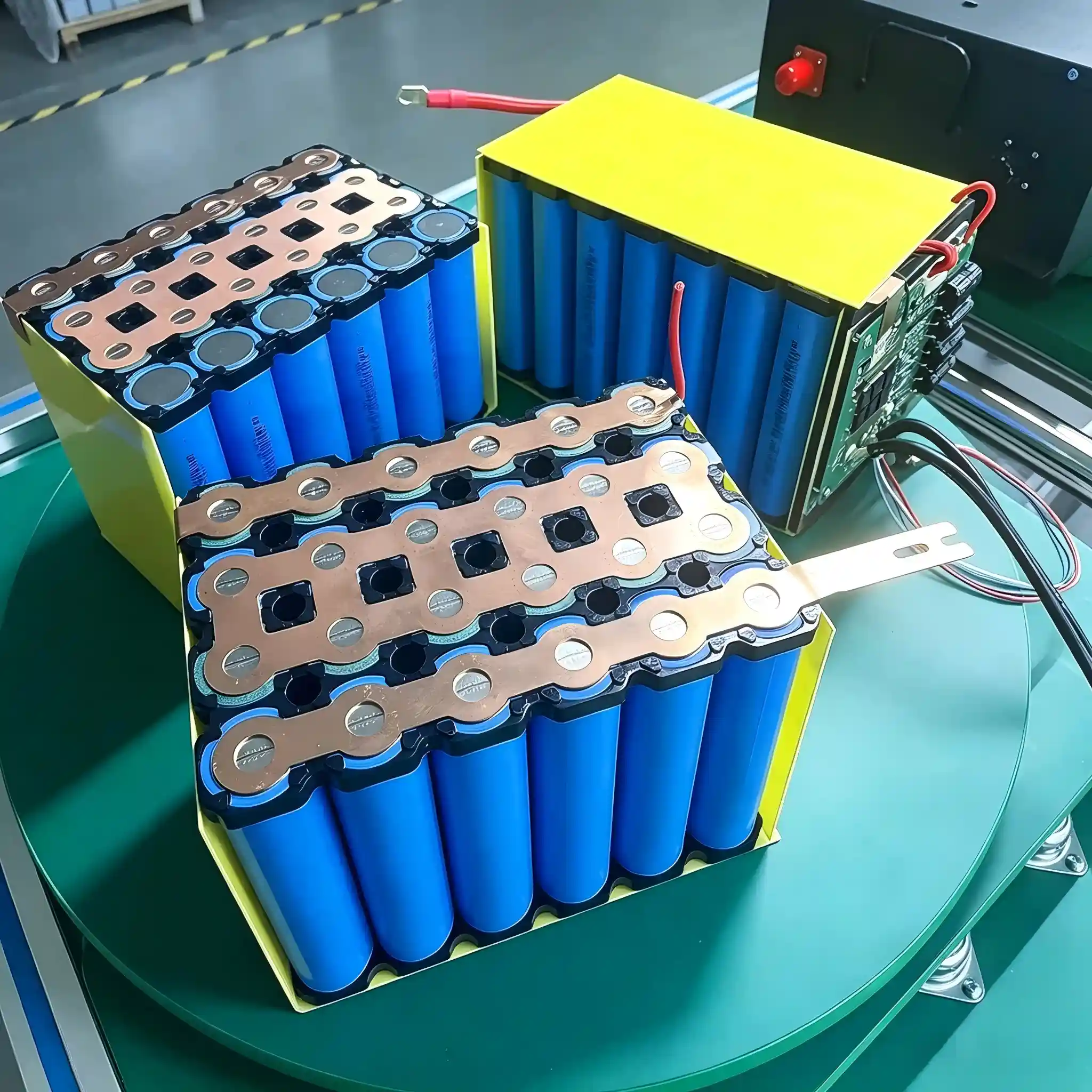
A BMS adds extra components (MOSFETs, voltage sensors, balancing circuits, and control chips) and assembly labor to your battery pack. For small-scale projects or budget-sensitive applications, this can increase the total cost of your battery system. Low-quality, cheap BMS options may cut corners to save money, but they often fail to deliver reliable protection—defeating the purpose entirely.
Static Power Consumption (Self-Discharge)
Even when the battery pack is idle, a BMS consumes a small amount of current (called “quiescent current”) to monitor cell voltages, balance cells, and maintain protection functions. Over long-term storage (e.g., months of inactivity), this self-discharge can slowly drain the battery, reducing its capacity and requiring recharging before use. This is especially noticeable in small battery packs (e.g., portable devices) where every milliamp-hour counts.
Voltage Drop and Heat Generation Under High Current
All BMS circuits have internal resistance, and the MOSFETs (the components that control current flow) create a slight voltage drop when the battery is under load. In high-current applications (e.g., electric scooters, power tools, or large energy storage systems), this voltage drop can reduce the battery’s effective output, and the BMS may generate heat. Without proper thermal design (a feature of high-quality BMS), this heat can affect performance or even damage the BMS itself.
Limited Compatibility—One BMS Doesn’t Fit All
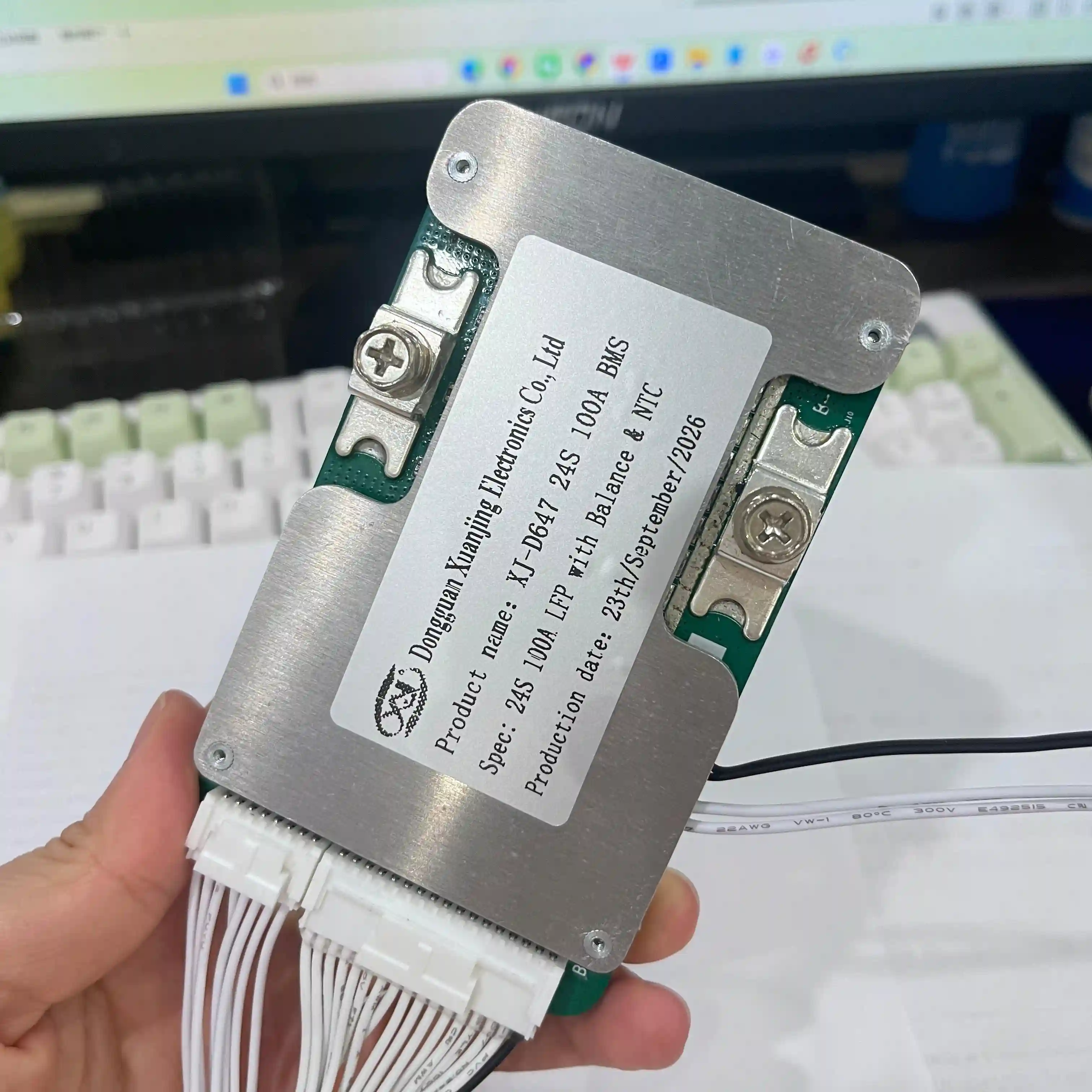
A BMS is designed for specific battery configurations: it must match the number of cells in series (e.g., 3S, 4S, 10S), the type of lithium battery (Li-ion, LiFePO4, ternary), and the maximum continuous current (e.g., 10A, 25A, 100A). You can’t use a 4S 25A BMS for a 7S 40A battery pack—it will either fail to protect the battery or damage the BMS. This means you need a tailored BMS for your specific application, which can add complexity to your sourcing process.
It Can’t Eliminate All Battery Risks
The primary role of a BMS is to protect against overcharge, over-discharge, overcurrent, and short circuits—but it can’t prevent damage from external factors. Physical impact (e.g., a dropped battery), water ingress, extreme external temperatures (too hot or too cold), or improper assembly (e.g., reversed cells) can still cause battery failure, even with a BMS. A BMS is a “first line of defense,” not a foolproof solution.
Slow Balancing for Severely Unbalanced Cells
Most standard BMS models have low balancing current (usually a few milliamps). This works well for minor cell voltage differences, but if your battery pack has severely unbalanced cells (e.g., after long-term use or improper charging), the BMS will take a long time to balance them—if it can balance them at all. This can reduce the battery’s overall capacity and lifespan over time.
Potential for Malfunction (Low-Quality BMS)
A BMS is an electronic device, and like any electronics, it can malfunction. Low-quality BMS use cheap components, poor circuit design, or lack quality control—leading to false alarms, failed protection, or complete breakdown. A faulty BMS is worse than no BMS at all: it can give you a false sense of security while the battery is at risk of overheating, swelling, or even fire.
Why a High-Quality BMS Is Still Non-Negotiable
Now that we’ve been honest about the disadvantages, let’s be clear: the risks of NOT using a BMS far outweigh the limitations of using one. Here’s why every lithium-ion battery pack needs a reliable BMS—especially one from a trusted manufacturer:
- Prevents Catastrophic Failure: Without a BMS, overcharging a lithium battery can cause it to swell, catch fire, or explode. Over-discharging can permanently damage cells, rendering the battery useless. A BMS stops these risks before they happen.
- Extends Battery Lifespan: By balancing cell voltages and preventing overcharge/over-discharge, a BMS ensures your battery pack lasts longer—reducing replacement costs and waste.
- Ensures Consistent Performance: A BMS maintains stable voltage output, so your device (e.g., electric scooter, power tool, energy storage system) works reliably, without sudden shutdowns or performance drops.
- Complies with Safety Standards: Most industries (automotive, consumer electronics, industrial) require BMS to meet safety certifications. Skipping a BMS can lead to non-compliance and legal risks.
Choose the Right BMS to Minimize Disadvantages
The key to overcoming BMS limitations is to choose a high-quality, tailored solution—one designed for your specific application. At XJBMS, we engineer BMS with these disadvantages in mind, focusing on:
- Low quiescent current (minimizing self-discharge)
- Low voltage drop and efficient thermal design (reducing heat and energy loss)
- Customizable configurations (matching your cell count, current, and battery type)
- High balancing current (for faster, more effective cell balancing)
- Rigorous quality control (eliminating malfunction risks)
We don’t promise our BMS is perfect—but we promise it’s reliable, tailored to your needs, and designed to keep your batteries safe and efficient. Whether you need a 3S 25A BMS for power tools, a 4S 100A BMS for electric vehicles, or a custom BMS for your unique project, we’re here to help.
Final Thoughts
A BMS has its limitations—added cost, slight energy loss, and compatibility constraints—but it’s the most critical component for safe, long-lasting lithium-ion battery operation. As a BMS manufacturer, we believe in honesty: we won’t hide the flaws, but we will help you choose a BMS that minimizes these disadvantages and maximizes protection.
Ready to find the right BMS for your project? Contact our team today—we’ll work with you to design a tailored solution that fits your needs, budget, and safety requirements.