




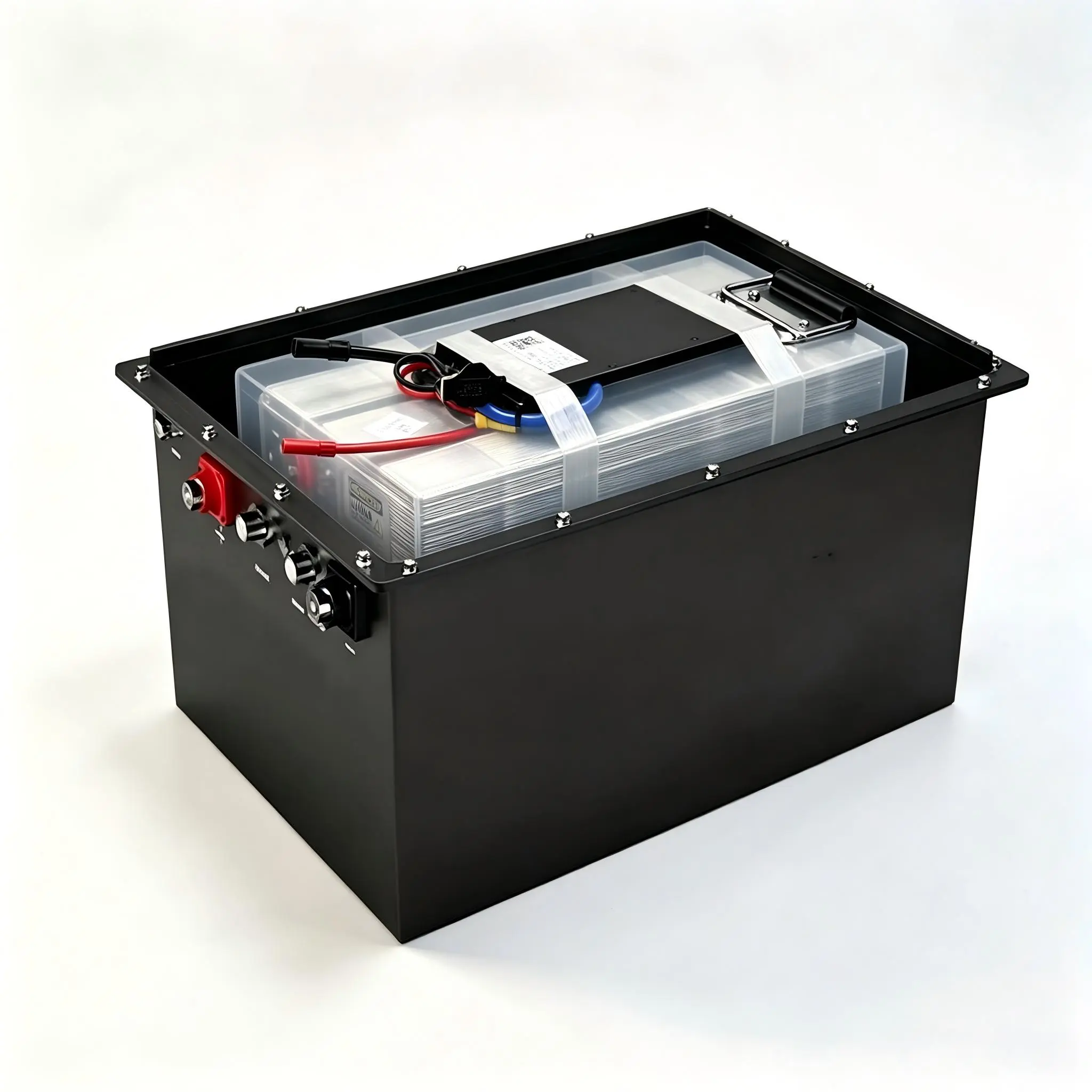
What Are the Basic Functions of a Battery Protection Board — and Why Are They Essential?
As lithium batteries are increasingly used in electric vehicles, energy storage systems, and portable electronics, battery safety and performance have become critical concerns.
At the heart of every reliable battery system lies a Battery Management System (BMS) — also known as a battery protection board.
But what exactly does a BMS do?
Let’s explore the basic functions of a battery protection board — and why these functions are essential for every modern lithium battery pack.
Overcharge Protection
One of the most fundamental roles of a BMS is to prevent overcharging.
When the voltage of any single cell in a battery pack exceeds its safe limit, it can cause electrolyte decomposition, gas generation, or even thermal runaway.
A BMS constantly monitors each cell’s voltage and automatically cuts off charging when a preset upper limit is reached.
This ensures that the cells remain balanced, extending battery life and improving safety.
Why it’s essential: Overcharge protection prevents dangerous voltage spikes and protects both the battery and the connected device.
Over-discharge Protection
Just as overcharging can damage a battery, over-discharging can be equally harmful.
When the voltage drops too low, the internal chemical reactions inside lithium cells may become unstable, leading to capacity loss or permanent damage.
The BMS detects when any cell’s voltage approaches the discharge threshold and disconnects the load to prevent deep discharge.
Why it’s essential: Over-discharge protection ensures the battery maintains its designed capacity and avoids irreversible degradation.
Overcurrent and Short-circuit Protection
Another key function of the BMS is to monitor current flow.
If the system detects an abnormal current surge — such as from a short circuit, motor fault, or external damage — it immediately shuts down the output circuit to prevent overheating or fire.
Advanced BMS designs use MOSFETs or relays to quickly disconnect power within milliseconds, protecting both the battery pack and connected devices.
Why it’s essential: Overcurrent protection safeguards against short circuits and ensures electrical safety.
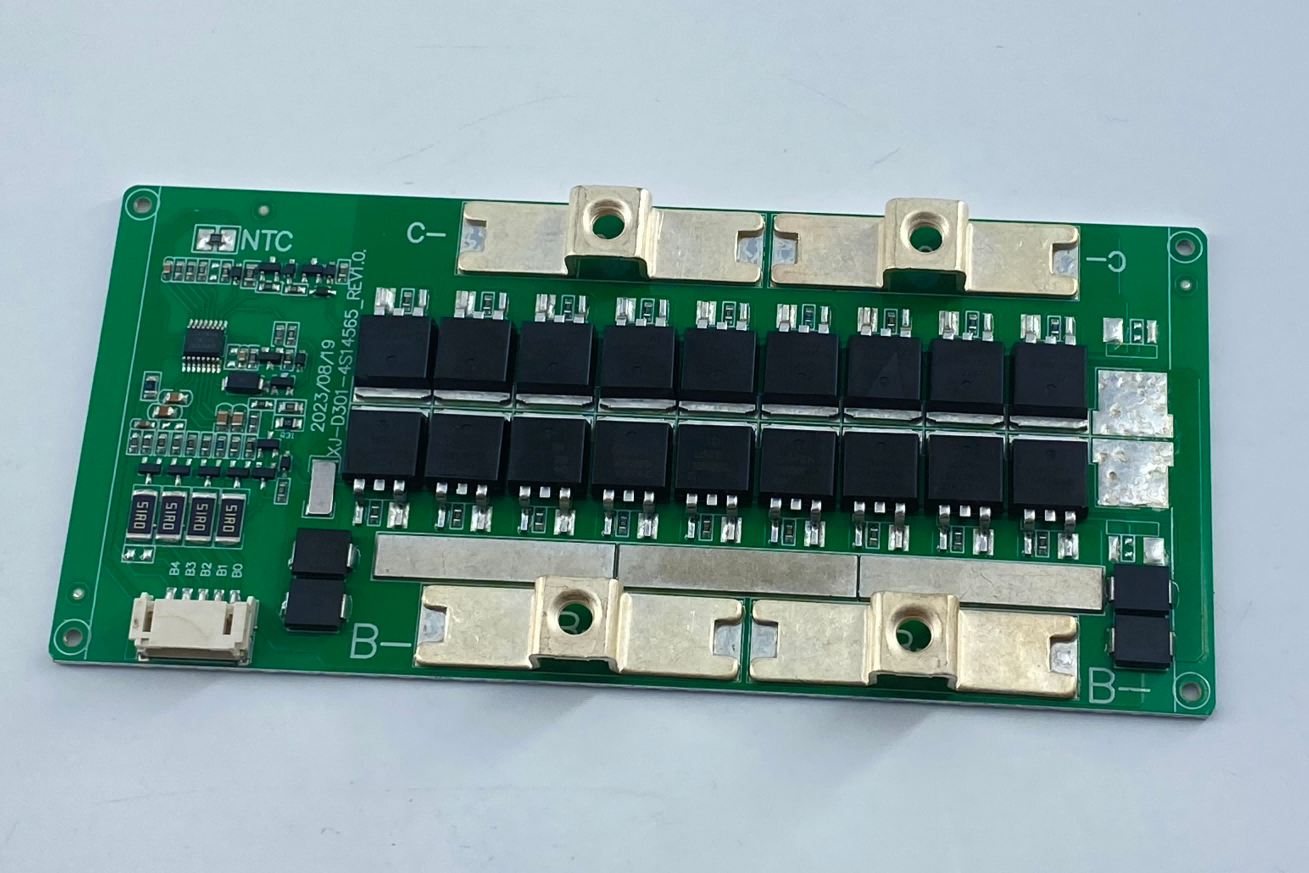
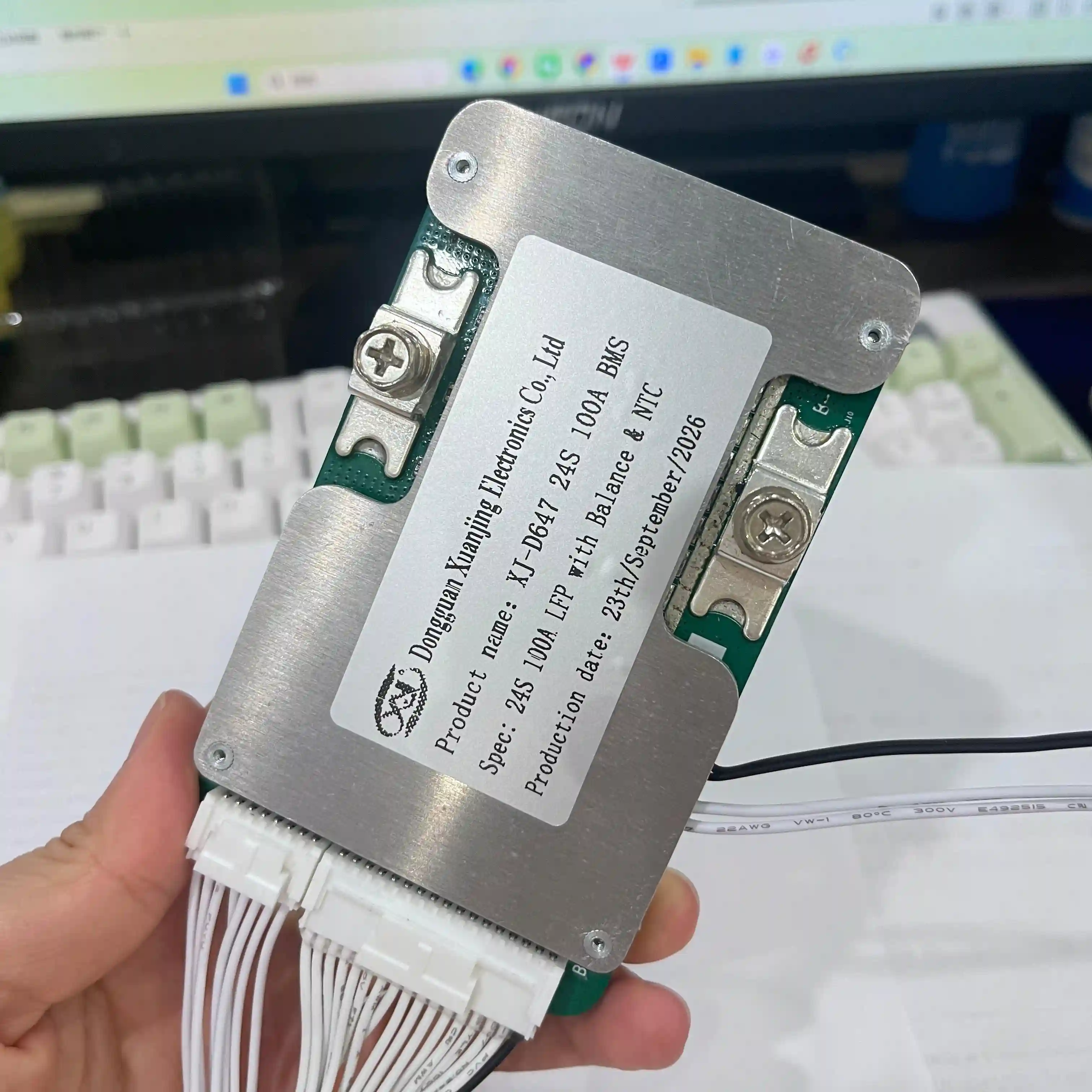
(XJ-D301 4S 100A BMS, with balance and NTC, basic protection)
Temperature Protection
Temperature plays a vital role in battery safety and performance.
Most BMS units include NTC temperature sensors that monitor the battery’s thermal condition during charging and discharging.
If the battery temperature exceeds safe limits (too hot or too cold), the BMS will automatically suspend operation to prevent damage or fire risk.
Why it’s essential: Temperature protection maintains safe operation and extends the lifespan of lithium cells.
Cell Balancing (Equalization)
In multi-cell battery packs, voltage differences between cells can gradually increase over time, causing uneven charging and reduced capacity.
The BMS solves this by balancing the voltage across all cells — either passively (by discharging higher-voltage cells) or actively (by redistributing energy).
Why it’s essential: Balancing ensures all cells charge and discharge evenly, improving efficiency, safety, and cycle life.
Communication and Monitoring
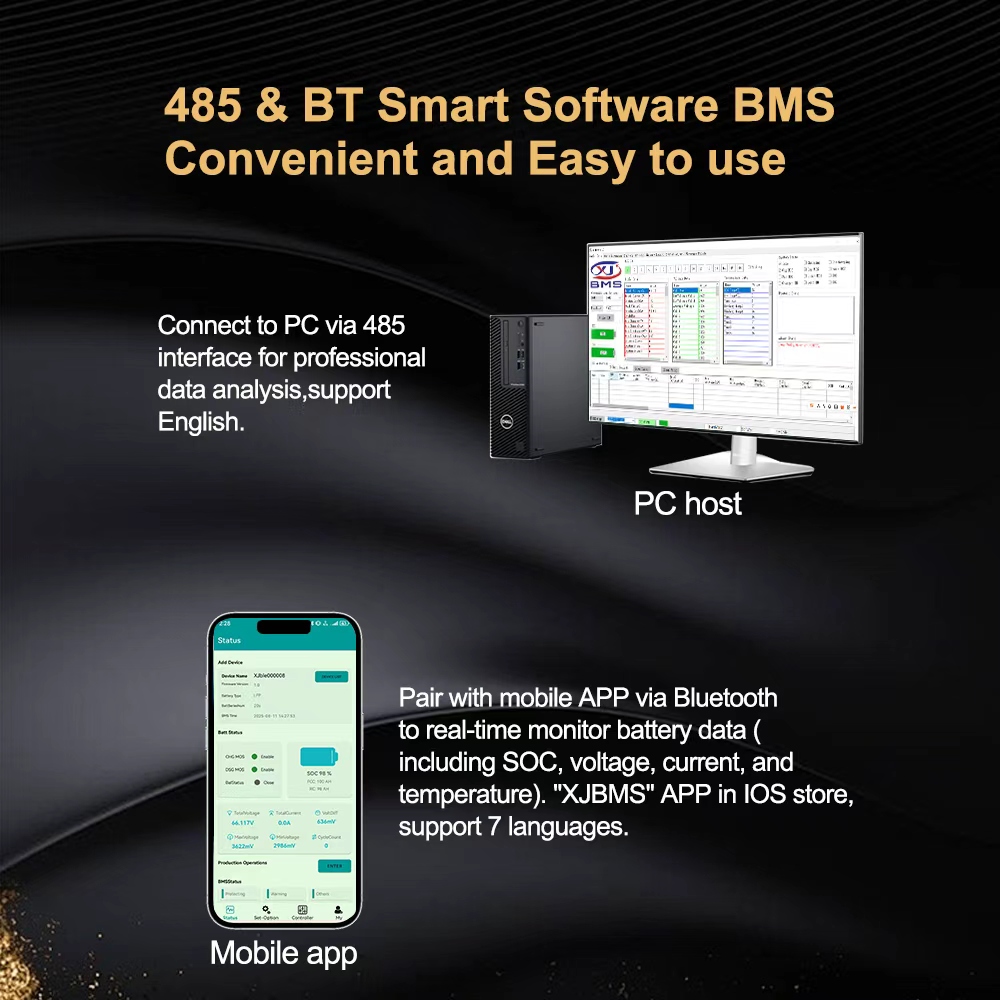
Modern Smart Bms units includecommunication interfaces such as RS485, CAN, or Bluetooth, allowing users to monitor real-time data via mobile apps or PC software.
These systems display vital parameters such as:
-
Voltage, current, and temperature
-
Battery state of charge (SOC)
-
Fault alarms and error logs
Why it’s essential: Communication functions help users detect problems early and perform smarter, data-driven maintenance.
Pre-charge and Anti-spark Function
When connecting a battery to a load or inverter, a large inrush current can occur — potentially damaging the connectors or electronics.
A BMS with a pre-discharge (anti-spark) feature gradually charges the capacitors, preventing sudden surges.
Why it’s essential: Pre-charge protection enhances connection safety and prolongs the life of electrical components.
Why These Are Called “Basic Functions”
These functions are considered basic because they are the minimum requirements for a safe and functional lithium battery system.
Without them, a battery pack would be at risk of:
-
Shortened lifespan
-
Reduced efficiency
-
Thermal hazards
-
Safety failures
Every advanced feature — such as Bluetooth, GPS, or IoT integration — builds upon these core protections.
In essence, these basic functions form the foundation of battery intelligence and safety.
XJ-BMS: Your Partner in Reliable Battery Protection
At XJ-BMS, we specialize in designing and manufacturing high-quality BMS solutions for lithium battery systems, supporting LFP, NMC, and SIB chemistries.
Our products combine all essential protection functions with advanced features such as active balancing, Bluetooth connectivity, RS485/CAN communication, and GPS tracking.
Whether you need a smart BMS for home energy storage or a high-current protection board for electric vehicles, we deliver performance, safety, and reliability you can trust.
Learn More
Explore our full range of intelligent BMS products at
👉 www.xj-bms.com
or contact our technical team for OEM customization and project support.