




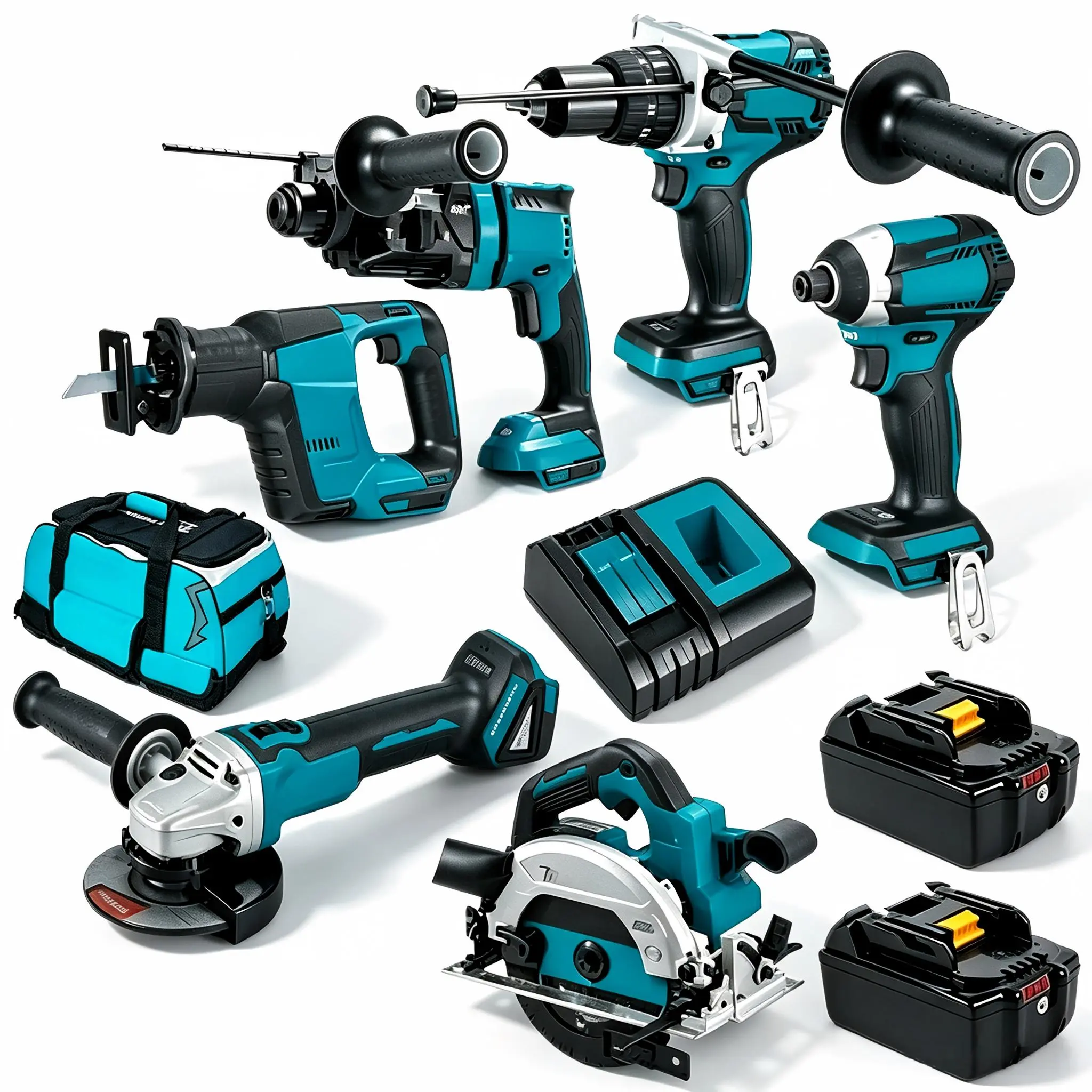
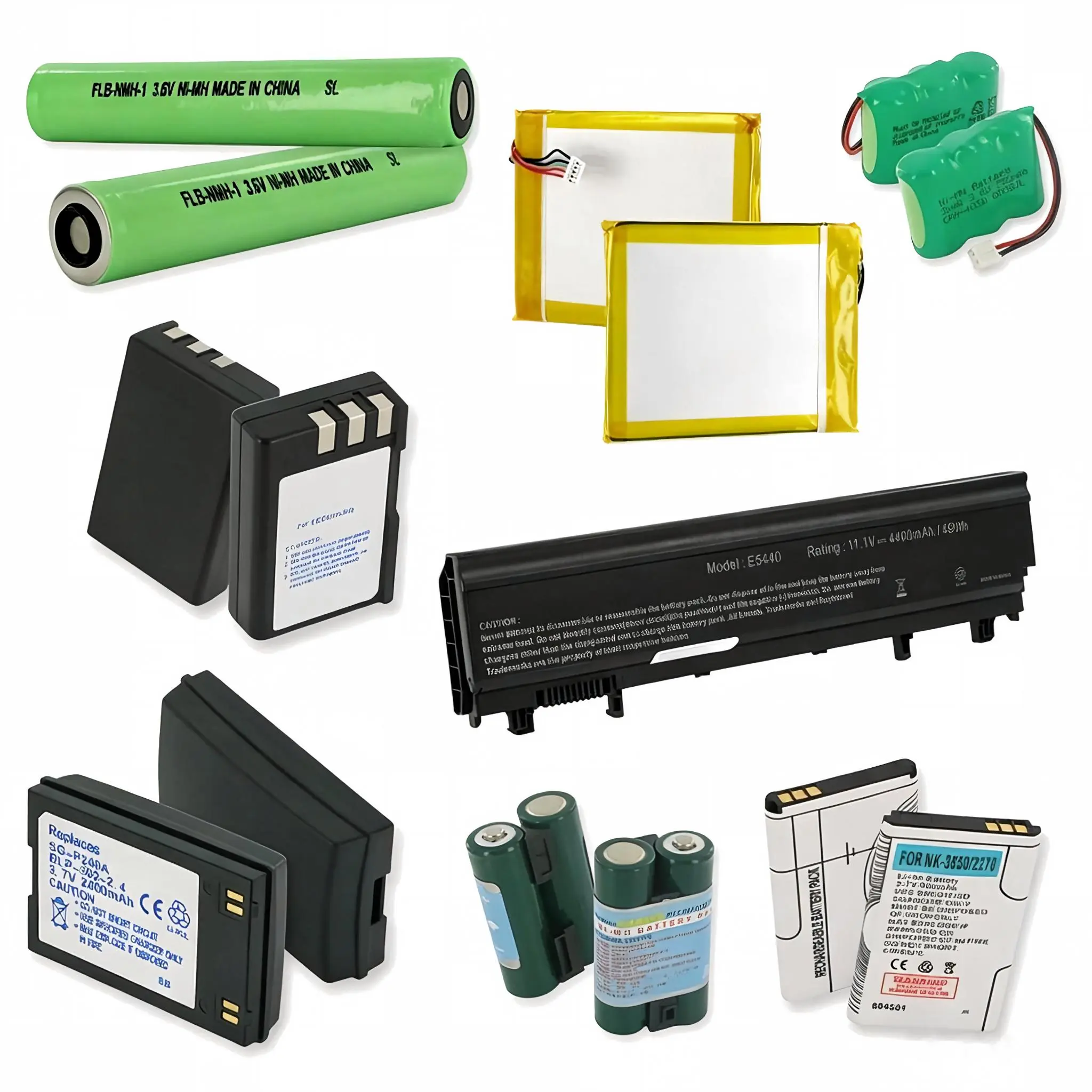
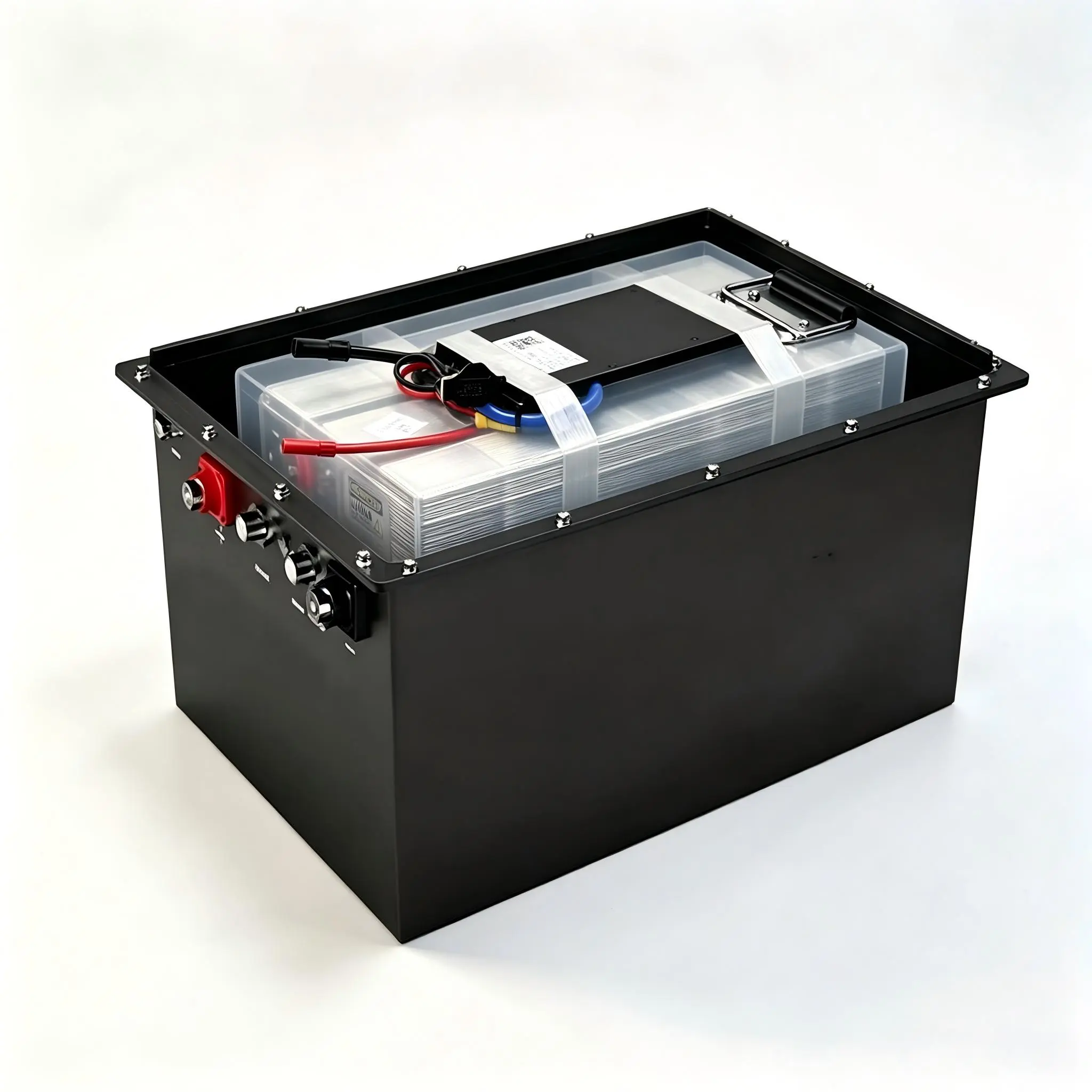
UPS BMS: Uninterruptible Power Supply Battery Management, From Data Centers to Portable Power Stations
When the power drops, some equipment cannot wait even a fraction of a second. A server that loses power mid-write corrupts its file system. A medical ventilator cannot switch over. A factory production line that trips on a blip can cost tens of thousands of dollars in scrapped batches. That is what an Uninterruptible Power Supply (UPS) is for — and the battery pack inside it only works reliably when the BMS is built for the job.
This guide covers what a UPS actually is, where it is used, how it differs from a portable power station, and which BMS models match each application.
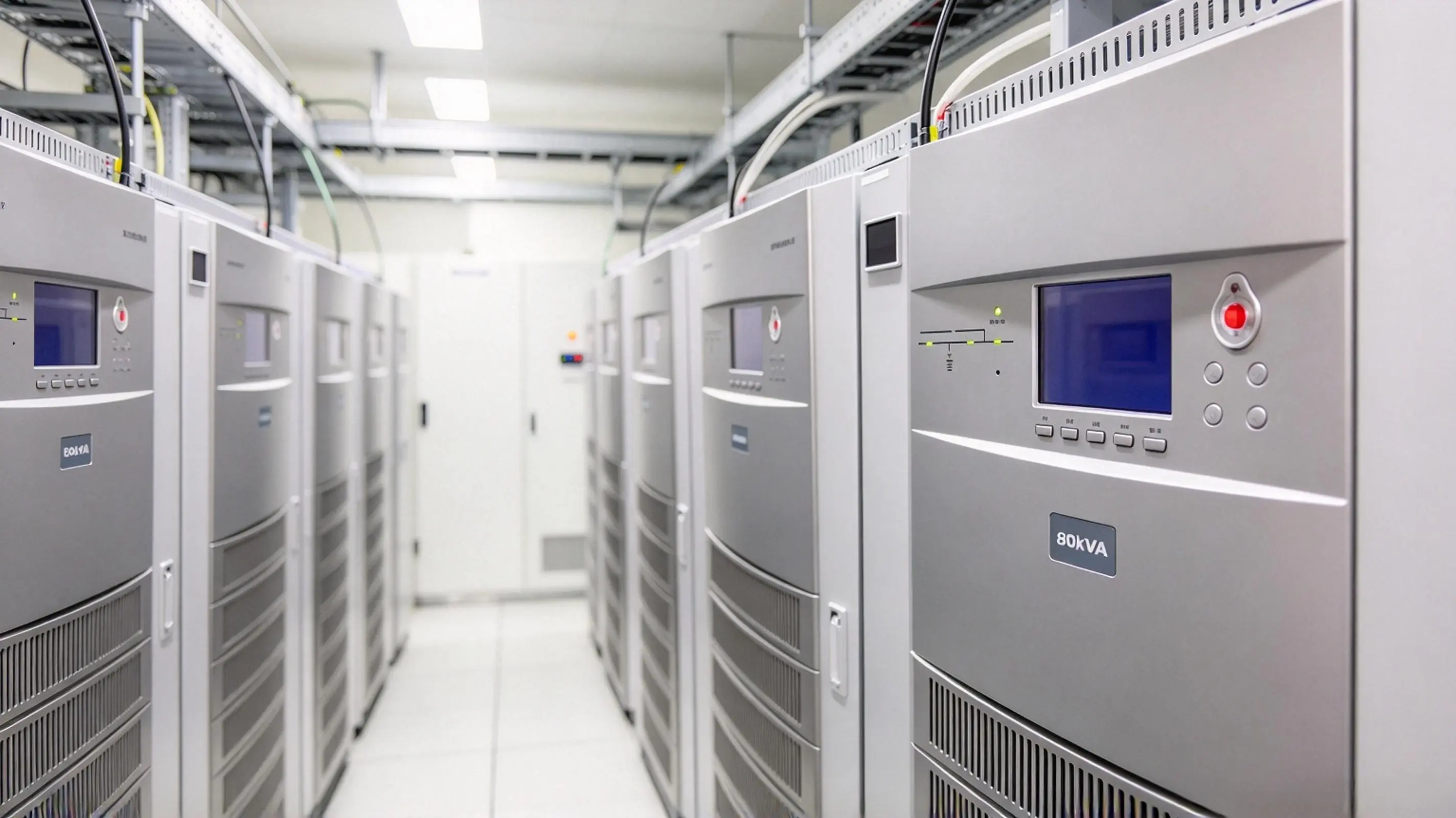
What Is an Uninterruptible Power Supply?
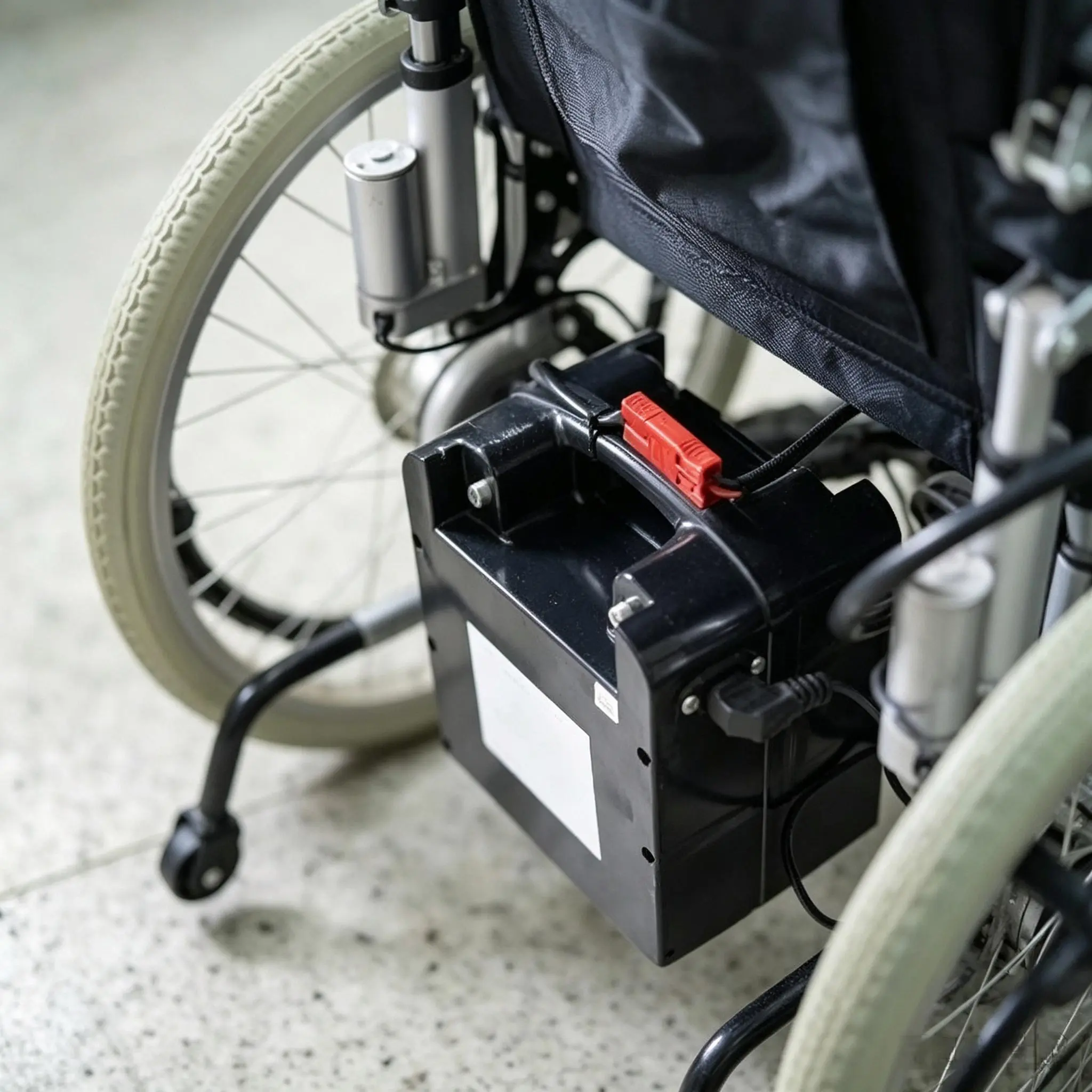
An Uninterruptible Power Supply — also called a battery backup, standby power supply, or simply UPS — is a device that sits between the wall outlet and the equipment it protects. Normally, it passes mains power through while keeping an internal battery pack fully charged. The instant the mains voltage drops, spikes, or disappears, it switches to battery power so the load never sees a gap.
The two common topologies are:
- Standby (offline) UPS: Normally bypasses the battery and activates it only when mains fails. Cheaper, used for PCs, home routers, and small office equipment. Switchover takes a few milliseconds — acceptable for most electronics.
- Online double-conversion UPS: The load runs continuously from the inverter, which is continuously fed by the rectifier/charger and the battery. There is zero switchover time because the battery is always in the power path. Used for servers, data centers, medical equipment, and industrial control.
Where UPS is used
| Scenario | Why UPS is needed |
| Data centers / servers | Prevents file-system corruption, RAID cache loss, and hardware damage during even millisecond outages. Buys time for a clean shutdown or for generator startup. |
| Medical equipment | Ventilators, patient monitors, infusion pumps, and imaging systems cannot tolerate power interruption. Safety-critical load. |
| Telecom base stations | Keeps cell towers online during grid outages; often runs in tandem with a rectifier and a battery string. |
| Industrial control / PLCs | Stops process trips, emergency stops, and scrapped batches when the mains flickers. |
| POS systems / ATMs | Prevents lost transactions and card-reader resets. |
| Network gear (routers, switches, storage) | Keeps office networks running through short blips; shuts down gracefully on longer outages. |
When do you actually need a UPS?
You need a UPS when the cost of even a brief power interruption exceeds the cost of the UPS. That is almost always true for server rooms, medical loads, industrial processes, and financial equipment. It is usually not true for a lamp or a fan — those can simply turn off and back on.
What a UPS Requires from Its BMS
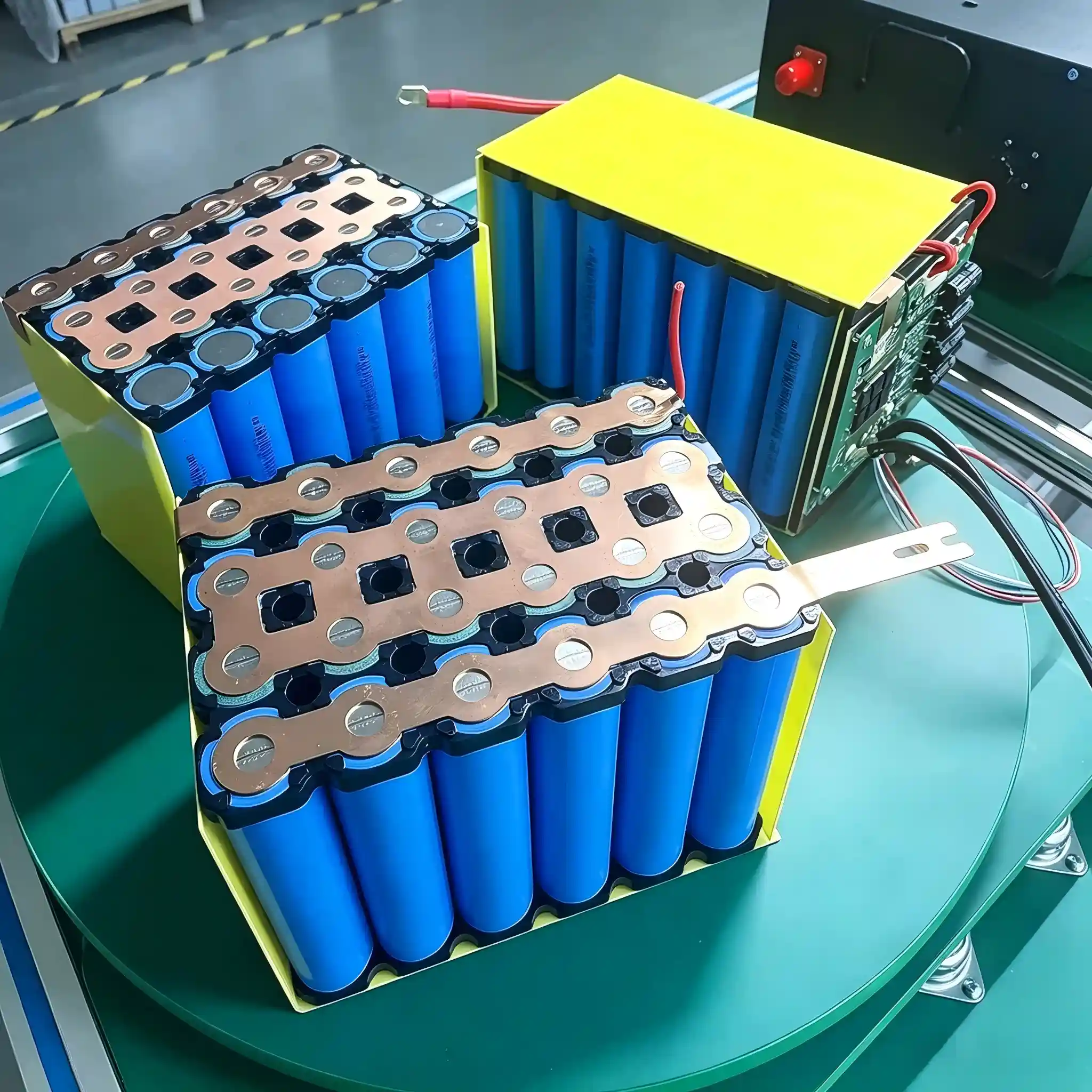
A UPS battery pack sits on float charge for years and must deliver full current the instant the mains drops. That profile is different from an EV pack or a power-tool pack, and the BMS has to match.
- Extremely high reliability. A UPS that fails silently on a hot day defeats the purpose. The BMS must use proven protection MOSFETs, long-life capacitors, and conservative derating.
- Fast, predictable discharge cutoff. When mains fails, the pack must deliver current immediately and cleanly. The BMS should not introduce voltage drop or delay.
- Cell balancing on long float charge. UPS packs sit at 100% SoC for months. Small voltage differences between cells grow into imbalances. Active or strong passive balancing is important for 16S+ strings.
- Temperature monitoring. UPS battery cabinets are enclosed and can heat up. An NTC thermistor that throttles charging or triggers alarm on high temperature is essential.
- Communication interface. Enterprise UPS systems report battery status (SoC, cell voltage, temperature, fault codes) to the UPS controller or monitoring system via CAN, RS485, or SMBus. The BMS must support these protocols.
- Wide cell-count support. Traditional DC bus voltages range from 24 V to 384 V — that means anywhere from 7S to 115S in LFP. Our boards cover 4S–25S, which is the sweet spot for small-to-medium UPS and DC power systems.
- High cycle life. Even though UPS packs are mostly at float, they still age. The BMS should charge to the correct float voltage for the chemistry (typically 3.50 V–3.55 V per LFP cell, not full 3.65 V charge), which extends pack life.
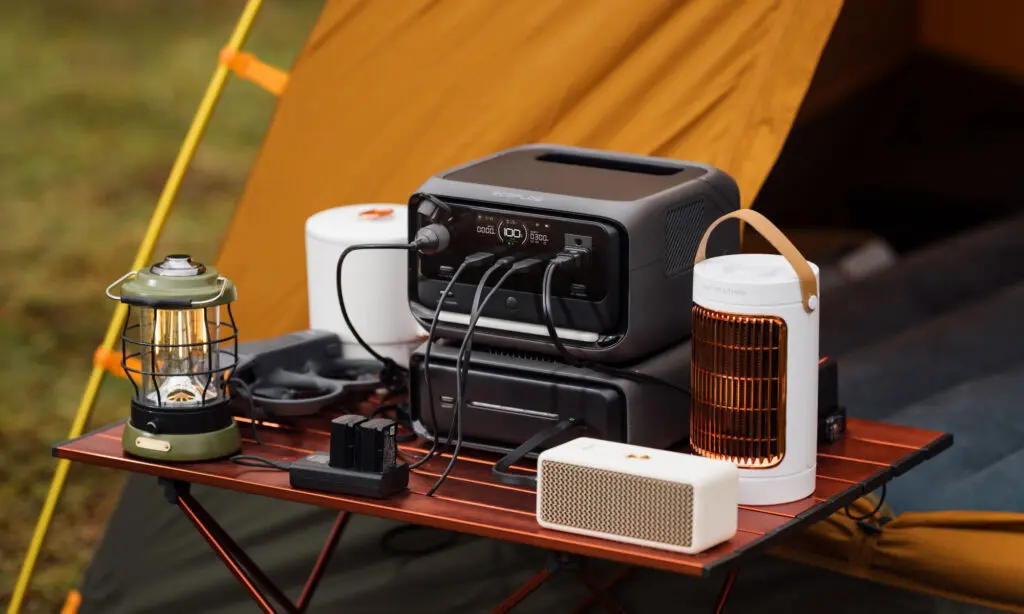
High-Voltage UPS vs. Portable Power Station: Are They the Same Thing?
Not exactly. They share a battery, an inverter, and a charger — but they are optimized for different jobs.
Similarities
- Both store energy in a rechargeable battery pack.
- Both convert DC battery power to AC for appliances.
- Both rely on a BMS for overcharge, over-discharge, overcurrent, short-circuit, and temperature protection.
- Both can be charged from the wall (and a portable station often adds solar).
Differences
| Aspect | UPS (Uninterruptible Power Supply) | Portable Power Station / Home Emergency / Outdoor |
| Primary job | Zero-gap backup for sensitive loads; always plugged in and on duty | Portable, on-demand power for camping, outdoor, and home emergencies |
| Switchover time | Offline: 2–10 ms; Online double-conversion: 0 ms | Usually 10–30 ms or several seconds; not designed for sensitive electronics |
| Voltage / cell count | Often high voltage: 48 V, 192 V, 240 V, 384 V DC strings (16S–115S) | Usually low voltage: 12 V, 24 V, 48 V (3S–14S LFP) |
| Charge profile | Float charge at 100% SoC for months/years | Cycled between 20–100%; often has solar MPPT input |
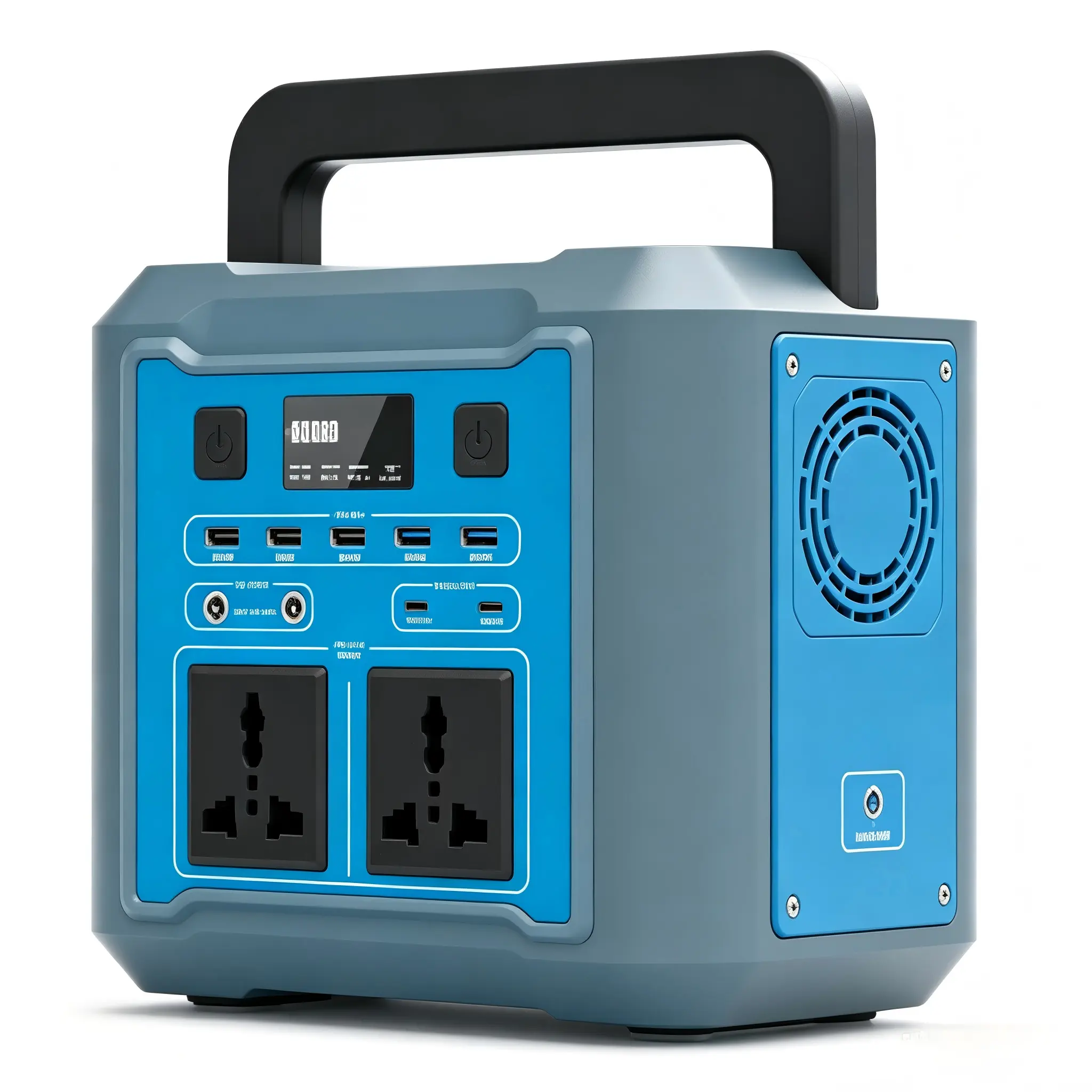
| Physical form | Rack-mount or floor cabinet; fixed installation | Carry handle, built-in AC/DC/USB outlets; moved around |
| Typical capacity | 1 kVA–hundreds of kVA; runtime of minutes to hours | 200 Wh–3 kWh; runtime of hours to days |
| Communication | CAN / RS485 / SMBus for UPS monitoring | Bluetooth app monitoring is a common consumer feature |
| Critical BMS needs | Long float-life, balancing, wide cell count, high reliability | Cycle life, portability (small size), Bluetooth/app, solar charge compatibility |
In short: a UPS is a battery backup that never leaves its post; a portable power station is a battery that you take with you. A high-end portable station can double as a home emergency backup, but it is not a true online UPS because its switchover time is too slow for a server or medical load.
Which XJ BMS Fits Which Application?
For UPS and DC Power Systems (Rack / Cabinet / Telecom)
These are the boards for multi-cell strings, moderate-to-high discharge current, and long float-charge reliability. They cover the 4S–25S range that matches 12 V–72 V DC buses — the most common voltage range for small-to-medium UPS, telecom power, and home battery backup systems.
| Model | Cells | Current | Dimensions | Best UPS / DC application |
| 4S–14S | 10 A–20 A | 80×40×10 mm | Small office / SOHO UPS, 48 V telecom batteries | |
| 4S–21S | 10 A–40 A | 100×60×10 mm | Mid-size rack UPS, 48 V–72 V backup systems | |
| 4S–14S | 10 A–50 A | 100×60×10 mm | Higher-power 48 V UPS, industrial DC backup | |
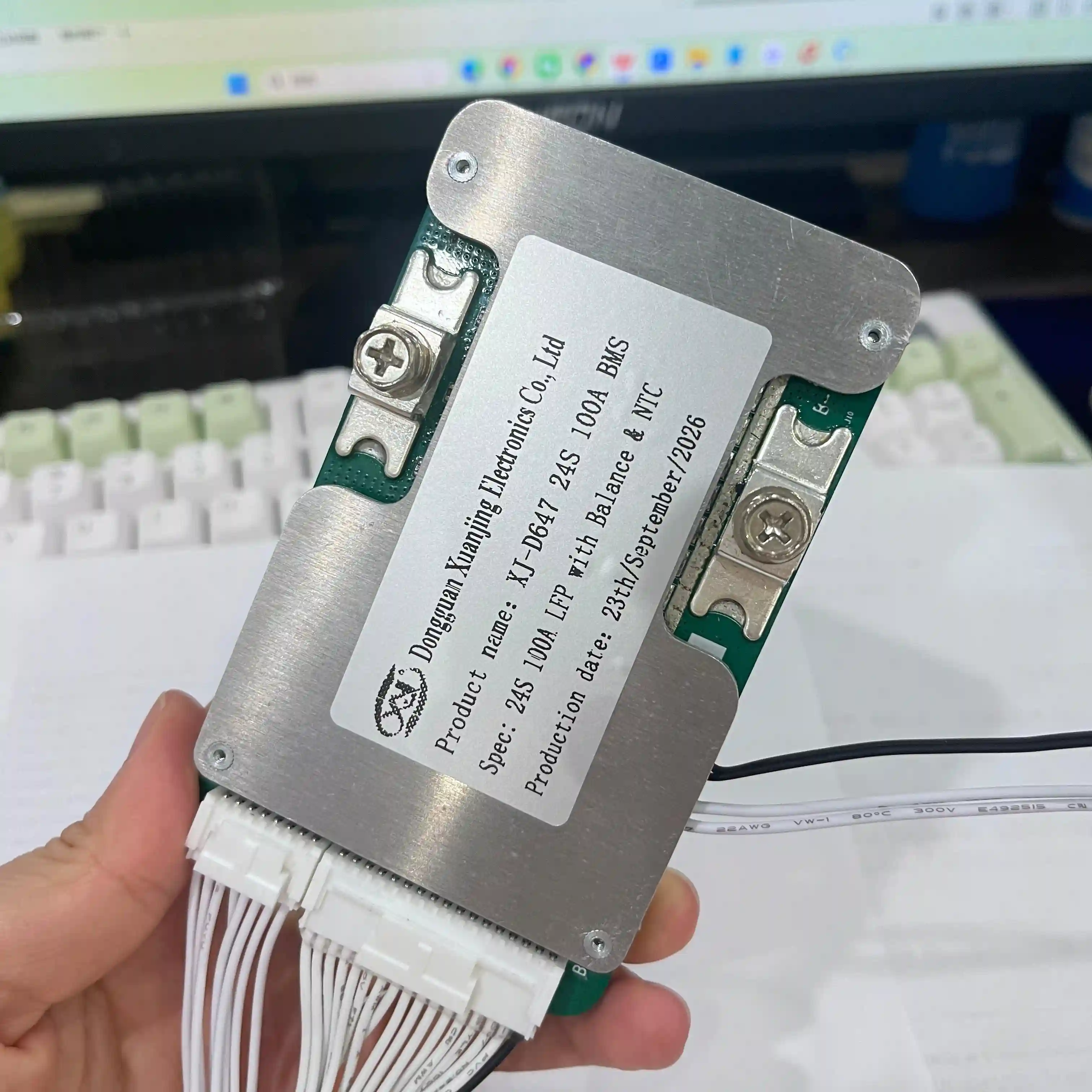
| 4S–24S | 30 A–60 A | 100×60×10 mm | 72 V–96 V server-room UPS, cabinet battery strings | |
| 4S–25S | 50 A–150 A | 110×85×13 mm | High-power UPS banks, commercial battery cabinets | |
| 4S–24S | 150 A–300 A | 240×122×10 mm | Data-center / heavy-duty UPS, large 96 V+ battery banks |
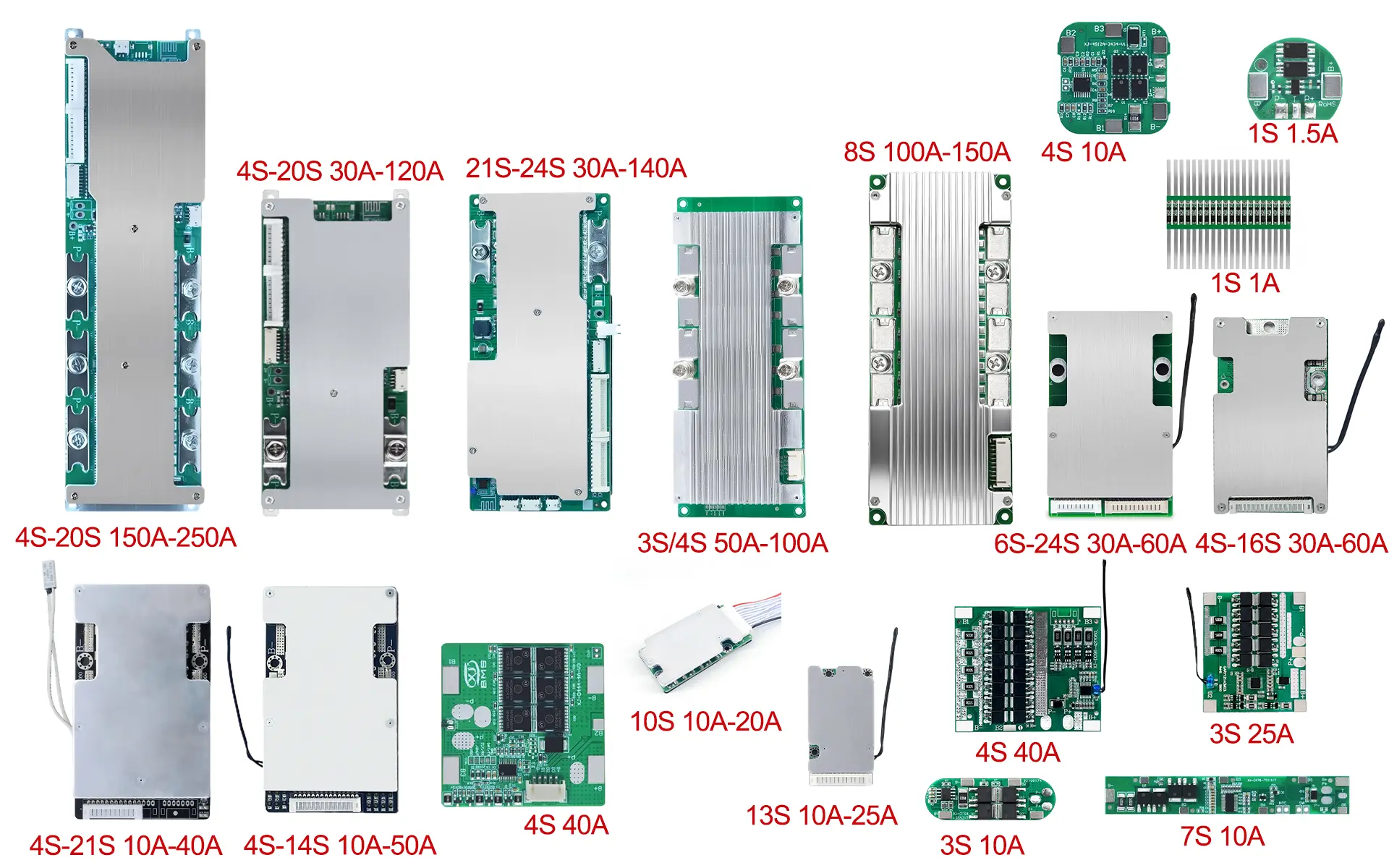
For UPS packs where cell balancing over long float charge is a concern, add one of our active balancers:
- Capacitor active balancer (4S / 8S / 16S, 5 A): Fast equalization for mid-size UPS strings.
- Inductor active balancer (2S–24S, 2 A): Continuous low-power balancing for long-float 16S+ UPS packs.
For Portable Power Stations, Home Emergency, and Outdoor Use
These are lower-voltage (3S–14S), more compact boards — often with Bluetooth for app-based SoC monitoring. They match the 12 V–48 V battery packs that power portable stations, camping generators, and home emergency backup units.
| Model | Cells | Current | Dimensions | Best portable / outdoor application |
| 3S | 20 A–45 A | 90×45×8 mm | Compact 12 V portable stations, jump-starter + power bank combos | |
| 4S | 5 A–25 A | 59×54×4 mm | Small 12 V LiFePO4 power stations, camping boxes | |
| 4S | 10 A–40 A | 78×60×6 mm | Mid-size 12 V stations with AC inverter output | |
| 4S | 5 A–25 A | 65×36×8 mm | Durable 12 V outdoor packs, IP-rated enclosures | |
| 7S | 10 A | 111×18×3 mm | 24 V slim portable stations, thin battery packs | |
| 4S–16S | 30 A–60 A | 90×50×7 mm | Larger 24 V–48 V home emergency stations, solar storage boxes | |
| 4S | 60 A–100 A | 161×65×12 mm | High-current 12 V stations, heavy-duty jump-starters | |
| 4S | 100 A–120 A | 145×65×13 mm | 12 V car jump-starters with AC outlet, high-discharge packs |
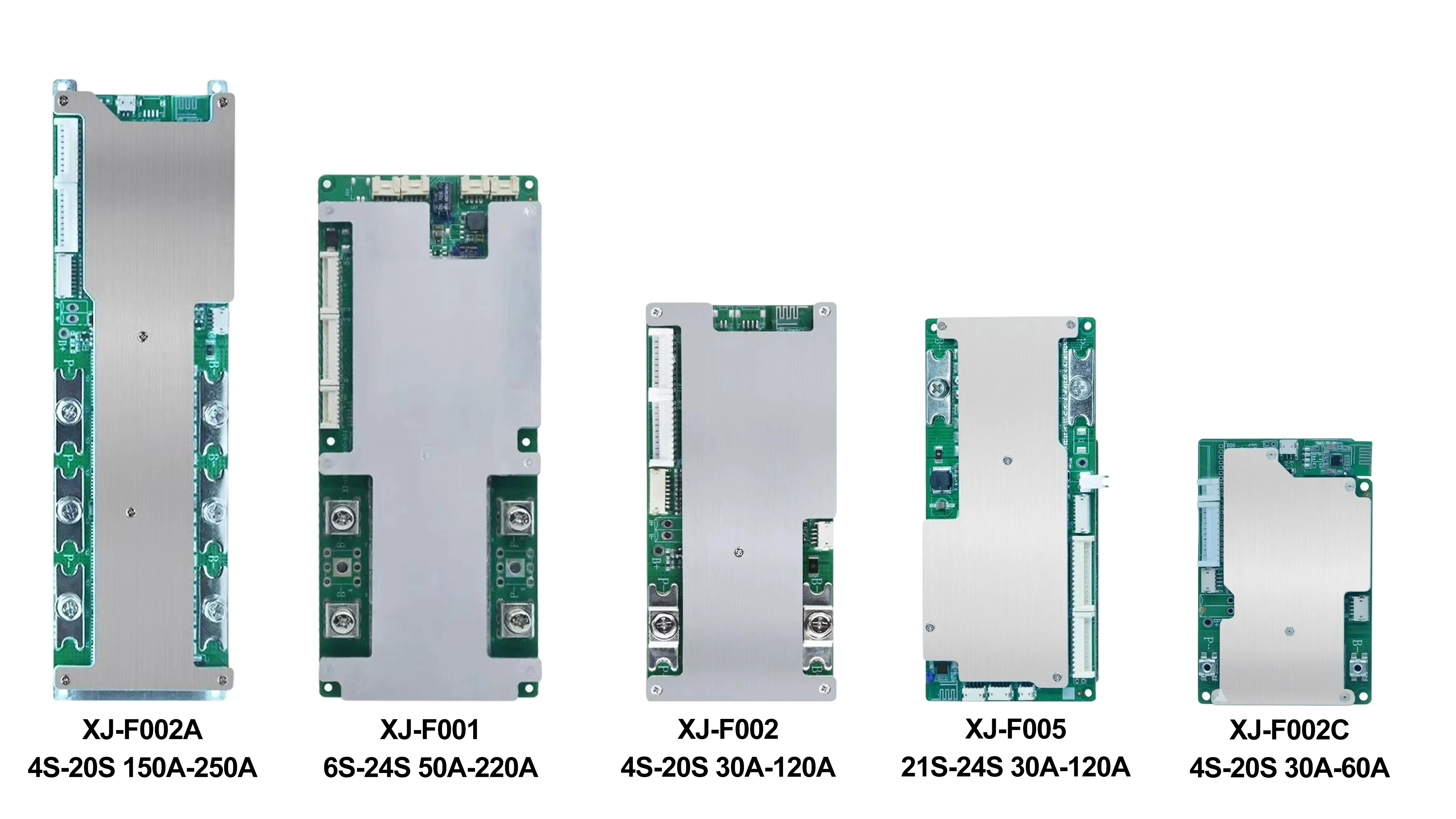
For consumer-facing portable stations where the user expects phone-app monitoring, our Bluetooth boards are the natural choice:
| Model | Cells | Current | Dimensions | Best fit |
| 4S–20S | 30 A–60 A | 100×65×9 mm | Compact smart portable stations, app-enabled outdoor packs | |
| 4S–20S | 30 A–120 A | 136×63×14 mm | Mid-to-large smart power stations, home backup with app | |
| 4S–20S | 150 A–250 A | 210×63×14 mm | High-power smart stations, large home battery systems |
Conclusion
A UPS is mission-critical battery backup for equipment that cannot tolerate even a millisecond of downtime; a portable power station is a mobile power source for outdoor, camping, and home-emergency use. Both need a BMS — but the BMS for a rack UPS is tuned for long float life, multi-cell strings, and high reliability, while the BMS for a portable station prioritizes compact size, cycle life, and Bluetooth app monitoring.
Our XJ series covers both ends of the spectrum: from the slim 7S XJ-D178 for 24 V portable packs to the 300 A XJ-D038V5 for data-center UPS banks. Contact us for samples, custom firmware profiles, and OEM support for your next UPS or power-station project.
 +86 15012973360
