






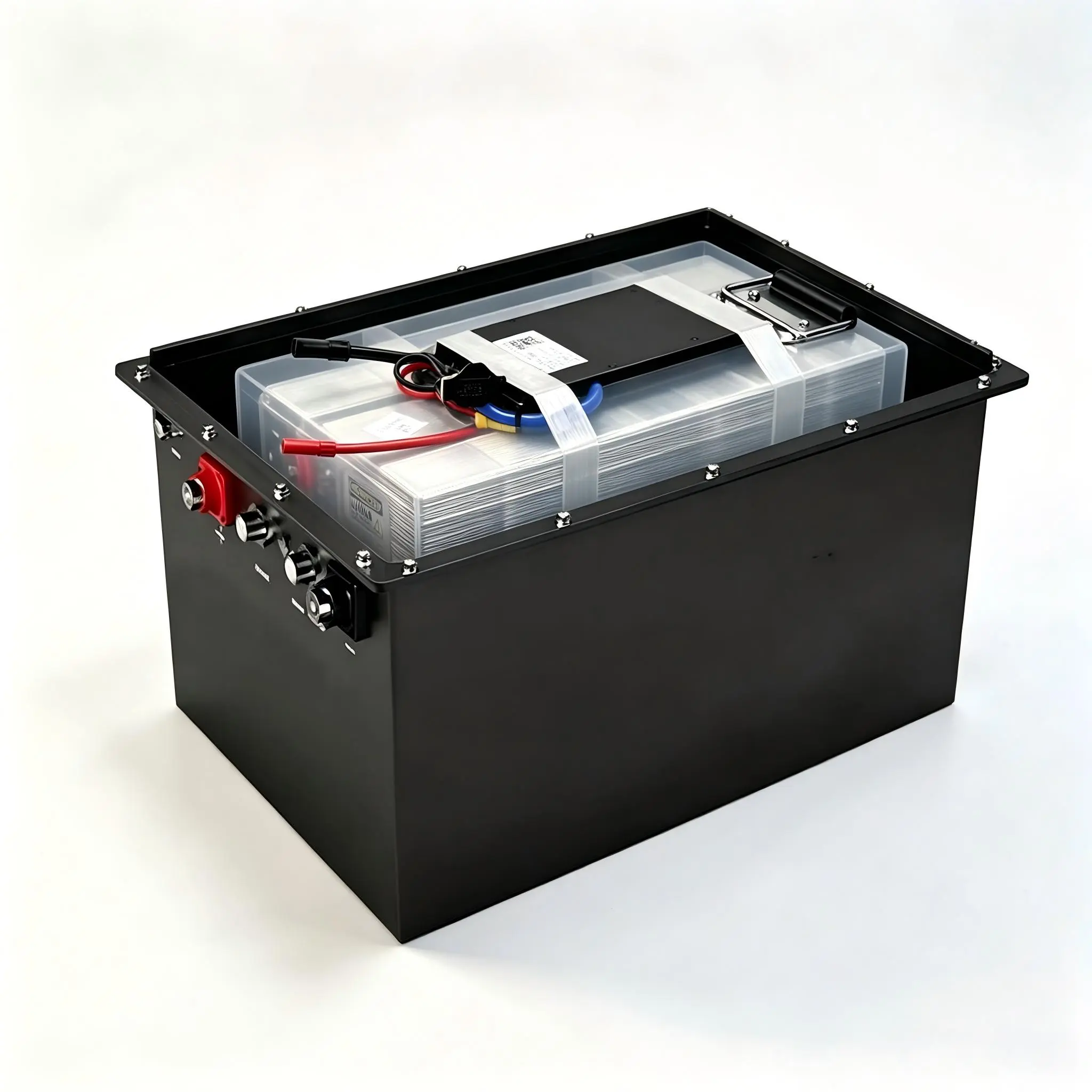
The Silent Guardian: Why a Low-Power Switch in Your BMS is Non-Negotiable for Long-Term Battery Health
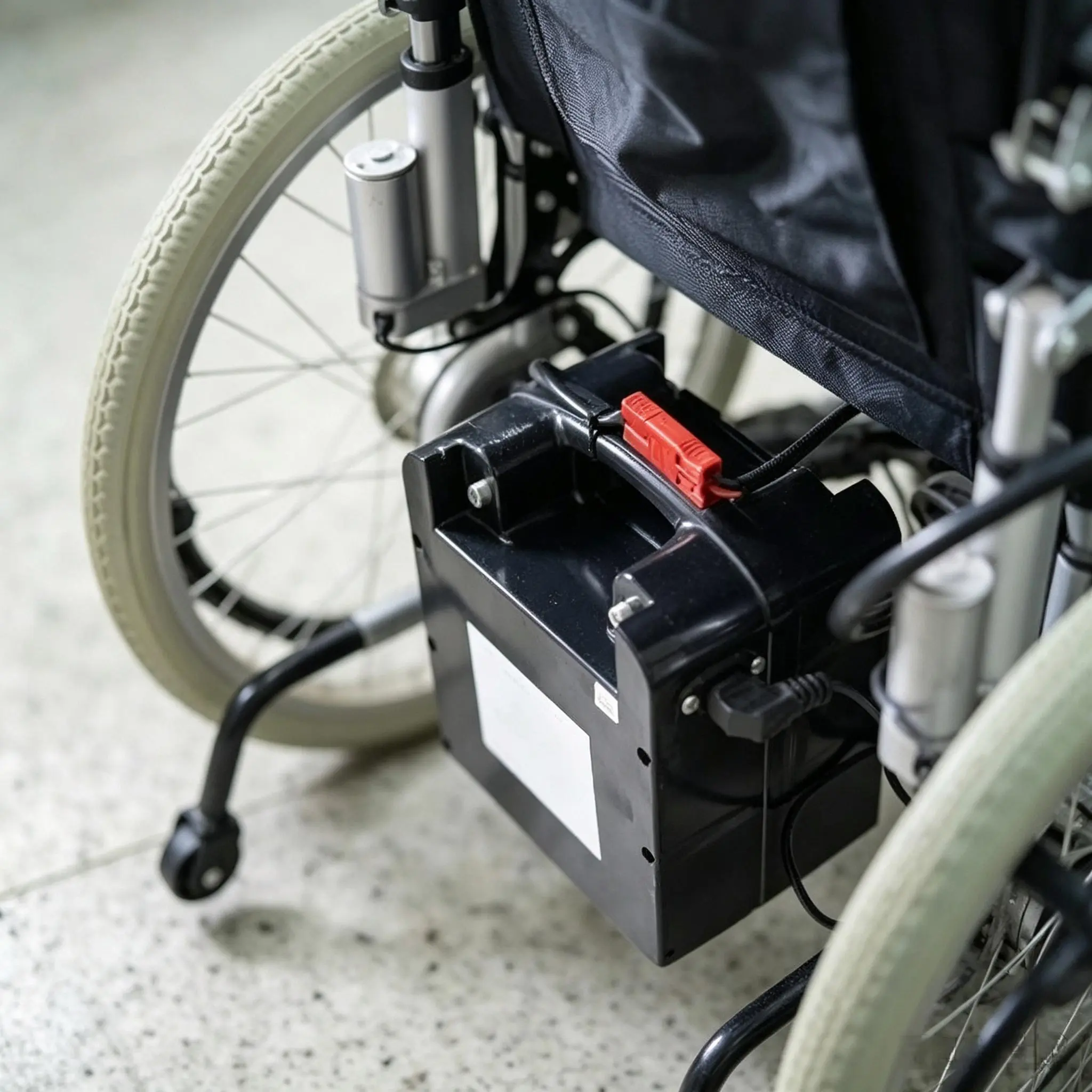
If you've ever pulled an old drill, an electric bike, or a storage battery out of the garage after a long winter, only to find it completely dead and unrechargeable, you've witnessed the silent killer of lithium batteries: self-discharge.
While all batteries self-discharge slowly, the real culprit in many modern battery packs is often overlooked—the Battery Management System (BMS) itself. Even in "sleep" mode, a BMS draws a tiny trickle of current to keep its brain alive. Over months of storage, this quiescent current can drain a battery below its critical minimum voltage, causing irreversible chemical damage and effectively "killing" the cell. This is where a critical but under-discussed feature comes into play: the Low-Power Switch (LPS) (also called weak current switch).
What Exactly is a Low-Power Switch?
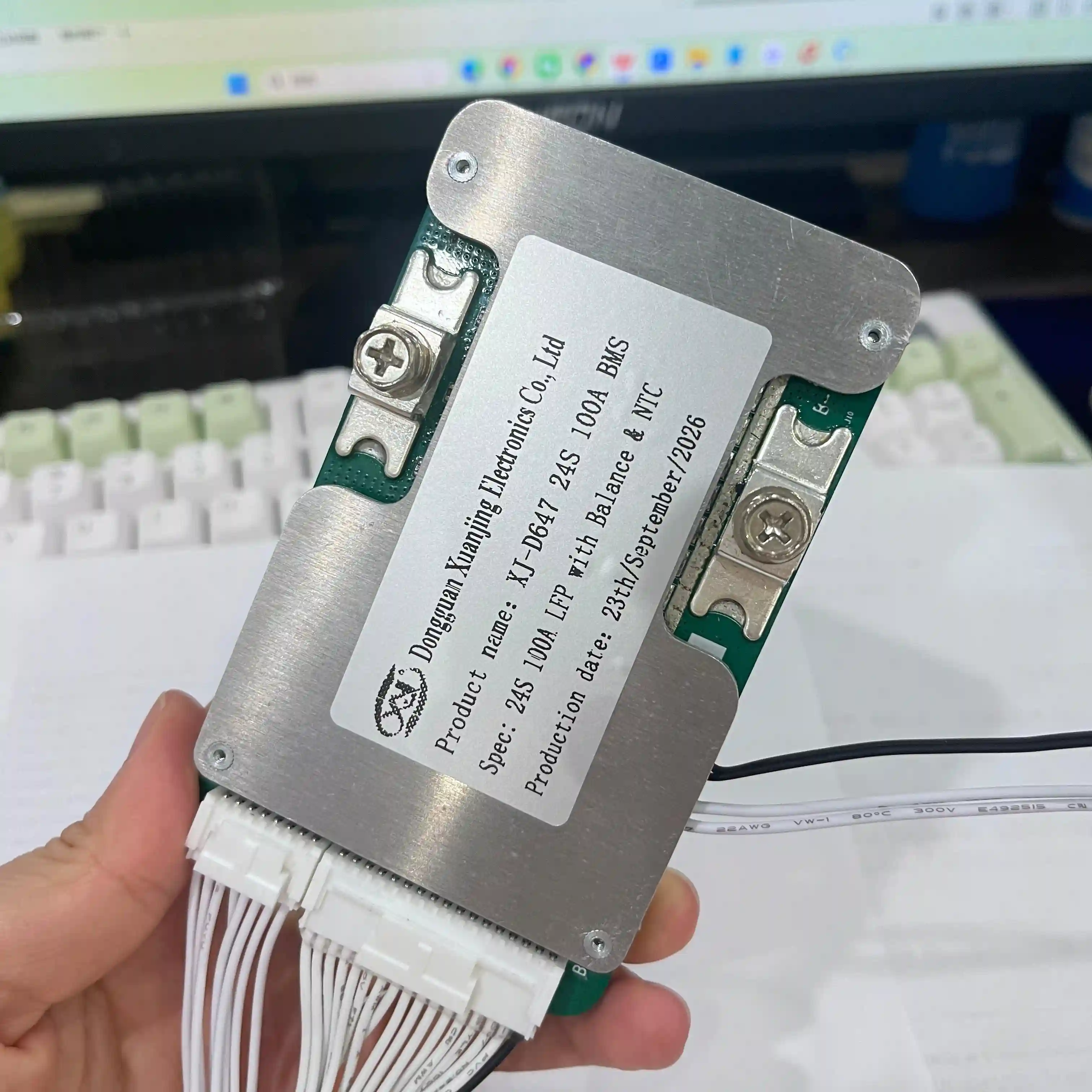
Don't look for a physical button. In BMS design, the Low-Power Switch is an integrated electronic circuit (typically using MOSFETs) that acts as the master power switch for the BMS's own operational power. Its sole job is to completely disconnect the BMS's control chip, sensors, and balancing circuits from the battery when the pack is idle.
-
"Low-Power": Refers to the small, milliampere-level current used to power the BMS logic.
-
"Switch": It severs this connection entirely.
When activated, the BMS isn't just sleeping—it's completely off, drawing virtually zero current.

Why is an LPS a Game-Changer?
-
Ultra-Low Self-Discharge for Storage: This is the primary benefit. For applications like solar energy storage, marine equipment, seasonal vehicles, or backup power systems that sit idle for extended periods, an LPS is indispensable. It preserves the state of charge for years, not just months.
-
The Ultimate Safety Net: When a battery is critically low ("bricked" or "deeply discharged"), the LPS acts as the final barrier. It cuts off the last possible parasitic drain from the BMS, sometimes leaving just enough residual voltage to allow for a potential recovery or "jump-start" procedure.
-
Enhanced Reliability: By allowing for complete isolation, it prevents any potential malfunction within the BMS circuitry from affecting the battery during off periods.
Why Don't All BMS Have This Feature?
You'll find LPS on BMS designed for reliability and long-term deployment, not just for the next charge cycle. Many consumer-grade BMS (in cheap e-toys, frequently used tools) omit it to save cost, assuming the battery will be cycled regularly. The presence of an LPS is a key differentiator between a basic protector and a professional-grade, future-proof battery guardian.
Engineered for Persistence: Our LPS-Equipped BMS Lineup
At XJ, we believe a BMS should protect a battery throughout its entire lifecycle, including long periods of dormancy. That's why every single BMS in our smart series comes standard with a Low-Power Switch. It's not an optional extra; it's fundamental to our design philosophy.
Whether you're building a compact but robust pack or a high-power energy system, we have a solution with integrated LPS protection:
-
For Compact, Medium-Power Applications:
-
For High-Voltage & High-Current Demands:
-
XJ-D308: 11S-14S, Separate Port (5A Charge / 30A Discharge). (65*35*12mm)
-
XJ-D309: 11S-14S, Common Port 10A-30A. (65*35*12mm)
-
XJ-D311: 4S-21S, Common Port 30A-60A. (150*62*12mm)
-
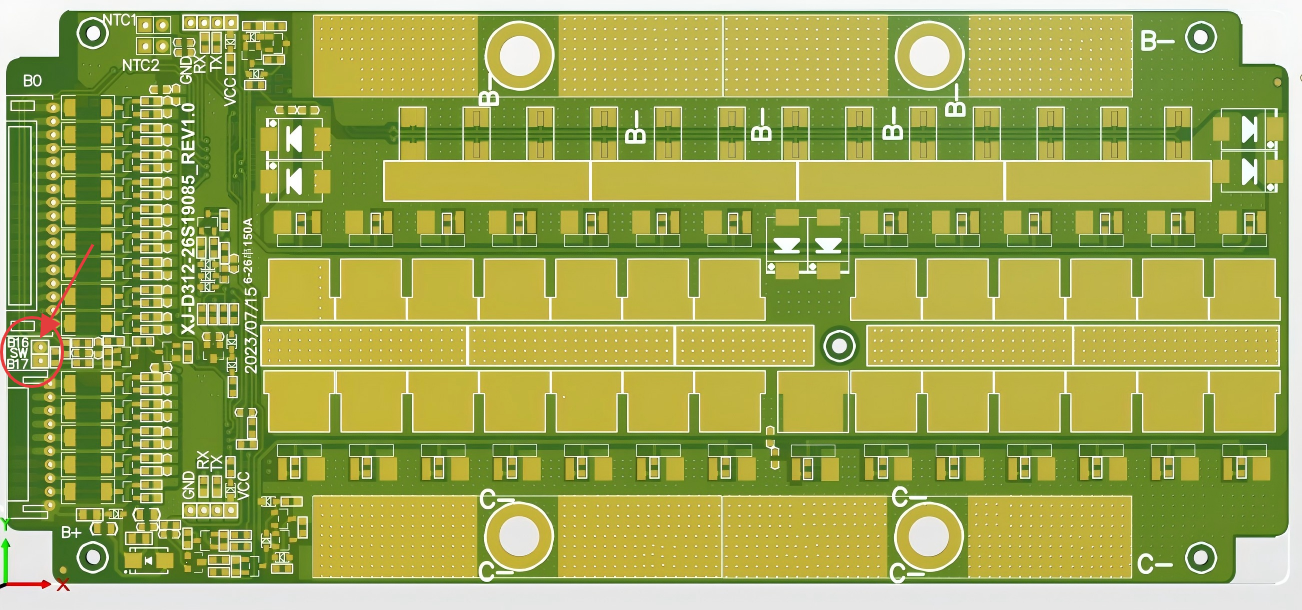
XJ-D312: 6S-26S, Common Port 70A-150A. (190*85*18mm) - For the most demanding applications.
-
-
For Slim & Efficient Designs:
The Bottom Line
Specifying a BMS without a Low-Power Switch is a calculated risk for any application that involves storage. It's a gamble on the battery's longevity. By choosing an XJ BMS, you're not just getting over-charge, over-discharge, and short-circuit protection—you're getting a complete power management system that guards your battery investment against the slow, silent threat of time itself.
Protect your pack for the long run. Choose a BMS with a built-in silent guardian.
For help selecting the right LVS-enabled BMS (or customizing specs), contact our team:
📧 Email: info@xj-bms.com
🌐 Website: www.xj-bms.com — View full specs and request samples