


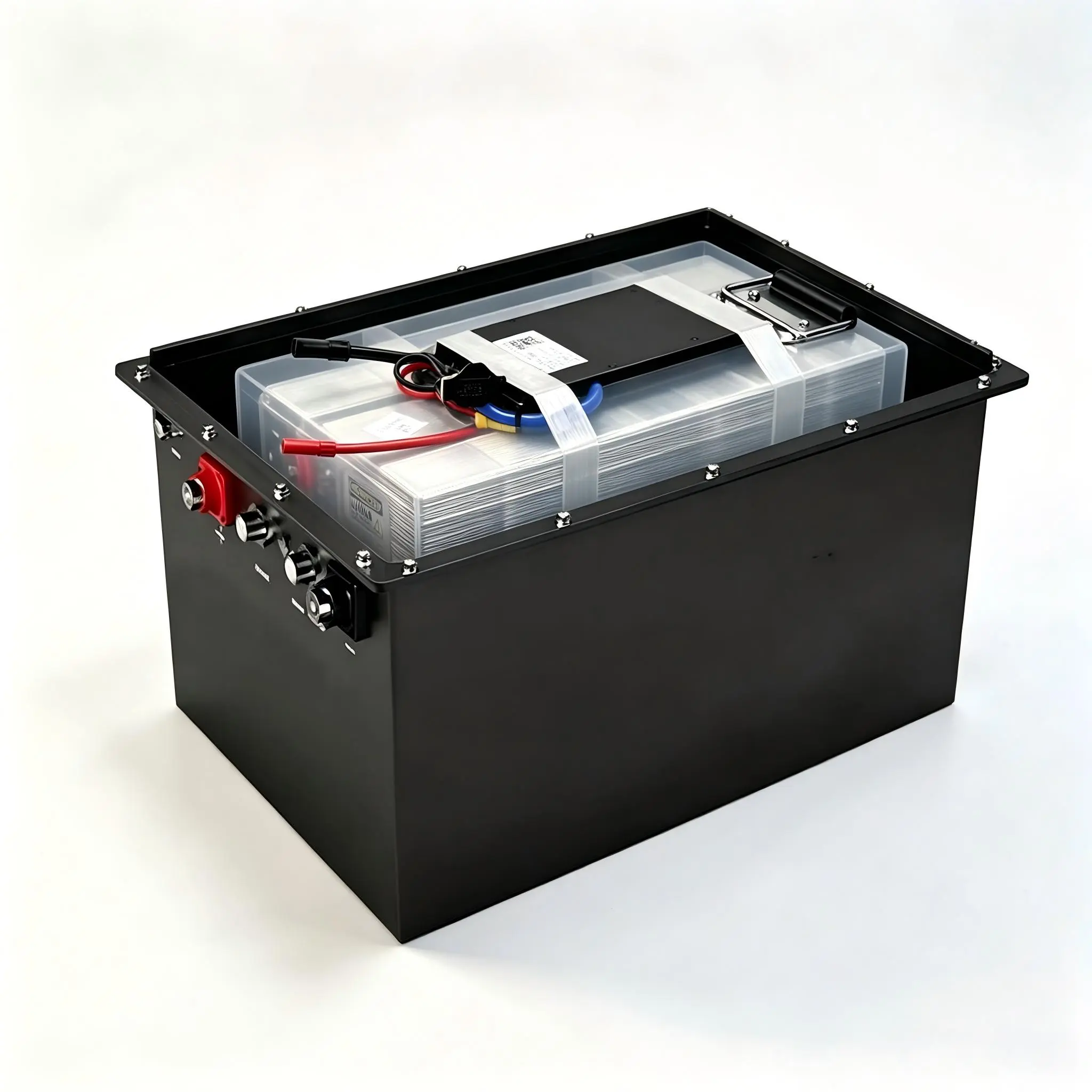
Solar & Off-Grid Batteries BMS: Essential for RV, Golf Cart & Outdoor Energy Storage
Solar off-grid energy storage is reshaping how we power outdoor and remote devices—from road-tripping RVs to golf courses, and even camping or remote worksites. The concept is simple: solar panels capture sunlight, convert it into electricity, and store that power in batteries for later use. But here's the critical detail: every off-grid solar battery pack needs a reliable Battery Management System (BMS) to stay safe, efficient, and long-lasting.
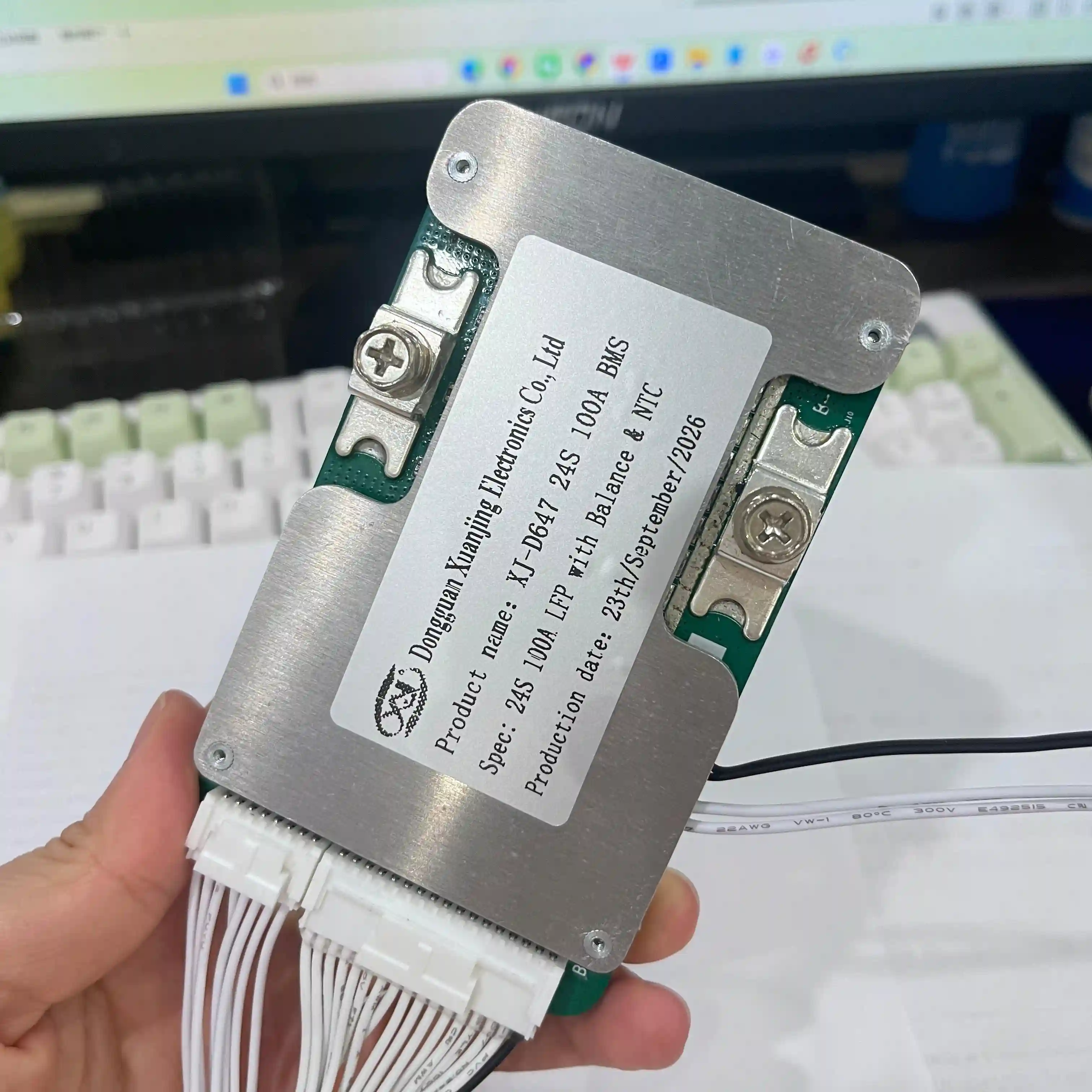
As a professional BMS manufacturer, we specialize in BMS solutions tailored for solar off-grid applications. Below, we break down the most common solar off-grid scenarios, the battery characteristics each requires, and the perfect BMS specifications to match—plus our top-recommended BMS models for RVs, solar golf carts, and outdoor energy storage.
The solar off-grid system has three core components, and the BMS is the "guardian" of the battery pack:
- Solar Panels: Capture sunlight and convert it into direct current (DC) electricity.
- Battery Pack: Stores the DC electricity generated by solar panels for use when sunlight is limited (e.g., night, cloudy days).
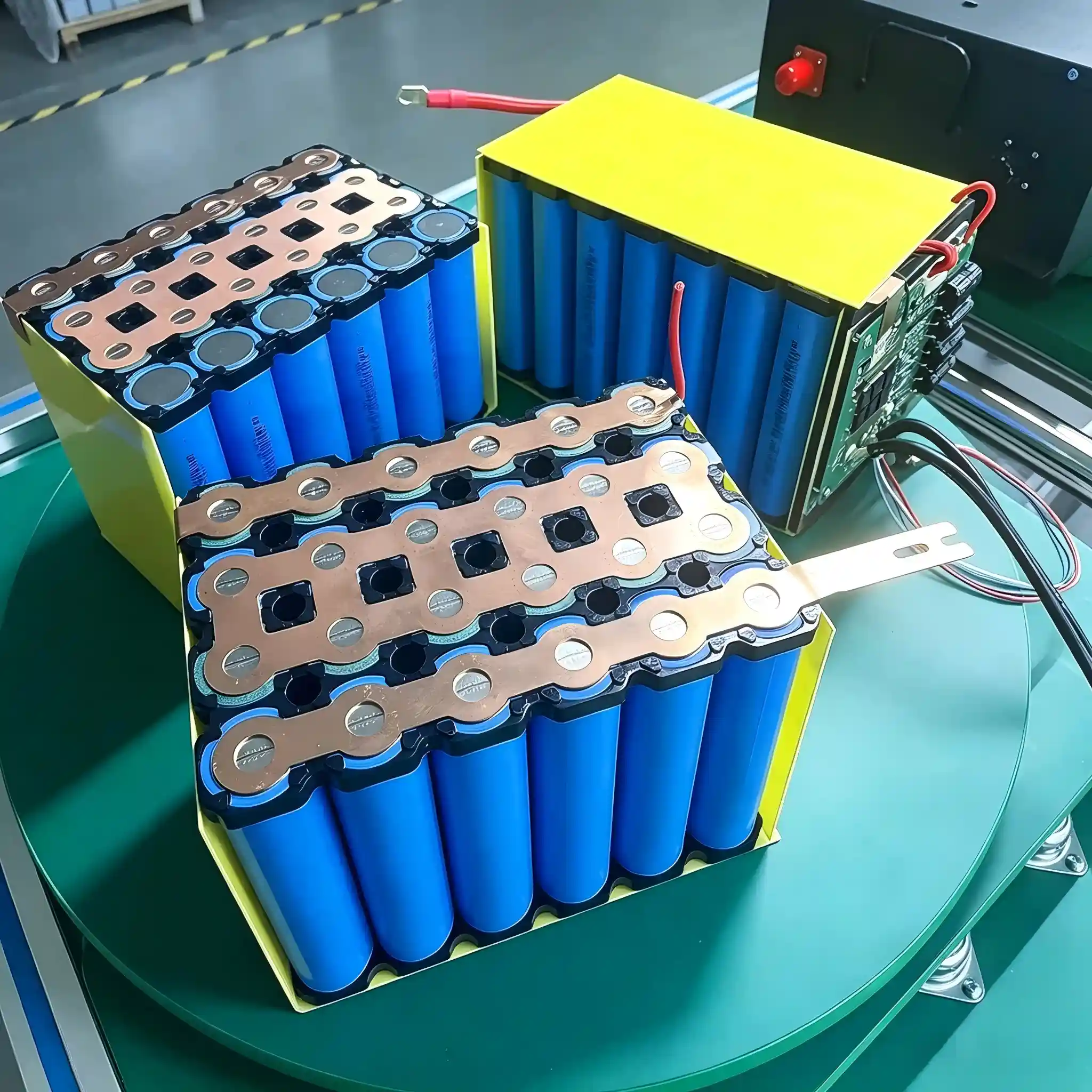
- BMS (Battery Management System): Protects the battery pack from overcharging (when solar panels generate excess power), over-discharging (when power is drawn too heavily), overcurrent, short circuits, and overheating—ensuring safe, stable operation and extending battery life.
Without a properly matched BMS, solar batteries risk premature failure, safety hazards, or inefficient energy storage—wasting the investment in solar panels and batteries.
Solar off-grid batteries are used in diverse outdoor scenarios, each with unique operating conditions. This means the battery's voltage, capacity, and chemistry vary—and the BMS must be tailored to these needs. We focus on the most in-demand scenarios:
Scenario Features
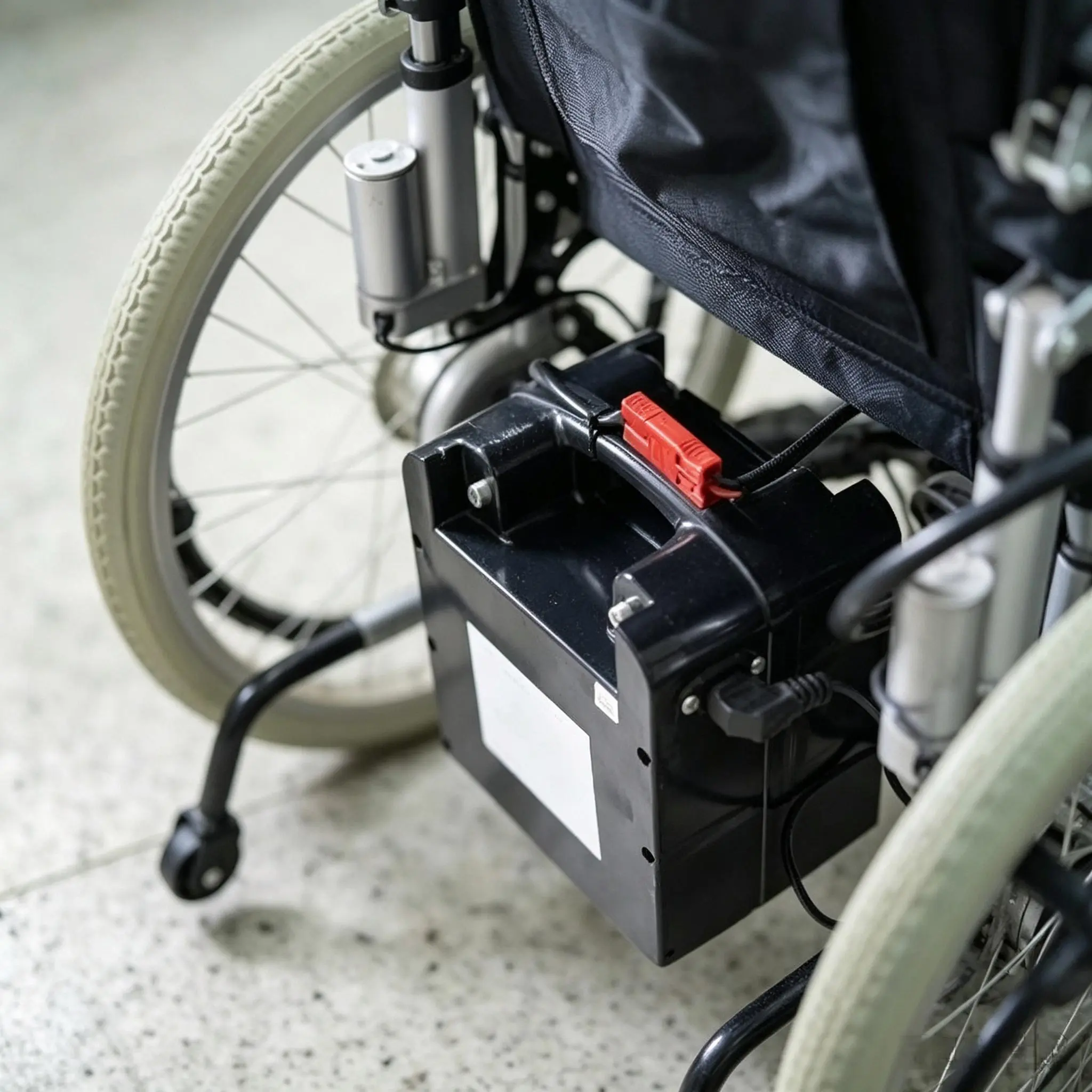
RVs rely on solar energy to power on-board appliances (fridges, lights, chargers) during road trips or camping—often in remote areas with no grid access. They need compact, reliable energy storage that balances capacity and space.
Battery Characteristics:
• Voltage: 12V (4S LiFePO4), 24V (8S LiFePO4), or 48V (16S LiFePO4) — 48V is ideal for larger RVs with more appliances.
• Chemistry: LiFePO4 (preferred) — high safety, long cycle life (2000+ cycles), and resistance to high temperatures (critical for outdoor parking).
• Capacity: 100Ah-500Ah, depending on appliance power needs.
Recommended BMS Specifications & Models:
• Need 4S-20S compatibility (matches 12V-64V batteries) and 30A-120A current (handles on-board appliance load).
• Smart BMS (F-Series) is ideal—enables remote monitoring of battery status (voltage, SOC) via app, perfect for RV owners on the go.
• Top Picks: XJ-F002 (4S-20S 30A-120A, smart) for most RVs; XJ-D565 (6S-24S 30A-60A) for small RVs/campers (budget-friendly option).
Scenario Features
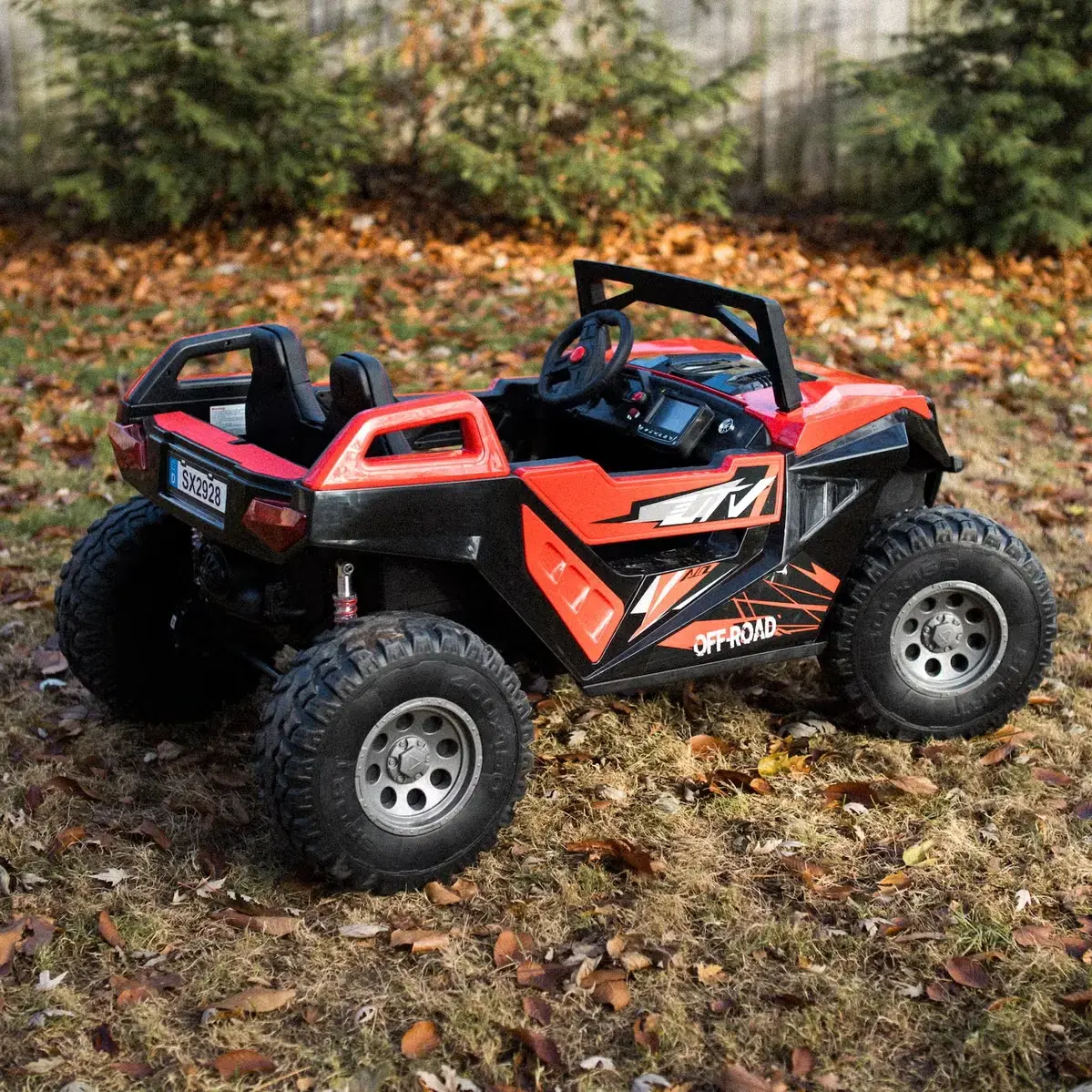
Solar golf carts are used on courses for long hours, requiring consistent power for cruising and occasional climbing. They need durable batteries that can handle repeated charging (via solar panels) and discharging cycles.
Battery Characteristics:
• Voltage: 36V (12S LiFePO4) or 48V (16S LiFePO4) — standard for golf cart power.
• Chemistry: LiFePO4 or NMC — LiFePO4 for longer life, NMC for higher energy density.
• Capacity: 50Ah-200Ah, balanced for range and weight (golf carts have limited battery space).
Recommended BMS Specifications & Models:
• Need 4S-25S compatibility and 50A-150A current (supports golf cart motor load and solar charging).
• Mix of smart and cost-effective options: smart BMS for fleet management (track battery health), standard BMS for bulk purchases.
• Top Picks: XJ-F002 (4S-20S 30A-120A, smart) for premium fleets; XJ-D386 (4S-25S 50A-150A) for mid-range carts; XJ-D038V3 (4S-20S 150A-300A) for heavy-duty golf carts (with extra load).
Scenario Features
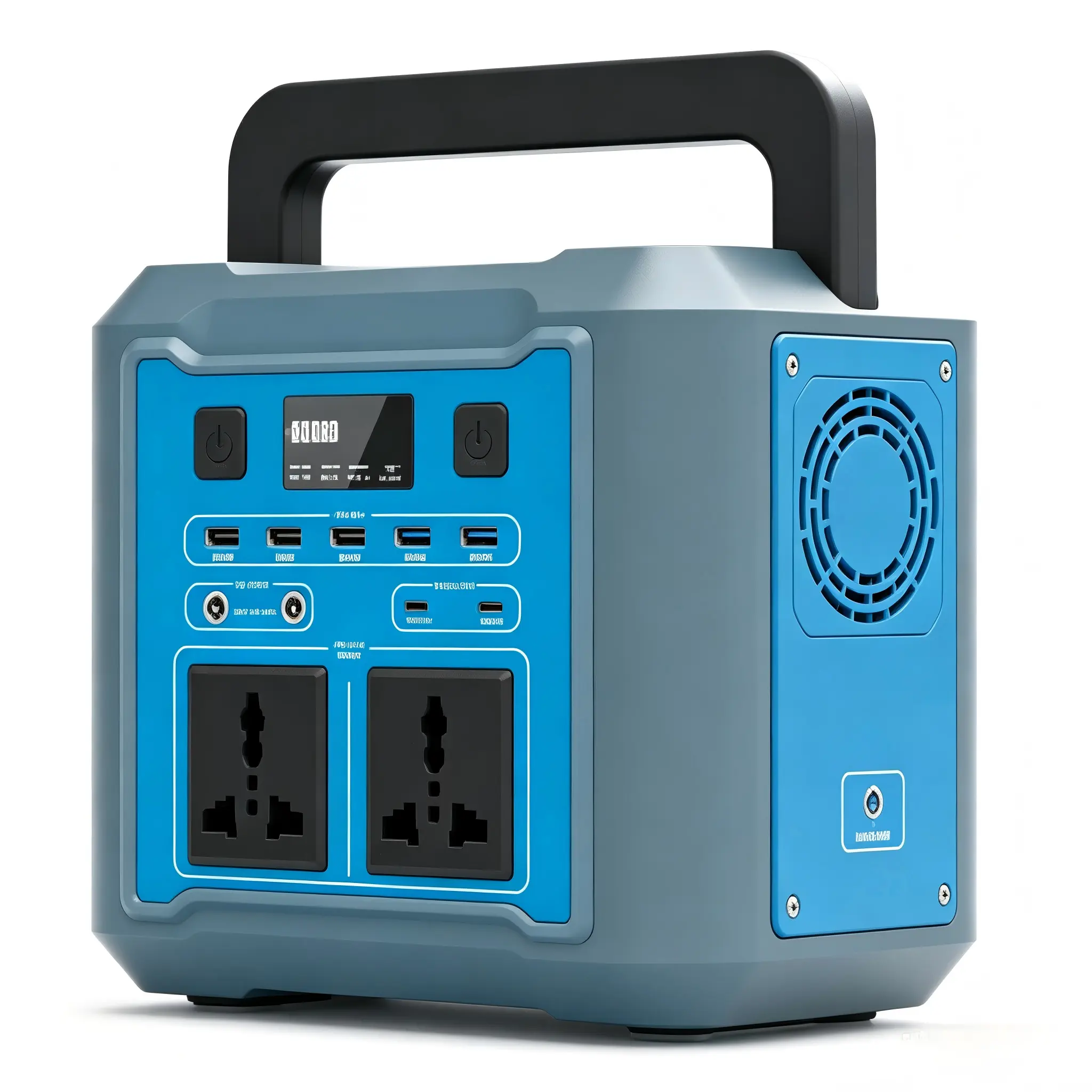
Outdoor solar storage systems (e.g., camping power stations, remote farm/construction site power supply) serve diverse needs—from small portable units (for phones, lights) to large stationary systems (for tools, pumps). They must withstand extreme outdoor temperatures (heat, cold) and long-term use.
Battery Characteristics:
• Voltage: 12V (4S) to 72V (24S LiFePO4) — small systems use 12V/24V, large systems use 48V/72V.
• Chemistry: LiFePO4 (most common) — safe for outdoor use, resistant to thermal runaway.
• Capacity: 20Ah-1000Ah+ — portable systems (20Ah-100Ah), stationary systems (500Ah+).
Recommended BMS Specifications & Models:
- Small portable systems: 30A-60A current (XJ-D565, 6S-24S 30A-60A) — budget-friendly, compact.
- Mid-size systems: 50A-140A current (XJ-F005, 21S-24S 50A-140A, smart) — fits 72V batteries, ideal for remote worksites.
- Large stationary systems: 150A-300A current (XJ-D038V3, 4S-20S 150A-300A) — handles high power loads, durable for long-term outdoor use.
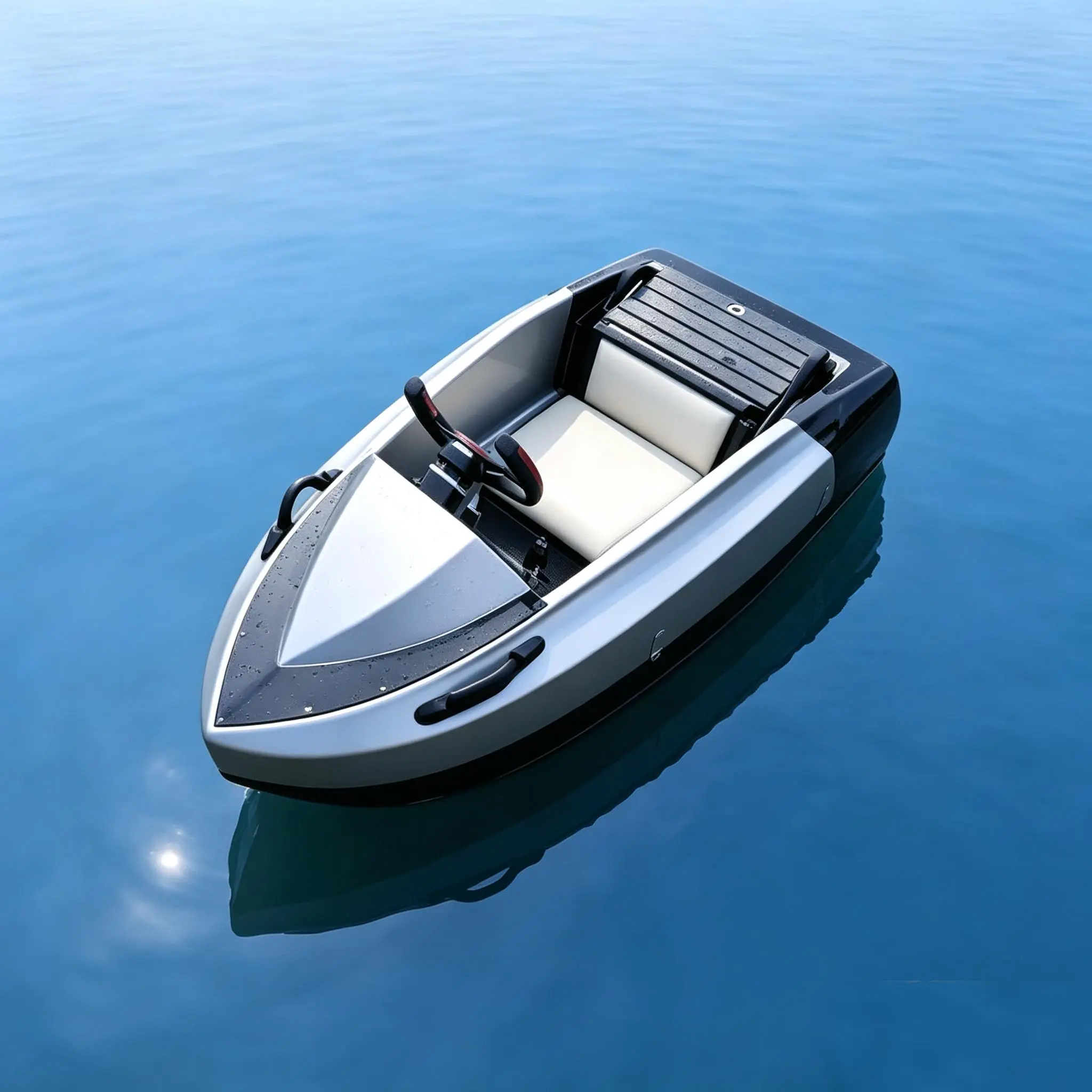
Similar to RVs, solar marine systems power on-board electronics. They need waterproof BMS (customizable) and compatibility with 24V/48V batteries. Top picks: XJ-F002 (smart, for monitoring) and XJ-D386 (durable, corrosion-resistant design).
We've curated a lineup of BMS models specifically engineered for solar off-grid applications—combining compatibility, durability, and flexibility. Choose between smart BMS (for visibility) and standard BMS (for cost-effectiveness):
Smart BMS (F-Series): For Visibility & Control
Ideal for users who need to monitor battery status (e.g., RV owners, golf cart fleet managers). Both models support real-time cell voltage monitoring, SOC/SOH tracking, and remote diagnosis via CAN/RS485 communication.
| Model | Specifications | Best For |
| 4S-20S, 30A-120A, Smart BMS | Solar RVs, mid-size golf carts, portable outdoor storage | |
| 21S-24S, 50A-140A, Smart BMS | Large outdoor storage (72V), heavy-duty golf carts, remote worksites |
Standard BMS (D-Series): For Cost-Effective Reliability
Perfect for bulk orders, budget-friendly projects, or scenarios where basic protection (no monitoring) is sufficient. All models include automatic cell balancing and core safety protections for solar charging/discharging cycles.
| Model | Specifications | Best For |
| 4S-20S, 150A-300A | Large stationary outdoor storage, heavy-duty golf carts/marine systems | |
| 4S-25S, 50A-150A | Mid-range golf carts, marine systems, medium outdoor storage | |
| 6S-24S, 30A-60A | Small RVs, camping power stations, portable solar storage |
Solar off-grid environments demand BMS that can handle variable solar charging, extreme temperatures, and long operating cycles—our models are built for these challenges:
- Wide Compatibility: Support LiFePO4, NMC, and sodium-ion batteries—matching all common solar off-grid battery chemistries.
- Durable Design: Resistant to high/low temperatures (-20°C to 60°C) and moisture, perfect for outdoor use.
- Solar-Specific Protection: Optimized for solar charging (handles fluctuating voltage) and deep discharge (critical for off-grid use).
- Flexibility: Smart and standard options, plus customization (waterproof, size, current) for unique projects.
We support your solar off-grid projects with comprehensive services, tailored to manufacturers, distributors, and project managers:
- Samples: Test our BMS models (XJ-F002, XJ-F005, XJ-D038V3, XJ-D386, XJ-D565) before bulk orders (shipping negotiable).
- Customization: Adjust specifications (current, series, size, waterproofing) to match your battery packs and application areas.
- 24-Hour Response: Technical and sales teams reply within 24 hours to inquiries, samples, and customization requests.
- Free BMS Solutions: Tell us your solar off-grid scenario, battery specs, and power needs—we'll recommend the perfect BMS.
Solar off-grid energy storage relies on reliable batteries—and reliable batteries need the right BMS. Whether you're building solar RVs, golf cart fleets, or outdoor storage systems, our F-Series and D-Series BMS models deliver the safety, efficiency, and durability you need.
Partner with us for high-quality, cost-effective BMS solutions that keep your solar off-grid systems running smoothly—anywhere, anytime.