
Leave Your Message
Sodium-Ion Battery BMS: Why SIBs Need Protection (vs. Lithium)
Bms Knowledge

Sodium-Ion Battery BMS: Why SIBs Need Protection (vs. Lithium)

2025-12-17

Sodium-ion batteries (SIBs) are rapidly emerging as a game-changing alternative to lithium-ion (Li-ion) batteries—especially for energy storage systems (ESS), low-speed e-mobility, and industrial applications. Driven by their abundant raw materials, lower cost, and improved safety, SIBs solve key pain points of Li-ion (e.g., lithium/cobalt scarcity, high prices, thermal runaway risks). But here’s the catch: even with better inherent safety, sodium-ion batteries still need a specialized BMS to maximize performance, lifespan, and reliability.
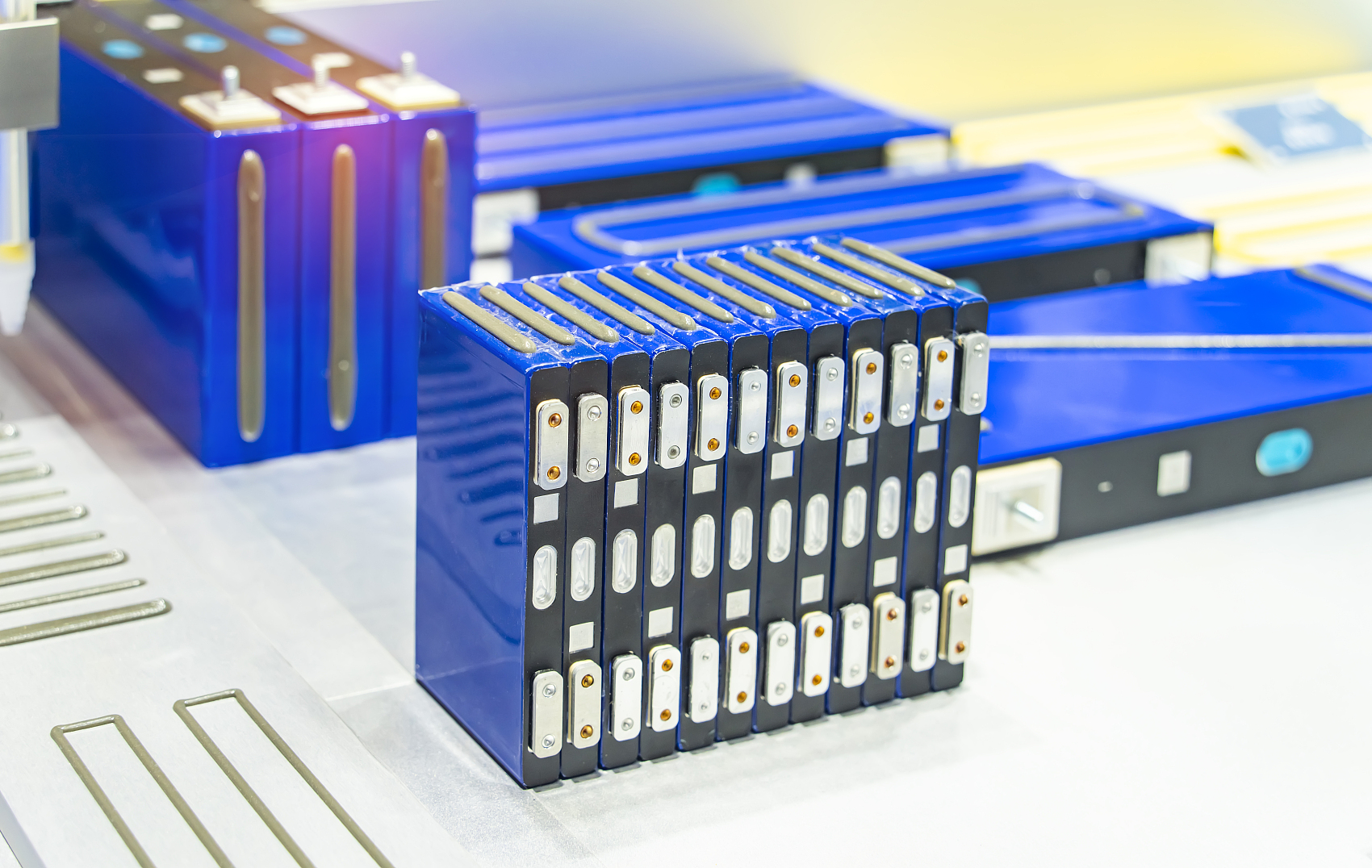
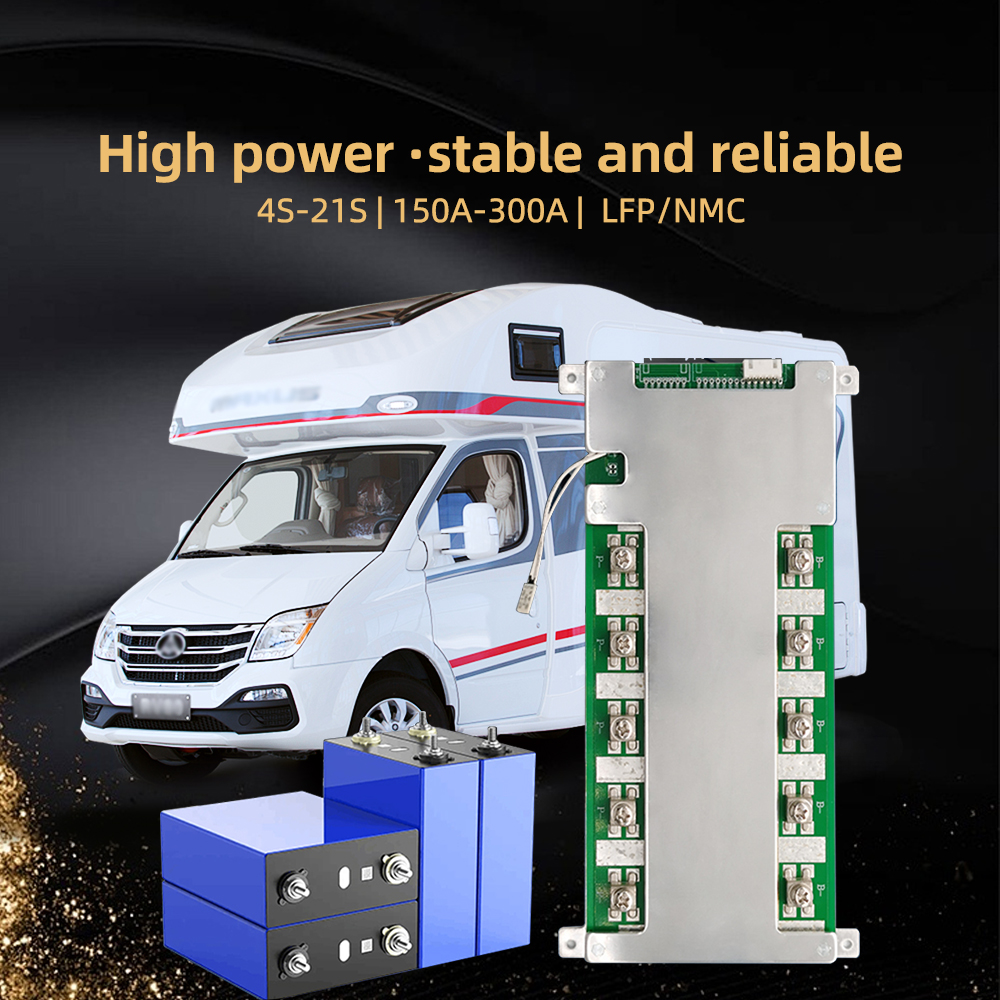
Below, we break down why SIBs are gaining traction (vs. Li-ion), why they require tailored protection, and our full lineup of sodium battery BMS—from hardware to smart models—engineered for SIBs’ unique needs.

Sodium-Ion vs. Lithium-Ion Batteries: Why SIBs Are Taking Off

To understand why SIBs need dedicated BMS, first let’s compare their core strengths and limitations vs. Li-ion:
Factor Sodium-Ion (SIB) Lithium-Ion (Li-Ion)
Raw Material Cost Low (sodium is 2.8% of Earth’s crust—no rare metals like lithium/cobalt) High (lithium/cobalt scarcity drives up costs)
Safety Better (higher thermal stability; lower risk of thermal runaway) Lower (prone to overheating/short-circuit fires)
Energy Density Lower (≈100–160 Wh/kg; ideal for stationary ESS, low-speed EVs) Higher (≈200–350 Wh/kg; better for long-range EVs)
Cycle Life Moderate (1,000–3,000 cycles; improving with tech) Longer (2,000–5,000+ cycles)
Low-Temperature Performance Excellent (works well at -20°C to -40°C) Poor (performance drops below 0°C)
SIBs excel in scenarios where cost, safety, and low-temperature resilience matter more than ultra-high energy density—think:
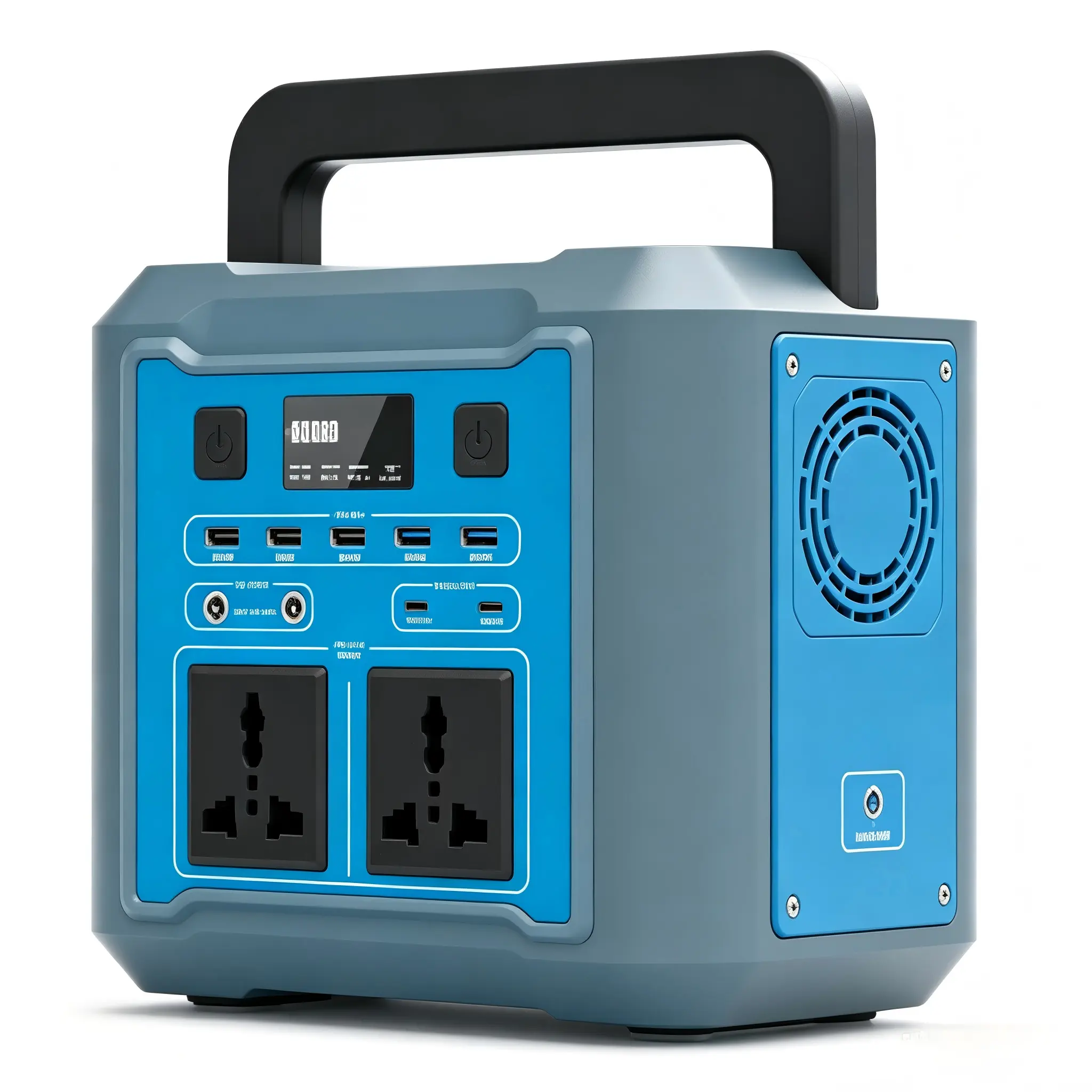
  • Grid-scale/industrial ESS (backup power, solar storage)
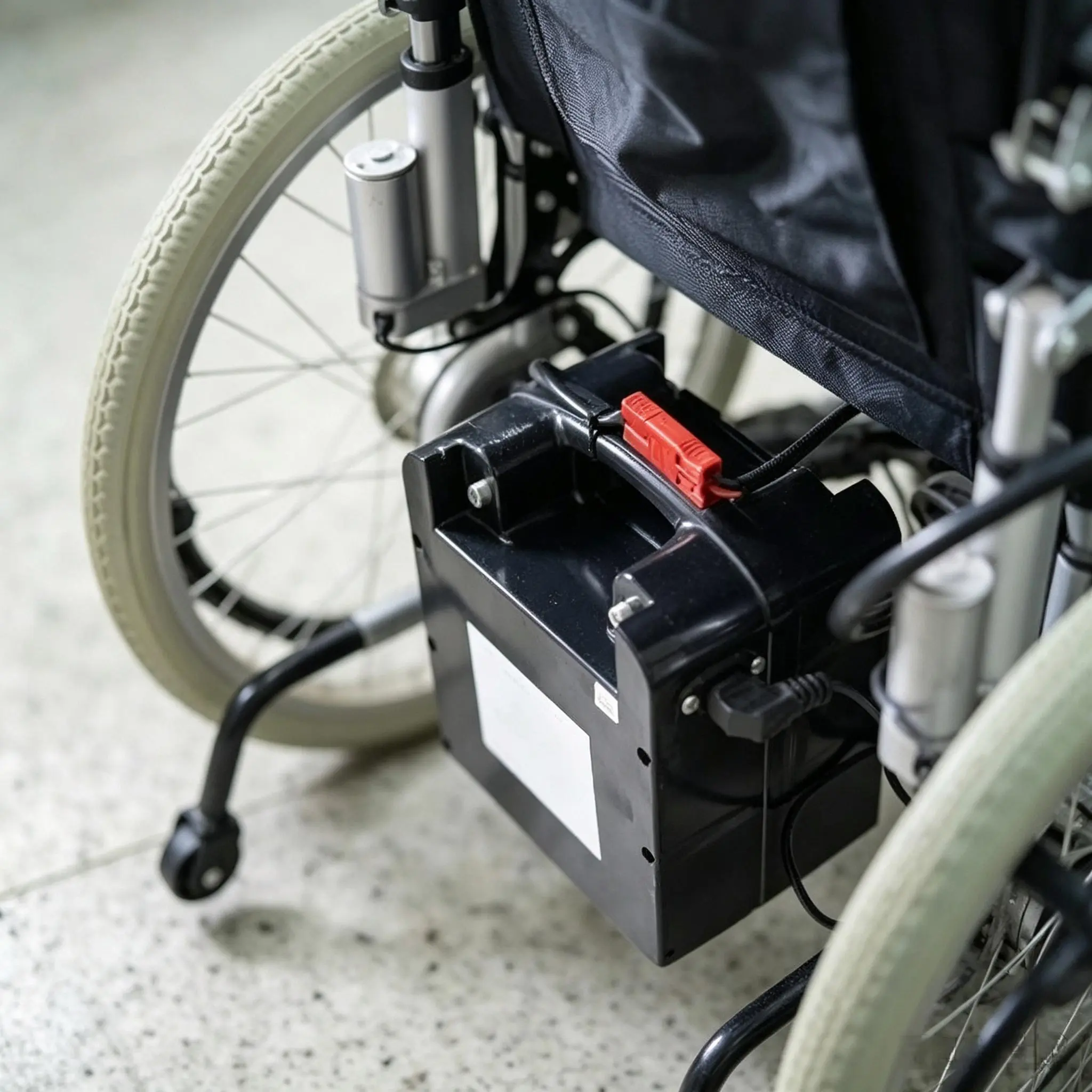
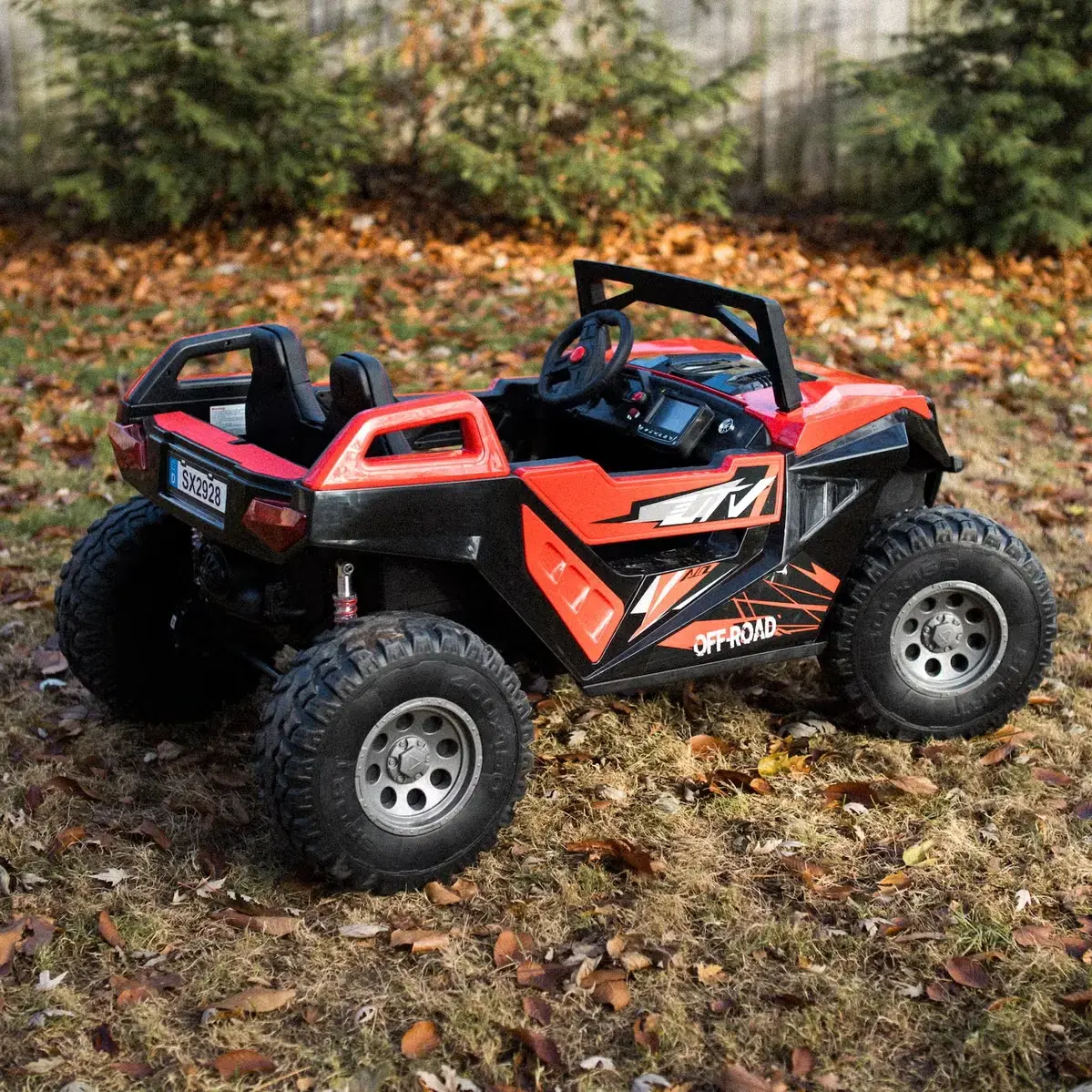
  • Low-speed e-vehicles (e-rickshaws, golf carts, small e-scooters)
  • Outdoor/extreme-temperature applications (cold-climate ESS,off-grid systems)
  • Starter batteries (motorcycles, small cars)

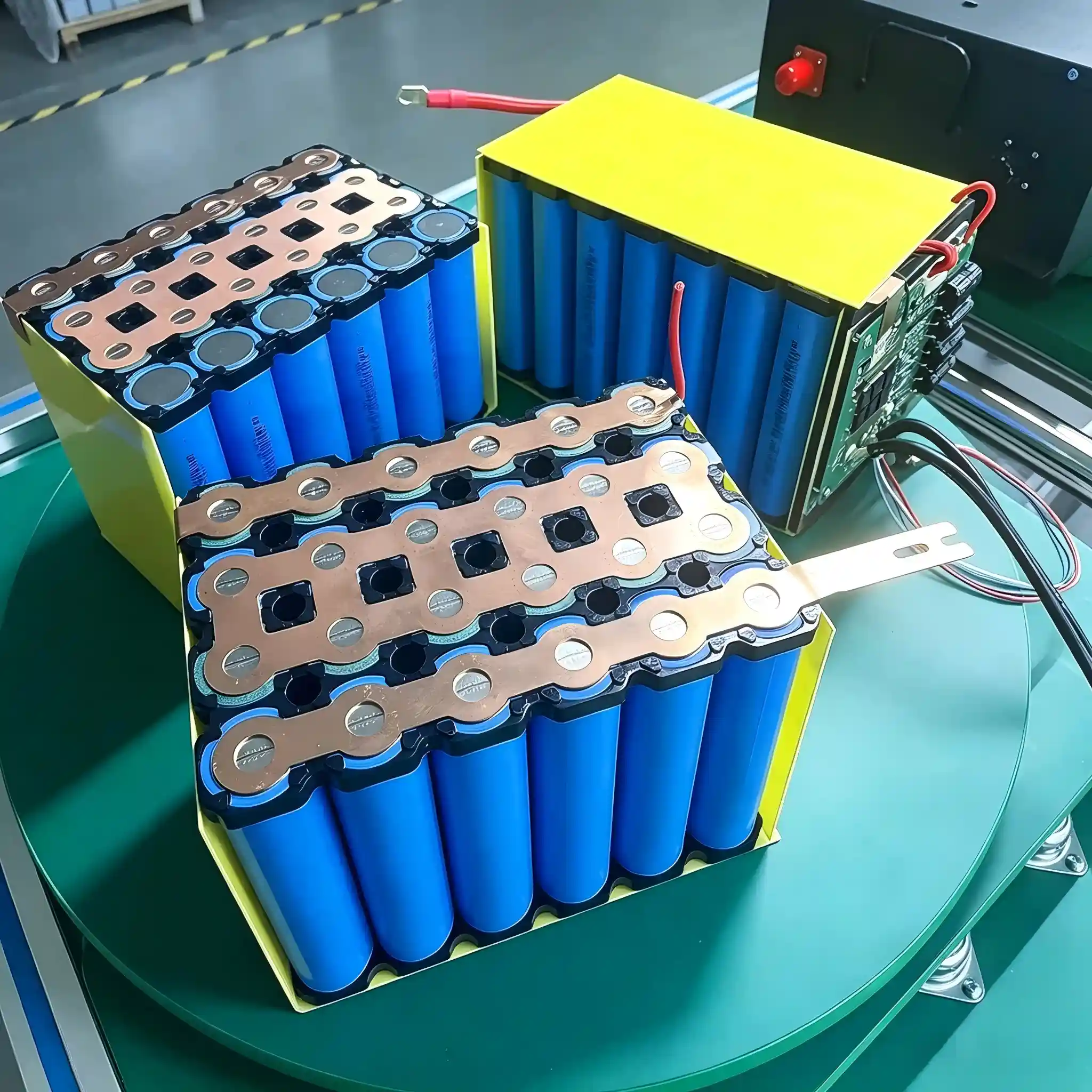
battery pack.png

Why Sodium-Ion Batteries Still Need a Specialized BMS

SIBs’ better safety doesn’t eliminate the need for BMS—in fact, their unique chemistry demands tailored protection to avoid performance loss and damage:
  1. Cell Imbalance: Like Li-ion, SIB cells drift in voltage/capacity over cycles. Without balancing, a single weak cell cuts pack capacity by 30–50% and shortens lifespan.
  2. Overcharge/Over-Discharge Risks: SIBs tolerate mild overcharge better than Li-ion, but prolonged overcharge degrades sodium electrodes; deep discharge damages cell structure.
  3. Temperature Fluctuations: While SIBs handle cold well, extreme heat (60°C+) reduces efficiency. A BMS with NTC prevents overheating and optimizes performance.
  4. High-Current Demands: For applications like e-vehicles or starter batteries, SIBs need BMS to manage sudden current spikes (e.g., engine starts) and avoid over-current damage.
A one-size-fits-all Li-ion BMS won’t work for SIBs—our lineup is engineered to match SIBs’ voltage ranges, charge/discharge characteristics, and temperature needs.

Our Sodium-Ion Battery BMS Lineup

We offer three core BMS categories for sodium-ion batteries—covering low to high current, basic to smart functionality, and specialized starter use cases. All models include SIB-specific balancing, NTC,and protection.

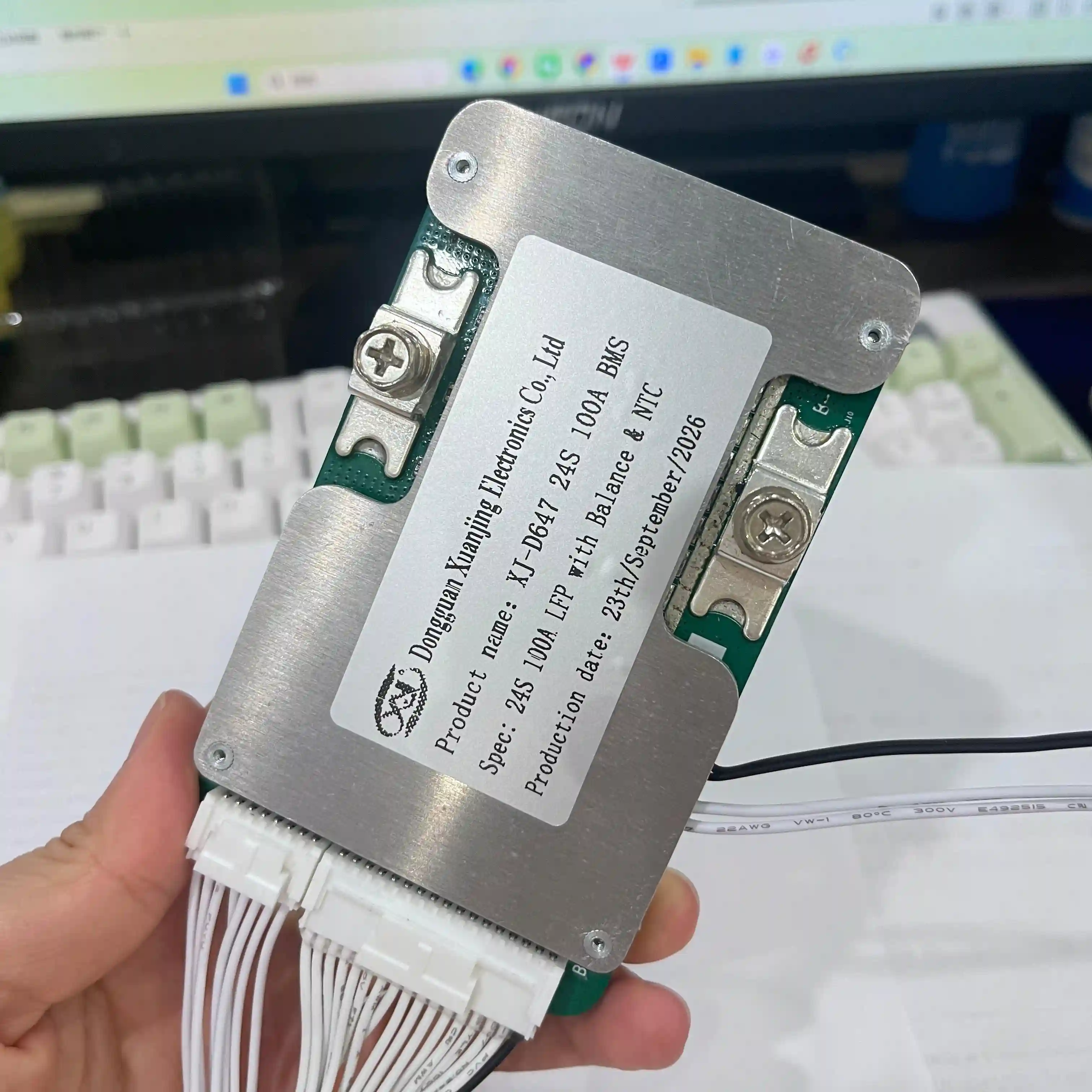
1. Hardware BMS for Sodium Batteries (Reliable, Cost-Effective)

Ideal for outdoor portable engergy storage, low-speed e-vehicles (golf cart, sightseeing car, forklift), RV backup power supply, and industrial gear where basic protection is key:
Model SIB Compatibility Current Range Key Features Best For
XJ-D038V3 4S–24S 150A–300A Common port, balancing, NTC Heavy-duty e-tricycles, forklift
XJ-D386 4S–25S 50A–150A Common port, balancing, NTC Low-speed e-buses
XJ-D068 4S–21S 10A–40A Common port, balancing, NTC E-scooters, e-bikes
XJ-D098 4S–14S 10A–50A Common port, balancing, NTC E-rickshaws

D038V3 BMS (3).jpg

2. Smart BMS for Sodium Batteries (Connected, Data-Driven)

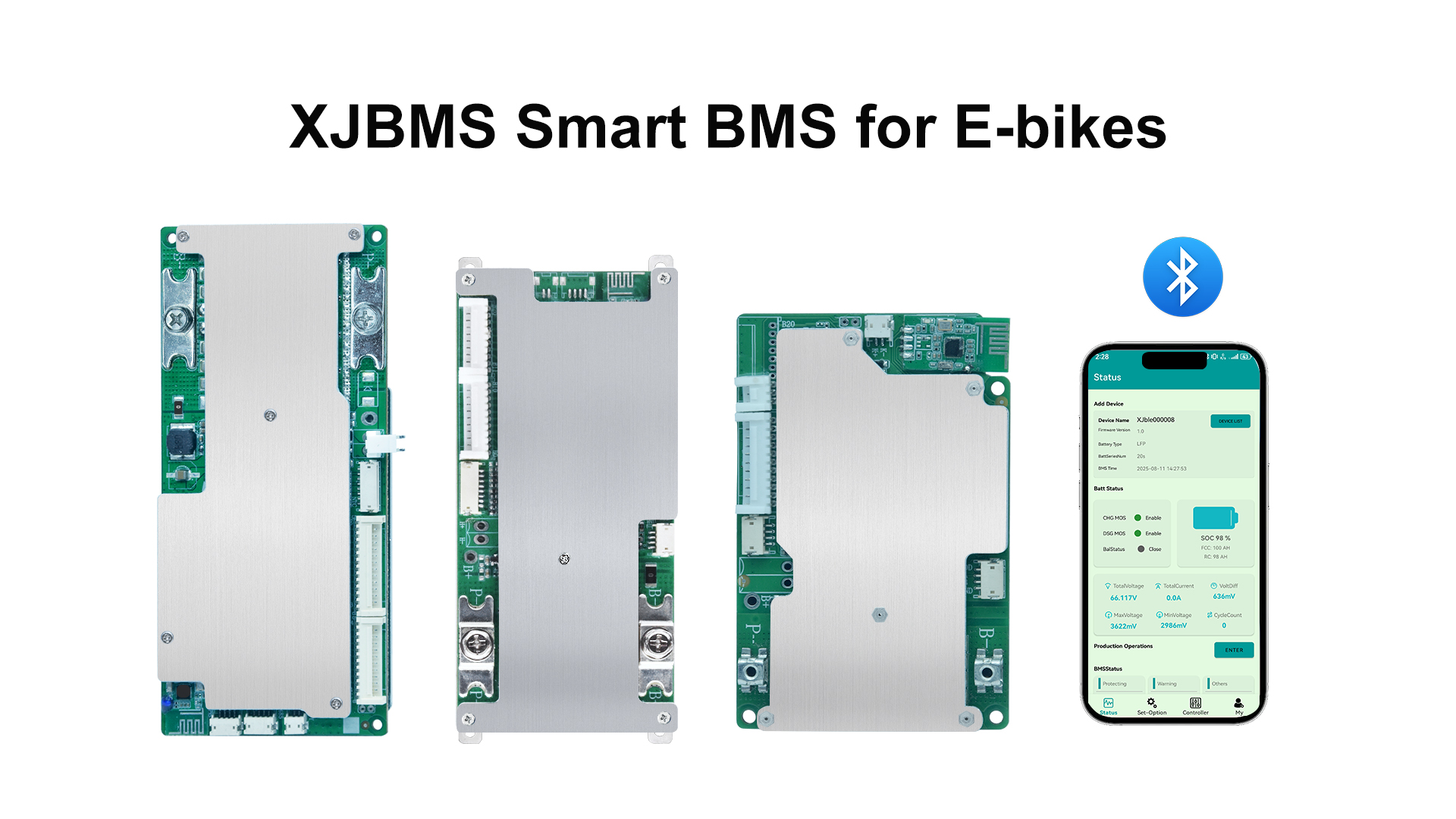
For applications needing real-time monitoring, remote control, or fleet management (e.g., commercial e-vehicles):
Model SIB Compatibility Current Range Key Features Best For
XJ-F001 6S–24S 50A–220A 2A active balancing, Bluetooth/RS485/CAN, GPS, low-voltage switch Fleet e-vehicles
XJ-F002 4S–20S 30A–120A Bluetooth/RS485, low-voltage switch, heating small e-scooters
XJ-F002A 4S–20S 150A–250A Bluetooth/RS485, low-voltage switch, heating High-power e-trucks
XJ-F002C 4S–20S 30A–60A Bluetooth/RS485, low-voltage switch, heating golf carts
XJ-F005 4S–20S 30A–140A Bluetooth/RS485/CAN, GPS, heating, low-voltage switch Commercial E-vehicles

E-bike smart BMS.jpg

3. Starter BMS for Sodium Batteries (Specialized for Ignition)

Built for SIB-based starter systems—where reliable, high-current bursts are critical:
Model SIB Compatibility Current Range Key Features Best For
XJ-D444 4S 15A–30A Common port, balancing, NTC Motorcycle starter batteries
XJ-D426 4S 100A–120A Common port, balancing, NTC Small car starter batteries
XJ-D549 8S 150A–250A Common port, balancing, NTC Vehicle starter cabinets, heavy-duty truck starters

Ready to Power Your Sodium-Ion Project?

Whether you’re building a grid-scale ESS, low-cost e-rickshaw fleet, or cold-climate backup system, our sodium battery BMS lineup delivers the specialized protection SIBs need. All models are rigorously tested for SIB compatibility, with fast shipping and custom tuning available.
For technical specs, samples, or a tailored SIB BMS solution:
📧 Email: info@xj-bms.com
🌐 Website: www.xj-bms.com
Join the sodium-ion revolution—with BMS that’s built for SIBs’ unique strengths.