In the world of energy storage system (ESS) and power conversion, connectivity is everything. battery management systems (BMS) with industrial communication interfaces—RS485, UART, and CAN—are no longer just “advanced features” but critical for integrating batteries with inverters, monitoring systems, and smart grids. If you’re wondering if these BMS work with inverters, how solar energy ties into the mix, or if our F-series smart BMS fits modern vs. “traditional” storage, you’re in the right place. Below, we answer your key questions, break down the technology, and show how our F-series Smart Bms (equipped with RS485/UART/CAN) powers versatile energy storage—from small solar setups to industrial-grade systems. Let’s start with the core questions shaping your project:
Yes—they’re ideal for inverter-based systems. RS485, UART, and CAN are industry-standard communication interfaces that let the BMS “talk” to the inverter:
- The BMS sends real-time data (battery voltage, state of charge/SoC, temperature, current) to the inverter.
- The inverter uses this data to adjust charging/discharging rates, avoid overloading the battery, and ensure safe operation.
- For example, if the BMS detects a battery overheating, it signals the inverter to reduce current—preventing damage.
Our F-series smart BMS is designed for this integration, making it a reliable choice for inverter-coupled energy storage.
No. Inverters convert direct current (DC) to alternating current (AC)—a function needed for any DC power source, not just solar. Common inverter types include:
- Solar inverters (convert solar panel DC to AC for homes/grids).
- Battery inverters (convert battery DC to AC for backup power).
- Industrial inverters (for machinery, electric vehicles, or microgrids).
- Emergency inverters (for hospitals, data centers, or off-grid cabins).
Our F-series works with all these inverter types—anywhere a BMS-inverter connection is required.
Not always—but almost for practical use. Solar panels generate DC power, which can be used directly for small DC devices (e.g., 12V camping lights). However:
- To power standard AC appliances (fridges, TVs, industrial equipment), you need an inverter to convert DC to AC.
- To feed solar energy into the electrical grid, an inverter is mandatory (grids run on AC).
- For solar-plus-storage systems, the inverter integrates with the BMS to charge the battery from solar and discharge AC power on demand.
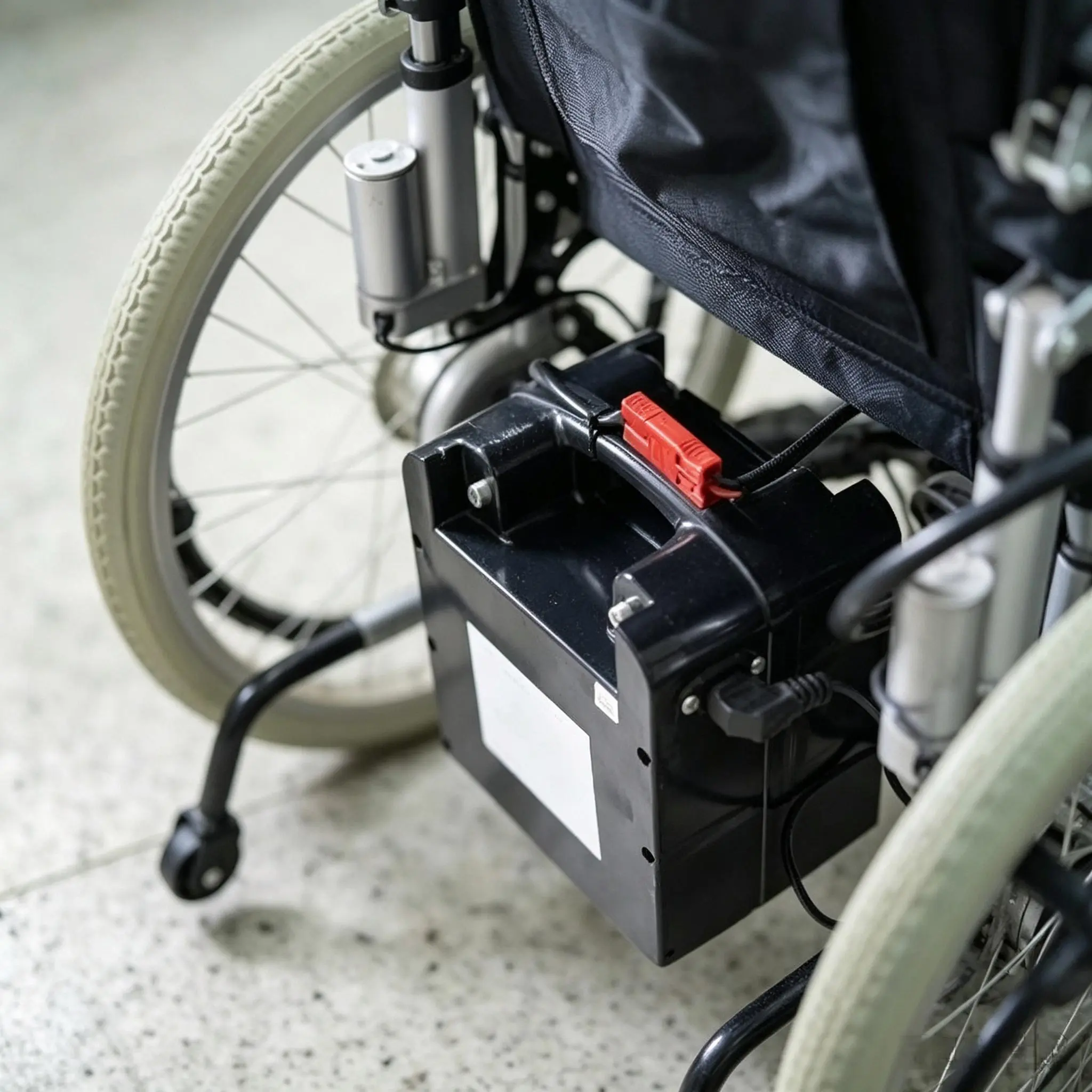
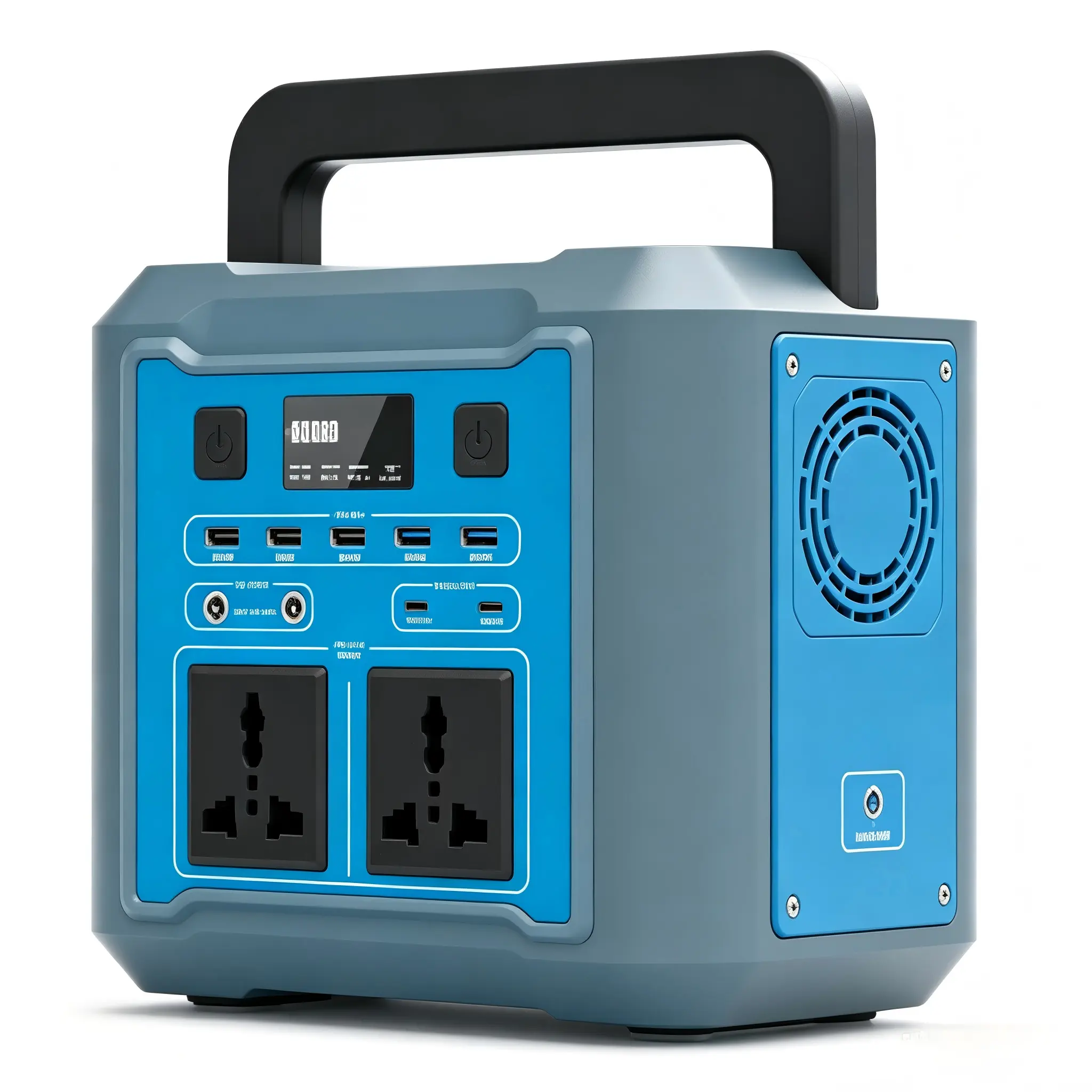
- Traditional single storage: Simple, standalone systems designed for basic backup power—no smart monitoring or integration. Examples: Small off-grid solar setups for rural homes, portable emergency power banks, or backup batteries for small businesses. These systems often use basic BMS but benefit from RS485/UART/CAN for better reliability.
- Modern smart storage: Integrated, data-driven systems (e.g., grid-tied ESS, commercial microgrids, fleet battery banks) that require real-time monitoring, remote control, and integration with inverters/smart grids. Here, RS485/UART/CAN interfaces are non-negotiable.
Our F-series works for both: It’s flexible enough for simple traditional storage and powerful enough for modern smart systems. The F-series’ communication interfaces are the backbone of its versatility. Here’s how they enable key applications:
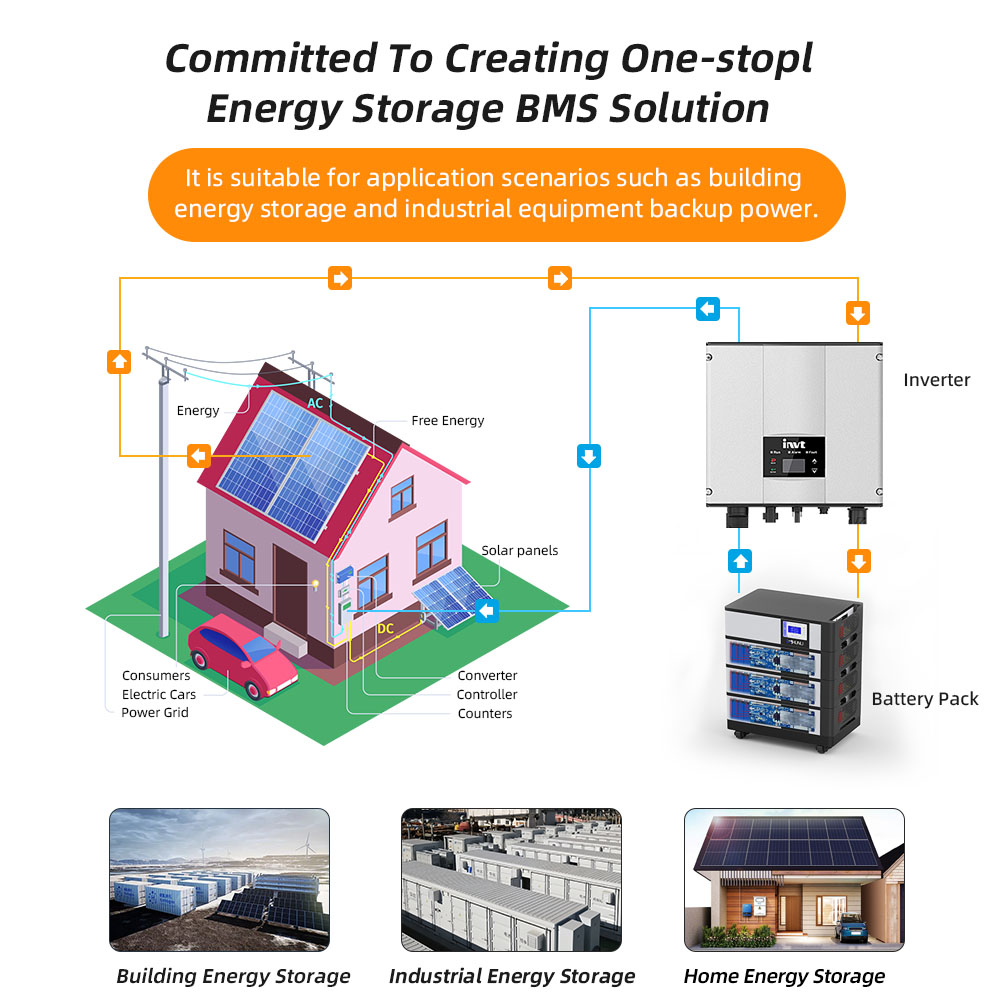
- How it works: Solar panels generate DC power → Inverter converts DC to AC (for use/grid) → Excess DC charges the battery (via BMS) → BMS communicates with the inverter to discharge stored energy when solar output is low.
- F-series advantage: RS485/CAN enables seamless BMS-inverter communication, while built-in active balancing preserves battery life (critical for solar systems that charge/discharge daily).
- Need: High-current handling, remote monitoring, and integration with industrial inverters/grids.
- F-series fit: Models like XJ-F001 (50A–220A) and XJ-F002A (150A–250A) handle heavy loads, while RS485/CAN lets plant managers track battery health via a central dashboard.
- Critical requirement: Reliable BMS-inverter communication to switch to battery power instantly during outages.
- F-series benefit: UART/CAN ensures low-latency data transfer, so the inverter responds immediately—no downtime for sensitive equipment.
- Use case: Combine solar/wind power with batteries for off-grid living.
- F-series value: RS485 enables remote monitoring (check battery status from anywhere), while waterproof and temperature-resistant design works in harsh environments.
- Application: Charging stations for e-bikes, delivery vans, or electric trucks—integrated with inverters for grid-compatible charging.
- F-series feature: CAN interface (standard in automotive systems) syncs BMS with fleet management tools, tracking battery usage and charging cycles.
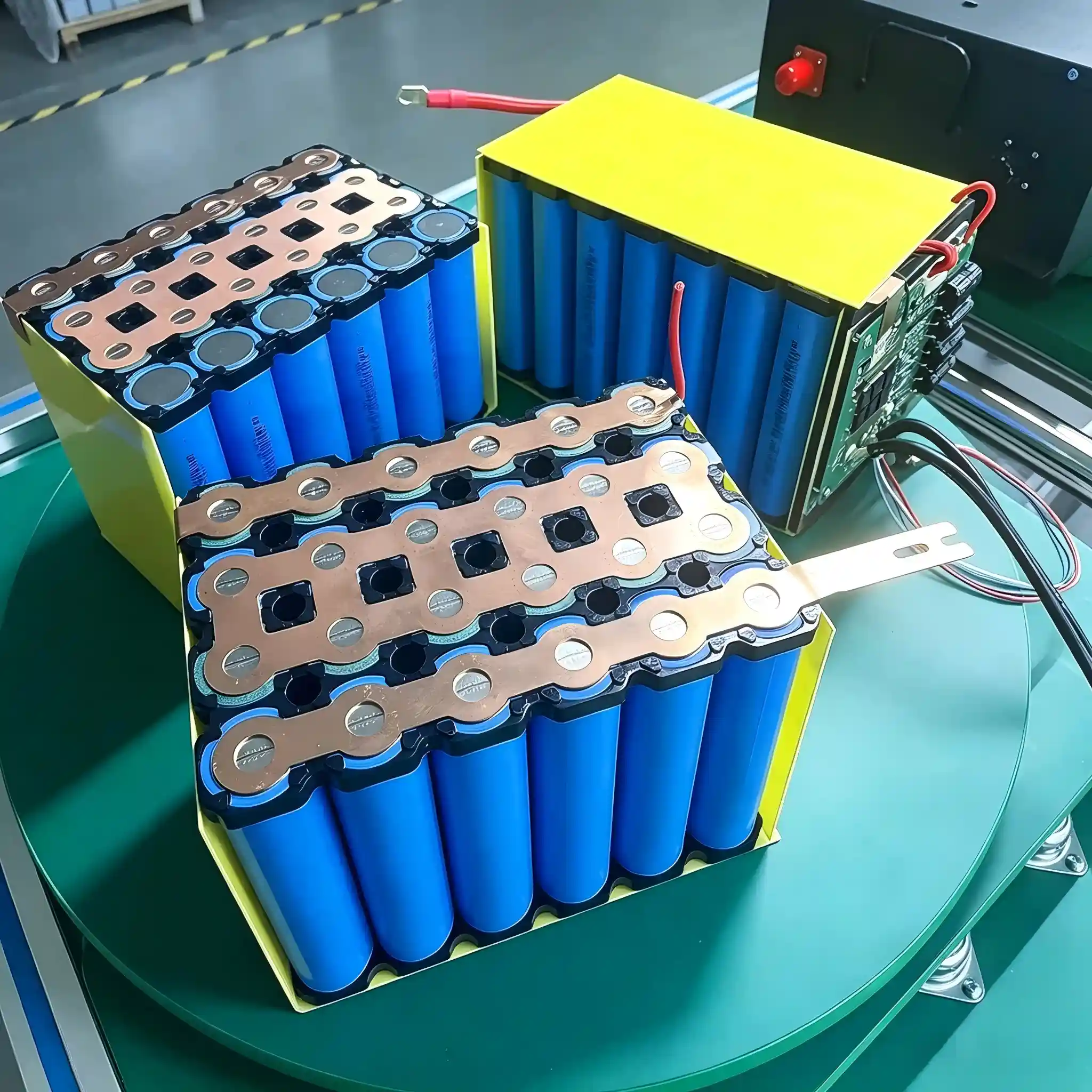
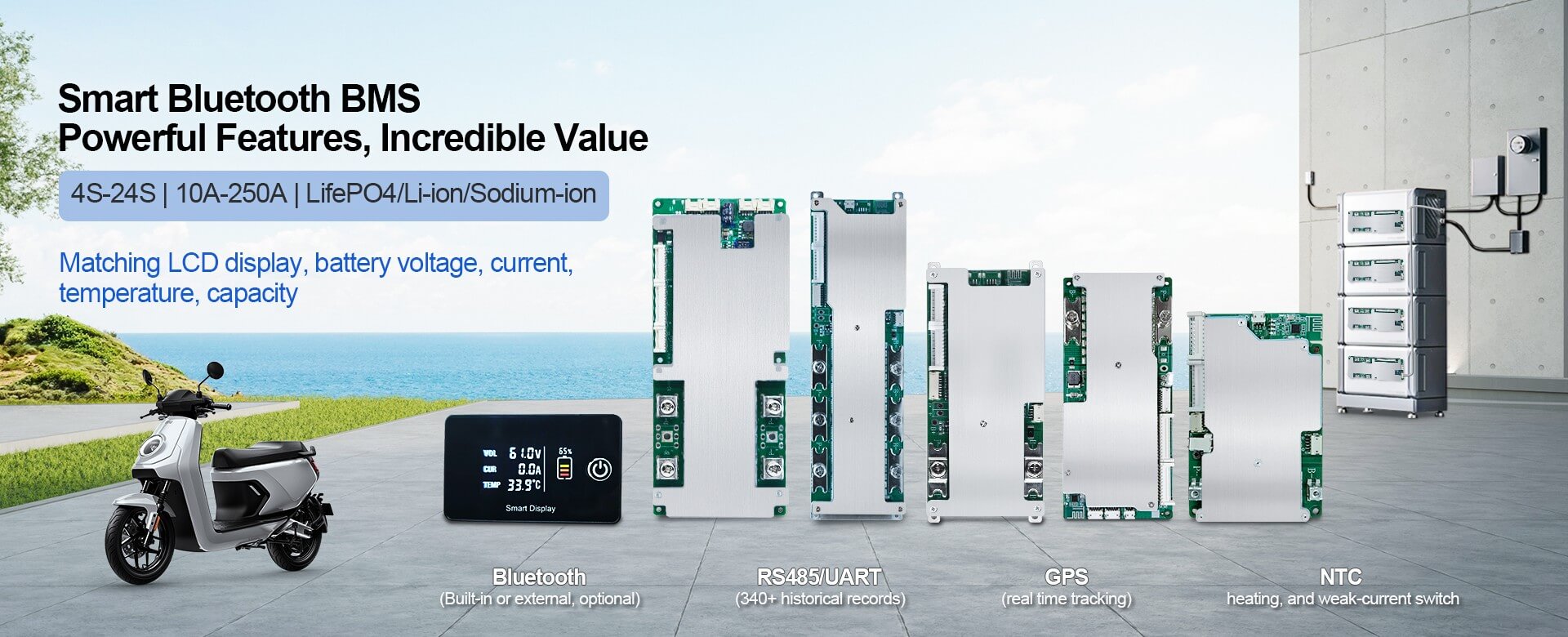
All F-series models come with RS485/UART/CAN interfaces, plus advanced features to maximize storage performance:
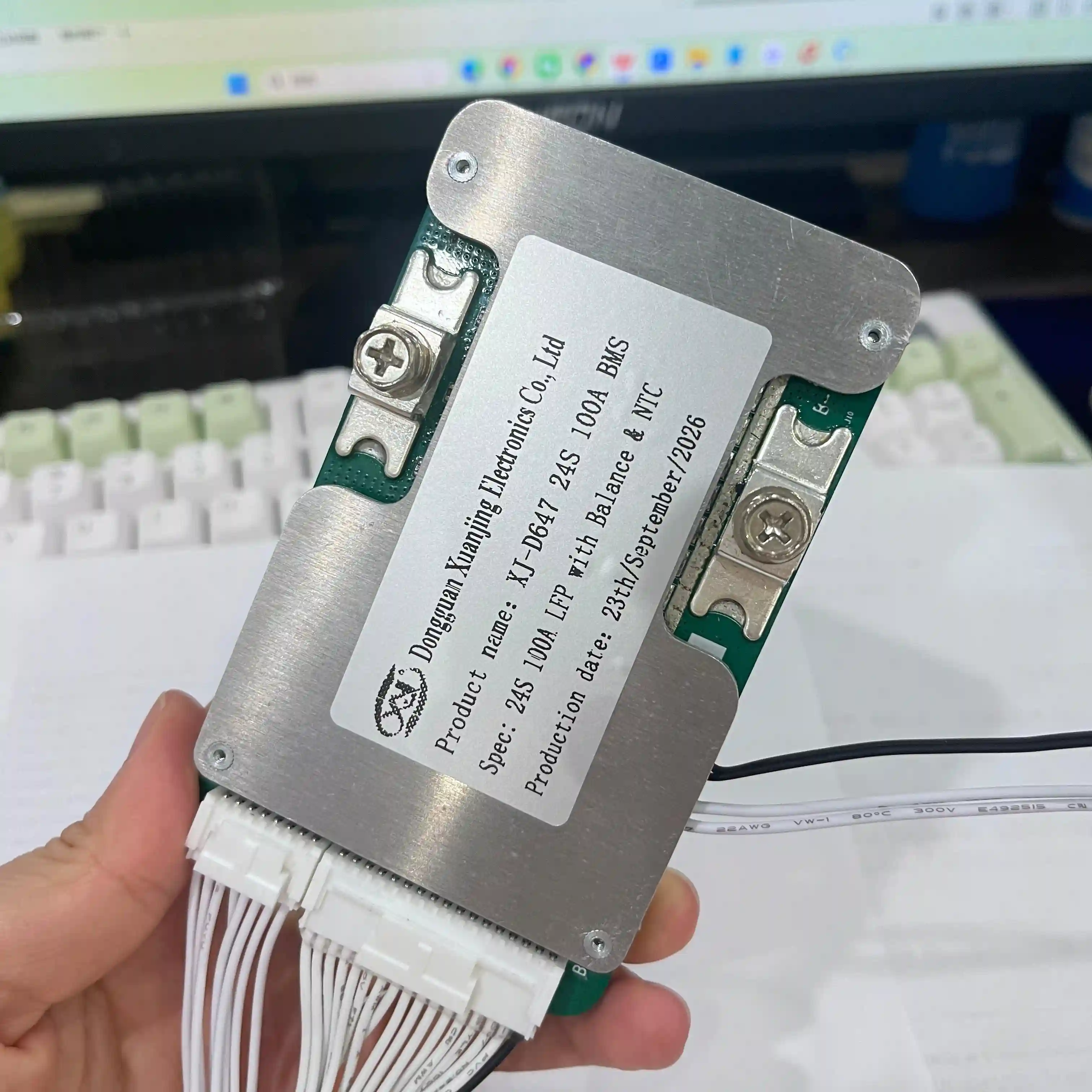
Every model supports LFP/NMC/SIB batteries, with wide voltage compatibility (4S–24S) to fit most storage configurations.
Whether you’re building a small solar backup system, industrial ESS, or EV fleet charging station, our F-series smart BMS (with RS485/UART/CAN) delivers the connectivity, reliability, and flexibility you need. It works with inverters of all types, fits traditional and modern storage setups, and is backed by global certifications (CE/UL) for safety.
For technical specs, inverter compatibility guides, or a custom quote: