




Lithium Batteries: How They Work & Why Your BMS Needs a Low-Power Switch
Lithium batteries power our world, from smartphones to electric vehicles. But few users understand the sophisticated dance of ions and electrons happening inside each cell, or the critical role of its guardian—the battery Management System (BMS). This guide demystifies lithium battery technology, explains why protection circuits are non-negotiable, and reveals how an often-overlooked feature—the Low-Power Switch—can determine whether your battery lasts for years or dies prematurely.
The "Rocking Chair" Principle: How Lithium Batteries Actually Work
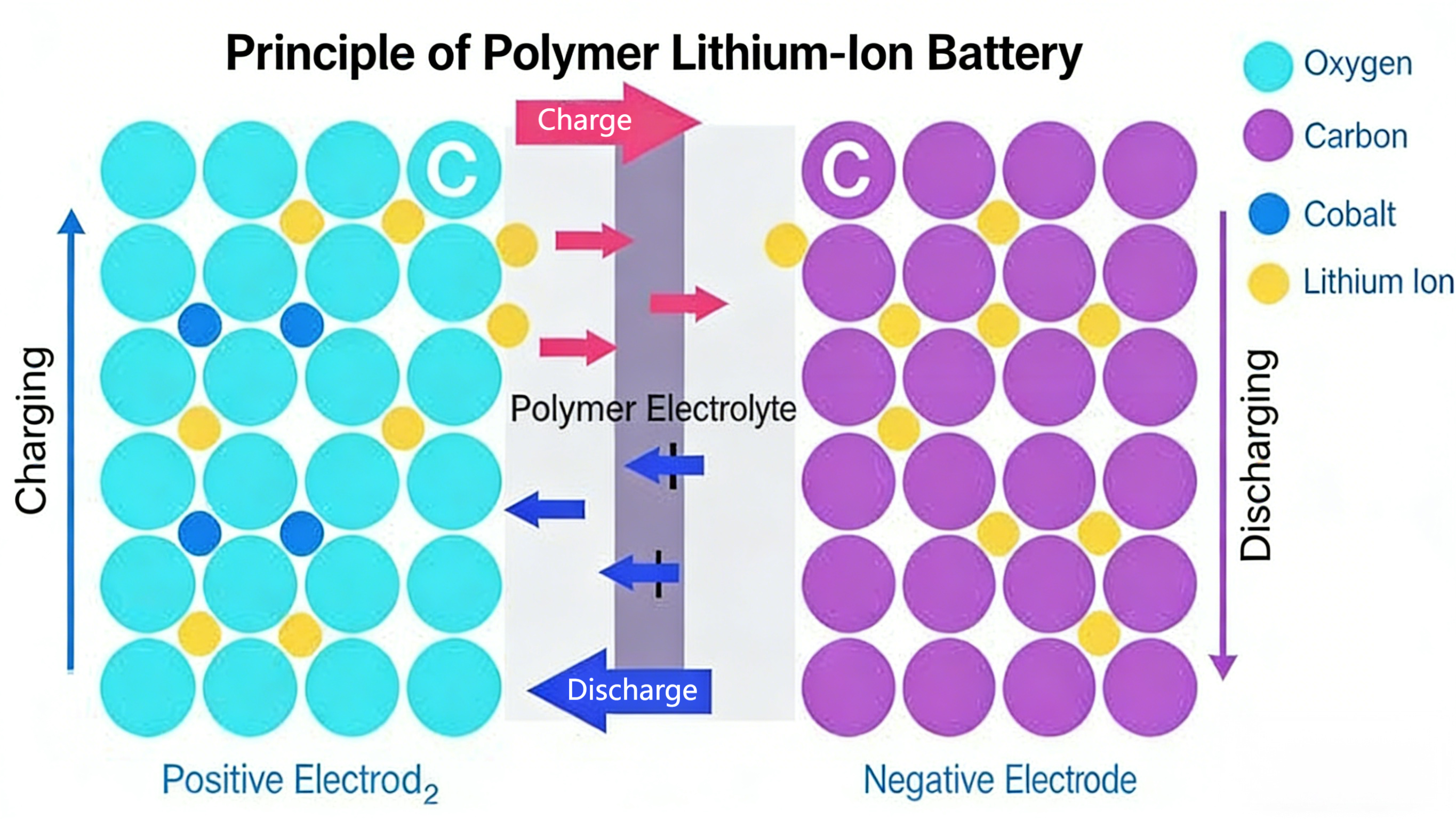
At its core, a lithium-ion battery operates on an elegant "rocking chair" mechanism, where lithium ions (Li⁺) shuttle back and forth between two electrodes.
Key Components:
-
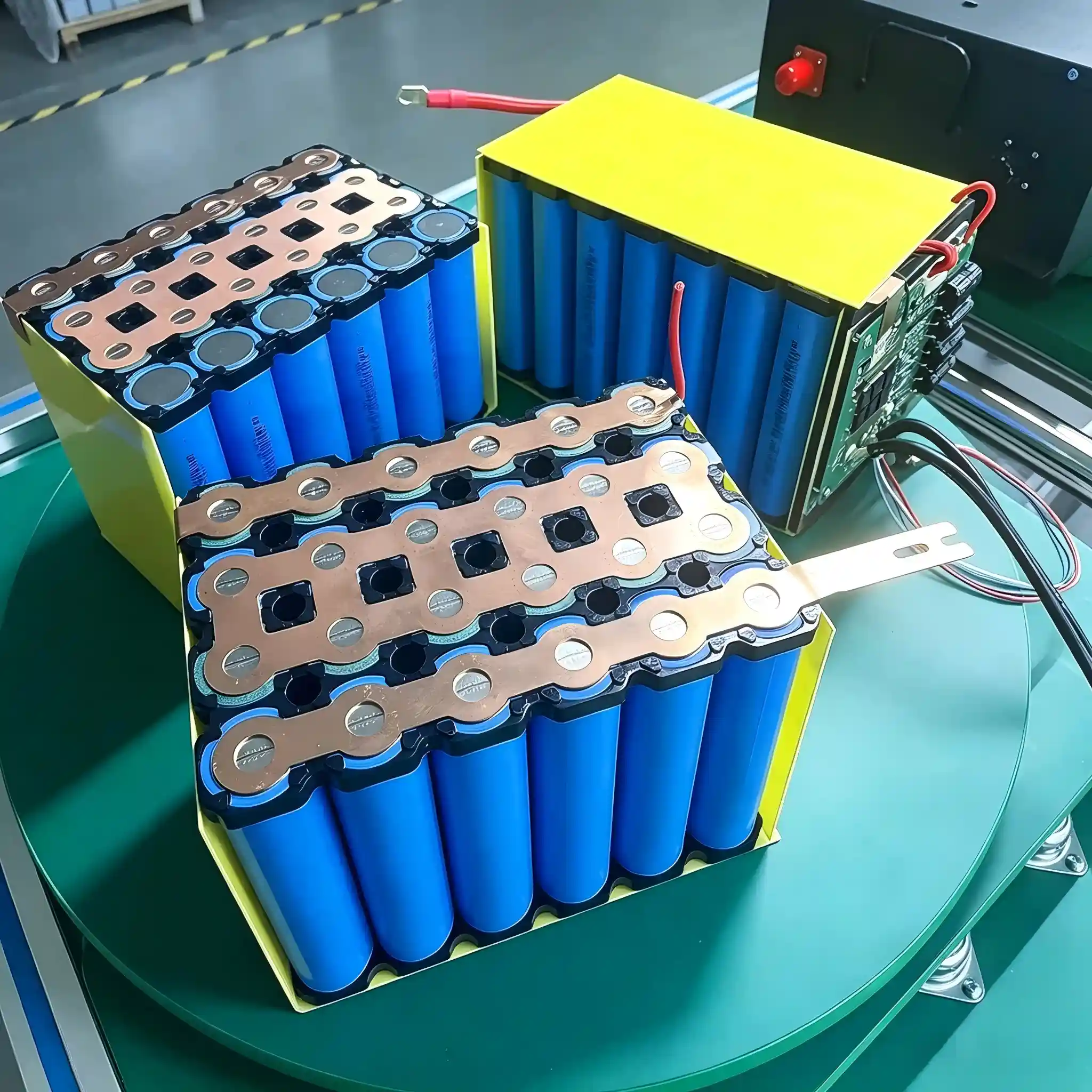
Cathode (Positive Electrode): Typically made of lithium metal oxide (e.g., LiCoO₂, LiFePO₄).
-
Anode (Negative Electrode): Usually graphite carbon.
-
Electrolyte: A conductive medium allowing Li⁺ movement but blocking electrons.
-
Separator: A porous membrane preventing physical contact between electrodes.
The Cycle in Action:
During Charging:
-
Li⁺ ions are extracted from the cathode and enter the electrolyte.
-
Driven by the external charger's voltage, these ions migrate through the electrolyte and separator toward the anode.
-
Simultaneously, electrons (e⁻) flow through the external circuit to the anode.
-
At the anode, Li⁺ ions and e⁻ electrons combine and are stored within the graphite layers. Electrical energy is converted into chemical potential.
During Discharging:
-
The stored Li⁺ ions detach from the anode and re-enter the electrolyte.
-
They migrate back through the separator to the cathode.
-
Electrons flow through your device's circuit (powering it) to the cathode.
-
Ions and electrons reunite at the cathode. Chemical energy is converted back into electrical energy.
This reversible ion shuttle is what makes lithium batteries rechargeable, efficient, and high-performing.
The Essential Guardian: The Role of the Battery Protection Board (BMS)
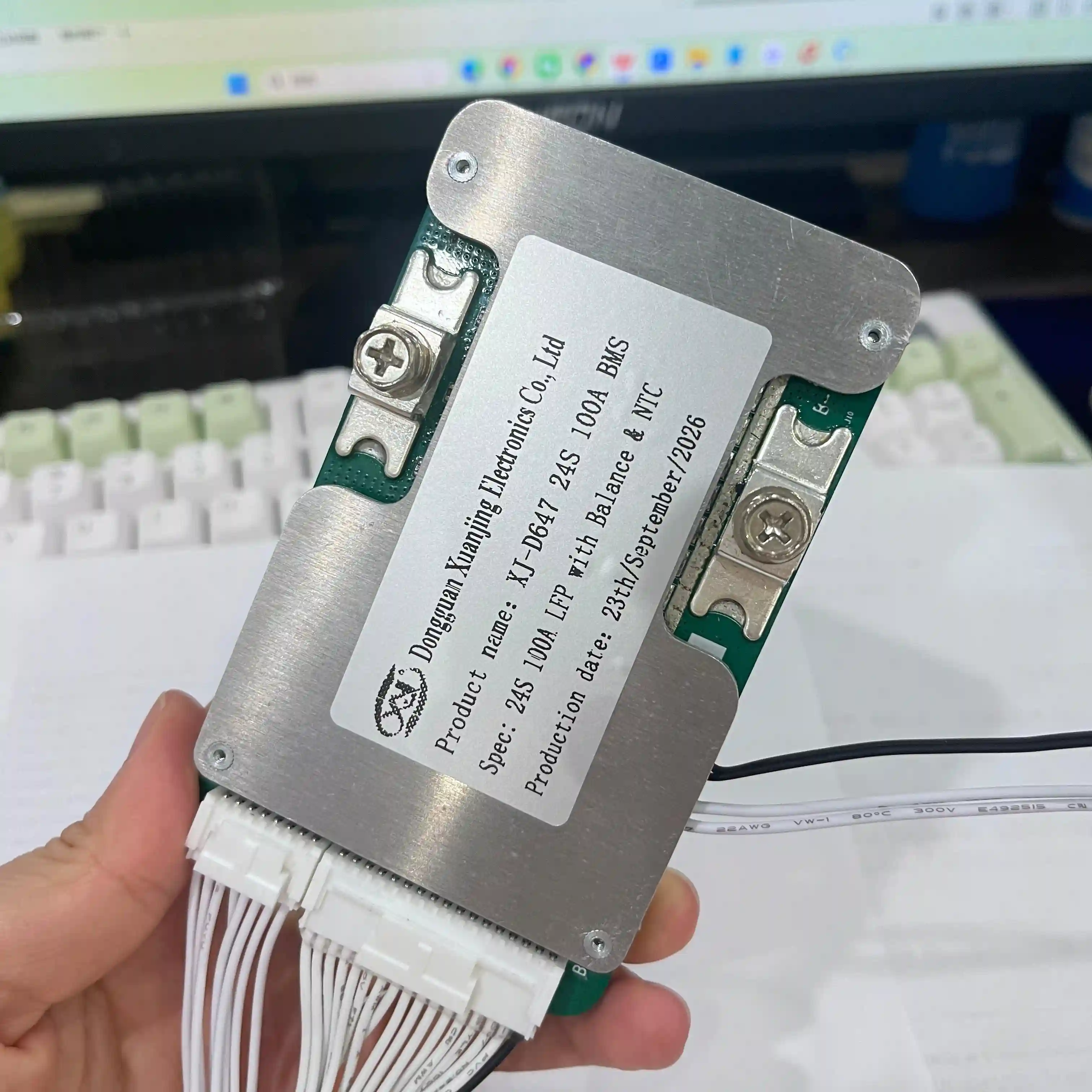
The chemistry that makes lithium batteries powerful also makes them vulnerable. They cannot tolerate overcharge, over-discharge, short circuits, or extreme temperatures. A Battery Protection Board (BMS) is the dedicated circuit that enforces these safety limits.
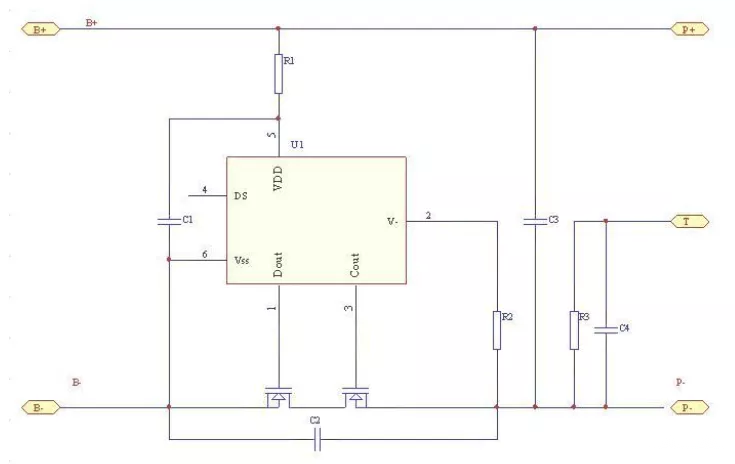
A basic BMS includes a protection IC (the brain) and MOSFETs (the switches). It works by constantly monitoring voltage and current, cutting off the circuit when dangerous thresholds are reached—a fundamental requirement for any safe lithium battery pack.
The Hidden Upgrade: Why a Low-Power Switch is a Game-Changer
While basic protection is mandatory, a Low-Power Switch (LPS) represents a critical design upgrade for long-term reliability. It addresses a key flaw in standard BMS design: parasitic drain.
The Problem:
Even when a BMS has disconnected the main circuit after over-discharge, its own monitoring chip remains powered, drawing a tiny "quiescent current" (usually microamps). Over weeks or months of storage, this trickle drain can completely deplete the battery, leading to irreversible damage—a state known as "cell starvation."
The Solution:
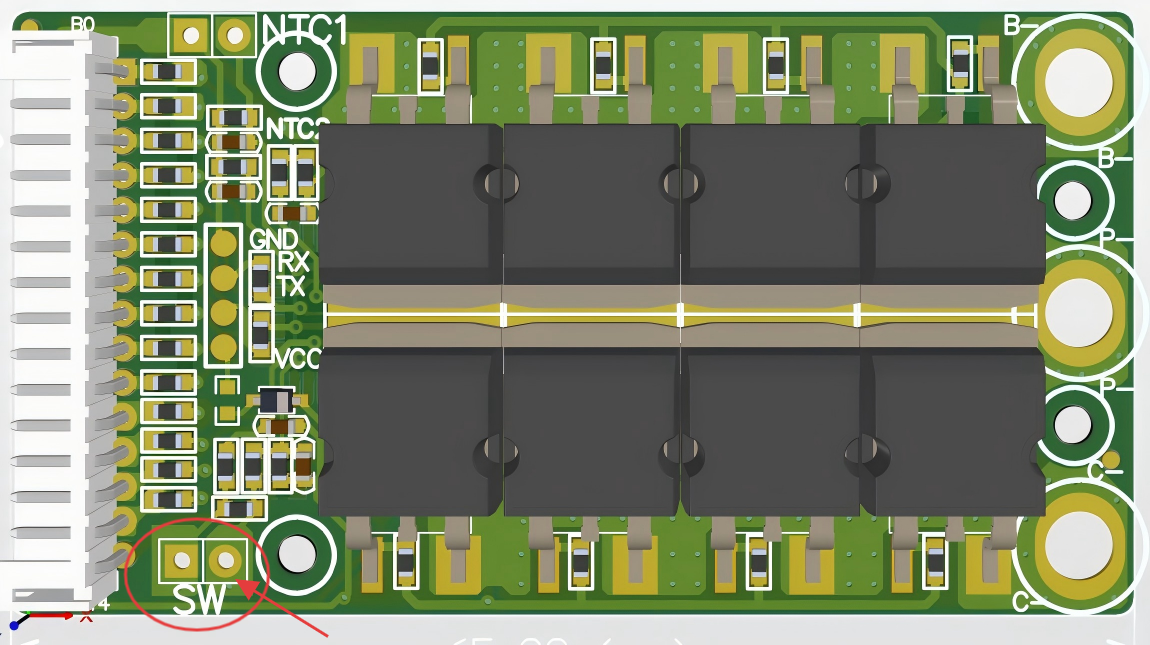
An LPS is a secondary electronic switch that completely cuts power to the BMS's own control circuitry. When engaged, the BMS doesn't sleep—it shuts down entirely.
The Tangible Benefits:
-
Near-Zero Storage Drain: Enables safe, long-term storage (ideal for seasonal equipment, backup systems, inventory) by virtually eliminating self-discharge from the BMS.
-
Final Safety Barrier: Provides ultimate isolation for deeply discharged cells, sometimes preserving just enough voltage for potential recovery.
-
A Mark of Professional Design: The inclusion of an LPS signals a BMS built for industrial, energy storage, and high-reliability applications where total cost of ownership matters.
XJ Bms Series: Full-Featured Protection with Low-Power Switch
Every BMS in our smart series comes standard with a Low-Power Switch, because complete protection shouldn't be an optional extra. Below is a selection guide for our LPS-equipped models.
| Model | Cells (S) | Port Type | Continuous Current | Size (mm) | Best For |
|---|---|---|---|---|---|
| XJ-D178 | 7S | Common | 10A | 111.3*17.5*5 | Slim-profile 7S packs (e-bikes, tools) |
| XJ-D307 | 6-10S | Separate | Charge 5A / Discharge 25A | 65*35*12 | Packs requiring independent charge/discharge ports |
| XJ-D318 | 6-10S | Common | 10-30A | 60*32*12 | Compact, medium-power applications |
| XJ-D311 | 4-21S | Common | 30-60A | 150*62*12 | High-voltage, high-power devices (power tools, EVs) |
| XJ-D312 | 6-26S | Common | 70-150A | 190*85*18 | Demanding applications (large EVs, energy storage) |
| XJ-D494 | 6-16S | Separate | Charge 5A / Discharge 60A | 90*50*7 | Space-constrained projects needing high discharge |
| XJ-D495 | 6-16S | Common | 10-60A | 90*50*7 | Slim packs requiring balanced performance |
Pairing Smart Technology with Smart Protection
Understanding the "rocking chair" physics of lithium batteries allows for better usage. Insisting on a high-quality BMS is non-negotiable for safety. Specifying a BMS with a Low-Power Switch is the final, critical step for ensuring long-term reliability and total battery health—especially for systems that sit idle or serve as critical backups.