






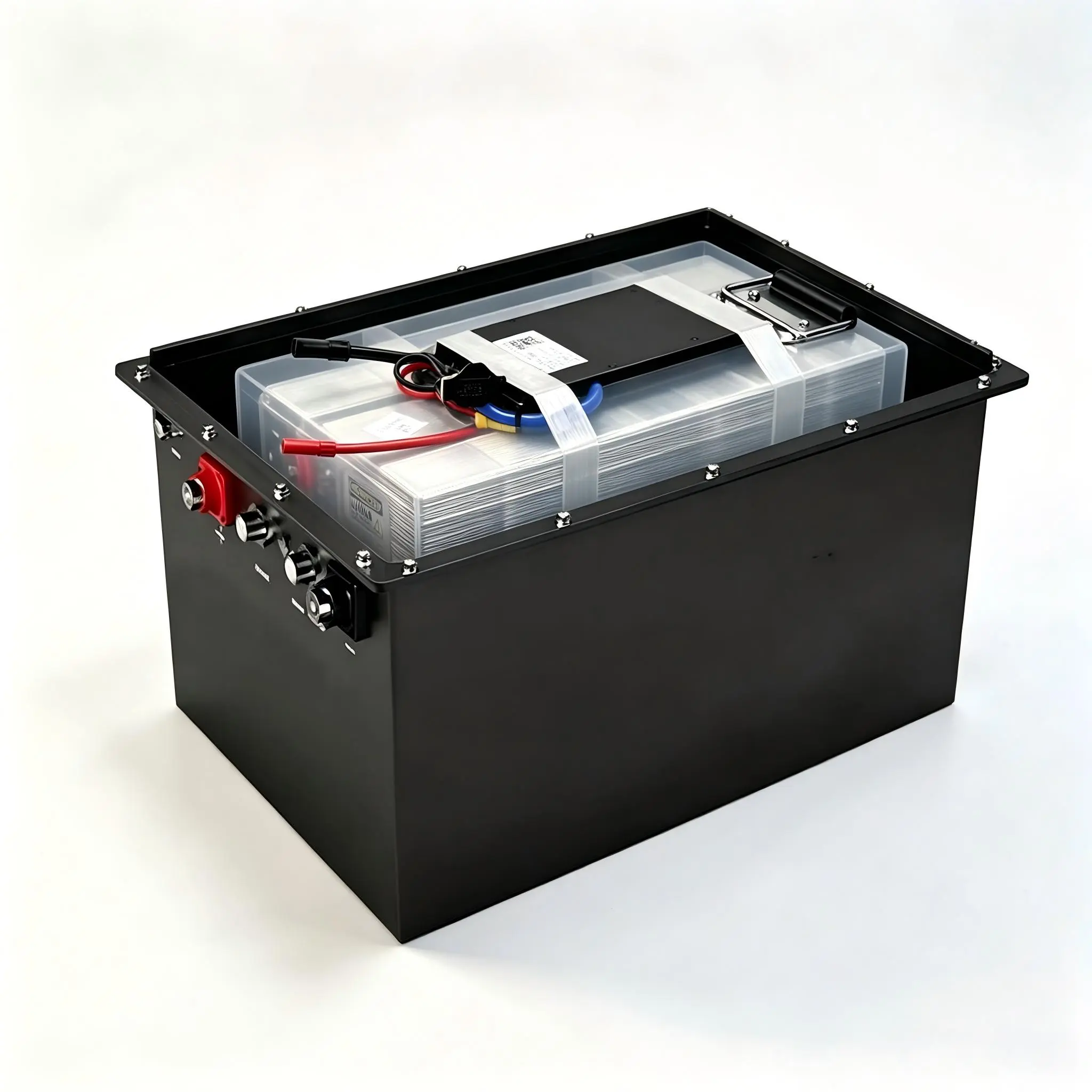
How to Protect Battery from Overcharging?
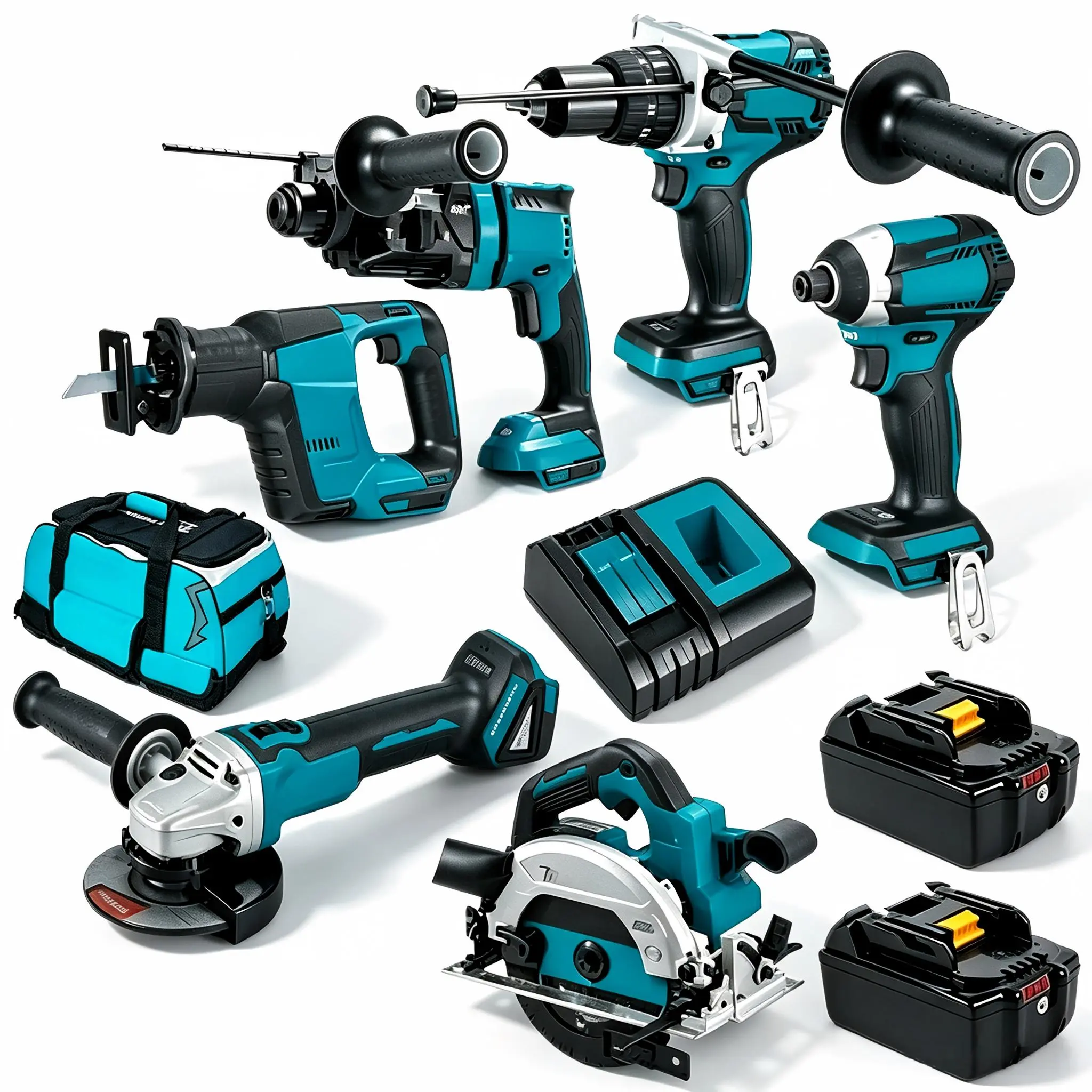
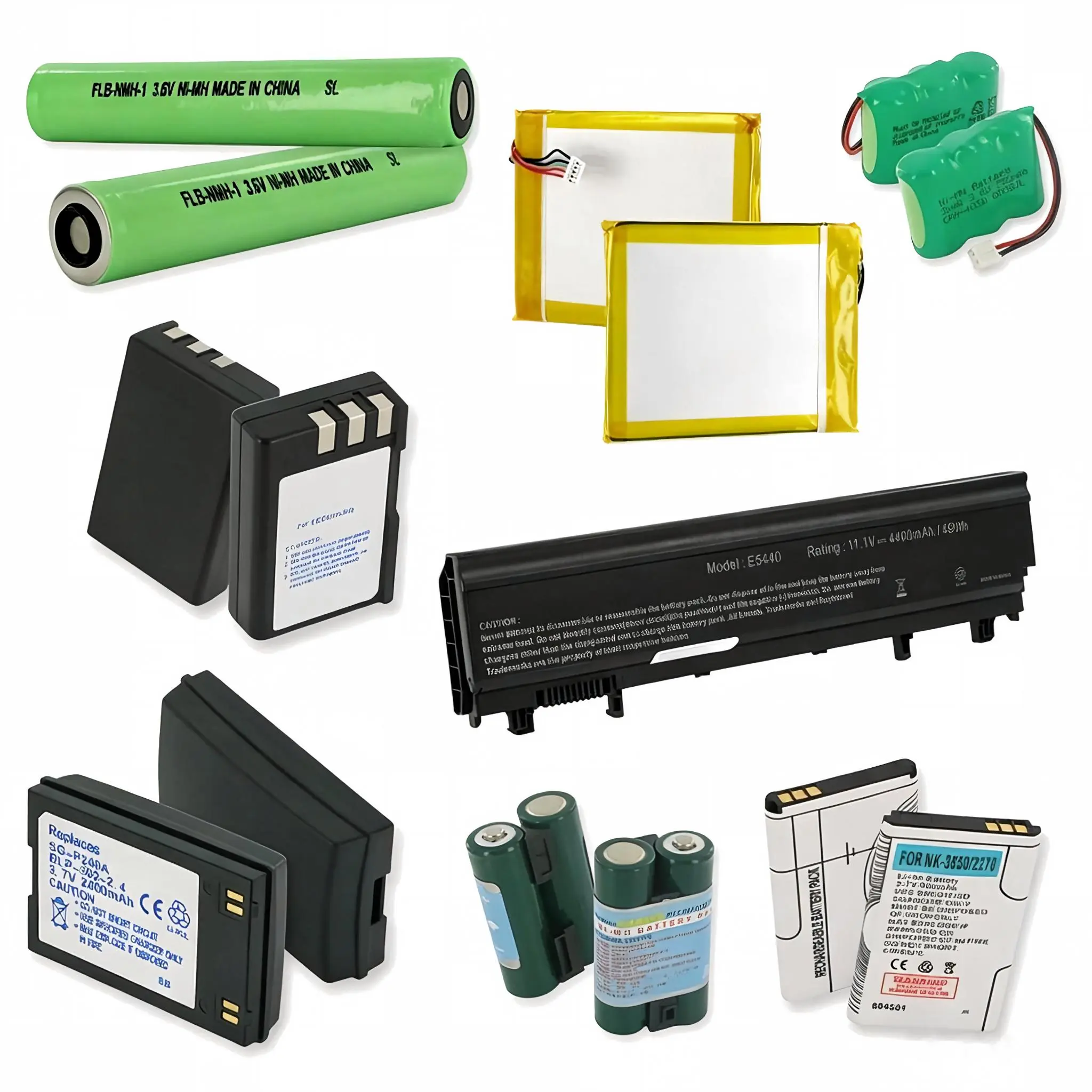
Lithium batteries are the backbone of modern technology—powering everything from portable devices and power tools to electric vehicles (EVs) and energy storage systems. But one of the biggest threats to their safety, performance, and lifespan is overcharging. If you’ve ever wondered how to protect a battery from overcharging, you’re in the right place.
As a professional Battery Management System (BMS) manufacturer with years of experience engineering lithium battery protection solutions, we’re here to break down the topic clearly: what happens when a battery is overcharged, why it’s so dangerous, and the most effective ways to prevent it—including the role of a high-quality BMS (the most reliable solution for long-term protection).
By the end of this blog, you’ll know exactly how to keep your lithium batteries safe, extend their lifespan, and why investing in the right BMS is the smartest choice for any battery-powered project.
What Is Battery Overcharging, and Why Is It Harmful?
Before we dive into solutions, let’s define overcharging and its risks. Battery overcharging occurs when a battery is charged beyond its maximum safe voltage limit. Every lithium battery (Li-ion, LiFePO4, ternary) has a specific full-charge voltage—for example, a single Li-ion cell tops out at 4.2V, while a 4S Li-ion pack maxes out at 16.8V.
When you continue charging a battery past this limit, it’s not just inefficient—it’s dangerous. Here are the key disadvantages (harms) of battery overcharging, from a manufacturer’s first hand perspective:
Catastrophic Safety Hazards
Overcharging causes the battery’s internal electrolyte to break down, producing flammable gas and excessive heat. This leads to a chain reaction: the battery swells (a clear warning sign), leaks toxic chemicals, or even catches fire/explodes. This risk is amplified in high-capacity or high-current applications—like EVs, energy storage systems, or industrial tools—where unprotected overcharging can lead to costly damage or injury.
Permanent Battery Degradation
Overcharging damages the battery’s cells irreversibly, reducing its capacity and lifespan. Even a single overcharge event can shorten a battery’s life by 30% or more. Over time, repeated overcharging leads to “cell fatigue,” where the battery can no longer hold a charge, forcing you to replace it sooner—wasting time and money.
Poor Performance and Device Damage
An overcharged battery won’t perform reliably. It may shut down unexpectedly, lose power quickly, or even damage the device it’s powering (e.g., fried circuits in a power tool or EV). Overcharged batteries also have inconsistent voltage output, leading to erratic performance and potential device failure.
Non-Compliance with Safety Standards
Most industries (automotive, consumer electronics, industrial) require battery protection measures to meet safety certifications. Skipping overcharge protection can lead to non-compliance, legal risks, or even product recalls—something no business or DIY enthusiast can afford.
How to Avoid Battery Overcharging: Effective Methods
Now that you understand the risks, let’s cover the most practical ways to protect your battery from overcharging. While some methods work for small devices, others are essential for high-power or custom battery packs. Here’s a breakdown of the most reliable strategies:
Use a High-Quality Charger (Matching Your Battery)
The simplest way to avoid overcharging is to use a charger specifically designed for your battery’s type and specifications. Cheap, generic chargers often lack voltage regulation—they keep supplying current even after the battery is full, leading to overcharging. Always choose a charger that matches your battery’s voltage (e.g., 14.8V for a 4S pack) and has built-in overcharge protection.
Avoid “Trickle Charging” for Extended Periods
Trickle charging (a low, constant current used to “top up” a battery) is common for small devices, but it’s risky for lithium batteries. Leaving a battery on trickle charge for hours or days can slowly overcharge it, even with a basic protection circuit. For long-term storage, charge the battery to 50-60% and disconnect it from the charger.
Monitor Charging Time and Voltage
For DIY projects or small battery packs, you can manually monitor charging time and voltage (using a multimeter) to avoid overcharging. Set a timer based on your battery’s capacity and charger current, and stop charging once the voltage reaches the safe limit. However, this method is time-consuming, error-prone, and not practical for high-power or industrial applications.
Invest in a Battery Management System (BMS) – The Most Reliable Solution
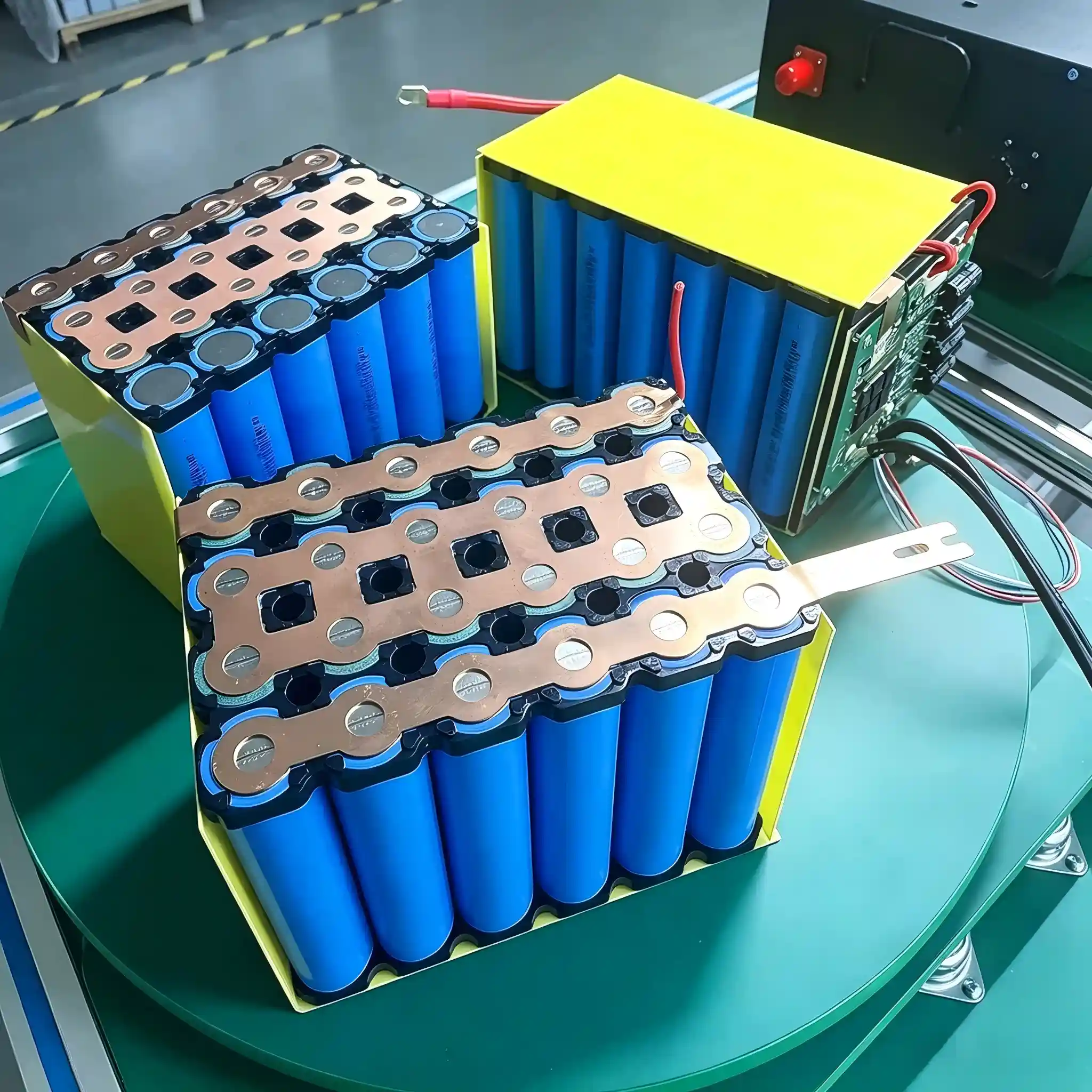
For any lithium battery pack (especially custom builds, EVs, energy storage, or power tools), a high-quality BMS is the gold standard for overcharge protection. Unlike basic chargers or manual monitoring, a BMS provides 24/7 real-time protection—even if you use a low-quality charger or forget to disconnect the battery.
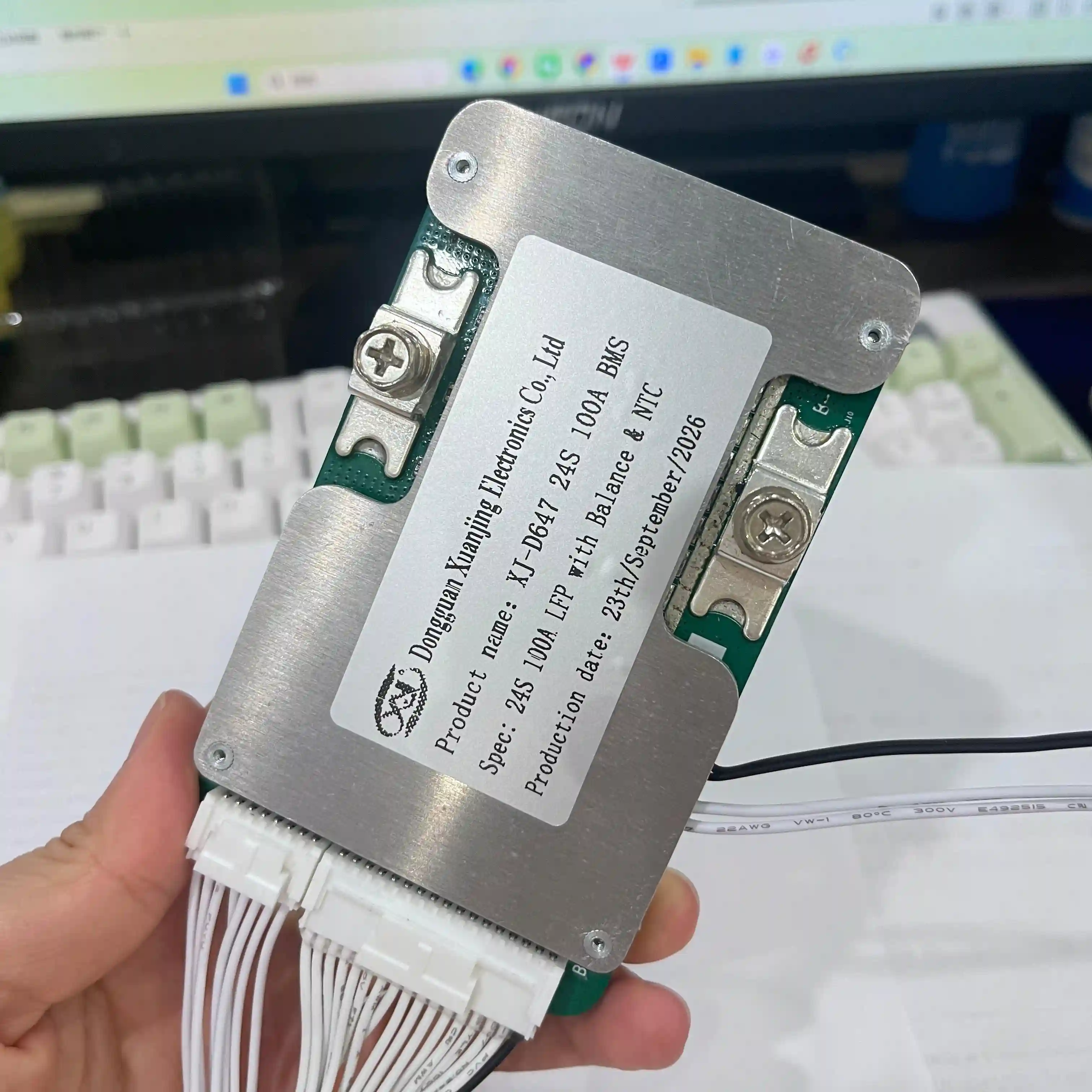
A BMS monitors the battery’s voltage, current, and temperature. When the battery reaches its maximum safe charge voltage, the BMS automatically cuts off the charging current—stopping overcharging in its tracks. It also protects against over-discharge, over-current, short circuits, and cell imbalance—all critical for battery safety and longevity.
Why a BMS Is the Best Way to Protect Against Overcharging
While the other methods work for small, low-power batteries, a BMS is the only solution that offers comprehensive, hands-off protection for all types of lithium battery packs. Here’s why it’s the top choice for businesses, DIY enthusiasts, and manufacturers alike:
- Real-Time Monitoring: A BMS checks the battery’s voltage hundreds of times per second, ensuring it never exceeds the safe limit—even if the charger malfunctions.
- Automatic Protection: No manual intervention needed. The BMS cuts off charging (or discharging) the moment a risk is detected, preventing damage before it happens.
- Tailored to Your Battery: A quality BMS is designed for your specific battery configuration—matching cell count (3S, 4S, 10S), current rating (10A, 25A, 100A), and battery type (Li-ion, LiFePO4, ternary). This ensures optimal protection, not a one-size-fits-all solution.
- Extends Battery Lifespan: By preventing overcharging and balancing cell voltages, a BMS keeps your battery pack healthy, reducing replacement costs and waste.
Choose Our BMS for Reliable Overcharge Protection
As a BMS manufacturer, we engineer our products to solve the exact problem of overcharging—with durability, precision, and customization in mind. Our BMS is designed to be the most reliable line of defense for your lithium batteries, with features that set us apart:
- Precise Voltage Regulation: Our BMS monitors cell voltages with ±0.01V accuracy, ensuring it cuts off charging the moment the battery reaches its safe limit—no delays, no false alarms.
- Customizable Configurations: Whether you need a 3S 25A BMS for power tools, a 4S 100A BMS for electric scooters, a 7S 10A BMS for small devices, or a custom BMS for industrial energy storage, we tailor our solutions to your exact needs.
- Durable, Industrial-Grade Components: We use premium MOSFETs and control chips that can handle high currents, extreme temperatures, and long-term use—no cheap components that fail when you need them most.
- All-in-One Protection: Our BMS doesn’t just stop overcharging—it also protects against over-discharge, over-current, short circuits, and cell imbalance, keeping your battery pack safe and long-lasting.
- Easy Integration: Our BMS is designed for simple installation, whether you’re building a DIY battery pack or manufacturing a commercial product. We also provide technical support to ensure a smooth setup.
We understand that every battery project is unique, and you need a BMS you can trust. Whether you’re a DIY enthusiast building a portable power station, a manufacturer producing electric vehicles, or a business needing reliable energy storage, we’re here to help you protect your batteries from overcharging.
Final Thoughts
Overcharging is one of the most avoidable threats to lithium batteries—but it requires the right protection measures. While using a quality charger and monitoring charging time works for small devices, a high-quality BMS is the only reliable solution for long-term, comprehensive protection.
Don’t take chances with your batteries (or your safety). Invest in a BMS that’s tailored to your needs, engineered for durability, and designed to prevent overcharging. Contact our team today, and we’ll help you find the perfect BMS solution for your project—whether you need a standard model or a custom design.