



How to Keep Your Battery Healthy & Extend Its Lifespan: Expert Tips for Lithium-Ion Batteries
Lithium-ion batteries power nearly every modern device and system—from small consumer electronics to industrial equipment, EVs, and solar storage. Whether you’re a manufacturer, distributor, or end-user, one question always arises: how to keep batteries healthy and maximize their lifespan? A well-maintained battery not only lasts longer but also performs more reliably, reducing replacement costs and minimizing downtime. In this guide, we’ll answer your most pressing questions about battery care—for both frequently used lithium-ion battery packs and idle ones—and explain how the right battery protection solutions (including our active balancing BMS) can safeguard your investment.
Key Questions About Lithium-Ion Battery Care
When it comes to battery health, two scenarios matter most: batteries that are used regularly (e.g., in daily-use electronics, industrial machines) and those that are stored for extended periods (idle batteries). Below, we address the most common questions and provide actionable tips to keep your batteries in top condition.
How to Protect Frequently Used Lithium-Ion Battery Packs
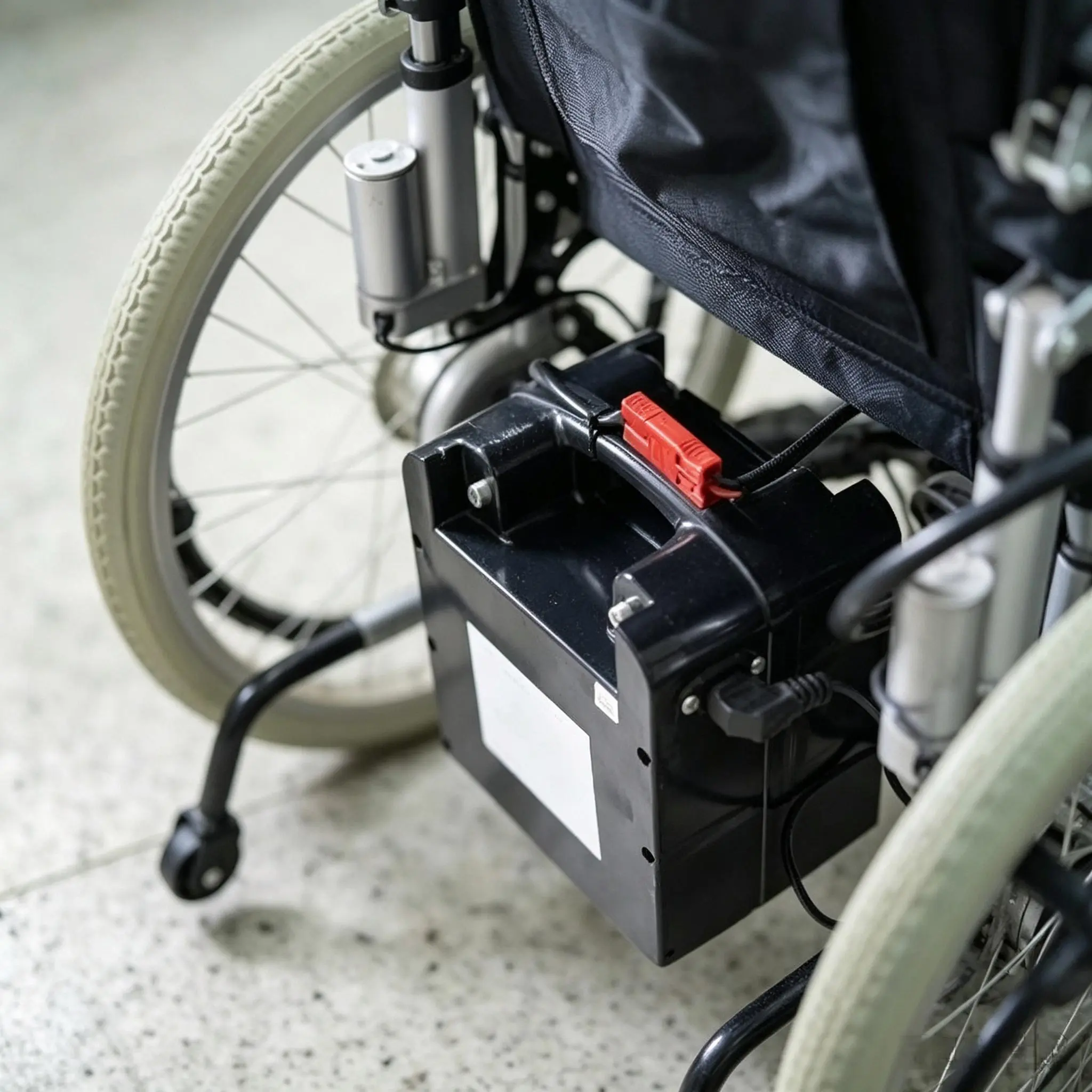
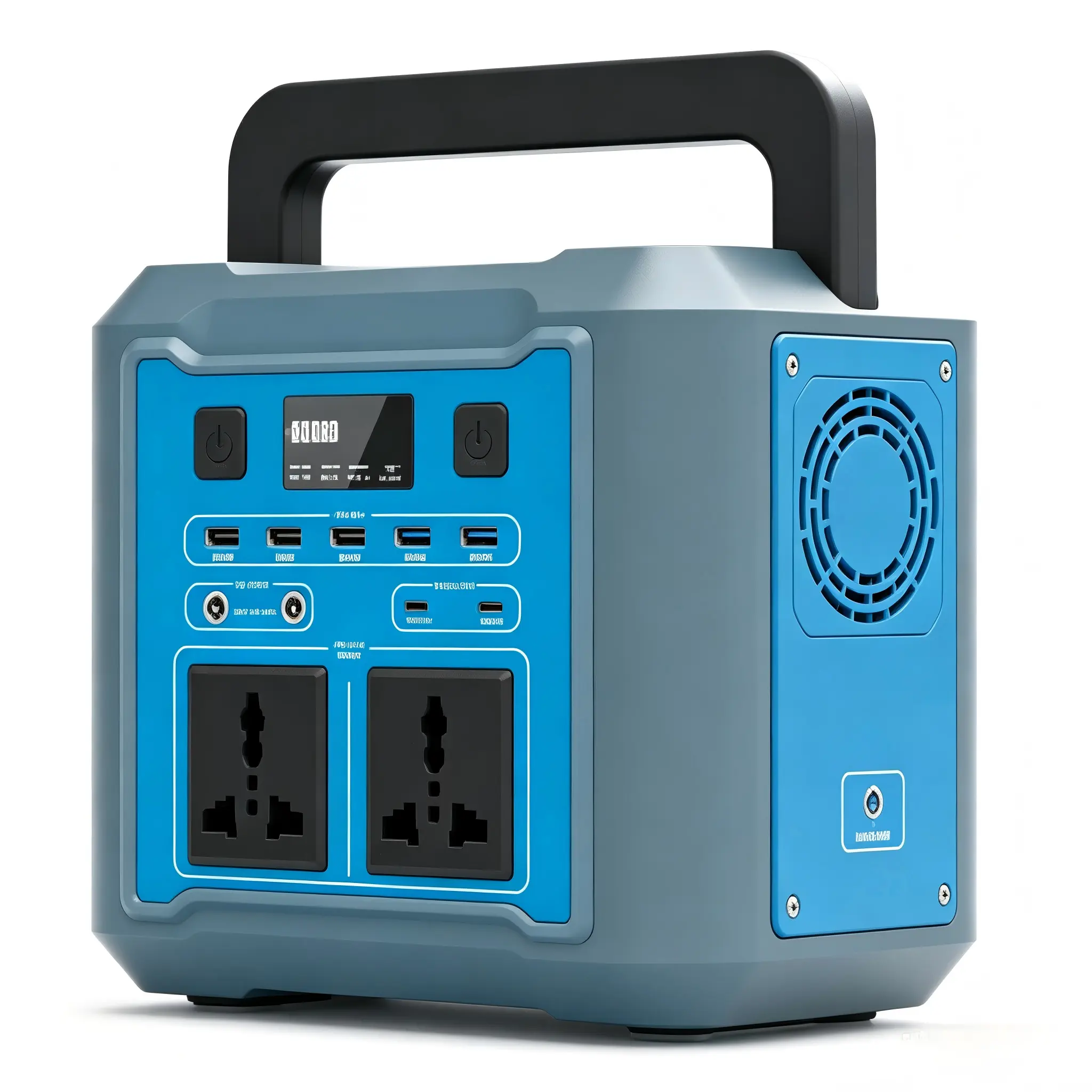
Frequently used battery packs (such as those in electric tools, EVs, solar systems, or industrial equipment) face constant stress from repeated charging and discharging. To protect them and extend their lifespan, three core measures are non-negotiable—each working together to prevent damage and ensure consistent performance:
Install a High-Quality Battery Protection Board (BMS)
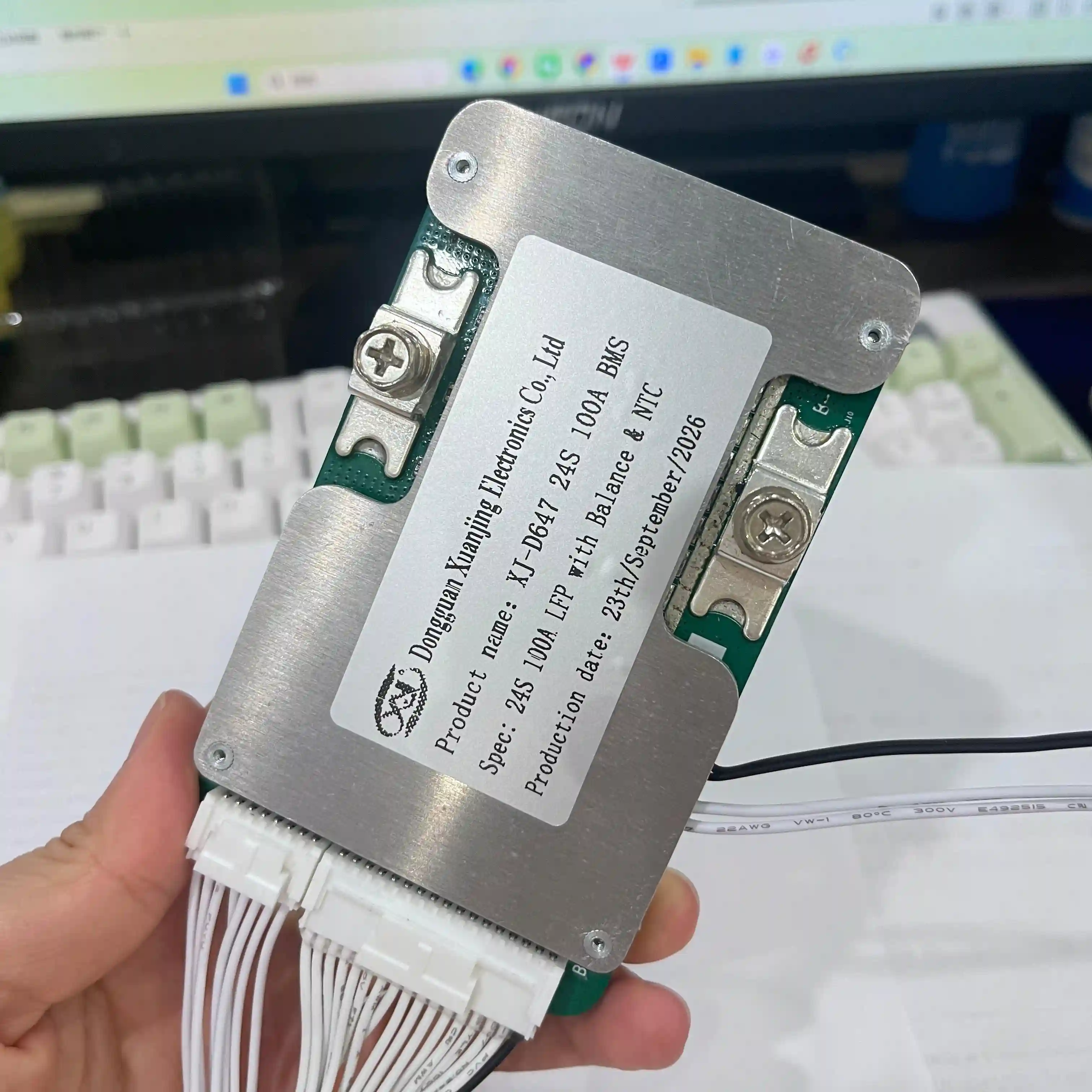
The foundation of battery health is a reliable BMS. A battery protection board monitors and regulates the battery’s charging and discharging process, preventing overcharge, over-discharge, short circuits, and overheating—all of which are major causes of battery degradation and failure. For frequently used battery packs, a BMS is not an option—it’s a necessity. It ensures each cell in the pack operates within safe limits, avoiding imbalances that lead to premature wear.
Use an Active Balancing Board (For Multi-Cell Packs)
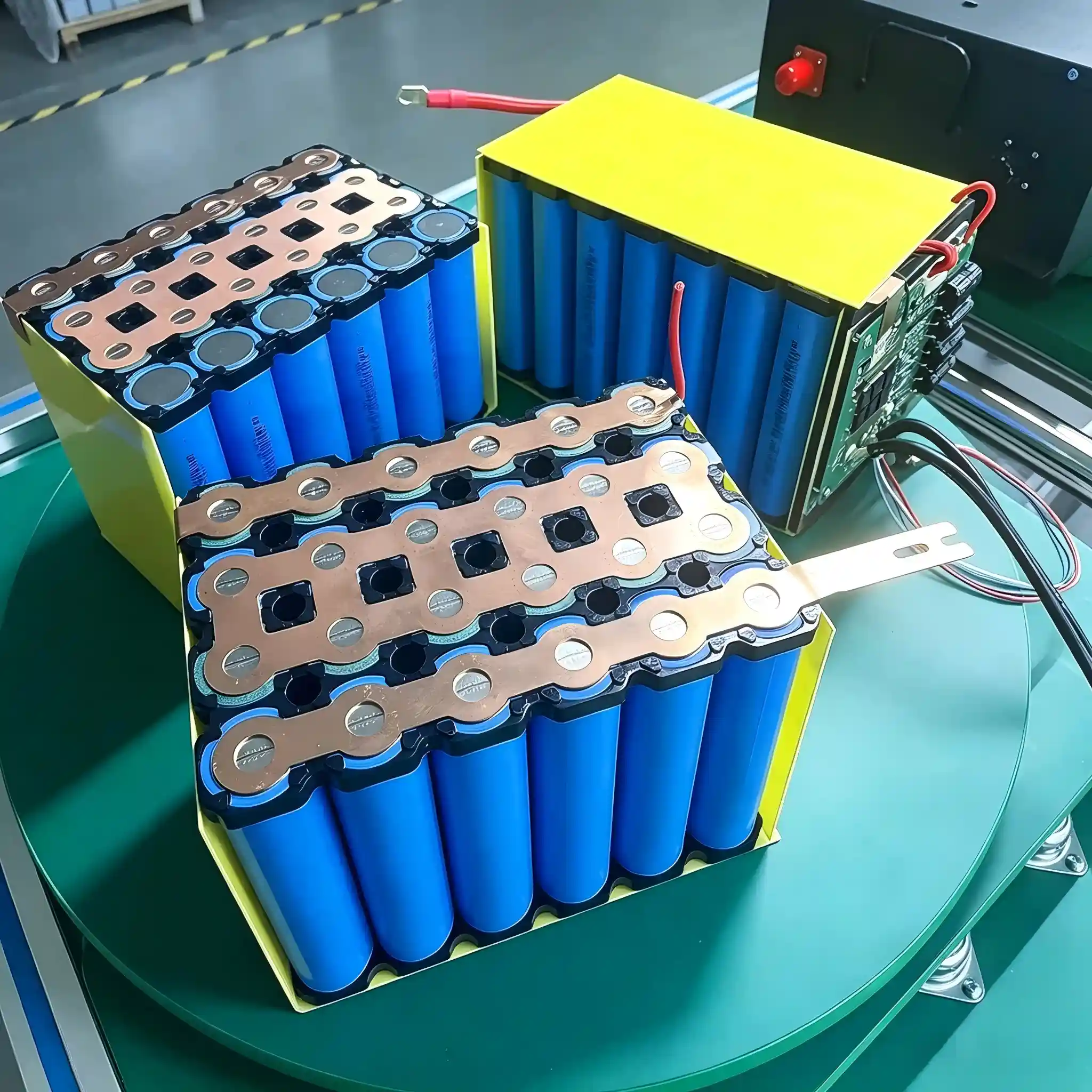
For multi-cell battery packs (2S and above), cell imbalance is a common issue that shortens lifespan. Even high-quality cells can develop slight voltage differences over time, leading to some cells being overcharged or over-discharged. This is where an active balancing board comes in: it actively transfers energy between cells to keep their voltages equal, ensuring every cell performs optimally and lasts longer.
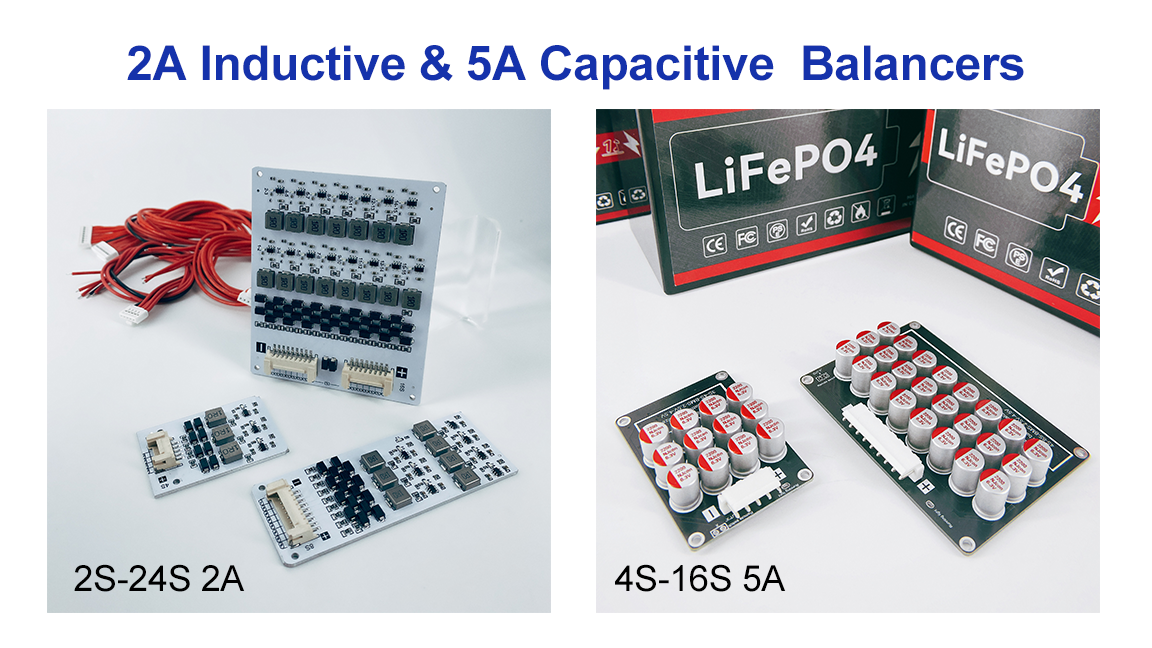
At XJBMS, we offer two high-performance active balancing protection boards, compatible with LFP, NMC, and SIB battery chemistries—perfect for frequently used multi-cell packs:
XJ-JH-2A (2S–24S 2A): Ideal for small to medium multi-cell packs (e.g., consumer electronics, small solar systems, electric toys). Its 2A active balancing current ensures fast and efficient cell balancing, extending battery lifespan by up to 30%. Compatible with 2S to 24S configurations, it’s versatile and easy to integrate into various battery packs.
XJ-JH-5A (4S/8S/16S 5A): Designed for high-demand multi-cell packs (e.g., industrial equipment, EVs, large solar storage). With a 5A active balancing current, it handles larger battery packs and faster charging/discharging cycles, maintaining cell balance even under heavy use. Available in 4S, 8S, and 16S configurations, it’s built for durability and long-term reliability.
Regularly Monitor Single-Cell Voltage and Current
Even with a BMS and active balancer, regular manual or automated checks of single-cell voltage and current are recommended for frequently used packs. This helps identify potential issues early—such as a weak cell that’s degrading faster than others—before it affects the entire pack. Simple voltage checks (using a multimeter) can reveal cell imbalances or drops in performance, allowing you to take action (e.g., replacing a faulty cell) and prevent further damage.
How to Care for Idle Lithium-Ion Batteries (Stored for Extended Periods)
Idle batteries (e.g., spare packs, seasonal equipment batteries, or backup power systems) are often neglected—but improper storage is one of the biggest causes of battery degradation. You asked: is it correct to perform charge-discharge tests, charge to 100% SoC, discharge to 100% DoD, then charge to 50% SoC? The short answer: almost—we’ll break down the correct process and key steps to keep idle batteries healthy:
Step 1: Perform a Full Charge-Discharge Cycle (Conditioning)
Before storing a battery, it’s recommended to perform one full charge-discharge cycle (conditioning) to reset the battery’s management system and ensure all cells are balanced. However, do not discharge to 100% DoD (deep discharge)—this can damage lithium-ion batteries. Instead:
• Charge the battery to 100% State of Charge (SoC).
• Discharge it to 20–30% DoD (remaining 70–80% SoC)—deep discharge (below 20%) strains the battery and shortens lifespan.
• Recharge it to 50% SoC for storage—this is the optimal voltage range for lithium-ion batteries, minimizing self-discharge and chemical degradation during storage.
Step 2: Monitor Open Circuit Voltage (OCV) Regularly
During storage, lithium-ion batteries lose charge naturally (self-discharge). It’s critical to check the Open Circuit Voltage (OCV) every 1–3 months (depending on storage duration) to ensure it remains above the minimum recommended voltage for your battery chemistry. Below is a quick reference for common lithium-ion battery chemistries:
| Battery Chemistry | Minimum Recommended OCV (Per Cell) | Action If Below Minimum |
| LFP (Lithium Iron Phosphate) | 2.8V | Recharge to 50% SoC immediately |
| NMC (Nickel Manganese Cobalt) | 3.0V | Recharge to 50% SoC immediately |
| SIB (Sodium-Ion Battery) | 2.5V | Recharge to 50% SoC immediately |
Batteries with OCV below these levels are at risk of permanent damage—recharging them promptly to 50% SoC prevents irreversible capacity loss.
Step 3: Store in Optimal Conditions
Even with proper charge preparation, storage conditions play a key role in battery health. Store idle batteries in a cool, dry, and well-ventilated area:
• Temperature: 10–25°C (50–77°F)—avoid extreme heat (above 40°C) or cold (below 0°C), which accelerate degradation.
• Humidity: Below 60%—moisture can cause corrosion or short circuits.
• Avoid direct sunlight: UV rays and heat damage battery cells over time.
Why Our Active Balancing BMS Is Key to Battery Health
For both frequently used and idle battery packs, our active balancing protection boards (XJ-JH-2A and XJ-JH-5A) are designed to maximize battery health and lifespan. Here’s why they stand out:
• Broad Compatibility: Works with LFP, NMC, and SIB batteries—covering the most common lithium-ion and sodium-ion chemistries used in consumer, industrial, and commercial applications.
• Efficient Active Balancing: The XJ-JH-2A (2A) and XJ-JH-5A (5A) actively balance cell voltages, preventing imbalances that cause premature battery failure—critical for multi-cell packs.
• Durable Design: Built to withstand regular use and storage, our BMS models offer robust protection against overcharge, over-discharge, and temperature damage—ensuring long-term reliability.
• Easy Integration: Compatible with 2S–24S (XJ-JH-2A) and 4S/8S/16S (XJ-JH-5A) configurations, making them suitable for a wide range of battery packs.
Additional Tips for Long Battery Lifespan
Beyond the core measures above, these extra tips will further protect your batteries and extend their lifespan:
• Avoid fast charging whenever possible—fast charging generates more heat, which degrades battery cells over time. Use slow or standard charging for daily use.
• Don’t leave batteries connected to chargers indefinitely—once fully charged, disconnect them to prevent overcharging (even with a BMS).
• For frequently used packs, avoid charging to 100% or discharging below 20% on a regular basis—keep the SoC between 20–80% for daily use (this is the “sweet spot” for lithium-ion batteries).
• Clean battery terminals regularly—dust, dirt, or corrosion can cause poor connections, leading to voltage drops and damage.
Our Factory Services for Battery Protection Solutions
At XJBMS, we specialize in manufacturing high-quality BMS and active balancing boards to keep your batteries healthy and extend their lifespan. Whether you need solutions for frequently used battery packs or want to protect idle storage batteries, we have you covered:
• Samples: Test our active balancing BMS models (XJ-JH-2A, XJ-JH-5A) before bulk orders (shipping cost negotiable for large quantities).
• Customization: Tailor our BMS to your specific battery configuration (cell count, current rating) and chemistry (LFP/NMC/SIB) to match your application.
• 24-Hour Support: Our technical team is available 24/7 to answer your battery care questions and help you select the right BMS for your needs.
• Expert Guidance: We provide personalized advice on battery storage, maintenance, and protection to help you maximize battery lifespan and reduce costs.
Keep Your Batteries Healthy—Choose the Right BMS
A healthy battery is a long-lasting battery—and the right protection solutions are the key to achieving that. Whether you’re managing frequently used multi-cell packs or storing idle batteries, following the tips in this guide and using our active balancing BMS (XJ-JH-2A and XJ-JH-5A) will ensure your batteries perform reliably for years to come.
Partner with XJBMS for high-quality battery protection solutions that safeguard your investment and keep your batteries healthy—no matter how you use or store them.