


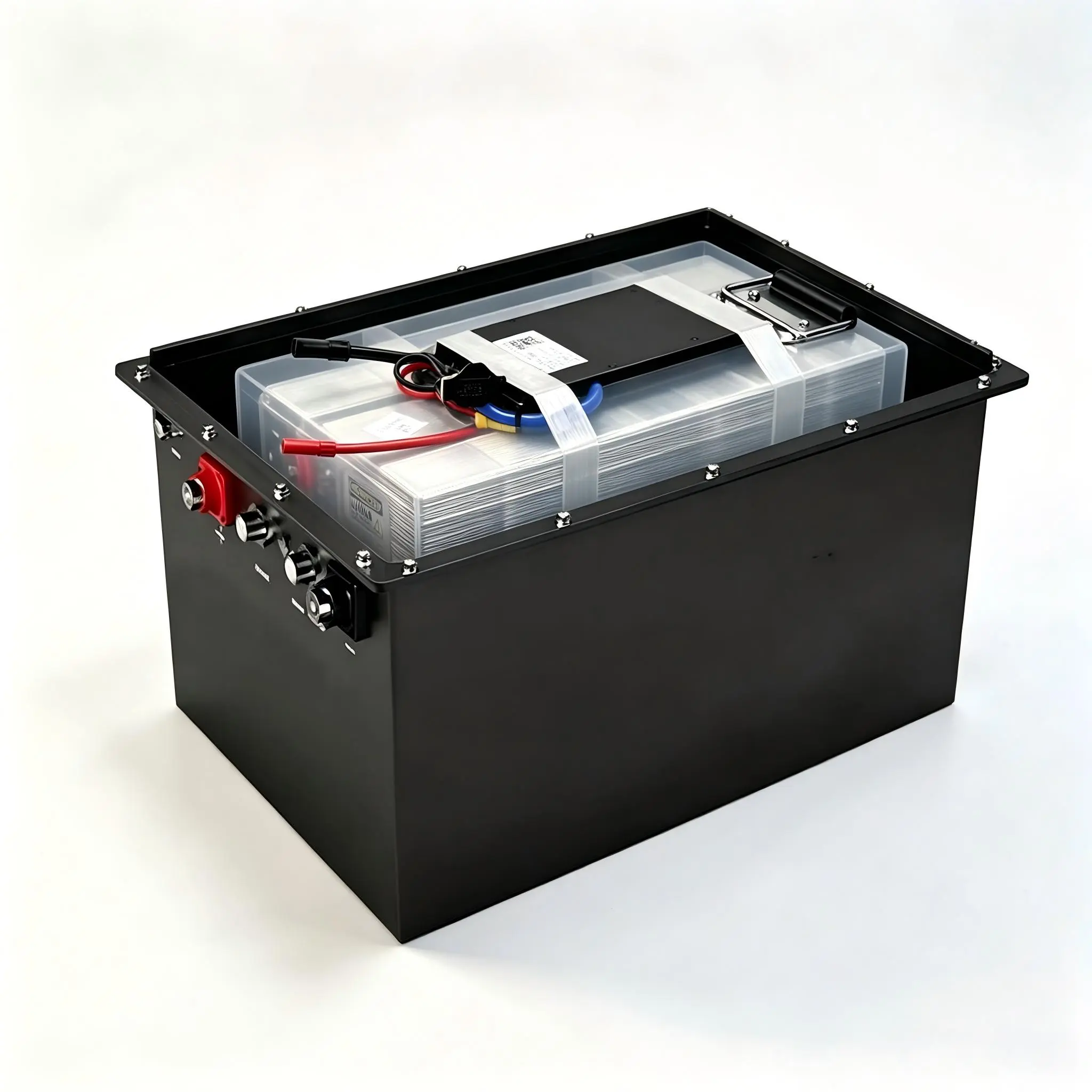
Home Energy Storage: Does Your Solar Inverter Work With a Battery Protection Board (BMS)?
If you’re a BMS seller or a homeowner setting up a solar home energy storage system, you’ve likely faced this confusion: “My customers need BMS for home storage, but solar energy has to go through an inverter to convert to usable electricity—our BMS doesn’t support direct connection to inverters. Is the solar energy storage you’re talking about the same system? They must be different, right?”
This is one of the most common questions we get at XJBMS, and it’s a critical one—especially for anyone navigating home energy storage (on-grid or off-grid) and BMS compatibility. The short answer: Your hardware bms and solar inverters are not the same system, but they can work together perfectly—you just need to understand their roles and the right matching method.
As a professional BMS manufacturer specializing in hardware battery protection boards (no communication interface, with balancing and temperature control), we’re here to break down this confusion in simple, SEO-friendly terms. We’ll clarify the relationship between home storage inverters and BMS, explain why your hardware BMS isn’t “incompatible” (it just needs a small bridge), and help you serve your home storage customers better—whether they need off-grid or grid-tied solutions.
First: What’s the Role of Solar Inverters & Battery Protection Boards in Home Storage?
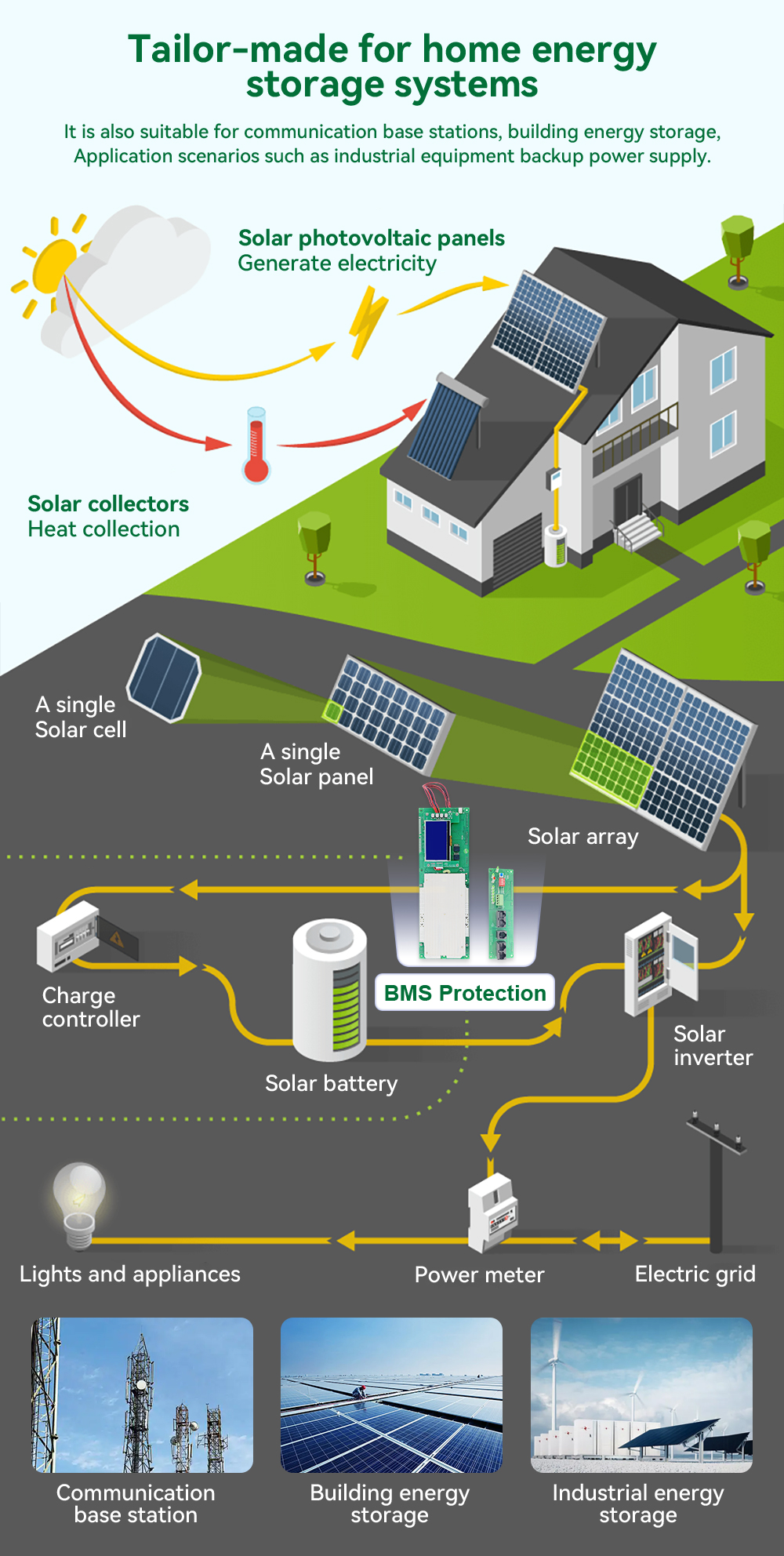
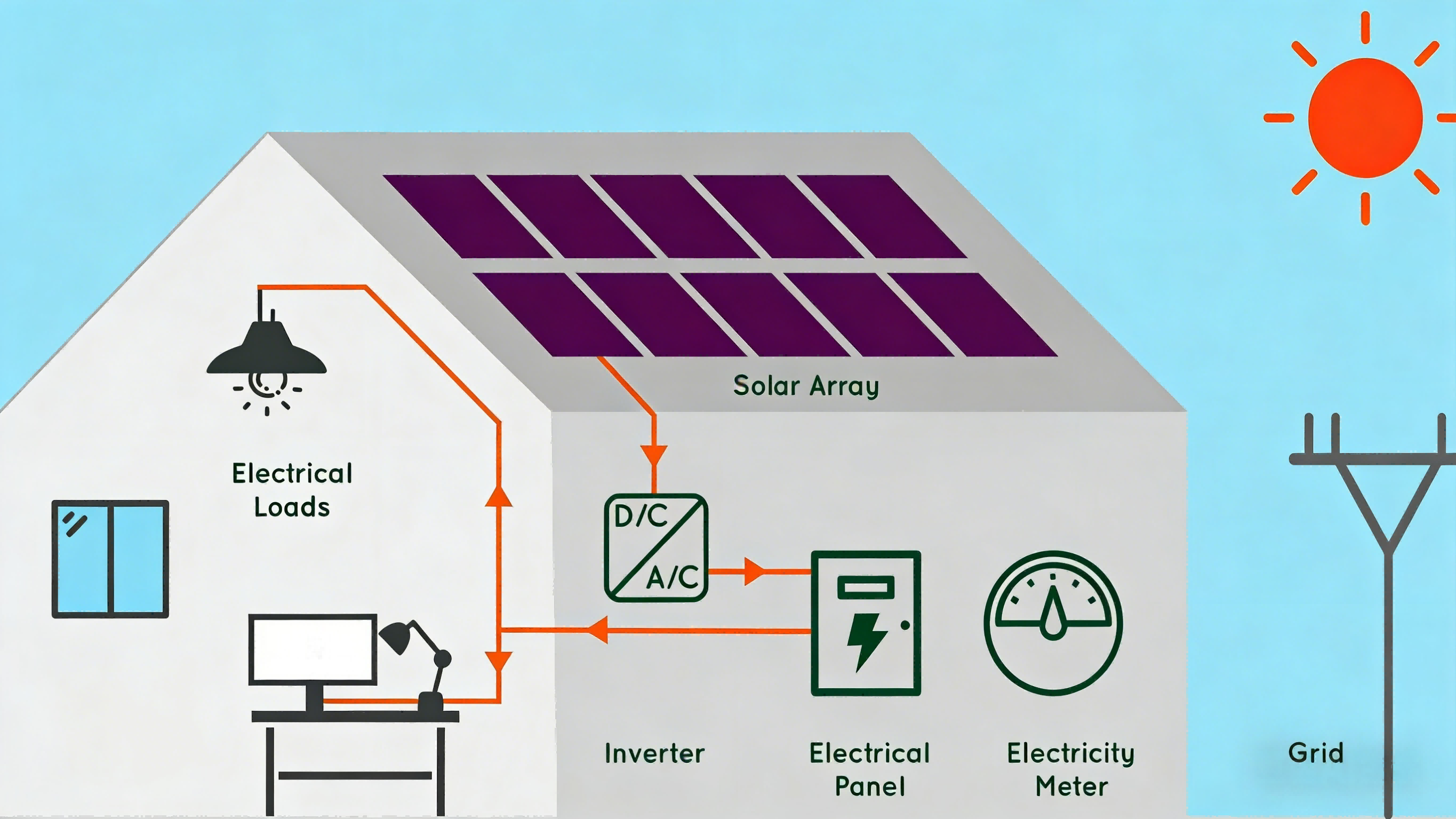
To clear up the confusion, let’s start with the basics: Solar home energy storage systems rely on three core components—solar panels, a storage battery pack, and an inverter. Your battery protection board (BMS) is a fourth critical component, but it serves a completely different purpose than the inverter. Here’s their clear division of labor:
1. Solar Inverter: The “Power Converter” of the System
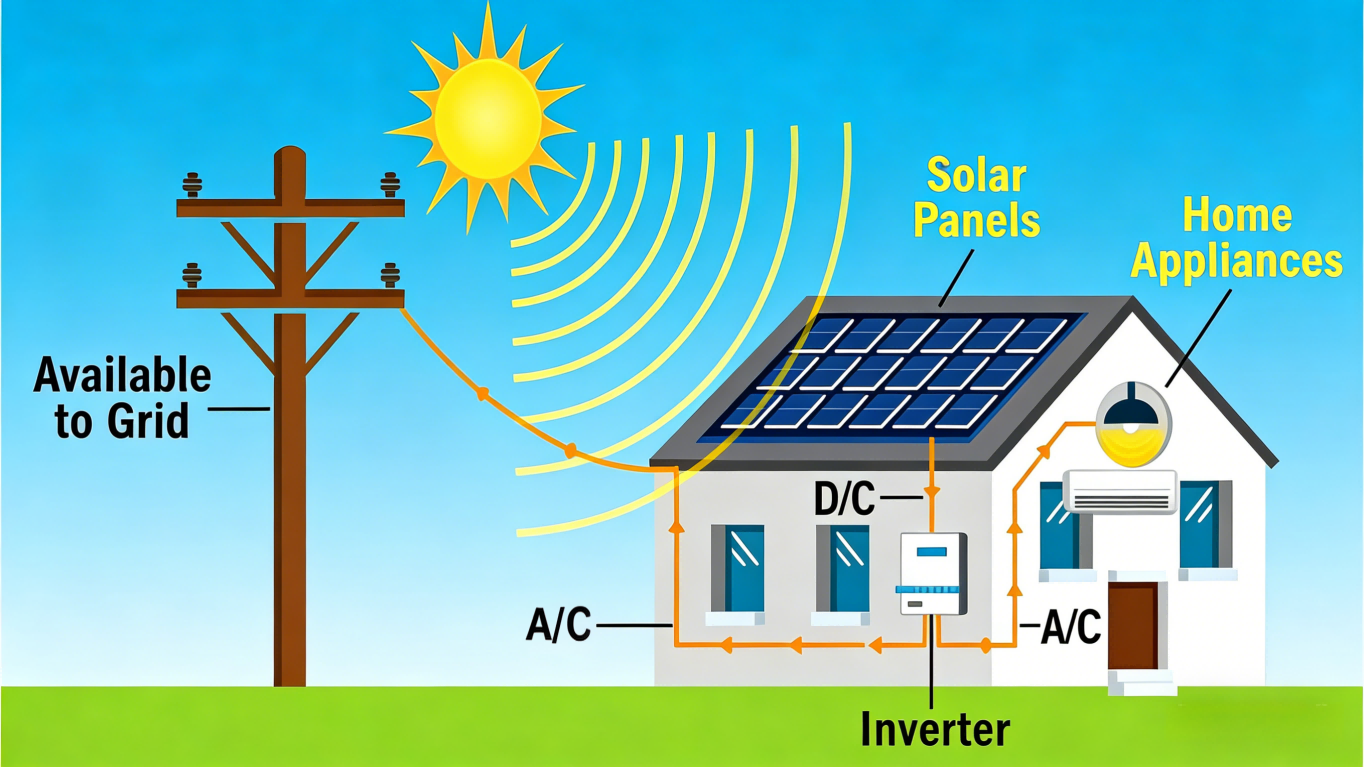
The solar inverter’s sole job is converting direct current (DC) to alternating current (AC). Here’s why it’s essential for home storage:
- Solar panels generate DC electricity, and storage batteries store DC electricity.
- Most household appliances (lights, refrigerators, TVs) and the public grid use AC electricity.
- Inverters also handle smart functions for grid-tied systems (e.g., feed-in tariff, peak shaving, off-peak charging) and basic power conversion for off-grid systems.
Key point: Inverters need to “communicate” with the battery pack to work—they need real-time data (battery voltage, current, state of charge) to adjust power conversion and avoid damaging the battery. This is where the confusion with your BMS comes in.
2. Your Hardware BMS: The “Battery Safety Guard”
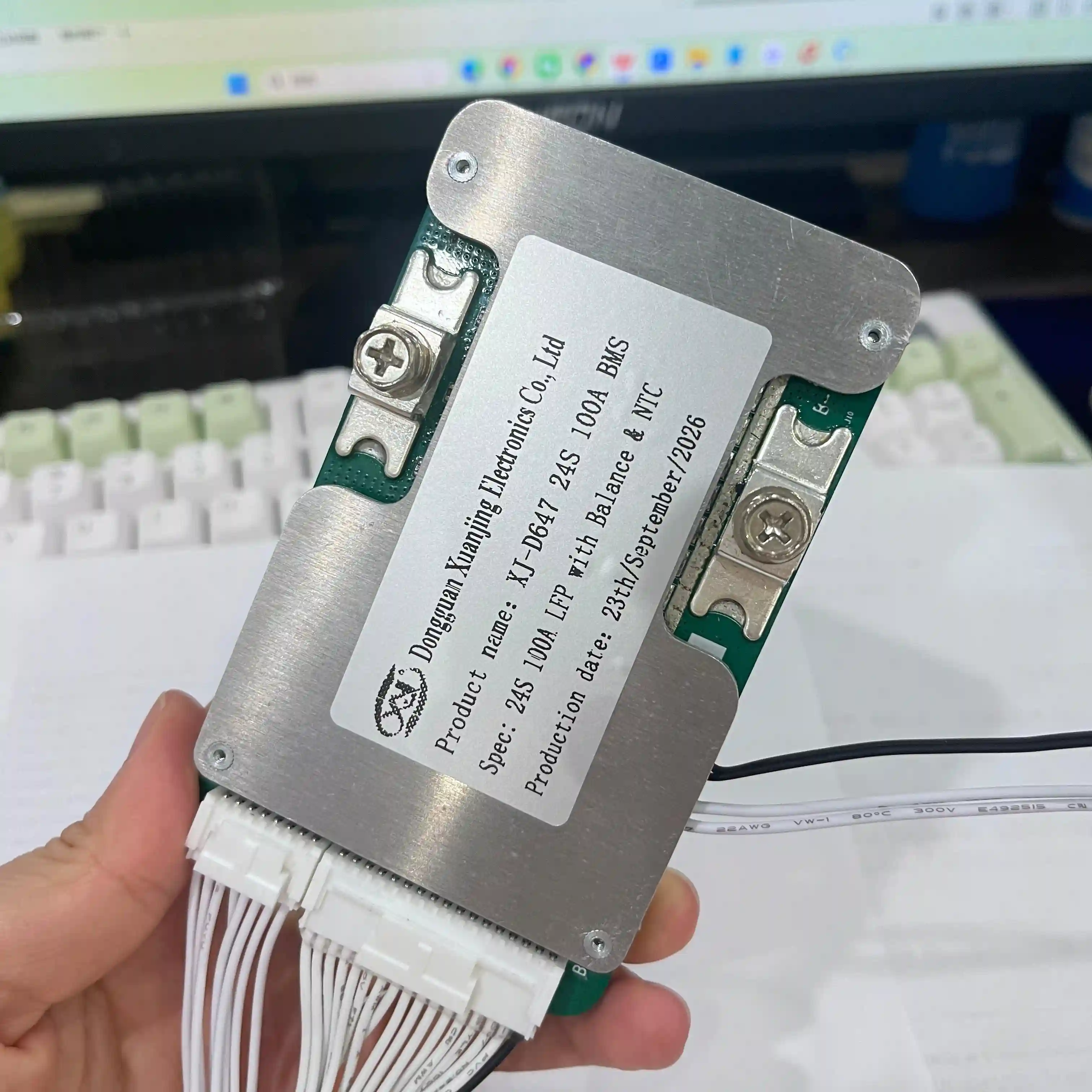
Your hardware battery protection board (like our XJ-D565, XJ-D386 models) has one non-negotiable role: protecting the storage battery pack from damage. It does NOT communicate with inverters directly, but it’s the foundation of a safe home storage system. Its core functions include:
- Overcharge protection: Prevents the battery from being damaged by excessive solar charging (even if the inverter malfunctions).
- Over-discharge protection: Shuts off power when the battery is too low to avoid permanent damage.
- Overcurrent/short-circuit protection: Protects the battery from high currents caused by inverter or load faults.
- Cell balancing & temperature control: Extends battery life and prevents overheating (critical for long-term home storage use).
Key point: Your hardware BMS is a “basic safety layer”—it doesn’t need communication functions to protect the battery, which makes it cost-effective and reliable for home storage customers who prioritize stability over fancy smart features.
The Big Question: Why Doesn’t Your BMS Support Direct Inverter Connection?
You’re absolutely right: Standard hardware BMS (without communication interfaces) cannot connect directly to solar inverters. But this is not a “flaw”—it’s a design choice, and it’s easy to fix. Here’s why the disconnect happens:
Inverters require data communication (via CAN/RS485 protocols, for example) to “talk” to the battery. They need to know the battery’s state of charge (SOC), voltage, and current to adjust power conversion. Your hardware BMS is designed to focus solely on safety—it doesn’t collect or transmit this data to the inverter. This means they’re not “incompatible”—they just need a “middleman” to bridge the gap.
The Solution: How to Make Your BMS Work With Solar Inverters
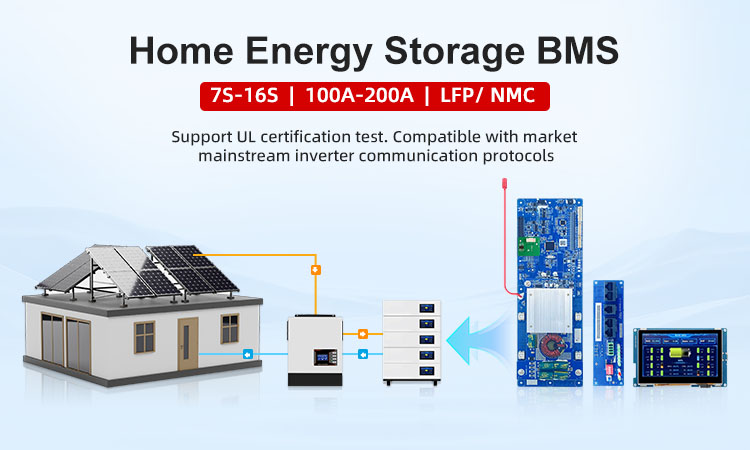
The good news is: Your hardware BMS can work with any solar inverter—you just need an external communication interface board. This small, affordable component acts as a “translator” between your BMS and the inverter, solving the communication problem without sacrificing your BMS’s advantages (cost, reliability, simplicity).
The Complete Home Storage System Chain (With Your BMS):
Solar Panels → Solar Charge Controller (regulates voltage/current) → Your Hardware BMS → Storage Battery Pack → External Communication Interface Board → Solar Inverter → Household Appliances/Grid
Breakdown of the “Bridge” (Communication Interface Board):
- Collects basic battery data (voltage, temperature, current) from your hardware BMS or directly from the battery pack.
- Converts this data into a protocol the inverter understands (e.g., CANopen, Modbus).
- Transmits the data to the inverter and relays the inverter’s commands (e.g., “stop charging,” “limit discharge power”) back to your BMS.
This setup is cost-effective for your customers: Instead of buying an expensive smart BMS (with built-in communication), they can use your affordable hardware BMS + a cheap communication board—saving money while getting both safety and inverter compatibility.
Home Storage Customer Types: Which Ones Can Use Our BMS?
Not all home storage customers need the same setup.
1. Off-Grid Home Storage Customers (Easiest to Serve)
These customers (e.g., rural homes, mountain cabins, off-grid villas) don’t need to connect to the public grid. Their inverters only need basic DC-to-AC conversion—no communication with the battery is required.
Directly use XJ hardware BMS (no communication board needed). XJBMS protects the battery from overcharge/over-discharge, and the inverter simply converts the battery’s DC power to AC for household use. This is the most common scenario for your hardware BMS, as it’s cost-effective and easy to install.
Recommendation: XJ-D565 (6S-24S 30A-60A) or XJ-D386 (4S-25S 50A-150A) — compact, with balancing and temperature control, perfect for small to medium off-grid home storage.
2. Grid-Tied Home Storage Customers (Basic Smart Needs)
These customers (e.g., urban homes, small shops) need to connect to the grid for peak shaving, off-peak charging, or feed-in tariff. Their inverters require communication with the battery, but they have limited budgets and don’t want expensive smart BMS.
F-series BMS with communication interface board. This smart Bluetooth BMS with RS485 interface, can connect with inveter. Cheaper than home enegy storage BMS.
Key Tip: Confirm the inverter’s communication protocol (e.g., CAN, RS485) before recommending the interface board—this ensures seamless compatibility.
3. Grid-Tied Home Storage Customers (High-End Smart Needs)
These customers (e.g., luxury homes, commercial projects) need full smart control (remote monitoring, automatic charge/discharge scheduling, grid integration). Their inverters require advanced BMS communication and data collection.
How your BMS fits: XJ-SH-Series ESS BMS can meet this requirement.
Common Myths to Debunk for Customers
When serving home storage customers, you’ll likely hear these myths—here’s how to debunk them (and position your BMS as the solution):
Myth 1: “If a BMS doesn’t connect directly to an inverter, it’s useless for home storage.”
Fact: Most off-grid home storage systems don’t need inverter-BMS communication. For grid-tied systems, a normal hardware BMS board solves the problem.
Myth 2: “Solar charge controllers already regulate voltage—why do I need a BMS?”
Fact: Charge controllers regulate solar charging voltage, but they don’t protect the battery from over-discharge, short circuits, or cell imbalance. A BMS is the “last line of defense” for the battery—critical for long-term reliability (and reducing battery replacement costs for your customers).
Myth 3: “Smart BMS is the only option for grid-tied home storage.”
Fact: Smart BMS is expensive. You can choose smart BMS, or a BMS with RS485 or CAN interface, like XJ-F-Series BMS.
Why XJBMS Hardware BMS Is the Best Choice for Home Storage Customers
As a BMS seller, our competitive advantage is offering reliable, affordable products that solve your needs. Here’s why our XJBMS hardware BMS stands out for enegy storage:
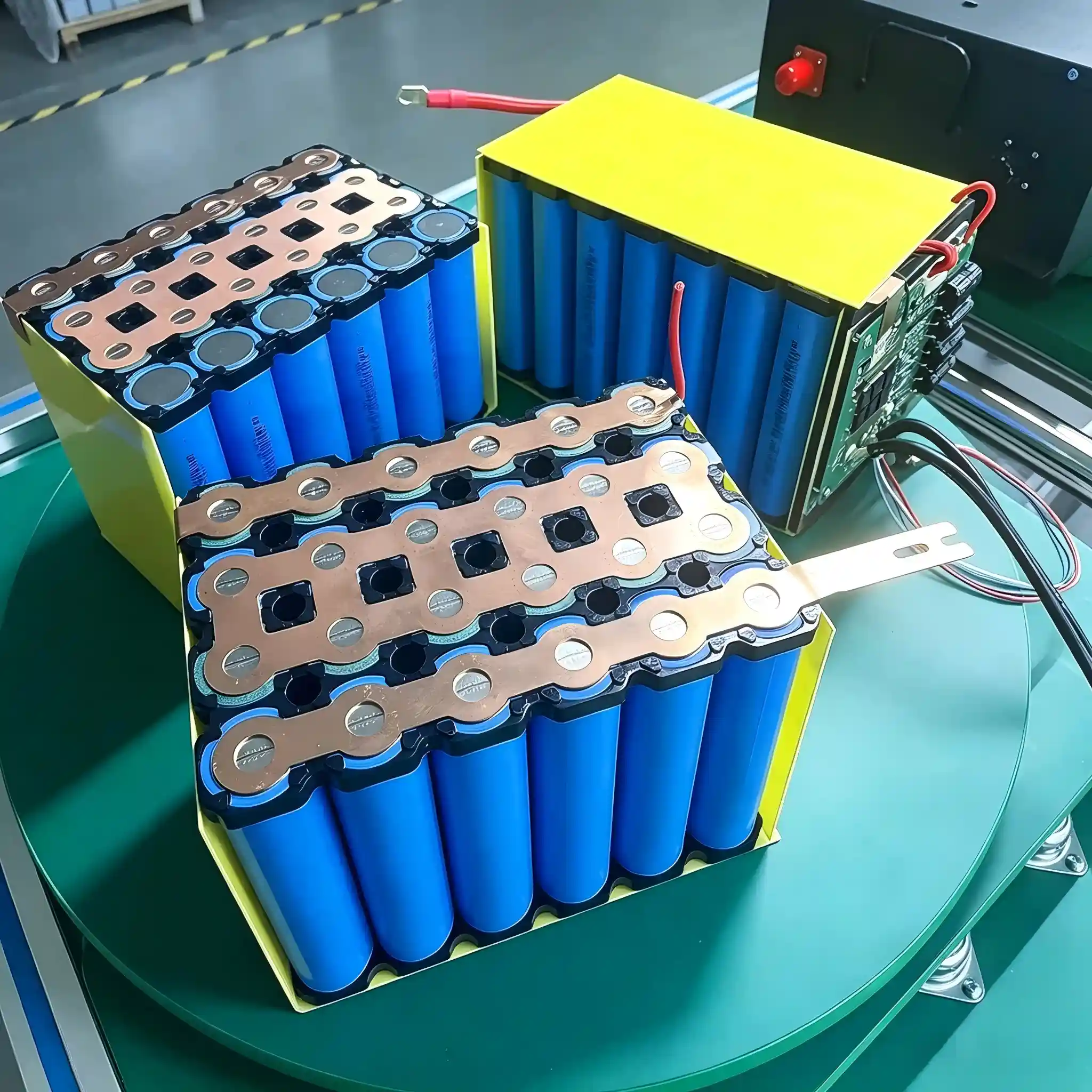
- Wide Compatibility: Supports LiFePO4, NMC, and Sodium-ion batteries, with series configurations from 4S to 24S and current ratings from 30A to 250A—matches most home storage battery packs (48V, 72V).
- Cost-Effective: Hardware-only design (no communication) keeps prices low—perfect for off-grid and budget grid-tied customers. EXW factory prices only half in the market, with bigger discounts for bulk orders.
- Reliable Safety: Built-in cell balancing and temperature control—ensures battery longevity and prevents safety hazards (overheating, bulging, short circuits) in home storage environments.
- Easy to Install: Compact design (XJ-D565: 100×60×10mm) fits easily in home storage battery enclosures, with a common port (same port for charging/discharging) to simplify wiring.
- Flexible Matching: Works with or without a communication interface board—adapts to off-grid and grid-tied home storage systems, expanding your base.
Contact Us for Home Storage BMS Solutions
Whether your customers need BMS for off-grid home storage (no inverter communication needed) or grid-tied systems (with a communication board), XJBMS has the right solution. Our team provides one-on-one guidance to help you match the perfect BMS for your customers’ home storage setups—no technical expertise required.
We can also help you source compatible communication interface boards, so you can offer a complete package to your grid-tied customers.
Contact us anytime—for battery management system solution.