





Electric Golf Cart Market Growth: Driving Sustainable Mobility Forward
The global electric golf cart market is experiencing strong and sustained growth, driven by rising demand for environmentally friendly transportation, expanding application scenarios, and continuous technological innovation. What was once a niche vehicle used mainly on golf courses is now becoming an essential part of sustainable mobility solutions across multiple industries.
Growing Demand for Eco-Friendly Transportation
As global awareness of climate change and environmental protection increases, people are actively seeking low-emission and sustainable transportation options. This trend extends far beyond electric golf carts and reflects a broader shift toward electric mobility.
Electric vehicles—including golf carts—are gaining popularity due to:
-
Zero tailpipe emissions
-
Quiet operation
-
Reduced environmental footprint
-
Alignment with global sustainability goals
As cities, resorts, and private communities aim to reduce carbon emissions, electric golf carts are emerging as an efficient and eco-conscious alternative to traditional fuel-powered vehicles.
Technology Upgrades Enhancing User Experience
With the rapid expansion of the market, electric golf carts are no longer simple utility vehicles. Modern models are increasingly equipped with advanced technologies such as:
-
Remote monitoring and diagnostics
These upgrades significantly improve user experience, safety, and fleet management efficiency, especially for commercial and shared-use applications.
Beyond Golf Courses: Expanding Application Scenarios
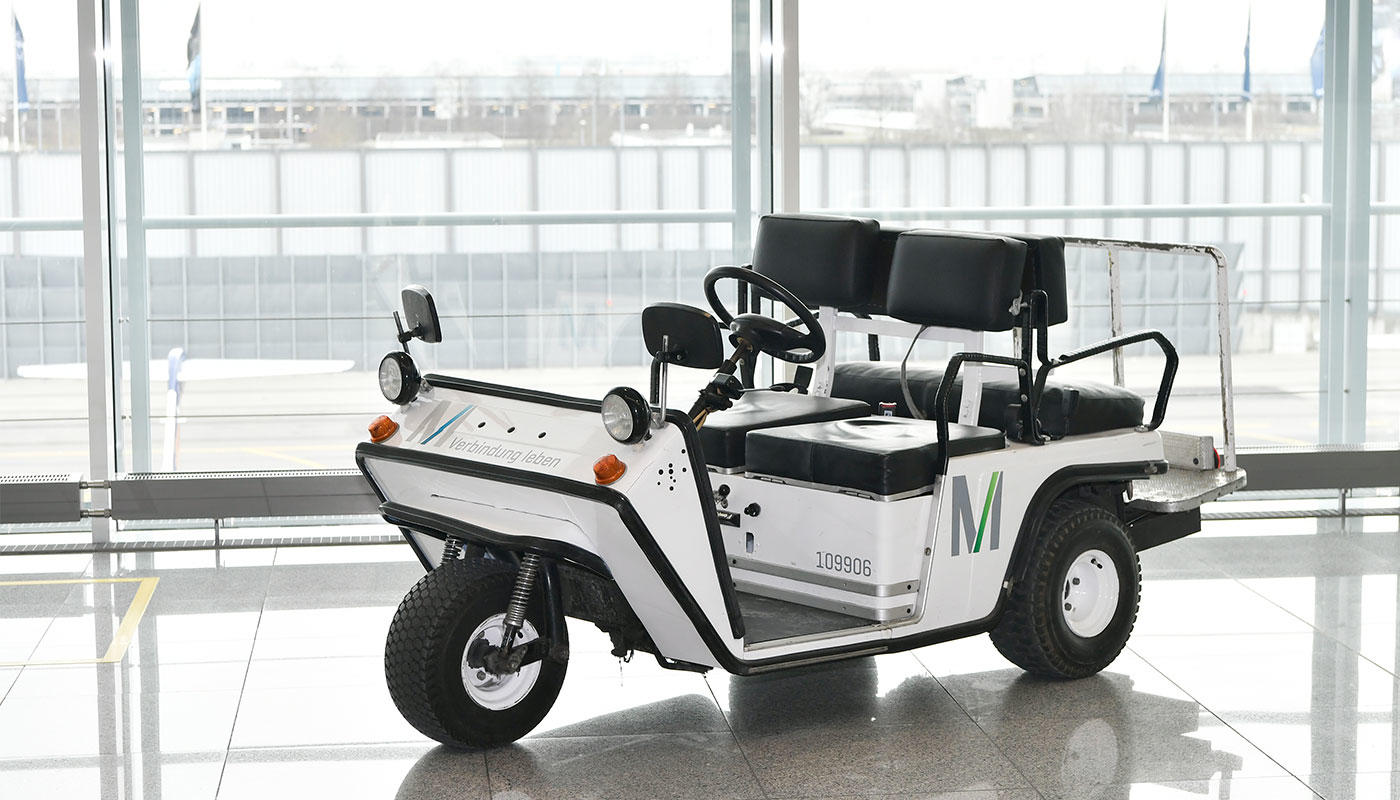
One of the key drivers of market growth is the versatility of electric golf carts. Today, their applications extend far beyond traditional golf courses, including:
-
Medical facility campuses
-
Airports and transportation hubs
-
Tourist attractions and resorts
-
Coastal boardwalks and scenic areas
-
Gated residential communities
This diversification creates new revenue opportunities and broadens the commercial appeal of electric golf carts.
In addition, electric carts are increasingly used as:
-
Electric utility carts
-
Mobile electric shops
-
Light-duty transport vehicles
Their flexibility makes them ideal for short-distance transportation in controlled or semi-closed environments.

Cost Efficiency and Operational Advantages
Compared with gasoline-powered vehicles, electric golf carts offer clear economic benefits:
-
Lower maintenance costs
-
No fuel expenses
-
Reduced operating costs
-
Fewer mechanical components
Their quiet operation, low vibration, and minimal maintenance requirements make them especially suitable for both practical and leisure applications.
Advancements in battery Technology
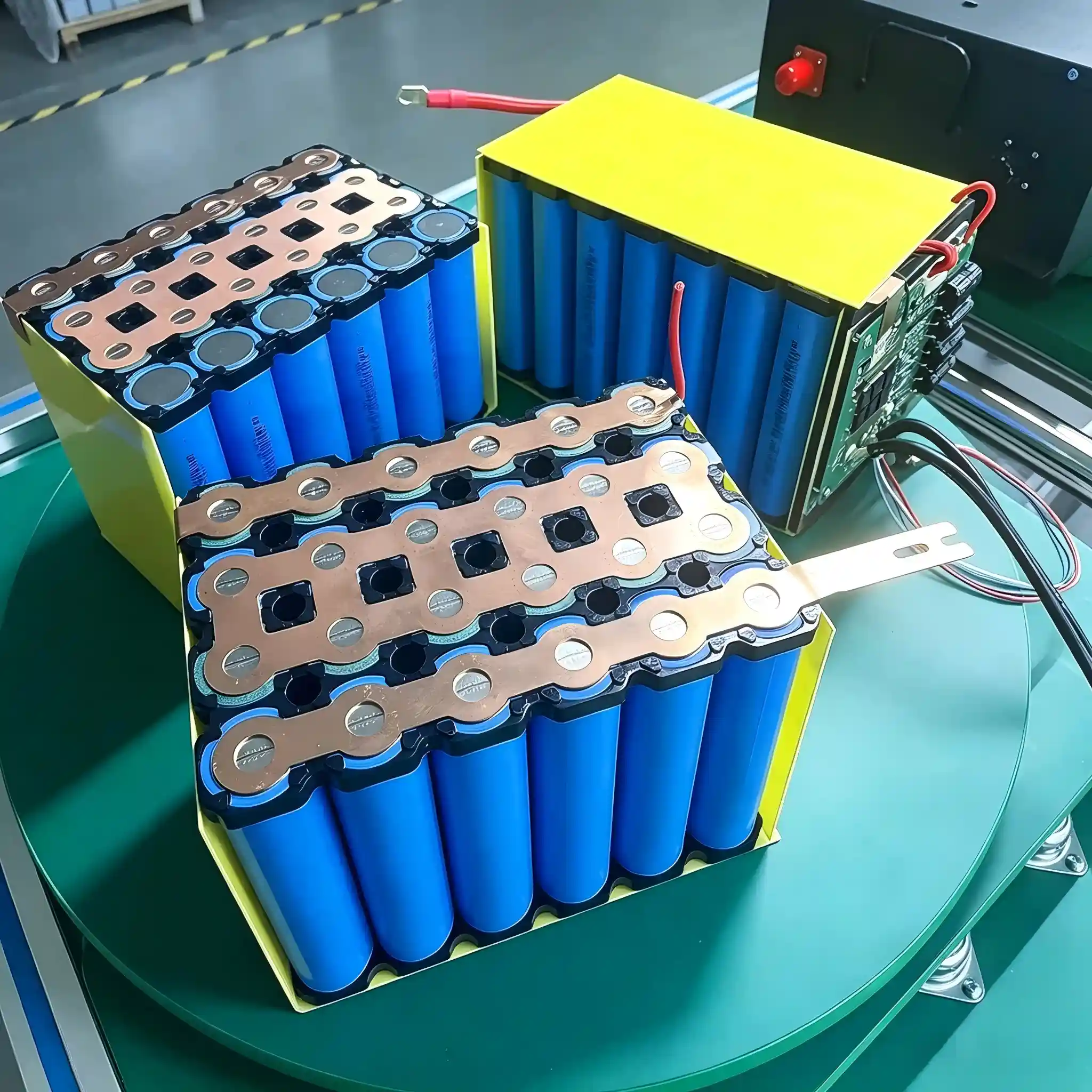
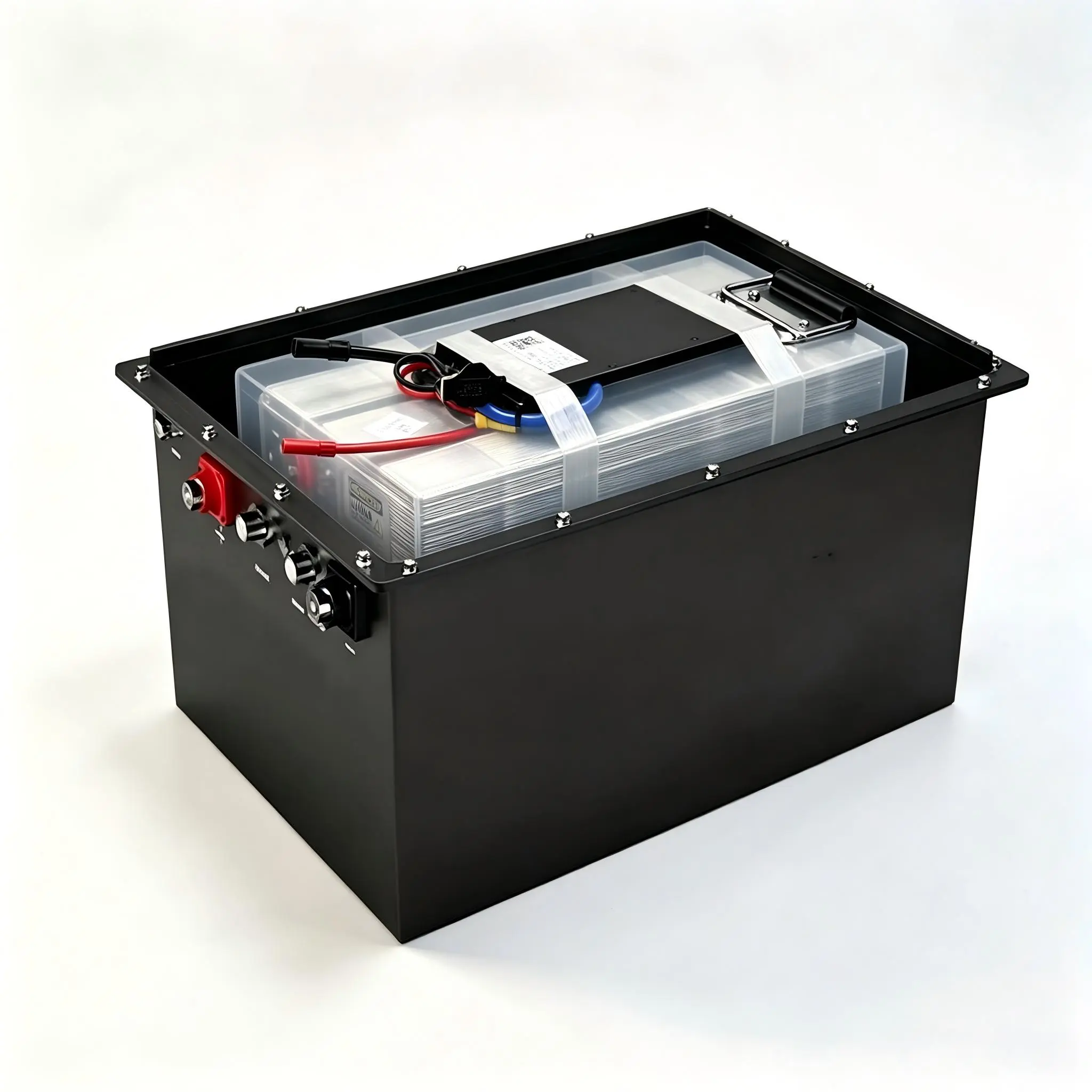
Battery innovation plays a critical role in the evolution of electric golf carts. Currently, LFP (LiFePO₄) batteries are widely used due to their:
-
Excellent thermal stability
-
Long cycle life
-
High safety and reliability
Typical electric golf carts use 4 kWh or 6 kWh battery packs, providing sufficient range and stable performance.
For example:
-
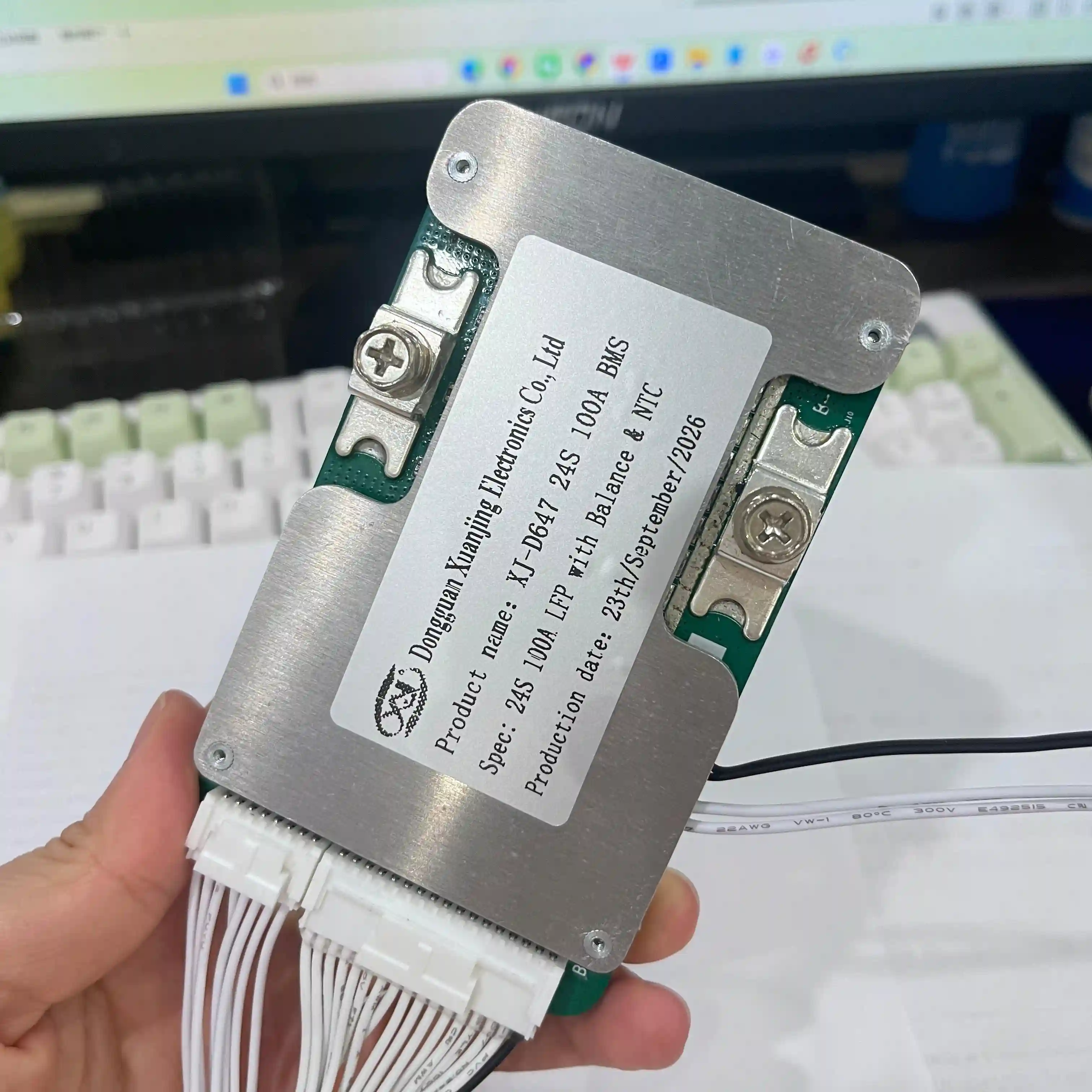
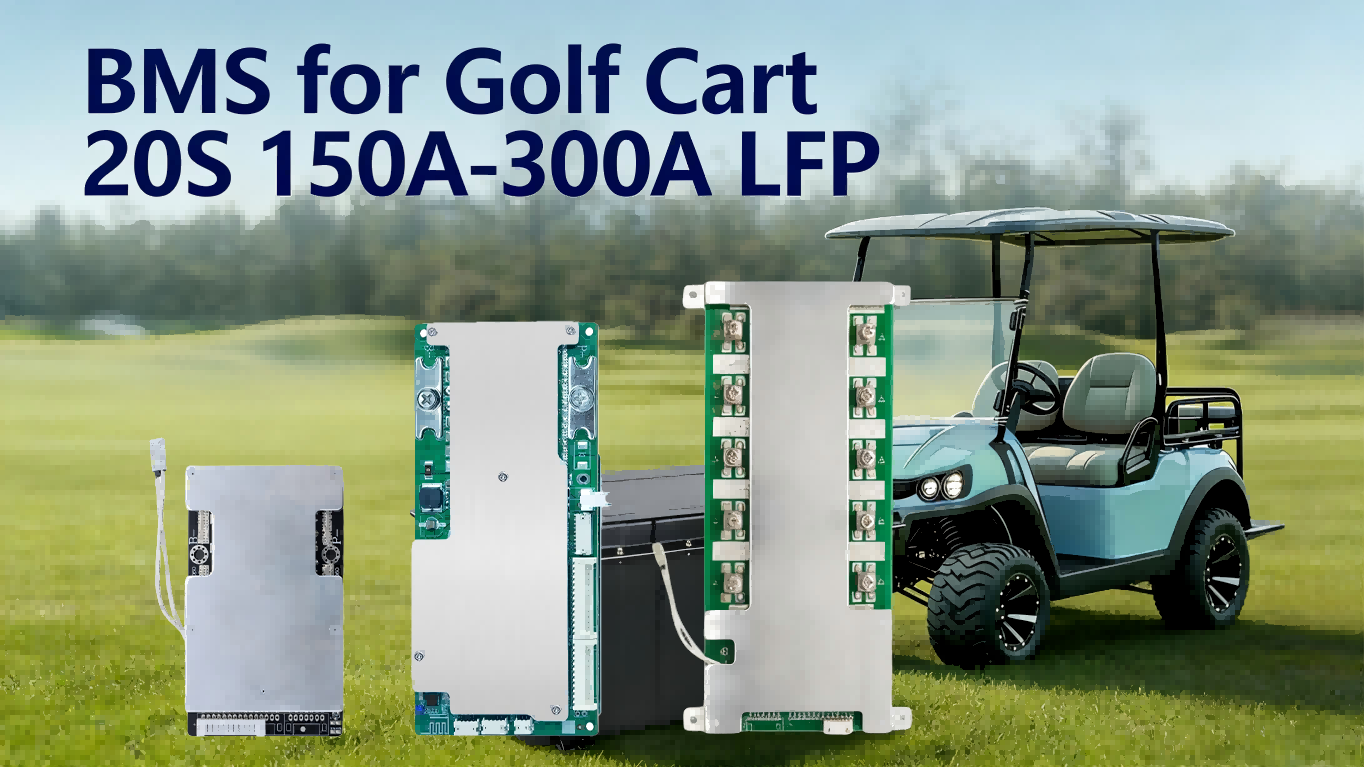
XJ-D0308V3 BMS: 20S–25S, 100A–300A
-
Optional smart BMS solution: XJ-F005, 21S–24S, 120A, with GPS functionality
These solutions ensure safe operation, efficient energy management, and long battery lifespan.
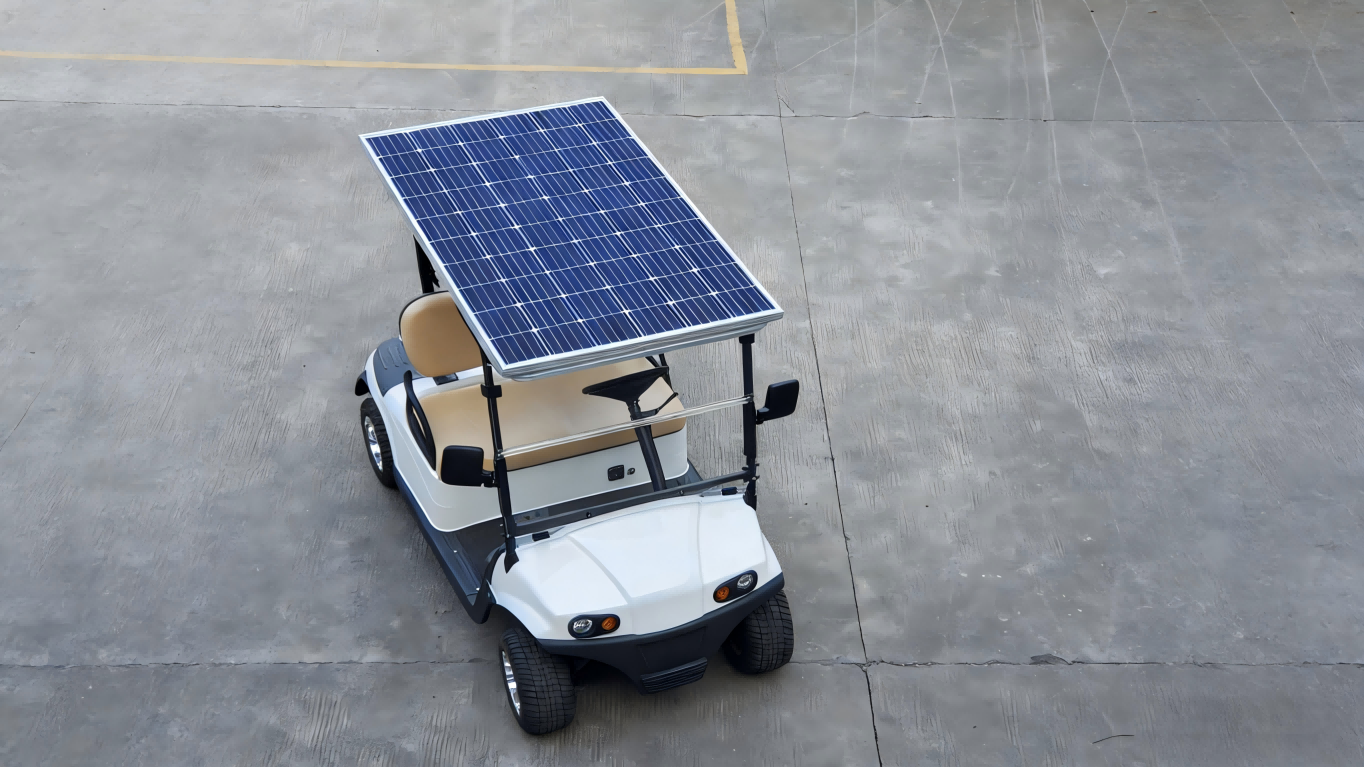
The Rise of Solar-Powered Golf Carts
Another exciting development is the adoption of solar-powered electric golf carts. By integrating high-efficiency solar panels, these vehicles further reduce reliance on external charging and improve sustainability.
Typical configurations include:
-
40V output
-
270W high-efficiency solar panels
Supporting BMS solutions include:
Solar-powered systems enhance energy efficiency and are especially attractive for resorts, parks, and remote locations.
A Promising Market Outlook
The outlook for the electric golf cart market remains highly optimistic due to:
-
Growth in resorts and tourism facilities
-
Expansion of retirement and senior living communities
-
Government initiatives promoting sustainable transportation
-
Increasing commercial and industrial applications
As electric golf carts move beyond sports and leisure into logistics, healthcare, and urban mobility, their market potential continues to expand rapidly.
Conclusion
The electric golf cart market is no longer a niche segment—it is a key part of the global shift toward sustainable, efficient, and intelligent transportation. With advances in battery technology, smart BMS solutions, and renewable energy integration, electric golf carts are becoming more reliable, cost-effective, and environmentally friendly than ever before.
As the demand for green mobility solutions grows worldwide, electric golf carts are well-positioned to play an important role in the future of low-carbon transportation.
If want to get more EV/golf cart battery management system BMS series, pls feel free to contact us.
Contact us anytime—we’re happy to help.