





Do Lithium Batteries Need BMS?
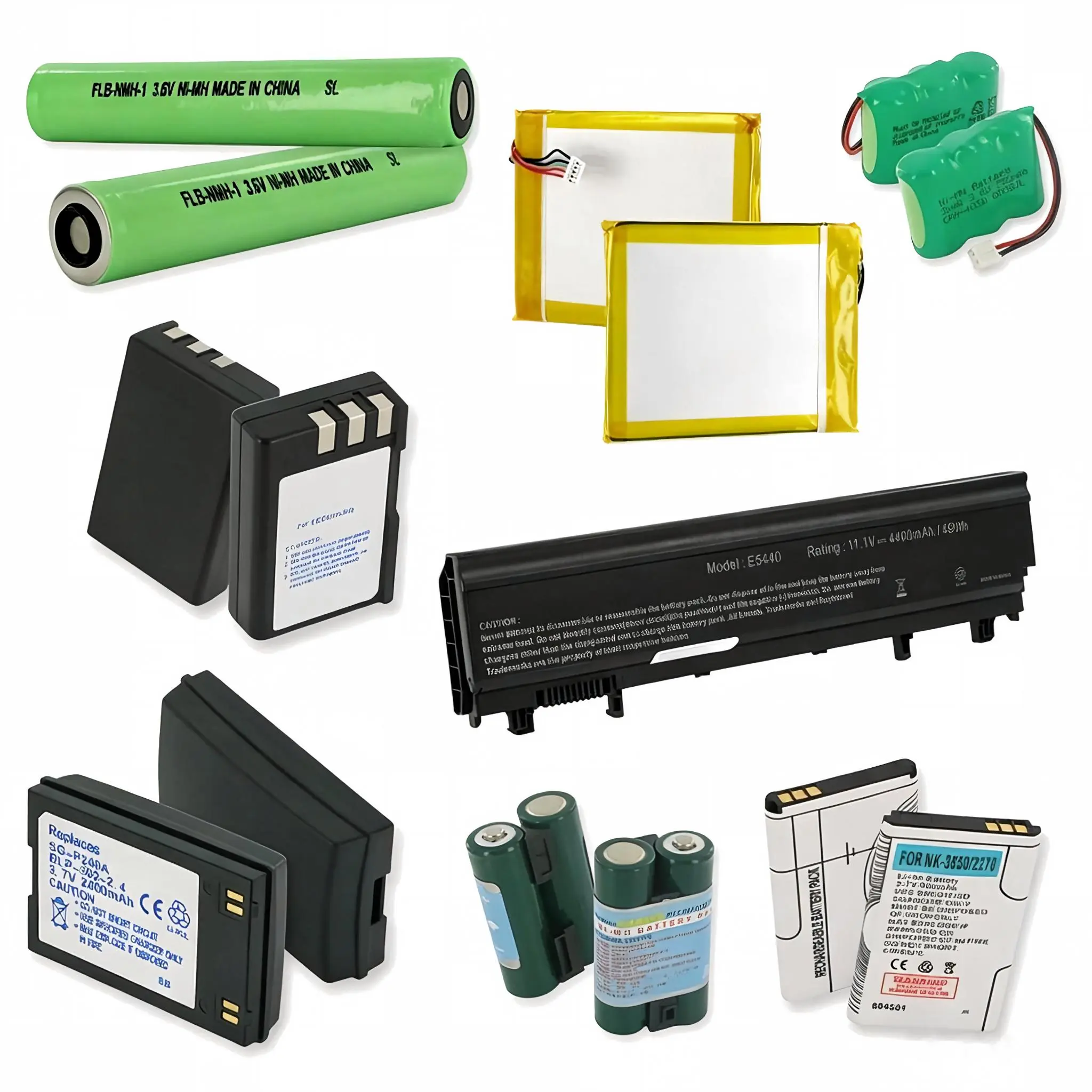
Lithium batteries are everywhere—powering our phones, electric vehicles, solar storage systems, power tools, and even industrial equipment. But one question that plagues DIY enthusiasts, product manufacturers, and business owners alike is: Do lithium batteries need a BMS?
As a professional battery Management System (BMS) manufacturer with years of experience engineering reliable lithium battery protection solutions, we’re here to give you a straight, expert answer. Spoiler: For most lithium battery applications, a BMS isn’t just “nice to have”—it’s non-negotiable.
In this blog, we’ll break down why lithium batteries need a BMS, the key roles a BMS plays (from safety to longevity), when a BMS is absolutely required, and how our high-quality BMS solutions can protect your batteries, extend their life, and keep your projects safe.
The Short Answer: Do Lithium Batteries Need BMS?
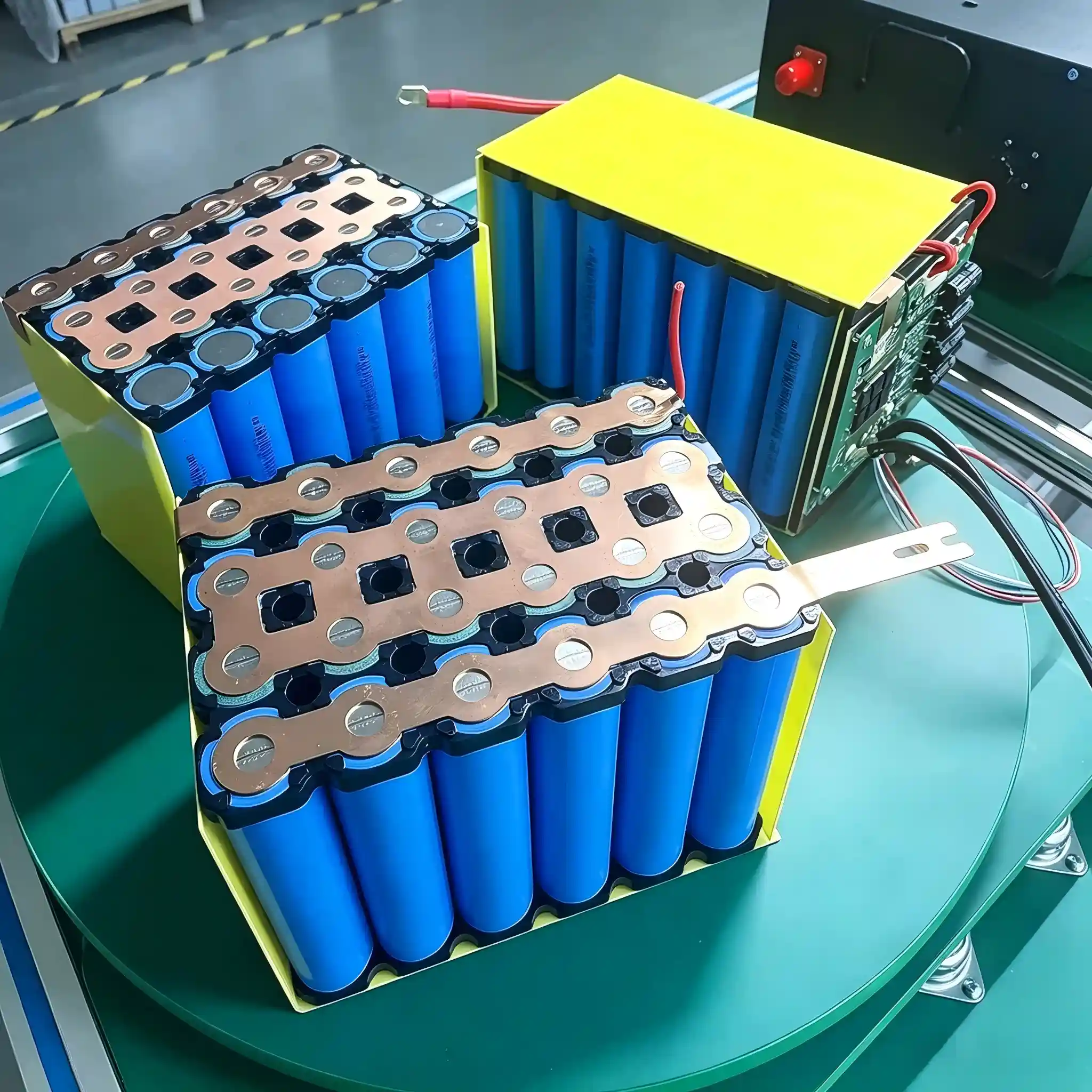
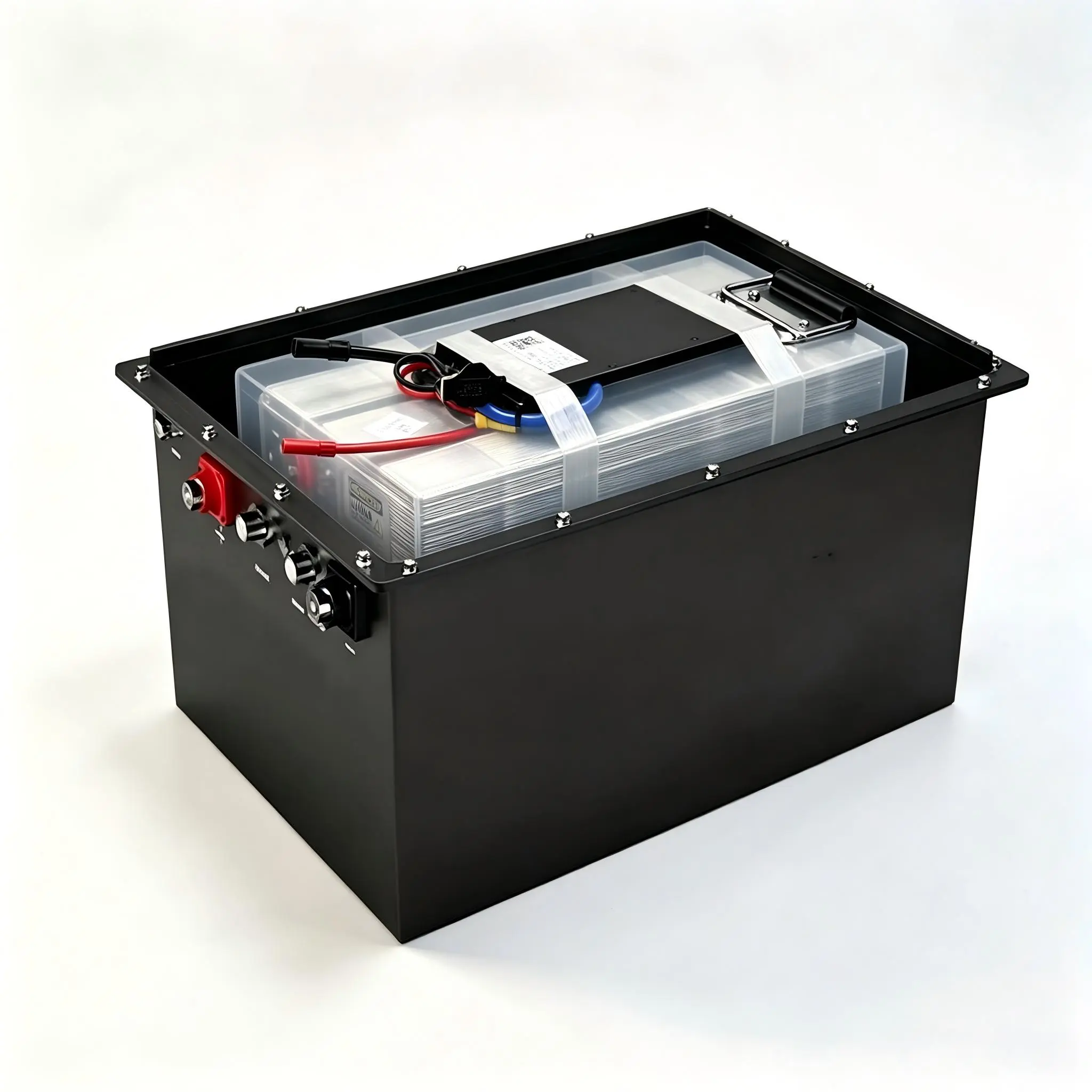
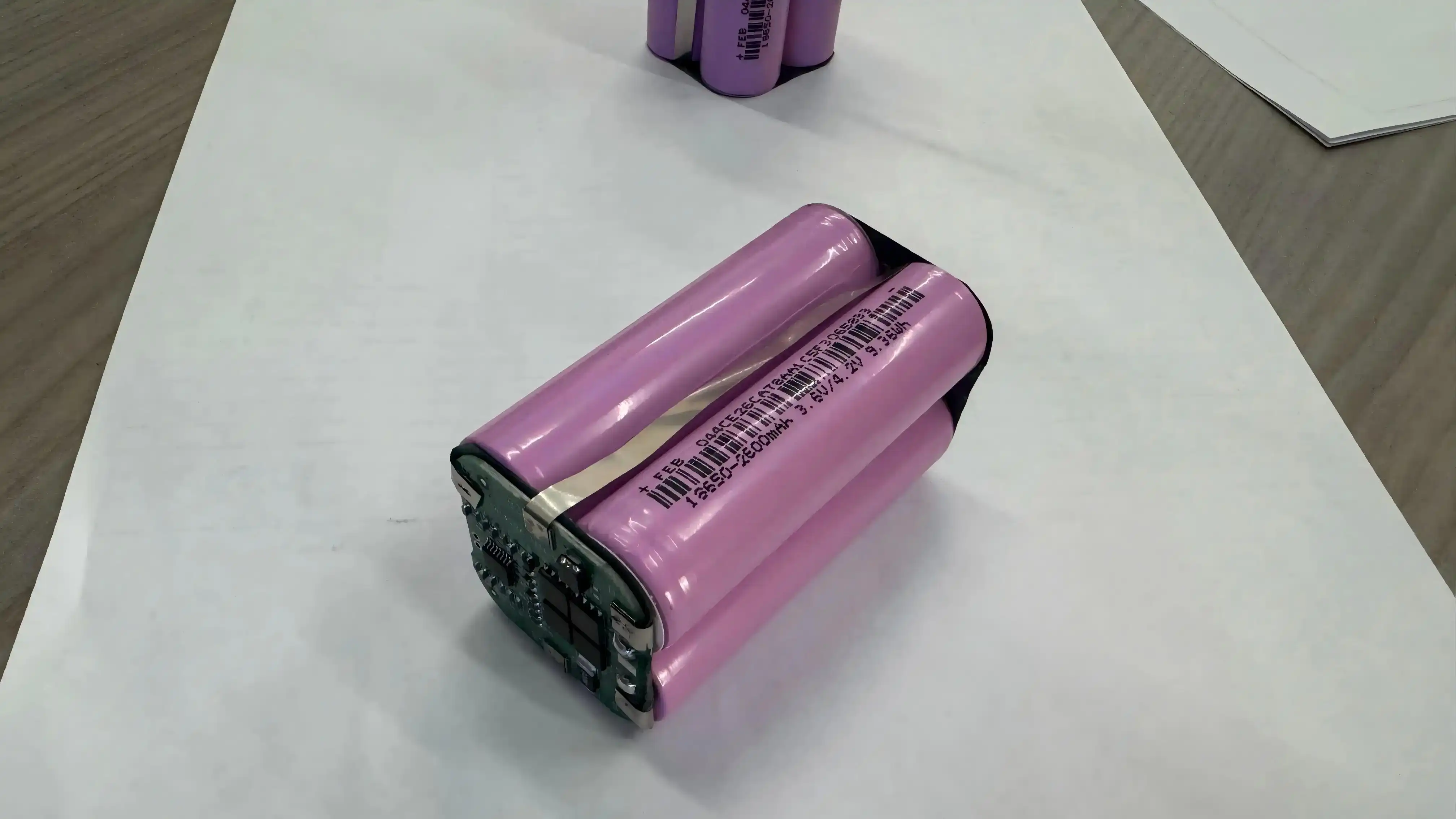
For single lithium cells (e.g., a single 18650 cell powering a small LED light), a BMS may not be strictly necessary—though it’s still recommended for safety. However, for lithium battery packs (multiple cells connected in series or parallel, like 12V, 24V, or 48V packs), a BMS is essential.
Without a BMS, lithium battery packs will degrade quickly, become unsafe, and risk catastrophic failure (like fires or explosions). A BMS is the “brain” and “bodyguard” of your battery pack—ensuring it operates safely, efficiently, and for as long as possible.
Why Lithium Batteries Need a BMS: Key Roles & Benefits
A Battery Management System (BMS) is designed to address the unique vulnerabilities of lithium batteries. It doesn’t just “protect” the battery—it optimizes its performance and extends its lifespan. Here are the critical roles a BMS plays, explained in simple terms:
Safety Protection: Your Battery’s “Bodyguard”
Lithium batteries are sensitive to extreme conditions, and without protection, they can become dangerous. A BMS acts as a 24/7 guard, monitoring the battery’s voltage, current, and temperature. The moment it detects a risk—such as overcharging, deep discharging, short circuits, or overheating—it automatically cuts off the power supply, preventing disasters like fires, explosions, or battery leakage.
Think of it this way: A BMS is the first line of defense against the most common (and dangerous) lithium battery failures. Without it, your battery pack is operating blindly—putting your device, property, and even safety at risk.
Balanced Charging: Keeping Battery Cells “In Sync”
One of the biggest challenges with lithium battery packs is cell imbalance. Even high-quality lithium cells can’t maintain 100% consistent capacity—over time, some cells will charge faster, discharge quicker, or hold less power than others. This imbalance leads to reduced battery capacity, faster degradation, and even safety risks.
A BMS solves this by balancing the charge across all cells in the pack. It ensures each cell charges to the same voltage, preventing some cells from being overcharged (and damaged) while others remain undercharged. This balance is critical for maintaining the battery pack’s overall performance and lifespan—something the batteries themselves cannot do on their own.
Extend Battery Lifespan: Maximize Your Investment
Lithium batteries are an investment—and you want them to last. A BMS extends the lifespan of your lithium battery pack by closely monitoring and managing each cell’s health. By preventing overcharging, deep discharging, and cell imbalance, it reduces wear and tear on the cells, ensuring your battery pack performs reliably for years (not months).
Without a BMS, battery packs can degrade by 30-50% faster—forcing you to replace them sooner, which costs time and money. A BMS isn’t just a protection tool—it’s a cost-saving investment.
When Is a BMS Absolutely Required? (Non-Negotiable Scenarios)
While a BMS is recommended for almost all lithium battery applications, there are two scenarios where it’s mandatory. If you’re in either of these situations, skipping a BMS is not just risky—it’s a mistake.
Multi-Cell Battery Packs (Series Configuration)
Any lithium battery pack that uses series-connected cells (e.g., 12V, 24V, 48V packs) must have a BMS. Series connections are used to increase the battery pack’s voltage, but they also amplify the risk of cell imbalance and unsafe conditions. For example:
- A 12V lithium battery pack (typically 3S or 4S)
- A 24V solar storage pack (6S or 8S)
- A 48V electric vehicle (EV) or industrial battery pack (13S to 16S)
In these packs, a BMS is critical for maintaining cell balance and preventing overcharging/over-discharging of individual cells. Without it, the pack will degrade quickly and become unsafe.
High-Performance & Safety-Critical Applications
If your lithium battery is used in high-performance or safety-critical applications, a BMS is non-negotiable. These applications include:
- Electric Vehicles (EVs): Electric scooters, bikes, cars, and golf carts—all require a BMS to ensure safe, reliable power delivery.
- Solar Energy Storage: Residential or commercial solar storage systems rely on BMS to protect the battery pack and optimize energy usage.
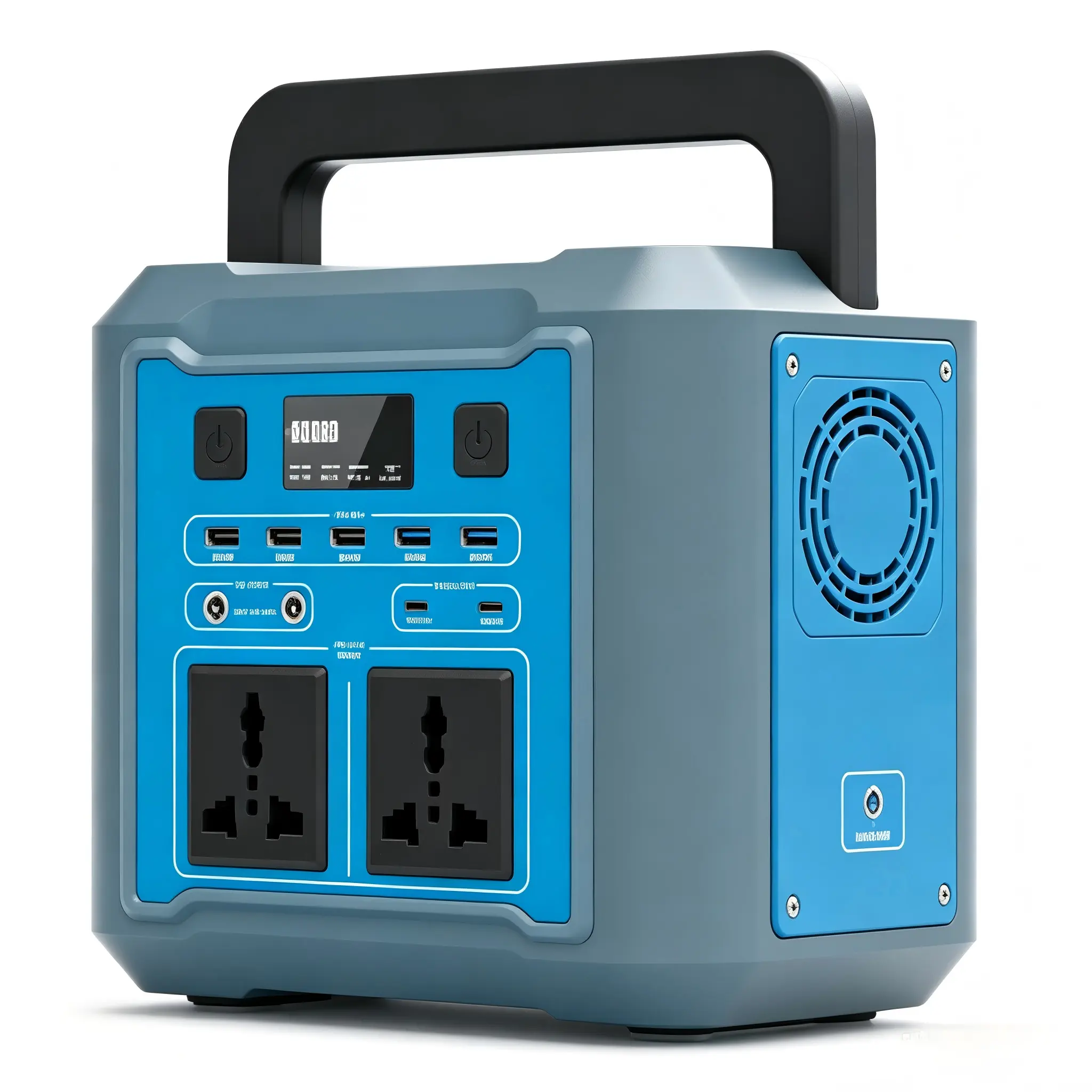
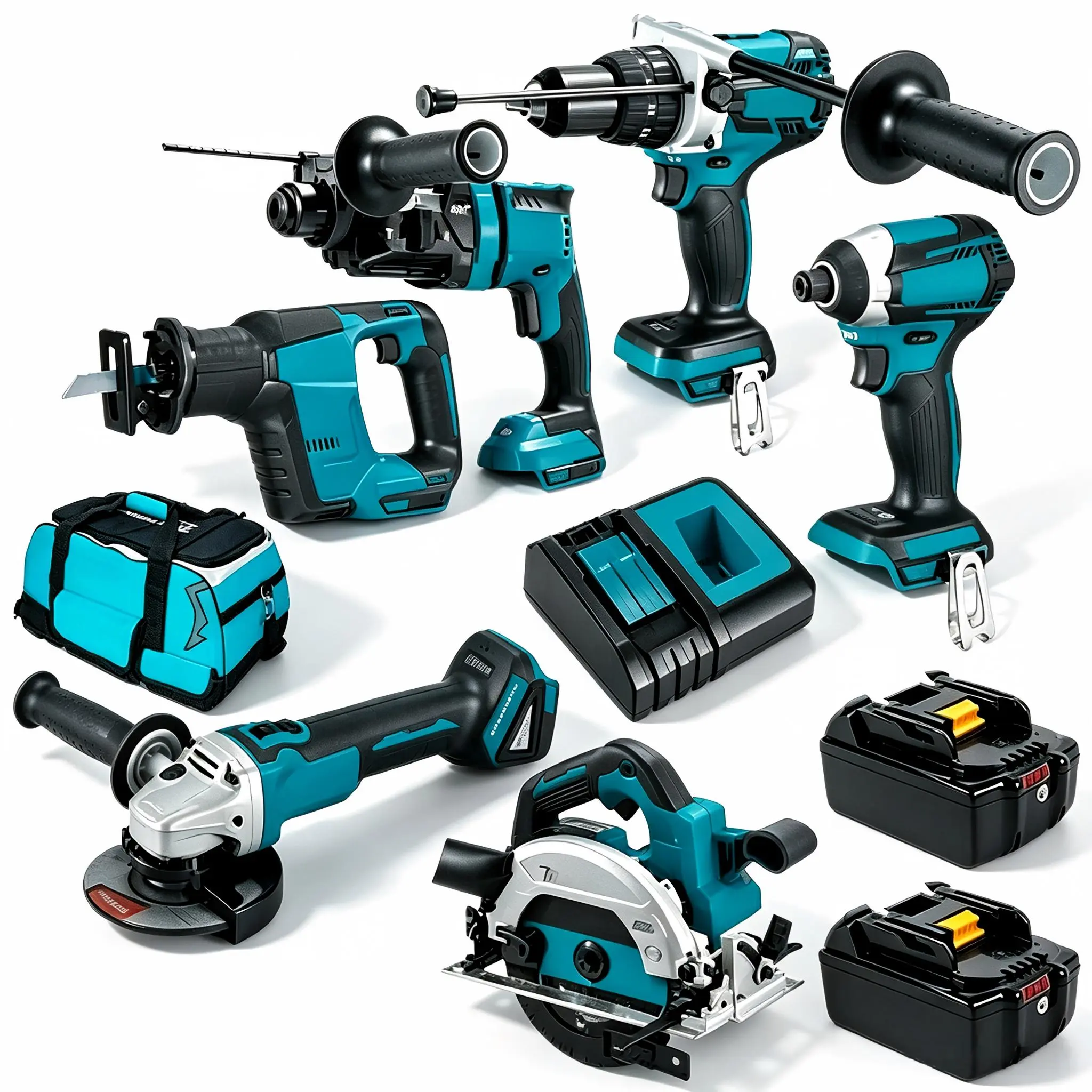
- Consumer & Industrial Electronics: Power tools, portable power stations, medical devices, and industrial equipment—all need a BMS to prevent damage and ensure safety.
In these cases, a BMS isn’t just about extending battery life—it’s about complying with safety standards and protecting people and property.
Why Choose Our BMS for Your Lithium Batteries?
Now that you know lithium batteries (especially packs) need a BMS, the next step is choosing a high-quality, reliable BMS that fits your needs. As a leading BMS manufacturer, we engineer our products to deliver the safety, performance, and durability you need—whether you’re a DIY enthusiast, product manufacturer, or business owner.
Our BMS solutions are designed to address the exact challenges we’ve discussed, with features that set us apart:
Our High-Quality BMS Product Line
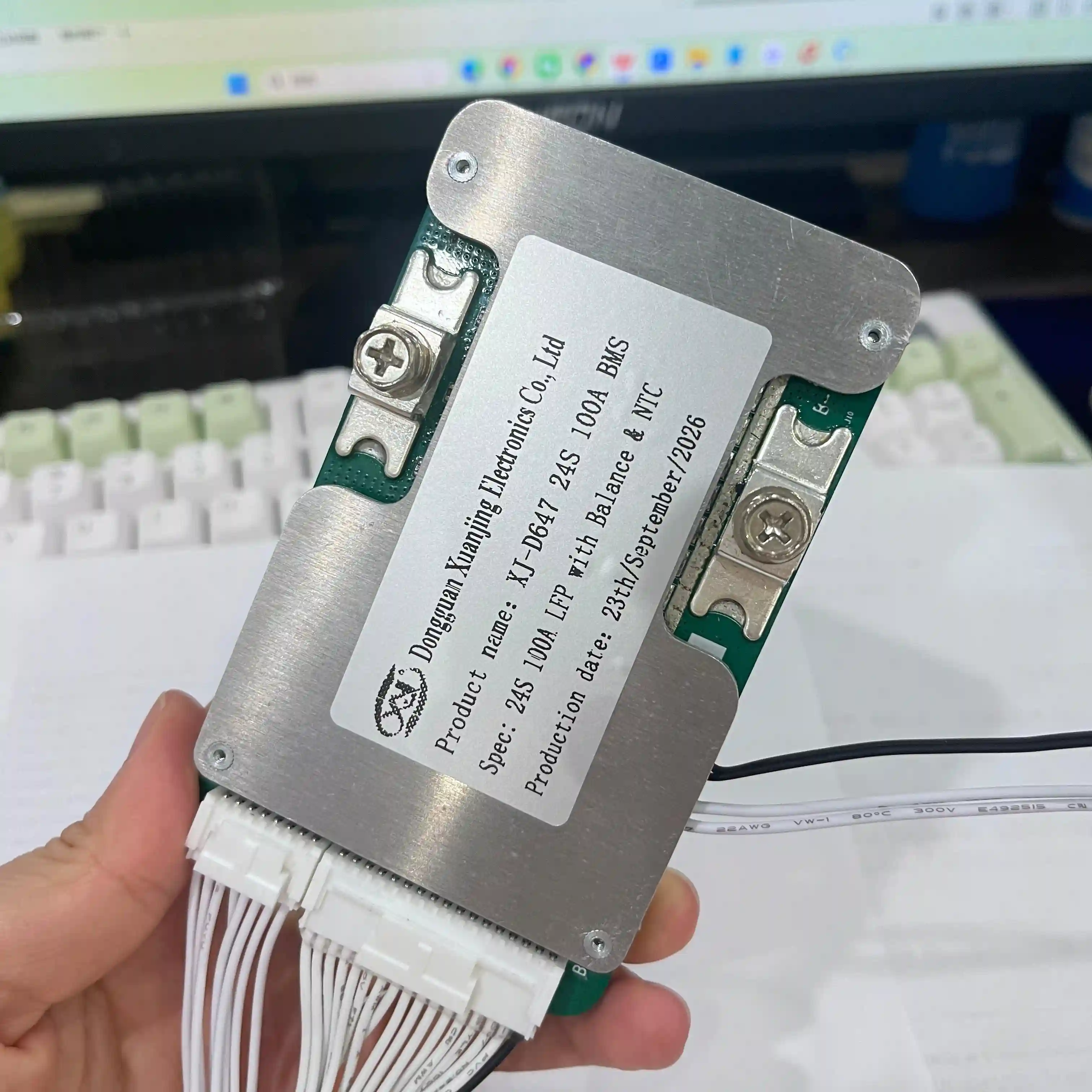
We offer a full range of BMS models, tailored to different battery configurations and applications—perfect for the scenarios where a BMS is required. Our most popular, reliable models include:
- XJ-D301 4S 100A BMS: Ideal for 12V high-current applications (e.g., electric scooters, power tools, small EVs). Delivers robust overcharge, over-discharge, and short-circuit protection, with efficient cell balancing.
- XJ-D068 4S-21S 10A-40A BMS: Versatile for 12V to 84V battery packs (e.g., solar storage, portable power stations). Perfect for multi-cell series packs, with precise voltage monitoring and balance control.
- XJ-D386 4S-25S 50A-150A BMS: Designed for high-performance applications (e.g., industrial equipment, large EVs, commercial storage). Handles high currents with ease, with advanced thermal protection.
- XJ-D203 10S 15A/20A (Ternary Scheme) BMS: Optimized for ternary lithium battery packs (e.g., consumer electronics, small energy storage). Compact, efficient, and perfect for low to mid-current applications.
What Makes Our BMS Stand Out?
- Unmatched Safety: Our BMS uses premium MOSFETs and control chips to provide 24/7 protection against overcharging, deep discharging, short circuits, and overheating—keeping your batteries and projects safe.
- Precise Cell Balancing: Our advanced balancing technology ensures all cells in your pack stay in sync, maximizing capacity and extending lifespan.
- Customizable Configurations: We offer standard models for common applications, and we can also design custom BMS solutions to match your unique battery pack (any cell count, current rating, or battery type—Li-ion, LiFePO4, ternary).
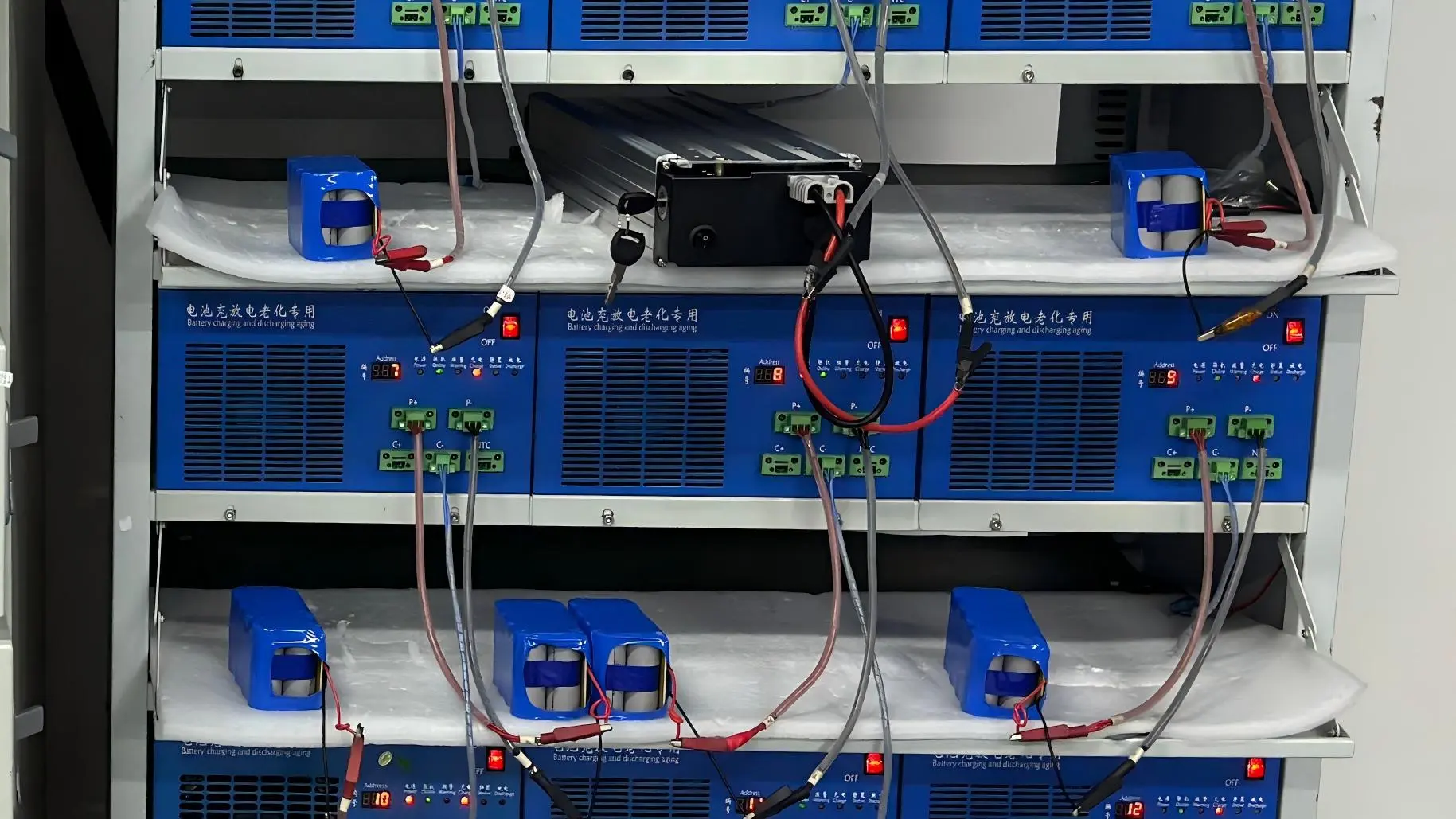
- Durability & Reliability: Our BMS is built with industrial-grade components, tested to withstand extreme temperatures and long-term use—no cheap parts that fail when you need them most.
- Easy Integration: Our BMS is designed for simple installation, with clear instructions and technical support to ensure a smooth setup—whether you’re building a DIY pack or manufacturing a commercial product.
Final Thoughts: Don’t Skip the BMS
To answer the original question: Yes, most lithium batteries (especially multi-cell packs) need a BMS. A BMS isn’t an optional accessory—it’s a critical component that protects your battery, extends its lifespan, and keeps you safe.
Whether you’re building a 12V portable power station, manufacturing electric scooters, or setting up a solar storage system, a high-quality BMS is the best investment you can make for your lithium batteries. And when it comes to reliable, tailored BMS solutions, we’re here to help.
Ready to protect your lithium batteries with a BMS you can trust? Contact our team today. We’ll help you choose the perfect BMS model (or design a custom solution) for your application—ensuring your batteries stay safe, efficient, and long-lasting.