





Do All Lithium Batteries Have Overcharge Protection?
Lithium batteries power nearly every modern device—from smartphones and laptops to electric scooters, energy storage systems, and power tools. But one question we hear is: Do all lithium batteries have overcharge protection?
As a professional battery Management System (BMS) manufacturer with years of experience engineering lithium battery protection solutions, we’re here to give you a straight, no-hype answer. We’ll break down what overcharge protection is, why it’s non-negotiable for lithium batteries, and how the right BMS ensures your batteries stay safe and long-lasting.
First: Do All Lithium Batteries Have Overcharge Protection?
The short answer: No, not all lithium batteries come with built-in overcharge protection. The truth depends on the type of lithium battery and its intended use.
Here’s a clear breakdown to avoid confusion:
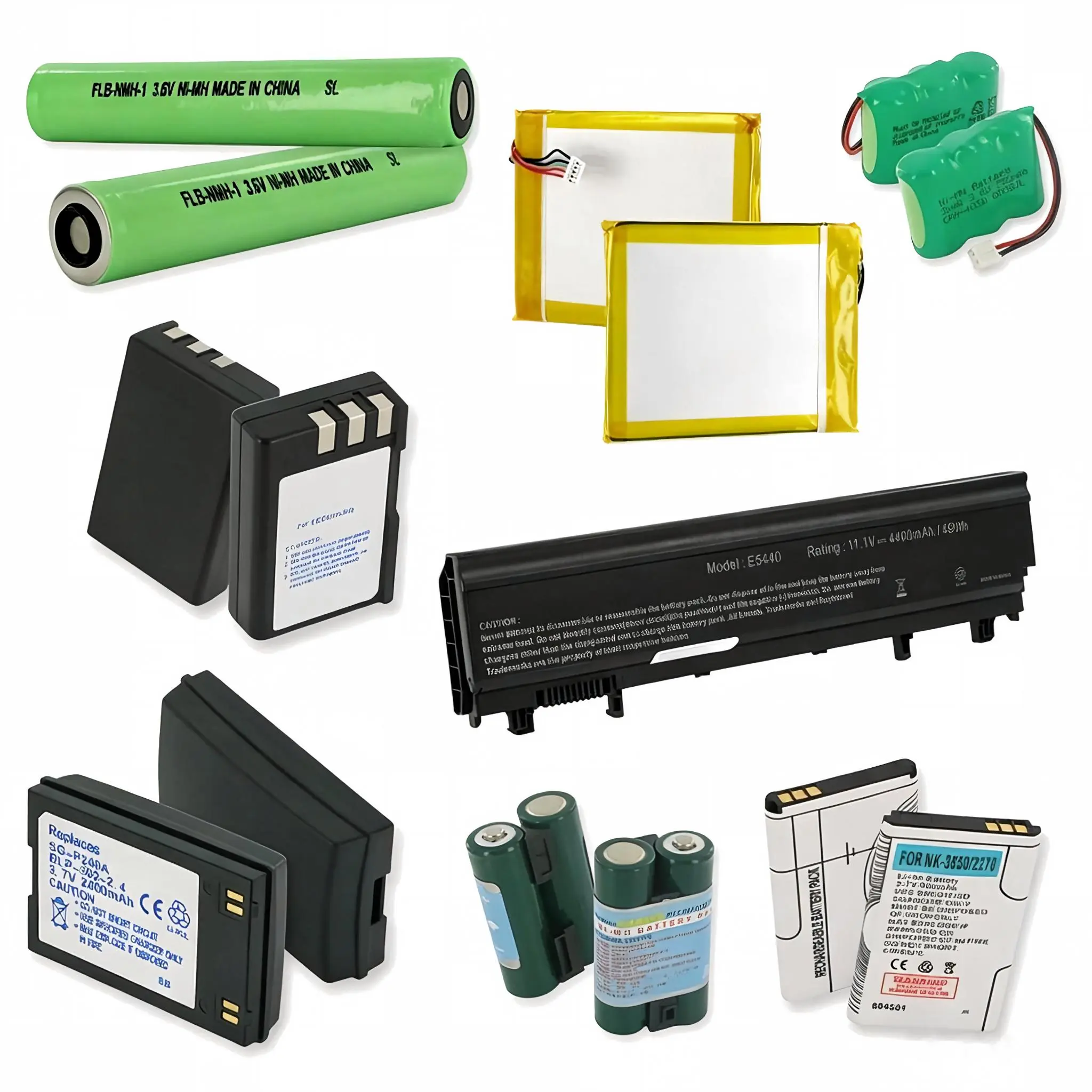
- Consumer Electronics (e.g., smartphone, laptop batteries): These usually have basic overcharge protection built into the battery pack or the device’s charging circuit. Manufacturers integrate simple protection circuits to prevent damage during everyday charging.
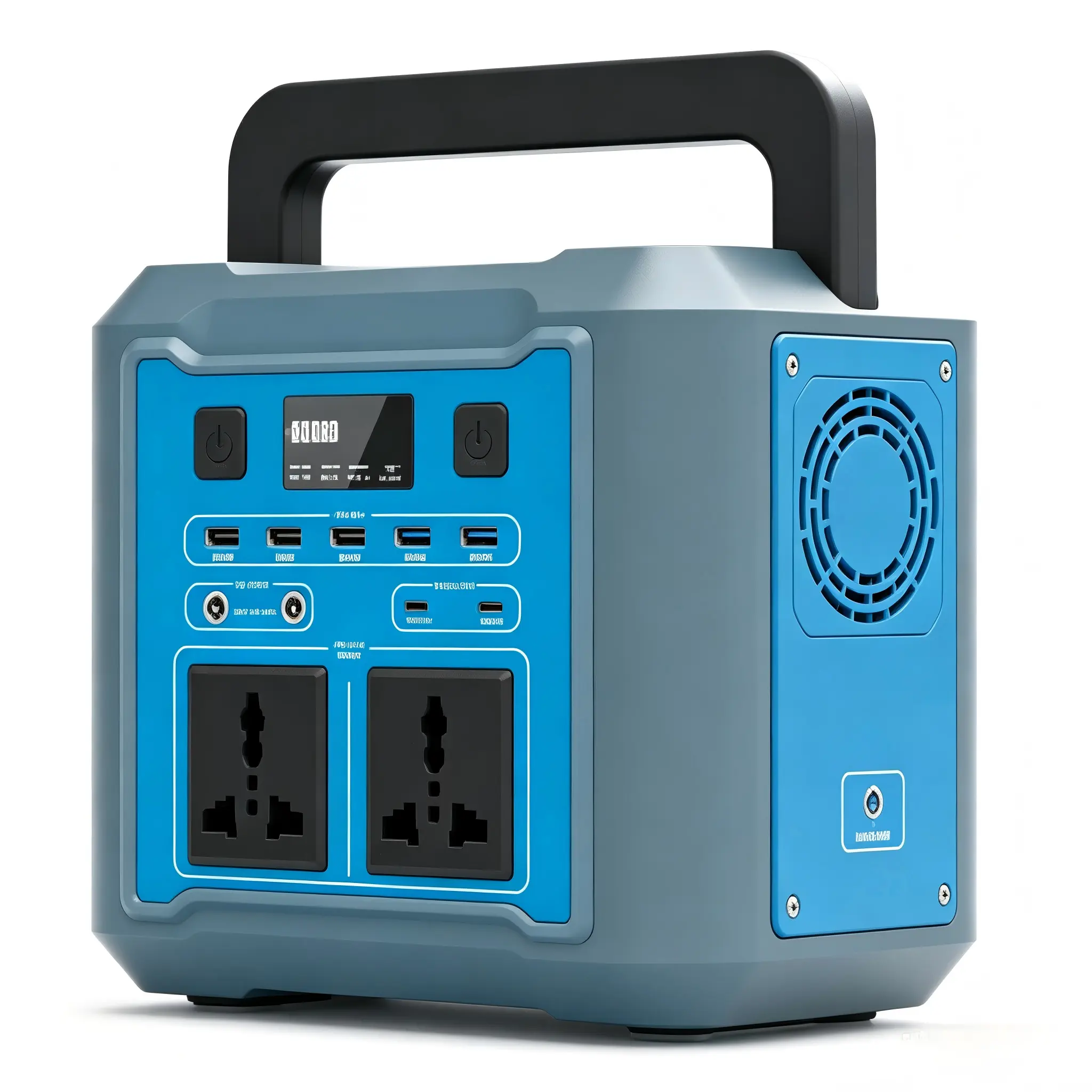
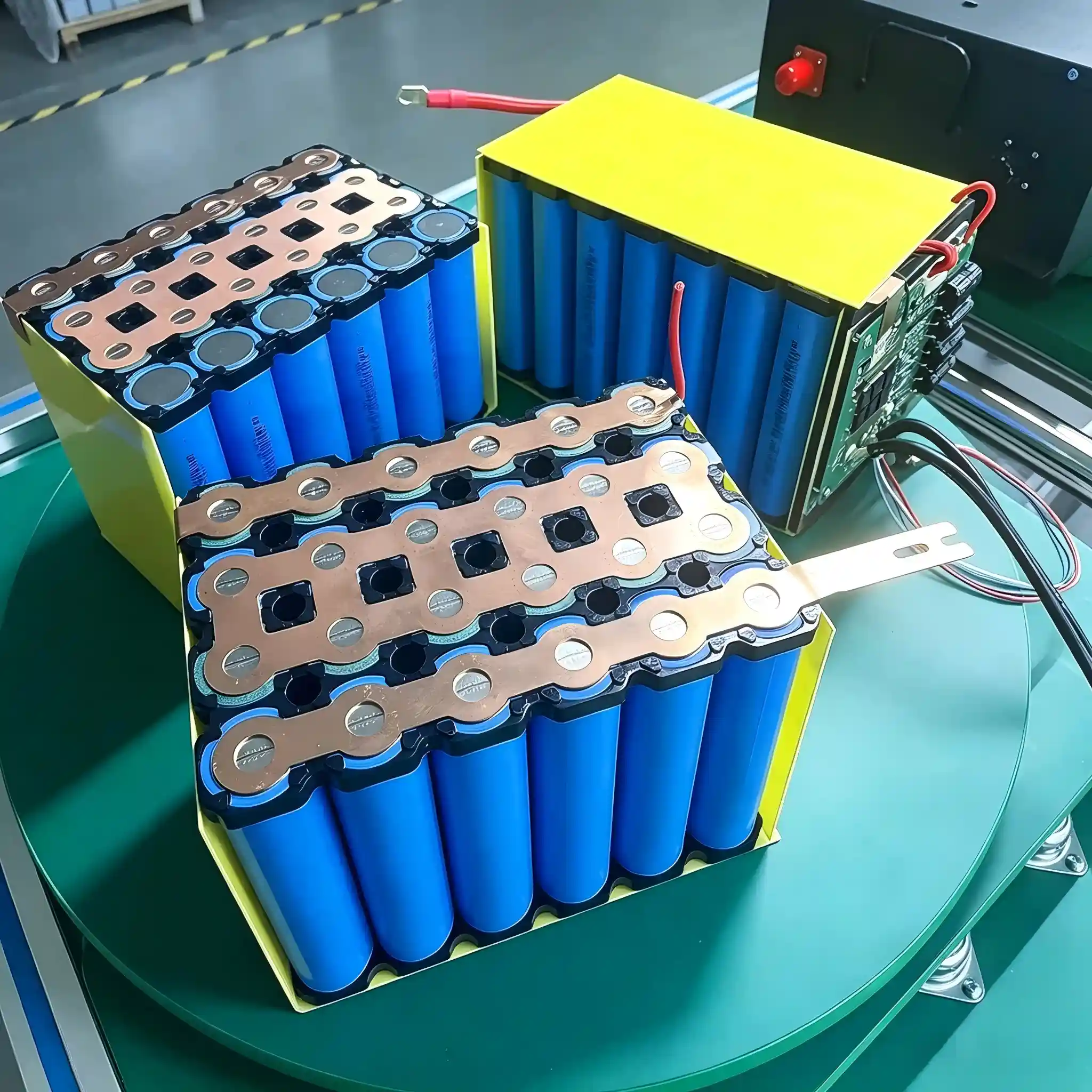
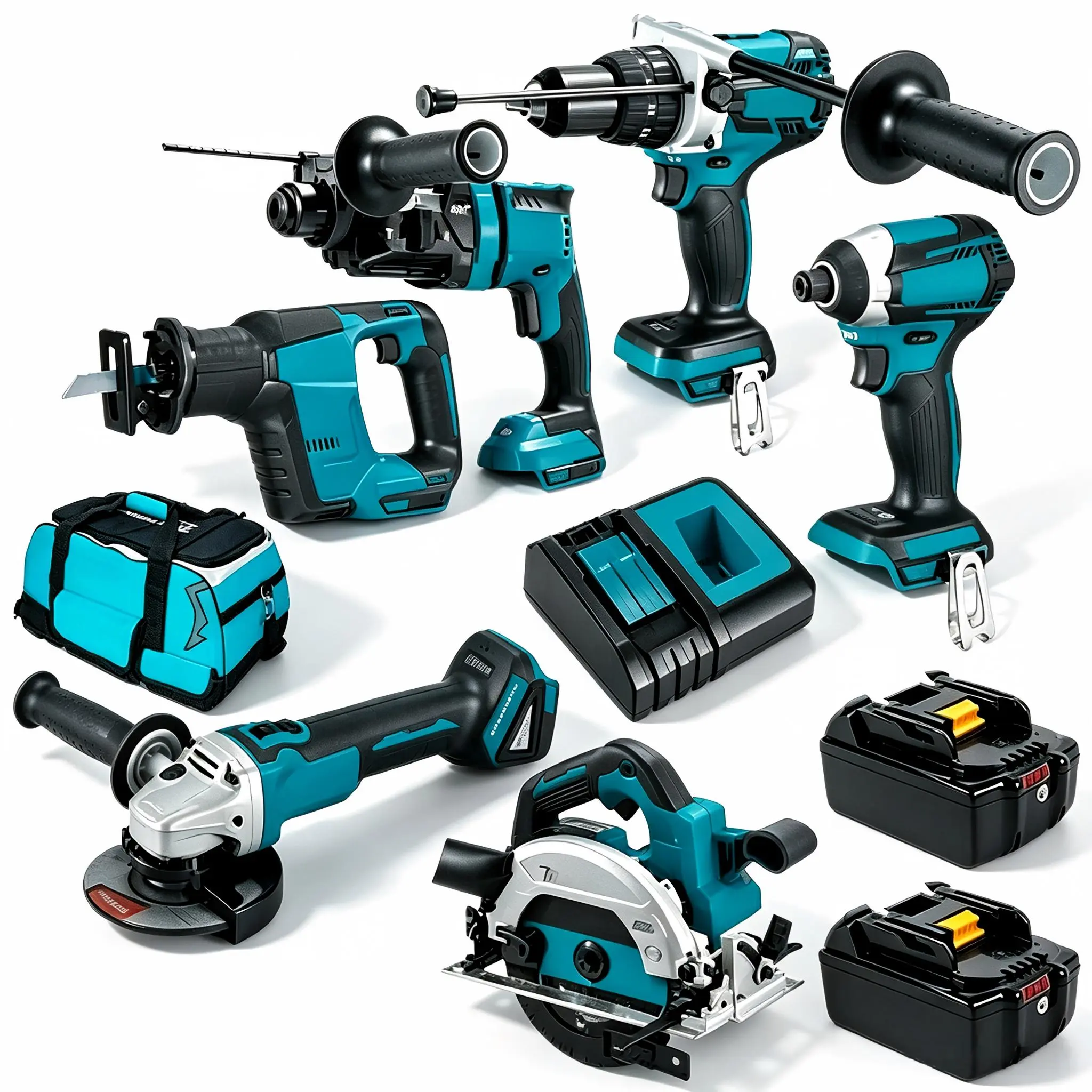
- DIY Battery Packs (e.g., for RC cars, portable power stations, electric bikes): Most often, no. Bare lithium cells (18650, 21700, prismatic cells) have no built-in overcharge protectionat all. They rely entirely on an external BMS (Battery Management System) to prevent overcharging.
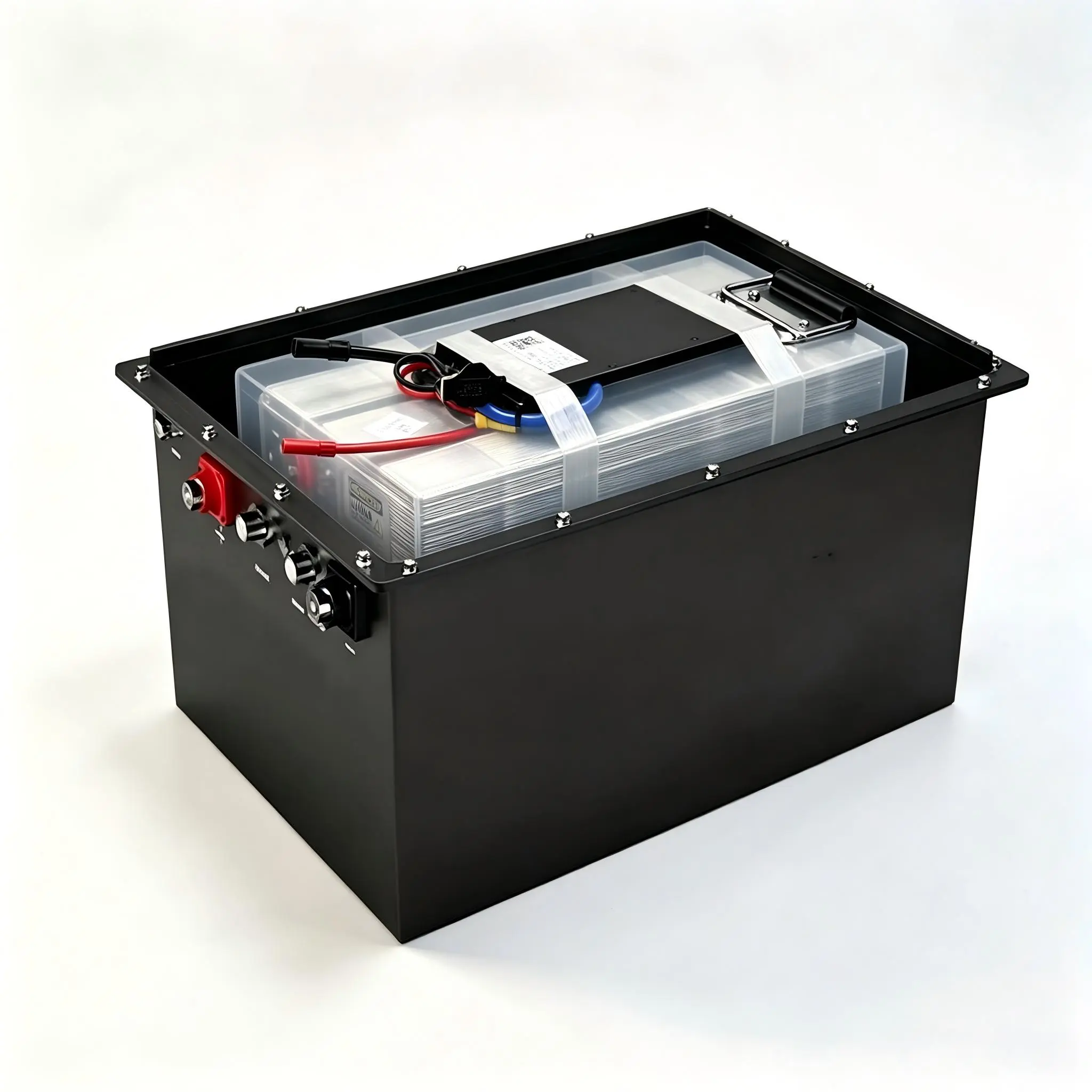
- Industrial/High-Power Batteries (e.g., energy storage, electric vehicles): These require external overcharge protection via a BMS. The high capacity and current of these batteries make unprotected overcharging extremely dangerous.
The key takeaway: If you’re working with anything beyond a small consumer device battery, you cannot rely on “built-in” overcharge protection. You need a dedicated BMS to keep your lithium batteries safe.
What Is Overcharge Protection, Exactly?
Overcharge protection is a safety feature designed to stop a lithium battery from being charged beyond its maximum safe voltage. Every lithium battery (whether Li-ion, LiFePO4, or ternary) has a specific “full charge” voltage limit—for example:
- Single Li-ion cell: 4.2V (full charge)
- 4S Li-ion battery pack: 16.8V (full charge, 4 cells × 4.2V)
- 3S LiFePO4 cell: 10.8V (full charge, 3 cells × 3.6V)
When a battery is charged past this limit (overcharged), it can cause irreversible damage—and even safety hazards. Overcharge protection (typically part of a BMS) monitors the battery’s voltage in real time. Once it reaches the maximum safe level, the protection circuit cuts off the charging current, preventing further charging.
Think of it as a “safety switch” for your battery—one that activates automatically to avoid disaster.
Why Do Lithium Batteries Need Overcharge Protection? (The Risks of Skipping It)
Lithium batteries are powerful, but they’re also sensitive. Without overcharge protection, the risks are severe—far more costly than investing in a quality BMS. Here’s why overcharge protection is non-negotiable:
Prevents Catastrophic Battery Failure
Overcharging causes lithium batteries to overheat, swell, leak, or even catch fire/explode. When a battery is charged beyond its limits, the electrolyte inside breaks down, producing gas that builds up pressure—leading to swelling (a warning sign) or rupture. This isn’t just a “worst-case scenario”—it’s a real risk with unprotected batteries, especially in high-current applications like electric vehicles or energy storage.
Extends Battery Lifespan
Overcharging permanently damages lithium battery cells, reducing their capacity and lifespan. Even a single overcharge event can shorten a battery’s life by 30% or more. Over time, repeated overcharging leads to “cell degradation,” where the battery can no longer hold a charge—forcing you to replace it sooner (costing you time and money).
Ensures Consistent, Safe Performance
A battery that’s overcharged won’t perform reliably. It may shut down unexpectedly, lose power quickly, or even damage the device it’s powering. Overcharge protection keeps the battery operating within its safe voltage range, ensuring consistent performance for your tools, vehicles, or storage systems.
Complies with Safety Standards
Most industries (automotive, consumer electronics, industrial) require lithium batteries to have overcharge protection to meet safety certifications. Skipping this protection can lead to non-compliance, legal risks, and even product recalls—something no business can afford.
How to Ensure Your Lithium Batteries Have Reliable Overcharge Protection
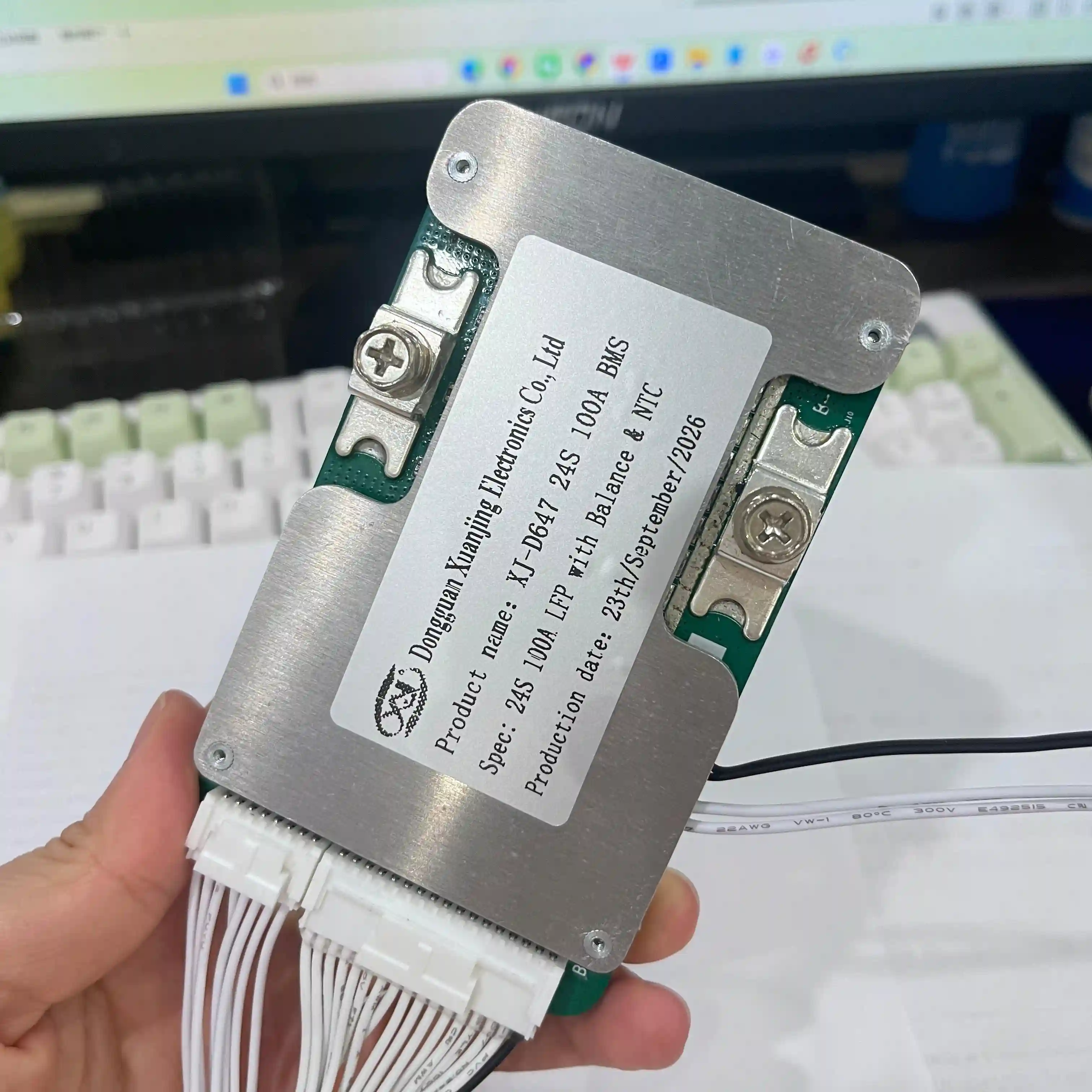
As a BMS manufacturer, we know the difference between “basic” protection and “reliable” protection. The best way to guarantee your lithium batteries are safe from overcharging is to use a high-quality BMS (Battery Management System)—one designed for your specific battery configuration.
A quality BMS doesn’t just provide overcharge protection—it also includes over-discharge, over-current, and short-circuit protection, plus cell balancing to keep your battery pack healthy. Unlike cheap, generic protection circuits, a tailored BMS is engineered to match your battery’s cell count (3S, 4S, 7S, etc.), current rating (10A, 25A, 100A, etc.), and battery type (Li-ion, LiFePO4, ternary).
Why Choose Our BMS for Overcharge Protection?
At XJBMS, we don’t just sell BMS—we engineer solutions that solve real problems. Our BMS is designed with overcharge protection as a core feature, with:
- Precise Voltage Monitoring: Our BMS monitors cell voltages in real time (with ±0.01V accuracy) to cut off charging the moment the battery reaches its safe limit—no delays, no false alarms.
- Customizable Configurations: Whether you need a 3S 25A BMS for power tools, a 4S 100A BMS for electric scooters, or a custom BMS for industrial energy storage, we tailor our solutions to your exact needs.
- Durable, High-Quality Components: We use premium MOSFETs and control chips to ensure our BMS can handle high currents, extreme temperatures, and long-term use—no cheap components that fail when you need them most.
- All-in-One Protection: Our BMS doesn’t just stop overcharging—it also protects against over-discharge, over-current, short circuits, and cell imbalance, keeping your battery pack safe and long-lasting.
We understand that every battery project is unique, and you need a BMS you can trust. Whether you’re building DIY battery packs, manufacturing electric vehicles, or designing energy storage systems, we’re here to help you choose the right BMS for reliable overcharge protection.
Final Thoughts
To answer the original question: No, not all lithium batteries have overcharge protection. Bare cells and many custom battery packs rely entirely on an external BMS to stay safe. Overcharge protection isn’t a “nice-to-have”—it’s a necessity to prevent catastrophic failure, extend battery life, and ensure consistent performance.
Don’t take chances with unprotected lithium batteries. Invest in a high-quality BMS that’s tailored to your needs. Contact our team today, and we’ll help you find the perfect overcharge protection solution for your battery project—whether you need a standard model or a custom design.