


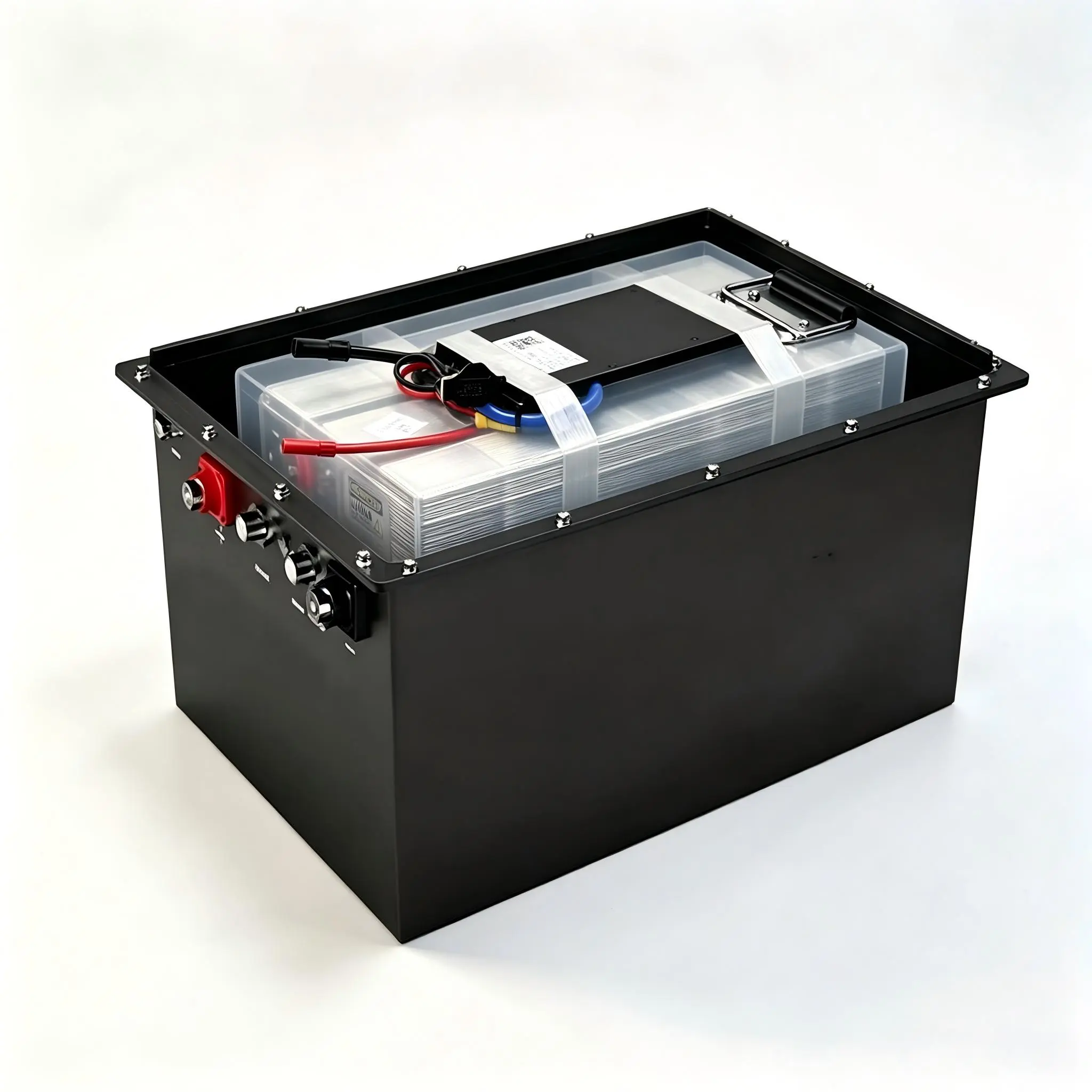
BMS for Toys: A Complete Guide to Battery Management Systems for Electric Toys
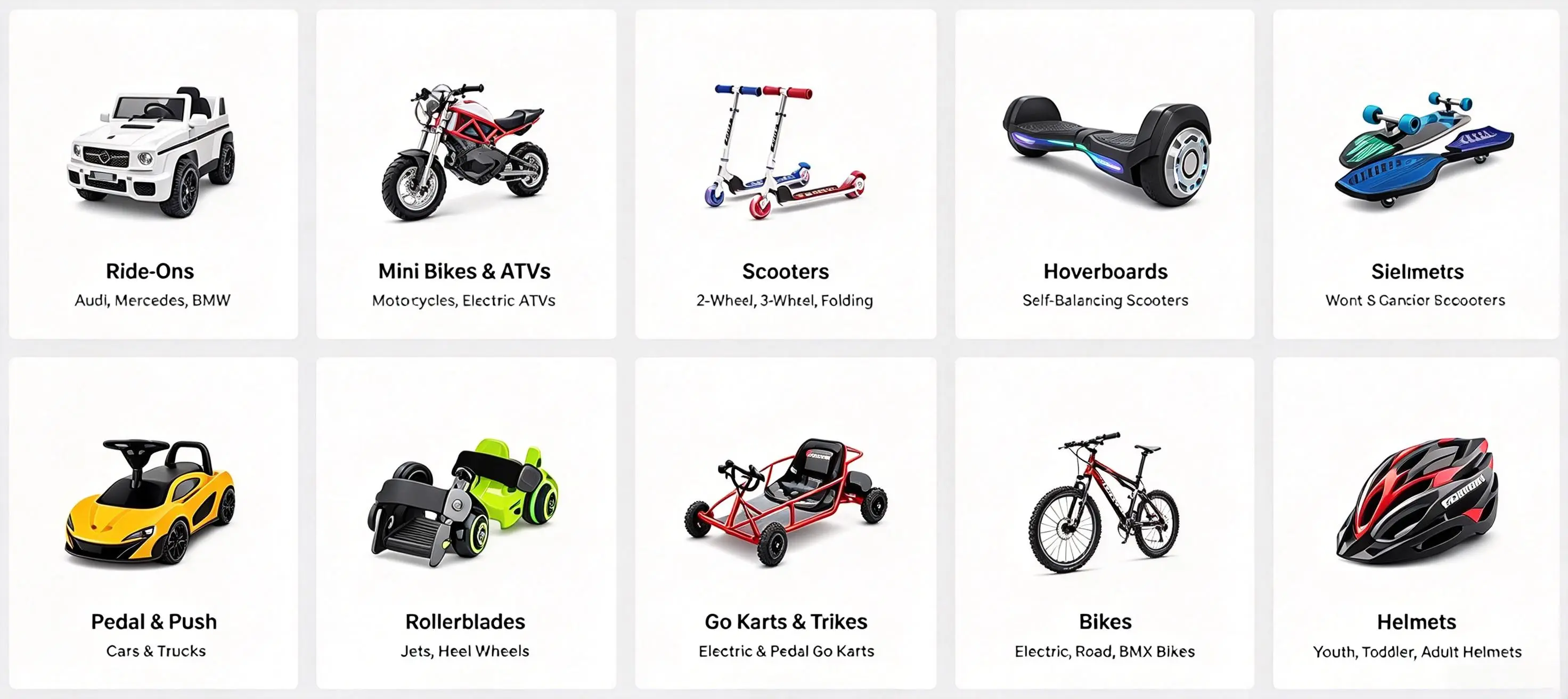
Electric toys have come a long way. From simple battery-powered cars to high-speed RC drones, kids' electric scooters, and amusement-park bumper cars, the modern toy industry runs on lithium battery packs. But with greater power comes greater risk — unless you build in a proper Battery Management System (BMS).
Why Toys Need a BMS
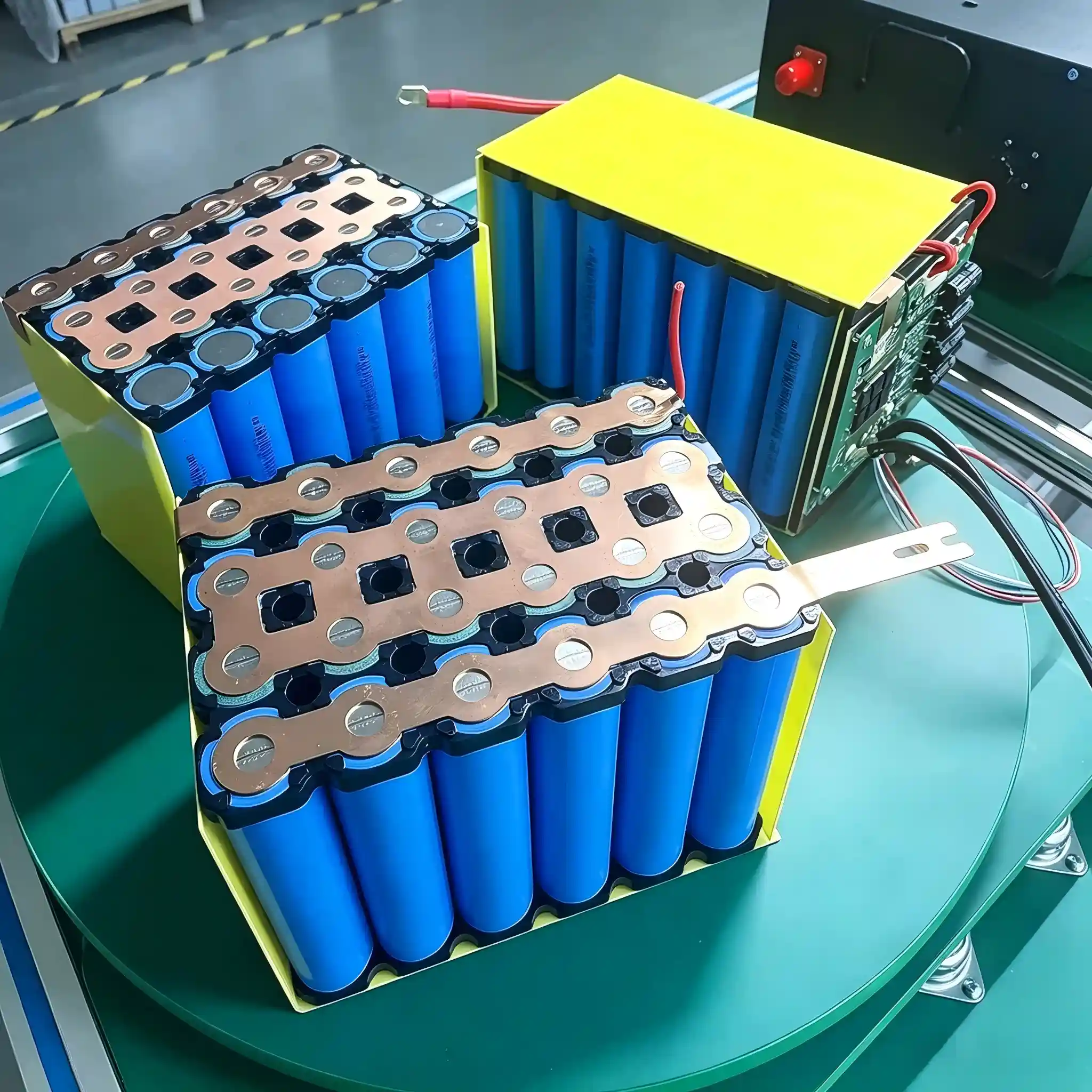
Lithium battery packs powering electric toys are dangerous if left unprotected. A single overcharge event can trigger thermal runaway. A deep discharge can permanently kill a cell. A short circuit in a toy a child is holding can cause burns or worse.
A BMS monitors and controls every cell in the pack — preventing overcharge, over-discharge, overcurrent, short circuits, and overheating. For toy manufacturers, a BMS is not an optional add-on; it is the line between a safe, certified product and a costly recall.
Electric Toy Categories and Their Battery Configurations
RC Airplane Models
Remote-controlled airplanes, gliders, and drones are among the most power-demanding toys per gram of weight. Every component must be lightweight, and the BMS board is no exception.
- Battery type: Lithium Polymer (LiPo) pouch cells
- Typical configuration: 2S–4S (7.4 V–14.8 V)
- Capacity range: 300 mAh–2200 mAh
- Discharge current: 5 A–25 A (high C-rate packs can push higher)
- BMS requirements: Ultra-compact board size is critical; weight matters more than features. Basic overvoltage, undervoltage, and overcurrent protection are essential. Cell balancing is usually omitted on the smallest 2S packs but recommended for 3S–4S builds.
RC Train and Locomotive Models
Model trains run at lower speeds with steadier current draw compared to airplanes or race cars, so the protection requirements are lighter.
- Battery type: 18650 Li-ion cells or LiPo packs
- Typical configuration: 1S–3S (3.7 V–11.1 V)
- Capacity range: 1500 mAh–3000 mAh
- Discharge current: 3 A–10 A
- BMS requirements: Small form factor and low standby current. Basic protection is sufficient. Temperature monitoring is optional for indoor, low-draw use.
RC Race Car Models
Hobby-grade and toy-grade RC cars need robust current handling because acceleration, jumps, and hard landings create current spikes that can fool a poorly tuned BMS.
- Battery type: LiPo pouch cells
- Typical configuration: 2S–3S (7.4 V–11.1 V)
- Capacity range: 1500 mAh–5000 mAh
- Discharge current: 10 A–30 A peak
- BMS requirements: Overcurrent protection must handle transient spikes without false triggering. A 15 A–25 A continuous BMS rating is typical. Basic cell balancing is recommended for extended pack life.
Kids' Electric Scooters
Ride-on electric scooters for children carry real riders at real speed, so safety margins must be higher than for handheld RC toys.
- Battery type: 18650 Li-ion cylindrical cells or LiPo packs
- Typical configuration: 3S–7S (11.1 V–25.9 V)
- Capacity range: 2000 mAh–5000 mAh
- Discharge current: 10 A–25 A
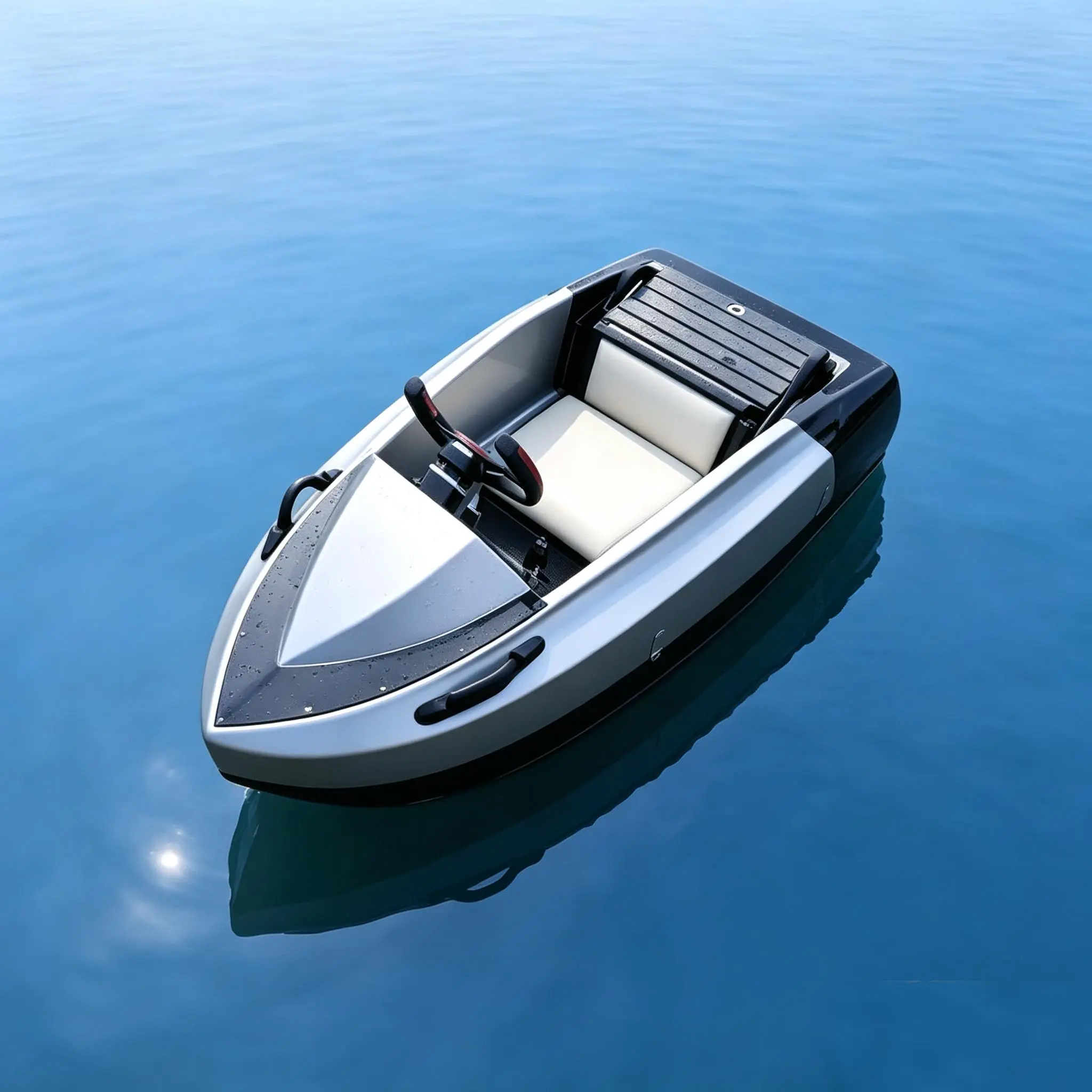
- BMS requirements: Overcurrent and short-circuit protection are mandatory. Temperature monitoring (NTC thermistor) is strongly recommended because the battery is enclosed in a deck frame where heat builds up. Passive cell balancing extends pack life across 3S+ configurations.
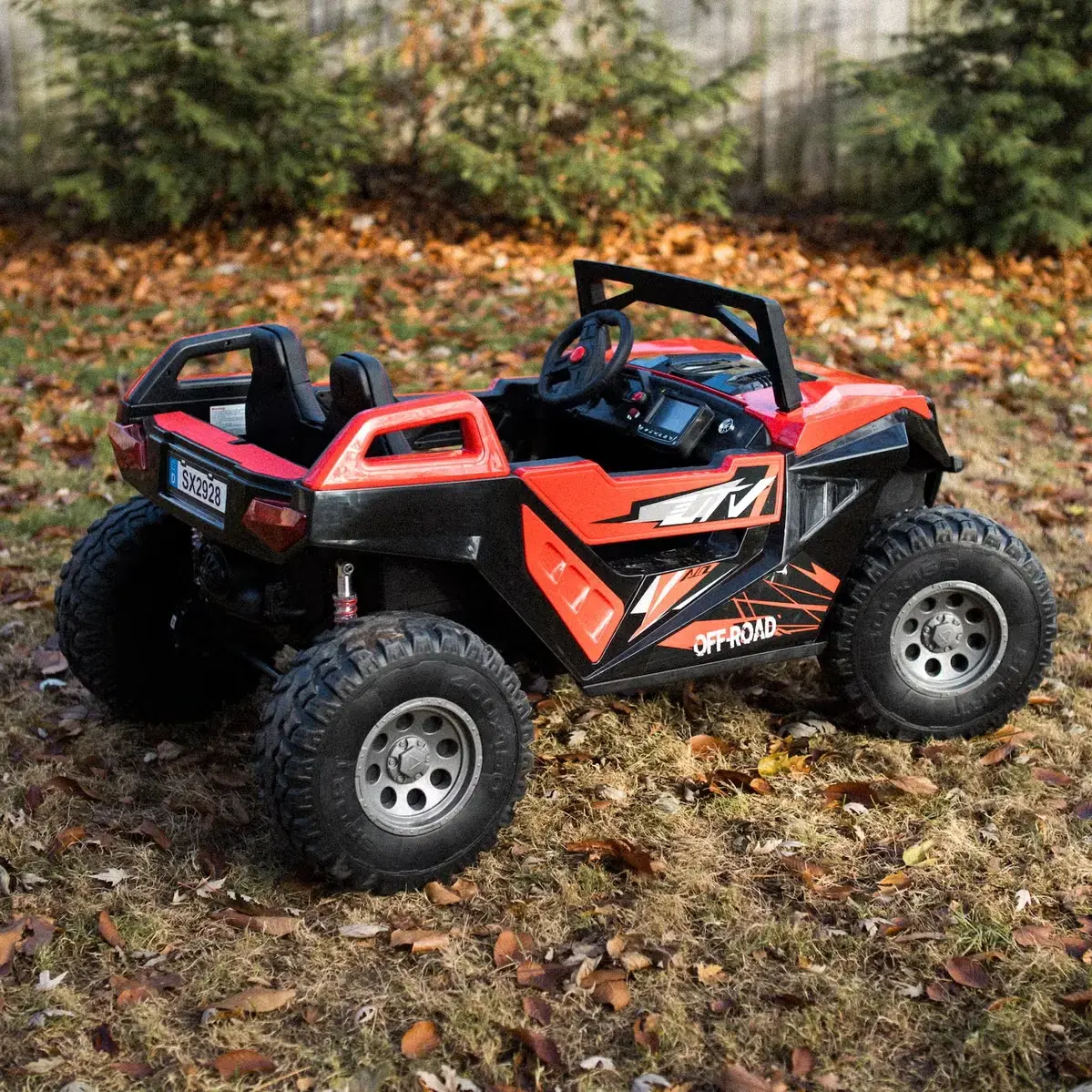
Kids' Bumper Cars and Amusement Ride-On Toys
Bumper cars operate at low voltage but use high-capacity packs that cycle daily in commercial settings — think shopping malls, amusement parks, and family entertainment centers.
- Battery type: 18650 Li-ion (increasingly replacing sealed lead-acid)
- Typical configuration: 3S–4S (11.1 V–14.8 V, commonly 12 V systems)
- Capacity range: 4000 mAh–12000 mAh
- Discharge current: 10 A–20 A
- BMS requirements: High-capacity packs need reliable charge protection. Temperature sensing is recommended for daily fast-charge environments. Cell balancing helps maintain uniform capacity across commercial duty cycles.
BMS Requirements for Toys: Essential vs. Optional
Not every toy pack needs every feature. The table below summarizes what is essential at each cell count.
| Feature | 2S–3S Small Packs (RC planes, trains, cars) | 4S+ Packs (scooters, bumper cars) |
| Overvoltage protection | Essential | Essential |
| Undervoltage protection | Essential | Essential |
| Overcurrent protection | Essential | Essential |
| Short-circuit protection | Essential | Essential |
| Cell balancing | Optional (recommended for 3S+) | Recommended |
| Temperature sensing (NTC) | Optional | Strongly recommended |
| Charger-side protection | Essential | Essential |
Do toy packs need cell balancing?
For 2S packs used in small RC toys, balancing is often omitted to save cost and space. The two cells are manufactured together and age at similar rates, so imbalance stays within tolerance.
For 3S and above — especially in ride-on toys that see hundreds of charge cycles — cell balancing prevents the weakest cell from dragging down the entire pack. Passive balancing (typically 50 mA–100 mA per cell) is sufficient and adds very little to BMS cost.
Is temperature monitoring necessary?
It depends on the enclosure. Small LiPo packs in open RC vehicles dissipate heat freely. But kids' scooters and bumper cars enclose the battery in a plastic or metal chassis where heat builds up during charging and discharging.
A BMS with an NTC thermistor cuts charging or discharging if the pack exceeds 45 °C–60 °C, preventing heat-related failures. For toys that may be left in a hot car, charged overnight in a bedroom, or cycled daily in a mall, temperature protection is a safety feature you should not skip.
With BMS vs. Without BMS: What Changes?
| Aspect | With BMS | Without BMS |
| Overcharge protection | Stops charge at ~4.2 V/cell | No cutoff — cells can overcharge, vent, or ignite |
| Deep discharge | Cuts off at ~2.5 V–3.0 V/cell | Over-discharge causes copper dissolution; pack dies early |
| Short circuit | Instant cutoff (within milliseconds) | No protection — fire or overheat risk |
| Battery lifespan | 300–500+ cycles | Often 50–150 cycles before pack failure |
| Safety compliance | Supports CE, UL, ASTM F963 testing | Likely fails safety certification |
| Warranty and returns | Fewer field failures, lower return rates | Higher return rates and product liability |
| User experience | Consistent runtime, safe charging | Sudden pack death, swollen cells, fire risk |
The cost of a BMS — often just a few US dollars per unit — is negligible compared to a single product recall, an insurance claim, or a child injured by a faulty toy battery.
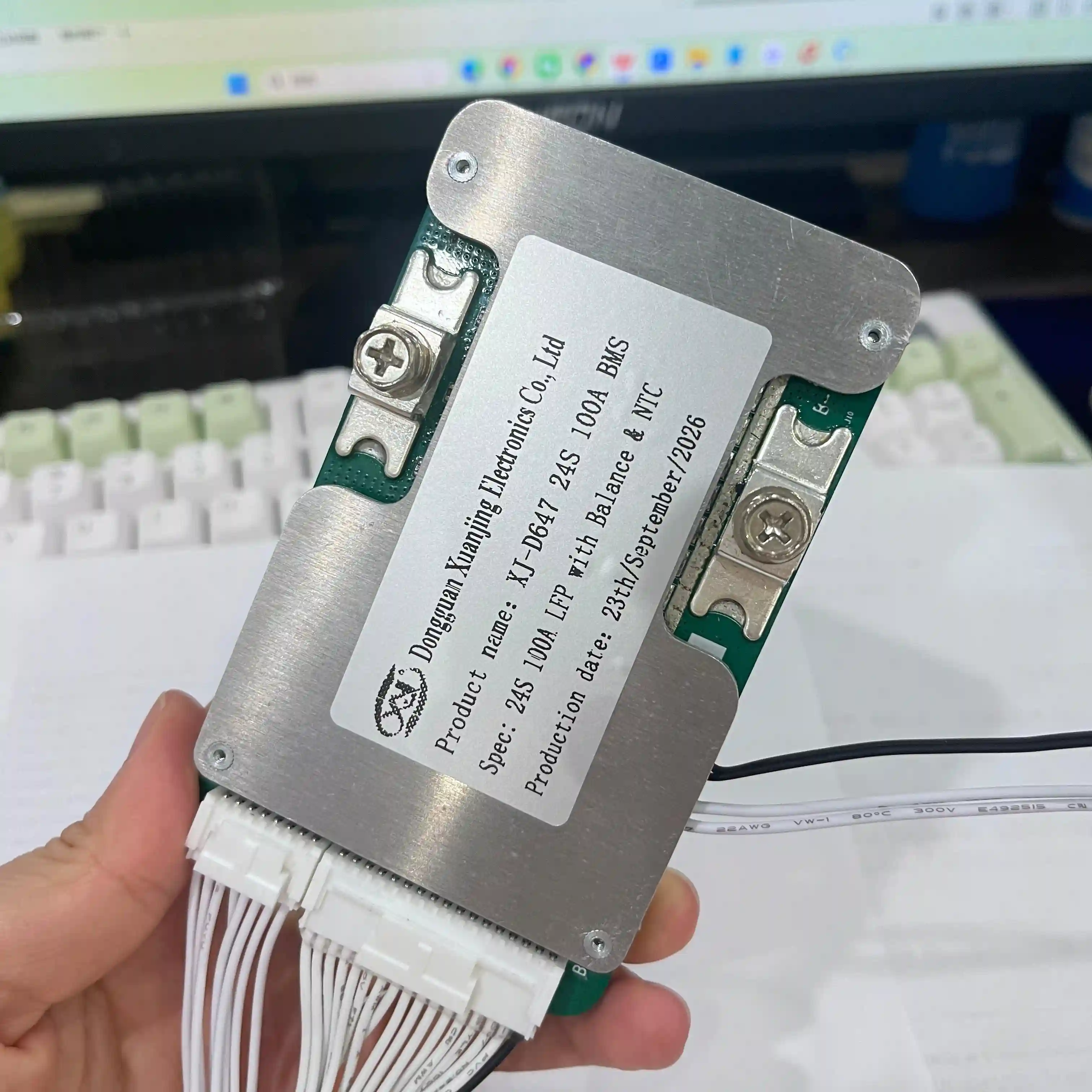
Recommended XJ BMS Models for Electric Toys
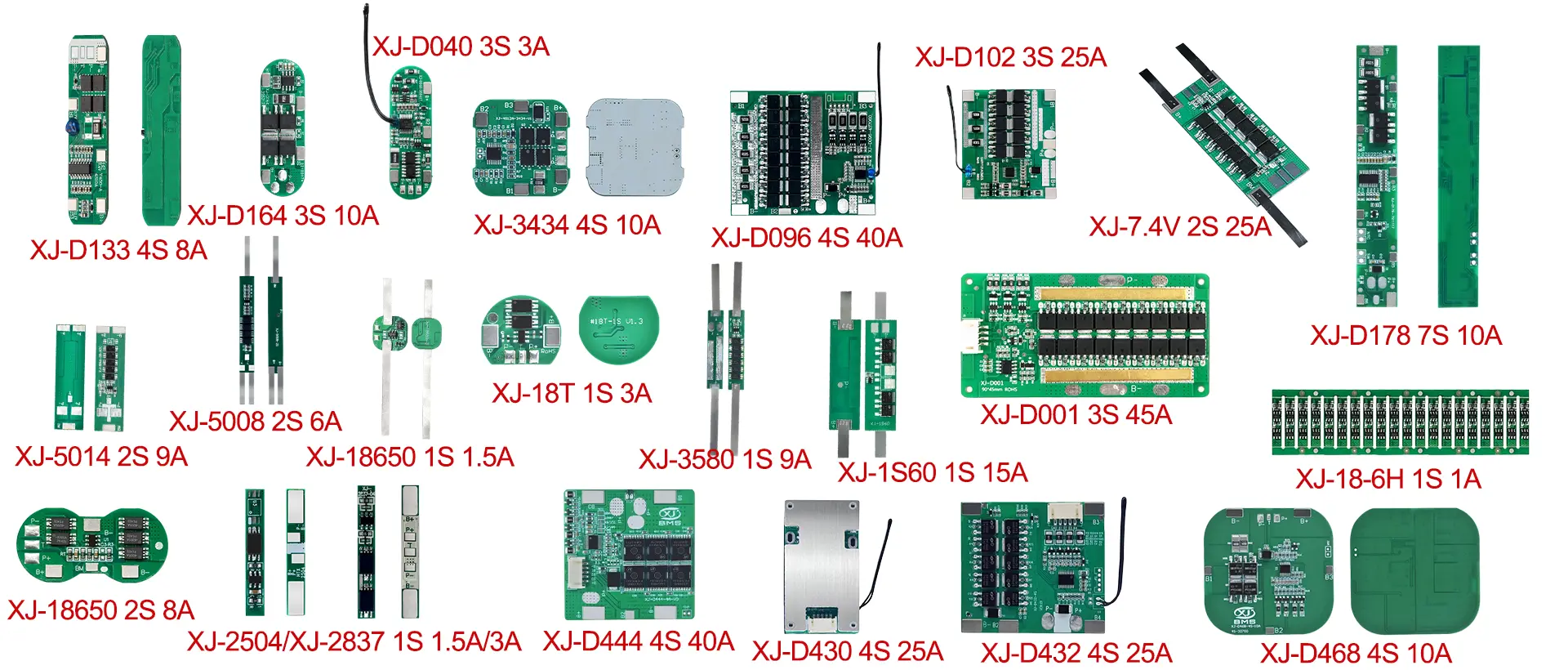
We manufacture BMS boards tailored to toy and ride-on applications. Below are our most popular models, organized by form factor.
Bare Board Series
| Model | Cells | Current Rating | Dimensions (L×W×H) | Best For |
| 3S | 3 A | 54×17×4 mm | Small RC cars, compact trains | |
| 3S | 5 A–10 A | 52×17×5 mm | RC planes, small RC cars | |
| 3S | 5 A–25 A | 58×50×4 mm | RC race cars, mid-power scooters | |
| 3S | 20 A–45 A | 90×45×8 mm | High-power scooters, large ride-ons | |
| 4S | 4 A / 8 A | 68×18×2 mm | Slim RC planes, weight-sensitive 4S models | |
| 4S | 10 A | 34×34×4 mm | Compact square 4S builds | |
| 4S | 5 A–10 A | 62×61×3 mm | Bumper cars, 4S ride-on toys | |
| 4S | 5 A–25 A | 59×54×4 mm | Scooters, mid-power 4S systems | |
| 4S | 10 A–40 A | 78×60×6 mm | High-power 4S ride-ons | |
| 7S | 10 A | 111×18×3 mm | 7S scooter packs, slim form factor |
Hardware Board Series
For higher-voltage or multi-cell packs where you need a more robust, integrated solution:
| Model | Cells | Current Rating | Dimensions (L×W×H) | Best For |
| 4S | 5 A–25 A | 65×36×8 mm | 4S ride-ons, durable builds | |
| 4S–14S | 10 A–20 A | 80×40×10 mm | Multi-cell packs, higher-voltage toys | |
| 4S–21S | 10 A–40 A | 100×60×10 mm | Large packs, commercial ride-ons | |
| 4S–14S | 10 A–50 A | 100×60×10 mm | High-current 14S systems |
How to Choose
- Tiny RC toys (planes, trains, small cars): Start with the XJ-D040 (3S 3 A) or XJ-D164 (3S 5–10 A). The XJ-D133 at just 2 mm thick is ideal for weight-sensitive 4S aircraft.
- RC race cars and performance toys: The XJ-D102 (3S 5–25 A) handles acceleration spikes without false cutoff.
- Kids' scooters: The XJ-D432 (4S 5–25 A) or XJ-D001 (3S 20–45 A), depending on your system voltage.
- Bumper cars and commercial ride-ons: The XJ-D468 (4S 5–10 A) for standard duty; the XJ-D096 (4S 10–40 A) for high-current applications.
- Higher-voltage multi-cell packs: The hardware board series (XJ-D092, XJ-D068, XJ-D098) covers 4S up to 21S with current from 10 A to 50 A.
Conclusion
A BMS is not a luxury add-on for electric toys — it is the safety component that makes lithium-powered toys viable in the first place. Whether you are building a lightweight RC drone or a mall-based bumper car, matching the right cell count, current rating, and board size to your product is essential for both safety and product longevity.
Our XJ series covers the full range from tiny 3 A bare boards to 50 A hardware boards, with dimensions optimized for tight toy enclosures. Contact us for custom configurations, free samples, and OEM support.
 +86 15012973360
