

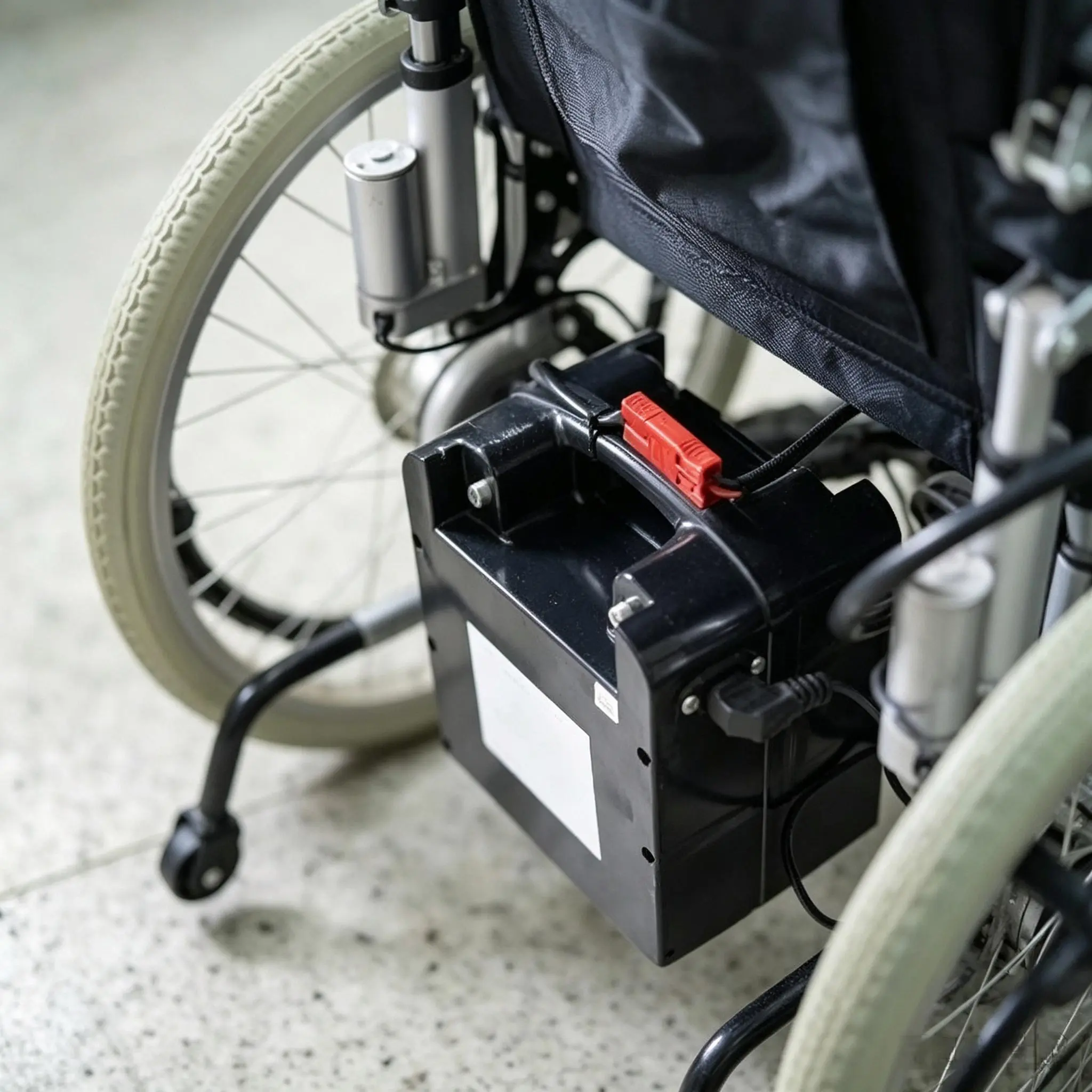
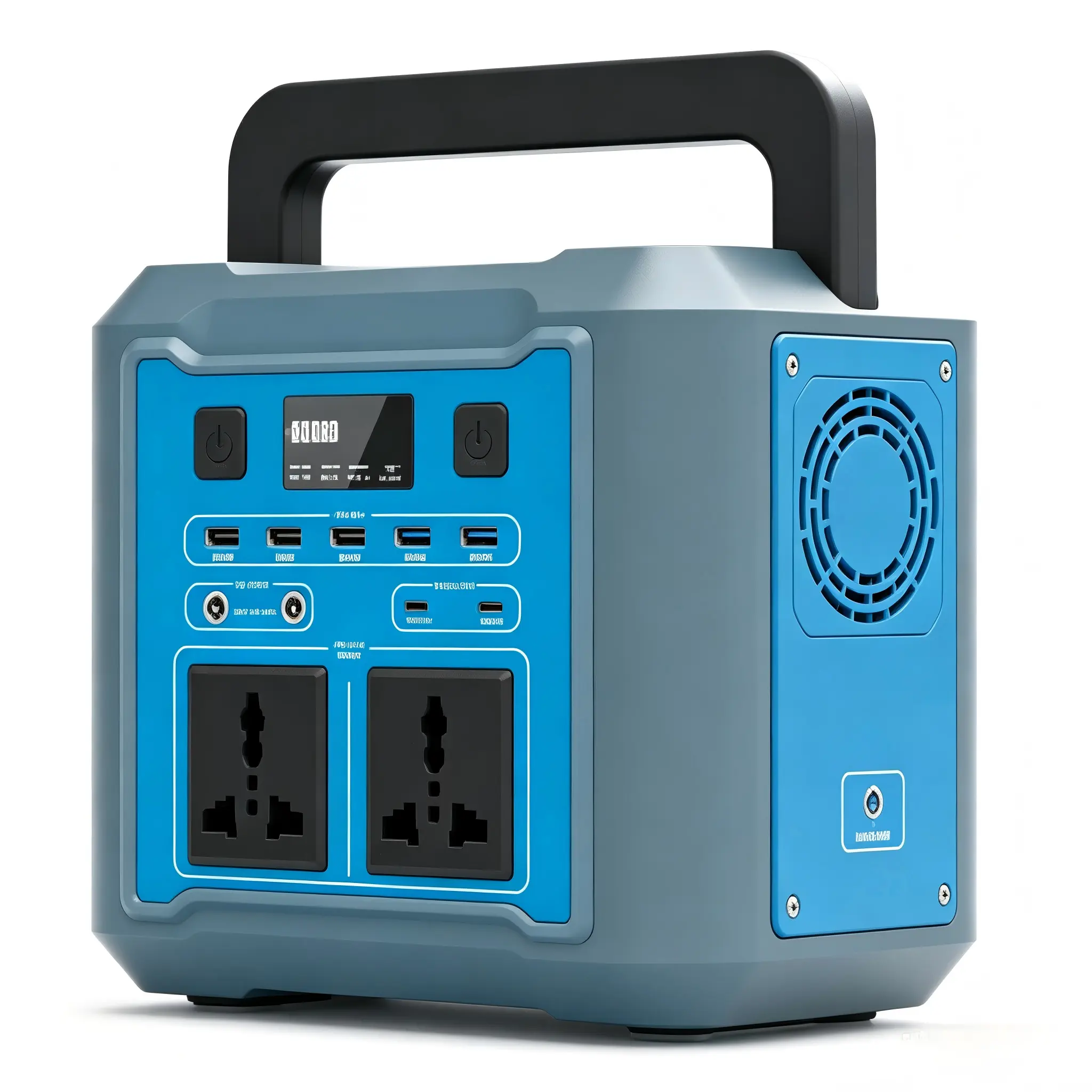
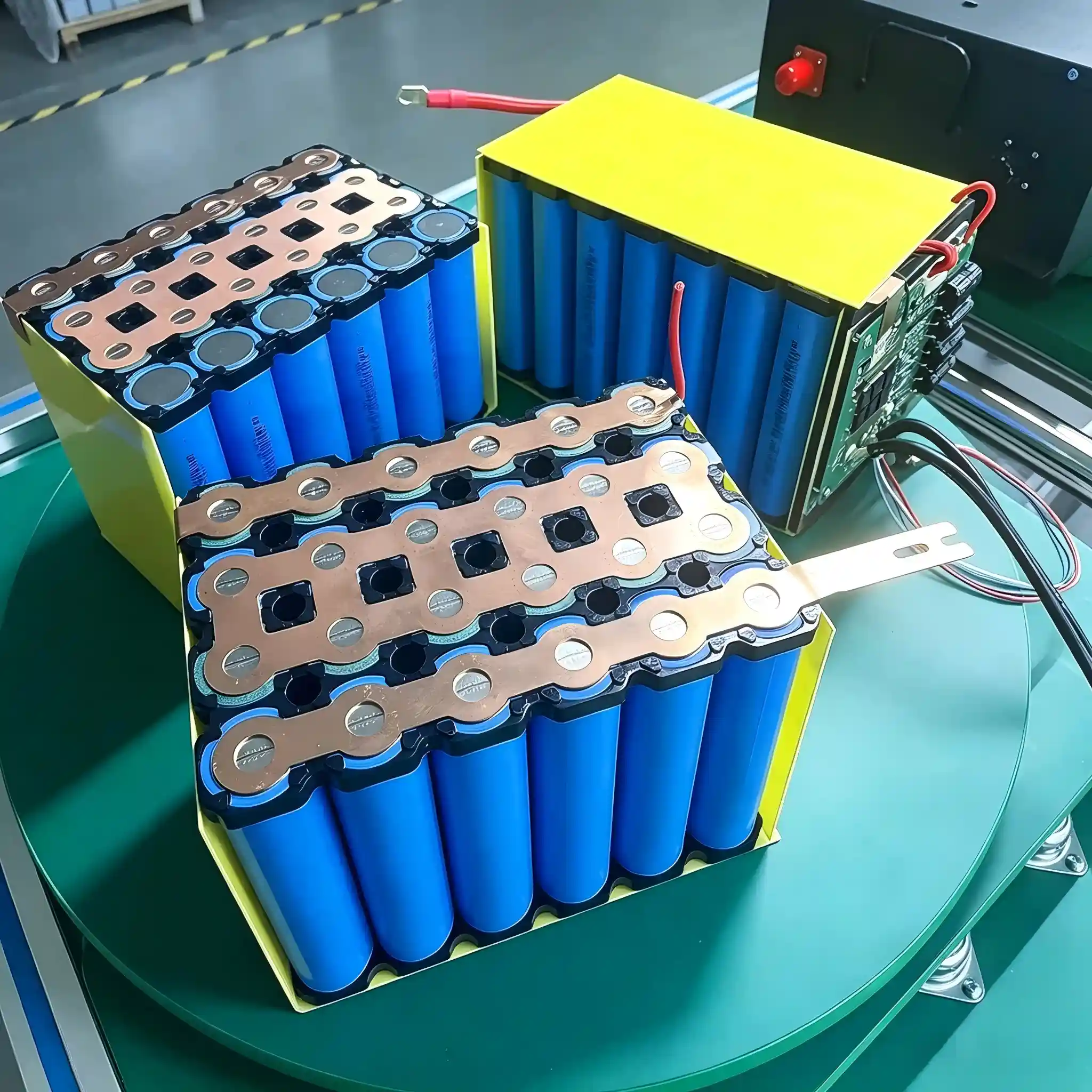
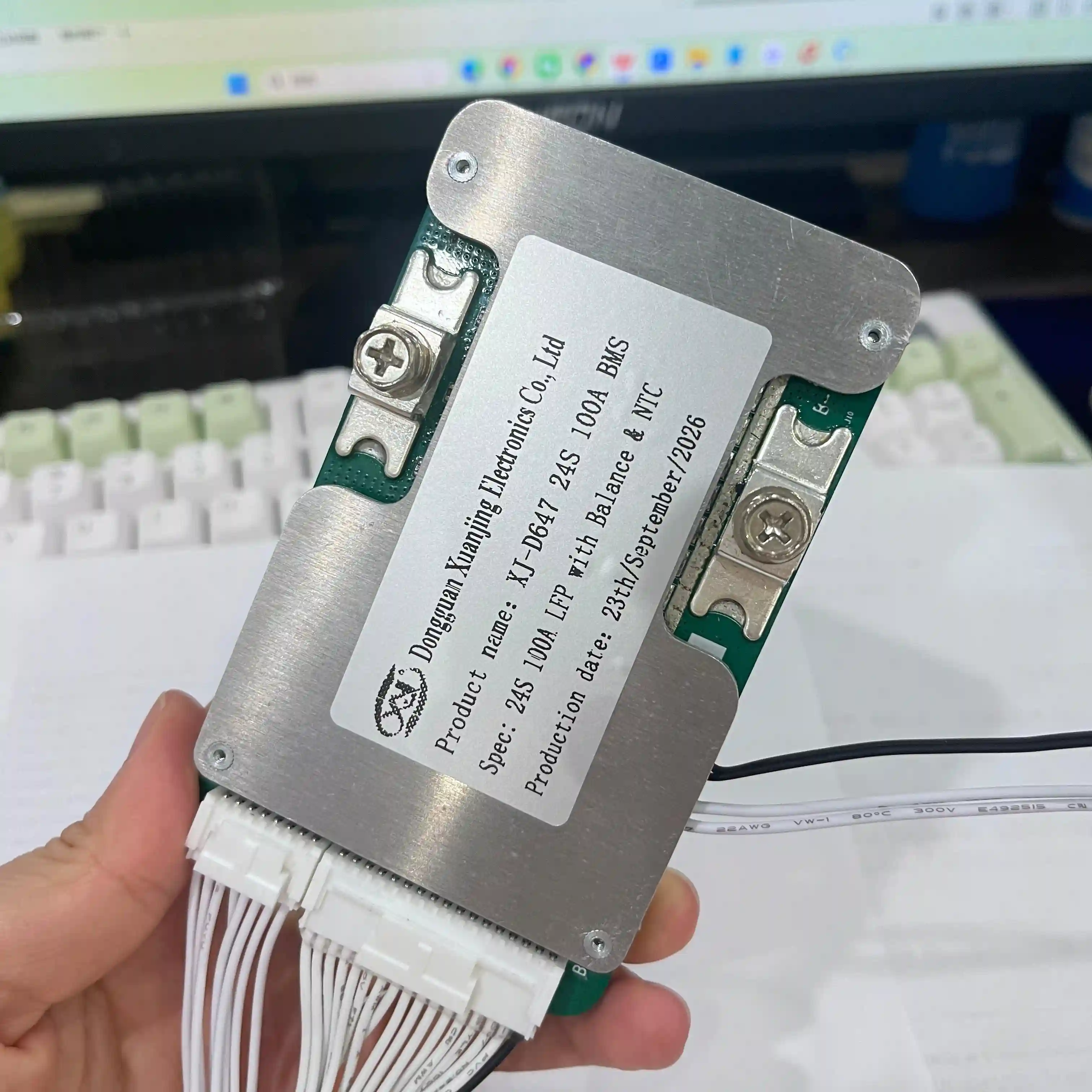


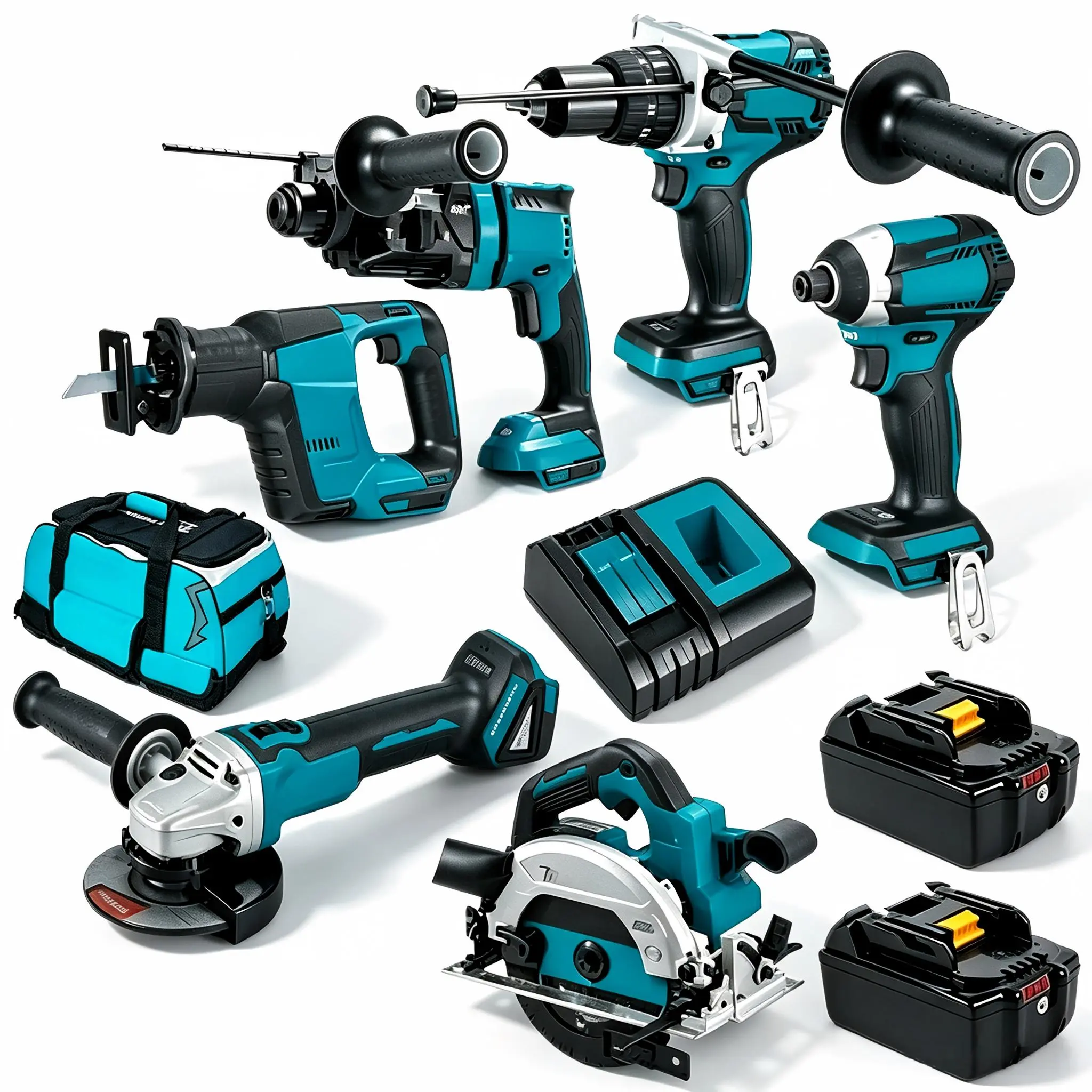
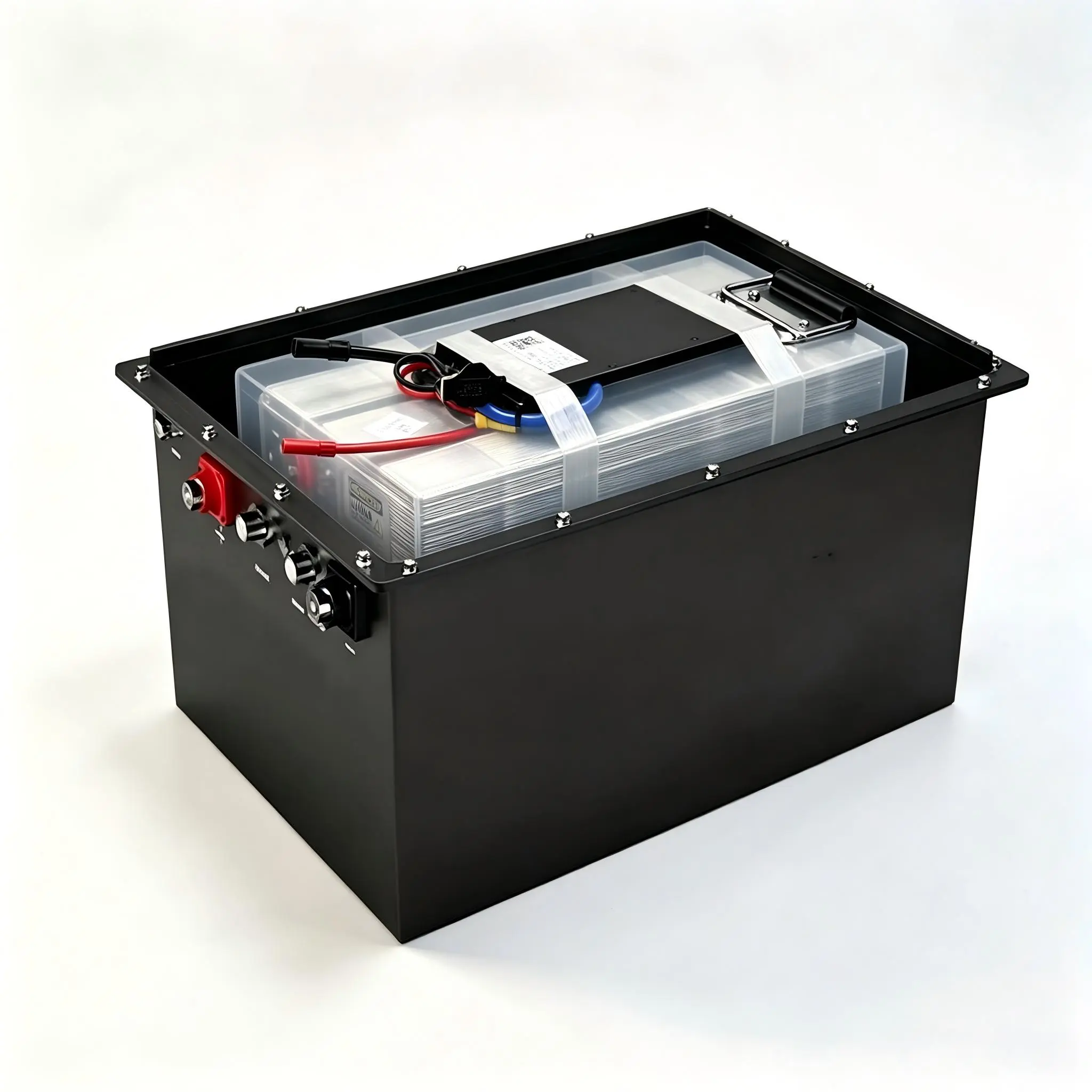
BMS for Industrial Applications: Machines, Forklifts, Robots & More
In the fast-paced industrial sector, reliability, efficiency, and safety are non-negotiable—especially when it comes to powering critical equipment. Industrial machines, forklifts, robots, shuttle robots, and electric street sweepers are the backbone of manufacturing, logistics, warehousing, and urban maintenance, and their performance depends entirely on a stable, long-lasting lithium-ion battery system. At the core of every high-performing industrial battery pack is a specialized Battery Management System (BMS) — tailored to withstand harsh industrial environments, meet high-power demands, and ensure uninterrupted operation.
Industrial applications present unique challenges: extreme operating temperatures, heavy loads, continuous runtime, dust, vibration, and strict safety standards. A generic BMS cannot handle these demands—industrial-grade BMS must be engineered to match the specific needs of each equipment type, from the high-current requirements of electric street sweepers to the compact, precise needs of warehouse robots. Below, we break down each industrial application in detail, expanding on their usage features, requirements, battery specifications, and our perfectly matched BMS solutions.
Why Industrial Applications Need Specialized BMS
Industrial equipment operates under conditions far more demanding than consumer electronics or light EVs. These machines often run 24/7 in harsh environments (dust, moisture, extreme heat/cold), carry heavy loads, and require consistent power to avoid costly downtime. A specialized industrial BMS addresses these challenges by:
- High-Current Handling: Supporting the high discharge currents required by industrial machines, forklifts, and sweepers (up to 300A+).
- Broad Voltage Compatibility: Adapting to a wide range of industrial battery voltages (24V–80V) to match diverse equipment needs.
- Environmental Durability: Withstanding dust, vibration, temperature fluctuations (-20°C to 60°C), and moisture—critical for factory floors, warehouses, and outdoor urban environments.
- Battery Chemistry Optimization: Tailoring performance to LFP and NMC batteries (the most common in industrial applications) to extend cycle life and ensure safety.
- Monitoring & Diagnostics: Providing real-time data (battery capacity, cell voltage, temperature) to minimize downtime and schedule proactive maintenance.
For industrial operations, downtime equals lost revenue—investing in a specialized BMS is the most cost-effective way to keep equipment running, extend battery life, and reduce maintenance costs.
BMS for Industrial Applications: Detailed Breakdown
Each industrial equipment type has distinct usage patterns, operating environments, and power demands. We've expanded each application to highlight its unique features, critical requirements, and how our BMS solutions deliver optimal performance.
1. BMS for Industrial Machines (Pallet Trucks, Pallet Stackers & More)
Scene Features & Usage Requirements: Industrial machines—including pallet trucks, pallet stackers, conveyors, and small material handlers—are the workhorses of warehouses, manufacturing plants, logistics centers, and distribution hubs. These machines are designed for repetitive, heavy-duty tasks: pallet trucks move goods across factory floors and warehouses; pallet stackers lift and stack pallets to maximize storage space. Key operating features and requirements include:
Versatile Operation: Used in diverse industrial settings (food processing plants, automotive factories, cold storage facilities), requiring BMS that adapt to varying temperatures and environments (e.g., dust-proof for manufacturing, frost-resistant for cold storage).
Heavy Loads & Frequent Cycles: Operate continuously for 8–12 hours per shift, with frequent start-stop cycles and heavy load-bearing—demanding BMS that handle consistent high currents without overheating.
Broad Battery Compatibility: Manufacturers and operators use a range of battery types (LFP, NMC) and specifications to match machine size and workload, so BMS must support multiple voltage and capacity ranges.
Minimal Downtime: Critical for maintaining production and logistics efficiency—BMS must be reliable, with built-in protection to prevent battery failure.
Battery Specifications: Industrial machines use batteries tailored to their size and workload, with a wide range of specifications to accommodate diverse needs:
- Voltage: 24V (small pallet trucks) to 80V (large pallet stackers and material handlers).
- Capacity: 100Ah (small machines) to 1200Ah (heavy-duty stackers and industrial vehicles).
- Chemistry: LFP (preferred for long cycle life and safety) and NMC (for high energy density in compact machines).
Recommended BMS Models & Advantages: Our industrial machine BMS is engineered for versatility and reliability, with a focus on high-current handling. Note that our standard BMS supports up to 300A—for higher current requirements (above 300A), please contact our engineers for custom solutions:
- XJ-D038V3 (4S–20S 150A–300A): The ideal choice for most industrial machines (pallet trucks, stackers) with 24V–80V batteries. It supports both LFP and NMC batteries, with robust dust and vibration resistance to withstand factory environments. Its high-current rating (up to 300A) handles heavy loads and frequent cycles, while built-in cell balancing and temperature protection extend battery life and prevent downtime. Perfect for mid-to-heavy-duty industrial machines with 100Ah–300Ah batteries.
- Custom Solutions: For heavy-duty machines with 300A+ current requirements (e.g., large stackers with 1200Ah batteries), our engineering team can design tailored BMS to match your specific voltage, current, and environmental needs. Contact us for personalized support.
2. BMS for Electric Forklifts
Scene Features & Usage Requirements: Electric forklifts are rapidly replacing traditional fuel/diesel forklifts across warehouses, ports, manufacturing plants, and logistics centers—driven by their superior efficiency, lower operating costs, and environmental benefits. Key usage features and requirements include:
- Low-Noise Operation: Critical for operations in residential areas (e.g., nighttime warehouse work near neighborhoods), hospitals, and food processing plants—electric forklifts produce minimal noise, unlike noisy fuel-powered models.
- Cost & Maintenance Efficiency: Lower energy costs (electricity vs. diesel/fuel) and minimal maintenance (no engine oil changes, filters, or exhaust system upkeep)—reducing long-term operating expenses for fleet owners.
- High Performance: Faster acceleration, smoother operation, and consistent lifting power—ideal for high-volume warehouses and ports where efficiency is key.
- All-Shift Reliability: Operate 8–16 hours per day (multiple shifts), requiring BMS that support fast charging and continuous high-current discharge without overheating.
- Safety: Used in crowded workspaces with operators and workers nearby—BMS must ensure battery safety (no overcharging, short circuits, or thermal runaway).
Battery Specifications: Electric forklifts prioritize safety, long cycle life, and reliability—making LFP (lithium iron phosphate) batteries the industry standard:
- Voltage: 48V (most common for mid-size forklifts; 24V for small forklifts, 80V for heavy-duty models).
- Capacity: 180Ah (standard for mid-size forklifts, enough for 8–10 hours of continuous operation).
- Chemistry: LFP—though LFP has lower energy density than other lithium chemistries (e.g., NMC), it offers unmatched reliability, long cycle life (2000+ cycles), low cost, and non-toxic properties—critical for industrial safety and sustainability.
- Continuous Discharge Current: 180A (supports the forklift's lifting motor and travel motor).
Recommended BMS Models & Advantages: Our forklift-specific BMS models are optimized for LFP batteries, with features tailored to fleet management and continuous operation:
- XJ-F002A (4S–20S 150A–250A): A smart BMS perfect for forklift fleets that require real-time monitoring. Equipped with Bluetooth connectivity, operators and fleet managers can check battery capacity, cell voltage, and charging status via a mobile app—eliminating guesswork and enabling proactive maintenance. Its 150A–250A current rating matches 48V 180Ah LFP batteries, with built-in cell balancing to extend battery life (critical for multi-shift operations). Ideal for warehouses and logistics centers with large forklift fleets.
- XJ-D038V3 (4S–20S 150A–300A): A cost-effective, high-performance hardware BMS for budget-friendly fleets. Its 300A maximum current rating provides a safety margin for peak loads (e.g., lifting heavy pallets), while its robust construction withstands forklift vibration and warehouse dust. Perfect for small-to-mid-size forklift fleets focused on reliability and value.
3. BMS for Industrial Robots
Scene Features & Usage Requirements: With the rise of AI and automation, industrial robots have become essential for streamlining warehouse and manufacturing operations. These fully electric, autonomous robots handle tasks like automated sorting, material picking, packaging, and inventory management—reducing human error and increasing efficiency. Key features and requirements include:
- Precision & Compact Design: Operate in tight spaces (e.g., between warehouse shelves, on manufacturing assembly lines), requiring compact, lightweight BMS that fit in the robot's small battery compartment.
- Low Power Consumption: Designed for long runtime (8–12 hours per charge) with minimal power waste—BMS must optimize energy usage to extend battery life.
- Stable Performance: Autonomous operation means robots cannot afford battery failure—BMS must provide consistent protection against overcharge, over-discharge, and short circuits.
- Clean Environment Adaptation: Used in clean warehouses and manufacturing facilities (e.g., electronics factories), requiring dust-proof, low-maintenance BMS.
Battery Specifications: Industrial robots use compact, high-reliability batteries to match their size and precision requirements:
- Voltage: 48V (standard for most warehouse and manufacturing robots).
- Capacity: 40Ah (enough for 8–12 hours of autonomous operation).
- Chemistry: LFP (lithium iron phosphate)—chosen for its safety, long cycle life, and stable discharge, which ensures consistent robot performance.
- Continuous Discharge Current: 40A (supports the robot's motors and sensors).
Recommended BMS Models & Advantages: Our robot BMS models are compact, energy-efficient, and optimized for LFP batteries—perfect for autonomous industrial robots:
- XJ-D495 (6S–16S 30A–60A): A compact BMS designed to fit in small robot battery compartments. Its 30A–60A current rating matches 48V 40Ah LFP batteries, with low power consumption to extend robot runtime. Built-in cell balancing and overcurrent protection ensure stable, reliable operation—ideal for automated sorting and picking robots.
- XJ-D565 (6S–24S 30A–60A): Versatile and compact, with broad series compatibility (6S–24S) to fit a range of robot battery configurations. Its durable construction resists dust and vibration, while its energy-efficient design optimizes battery usage. Perfect for a variety of industrial robots, from packaging robots to inventory management robots.
4. BMS for Shuttle Robots (Storage Pallet Handling)
Scene Features & Usage Requirements: Storage pallet handling shuttle robots are specialized autonomous robots used in high-density warehouses and distribution centers to move pallets between storage racks, conveyor systems, and forklifts. These robots are designed to optimize warehouse space and streamline pallet handling—operating in narrow aisles and high-rack environments. Key features and requirements include:
- High-Density Warehouse Adaptation: Operate in narrow aisles and around high storage racks, requiring compact BMS that do not add unnecessary bulk to the robot.
- Frequent Start-Stop Cycles: Constantly accelerate, decelerate, and stop while moving pallets—demanding BMS that handle frequent current fluctuations without damage.
- High Energy Density: Need long runtime (6–8 hours per charge) to keep up with warehouse throughput—requiring batteries with high energy density (NMC) and BMS that optimize energy usage.
- Low Maintenance: Operate 24/7 in some warehouses, so BMS must be reliable with minimal maintenance needs.
Battery Specifications: Shuttle robots prioritize high energy density and compact size—making NMC (nickel manganese cobalt) batteries the ideal choice:
- Voltage: 48V (standard for pallet handling shuttle robots).
- Capacity: 30Ah (high energy density NMC cells provide enough runtime for 6–8 hours of continuous pallet handling).
- Chemistry: NMC—offers higher energy density than LFP, allowing for compact battery packs that fit in the shuttle robot's narrow design.
- Continuous Discharge Current: 30A (supports the robot's movement and pallet handling motors).
Recommended BMS Models & Advantages: Our shuttle robot BMS models are tailored to NMC batteries, with compact design and reliable current handling:
- XJ-D495 (6S–16S 30A–60A): Compact and lightweight, perfect for shuttle robots' narrow design. Its 30A–60A current rating matches 48V 30Ah NMC batteries, with built-in overcharge/over-discharge protection to handle frequent start-stop cycles. Cell balancing ensures consistent battery performance, extending runtime and reducing maintenance—ideal for high-density warehouse shuttle robots.
- XJ-D565 (6S–24S 30A–60A): Versatile with broad series compatibility, fitting a range of shuttle robot battery configurations. Its durable construction resists dust and vibration (common in warehouses), while its energy-efficient design optimizes NMC battery usage—maximizing runtime for 24/7 warehouse operations.
5. BMS for Electric Street Sweepers
Scene Features & Usage Requirements: Electric street sweepers are eco-friendly alternatives to traditional fuel-powered sweepers, used in cities, towns, industrial parks, residential communities, and commercial areas to keep streets and public spaces clean. Key features and requirements include:
- Outdoor Operation: Exposed to varying weather conditions (heat, cold, rain, dust), requiring BMS that are weather-resistant, dust-proof, and temperature-tolerant (-20°C to 60°C).
- Long Runtime: Operate continuously for 7 hours per charge (enough to cover large urban areas or industrial parks), demanding BMS that support high-capacity LFP batteries and efficient energy usage.
- Low Noise & Eco-Friendly: Critical for residential areas and public spaces—electric sweepers produce minimal noise and zero emissions, with BMS that ensure efficient battery performance to maintain these benefits.
- High-Current Handling: The sweeper's brush motors and suction fans require high continuous currents (300A–400A)—demanding BMS with robust heat dissipation and high-current protection.
- Monitoring Capability: Fleet managers need to track battery status, charging progress, and performance remotely—especially for large fleets of sweepers across cities.
Battery Specifications: Electric street sweepers use LFP batteries for their safety, long cycle life, and ability to handle high currents:
- Voltage: 72V (standard for medium-to-large electric street sweepers).
- Capacity: 300Ah–400Ah (enough for 7 hours of continuous operation).
- Chemistry: LFP—safe, non-toxic, and capable of handling high continuous discharge currents (300A–400A) without thermal runaway.
- Continuous Discharge Current: 300A–400A (supports the sweeper's brush and suction motors).
Recommended BMS Models & Advantages: Our electric street sweeper BMS models are engineered for outdoor durability, high-current handling, and remote monitoring:
- XJ-F001 (6S–24S 50A–220A): A high-performance smart BMS with advanced features for street sweeper fleets. Equipped with built-in 2A active balancing (charges and discharges cells evenly, extending battery life by up to 30%), GPS connectivity (for remote tracking of battery status and sweeper location), and real-time monitoring of charging/discharging and individual cell capacity. It also features double-layer heat sinks and MOS tubes with additional NTC temperature sensors—ensuring excellent heat dissipation, even in high-current (220A) operation. Ideal for medium electric street sweepers and fleets requiring remote monitoring.
- XJ-D038V3 (4S–20S 150A–300A): A robust hardware BMS for budget-friendly sweepers. Its 300A maximum current rating handles medium-high currents, with durable, weather-resistant construction to withstand outdoor environments. Perfect for small-to-medium electric street sweepers, offering reliable protection and cost-effectiveness without compromising performance.
Our Industrial BMS Advantages: Built for Industrial Toughness
Whether you're powering industrial machines, forklifts, robots, shuttle robots, or electric street sweepers, our BMS solutions stand out for their industrial-grade durability, performance, and versatility:
- Broad Compatibility: Support LFP and NMC batteries, with voltage ranges from 24V to 80V and current ratings up to 300A (custom solutions available for higher currents).
- Environmental Durability: All models are dust-proof, vibration-resistant, and temperature-tolerant—built to withstand the harshest industrial and outdoor environments.
- Tailored Features: Smart monitoring (Bluetooth, GPS) for fleets, active/passive balancing for long battery life, and robust heat dissipation for high-current applications.
- Reliability: Minimize downtime with built-in protection against overcharge, over-discharge, overcurrent, short circuits, and temperature damage.
- Cost-Effectiveness: Both smart and hardware options to meet different budget needs, with long-term value through extended battery life and reduced maintenance.
Our Factory Services for Industrial BMS
We support industrial equipment manufacturers, fleet managers, and distributors with comprehensive services to ensure your BMS solutions meet your exact needs:
- Samples: Test our industrial BMS models (XJ-D038V3, XJ-F002A, XJ-D495, XJ-D565, XJ-F001) before bulk orders (shipping cost negotiable for large quantities).
- Custom Solutions: For high-current requirements (above 300A) or unique equipment configurations, our engineering team designs tailored BMS—contact us to discuss your specific voltage, current, and environmental needs.
- 24-Hour Response: Our technical and sales teams guarantee a response within 24 hours to your inquiries, sample requests, and customization needs.
- Free BMS Consultation: Tell us your industrial application, equipment type, and battery specs—we'll recommend the perfect BMS model for your setup.
Power Your Industrial Operations with the Right BMS
Industrial equipment relies on reliable battery systems, and reliable battery systems rely on specialized BMS. Whether you're manufacturing industrial machines, managing a forklift fleet, automating warehouses with robots, or maintaining urban cleanliness with electric sweepers, our industrial-grade BMS solutions deliver the durability, performance, and value you need to keep operations running smoothly.
Partner with us for high-quality, tailored BMS that withstand the toughest industrial environments—and maximize the lifespan and performance of your batteries.
📧 Email: info@xj-bms.com
🌐 Website: www.xj-bms.com