


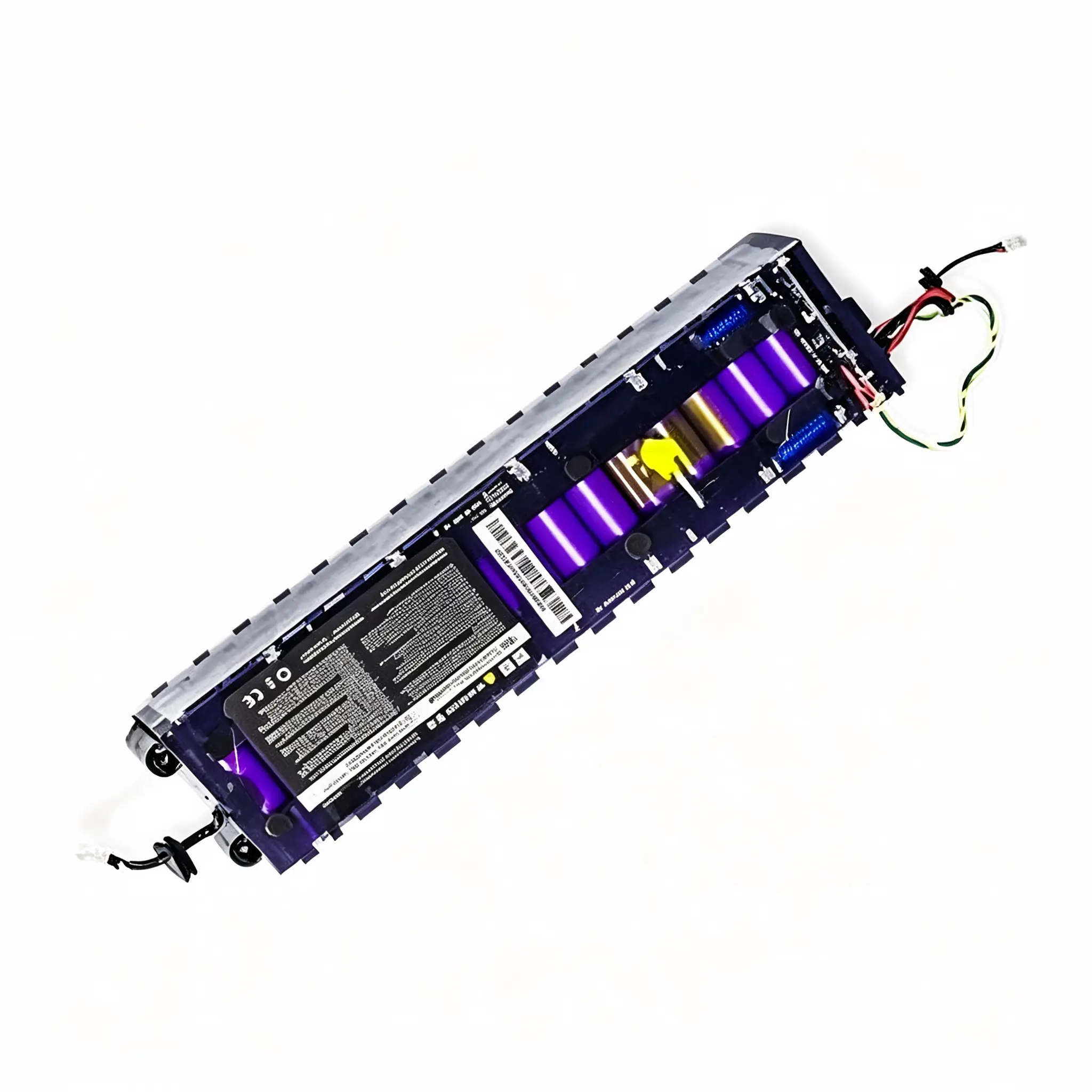
BMS for Boats: Full Marine Vessel Types, Battery Requirements & XJBMS Complete Solutions
Marine electric vessels rely entirely on lithium battery power systems for propulsion, control, and auxiliary operation. Unlike land equipment, all types of electric boats work in humid, watery, temperature-changing outdoor environments, featuring vibration during navigation, intermittent high-power acceleration, and long-duration low-speed cruising. These harsh operating conditions make a high-quality marine-grade BMS (Battery Management System) indispensable for ensuring battery safety, stable power output, and long service life.
Boat products cover a wide range of categories, from miniature remote-controlled toy vessels to manned recreational sightseeing boats. Each type has completely different demands for battery chemistry (LFP, NMC, SIB), series string count, continuous working current, peak current, cell balancing, and NTC temperature protection.
Five Main Types of Electric Boats & Professional Battery/BMS Requirements
All electric boats are divided into bait boats, toy RC boats, kids boats, single-person mini boats, and small sightseeing boats. Different load weights, motor power, operating durations and usage environments determine exclusive battery solutions and BMS parameter standards.
1. Fishing Bait Boats
Fishing bait boats are professional remote-controlled fishing auxiliary vessels, used for delivering bait and fishing lines to fixed water areas. They feature low-speed stable cruising, occasional load carrying, and long standby working modes, mainly operating in open lake and river water environments with large temperature differences.
Battery Chemistry Selection: Prioritize LFP (LiFePO4) batteries. LFP features excellent low-temperature resistance, stable discharge platform, strong safety and long cycle life, perfectly adapting to outdoor water temperature changes. NMC is optional for low-cost lightweight models, while SIB (Sodium-ion) is rarely used due to low energy density and insufficient market maturity for precision fishing equipment.
Battery String & Current Parameters:
- Common string specification: 2S–4S (7.4V–14.8V)
- Continuous working current: 5A–20A (stable low-speed cruising)
- Peak instantaneous current: 20A–40A (momentary acceleration and load startup)
Balancing & NTC Protection Importance: Cell balancing is very important. Bait boats work intermittently for a long time, and inconsistent cell voltage after multiple charge-discharge cycles will directly reduce cruising range and cause battery premature aging. NTC temperature protection is essential to prevent battery overheating during summer long-time floating operation and low-temperature power attenuation in winter water environments.
2. Electric Toy RC Boats
Toy remote-controlled boats are high-speed entertainment miniature vessels, characterized by frequent acceleration, sharp steering, instantaneous high-current burst and short-cycle operation. They pursue lightweight and high-speed performance with compact built-in battery packs.
Battery Chemistry Selection: Mainly NMC ternary lithium batteries. NMC has high energy density, light weight and strong instantaneous discharge capacity, meeting high-speed power burst demands. A small number of entry-level models use LFP for cost reduction; SIB is not applicable due to poor high-rate discharge performance.
Battery String & Current Parameters:
- Common string specification: 1S–3S (3.7V–11.1V)
- Continuous working current: 10A–30A (high-speed continuous navigation)
- Peak instantaneous current: 30A–60A (full-throttle acceleration)
Balancing & NTC Protection Importance: Balancing function is necessary to solve voltage imbalance caused by frequent high-rate discharge. NTC over-temperature protection is critical: high-speed operation brings severe motor and battery heating, and closed miniature boat body leads to poor heat dissipation, making overheating protection the core safety guarantee.
3. Kids Electric Boats
Children's electric boats are low-speed recreational vessels for pool and shallow water use, focusing on safety, stability and low failure rate, with extremely strict safety standards.
Battery Chemistry Selection: Uniformly adopt LFP lithium iron phosphate batteries. LFP has ultra-high safety, no flammable and explosive risks, and stable low-rate discharge performance, fully complying with children's toy safety regulations. NMC and SIB are not recommended due to relatively poor safety stability.
Battery String & Current Parameters:
- Common string specification: 2S–4S (7.4V–14.8V)
- Continuous working current: 5A–15A (low-speed safe cruising)
- Peak instantaneous current: 15A–25A (slight acceleration)
Balancing & NTC Protection Importance: Passive balancing is mandatory to ensure long-term stable battery performance and avoid local cell failure. NTC temperature monitoring is a hard requirement to prevent safety accidents caused by battery heating after long-time play.
4. Single-Person Mini Boats
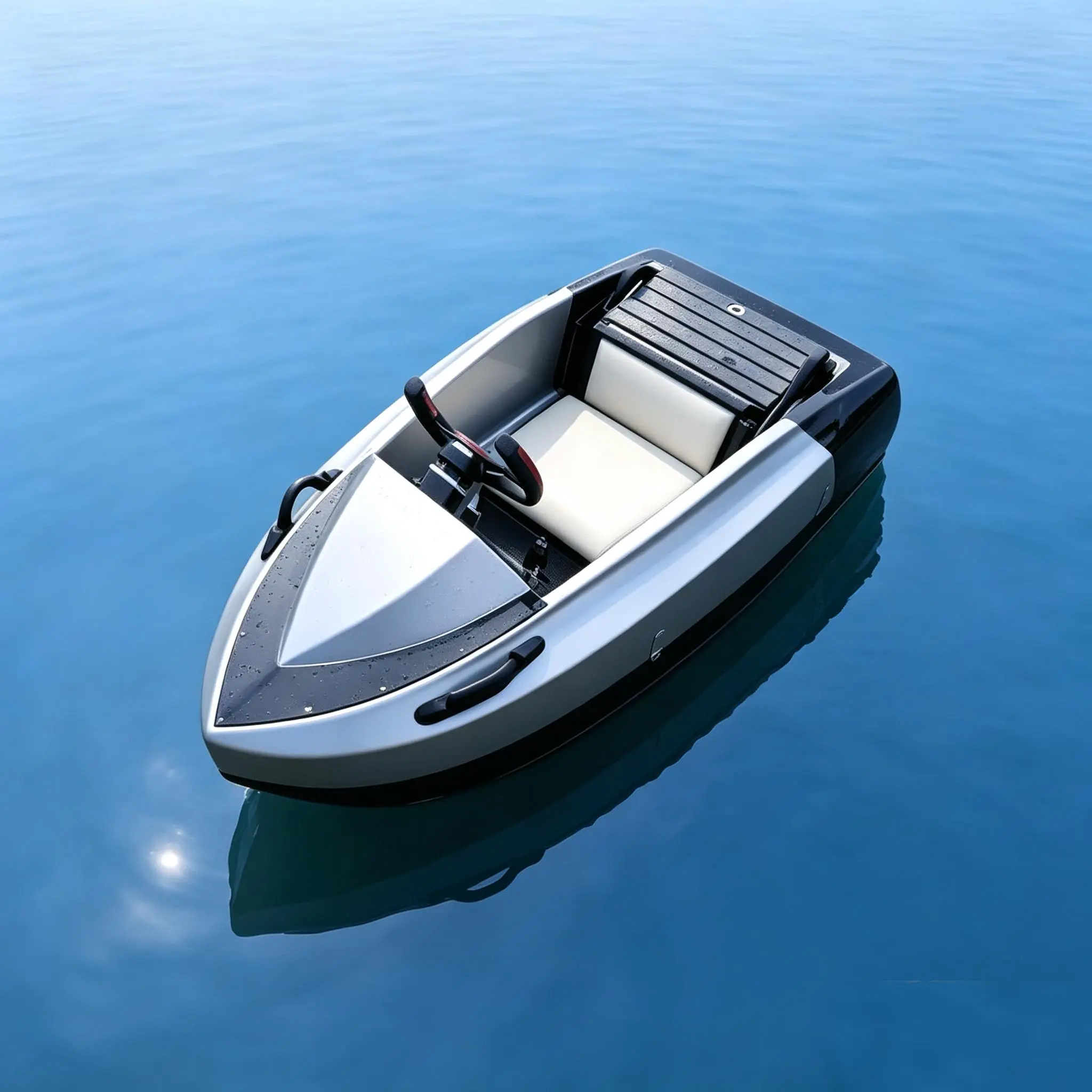
Single-person mini manned boats are lightweight recreational vessels for personal water entertainment, with certain load capacity, medium-speed navigation and long continuous working time, requiring stable power output.
Battery Chemistry Selection: Mainly LFP for mainstream models, with a small number of high-speed versions using NMC. LFP balances safety and cycle life, while NMC meets high-power speed demands. SIB is not widely adopted due to insufficient energy density for manned equipment.
Battery String & Current Parameters:
- Common string specification: 6S–12S (22.2V–44.4V)
- Continuous working current: 20A–40A (long-time manned cruising)
- Peak instantaneous current: 40A–80A (climbing against water flow and rapid acceleration)
Balancing & NTC Protection Importance: Cell balancing is extremely important. Manned equipment has high requirements for battery consistency, and voltage imbalance will cause power attenuation and navigation jitter. Dual NTC temperature probes are recommended for real-time heat monitoring to adapt to long-time high-load operation.
5. Small Sightseeing Boats
Small multi-person sightseeing boats are commercial recreational vessels, featuring heavy load, long-hour continuous operation, frequent start-stop and stable low-speed navigation, belonging to medium-high power marine equipment.
Battery Chemistry Selection: 100% LFP lithium iron phosphate batteries. Commercial sightseeing scenarios prioritize safety and durability. LFP's ultra-long cycle life, excellent thermal stability and strong overcharge resistance perfectly meet long-term commercial operation demands.
Battery String & Current Parameters:
- Common string specification: 13S–24S (48V–72V)
- Continuous working current: 50A–150A (long-term heavy-load operation)
- Peak instantaneous current: 150A–300A (overload startup and water resistance adaptation)
Balancing & NTC Protection Importance: Full active/passive balancing is essential. High-string and high-capacity battery packs are prone to cell inconsistency after long-cycle operation, which will directly shorten battery service life and increase operating costs. Multi-point NTC temperature monitoring is a must to avoid thermal runaway risks caused by long-time high-current discharge in humid marine environments.
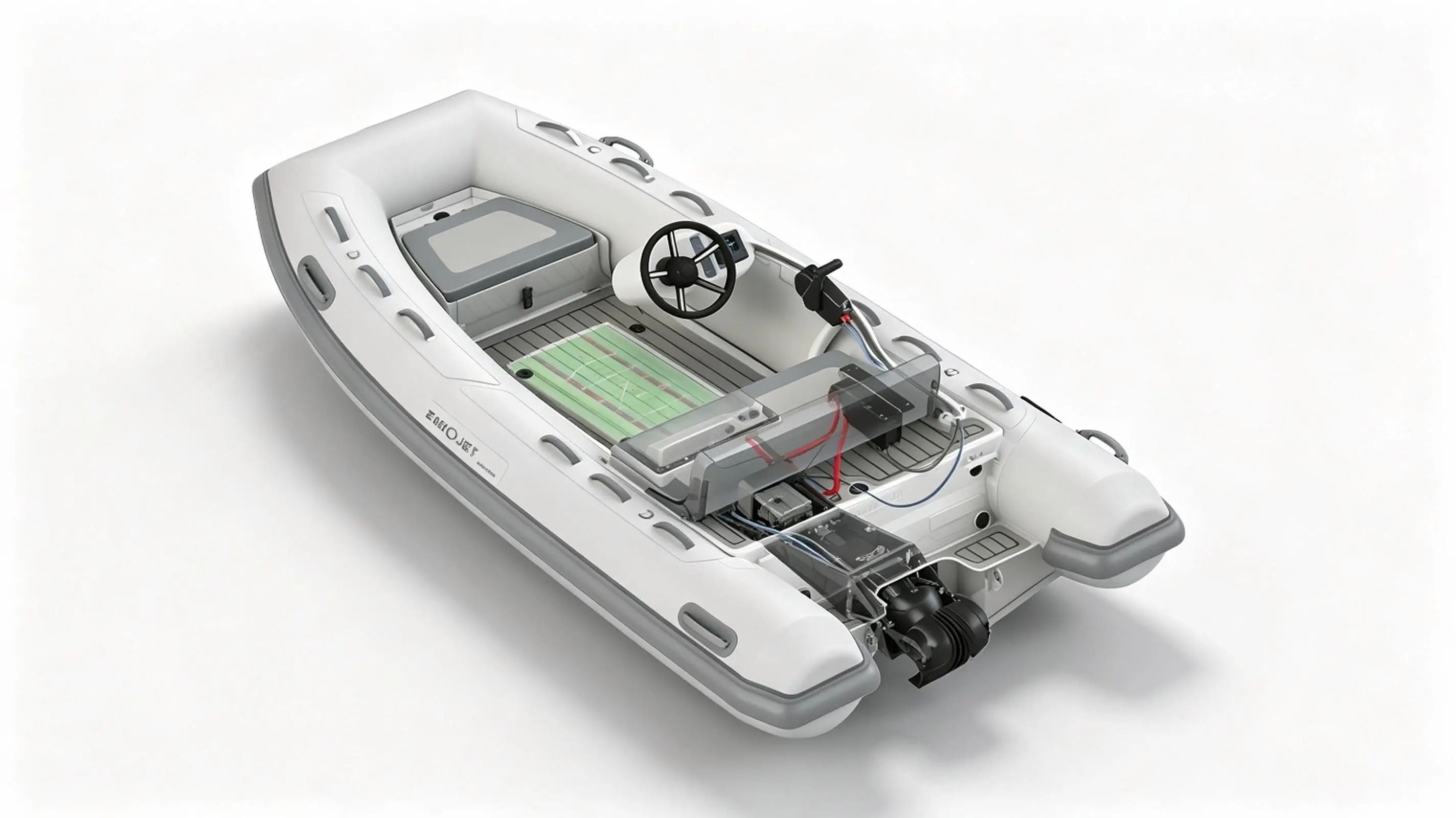
Core Importance of BMS for Marine Boat Applications
Marine electric equipment is in a complex and harsh working environment different from all land equipment: high humidity, water vapor erosion, variable temperature, continuous vibration, and variable load navigation. Therefore, BMS is not a simple auxiliary accessory, but the core safety and performance guarantee for the entire boat power system, with irreplaceable importance.
First, BMS provides full-range safety protection against marine environmental risks. Humid water environments easily cause circuit leakage and short circuits. Professional marine BMS has precise short-circuit, over-current, overcharge and over-discharge protection functions, which can quickly cut off the power loop in case of abnormal conditions to avoid boat shutdown, circuit burnout and even water safety accidents.
Second, NTC temperature protection solves the pain point of extreme temperature navigation. Boats are exposed to high-temperature sun exposure in summer and low-temperature cold water soaking in winter. Without accurate temperature monitoring, batteries are prone to high-temperature aging, low-temperature power loss and thermal runaway. BMS real-time temperature sensing and temperature limit charge-discharge functions ensure safe operation of batteries in all seasons.
Third, cell balancing technology reduces marine operation costs. Boat batteries work intermittently and cyclically for a long time, and cell voltage inconsistency is inevitable. Unbalanced batteries will have reduced capacity, shortened endurance and scrapped individual cells, increasing frequent replacement costs for fishing boats, sightseeing boats and recreational vessels. BMS balancing function keeps all cells consistent, maximizes battery utilization, and greatly extends the overall pack cycle life.
In addition, marine BMS supports variable load adaptive discharge. Boat navigation resistance changes with water flow and wind force, leading to unstable motor load. High-quality BMS can adapt to instantaneous peak current impact and long-term continuous discharge, ensuring stable power output, smooth navigation speed and no sudden power failure, improving user experience and equipment stability.
XJBMS Full Series BMS Solutions for All Types of Electric Boats
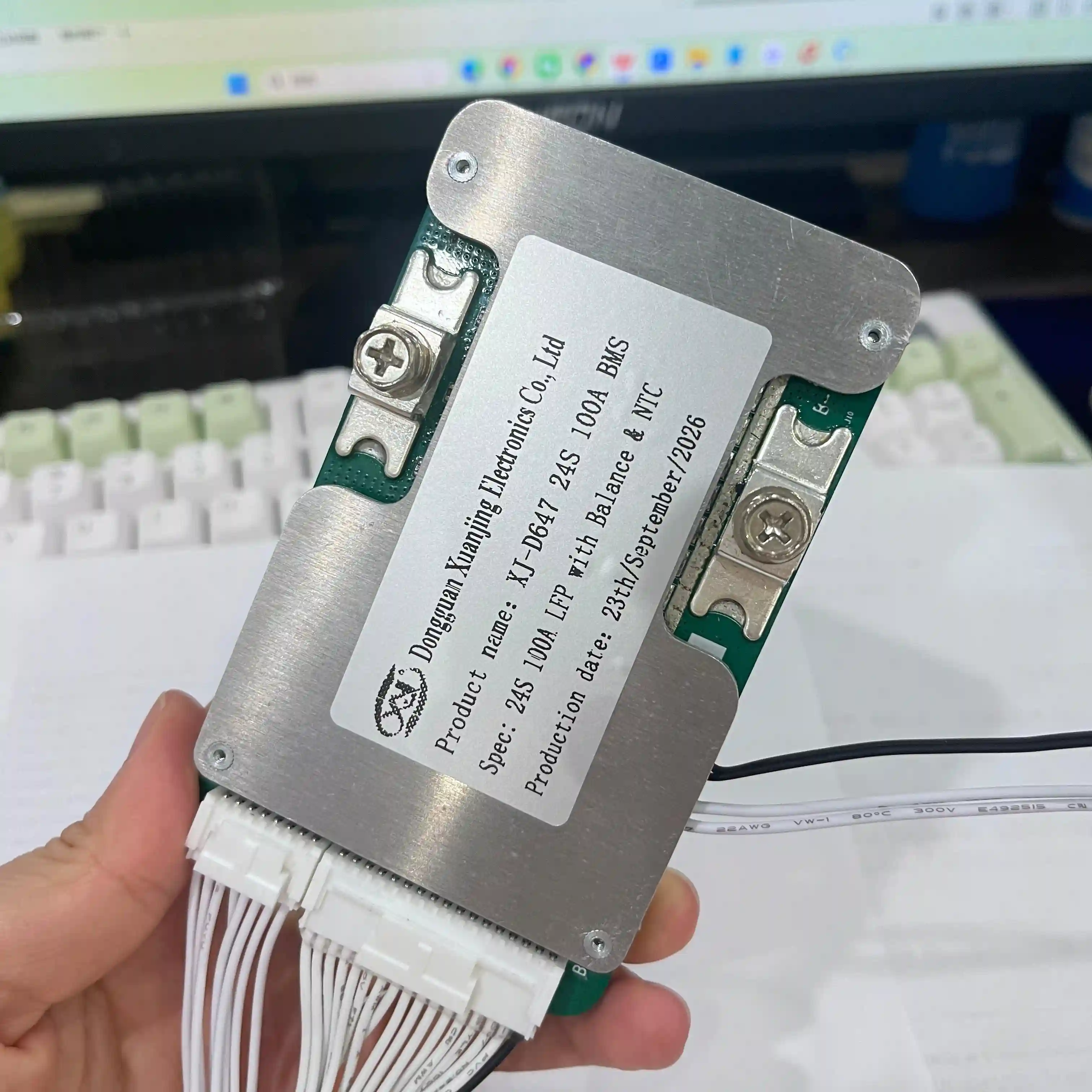
XJBMS marine-specific BMS covers 4S–25S wide string range and 10A–300A full current grade, including cost-effective hardware basic protection boards and intelligent Bluetooth monitoring boards. All models support NTC temperature protection and cell balancing, fully matching toy boats, bait boats, kids boats, single-person mini boats and commercial small sightseeing boats, adapting to all marine harsh environment working conditions.
Hardware BMS Series (Stable & Cost-Effective for Marine Basic Protection)
- XJ-D092: 4S–14S, 10A–20A charge/discharge common port, size 80*40*10mm. Mini low-current model, perfect for kids boats and small toy RC boats with low power demands.
- XJ-D068: 4S–21S, 10A–40A charge/discharge common port, size 100*60*10mm. Wide-string medium-low current universal model, suitable for fishing bait boats and single-person light mini boats.
- XJ-D098: 4S–14S, 10A–50A charge/discharge common port, size 100*60*8mm. High-cost performance universal model, covering most mini recreational boat power demands.
- XJ-D494: 13S–16S, 5A charge / 30A–60A discharge split port, size 90*50*7mm. Split-port dedicated model for medium-power single-person mini boats, convenient for independent charge-discharge management.
- XJ-D495: 13S–16S, 30A–60A charge/discharge common port, size 90*50*7mm. Medium-current mainstream model for high-speed mini boats and modified recreational boats.
- XJ-D565: 6S–24S, 30A–60A charge/discharge common port, size 100*60*10mm. Ultra-wide string range model, compatible with multiple medium-power manned mini boats.
- XJ-D0386: 4S–25S, 50A–150A charge/discharge common port, size 110*85*13mm. Medium-high current industrial model, dedicated for small sightseeing boats and heavy-load manned boats.
- XJ-D038V5: 4S–24S, 150A–300A charge/discharge common port, size 240*122*10mm. Ultra-high current flagship model, perfectly matching long-term heavy-load operation of commercial small sightseeing boats.
Smart Bluetooth BMS Series (Intelligent Monitoring for High-End Marine Equipment)
- XJ-F002C: 4S–20S, 30A–60A charge/discharge common port, size 100*65*9mm. Compact smart model for high-end single-person mini boats and modified recreational boats, supporting real-time battery data viewing.
- XJ-F002: 4S–20S, 30A–120A charge/discharge common port, size 136*63*14mm. Universal marine intelligent BMS, monitoring battery voltage, current, temperature and cycle status in real time to avoid marine safety hazards.
- XJ-F013: 4S–20S, 30A–120A charge/discharge common port, size 155*70*12mm. Upgraded stable smart model, stronger waterproof and vibration resistance, suitable for long-time outdoor marine operation.
- XJ-F002A: 4S–20S, 150A–250A charge/discharge common port, size 210*63*14mm. High-current intelligent flagship model for medium and high-power small sightseeing boats, realizing intelligent energy management and fault alarm.
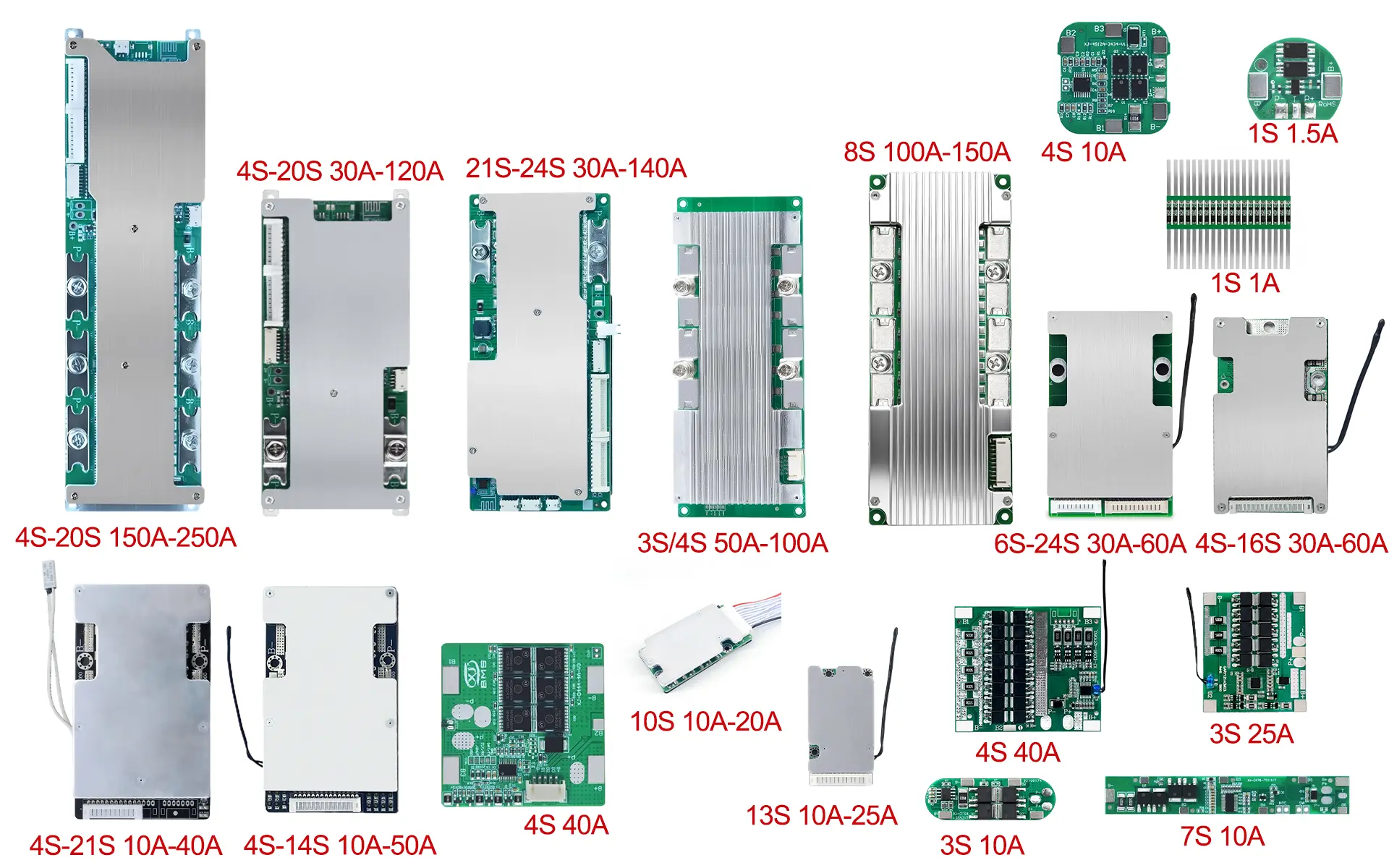
Conclusion
Different types of electric boats have completely differentiated battery chemistry, string count and current demands. Toy boats and kids boats pursue lightweight and safety with low-current NMC/LFP solutions; bait boats and mini manned boats focus on stability and endurance with medium-current LFP solutions; commercial sightseeing boats rely on high-current high-string LFP battery packs for heavy-load operation. In complex humid and temperature-variable marine environments, BMS temperature monitoring, cell balancing and full safety protection are the core guarantees for boat battery safety and long service life. XJBMS full-range marine BMS covers all boat scenarios from miniature toys to commercial sightseeing vessels, providing professional, stable and reliable one-stop battery management solutions for global marine electric equipment.
 +86 15012973360
