



Battery Series vs Parallel Connection: How to Choose the Right BMS? Complete Guide
If you're working on lithium battery projects—whether for energy storage, electric vehicles, or DIY applications—you've likely faced this common confusion: When connecting batteries in series or parallel, how do you choose the right Battery Management System (BMS)? What specifications should the BMS have? And when should you use series vs parallel connection in the first place?
As a professional BMS supplier, we often receive these questions from customers. Today, we'll break down the core principles of battery series and parallel connections, detail the BMS selection process with real-world examples, and clarify the scenarios for high-voltage vs high-current requirements. Let's dive in!
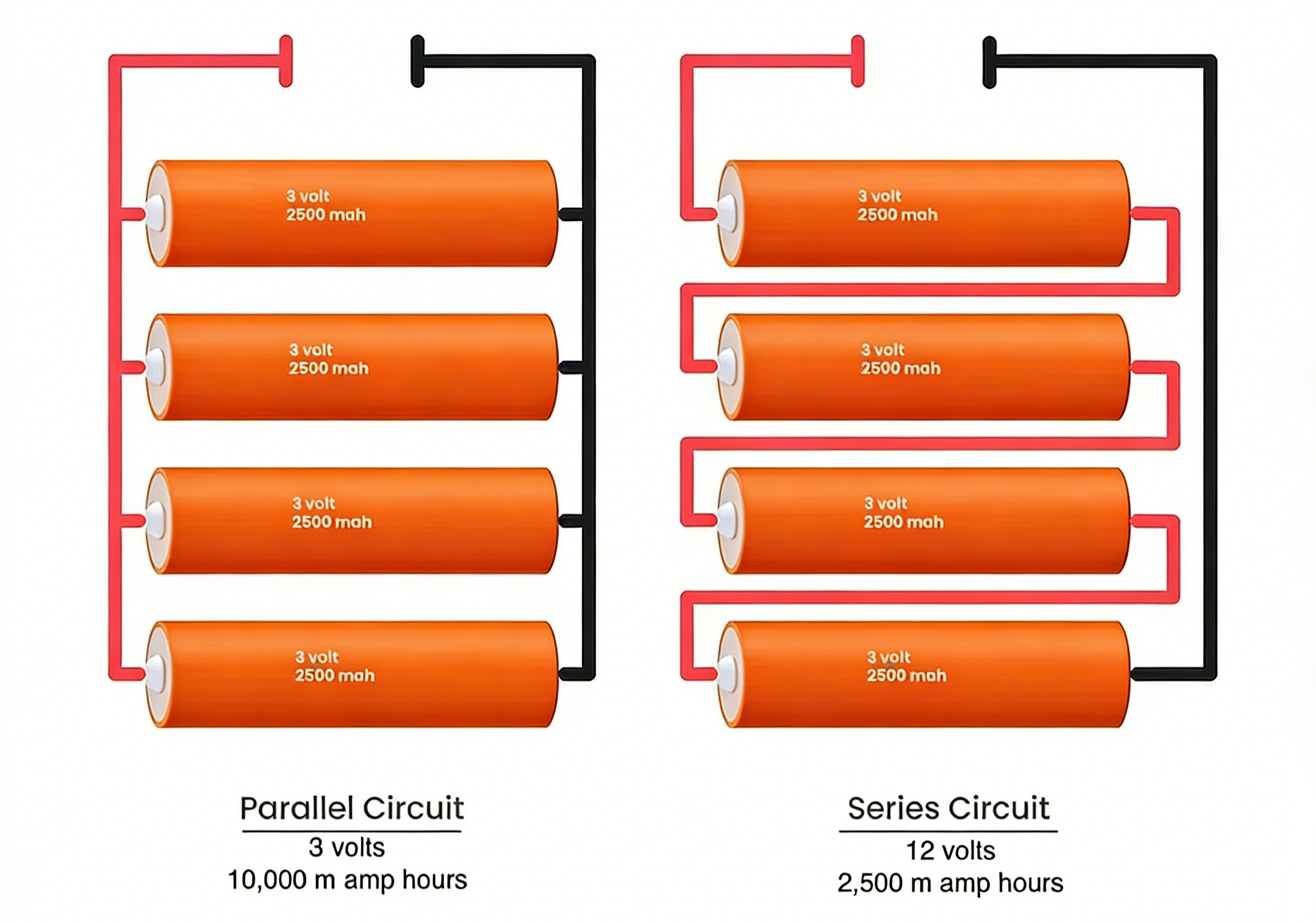
First: Core Principles of Battery Series & Parallel Connection
Before choosing a BMS, you must master the basic rules of battery series and parallel connections—this is the foundation of correct BMS selection:
- Series Connection: Voltage increases, current remains the same.
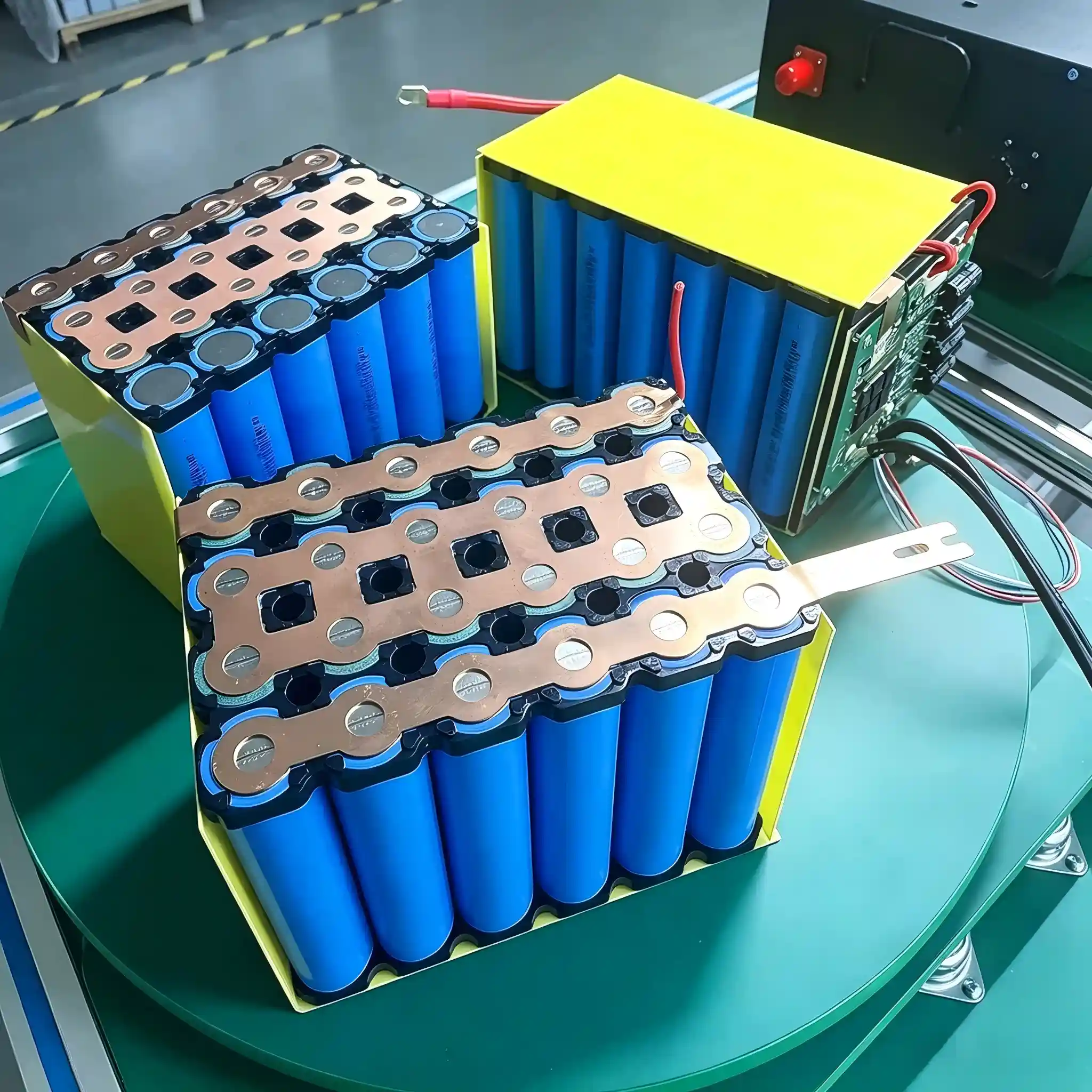
When you connect multiple battery packs in series, the total voltage is the sum of the individual pack voltages, while the maximum continuous current stays equal to the single pack's current. For example: 4 sets of 4s 12v 100A battery packs in series → Total voltage = 12V × 4 = 48V; Total current = 100A (unchanged). - Parallel Connection: Voltage remains the same, current increases.
When connecting multiple battery packs in parallel, the total voltage stays the same as a single pack, but the total maximum current is the sum of the individual pack currents. For example: 4 sets of 4S 12V 100A battery packs in parallel → Total voltage = 12V (unchanged); Total current = 100A × 4 = 400A.
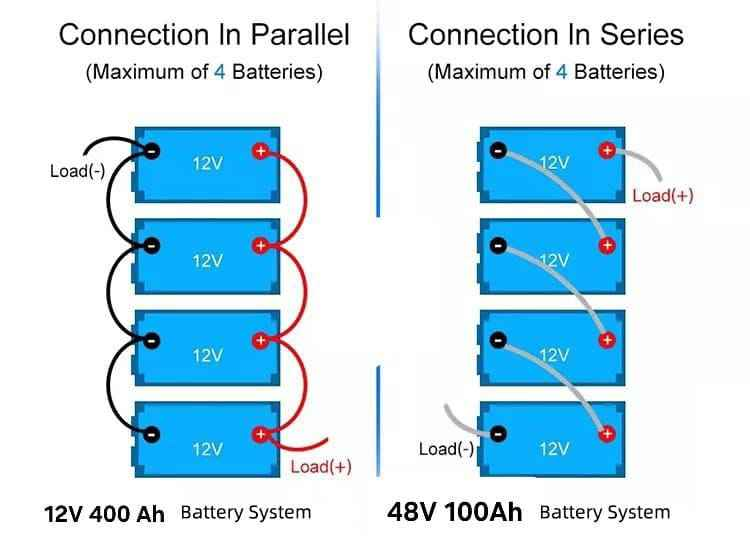
Scenario 1: When to Use Series Connection? (High-Voltage Requirements)
Series connection is used when your project requires high voltage to drive high-power devices or reduce current loss in long-distance transmission. Common application scenarios include:
- 48V Energy Storage Systems: Residential/industrial energy storage systems often use 48V high-voltage battery packs to improve energy transmission efficiency and match mainstream 48V inverters.
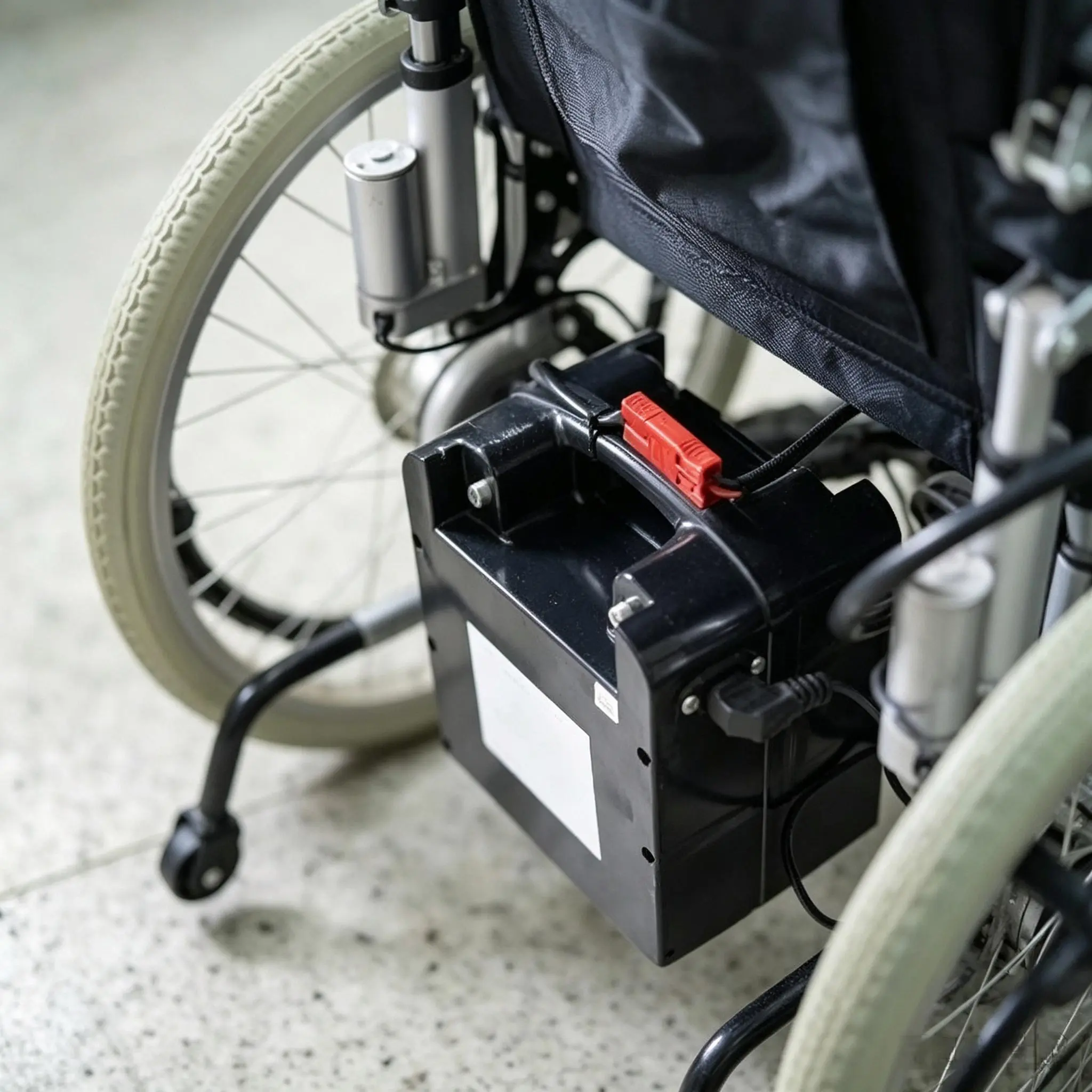
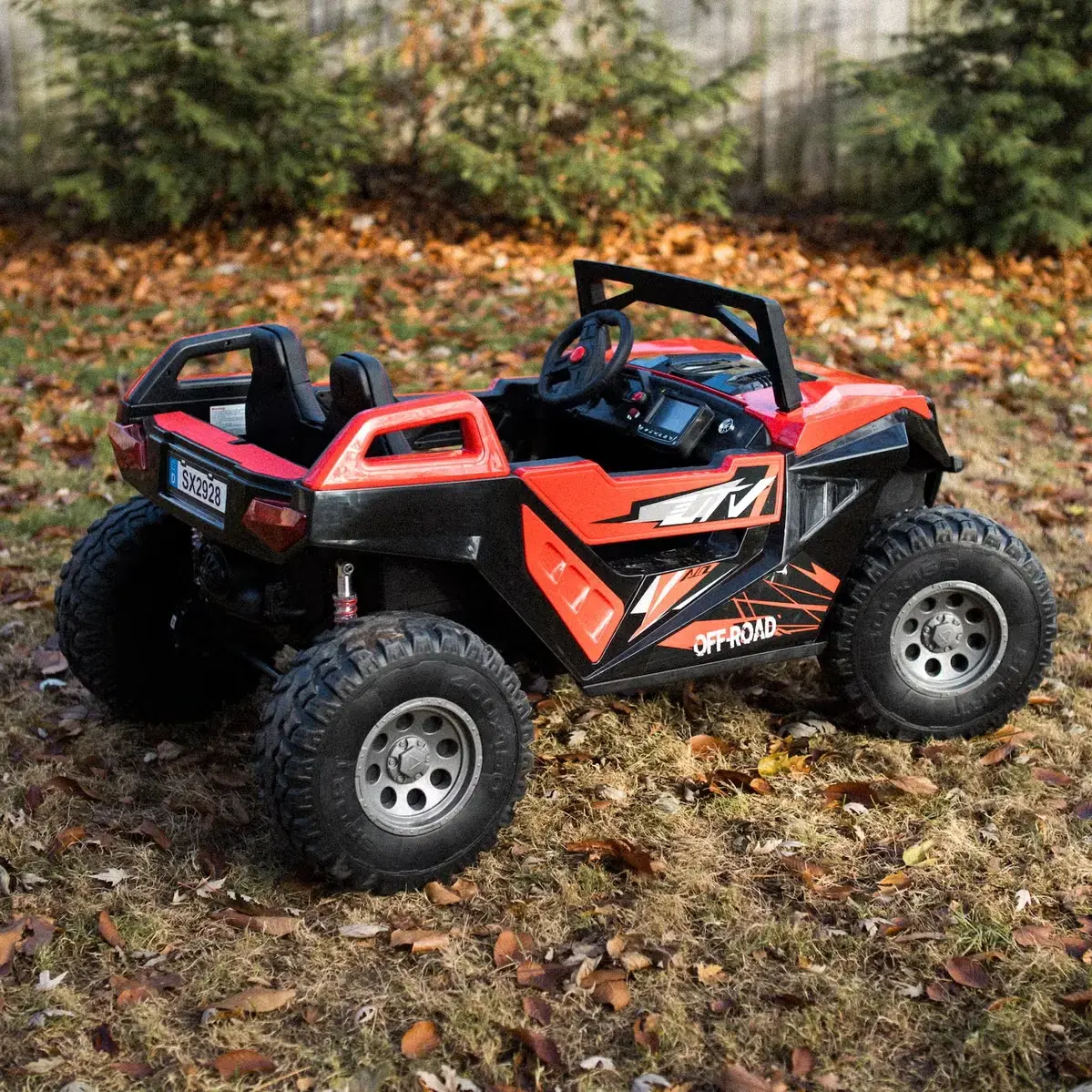
- Electric Vehicles: Electric forklifts, golf carts, and light electric vehicles rely on high-voltage (48V/60V/72V) battery packs to provide sufficient power for motor operation.
- Solar Off-Grid Systems: High-voltage battery packs in solar systems reduce the current in the circuit, minimizing energy loss during transmission and reducing the cost of high-current cables.
Scenario 2: When to Use Parallel Connection? (High-Current Requirements)
Parallel connection is ideal when your project needs high current while maintaining a low-voltage platform (to ensure safety and compatibility with low-voltage devices). Common application scenarios include:
- 12V RV Power Systems: RVs use 12V low-voltage systems for lighting, refrigerators, and small appliances. Parallel battery packs increase total current to support simultaneous operation of multiple devices.
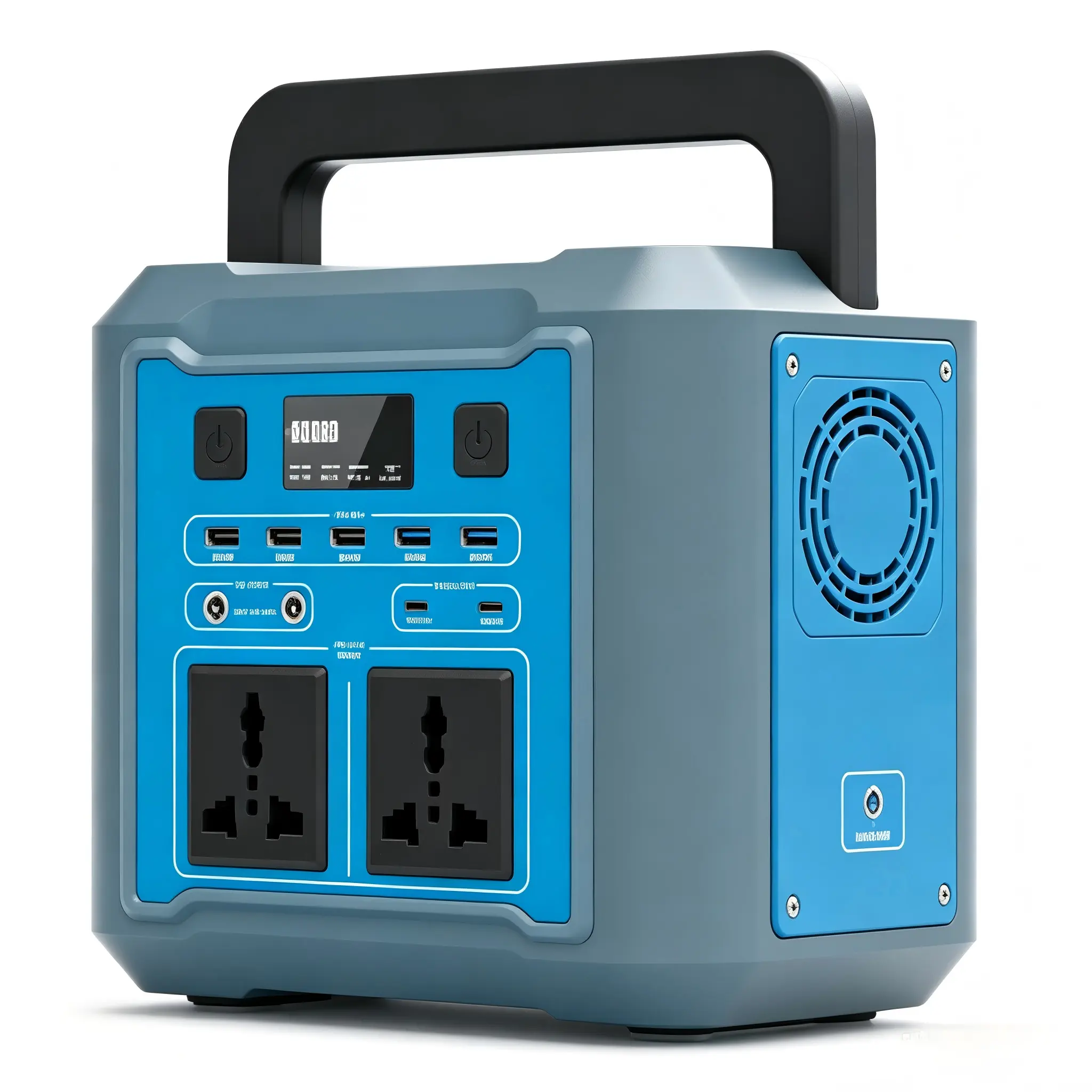
- Portable Power Stations: Small portable power stations (12V/24V) use parallel connections to boost current, ensuring stable power supply for high-power tools (e.g., 12V air compressors).
- DIY Small Electric Devices: Hobbyist projects like small electric boats or DIY generators often use low-voltage parallel connections to meet high-current drive needs without increasing voltage (reducing circuit complexity).
Key Guide: How to Choose BMS for Series & Parallel Connections?
The most critical rule for BMS selection is: BMS specifications must match the total parameters of the connected battery pack. Below, we use real customer cases (4 sets of 4S 12V 100A battery packs) to explain the selection method for both connection types.
Case 1: BMS Selection for Series Connection (4 sets of 4S 12V 100A in series)
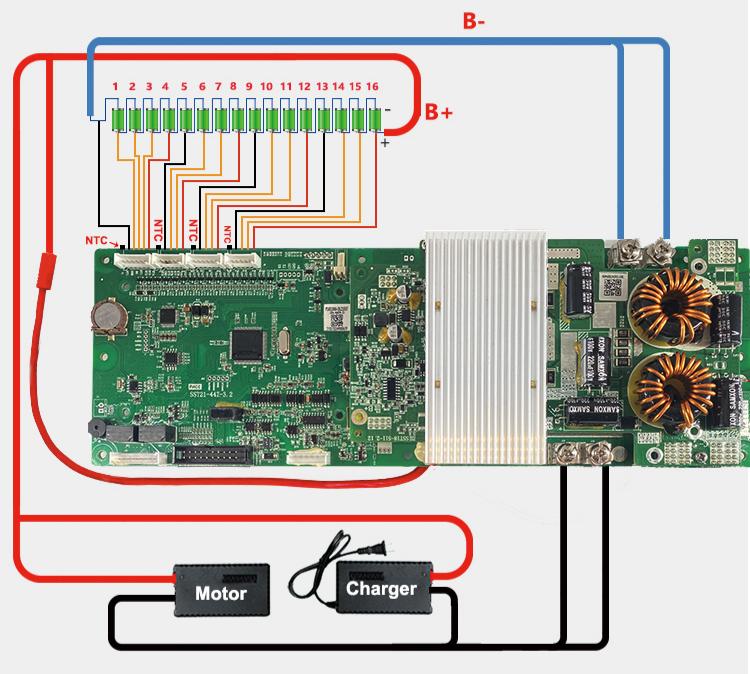
Question from customer: When connecting 4 sets of 4S 12V 100A batteries in series, should I use one 16S 48V 100A BMS or four 4S 12V 100A BMS (one per pack)?
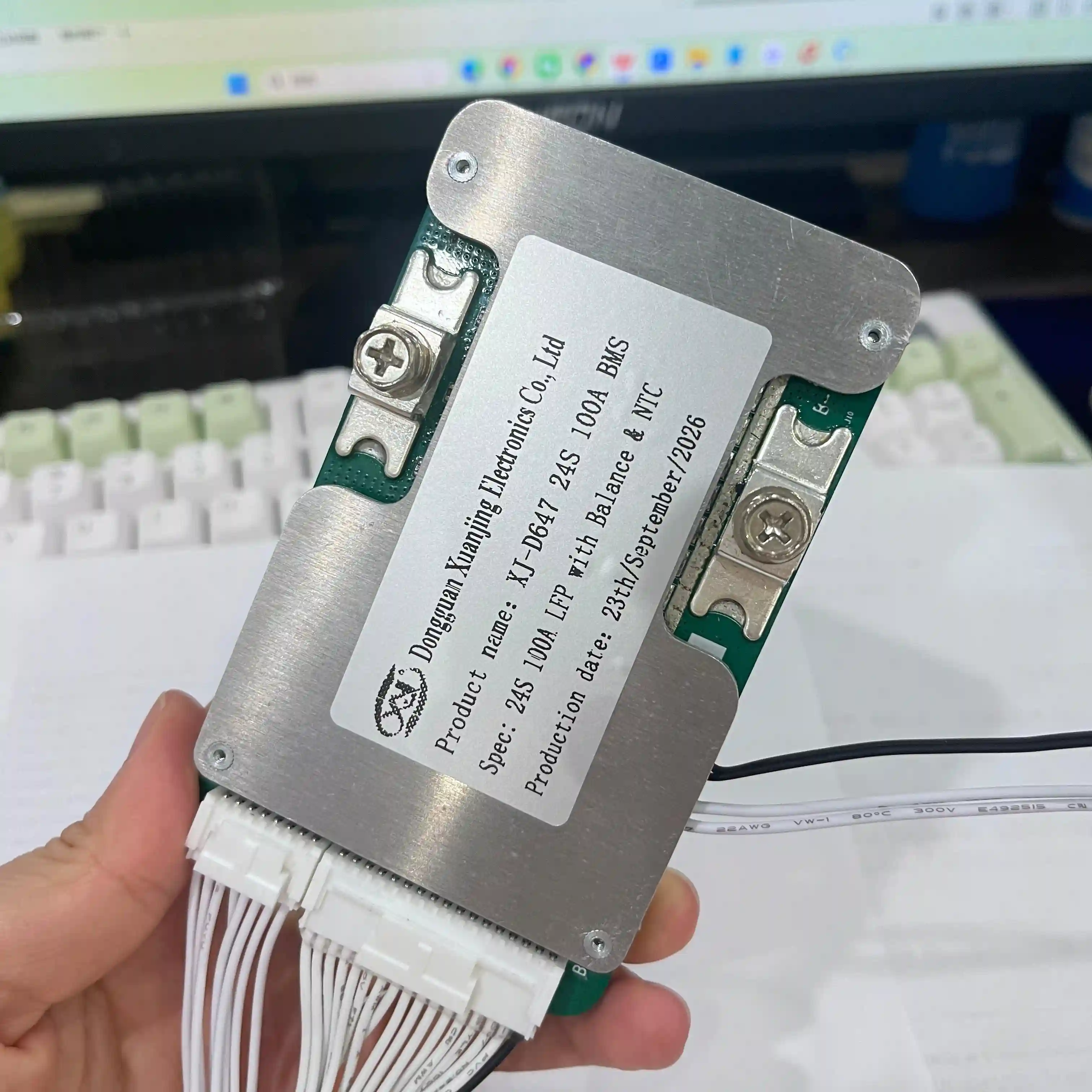
Answer: Must use one integrated 16S 48V 100A BMS (only correct option)
Why single-pack BMS in series is invalid?
- Protection logic conflict: Each 4S BMS only monitors its own 4 cells. If one pack is overcharged/overdischarged, its BMS will cut off the circuit, breaking the entire series loop and causing sudden power failure.
- Safety risks: If one BMS malfunctions (fails to cut off), other BMS cannot intervene, leading to overcharging/overdischarging of that pack (bulging, fire, or chain reactions).
Correct BMS specifications for series connection:
- Cell count (S): Match the total number of series cells → 4S × 4 = 16S.
- Voltage: Match the total voltage → 12V × 4 = 48V (full charge 58.8V).
- Current: Match the single-pack current (series current is consistent) → 100A (continuous discharge current ≥ 100A).
Key reminder: Choose a BMS with active balancing function for series connections. This function balances the voltage of all 16 cells, extending battery life by 30% and avoiding premature failure due to cell imbalance.
Case 2: BMS Selection for Parallel Connection (4 sets of 4S 12V 100A in parallel)
Question from customer: When connecting 4 sets of 4S 12V 100A batteries in parallel, should I use one 4S 12V 400A BMS or four 4S 12V 100A BMS (one per pack)?
Answer: Recommend four 4S 12V 100A BMS (one per pack) → safe and reliable
Why a single 400A BMS is not recommended?
- No single-pack protection: A single 400A BMS only monitors total current/voltage. If one pack has internal faults (short circuit, overcurrent), the BMS cannot cut off that pack individually, leading to chain damage to other normal packs.
- High cost and wiring difficulty: 400A high-current BMS is much more expensive than four 100A BMS. It also requires thicker cables (increasing cost) and has higher requirements for wiring (risk of overheating if not properly wired).
Correct BMS specifications for parallel connection:
- Cell count (S): Match the single-pack cell count (parallel voltage is consistent) → 4S.
- Voltage: Match the single-pack voltage → 12V.
- Current: Match the single-pack current → 100A per BMS (one BMS per pack).
Key reminder: All BMS for parallel connection must be the same brand, model, and batch to ensure consistent protection parameters (overcharge/overdischarge voltage, overcurrent threshold), avoiding current imbalance between packs.
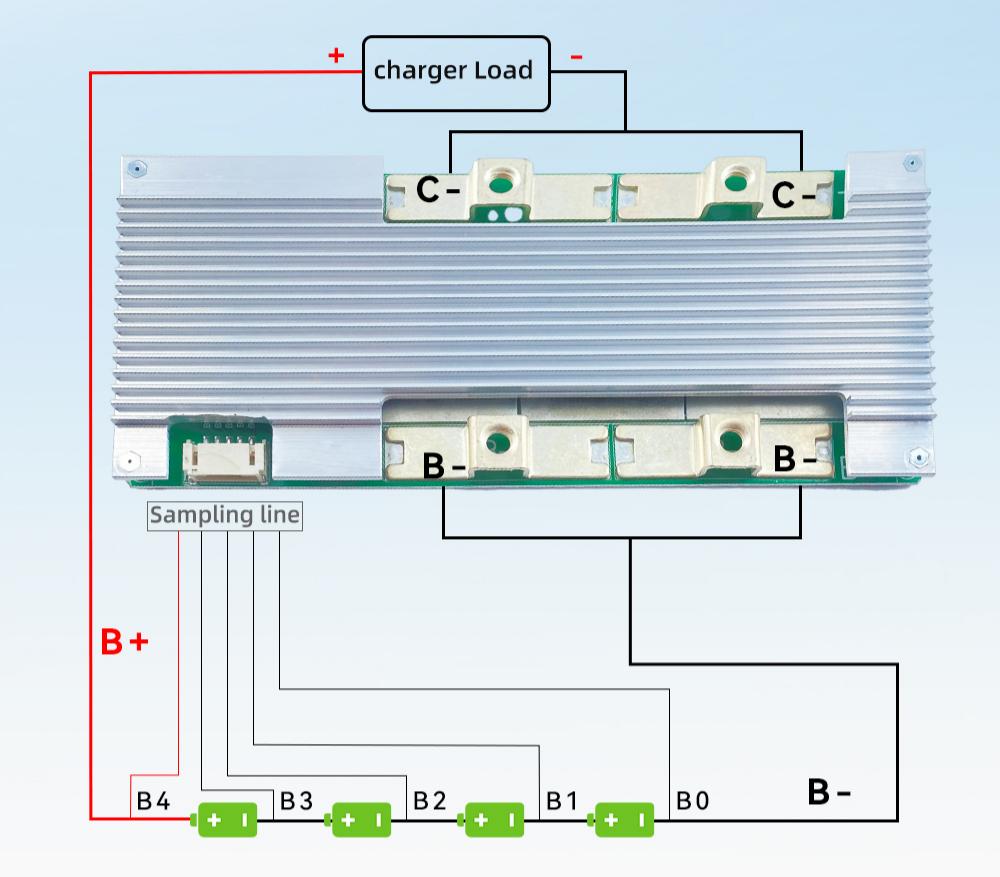
Our BMS Product Note
All our BMS products are fully compatible with battery series connections (supporting various cell counts such as 4S, 8S, 16S, etc., and voltage platforms like 12V, 24V, 48V). If your project requires battery parallel connection, please contact our technical team for customized solutions—parallel connections have higher requirements for BMS consistency and wiring, and professional guidance is necessary to ensure safety.
Final Summary
1. Series connection = high voltage, same current → for energy storage, electric vehicles, solar systems.
2. Parallel connection = same voltage, high current → for RVs, portable power stations, DIY small devices.
3. Series BMS: Choose integrated BMS matching total cell count (S) and total voltage.
4. Parallel BMS: Choose single-pack BMS (one per pack) with consistent parameters.
4. Our BMS supports series connections; parallel connections require professional consultation.
If you have more questions about battery connection or BMS selection, feel free to meaasge or contact us directly. Our professional technical team will provide you with tailored solutions!