



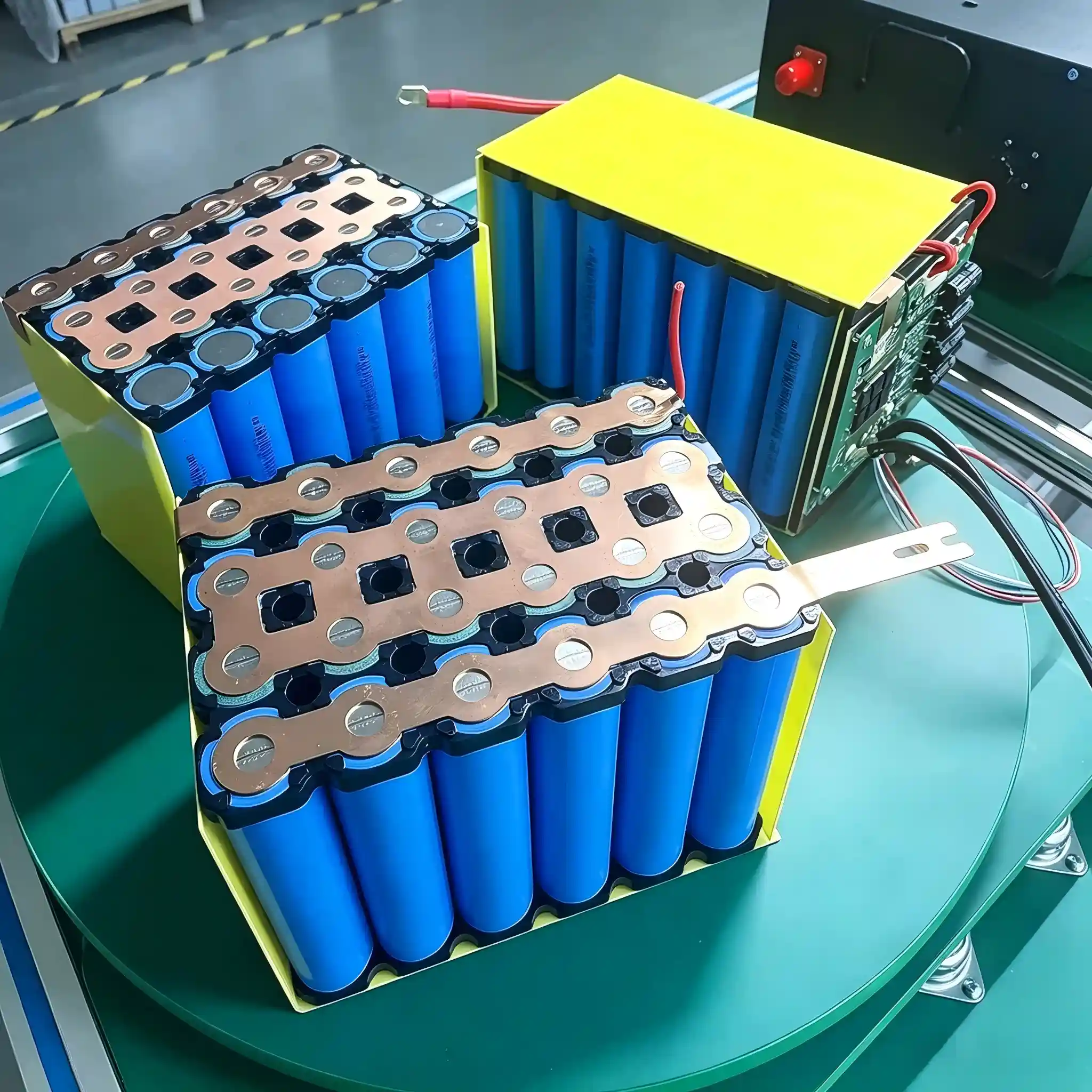

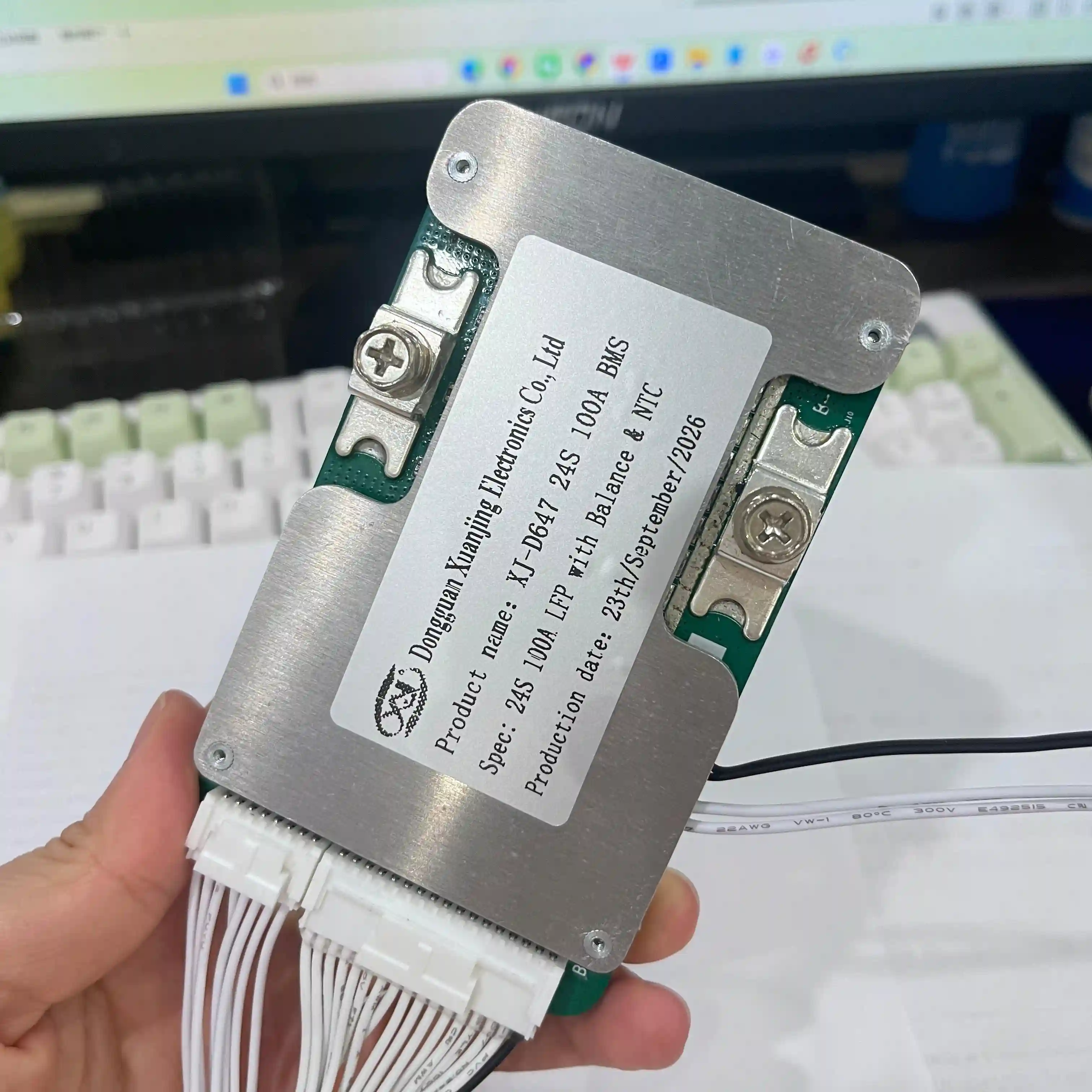


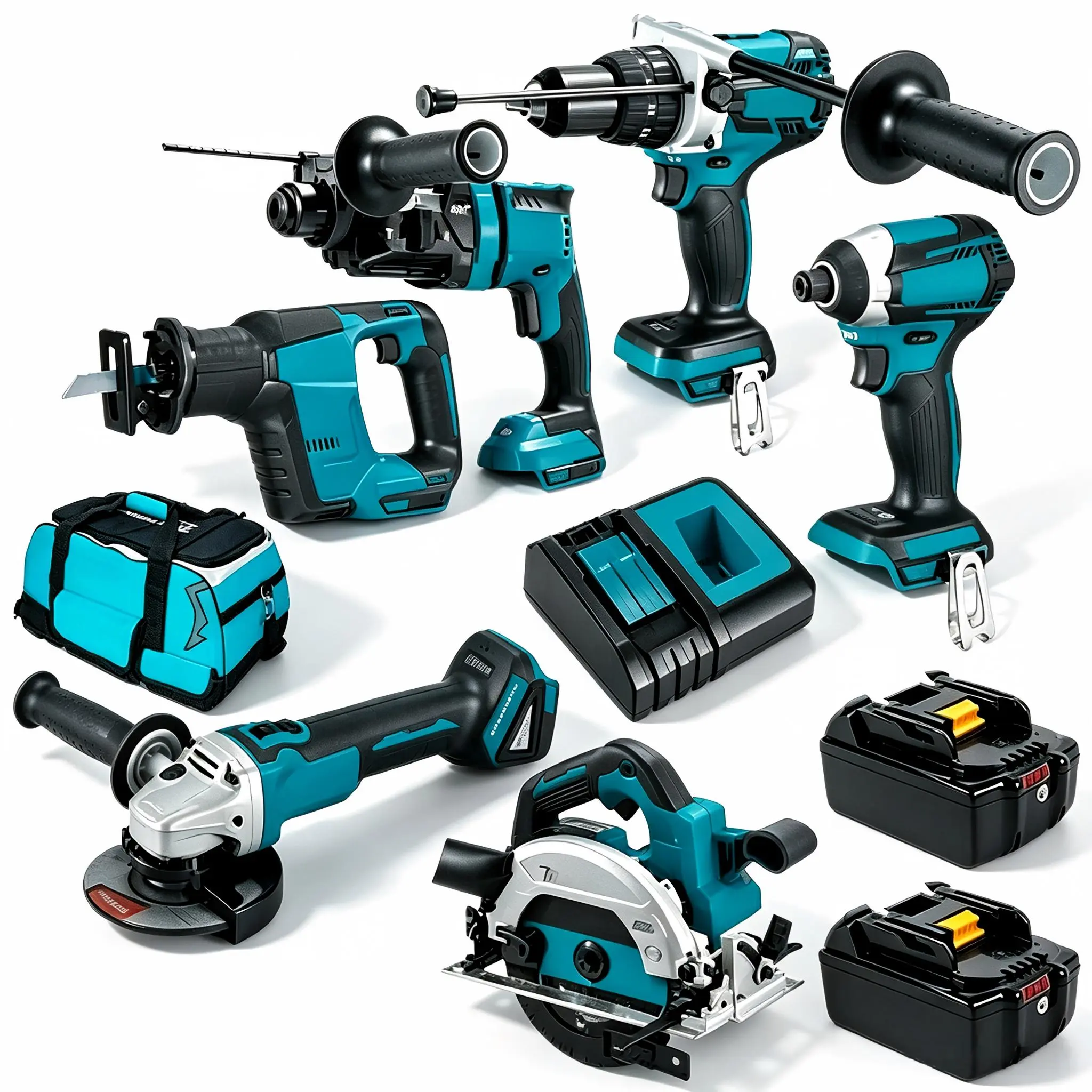
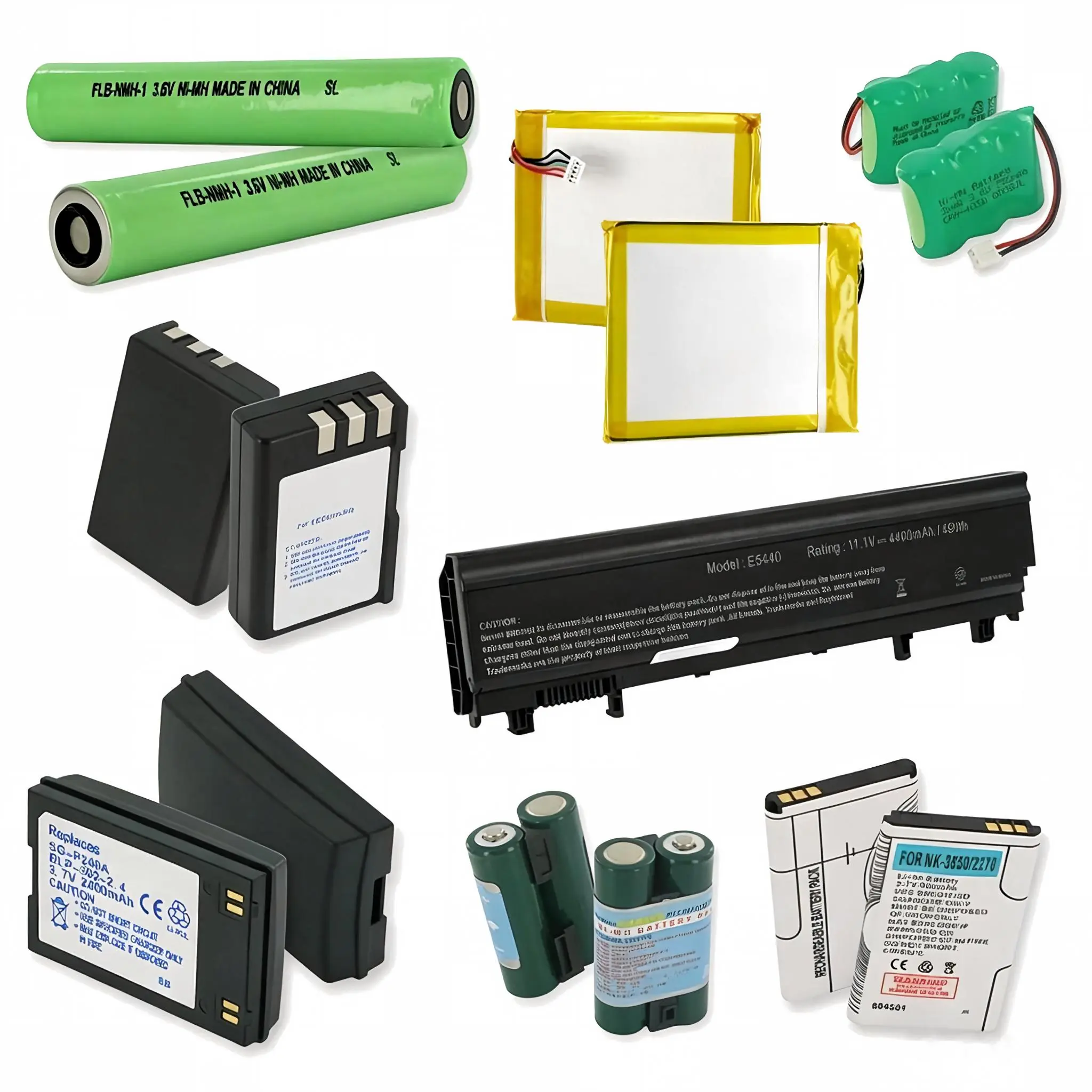
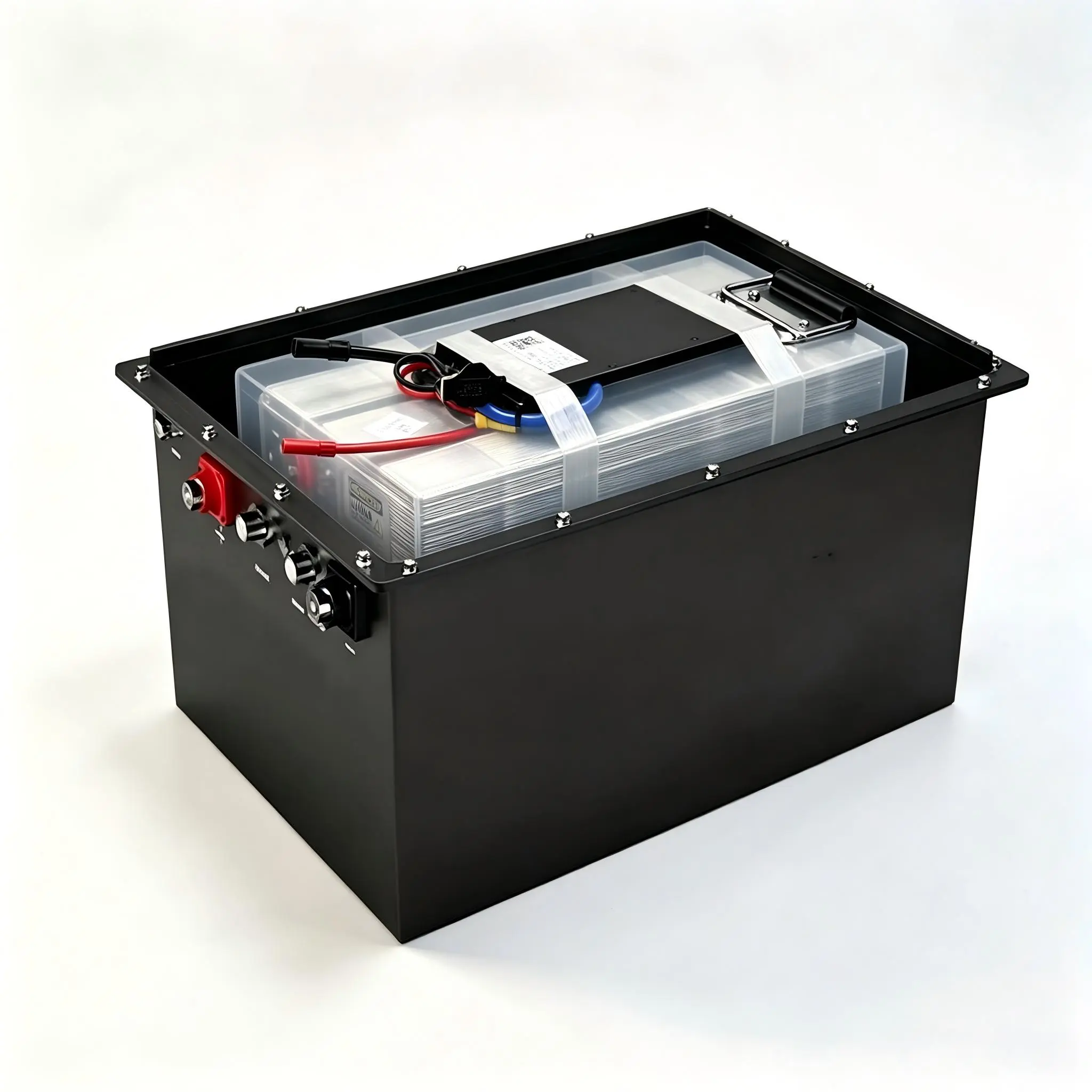
When designing or building a lithium battery pack — whether for electric vehicles, energy storage, or portable electronics — one of the most common questions is:
“Do I need a Battery Protection Board or a Battery Management System (BMS)? And what’s the difference?”
Although both are related to battery safety, their functions, sophistication, and use cases vary significantly. Understanding this difference will help you choose the right solution for your application.
What Is a Battery Protection Board?
A Battery Protection Board (often called a Protection Circuit Module) is a basic safety device designed to protect a battery pack from unsafe electrical conditions. Its primary job is to prevent damage by reacting to specific triggers.
Core Protection Functions:
-
Overcharge protection — Stops charging when voltage exceeds safe limits
-
Over-discharge protection — Prevents the battery from dropping below a damaging voltage
-
Short-circuit protection — Cuts off current if a short occurs
-
Current limiting — Restricts excessive current that may cause heat or damage
-
(Sometimes) basic thermal monitoring — Shuts down if temperature is dangerously high
These boards are usually simple, low-cost, and ideal for small battery packs or basic applications where only fundamental protection is needed — such as single-cell or small multi-cell packs in consumer electronics.
However, protection boards do not manage battery performance over time, nor do they provide deep insight into battery conditions beyond basic safety triggers.

What Is a Battery Management System (BMS)?
A Battery Management System (BMS) is a more advanced and intelligent solution that goes well beyond simple protection. Think of it as the “brain” of the battery pack.
Typical BMS Functions:
-
Cell balancing — Ensures all cells charge and discharge evenly
-
State of Charge (SOC) estimation — Calculates remaining capacity
-
State of Health (SOH) monitoring — Tracks battery condition over time
-
Thermal management — Maintains safe operating temperatures
-
Communication interfaces — CAN, RS485, Bluetooth, etc., for integration and monitoring
-
Fault diagnosis and logging — Detects issues and reports them or takes corrective action
In addition to protecting the battery from electrical faults, a BMS optimizes performance, extends lifespan, and provides real-time data and control to the system it supports.

Key Differences at a Glance
| Feature | Protection Board | Battery Management System (BMS) |
|---|---|---|
| Basic Safety Protection | ✅ | ✅ |
| Cell Balancing | ❌ | ✅ |
| SOC / SOH Monitoring | ❌ | ✅ |
| Temperature Management | ⚠ (basic) | ✅ (advanced) |
| Communication & Diagnostics | ❌ | ✅ |
| Performance Optimization | ❌ | ✅ |
| Application Scope | Small packs / simple systems | Complex packs (EV, energy storage, industrial) |
When Is Each One Appropriate?
-
Use a Battery Protection Board
When your application is simple, low energy, and does not require advanced tracking or balancing, such as in small consumer devices or basic battery packs.

-
Choose a BMS
When your system has multiple cells, needs long life, requires high reliability, includes communication/monitoring, or when safety is critical — such as in electric motorcycles, e-bikes, energy storage systems, or industrial batteries.

Why Understanding the Difference Matters
Confusing protection boards with BMS units is common, especially in online marketplaces where the term “BMS” is used loosely. The truth is, many low-cost boards labeled as “BMS” actually function only as basic protection circuits. In contrast, a true BMS provides both protection and intelligent management — significantly improving safety, performance, and battery lifespan.
For designers, engineers, and integrators, choosing the right solution can mean the difference between a safe, reliable system and one that fails prematurely or behaves unpredictably.
Final Thoughts
Both Battery Protection Boards and Battery Management Systems are essential components in battery technology — but they are not the same. Protection boards provide fundamental safety, while BMS solutions bring full monitoring, control, and optimization to modern battery systems.
Selecting the correct solution depends on your application’s complexity and performance requirements. Understanding this difference is a critical step toward building safer, longer-lasting battery systems.