


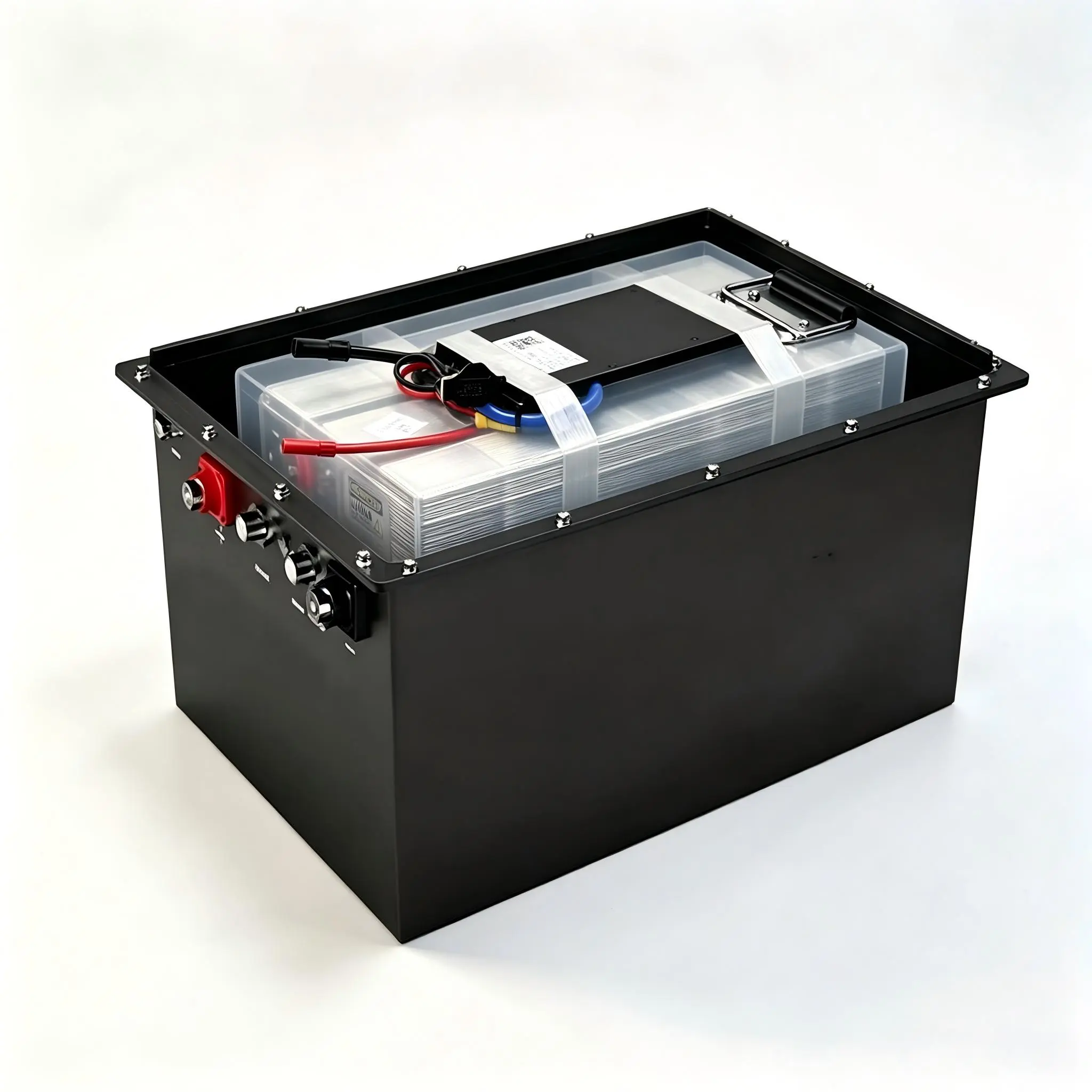
Battery Protection Board Selection Guide: Current Ratings, Cell Configurations & Matching Tips for Electric Equipment
When it comes to choosing a reliable battery protection board (BMS) for your electric devices, confusion often arises around key specs:What do 60A/100A/200A/300A continuous current ratings mean? How do 4S, 8S cell configurations affect compatibility? Does the BMS impact device speed, range, or waterproofing?
As a professional BMS manufacturer, XJBMS is here to break down these technical jargon into simple terms, and provide a clear selection guide for electric vehicles, golf carts, forklifts, and more.
What Do 60A/100A/200A/300A Continuous Working Current Ratings Mean?
Continuous working current is the maximum current a battery protection board can stably carry for a long time without overheating or triggering protection. Think of it as the "width of the energy transmission lane" — the wider the lane, the more energy can pass through at once to power your device.
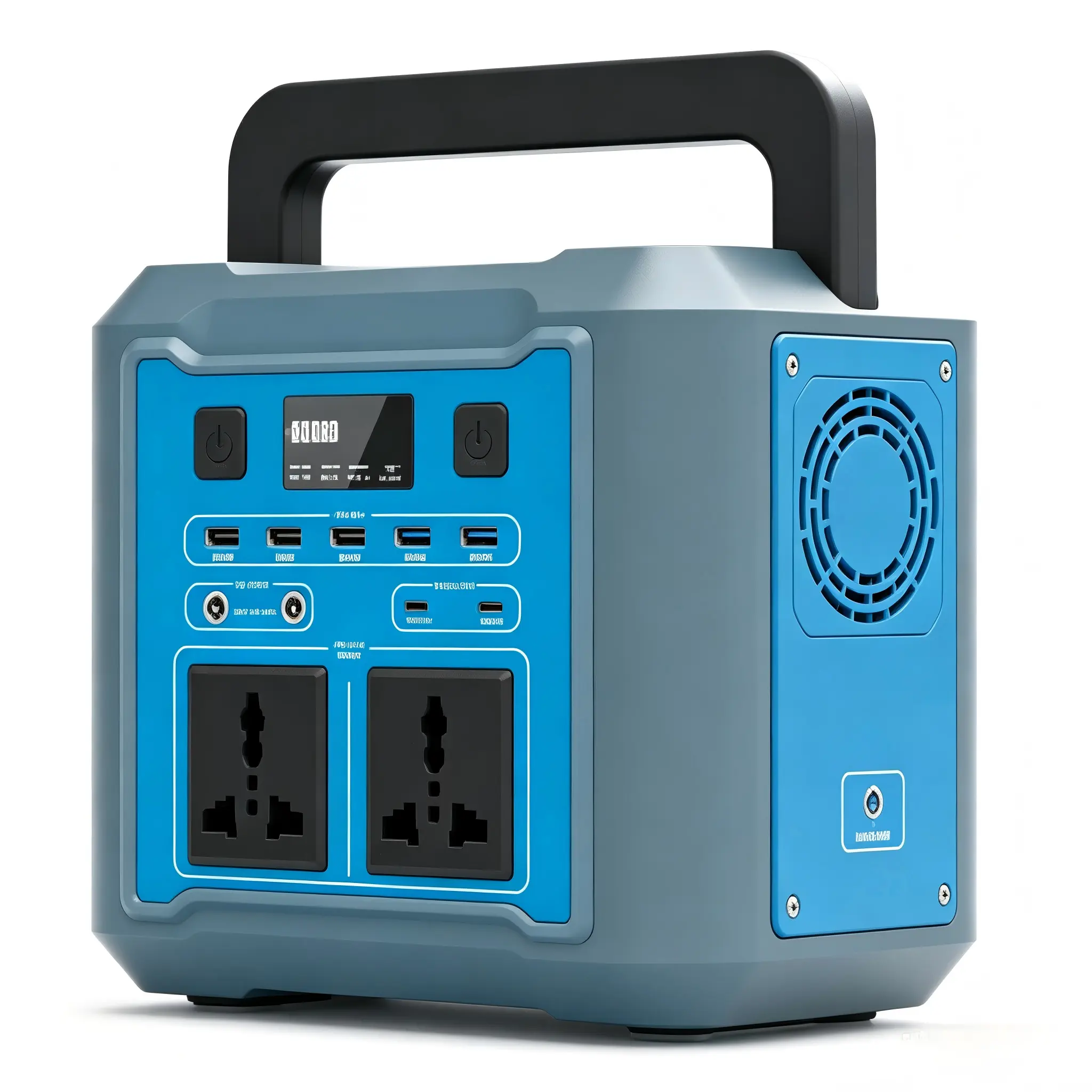
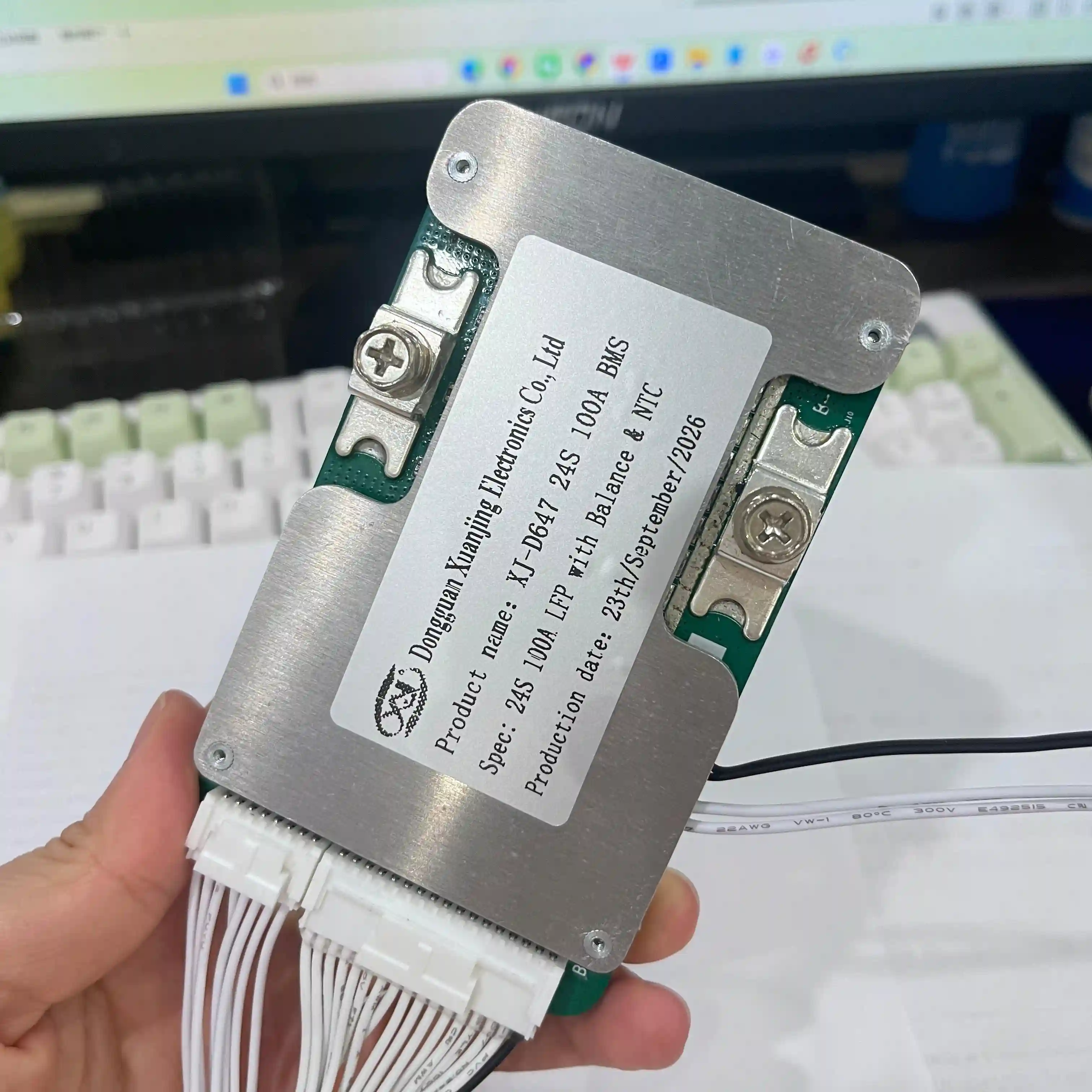
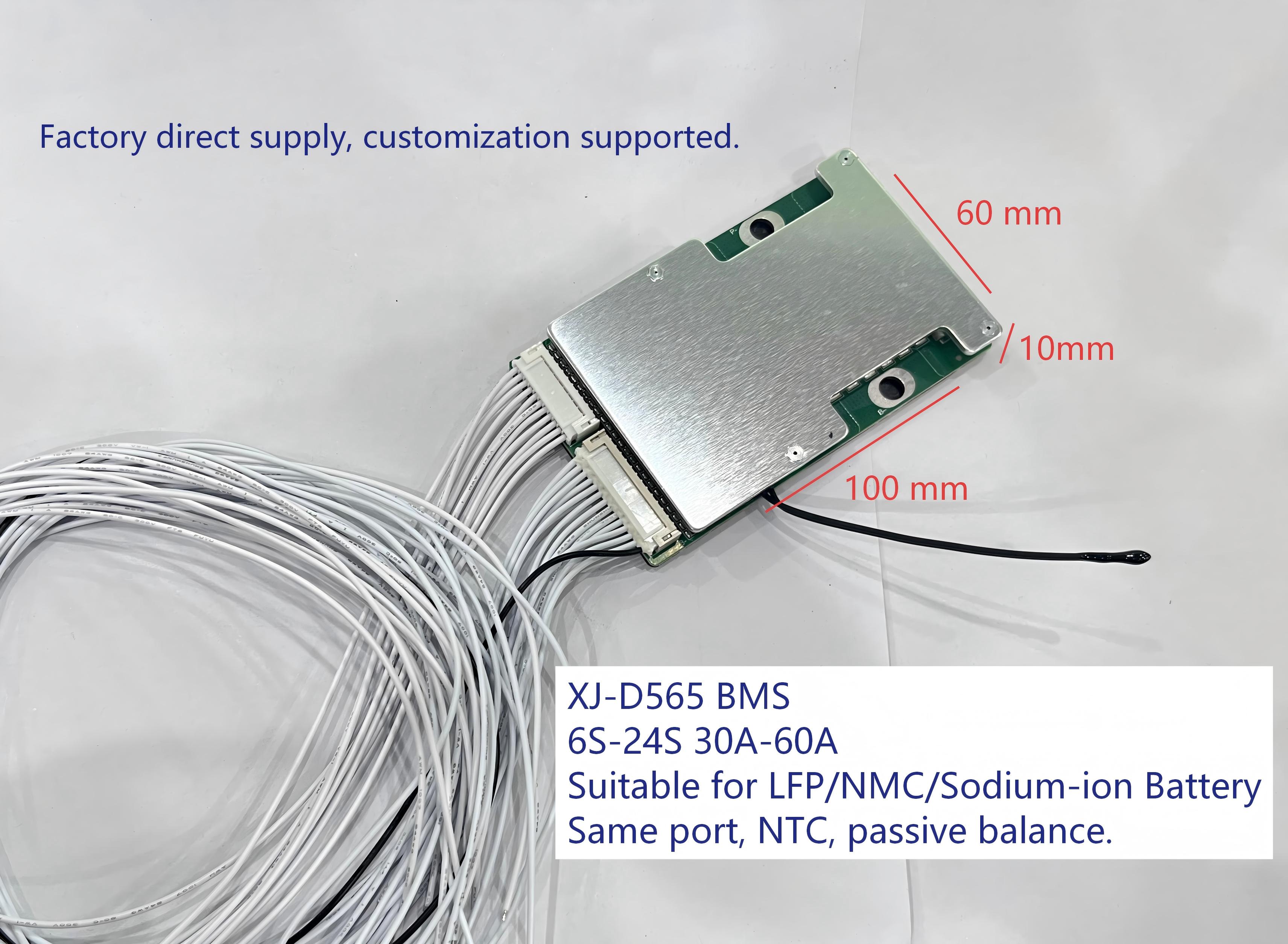
- 60A: Ideal for medium-low power devices. Suitable for electric scooters, balance bikes, portable energy storage (≤2000W), and small AGVs (load <300kg). It can handle the steady energy demand of daily commuting or light industrial use. (XJ-D565, 6S-24S 30A-60A)
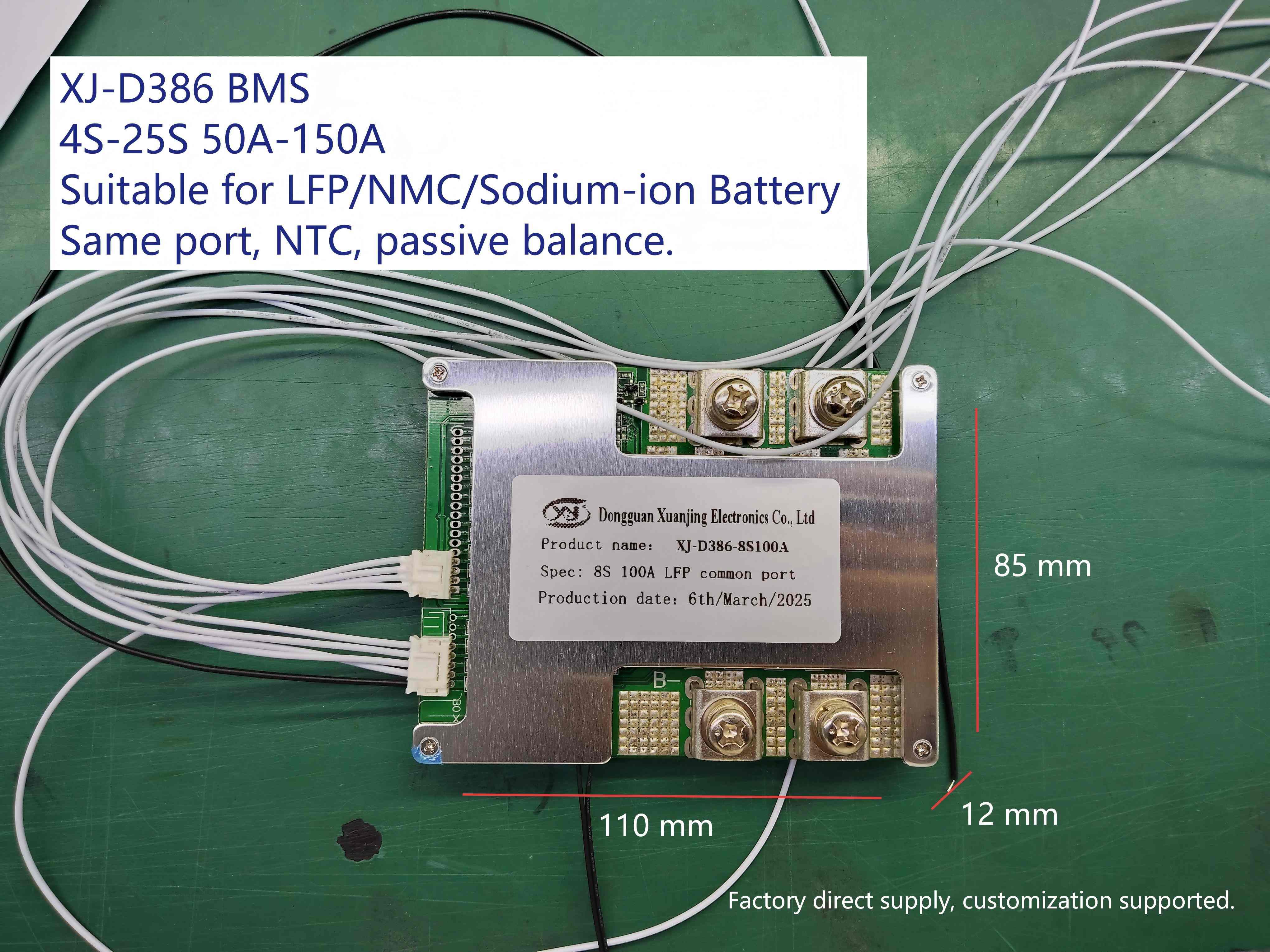
- 100A: Perfect for high-power consumer & light industrial equipment. Fits mid-size electric motorcycles, golf carts, and electric garden tools (e.g., 48V lawn mowers). It supports occasional peak loads like climbing hills or carrying light cargo. (XJ-D386, 4S-25S 50A-150A)
- 200A: Designed for heavy-duty industrial devices. Matches mini electric forklifts (load <500kg), large AGVs, and high-power off-grid inverters (≥5000W). It delivers stable power for continuous heavy-load operations. (XJ-F002A, 4S-20S 150A-250A)
- 300A: Tailored for extreme high-power scenarios. Used in heavy forklifts, construction site electric vehicles, and large-scale energy storage systems. It requires advanced heat dissipation design to handle long-term high-current operation. (XJ-D038V3, 4S-20S 150A-300A)
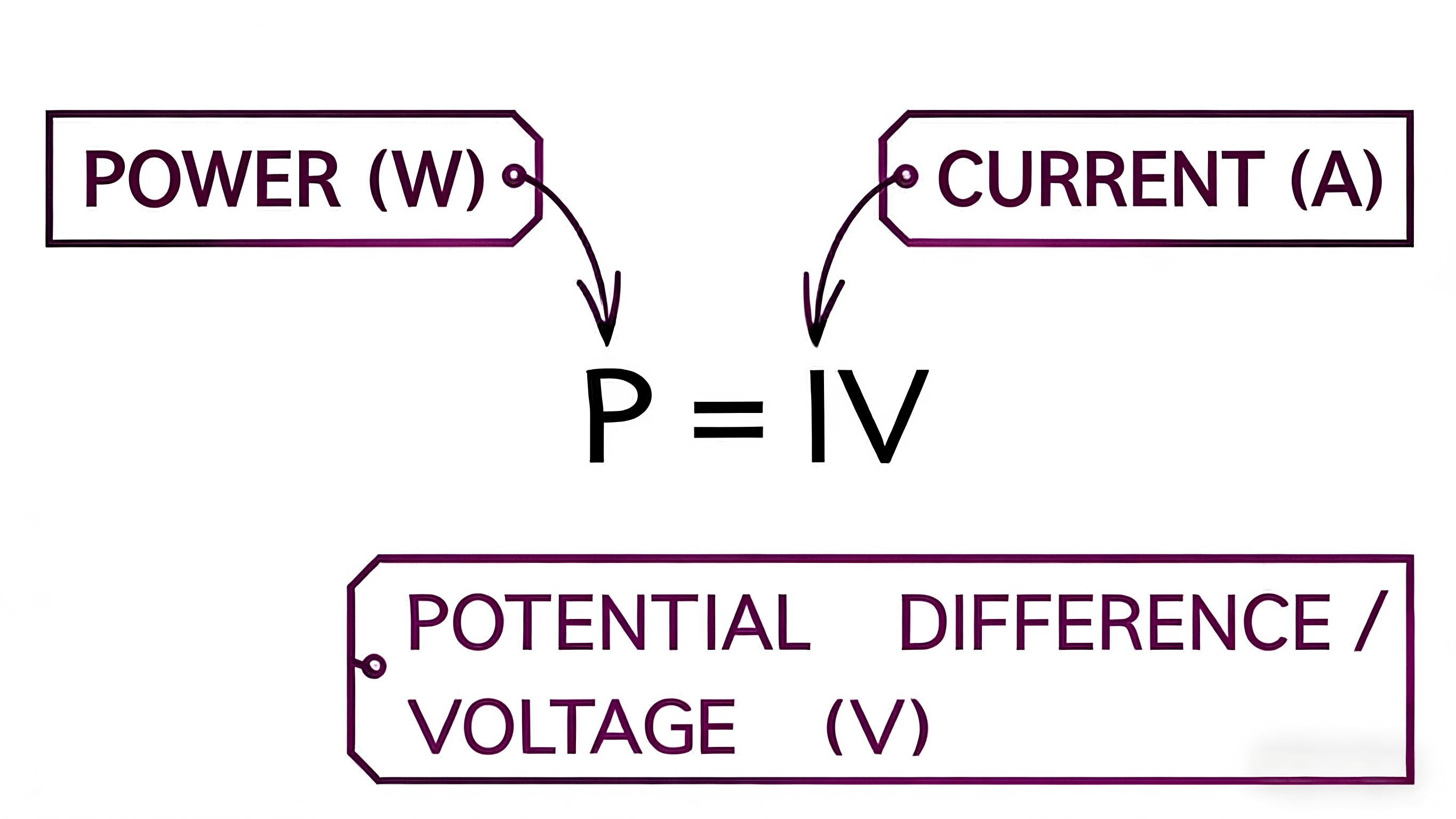
Key Formula for Reference: Power (P) = Voltage (U) × Current (I). A higher current rating allows the battery to output more power, but only if the voltage matches the device’s requirement.
What’s the Relationship Between 4S, 8S, and Other Cell Configurations?
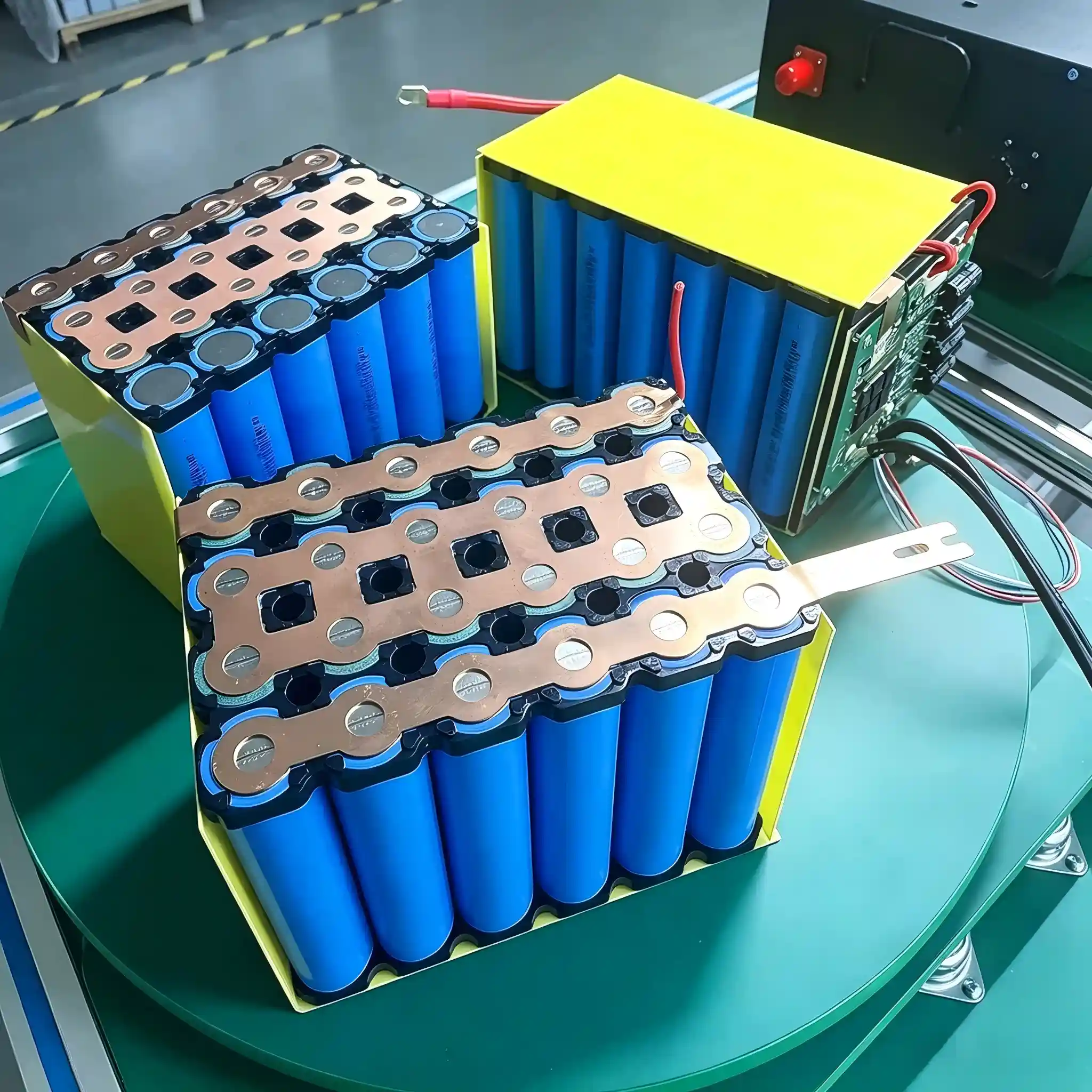
The "S" in battery specs stands for series connection of battery cells — the core factor that determines the battery pack’s total voltage.
- 1S = 1 single battery cell (e.g., 3.2V for LiFePO4, 3.7V for NMC cells).
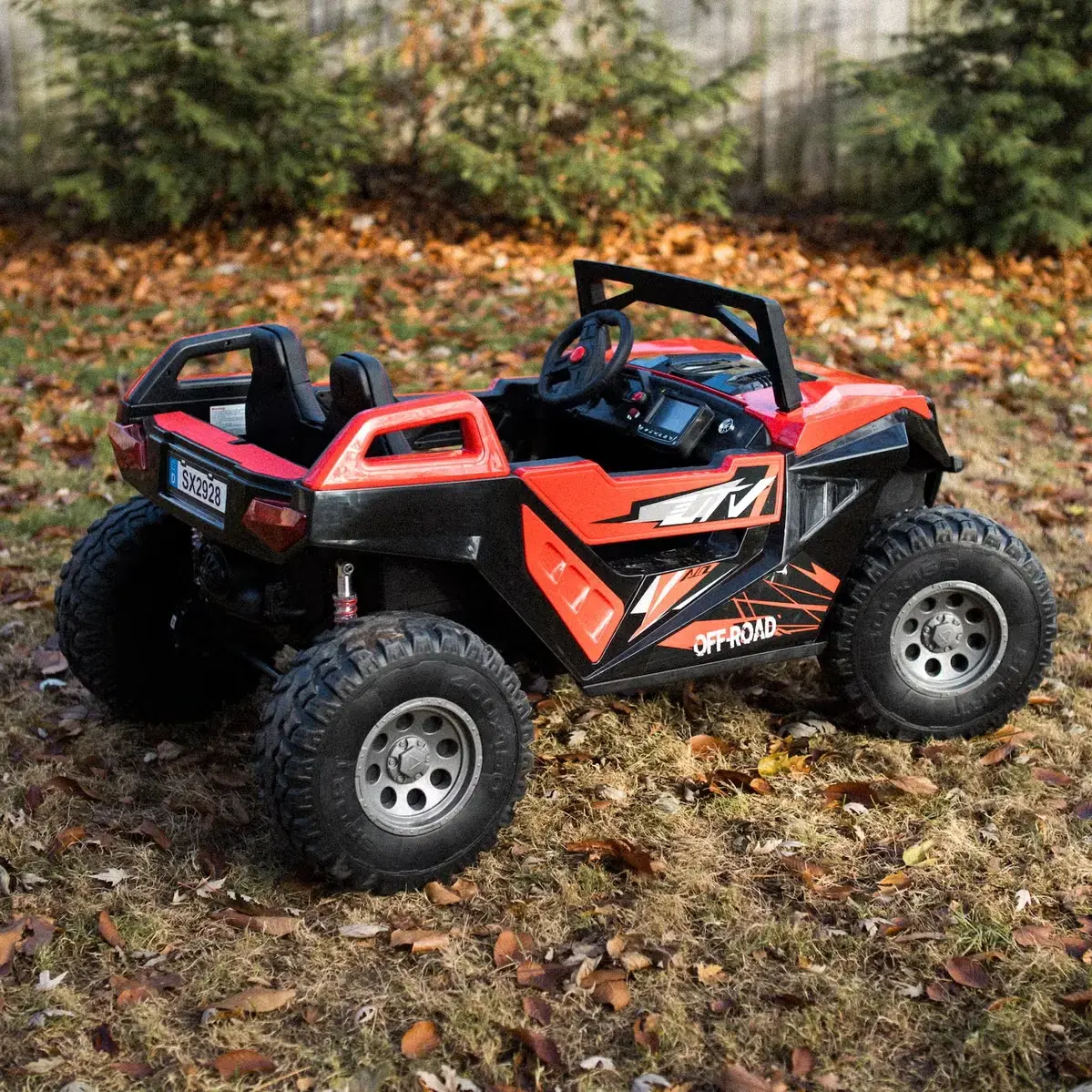
- 4S = 4 cells in series: Total voltage = 4 × 3.2V = 12.8V (LiFePO4) or 4 × 3.7V = 14.8V (NMC). Suitable for small electric tools and kids’ electric cars.
- 8S = 8 cells in series: Total voltage = 8 × 3.2V = 25.6V (LiFePO4) or 8 × 3.7V = 29.6V (NMC). Fits mid-size electric scooters and portable energy storage.
Critical Rule: The BMS’s series configuration must exactly match the battery pack’s S count. Using a 4s Bms with an 8S battery pack will cause immediate overvoltage protection or even permanent damage to the BMS and battery.
Clarify the Misconception: What a Battery Protection Board Can and Cannot Do
Many customers ask: Will a better BMS make my electric scooter faster or increase its range? Can the BMS make the device waterproof?
The answer is simple: A battery protection board only protects the battery pack — it does not affect device performance, waterproofing, speed, or range.
- What the BMS does: Prevents overcharging, over-discharging, overcurrent, short circuits, and overheating. It also balances cell voltages to extend battery life. It’s the "safety guard" of the battery.
- What determines speed, range, and waterproofing:
- Speed & power: Depends on the device’s motor power and battery pack’s total energy (capacity × voltage).
- Range: Relies on battery capacity (Ah) and device energy consumption (Wh/km).
- Waterproofing: Depends on the battery pack’s enclosure design and the device’s IP rating, not the BMS itself.
How to Select the Right BMS for Electric Vehicles, Golf Carts, and Forklifts?
The BMS selection is closely related to the device weight, load capacity, and working scenarios — heavier devices require higher current ratings to handle larger loads. Below is a targeted guide for common equipment:
1. Electric Vehicles (Scooters, Motorcycles)
- Key factors: Vehicle weight, motor power, and climbing needs.
- Selection tips:
- Lightweight scooters (≤50kg, 200W-500W motor): Choose 4S/8S 30A-60A BMS (e.g., XJ-D495: 6S-16S 10A-60A).
- Mid-size electric motorcycles (50kg-100kg, 800W-1500W motor): Opt for 13S/16S 100A BMS to support climbing and acceleration.
- XJBMS Recommendation: XJ-D565 (6S-24S 30A-60A) — compact size (100×60×10mm) for easy installation in tight battery compartments.
2. Golf Carts
- Key factors: Load capacity (usually 2-4 passengers, ~500kg total weight) and flat-road cruising demand.
- Selection tips:
- Standard 48V golf carts (16S LiFePO4 battery): Choose 16S 100A-200A BMS. The continuous current rating ensures stable power output during 4-6 hours of continuous use on the course.
- XJBMS Recommendation: XJ-D386 (4S-25S 50A-150A) — high current capacity with built-in temperature control for outdoor operation.
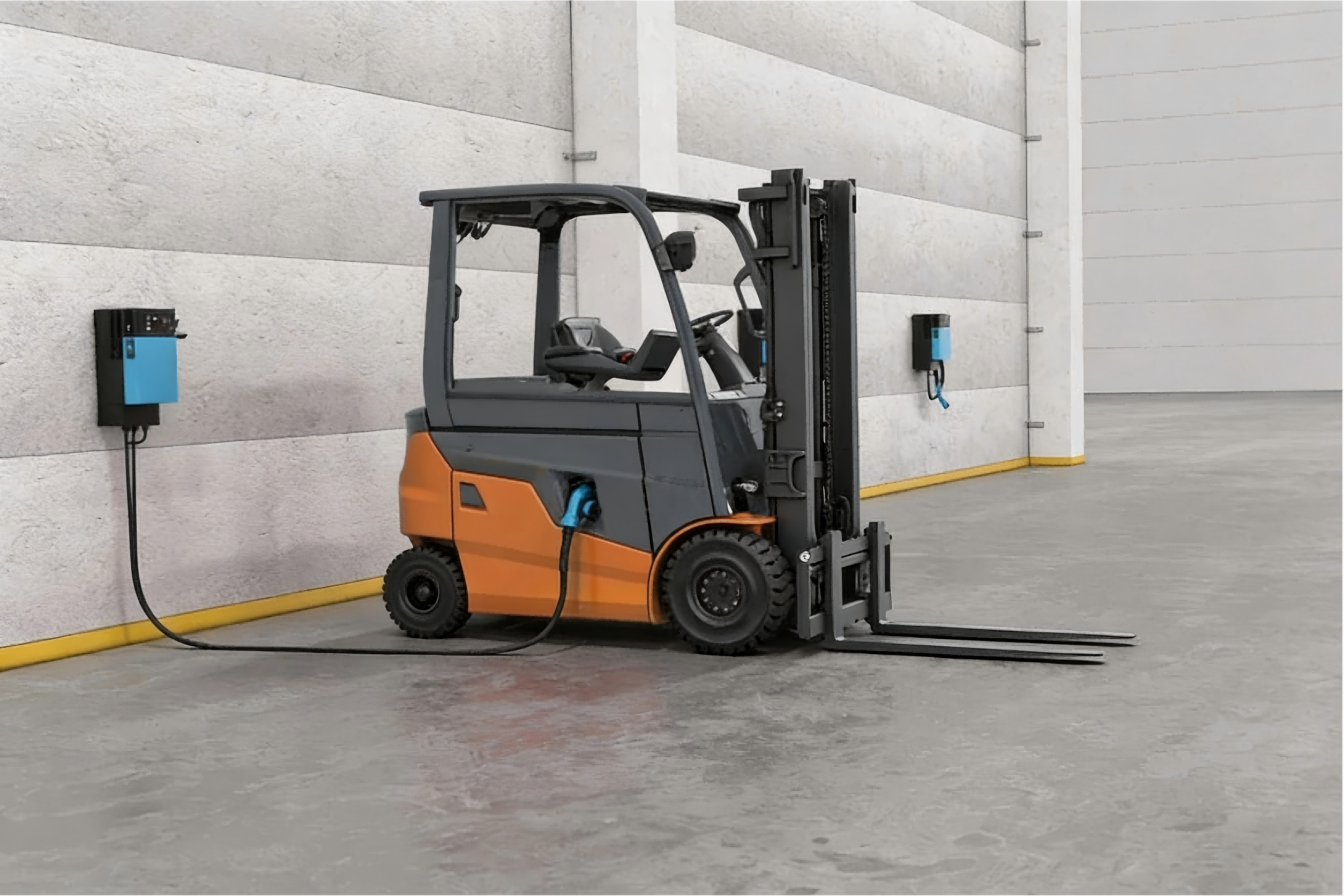
3. Electric Forklifts
- Key factors: Load capacity and working environment (warehouse, factory, outdoor).
- Selection tips:
- Mini forklifts (load <500kg): 20S/24S 200A BMS to handle lifting and moving heavy goods.
- Heavy forklifts (load >1000kg): 24S+ 300A BMS with enhanced heat dissipation design.
- Critical Note: Heavier devices mean higher energy consumption. The BMS current rating must be 20% higher than the device’s calculated working current to avoid frequent protection triggers.
Why Choose XJBMS Battery Protection Boards?
- Wide Compatibility: Supports LiFePO4, NMC, and Sodium-ion batteries, with series configurations from 4S to 25S and current ratings from 30A to 300A.
- Reliable Performance: All hardware BMS boards come with built-in cell balancing and temperature control, ensuring long-term stability without communication interfaces (cost-effective for non-smart systems).
- Compact Design: XJ-D565 model is only 100×60×10mm, easy to install in small battery packs for electric tools and scooters.
- Competitive Pricing: EXW factory prices start from $10.8 for XJ-D565 24S 30A. Bulk orders enjoy bigger discounts.
Contact Us for Customized Solutions
Whether you need a BMS for electric scooters, golf carts, forklifts, or energy storage systems, XJBMS has the right product for you. Our team is ready to provide one-on-one selection guidance based on your device specs.
Contact us anytime—for battery management system solution.