



Battery Protection Board Design Guide: Key Considerations for Different Battery Types
battery protection boards (PCM orBMS) are essential for ensuring the safety and longevity of various battery types. Different chemistries and applications require tailored protection strategies. In this guide, we’ll explore the design considerations for lithium batteries, their applications, and critical parameters for optimal performance.
1. Battery Types and Protection Requirements
| Battery Type | Voltage Range | Protection Focus | Typical Protection Solution |
| 3.0V–4.2V | Overcharge prevention (thermal runaway risk) | High-precision voltage IC (e.g., Seiko S-8261) | |
| 2.8V–4.2V | Overcharge + over-discharge protection | Balancing IC (e.g., TI BQ40Z80) | |
| 2.5V–3.65V | Over-discharge protection (wide voltage plateau) | Low-voltage IC (e.g., Fortune FS312F-G) | |
| 1.5V–2.7V | Custom low-voltage cutoff | Specialized IC (e.g., ABLIC S-8204) |

Key Takeaways:
- LCO/NMC: Require high-precision overcharge protection (±25mV tolerance).
- LFP: Focus on preventing over-discharge (damage below 2.5V).
- LTO: Needs custom low-voltage thresholds (standard ICs may not work).
2. Battery Form Factors and Protection Board Integration
| Battery Form | Integration Method | Example Application |
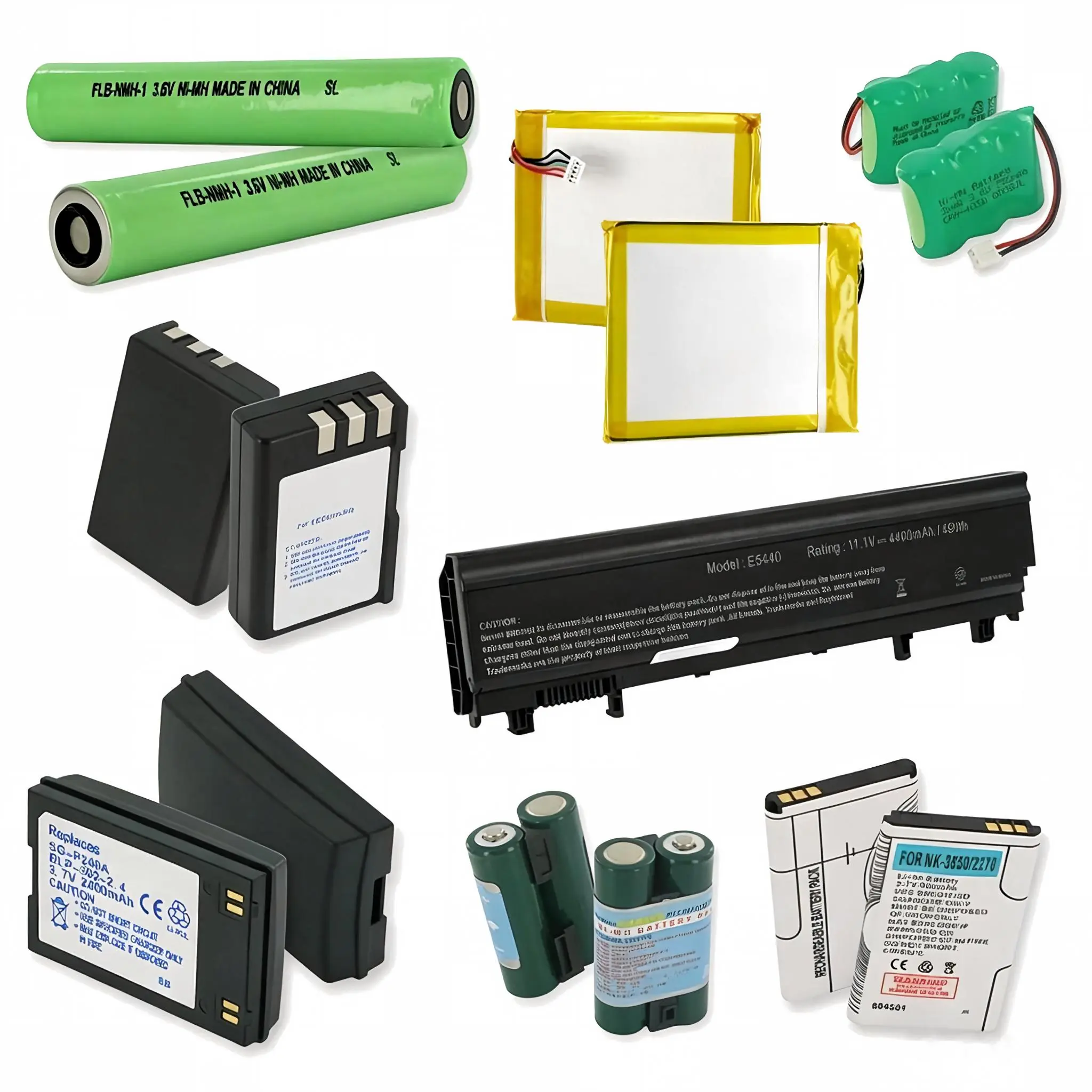
| Cylindrical Cells | SMD PCM soldered to negative terminal | 18650 batteries (1S1P configuration) |
| Prismatic Cells | Flexible PCB (FPC) attachment | EV batteries (multi-cell configurations) |
| Pouch Cells | External PCM + nickel tab welding | Smartphone batteries (DW01+8205 setup) |
3.Application-Specific Protection Board Requirements
A. Consumer Electronics
| Product | Battery Config | Key Requirements | Typical Solution |
| Bluetooth Earbuds | 1S1P (3.7V) | Ultra-compact, low self-discharge (<2μA) | Integrated IC (e.g., Ricoh R5470) |
| Smartphones | 1S1P (3.8V) | Fast-charge protection (9V/2A) | QC-compliant IC (e.g., Silergy CW1051) |
| Power Banks | 1S3P (11.1V) | Multi-cell balancing + high discharge (10A+) | 3S protection board (e.g., Sino Wealth SH367309) |
B. Power/Energy Storage Devices
| Product | Battery Config | Key Requirements | Typical Solution |
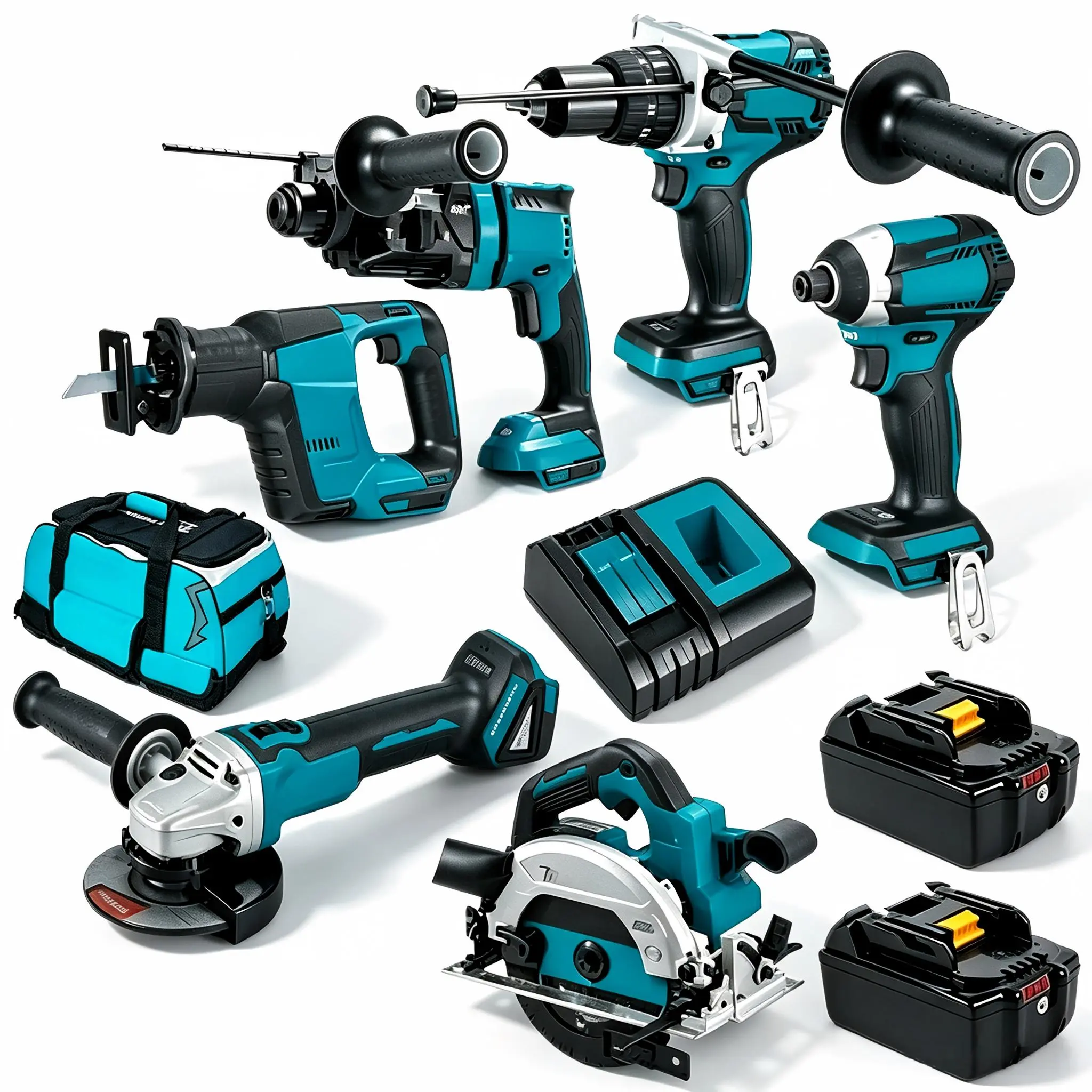
| Power Tools | 5S2P (18V) | Vibration resistance + high discharge (20A–30A) | Parallel MOSFETs (e.g., 4x 8205A) |
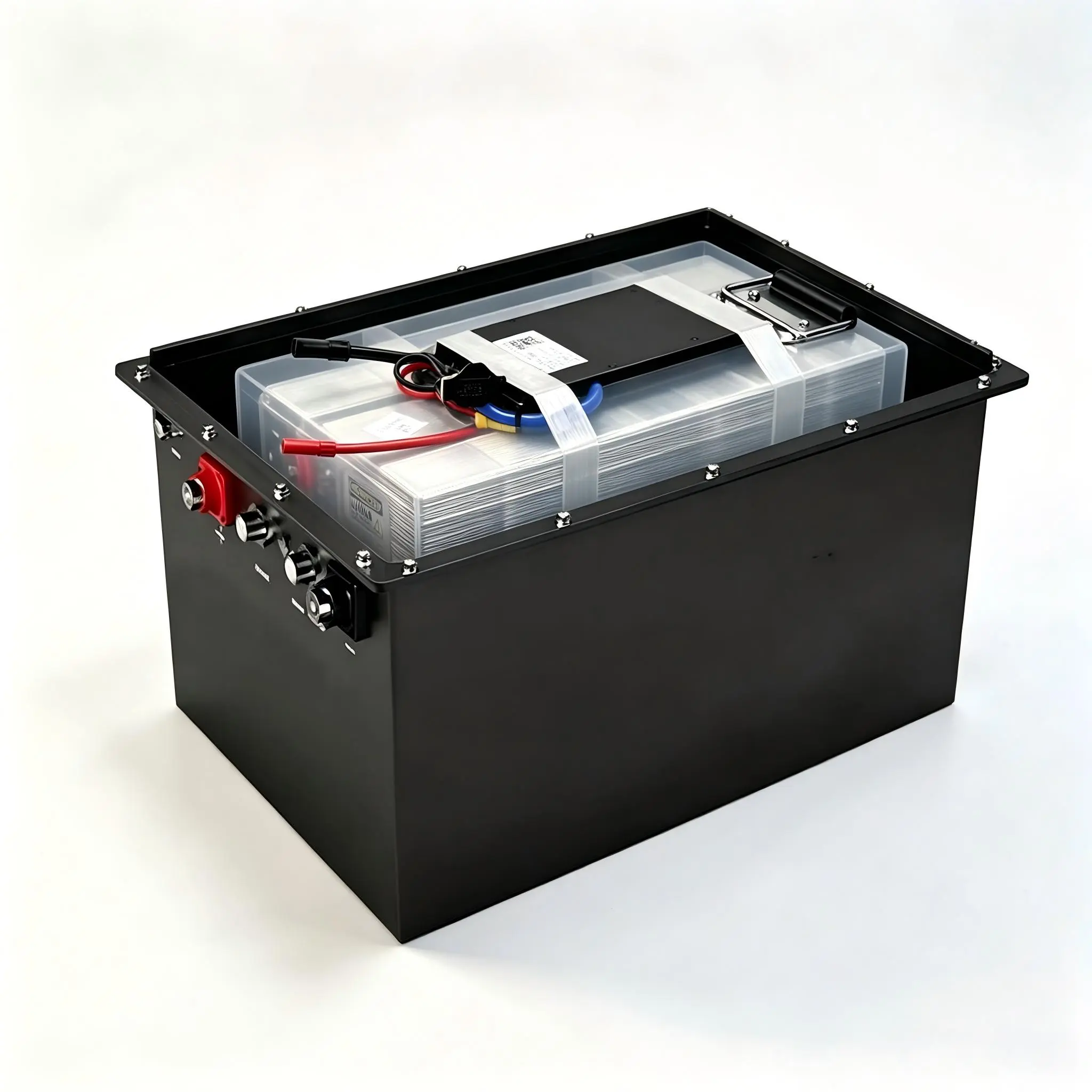
| Home Storage | 16S (48V) | Active balancing + communication (RS485/CAN) | BMS master board (e.g., TI BQ76940) |
| EVs | 96S (350V) | ASIL-D safety + multi-level fusing | Distributed BMS architecture |
Key Insights:
- Consumer Electronics: Compact size, low power consumption.
- Power Tools: High current, shock resistance.
- Energy Storage: Multi-cell configurations, smart communication.
4. Critical Protection Parameters
A. Definitions and Industry Standards
| Parameter | Definition | Design Basis | Typical Values |
| Overcharge Voltage (VC) | Max safe charging voltage | Battery chemistry (LCO ≤4.25V) | 4.25V±0.05V |
| Over-discharge Voltage (VD) | Min safe discharge voltage | Prevents copper dissolution (LFP ≥2.5V) | 2.50V±0.08V |
| Overcurrent (OC) | Safe discharge current threshold | Based on internal resistance + heat limits | Power tools: 30A; Earbuds: 3A |
| Short-Circuit Response Time | Delay before circuit cutoff | Balances safety and false triggers | 200μs–1ms |
B. Design Example: Power Tool Battery
Requirements: 5S NMC battery (21V), 20A continuous discharge.
1.Overcharge Protection:
- Single-cell: 4.25V → Total for 5S: 21.25V.
2.Over-discharge Protection:
- Single-cell: 2.8V → Total for 5S: 14.0V.
3.Overcurrent Protection:
- Max pulse current: 50A → Safety factor 0.6 → 30A limit.
4.MOSFET Selection:
- Must handle 30A → 3x 8205A MOSFETs in parallel (10A each).
Choosing the right battery protection board depends on battery chemistry, form factor, and application needs. Whether you’re designing for consumer electronics or high-power systems, understanding these fundamentals ensures safety and efficiency.
If you need a battery protection solution, please feel free to contact us at any time!
