




Battery Protection Board Basics: A Comprehensive Guide
What is a battery Protection Board?
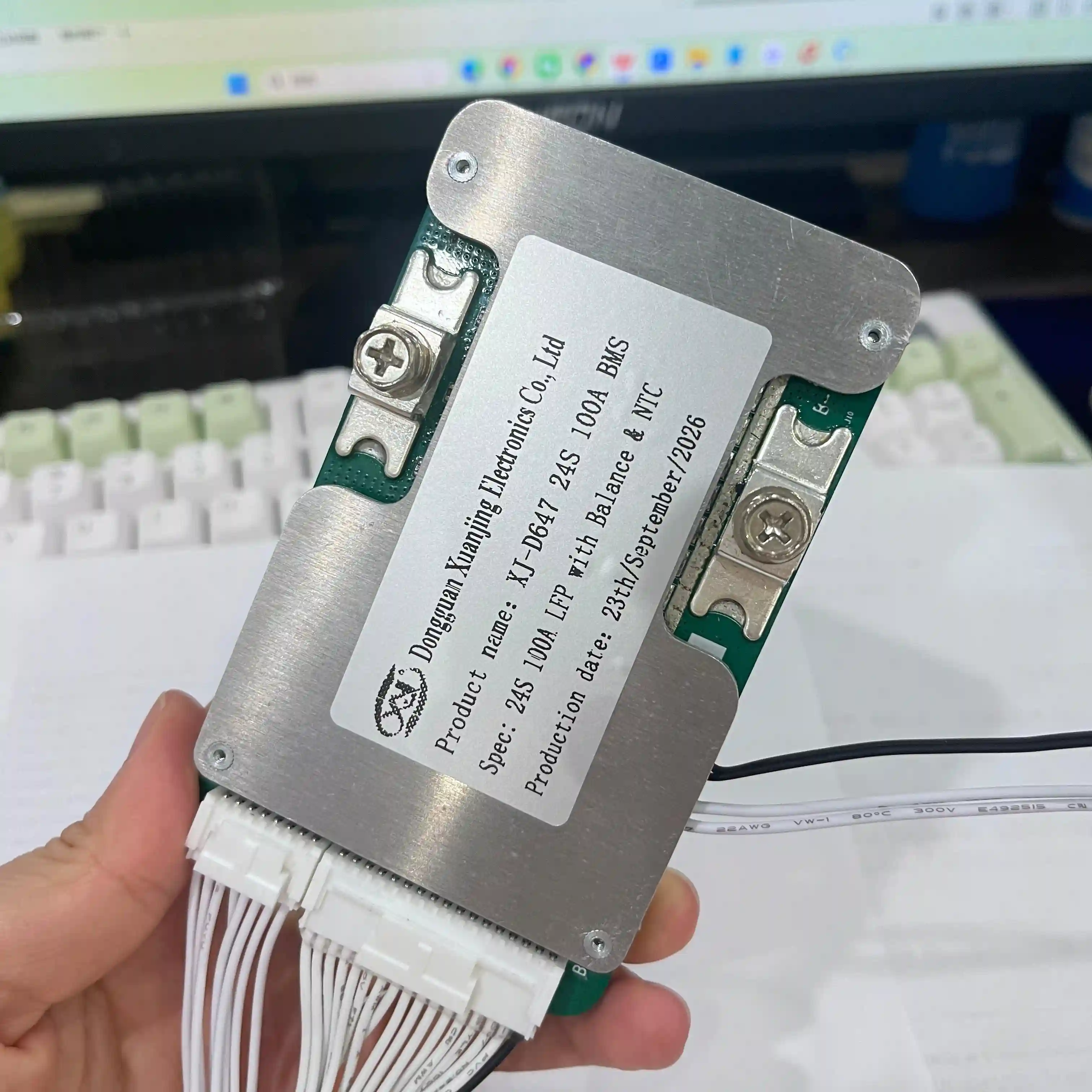
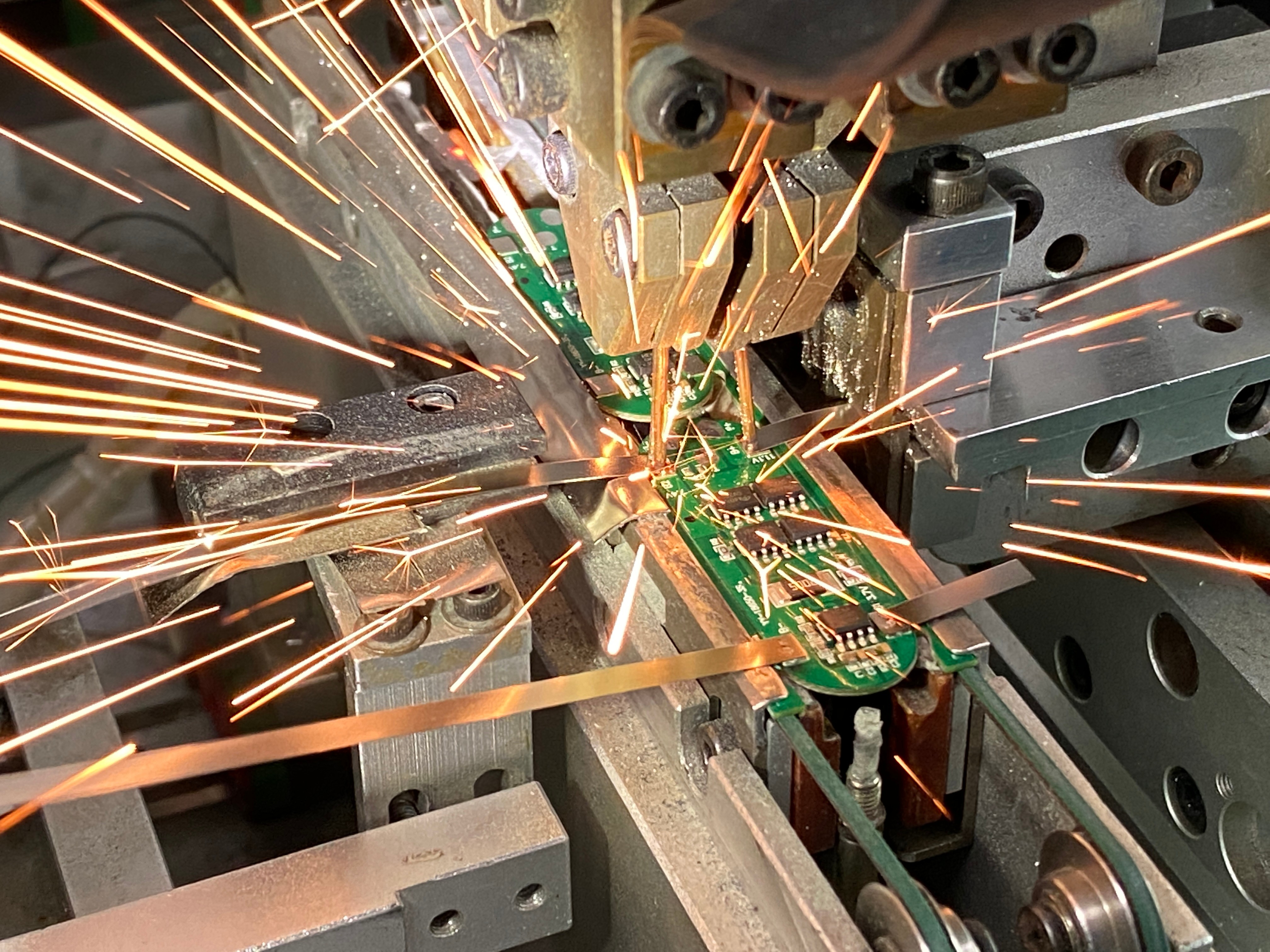
A Battery Protection Board, also known as a Protection Circuit Module (pcm), is an electronic circuit board designed to safeguard lithium batteries (such as lithium-ion or lithium-polymer batteries) from damage or hazardous situations (like fire or explosion) during charging and discharging. It prevents risks caused by overcharging, over-discharging, overcurrent, short circuits, or high temperatures.
Why Do Lithium Batteries Need a Protection Board?
The chemical properties of lithium batteries make them highly sensitive to voltage and current:
- Overcharging (voltage > 4.2V per cell): Can lead to battery swelling, leakage, or even explosion.
- Over-discharging (voltage < 2.5V per cell): Permanently damages the battery and reduces its capacity.
- Overcurrent/Short Circuit: High current can cause excessive heat, potentially leading to fires.
The protection board monitors the battery's status in real-time and cuts off the circuit during abnormal conditions to ensure safety.
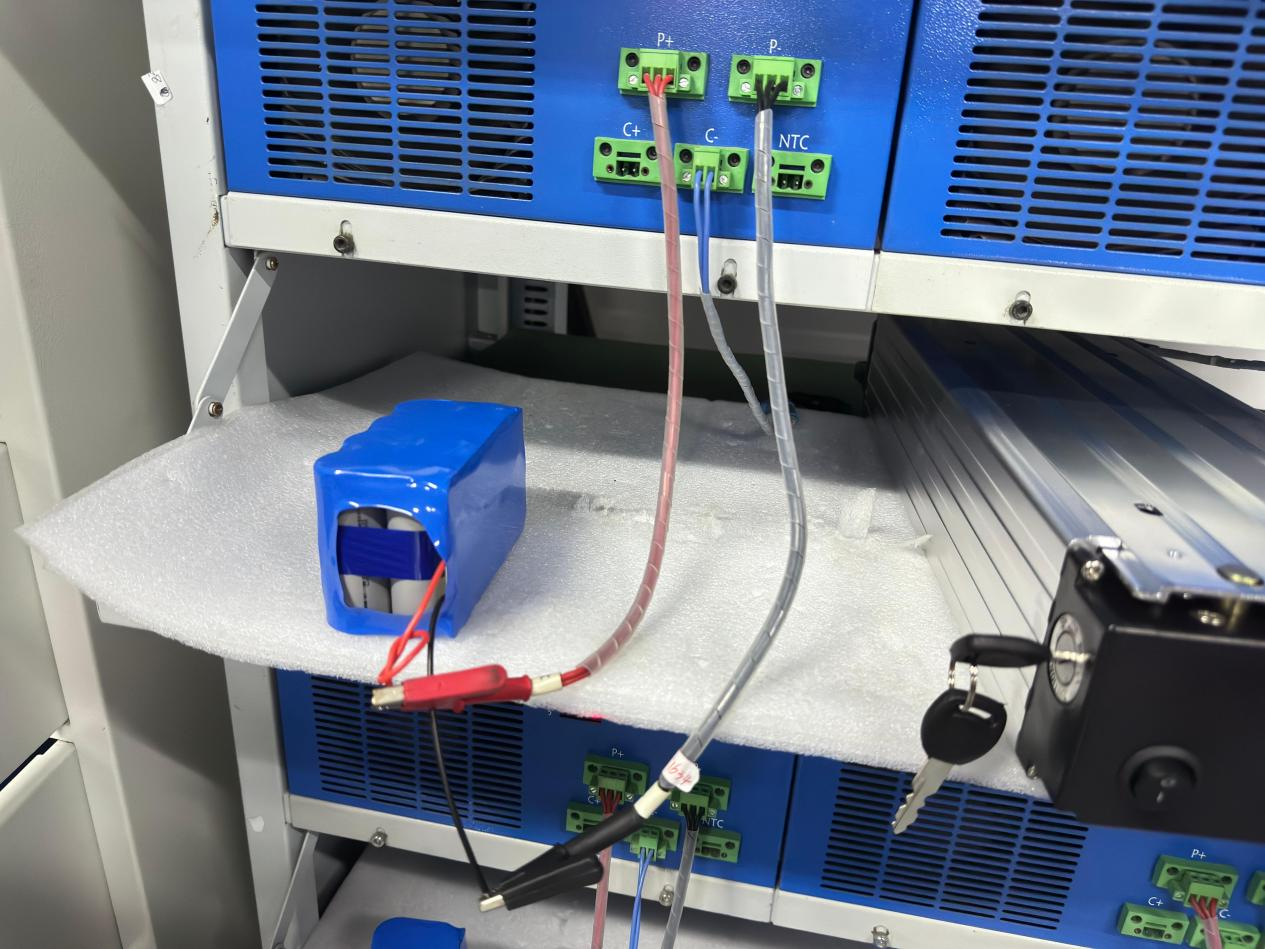
Core Functions of a Battery Protection Board
| Function | Purpose | Trigger Condition |
| Overcharge Protection | Prevents charging beyond the safe voltage limit (e.g., 4.25V). | Voltage ≥ VC (e.g., 4.25V) |
| Over-discharge Protection | Stops discharge when voltage drops below the minimum threshold (e.g., 2.5V). | Voltage ≤ VD (e.g., 2.5V) |
| Overcurrent Protection | Limits current to the battery's safe capacity (e.g., 3A). | Current ≥ Set value (e.g., 3A) |
| Short Circuit Protection | Instantly cuts off the circuit in case of accidental shorting. | Sudden current surge (e.g., >10A) |
| Temperature Protection | Uses an NTC (Negative Temperature Coefficient) resistor to prevent overheating. | Temperature ≥ Safety threshold (e.g., 85°C) |
| Balancing Function | Ensures uniform voltage across cells in a series battery pack. | Voltage difference > Set value (e.g., ±20mV) |
Key Components of a Battery Protection Board
| Component | Function | Common Models/Parameters |
| Control IC | The core chip that monitors voltage/current and controls MOSFET switches. | DW01, S-8261 (6-pin, high detection accuracy) |
| MOSFET | Acts as an electronic switch, controlled by the IC. | 8205A (dual MOSFET, <70mΩ on-resistance) |
| Resistors/Capacitors | - Voltage divider resistor (R1): Detects voltage. | R1=330Ω, R2=1KΩ |
|
| - Overcurrent detection resistor (R2): Measures current. |
|
| PTC/Fuse | Provides overcurrent protection. PTC is self-resetting; fuses require replacement. | PTC (e.g., 5A rated) |
| NTC | Temperature sensor; resistance decreases as temperature rises. | 10KΩ @25°C |
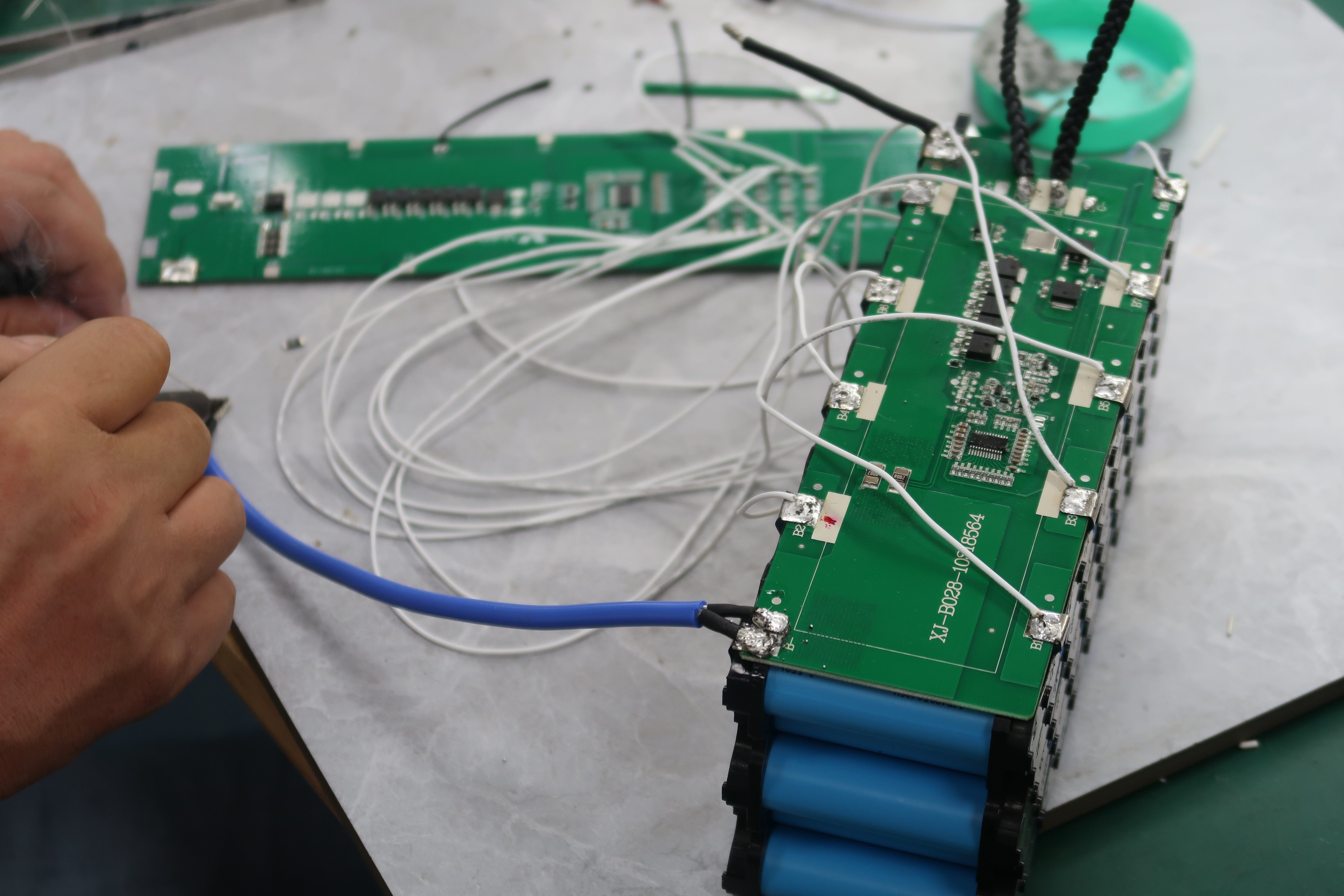
How a Battery Protection Board Works
1. Overcharge Protection Process
- During charging, battery voltage rises (e.g., to 4.25V).
- The control IC detects voltage exceeding the overcharge threshold (VC).
- The IC turns off the MOSFET (T1) to stop charging.
- Charging resumes when voltage drops to the recovery threshold (VCR, e.g., 3.8V).
2. Over-discharge Protection Process
- During discharge, battery voltage drops (e.g., to 2.5V).
- The IC detects voltage below the discharge threshold (VD).
- The IC turns off the MOSFET (T2) to stop discharge.
- Discharge function is restored after recharging.
3. Short Circuit Protection
- When P+ and P- are shorted, current surges (e.g., >10A).
- The IC shuts off the MOSFET within milliseconds to cut the circuit.
Common Issues and Solutions
| Problem | Possible Causes | Solution |
| No Output/Can't Drive Load | - Blown fuse. | Replace fuse, check MOSFET functionality. |
|
| - Damaged MOSFET. |
|
|
| - PCB via issue. |
|
| Short Circuit Not Protected | - Poor soldering of VM detection resistor (R2). | Inspect R2, replace IC or MOSFET. |
|
| - Faulty IC or MOSFET. |
|
| High Self-Discharge | - Leaky capacitor. | Replace capacitor or IC. |
|
| - IC malfunction. |
|
| High Internal Resistance | - Increased PTC/fuse resistance. | Replace PTC, inspect PCB traces. |
|
| - Micro-breaks in PCB copper traces. |
|
Final Thoughts
Understanding the basics of battery protection boards is crucial for ensuring the safety and longevity of lithium batteries. Whether you're designing a battery pack or troubleshooting issues, knowing how these components work together can save time and prevent hazards. For more in-depth guides on battery technology, stay tuned to our blog!