





Battery Management System (BMS): Working Principle, Challenges & Application Testing
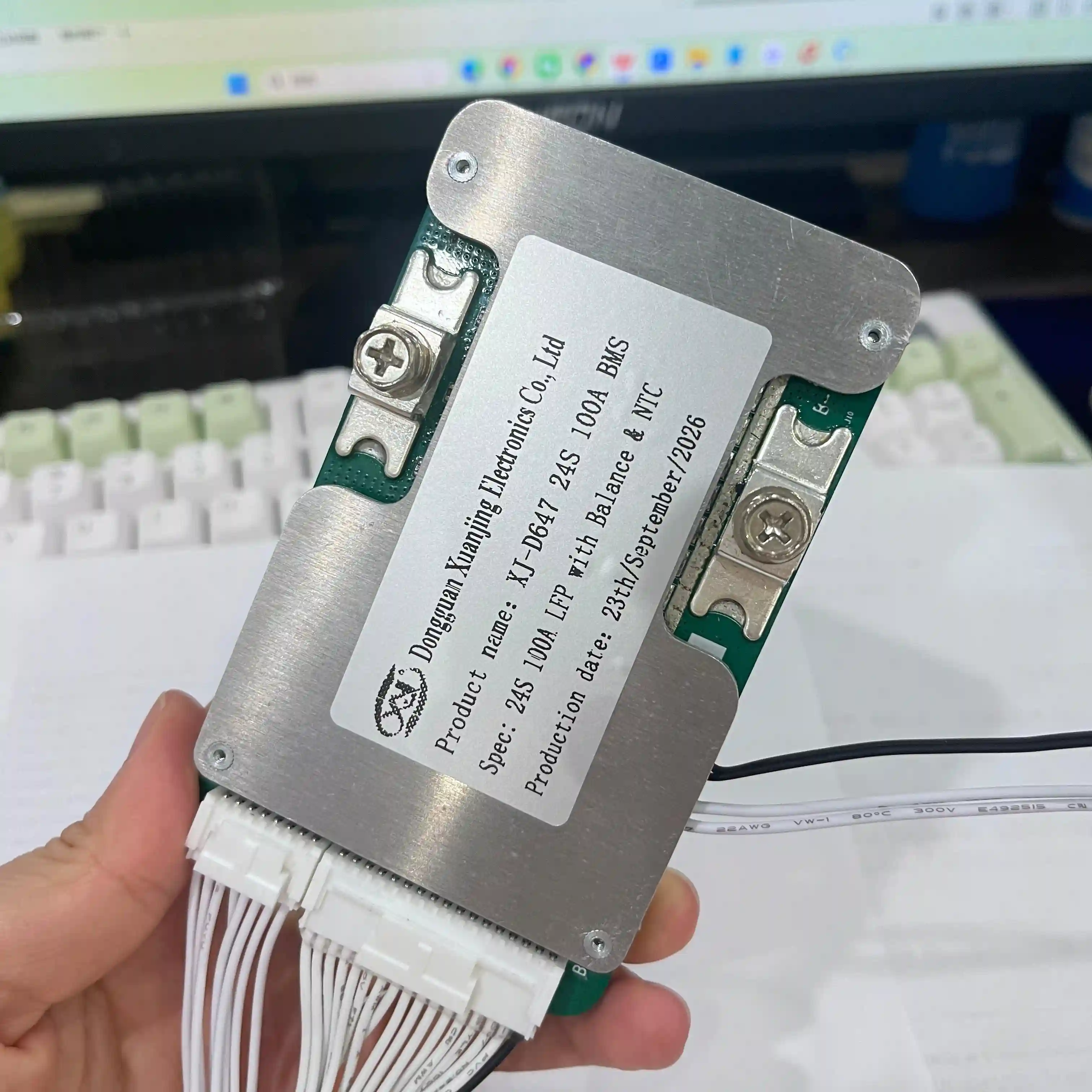
With the rapid popularization of new energy, rechargeable lithium batteries have become an indispensable core component in industries such as energy storage, electric vehicles, industrial equipment, and household appliances. Behind the widespread application of lithium batteries, the battery Management System (BMS)—commonly known as the battery protection board—has risen rapidly, becoming a key guarantee for the safe, stable, and efficient operation of batteries. Many people only know that lithium batteries need protection, but they do not understand the core value of BMS, nor do they know the differences between different battery types and their matching requirements for BMS. In this blog, we will deeply explore the working principle of BMS, the challenges it faces in practical applications, and the key points of application testing, while focusing on the development of battery protection boards, the development of energy storage systems, and the characteristics of different battery types. We also introduce our three high-performance BMS models—XJ-D038V5, XJ-D386, and XJ-D301—all compatible with ternary lithium, lithium iron phosphate, and sodium-ion batteries, providing reliable protection for various battery applications.
1. Introduction: The Rise of Battery Protection Boards & Their Future Outlook
1.1 The Expansion of the Rechargeable Lithium Battery Market
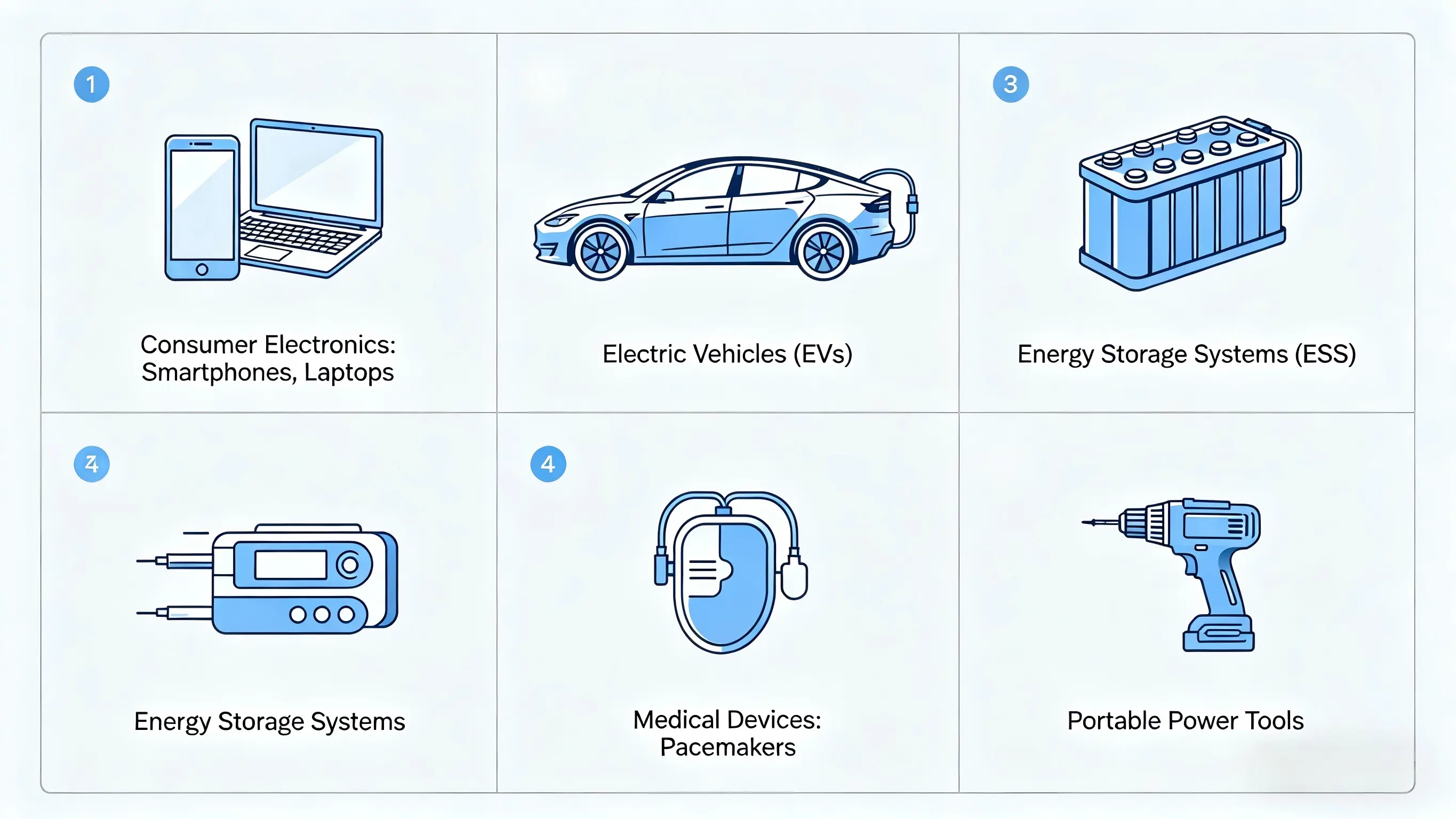
In recent years, the market scale of rechargeable lithium batteries has expanded at an unprecedented rate, driven by multiple factors. On the one hand, the global emphasis on energy conservation and emission reduction has promoted the rapid development of new energy industries such as electric vehicles and energy storage, which have become the largest downstream application fields of lithium batteries. On the other hand, the continuous progress of lithium battery technology has continuously improved energy density, cycle life, and safety, while reducing production costs, making lithium batteries gradually replace traditional batteries in more fields. From industrial energy storage stations and data centers to household energy storage systems and portable electronic devices, lithium batteries have penetrated every corner of life, and this widespread application has directly driven the rise of the battery protection board (BMS) market.
1.2 Why Lithium Batteries Must Be Equipped with a BMS (Battery Protection Board)
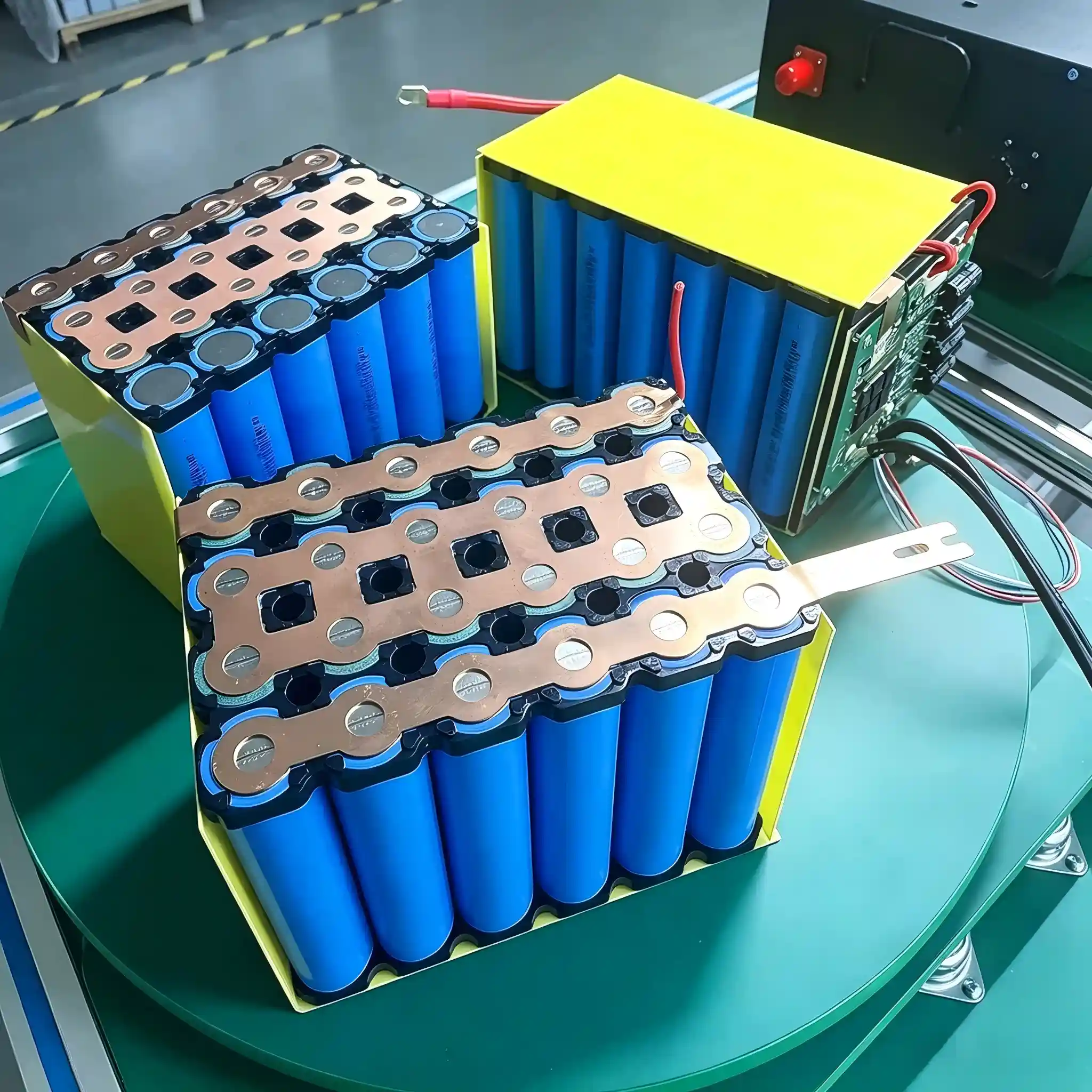
Unlike traditional batteries, rechargeable lithium batteries have strict requirements for charging and discharging conditions, and their chemical properties are relatively active. Once they are overcharged, over-discharged, over-current, or overheated, they may cause irreversible damage, such as capacity attenuation, battery bulging, or even fire and explosion. This is why lithium batteries must be equipped with a BMS—this intelligent electronic system acts as the "brain" of the battery pack, guarding the safety and service life of the battery in all aspects.
Specifically, the core role of BMS is reflected in three aspects: first, real-time monitoring of battery status, including cell voltage, current, temperature, SOC (State of Charge), and SOH (State of Health), to grasp the battery's operating status in real time; second, active protection, which immediately cuts off the circuit when abnormal conditions such as overcharge, over-discharge, short circuit, or overheating are detected, avoiding safety hazards; third, cell balancing, which balances the voltage of each cell in the battery pack, preventing individual cells from being overcharged or over-discharged, and extending the overall service life of the battery pack. Without BMS, even high-performance lithium batteries will face serious safety risks and rapid performance degradation, which is why BMS has become an indispensable supporting component for lithium batteries.
Our three BMS models—XJ-D038V5 4S-24S 150A-300A, XJ-D386 4S-25S 50A-150A, and XJ-D301 4S 100A—are all designed to meet the protection needs of different lithium battery applications. What makes them outstanding is that they are compatible with three mainstream battery types: ternary lithium, lithium iron phosphate, and sodium-ion batteries, which can flexibly adapt to different application scenarios and reduce the cost of model selection for enterprises and users.
1.3 The Future Development Trend of Battery Protection Boards (BMS)
With the continuous upgrading of new energy technology and the expansion of application scenarios, the future development of BMS will focus on four directions. First, intelligence: with the help of AI and big data technology, BMS will realize more accurate monitoring and prediction of battery status, such as predicting battery life and potential faults in advance, and optimizing charging and discharging strategies. Second, integration: the integration of BMS with other systems (such as energy storage management systems and electric vehicle control systems) will be further improved, realizing seamless data interaction and unified management. Third, high performance: with the development of high-voltage and high-power battery packs, BMS will need to support higher current and voltage, while improving response speed and stability. Fourth, multi-battery compatibility: as new battery technologies such as sodium-ion batteries mature, BMS will develop in the direction of compatible with multiple battery types, just like our XJ-D038V5, XJ-D386, and XJ-D301 models, which can adapt to ternary lithium, lithium iron phosphate, and sodium-ion batteries, meeting the diverse needs of the market.
2. Energy Storage Systems: Development and BMS Requirements
2.1 How Did Energy Storage Systems Develop?
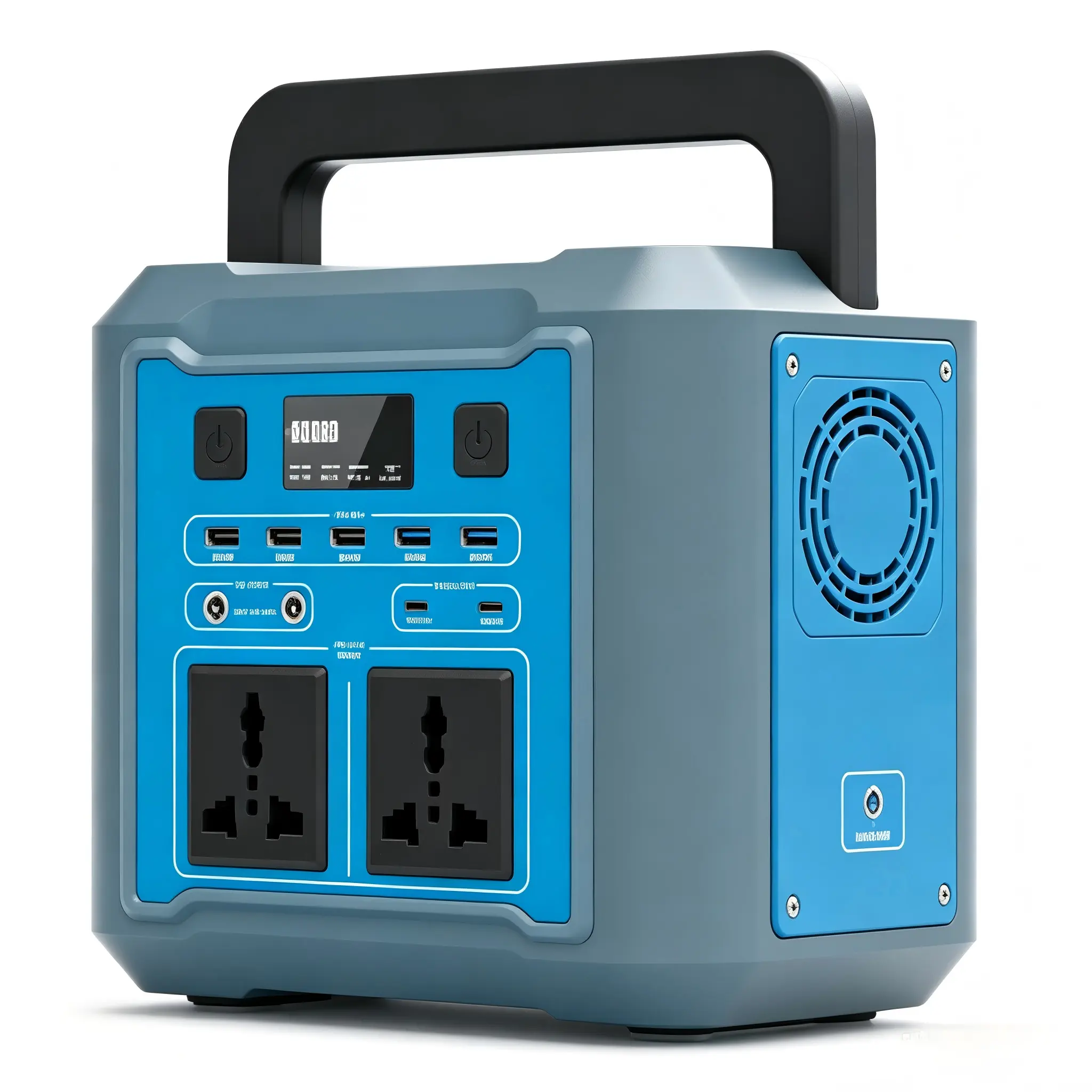
Energy storage systems are an important part of the new energy industry, and their development is closely linked to the popularization of renewable energy (such as solar energy and wind energy). In the early stage, the development of energy storage was mainly driven by the grid's demand for peak shaving and valley filling—renewable energy has the characteristics of instability and intermittency, and energy storage systems can store excess electric energy generated during peak power generation and release it during peak power consumption, ensuring the stability of the power grid. With the continuous growth of global energy demand and the increasingly strict requirements for carbon emission reduction, energy storage systems have gradually expanded from the grid side to the industrial and household fields, forming a multi-scenario development pattern including industrial energy storage, household energy storage, and grid-side energy storage.
In recent years, the policy support for energy storage in various countries has been increasing, and the cost of energy storage technology has continued to decrease, further promoting the rapid development of the energy storage market. Today, energy storage systems have become an indispensable part of the new energy industry, and BMS, as the core component of the battery pack in energy storage systems, directly determines the safety, stability, and efficiency of energy storage systems.
2.2 BMS Requirements for Industrial Energy Storage and Household Energy Storage
Industrial energy storage and household energy storage have significant differences in application scenarios, power requirements, and operating environments, so their requirements for BMS are also different. We can combine our BMS models to specifically analyze the requirements of different energy storage scenarios:
2.3 Industrial Energy Storage: High Reliability and High Power Requirements
Industrial energy storage systems (such as large-scale energy storage stations, industrial backup power supplies, and data center energy storage) have the characteristics of large capacity, high power, long-term continuous operation, and harsh operating environments. Therefore, the BMS used in industrial energy storage must meet the requirements of high reliability, high current resistance, and strong environmental adaptability.
Specifically, first, it needs to support high current and high voltage to adapt to the large-capacity battery pack of industrial energy storage—our XJ-F001 model (6S-24S 220A) is perfectly suitable for this scenario, with a wide series range (6S-24S) and high continuous current (220A), which can meet the high-power operation needs of industrial energy storage. Second, it needs to have strong anti-interference ability and stability, which can operate stably in harsh environments such as high temperature, low temperature, and high humidity. Third, it needs to support multi-module parallel connection to adapt to the expansion of large-capacity battery packs. Fourth, it needs to have perfect data monitoring and fault alarm functions, which can timely feedback the operating status of the battery pack and facilitate the maintenance and management of the system. In addition, industrial energy storage has high requirements for cell balancing, and active balancing BMS (such as our XJ-F001) can effectively extend the service life of the battery pack.
3. Battery Types: Advantages, Disadvantages and BMS Matching
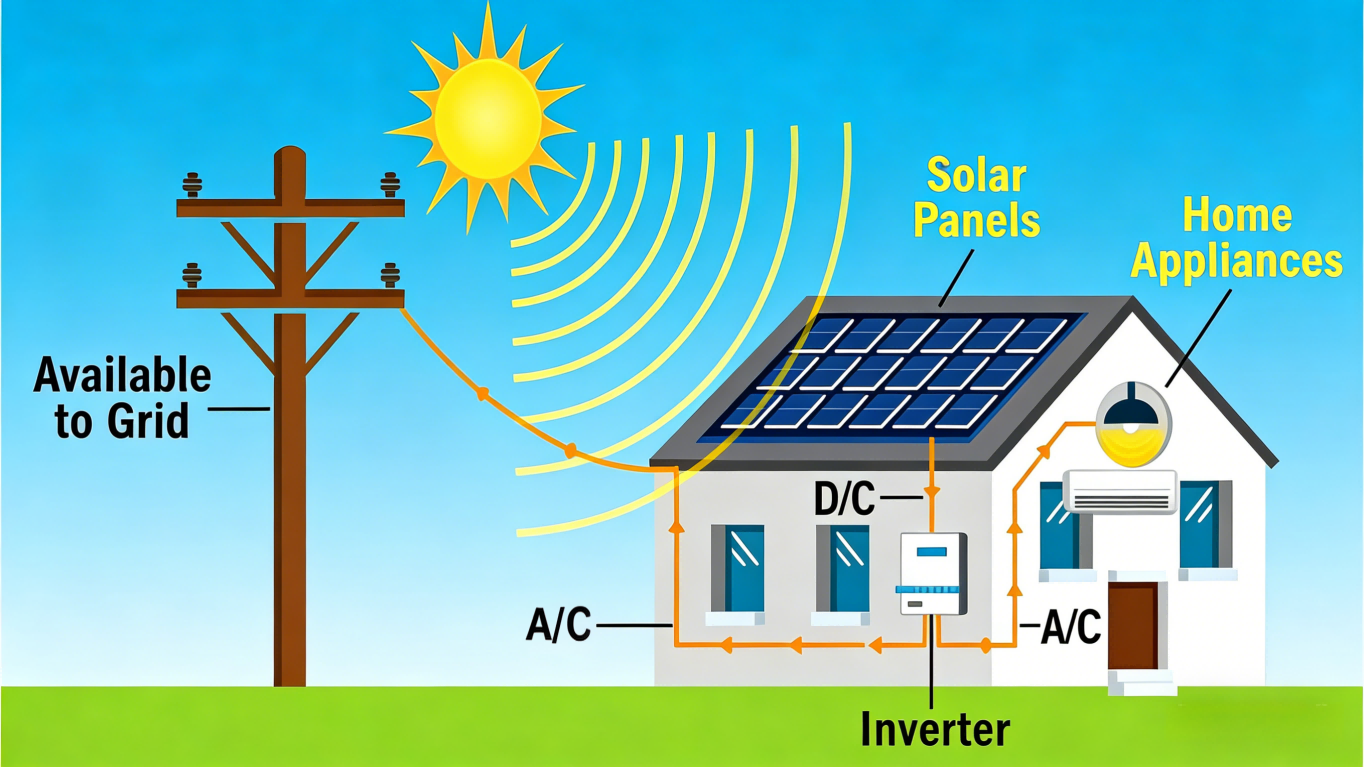
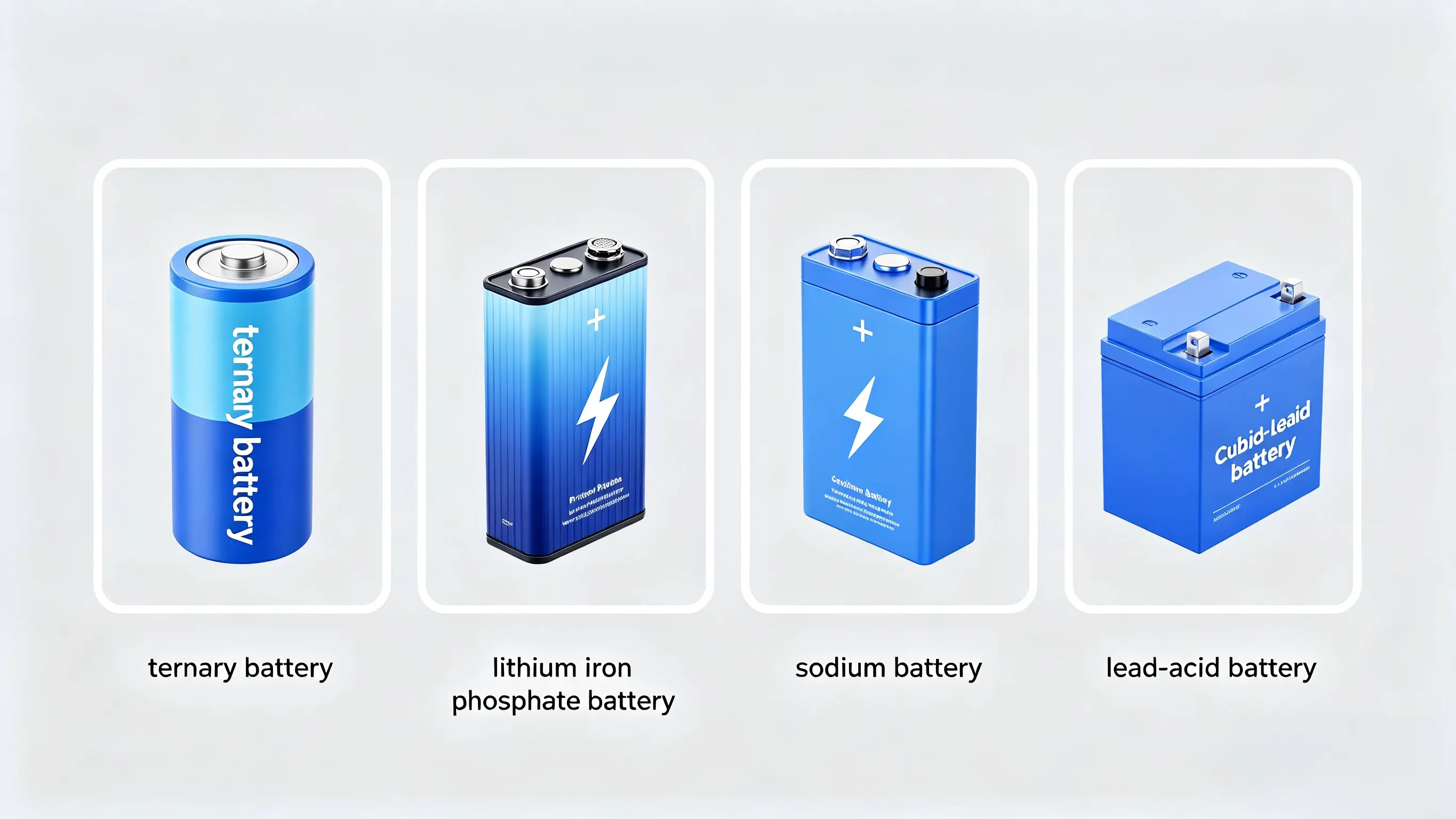
At present, the mainstream battery types in the market include lithium batteries, lead-acid batteries, and sodium-ion batteries. These three types of batteries have obvious differences in performance, cost, and application scenarios, and their requirements for BMS are also different. Below, we will detailedly introduce the advantages and disadvantages of the three types of batteries, and answer common questions such as "Is lead-acid battery destined to be eliminated?" and "Is sodium-ion battery the most niche?"
3.1 Lithium Batteries: The Mainstream Choice for New Energy
Lithium batteries (including ternary lithium batteries and lithium iron phosphate batteries) are currently the most widely used battery type in the new energy field, with the following advantages: first, high energy density, small size, and light weight, which is suitable for scenarios with strict requirements on volume and weight (such as electric vehicles and portable electronic devices); second, long cycle life, generally up to 1000-3000 cycles, which can meet the long-term use needs of most applications; third, high charging and discharging efficiency, fast charging speed, and low self-discharge rate; fourth, no memory effect, which can be charged and discharged at any time without affecting battery performance. Our XJ-D038V5, XJ-D386, and XJ-D301 models all support ternary lithium and lithium iron phosphate batteries, and can provide targeted protection according to the characteristics of different lithium battery types.
The disadvantages of lithium batteries are: first, high production cost, which is higher than lead-acid batteries; second, strict requirements on charging and discharging conditions, and must be equipped with BMS for protection, otherwise, there will be safety risks; third, the supply chain of raw materials (such as lithium, cobalt) is unstable, which may affect the production cost and market supply; fourth, low-temperature performance is relatively poor, and capacity attenuation will occur in low-temperature environments (especially ternary lithium batteries).
3.2 Lead-Acid Batteries: Traditional Batteries with Persistent Vitality
Lead-acid batteries are a traditional battery type with a long history of application, and their advantages are: first, low production cost, which is the cheapest among the three types of batteries; second, mature technology, simple production process, and convenient maintenance; third, high safety, no risk of fire and explosion under normal use; fourth, high discharge current, which is suitable for scenarios requiring large current discharge (such as automotive starting batteries). It should be emphasized that lead-acid batteries do not need BMS—this is because lead-acid batteries have relatively stable chemical properties, and the damage caused by overcharging and over-discharging is relatively small, and simple charging and discharging control can meet the use needs.
The disadvantages of lead-acid batteries are obvious: first, low energy density, large size, and heavy weight, which is not suitable for scenarios with strict requirements on volume and weight; second, short cycle life, generally only 300-500 cycles, and frequent replacement is required; third, serious environmental pollution, containing heavy metals such as lead, which will cause great harm to the environment if not properly recycled; fourth, high self-discharge rate, and it is easy to lose power if not used for a long time. As for the question "Is lead-acid battery destined to be eliminated?", the answer is no. Although lead-acid batteries have obvious shortcomings, they still have irreplaceable advantages in some scenarios with low requirements on performance and high requirements on cost (such as low-speed electric vehicles, backup power supplies, and automotive starting batteries). In the short term, lead-acid batteries will not be completely eliminated, but their market share will gradually be eroded by lithium batteries and sodium-ion batteries.
3.3 Sodium-Ion Batteries: The Emerging Challenger, Not a Niche Choice
Sodium-ion batteries are a new type of battery that has developed rapidly in recent years. Many people think that sodium-ion batteries are a "niche" battery type, but in fact, they have unique advantages and broad application prospects, and are not niche at all. The advantages of sodium-ion batteries are: first, abundant raw materials, low cost—sodium is widely present in nature (such as seawater), and the production cost is lower than lithium batteries; second, high safety, no risk of thermal runaway, and stable performance under overcharging, short circuit, and other abnormal conditions; third, good low-temperature performance, which can operate normally in low-temperature environments (below -20℃), and is suitable for cold regions; fourth, fast charging speed and strong cycle performance, which has great potential in large-scale energy storage scenarios. Our XJ-D068 4S-21S 10A-40A, XJ-D098 4S-14S 10A-50A, and XJ-D301 4S 50A-100A models also support sodium-ion batteries, which can keep up with the development trend of new battery technologies and provide reliable protection for sodium-ion battery applications.
The disadvantages of sodium-ion batteries are: first, low energy density, lower than lithium batteries, which is not suitable for scenarios with strict requirements on energy density (such as high-end electric vehicles); second, immature technology, imperfect industrial chain, and relatively small market application scale; third, the cycle life is slightly lower than lithium batteries, and there is still room for improvement in technology. With the continuous progress of sodium-ion battery technology, its energy density and cycle life will be further improved, and it will gradually become an important supplement to lithium batteries, especially in large-scale energy storage, low-speed electric vehicles, and other scenarios, and its market share will continue to expand. Therefore, sodium-ion batteries are not a niche choice, but a new battery type with great development potential, and will play an important role in the future new energy field.
4. BMS Working Principle, Challenges and Application Testing
4.1 BMS Working Principle
The core working principle of BMS is to realize the monitoring, protection, and optimization of the battery pack through three key links: monitoring, control, and balancing. First, monitoring: BMS collects key parameters of the battery pack in real time through sensors, including cell voltage, current, temperature, SOC, and SOH, so as to grasp the operating status of the battery in real time. Second, control: according to the monitored data, BMS adjusts the charging and discharging process of the battery pack, such as cutting off the charging circuit when overcharging is detected, cutting off the discharging circuit when over-discharging is detected, and adjusting the current when over-current is detected, so as to ensure that the battery operates within a safe range. Third, balancing: for the battery pack composed of multiple cells in series, BMS balances the voltage of each cell through passive balancing or active balancing, preventing individual cells from being overcharged or over-discharged, and ensuring the consistent performance of the entire battery pack. Our BMS all adopt advanced balancing technology, which can effectively extend the service life of the battery pack and improve the stability of the battery pack.
4.2 Challenges Faced by BMS
In practical application, BMS also faces many challenges. First, the accuracy of monitoring: the SOC and SOH estimation of the battery is easily affected by factors such as temperature, charging and discharging rate, and battery aging, which requires BMS to have high estimation accuracy to avoid misjudgment. Second, the compatibility of multi-battery types: with the emergence of new battery types such as sodium-ion batteries, BMS needs to be compatible with multiple battery types, which puts forward higher requirements for the design of BMS—XJBMS have solved this problem well, and are compatible with ternary lithium, lithium iron phosphate, and sodium-ion batteries. Third, the adaptability of harsh environments: in industrial energy storage, outdoor energy storage, and other scenarios, BMS needs to operate stably in high temperature, low temperature, high humidity, and other environments, which requires BMS to have strong environmental adaptability. Fourth, the integration with other systems: with the intelligent development of energy storage and electric vehicles, BMS needs to realize seamless integration with other systems (such as PCS, energy management systems), which requires BMS to have good communication performance and data interaction capabilities. Fifth, cost control: under the premise of ensuring performance and safety, how to reduce the cost of BMS is also an important challenge faced by manufacturers.
4.3 Bms Application Testing
Application testing is an important link to ensure the performance and safety of BMS, and it is also a necessary step before BMS is put into use. The key contents of BMS application testing include the following aspects: first, monitoring accuracy testing, testing the accuracy of BMS in monitoring cell voltage, current, temperature, SOC, and SOH, ensuring that the monitoring data is accurate and reliable. Second, protection function testing, testing whether the BMS can timely trigger the protection mechanism under abnormal conditions such as overcharge, over-discharge, over-current, short circuit, and overheating, and whether the protection action is accurate and effective. Third, balancing performance testing, testing the balancing effect of BMS on the battery pack, ensuring that the voltage difference between cells is within a reasonable range. Fourth, environmental adaptability testing, testing the operation status of BMS in high temperature, low temperature, high humidity, and other environments, ensuring that it can operate stably in harsh environments. Fifth, compatibility testing, testing the compatibility of BMS with different battery types (such as our XJ-D038V5 model needs to be tested for compatibility with ternary lithium, lithium iron phosphate, and sodium-ion batteries) and different application scenarios (industrial energy storage, household energy storage), ensuring that it can adapt to different use needs. Only through strict application testing can BMS be put into the market, ensuring the safety and stability of the battery pack.
Conclusion
The Battery Management System (BMS) is the core component to ensure the safe, stable, and efficient operation of rechargeable lithium batteries. With the expansion of the lithium battery market and the development of new energy industries such as energy storage, BMS has become more and more important. From the rise of battery protection boards to the development of energy storage systems, from the differences between different battery types to the working principle, challenges, and application testing of BMS, every link is closely related to the development of the new energy industry.
Our three BMS models—XJ-D038V5 4S-24S 150A-300A, XJ-D386 4S-25S 50A-150A, and XJ-D301 4S 100A—are designed to meet the diverse needs of the market, compatible with ternary lithium, lithium iron phosphate, and sodium-ion batteries, and can provide reliable protection for industrial energy storage, household energy storage, and other scenarios. In the future, with the continuous progress of technology, BMS will develop in the direction of intelligence, integration, high performance, and multi-compatibility, making greater contributions to the development of the new energy industry.
If you want to learn more about BMS technology, battery matching, and application solutions, welcome to pay attention to our blog and get the latest industry insights and product information.