




Battery BMS for Low-Speed Electric Vehicles
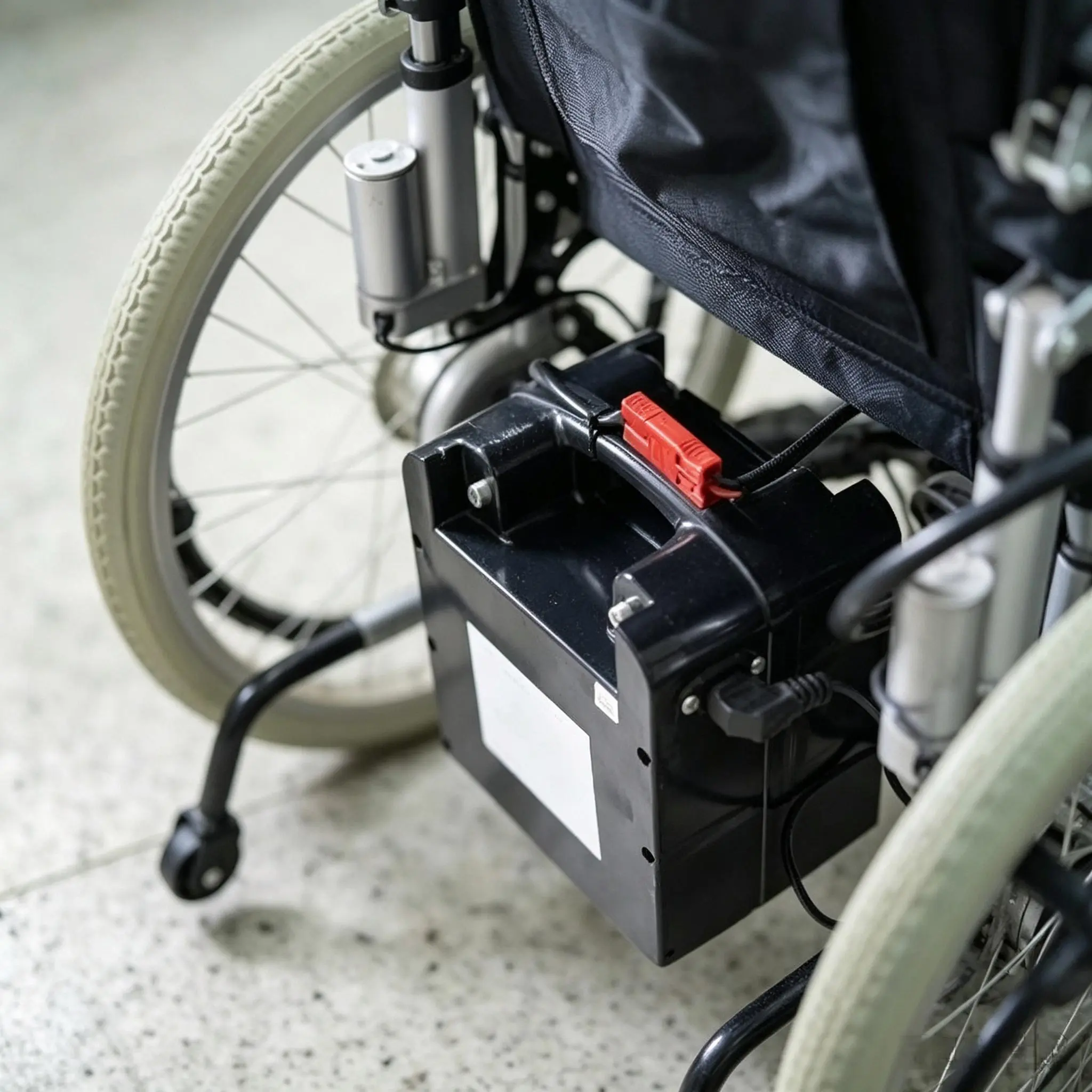
Low-speed electric vehicles (LSEVs) are the most widely used short-distance transportation tools for daily commuting, community patrols, scenic sightseeing, and urban logistics. Unlike high-speed EVs, low-speed electric vehicles feature frequent start-stop operation, continuous low-load cruising, and complex road vibration environments, which place unique demands on battery safety and stability. A professional Battery Management System (BMS) is essential to protect the battery pack, extend cycle life, and avoid sudden power failure risks.
Common Types of Low-Speed Electric Vehicles
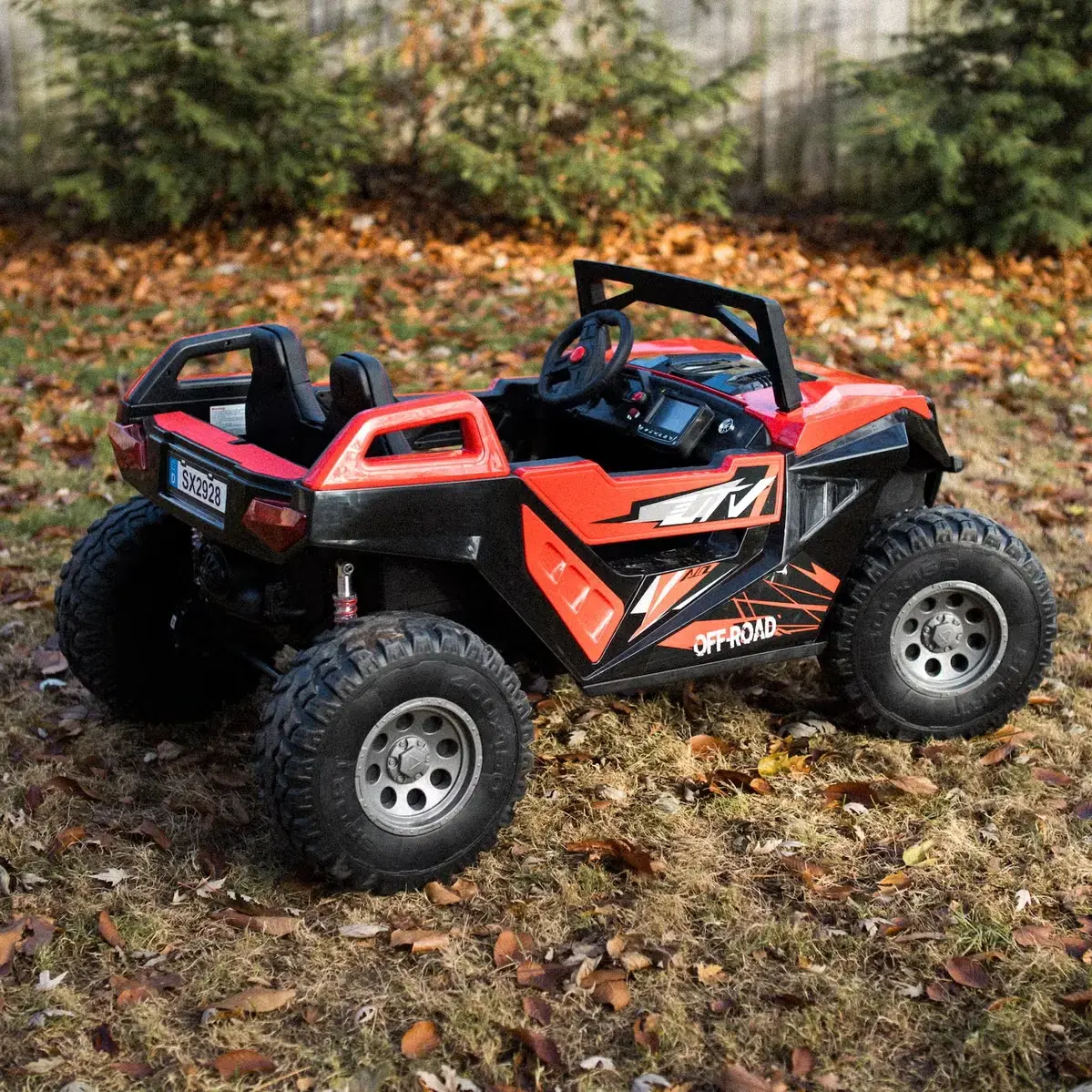
Low-speed electric vehicles refer to lightweight EVs with limited maximum speed, simple structure, and low energy consumption. Typical application scenarios include:
- Electric Tricycles & Four-Wheeler Passenger Cars: Household short-distance commuting vehicles, the largest low-speed EV category, usually equipped with 48V–72V battery packs.
- Electric Sightseeing Cars & Patrol Cars: Used in parks, resorts, campuses, and industrial zones, requiring stable continuous discharge and long cycle life.
- Electric Sanitation Vehicles & Sweepers: Long-hour working equipment with frequent startup and heavy-load operation.
- Light Electric Logistics Vehicles: Low-speed delivery carts for community and urban cargo transportation.
- Golf Carts & Neighborhood Electric Vehicles: Low-speed, low-noise service vehicles for closed scenarios.
These vehicles share similar operating characteristics: frequent start-stop current fluctuations, long daily working hours, and high requirements for battery stability and safety, making dedicated LSEV (Low Speed Electric Vehicles) BMS indispensable.

Best Battery Types for Low-Speed Electric Vehicles
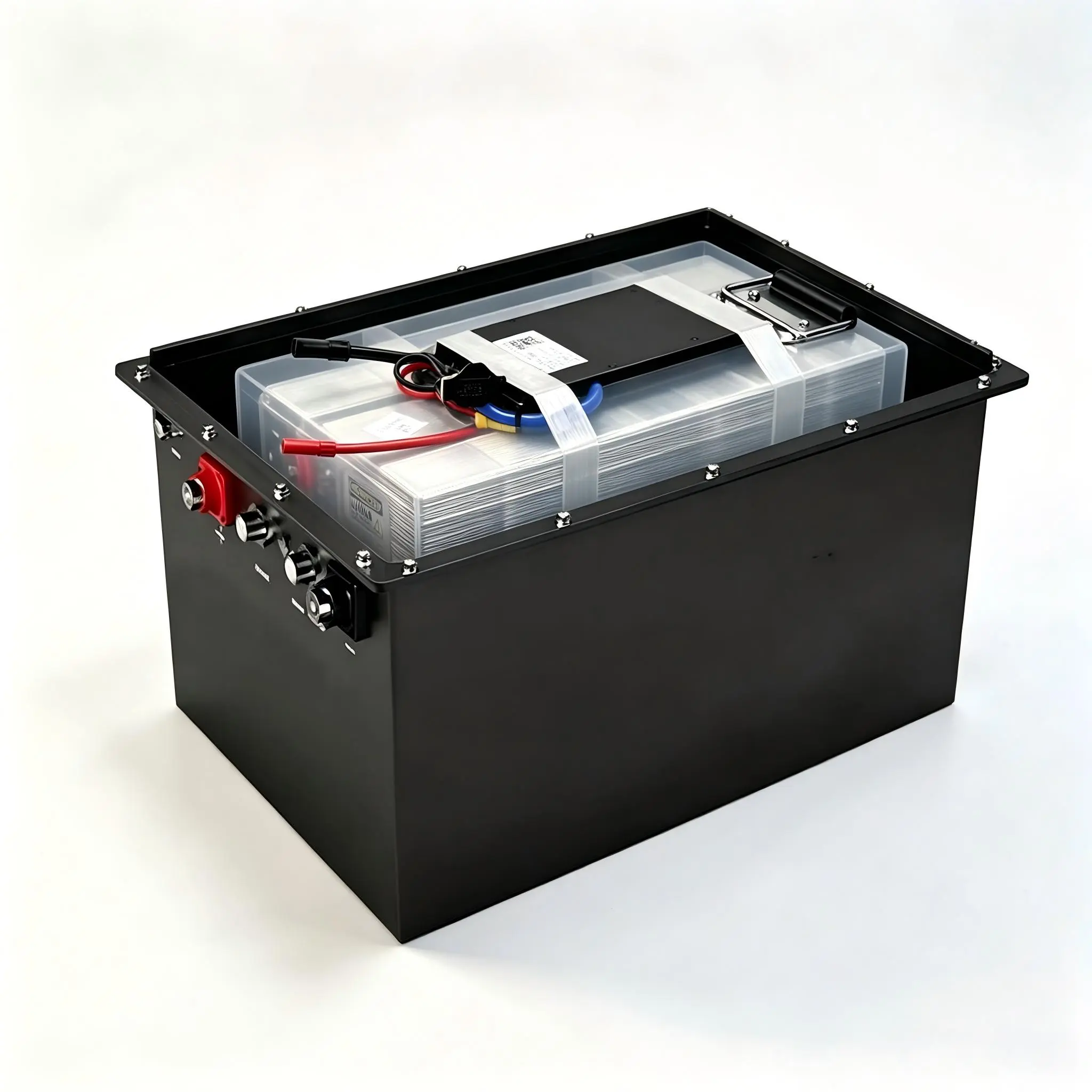
Choosing the right battery is the foundation of stable low-speed EV operation. Currently, two mainstream lithium battery types dominate the market, replacing traditional short-life lead-acid batteries:
LiFePO4 Battery (Most Recommended)
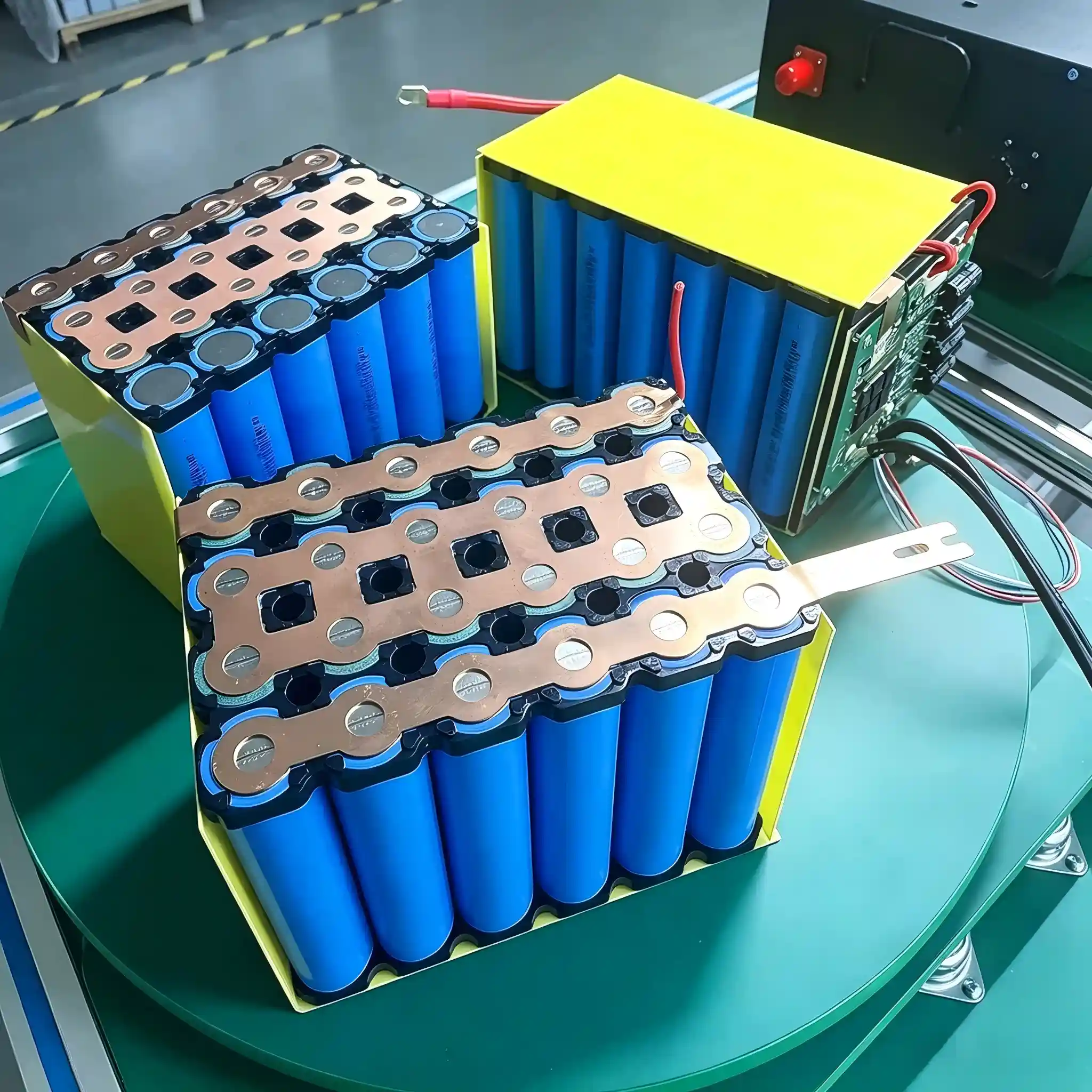
Lithium Iron Phosphate (LiFePO4) is the mainstream battery for modern low-speed electric vehicles. It features ultra-high safety, 2000–5000 long cycle life, excellent thermal stability, and strong vibration resistance. It perfectly adapts to frequent start-stop and long-hour working scenarios of sanitation cars, sightseeing cars, and household low-speed four-wheelers, greatly reducing battery replacement costs.
NMC ternary lithium batteries have higher energy density and lighter weight, suitable for lightweight low-speed vehicles that pursue longer mileage. However, they require stricter BMS temperature and voltage protection due to relatively lower thermal stability compared with LiFePO4.
As an emerging low-cost battery, SIB batteries feature excellent low-temperature performance and strong cycle stability, gradually becoming popular in entry-level low-speed electric vehicles. XJBMS full-series models fully support LiFePO4, NMC, and SIB batteries, achieving one BMS multi-battery compatibility.

Essential BMS Protection Functions for Low-Speed EVs
Low-speed vehicle batteries face unstable current, vibration, and temperature changes during daily operation. A qualified LSEV BMS must cover the following core protection functions to avoid fire, short circuit, and battery swelling failures:
- Overcharge & Over-Discharge Protection: Prevent cell over-saturation during charging and excessive depletion during discharge, avoiding irreversible battery capacity loss.
- Over-Current & Short-Circuit Protection: Resist instantaneous current spikes during vehicle startup and sudden short circuits caused by line aging.
- Multi-Point Temperature Protection: Prevent overheating in summer and low-temperature charging damage in winter, adapting to all-weather outdoor operation.
- Cell Balancing Function: Eliminate cell voltage imbalance caused by long-term cycling to prevent the wooden barrel effect and extend overall battery life.
- Vibration & Anti-Interference Resistance: Industrial-grade anti-interference design adapts to long-term road vibration of low-speed vehicles to avoid false protection.
For fleet and shared low-speed vehicles, smart BMS with Bluetooth, RS485, and CAN communication is strongly recommended to realize real-time battery monitoring, fault alarm, and data records.
How to Select the Right BMS Specifications for Low-Speed EVs
When selecting a low-speed vehicle BMS, follow three core steps to avoid mismatched parameters:
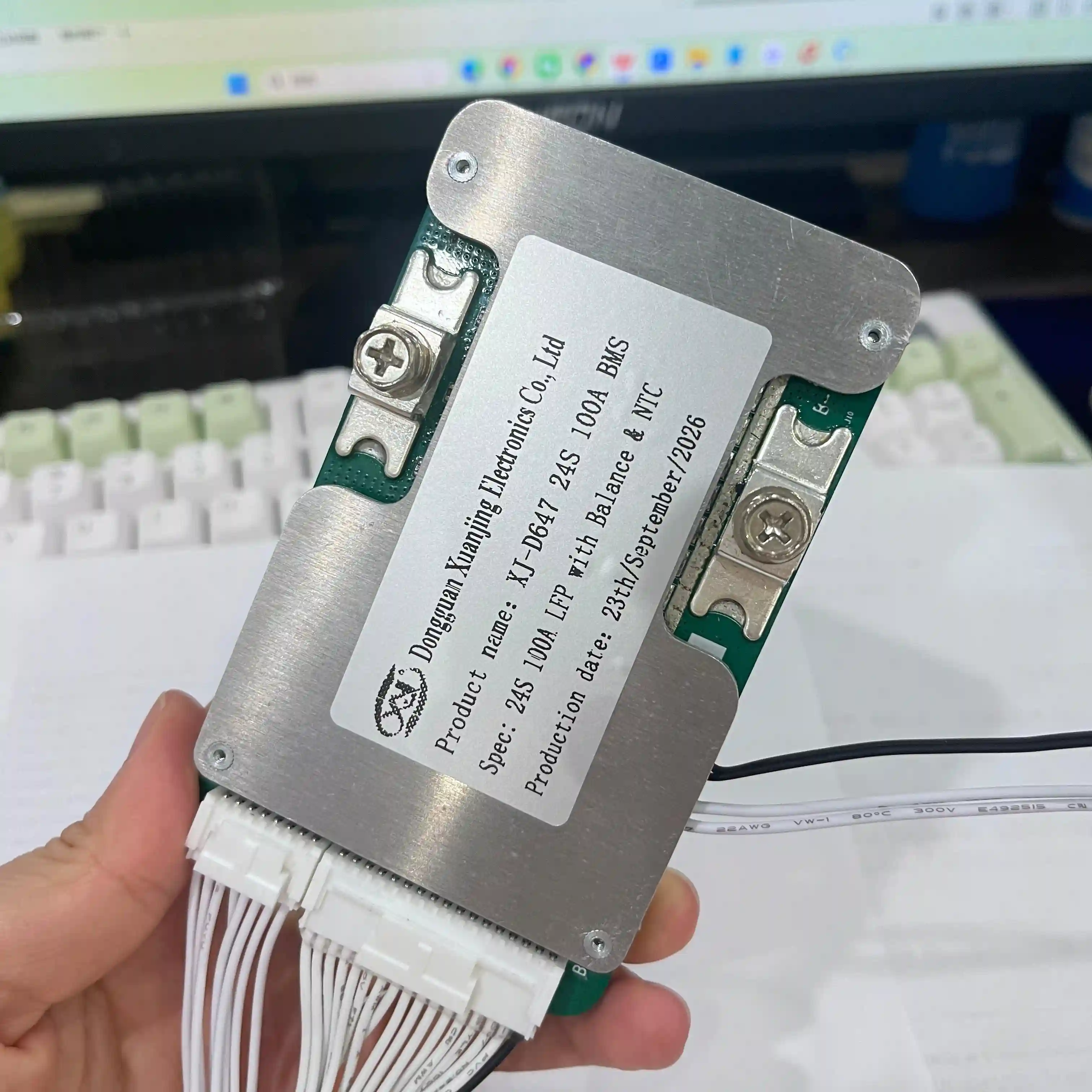
- Confirm Battery Series (S Number): Match the BMS cell range according to battery voltage. 48V batteries correspond to 15S/16S, 60V to 20S, and 72V to 24S, covering mainstream low-speed EV voltage ranges.
- Match Continuous Current: Light vehicles (household tricycles) choose 30A–120A; medium vehicles (sightseeing cars, logistics vehicles) choose 150A–250A; heavy-load long-hour working vehicles choose 200A–300A high-current BMS.
- Choose Normal or Smart Version: Standard private vehicles select cost-effective normal BMS; commercial fleets, shared vehicles, and management-required equipment select smart BMS with communication and data recording functions.
XJBMS Professional BMS Solutions for Low-Speed Electric Vehicles
XJBMS provides full-coverage low-speed vehicle BMS products, including cost-effective normal BMS for private use and multi-functional smart BMS for commercial fleets, fully compatible with LiFePO4, NMC, and SIB batteries.
Normal BMS Series (Cost-Effective for Standard LSEVs)
XJ-D565: 6S–24S | 30A–60A
Designed for low-power light low-speed vehicles, such as small electric tricycles and mini household four-wheelers. It supports 6S–24S wide voltage range with 30A–60A steady current output. Compact and cost-effective, it provides complete basic protection, ideal for entry-level low-speed electric vehicle battery packs.
XJ-D386: 4S–25S | 50A–150A
Universal versatile model for most medium-power low-speed vehicles. The 4S–25S ultra-wide cell range covers 12V–72V mainstream battery packs, with 50A–150A current adapting to daily commuting, sightseeing cars, and light sanitation vehicles. Industrial-grade anti-vibration design ensures stable operation in complex road conditions.
XJ-D038V5: 4S–24S | 150A–300A
High-current normal BMS for heavy-load low-speed electric vehicles. The 150A–300A super current range perfectly matches electric sweepers, logistics vehicles, and long-hour working patrol cars. It optimizes startup over-current protection logic to avoid false tripping during frequent acceleration, ensuring continuous and stable power output.
Smart BMS Series (Communication & Fleet Management)
XJ-F002: 4S–20S | 30A–120A
Entry-level smart BMS for light commercial low-speed fleets. Equipped with Bluetooth, UART, and RS485 communication, it supports mobile app real-time battery data checking, fault recording, and cycle data statistics. Suitable for small sightseeing fleets and shared low-speed vehicles, realizing simple digital battery management.
XJ-F002A: 4S–20S | 150A–250A
Upgraded high-current smart BMS for medium and large low-speed vehicle fleets. It integrates full communication protocols including CAN, RS485, UART, and Bluetooth, supporting remote monitoring, battery health analysis, and fleet data management. It is the best choice for commercial logistics fleets, scenic spot vehicle groups, and rental low-speed electric vehicles, greatly reducing fleet maintenance costs.
Conclusion
LiFePO4 batteries are the most reliable battery type for low-speed electric vehicles, while a matched XJBMS BMS provides comprehensive safety protection and lifespan optimization. For ordinary household low-speed vehicles, XJ-D565, XJ-D386, and XJ-D038V3 cost-effective normal BMS are the best choices; for commercial fleets requiring data monitoring and intelligent management, XJ-F002 and XJ-F002A smart BMS can fully meet intelligent operation needs. With full battery compatibility and multi-specification coverage, XJBMS provides one-stop professional BMS solutions for all types of low-speed electric vehicles.