


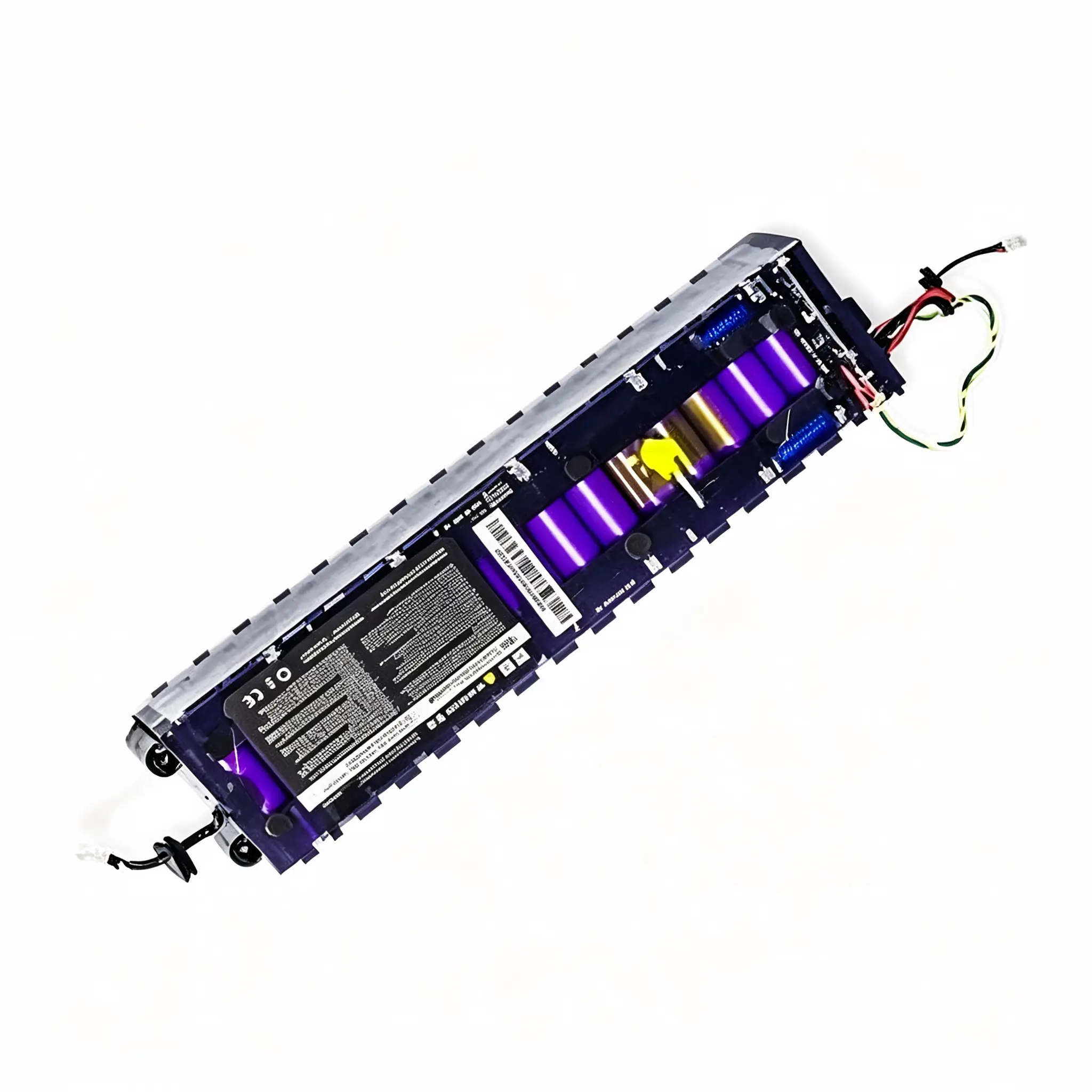
48V Battery BMS Guide: 13S vs 16S Differences, Applications & Full XJBMS Models
The 48V battery system is one of the most popular and practical voltage specifications in modern mobility and energy storage industries. When sourcing 48V lithium battery packs and matching 48v Bms (Battery Management System), there are confused by two core configurations: 13S 48V and 16S 48V. Although both are defined as 48V systems, their cell chemistry, working voltage, application scenarios, current requirements, and functional designs are completely different.
What Scenarios Require a 48V Battery System?
48V is a mid-to-high power low-voltage system, widely divided into two major application fields: electric mobility and energy storage. It is mainly adopted in scenarios that requirehigher power output, stronger load capacity, and longer continuous endurance than 36V low-voltage equipment:
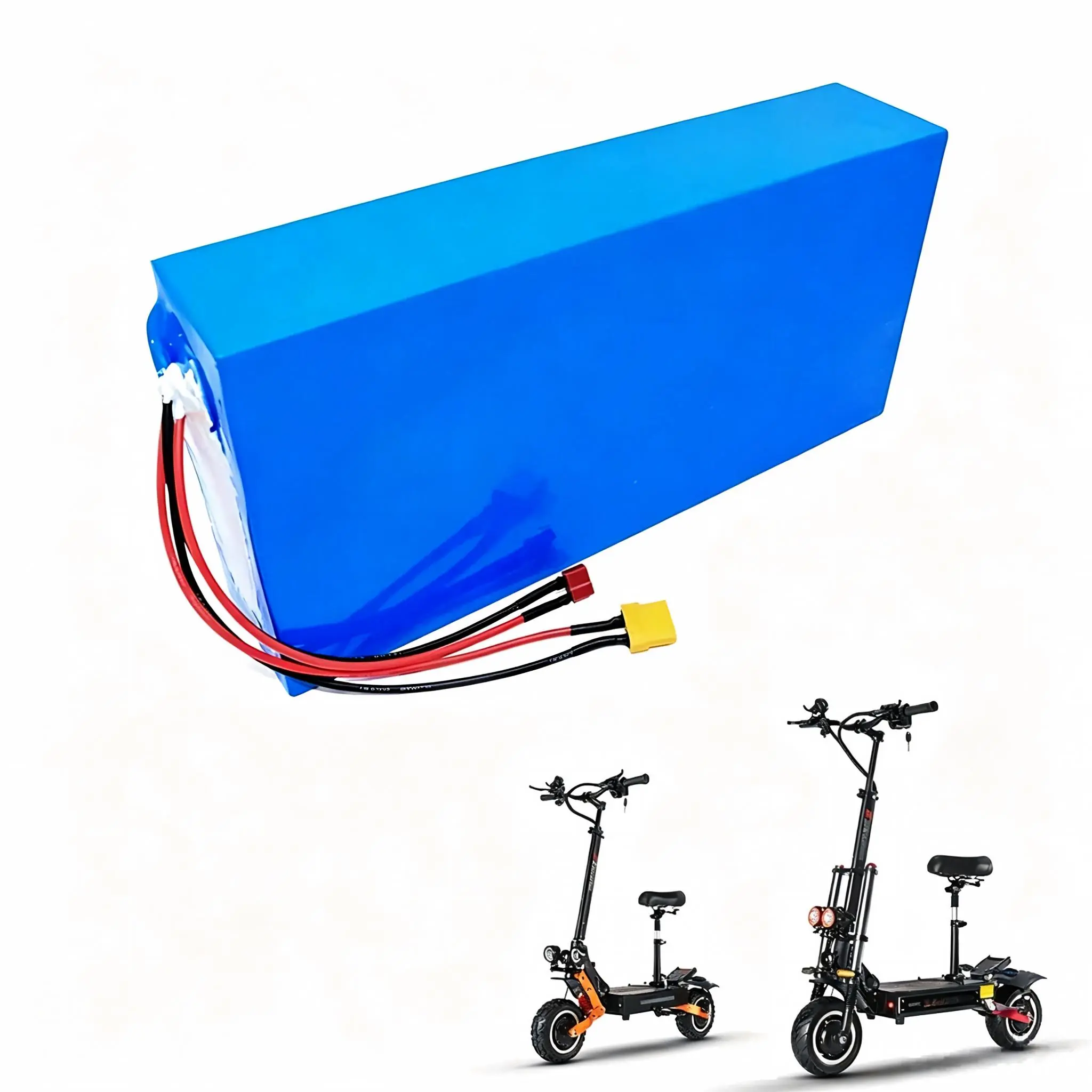
- Light electric mobility: High-power electric bicycles, electric scooters, and heavy-duty two-wheelers that need fast speed, strong climbing performance, and long-range travel
- Off-grid energy storage systems: Household solar energy storage, inverter backup power, portable ESS, and industrial standby power supply
- Commercial lightweight equipment: Small cleaning machines, garden power tools, and outdoor mobile devices with high endurance requirements
13S 48V vs 16S 48V BMS: Core Differences & Application Orientation
The biggest industry distinction is clear: 13S 48V is exclusive for electric two-wheelers, while 16S 48V is dedicated for energy storage systems. The two configurations cannot be cross-used due to different cell voltage platforms and functional requirements.
13S 48V BMS (NMC Lithium Battery Platform)
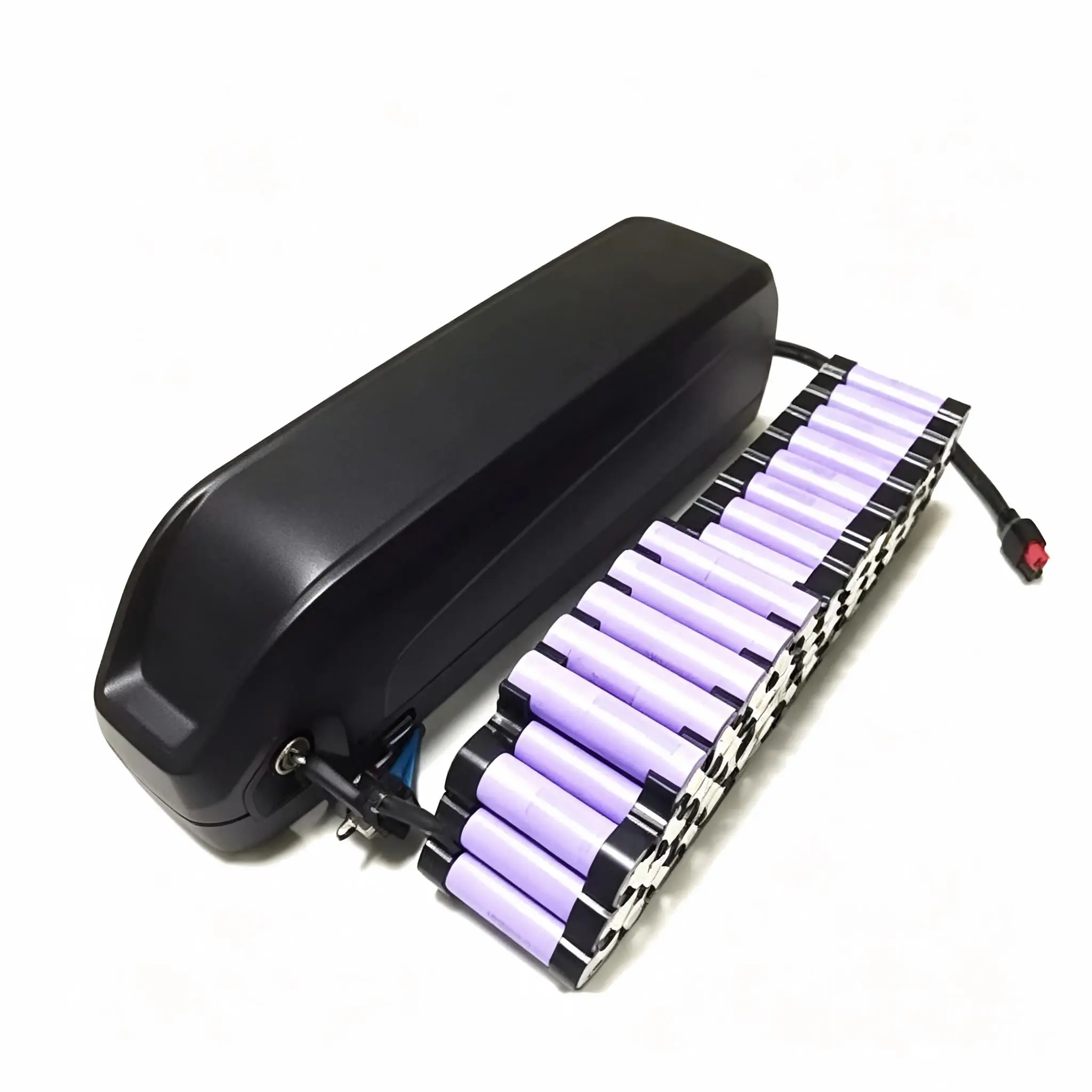
13S refers to 13-series ternary lithium cells. With a single cell nominal voltage of 3.7V, the total nominal voltage reaches 48.1V, fully belonging to the standard 48V mobility battery system (full charge voltage 54.6V).
Core Application: 100% focused on electric two-wheelers, including standard electric bicycles, high-speed electric scooters, and heavy-duty commuter two-wheelers.
Advantages Over 36V Systems: Compared with mainstream 36V two-wheelers, 48V 13S models feature higher power output, stronger climbing ability, faster driving speed, and far longer driving range. They are more suitable for heavy-load daily commuting, long-distance riding, and frequent start-stop working scenarios, becoming the preferred configuration for mid-to-high-end electric two-wheelers.
BMS Requirements: Focus on stable instantaneous discharge, over-current protection, and cost performance. Conventional current ranges from 20A to 60A, meeting daily riding power demands.
16S 48V BMS (LiFePO4 Energy Storage Platform)
16S refers to 16-series LiFePO4 cells. With a single cell nominal voltage of 3.2V, the total nominal voltage reaches 51.2V (full charge voltage 58.4V), uniformly defined as a 48V-class energy storage system in the industry.
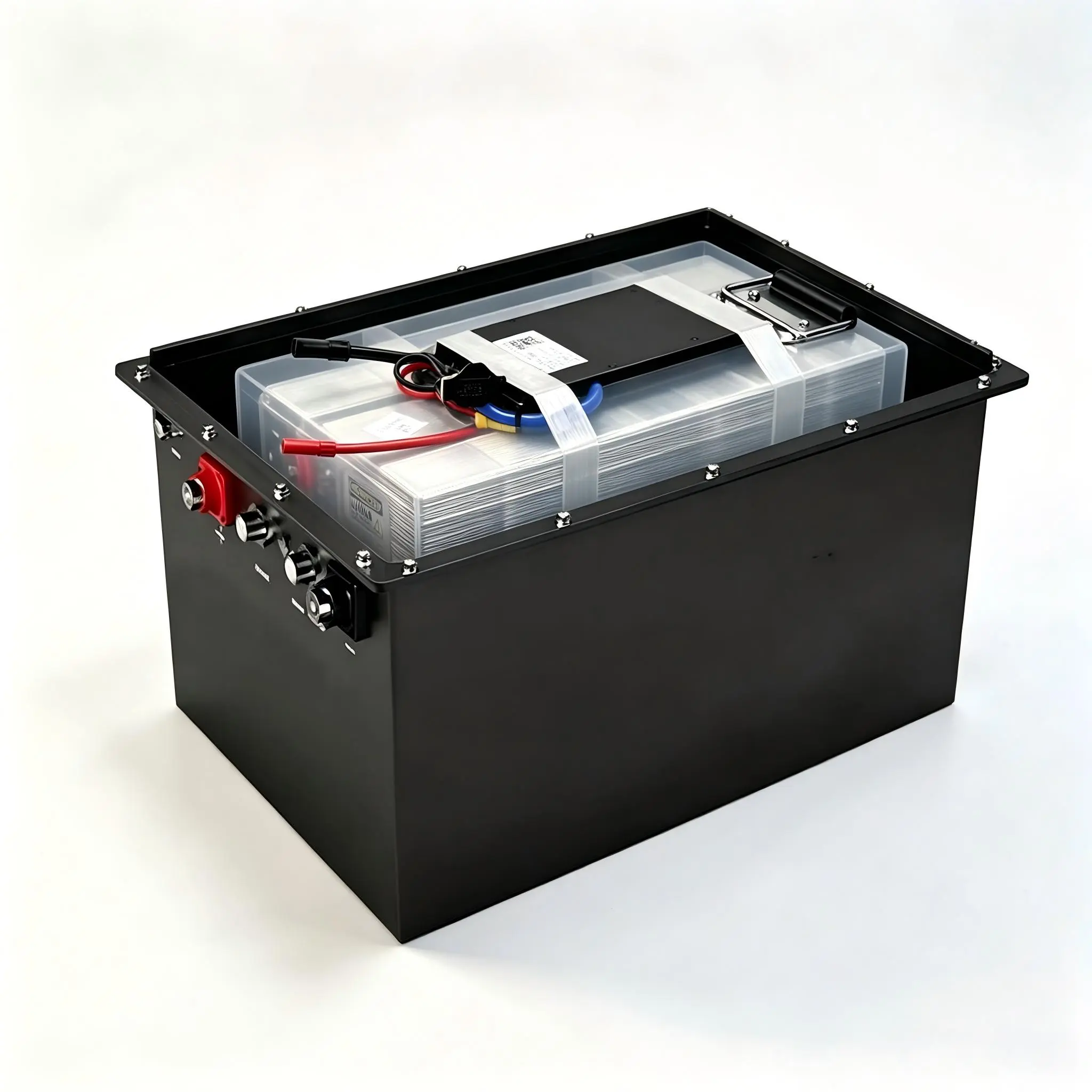
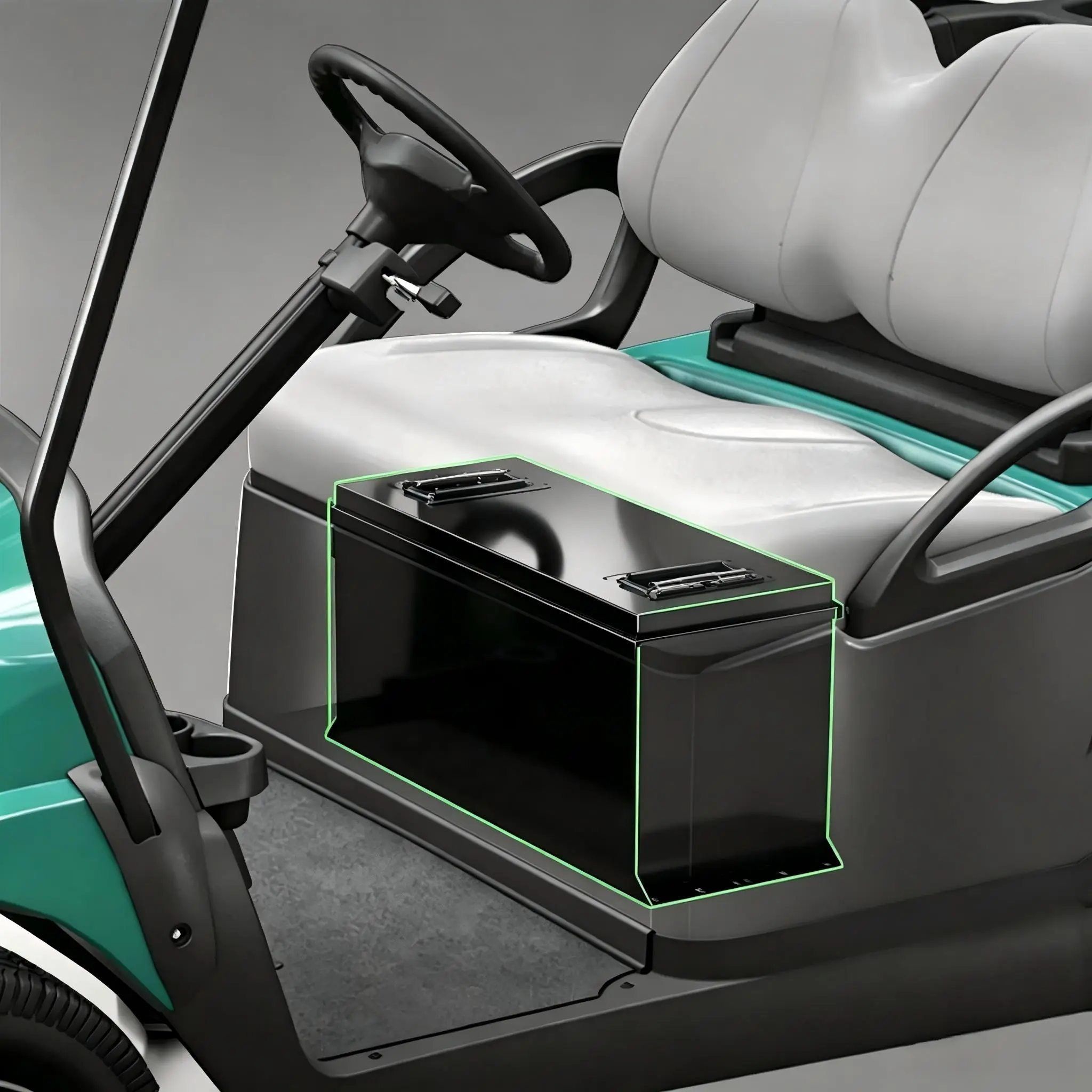
Core Application: Dedicated for ESS energy storage scenarios, matched with inverters for off-grid solar energy storage, household backup power, industrial standby power, and outdoor large-capacity energy storage power stations.
BMS High Standard Requirements: Different from mobility BMS, 16S energy storage BMS has stricter and more complex design standards:
- Support large current continuous dischargeto adapt to high-power inverter load
- Reserve rich communication interfaces and extended functions for system docking
- Support long-term floating charge and cycle energy storage working mode
- Higher technical difficulty and manufacturing cost, resulting in a relatively higher market price
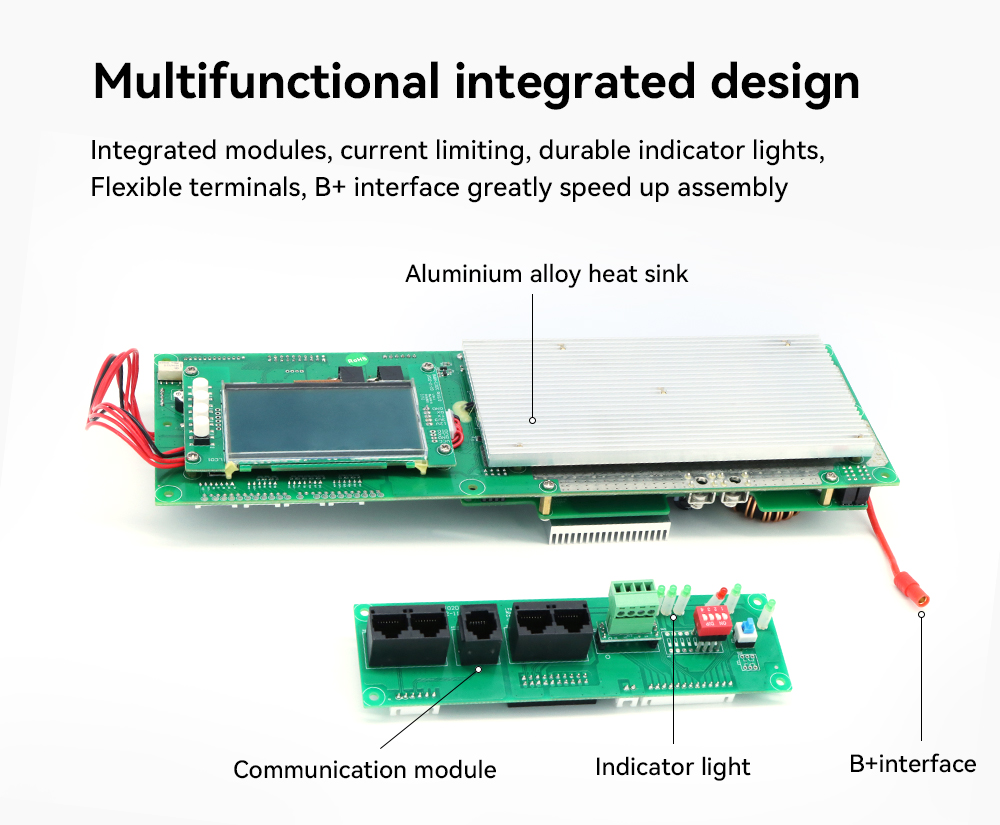
XJBMS Full Range 48V (13S/16S) BMS Series
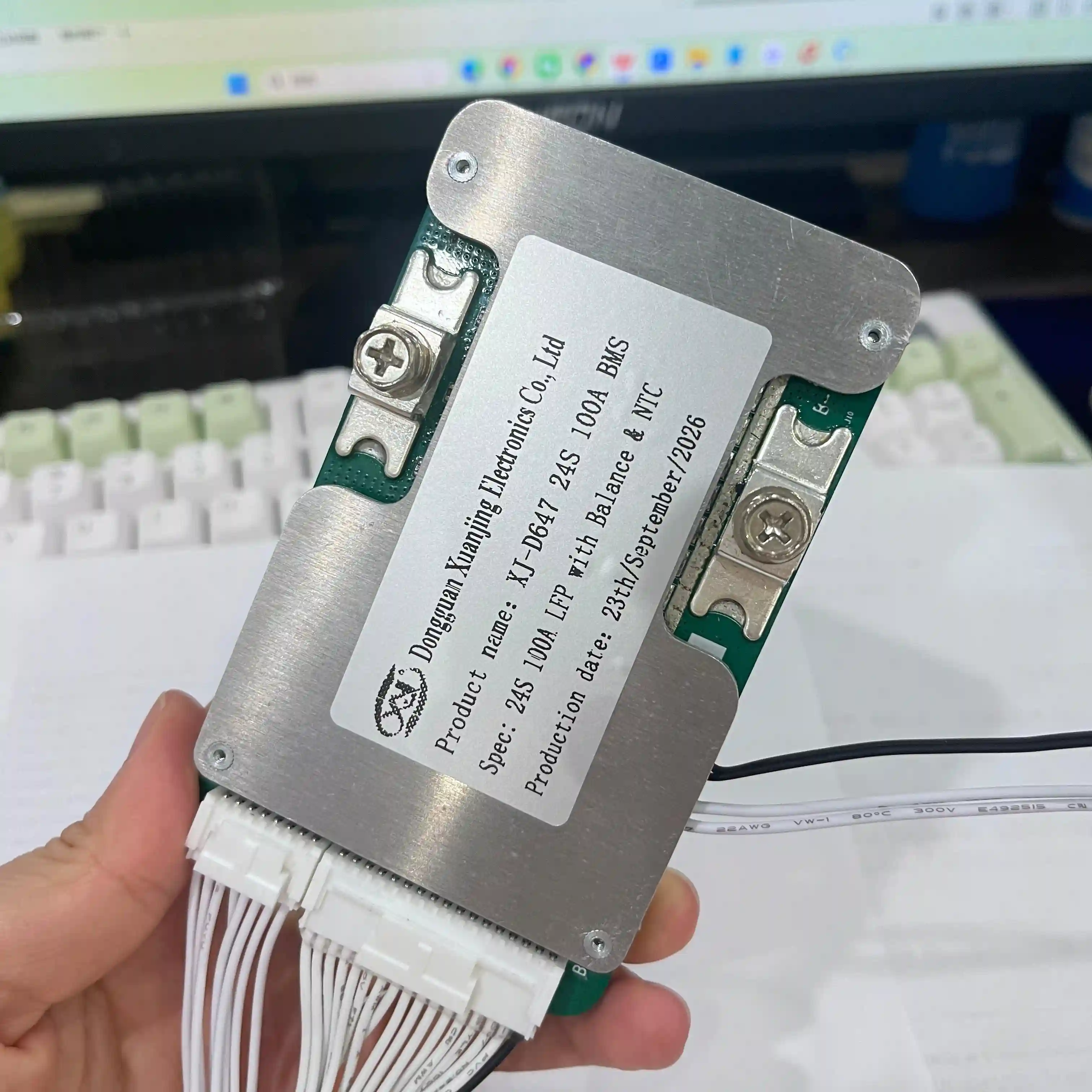
XJBMS provides complete 48V BMS solutions covering ultra-thin bare boards, high-stability hardware boards, and multi-functional intelligent Bluetooth boards. All models support both 13S electric two-wheeler and 16S energy storage system matching, covering low, medium and high current ranges to meet mobility and ESS energy storage scenarios.
Ultra-Thin Bare BMS (Lightweight for E-Bike Battery Packs)
- XJ-D356V2: 3A charge / 20A discharge, split port, size 245*64*4mm
- XJ-D485: 3A charge / 30A discharge, split port, size 245*64*4mm
- XJ-D482: 3A charge / 30A discharge, split port, size 355*58*4mm
- XJ-D481: 3A charge / 30A discharge, split port, size 281*99*4mm
- XJ-D480: 3A charge / 30A discharge, split port, size 290*79*4mm
Hardware BMS (High Stability for Mobility & Energy Storage)
- XJ-D198: 5A charge / 25A discharge, split port, size 60*35*10mm
- XJ-D308: 5A charge / 30A discharge, split port, size 60*35*10mm
- XJ-D092: 10A–20A charge & discharge, common port, size 80*40*10mm
- XJ-D068: 10A–40A charge & discharge, common port, size 100*60*10mm
- XJ-D098: 10A–50A charge & discharge, common port, size 100*60*8mm
- XJ-D494: 5A charge / 30A–60A discharge, split port, size 90*50*7mm
- XJ-D495: 30A–60A charge & discharge, common port, size 90*50*7mm
- XJ-D565: 30A–60A charge & discharge, common port, size 100*60*10mm
Smart Bluetooth BMS (Intelligent Monitoring for ESS & High-End E-Bikes)
- XJ-F006: 10A charge / 25A discharge, split port, size 55*33*14mm
- XJ-F002C: 30A–60A charge & discharge, common port, size 100*65*9mm
- XJ-F002: 30A–120A charge & discharge, common port, size 136*63*14mm
- XJ-F002A: 150A–250A charge & discharge, common port, size 210*63*14mm

Conclusion
48V battery systems are divided into two completely segmented markets: 13S ternary lithium for high-power electric two-wheelers and 16S LiFePO4 for ESS energy storage inverters. 48V two-wheelers outperform 36V models in power, load capacity and endurance, while 16S energy storage BMS meets high-current, multi-function and high-reliability industrial energy storage demands. XJBMS full-series 48V BMS covers all current grades and structural types, providing cost-effective and reliable professional solutions for global electric mobility and energy storage equipment manufacturers.
 +86 15012973360
