


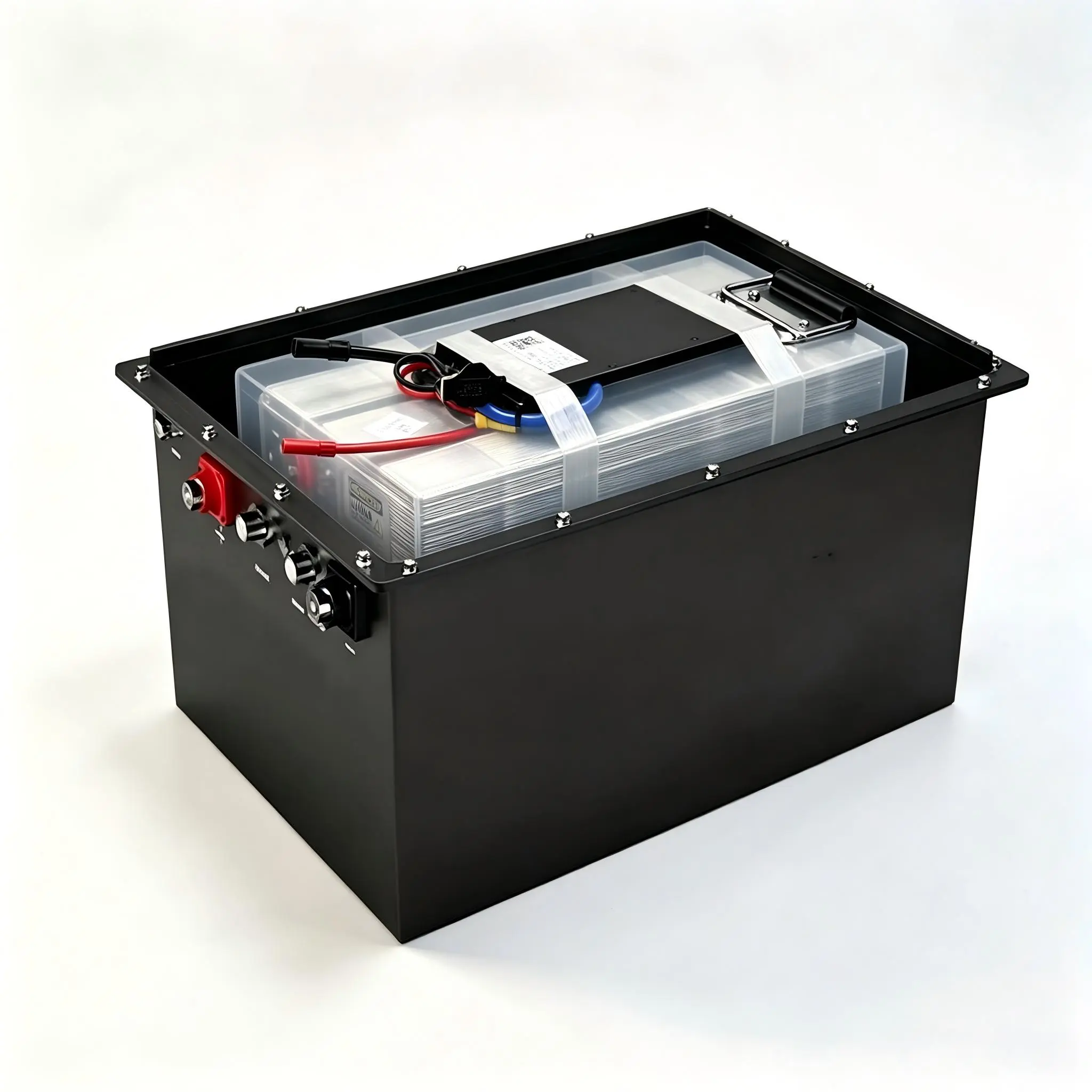
40V 270W Solar Panel: Specs, Matching Battery Protection Board (BMS) & Solar Golf Cart Guide
If you’re looking to use a 40V 270W high-efficiency solar panel—whether for off-grid power, small energy storage, or solar-powered golf carts—you’ve probably got a lot of questions: What specs does a 40V 270W solar panel have? Do I need a battery protection board (BMS) for it? What BMS specification matches this solar panel? Does solar energy convert to kinetic energy automatically? Does the solar panel have a built-in battery? If solar panels don’t have storage batteries, how do I use a BMS? And do solar golf carts need a BMS too?
As a professional BMS manufacturer with years of experience in solar and electric equipment, XJBMS is here to answer all these questions in simple, SEO-friendly terms—perfect for anyone navigating solar power setups, especially solar golf cart owners. We’ll break down specs, BMS matching, common myths, and focus on solar golf carts (a high-demand use case for 40V 270W solar panels).
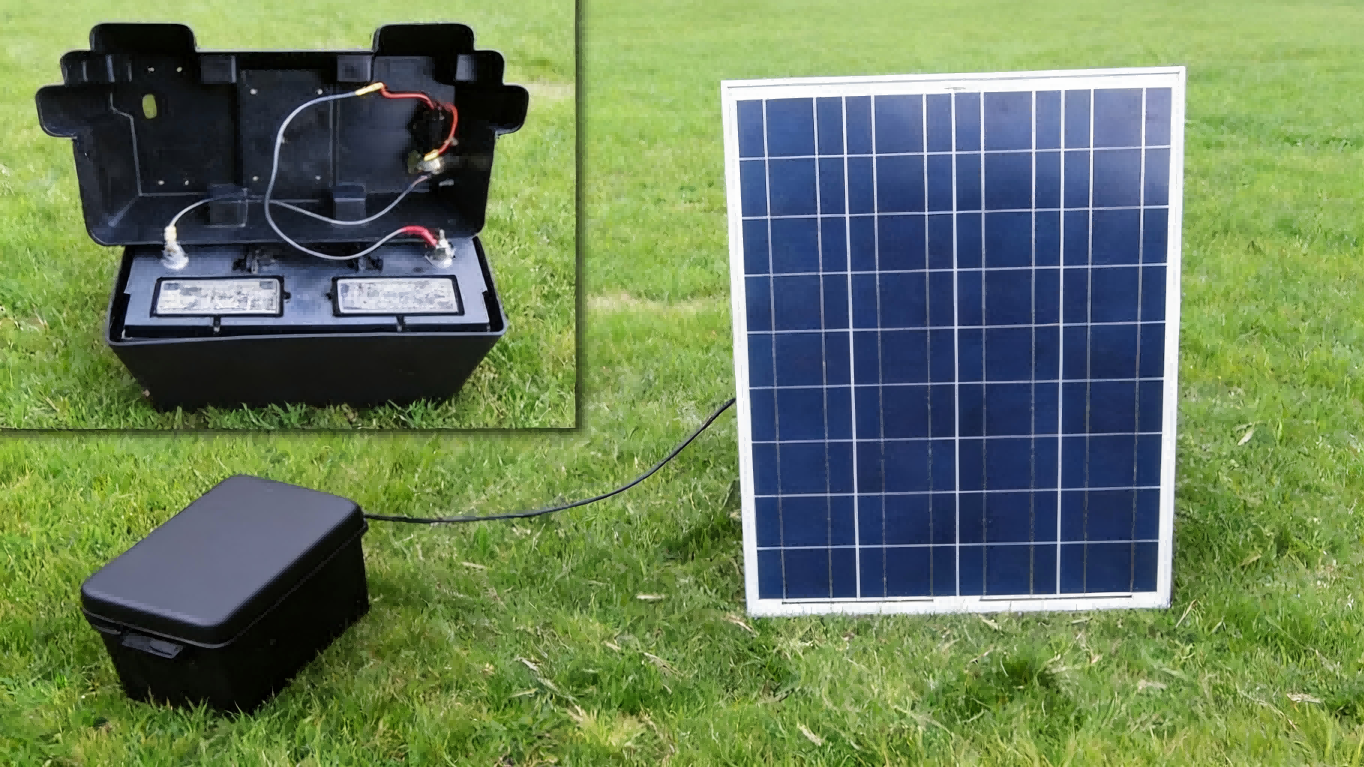
What Specs Does a 40V 270W High-Efficiency Solar Panel Have?
First, let’s clarify the key specs of a 40V 270W solar panel—these details are critical for matching batteries, BMS, and devices like solar golf carts.
A 40V 270W solar panel’s core specs (industry standard) are:
- Open-Circuit Voltage (Voc): 40V (this is the "40V output" you see—voltage when no load is connected)
- Maximum Power Voltage (Vmpp): 32-36V (actual working voltage when generating power, key for matching batteries/BMS)
- Maximum Power Current (Impp): 7.5-8.4A (calculated by Power = Voltage × Current: 270W ÷ 36V ≈ 7.5A)
- Panel Size: 1650mm × 990mm × 35mm (lightweight, easy to mount on golf carts, RVs, or off-grid setups)
- Cell Type: Monocrystalline (high efficiency, ideal for outdoor use like golf courses)
- Application Compatibility: Perfect for small off-grid systems, portable energy storage, and solar-powered golf carts (the 40V output and 270W power are well-suited for golf cart battery charging).
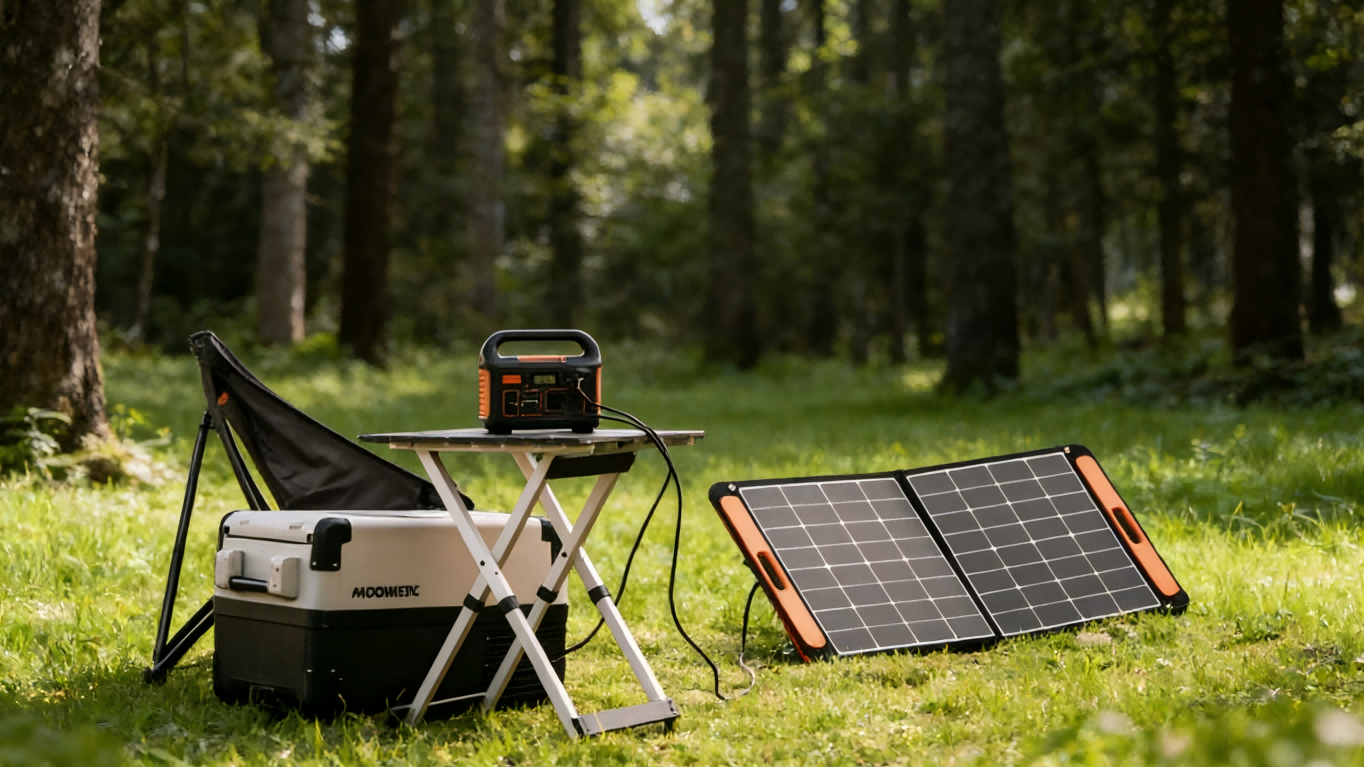
Do I Need a Battery Protection Board (BMS) for a 40V 270W Solar Panel?
The short answer: No—for the solar panel itself. But YES—if you use a storage battery (which is required for most use cases, including solar golf carts).
Let’s clear up this common confusion:
- A solar panel is a power-generating device, not a storage device—it produces electricity when exposed to sunlight but cannot store it. It has NO built-in battery (this is a top myth we hear!).
- A BMS (battery protection board) is designed to protect STORAGE BATTERIES, not solar panels. It prevents batteries from overcharging, over-discharging, overcurrent, short circuits, and overheating—critical for battery safety and longevity.
When You Don’t Need a BMS:
If you use the 40V 270W solar panel in "direct drive mode"—meaning you connect it directly to a load (e.g., a small fan, water pump) that only runs when the sun is shining. In this case, no storage battery = no BMS needed. But this is rare for most users (and impossible for solar golf carts, which need continuous power).
When You MUST Need a BMS:
If you use the solar panel in "energy storage mode"—the most common setup for 40V 270W panels, including solar golf carts. Here’s why:
- Solar golf carts, off-grid homes, and portable energy storage all require a storage battery to store solar energy (for use when there’s no sun—e.g., evening golf cart rides, cloudy days).
- Without a BMS, the solar panel’s voltage (which fluctuates with sunlight—up to 45V on bright days) will overcharge the battery, causing it to bulge, leak, or even catch fire. The BMS acts as a "safety guard" for the battery, working with a solar charge controller to regulate power.
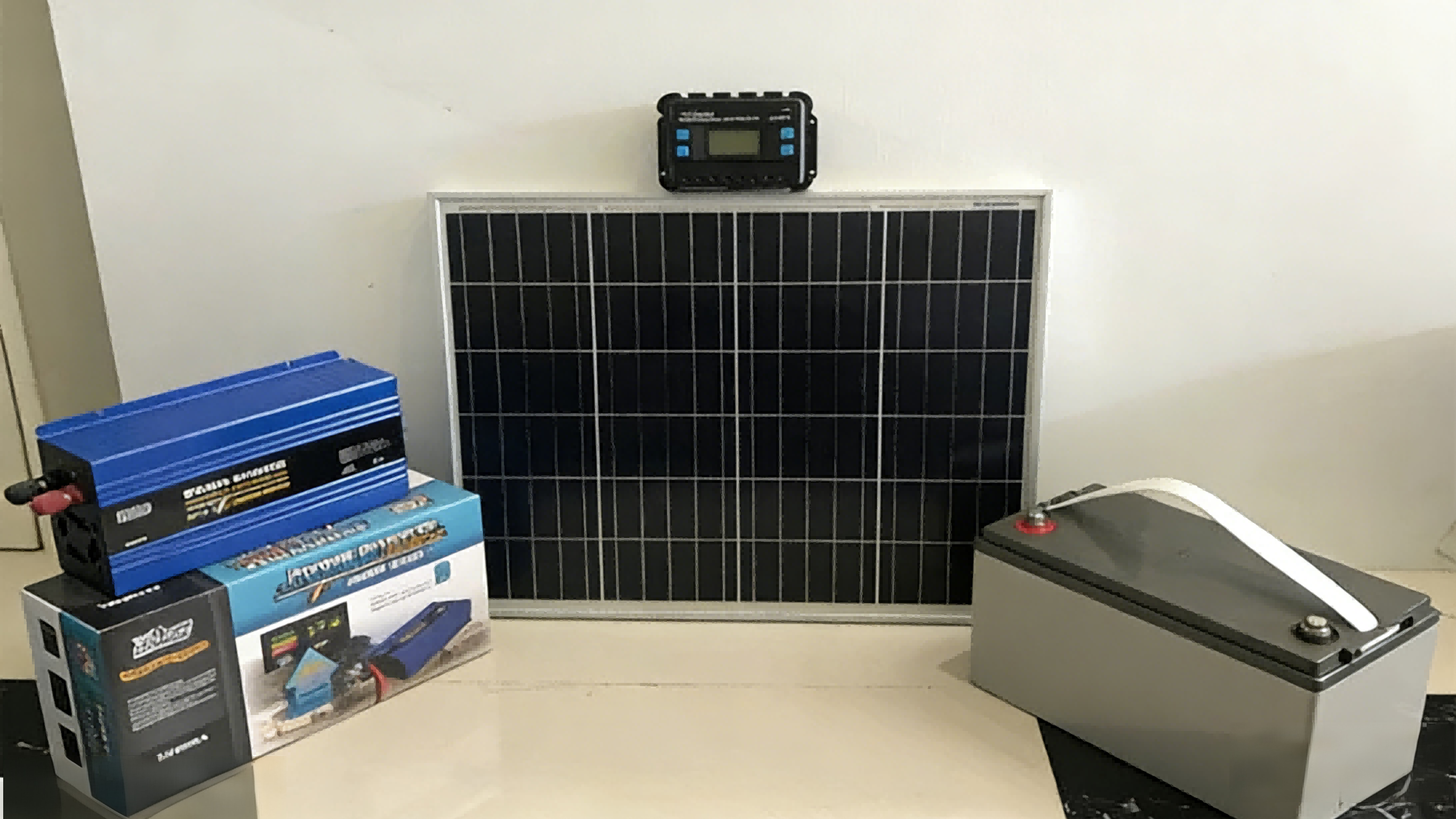
What BMS Specs Match a 40V 270W Solar Panel?
Matching a BMS to your 40V 270W solar panel depends on your storage battery pack’s specs—not the solar panel itself. The solar panel’s job is to charge the battery; the BMS’s job is to protect the battery. Here’s how to choose the right BMS (step-by-step, perfect for solar golf carts):
Step 1: Choose Your Storage Battery Pack (Key for Solar Golf Carts)
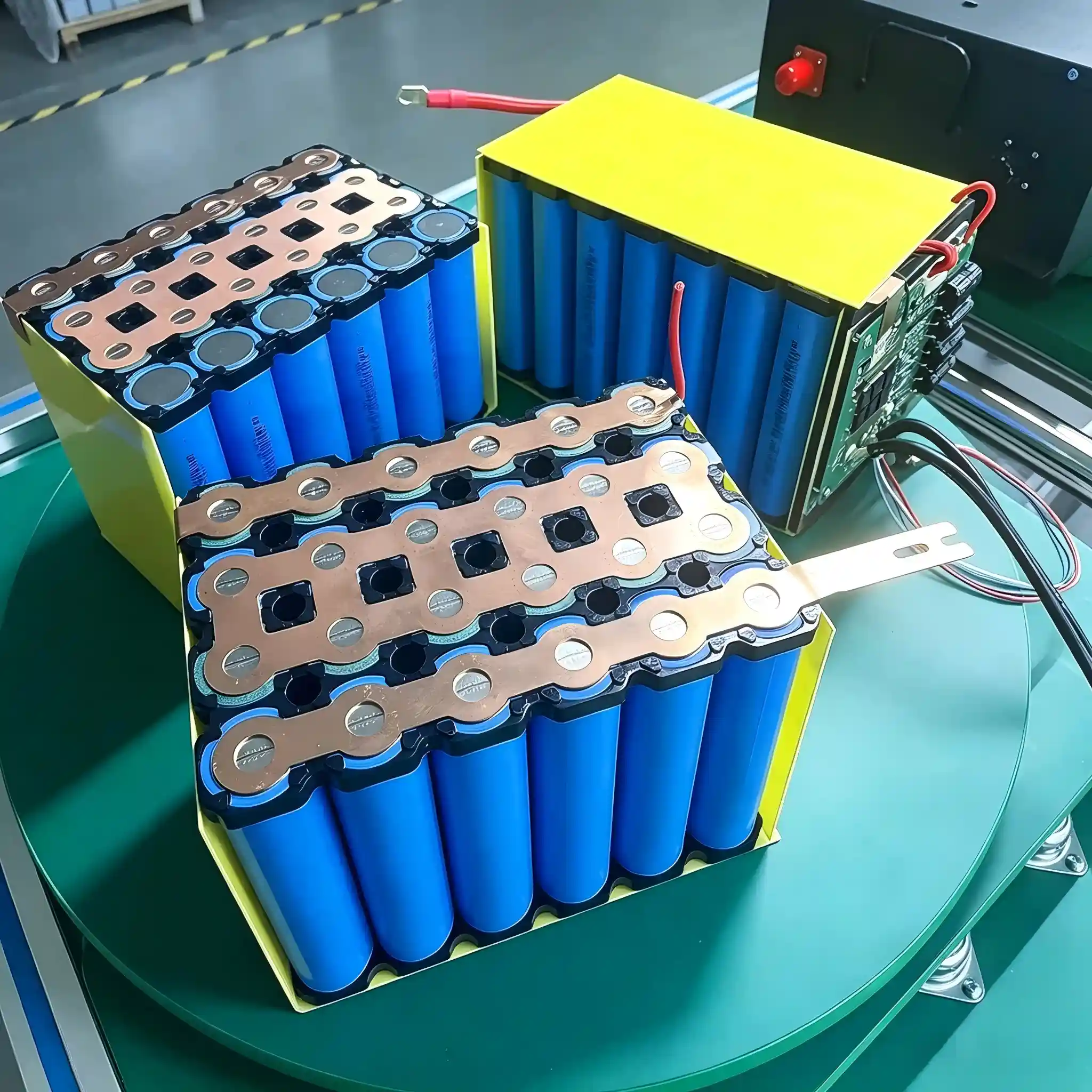
The 40V 270W solar panel’s working voltage (32-36V) is best matched to a 48V storage battery pack (the most common voltage for solar golf carts). A 48V battery pack is typically:
- 16S LiFePO4 (1S = 3.2V; 16×3.2V = 51.2V, which matches the solar panel’s 32-36V working voltage for efficient charging)
- Or 13S NMC (1S = 3.7V; 13×3.7V = 48.1V, also compatible)
Step 2: Match BMS Strings (S) to the Battery Pack
The BMS’s "S" (series) count must exactly match the battery pack’s S count—this ensures the BMS can correctly detect and protect the battery’s voltage.
- For a 48V 16S LiFePO4 battery pack (ideal for solar golf carts), choose a 16s bms.
Step 3: Match BMS Current to the Solar Panel & Golf Cart
The BMS’s continuous working current must be ≥ the solar panel’s maximum charging current (to handle charging) AND ≥ the golf cart’s maximum discharge current (to handle driving).
- Solar panel charging current: ~7.5A (from 270W ÷ 36V)
- Solar golf cart discharge current: A typical 48V solar golf cart has a 1000-2000W motor, so discharge current = Power ÷ Voltage = 1000W ÷ 48V ≈ 20.8A (or 2000W ÷ 48V ≈ 41.7A)
Recommended BMS for 40V 270W Solar Panel + Solar Golf Cart:
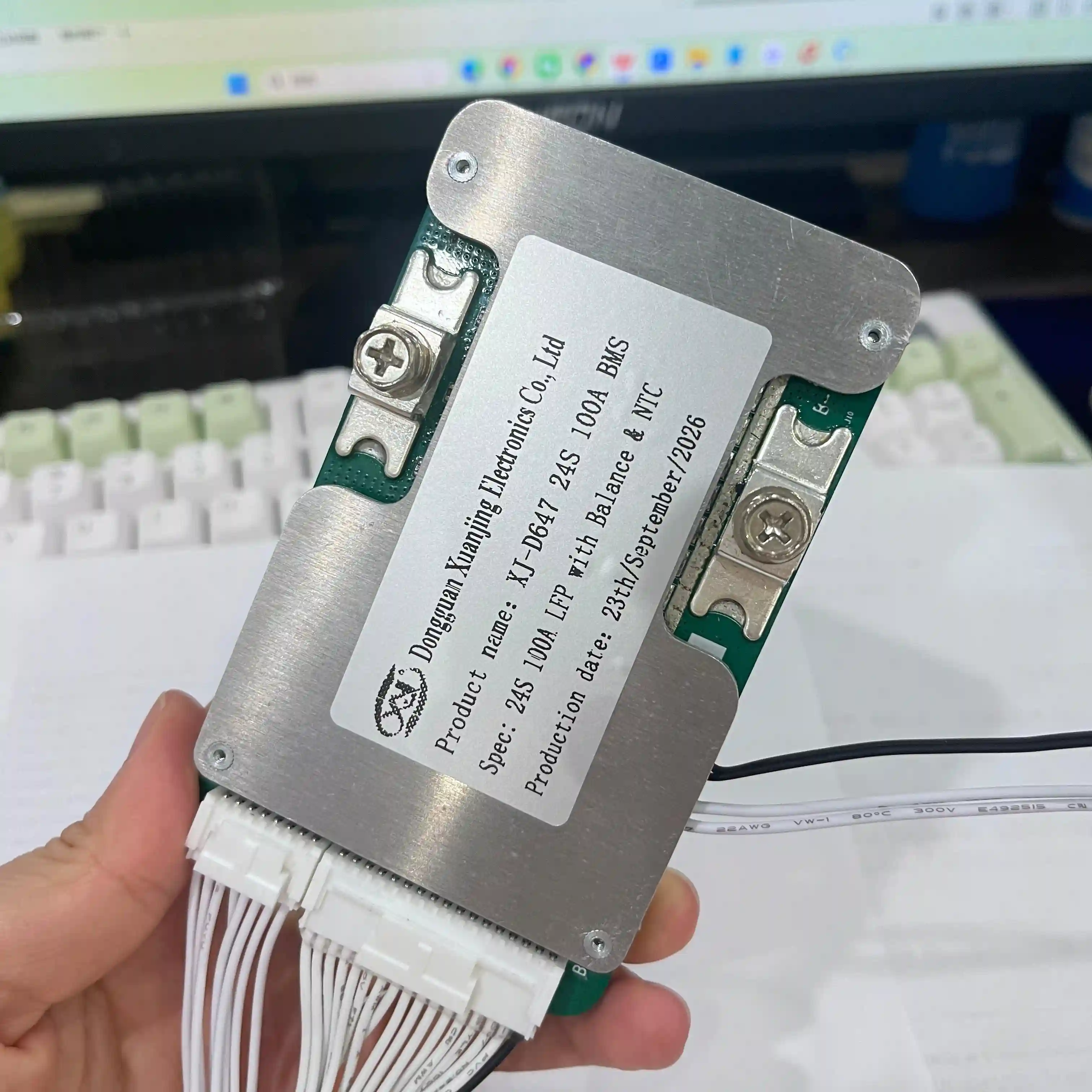
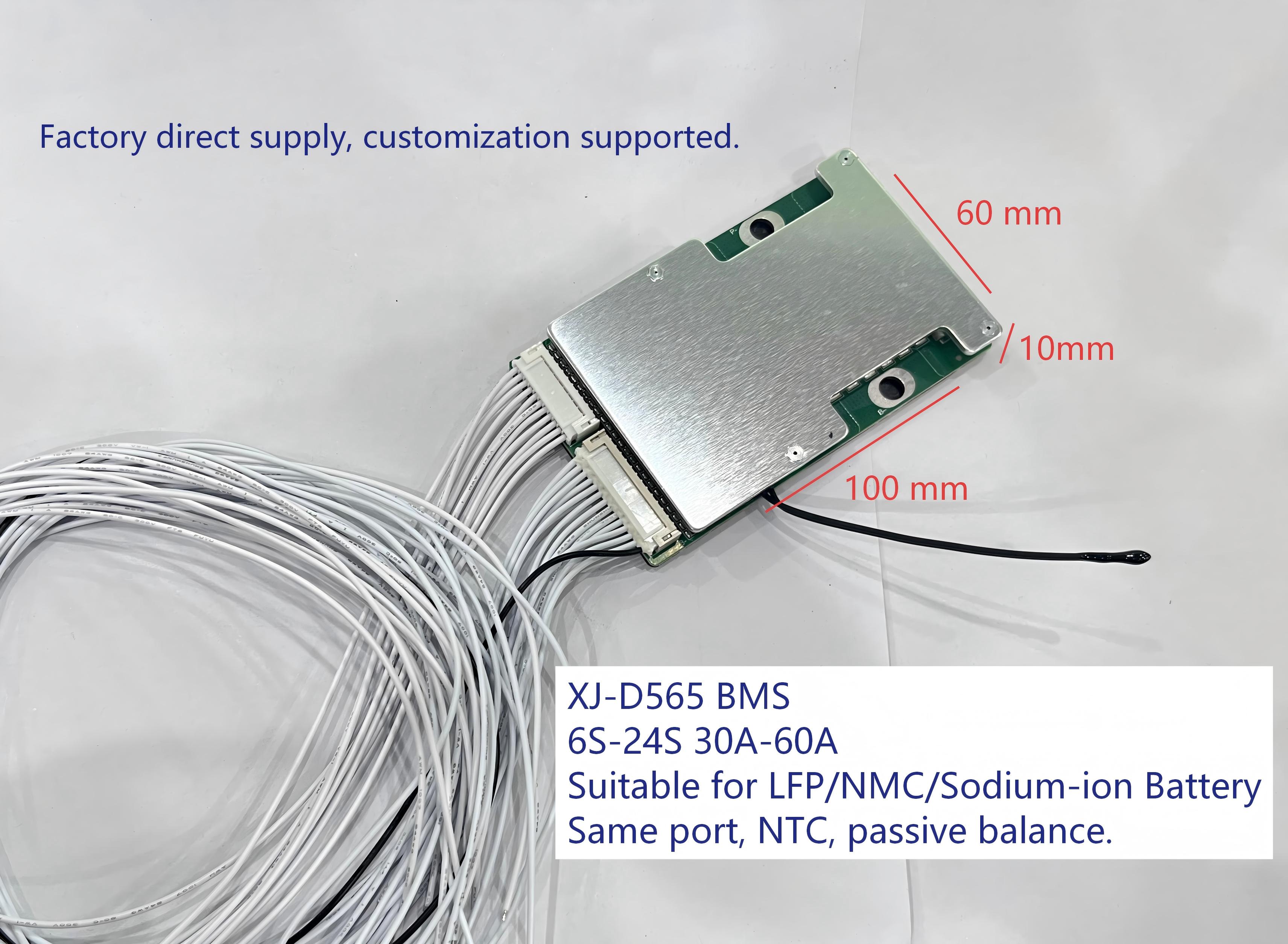
- 16S 50A BMS (XJ-D565 model from XJBMS): Perfect for standard solar golf carts (1000-2000W motor). It handles the 7.5A charging current and 20.8-41.7A discharge current, with 20% extra capacity to avoid overheating.
- 16S 100A BMS (XJ-D386 model from XJBMS): For heavy-duty solar golf carts (2000W+ motor, carrying multiple passengers or cargo). It provides extra current headroom for steep hills or long hours of use.
Key BMS Features for Solar Golf Carts:
- Hardware BMS (No Communication Interface): Cost-effective, easy to install, and ideal for solar golf carts (no need for smart connectivity—just basic battery protection).
- Built-in Cell Balancing & Temperature Control: Balances battery cell voltages to extend life (critical for solar charging, which can cause cell imbalance) and protects against overheating (perfect for outdoor golf course use).
- Common Port (Same Port for Charging & Discharging): Simplifies wiring, saving space in the golf cart’s battery compartment.
Common Myths: Solar Energy, Batteries & Kinetic Energy
Let’s debunk the top myths we hear from customers—especially solar golf cart owners:
Myth 1: "Solar energy converts to kinetic energy automatically."
No! Solar energy follows a clear conversion path:
Solar Energy → Electrical Energy (solar panel) → Chemical Energy (storage battery) → Electrical Energy (battery discharge) → Kinetic Energy (motor, e.g., golf cart wheels)
Solar panels only produce electricity—they cannot directly power a motor (kinetic energy) without a storage battery. For solar golf carts, the battery stores solar energy so you can drive even when the sun isn’t shining.
Myth 2: "Solar panels have built-in storage batteries."
No! Solar panels are strictly power-generating devices. They have no internal batteries—you must add an external storage battery to store the electricity they produce. This is why solar golf carts always have a separate battery pack (and thus need a BMS).
Myth 3: "If solar panels don’t have batteries, I can’t use a BMS."
Correct—BMS only protects storage batteries. If you don’t use a battery (direct drive mode), you don’t need a BMS. But for 99% of solar panel users (including solar golf cart owners), a storage battery is essential—so a BMS is non-negotiable.
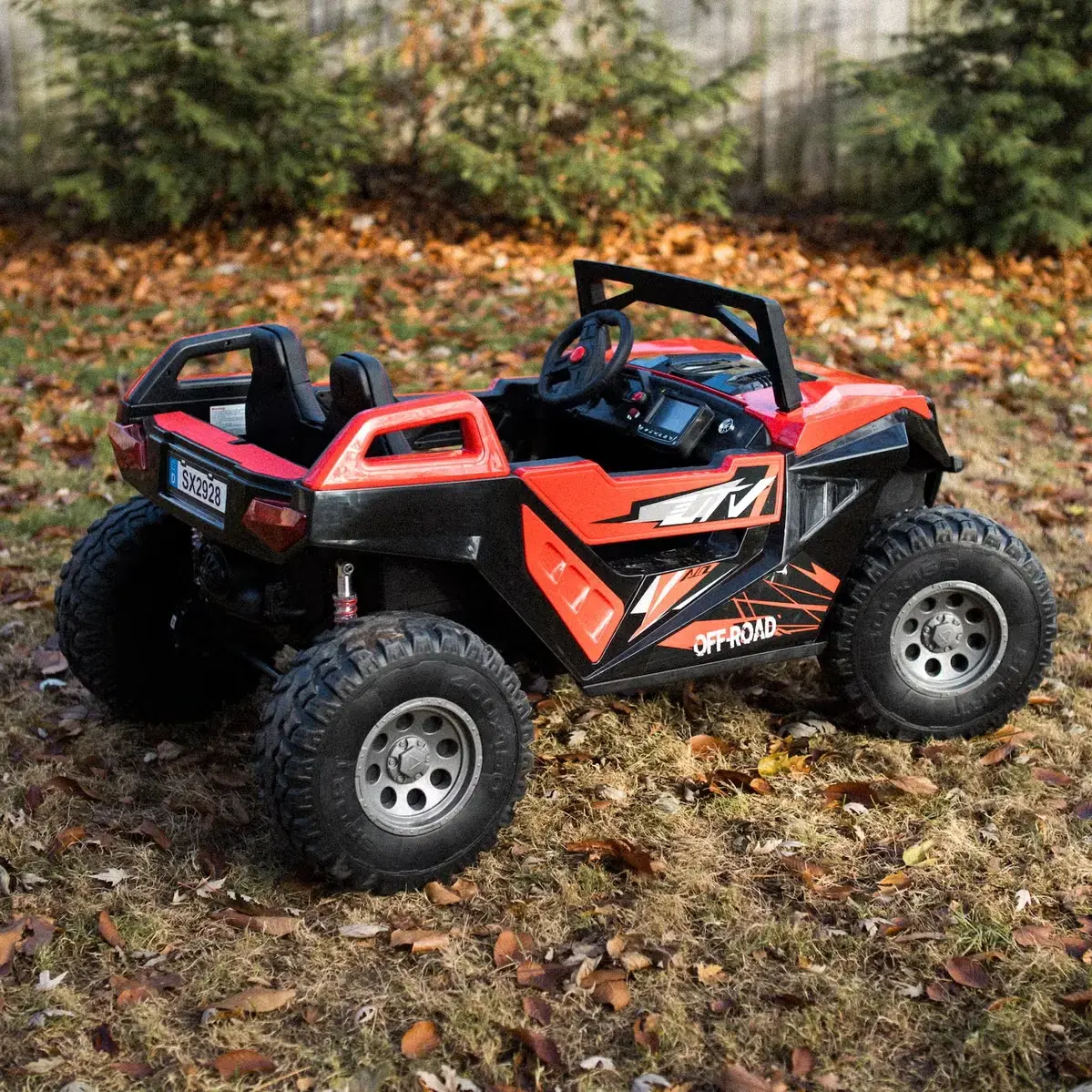
Solar Golf Carts: Do They Need a Battery Protection Board?
YES—100% necessary! Solar golf carts rely on a storage battery pack to store solar energy for driving. Without a BMS:
- The 40V 270W solar panel will overcharge the battery (especially on bright days), causing bulging, leakage, or fire.
- The golf cart’s motor will draw high current when accelerating or climbing hills, triggering overcurrent damage to the battery.
- Battery cell imbalance will occur over time, reducing battery life (costing you money to replace batteries frequently).
How to Choose BMS for Solar Golf Carts (Recap):
- Check your golf cart’s battery pack: 48V 16S LiFePO4 (most common) → 16S BMS.
- Check your golf cart’s motor power: 1000-2000W → 50A BMS (XJ-D565); 2000W+ → 100A BMS (XJ-D386).
- Choose a hardware BMS with cell balancing and temperature control (XJBMS models are designed for outdoor use and easy installation).
Why Choose XJBMS for Your 40V 270W Solar Panel & Solar Golf Cart?
At XJBMS, our battery protection boards are tailor-made for solar setups and electric vehicles like golf carts—here’s why we’re the top choice for DIYers, small businesses, and golf cart owners:
- Perfect Compatibility: Our BMS (XJ-D565: 6S-24S 30A-60A; XJ-D386: 4S-25S 50A-150A) matches 40V 270W solar panels and 48V solar golf cart batteries.
- Reliable Protection: All hardware BMS boards include built-in cell balancing, temperature control, overcharge/over-discharge/overcurrent protection—keep your battery safe and long-lasting.
- Easy Installation: Compact design (XJ-D565: 100×60×10mm) fits easily in golf cart battery compartments, with common port design for simple wiring.
- Competitive Pricing: EXW factory prices start from $9.5 for XJ-D565 24S 30A. Bulk orders for solar golf cart manufacturers enjoy exclusive discounts.
- Wide Battery Support: Works with LiFePO4, NMC, and Sodium-ion batteries—no need to switch BMS for different battery types.
Contact Us for Your Solar & Golf Cart BMS Solutions
Whether you’re setting up a 40V 270W solar panel system, building a solar golf cart, or need a custom BMS for your solar project, XJBMS has you covered. Our team provides one-on-one guidance to help you match the perfect BMS—no technical expertise required.
Contact us anytime—we’re happy to help for your battery management system solution.