

News
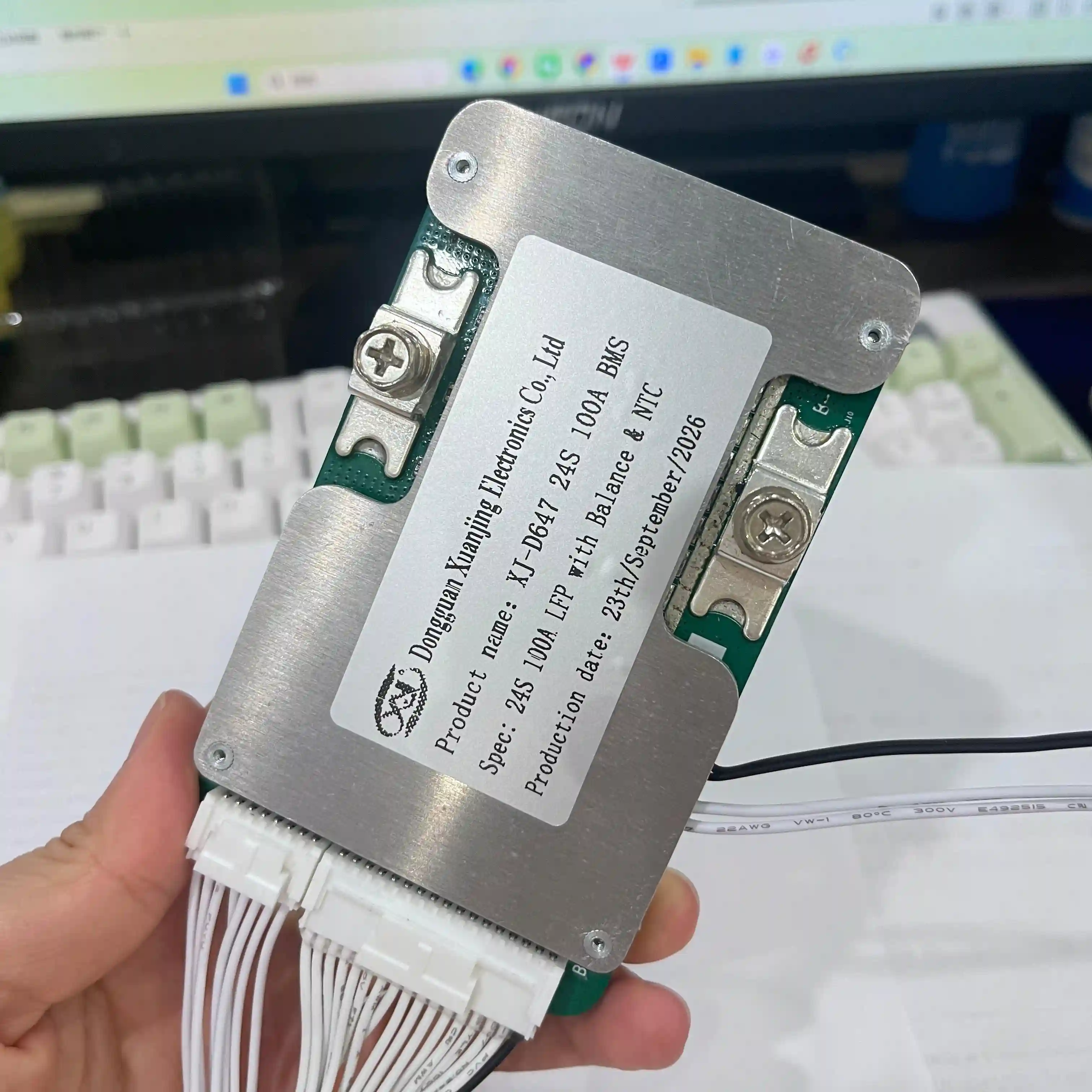
New Launch: XJ-D647 6S–24S 100A Compact High-Current BMS | Dual NTC & Passive Balance Design
We are thrilled to officially launch our brand-new high-performance hardware BMS — XJ-D647. Designed to solve the industry pain points of bulky size, insufficient heat dissipation, unstable protection, and high cost for high-string and high-current battery packs, this new model supports ultra-wide string coverage from 6S to 24S with a maximum continuous working current of 100A. It integrates comprehensive protection functions, dual temperature monitoring, passive cell balancing, and a weak current switch, delivering a compact, stable, and cost-effective battery management solution for power equipment and grid-off energy storage systems.

Happy Mid-Autumn Festival from XJBMS | Reunion, Gratitude & Peak Season Reminder

BMS for Boats: Full Marine Vessel Types, Battery Requirements & XJBMS Complete Solutions
Marine electric vessels rely entirely on lithium battery power systems for propulsion, control, and auxiliary operation. Unlike land equipment, all types of electric boats work in humid, watery, temperature-changing outdoor environments, featuring vibration during navigation, intermittent high-power acceleration, and long-duration low-speed cruising. These harsh operating conditions make a high-quality marine-grade BMS (Battery Management System) indispensable for ensuring battery safety, stable power output, and long service life.
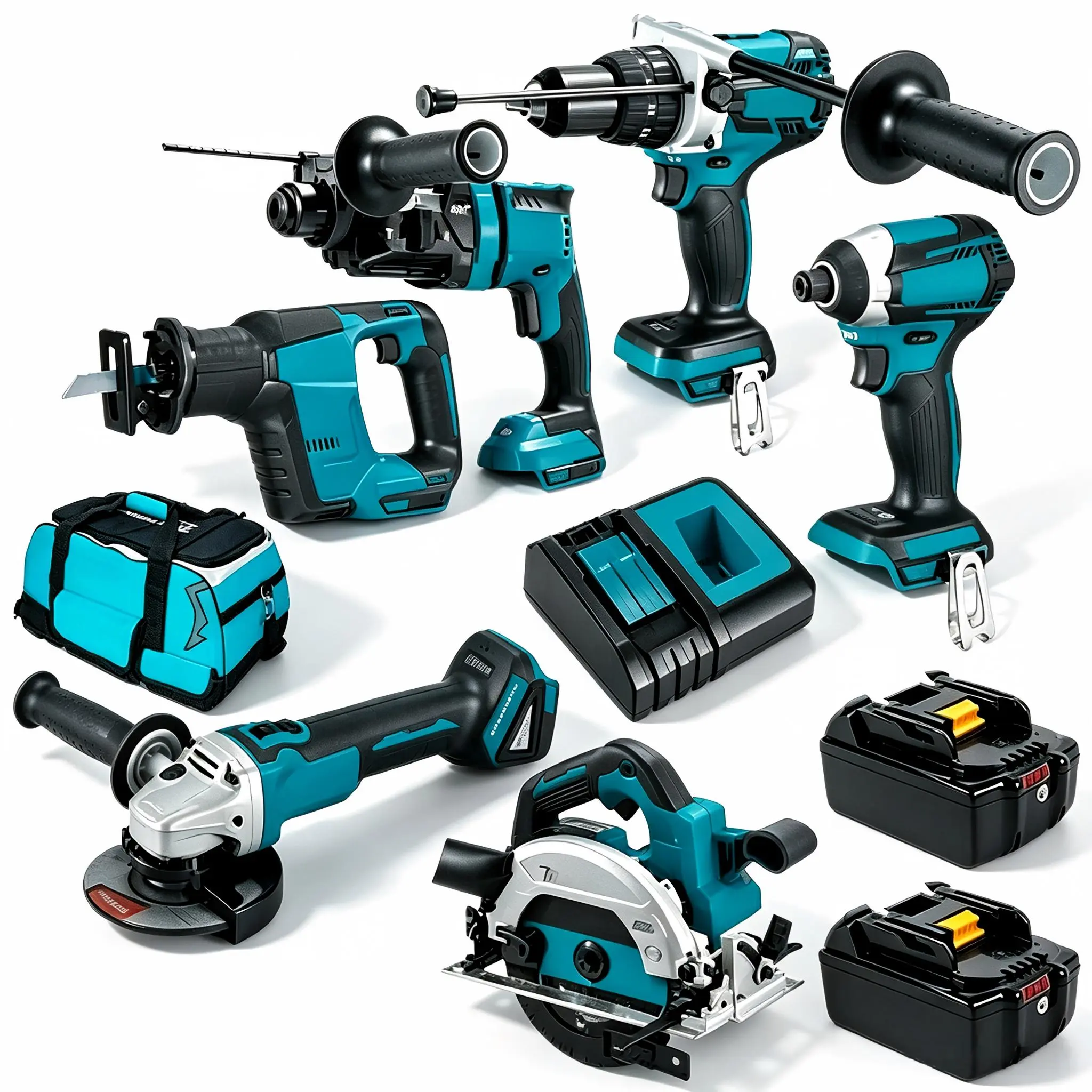
Power Tools & BMS Selection Guide: Types, Working Principles & XJBMS Matching Models
Power tools are mechanical devices driven by high-efficiency power sources including electric motors, battery systems, compressed air, or fuel engines. Completely different from traditional manual tools that rely on human force, modern power tools generate stable torque, strong impact force, high-frequency vibration, and high-speed mechanical motion through power-driven structures. They replace manual labor to complete various processing operations with higher speed, higher precision, and more consistent finished quality.
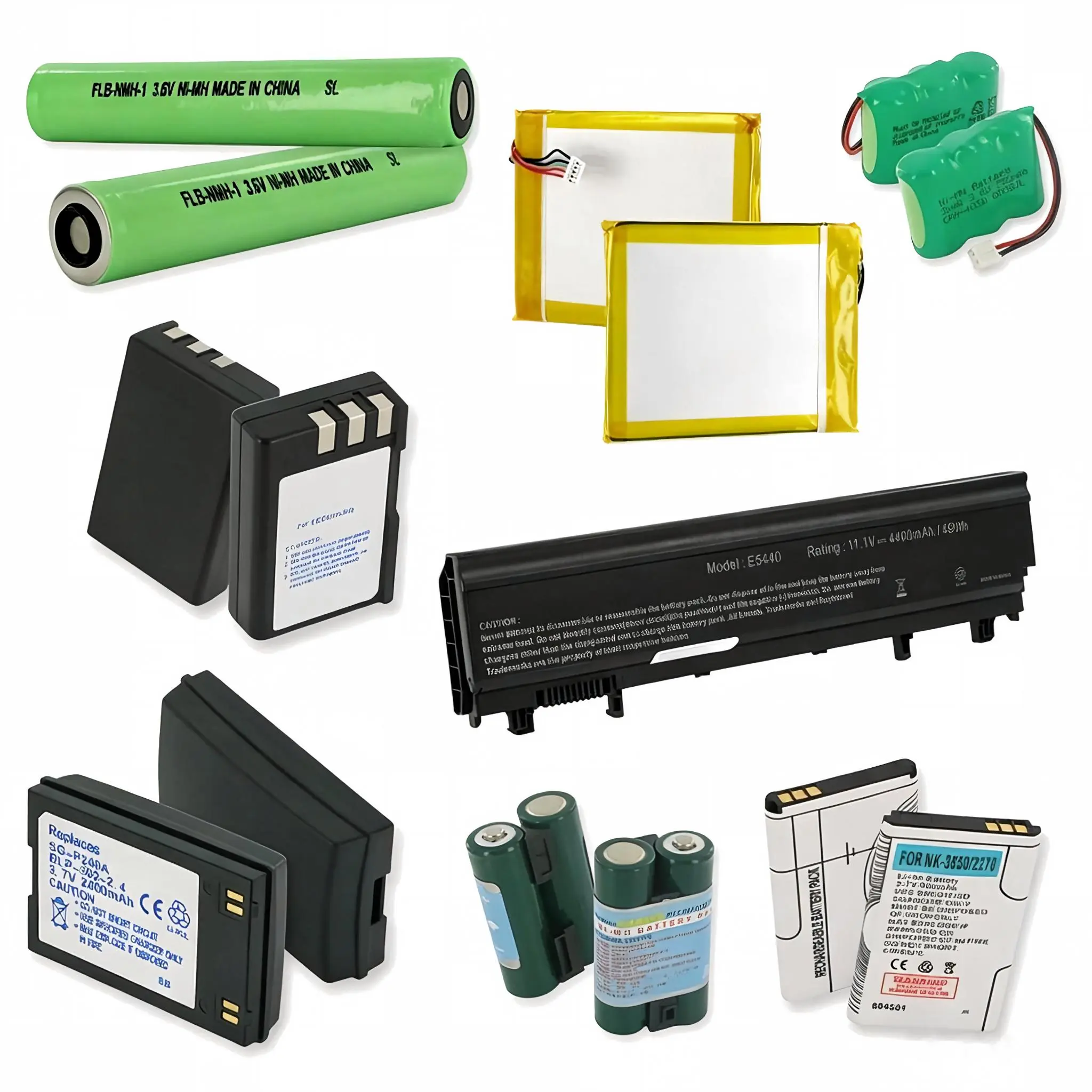
Consumer Electronics BMS: Full Application Guide, Strict Requirements & XJBMS Full Models
Consumer electronics are the most extensive and diverse lithium battery-powered products in the global market. Covering personal communication, audio-visual entertainment, smart home, portable energy storage, and handheld small home appliances, these devices rely entirely on high-precision, ultra-stable, miniaturized BMS (Battery Management System) to ensure battery safety, consistent performance, and long service life. Unlike high-power industrial and mobility BMS, consumer electronics BMS focuses more on ultra-thin size, low power consumption, precise protection, temperature adaptability, and cell balance consistency.
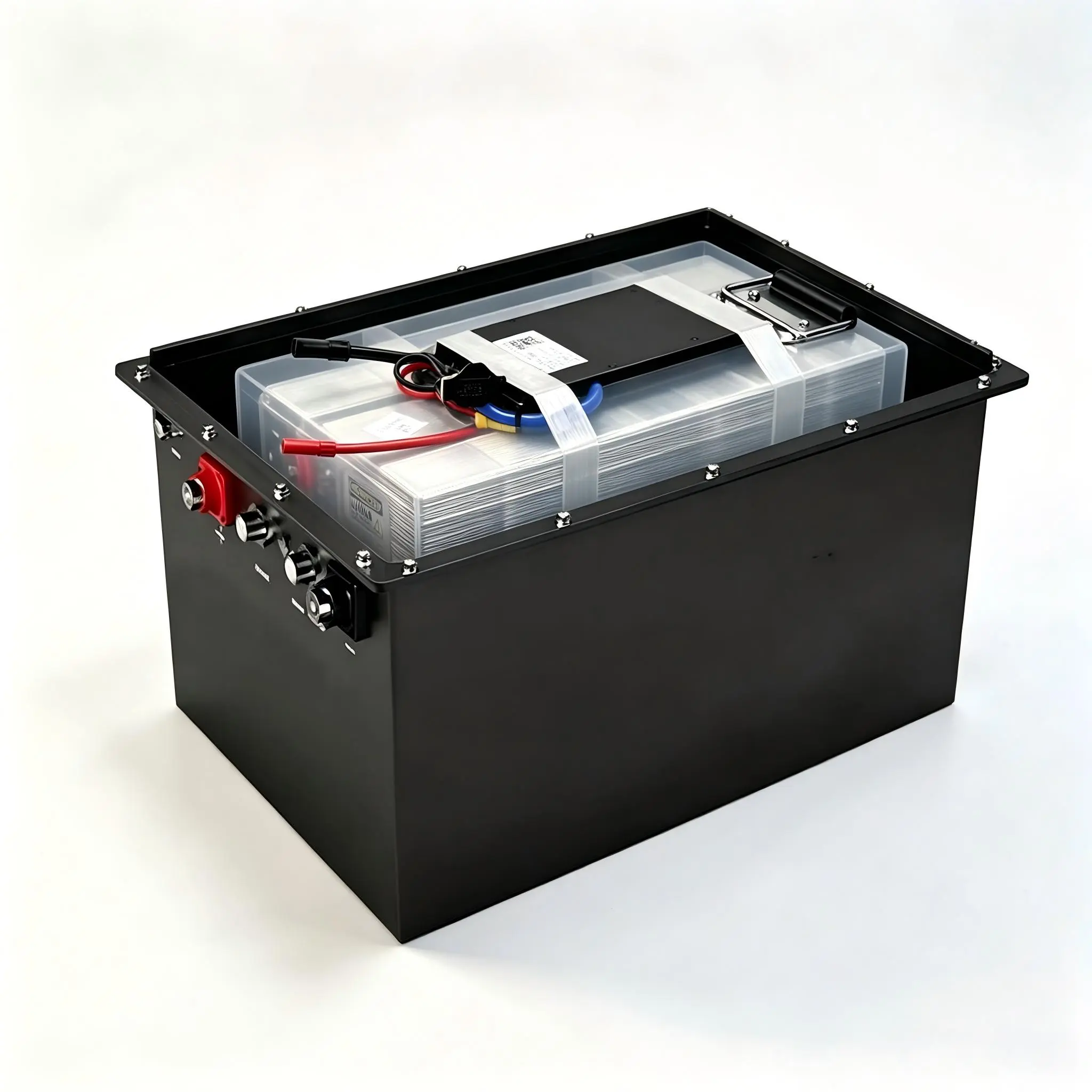
72V Battery BMS Guide: 20S Cell Structure, Current Classification, Protection Functions & Applications
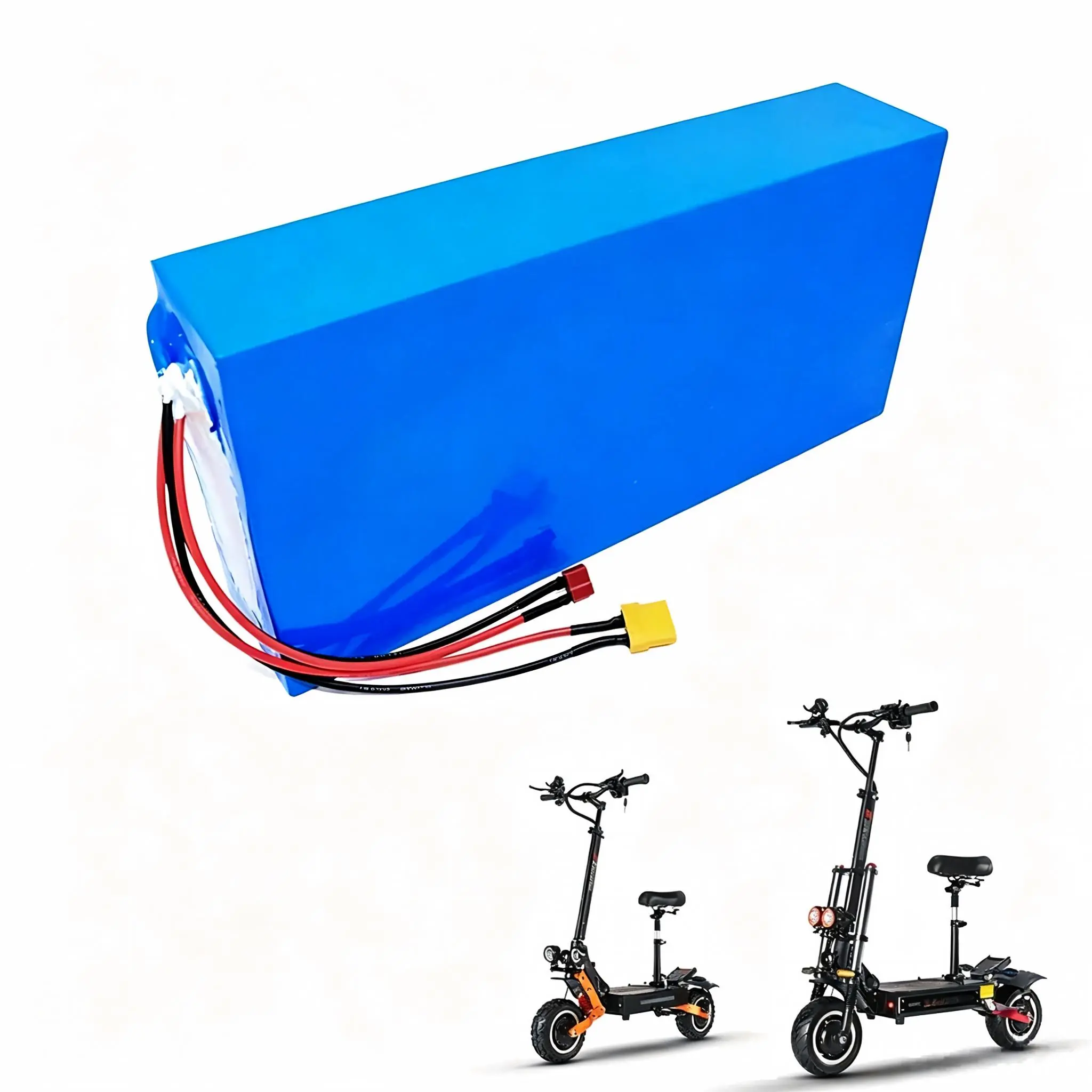
The 72V battery system based on 20S series lithium cells is a mainstream high-power voltage platform for mid-to-high-end electric mobility equipment. Unlike compact low-voltage battery packs such as 36V and 48V, 72V battery packs are mostly assembled into regular square and rigid structures. This standardized square battery design features high internal space utilization and unified external dimensions, resulting in extremely loose compatibility requirements for BMS shapes. Most mainstream BMS models on the market can be perfectly installed and matched without complex structural modification, greatly reducing assembly difficulty and improving production and maintenance efficiency for manufacturers and DIY users.
60V Battery BMS Guide: 16S Cell Configuration, Application Scenarios & Current Selection
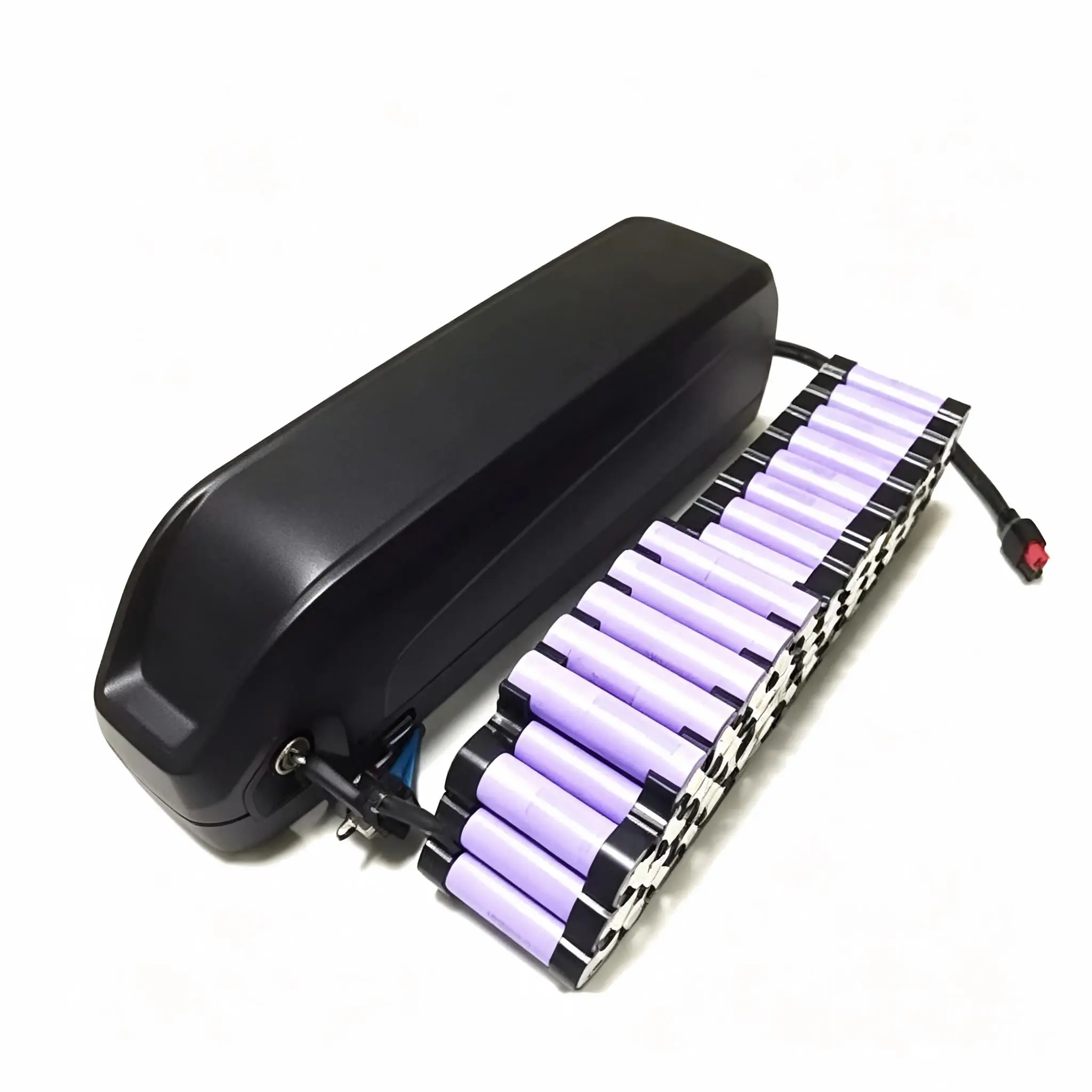
The 60V lithium battery system represented by 16S series cells is a high-efficiency, high-power low-voltage power solution widely used in portable power tools, outdoor garden equipment, and intelligent mobile travel devices. Compared with 36V and 48V low-voltage battery systems, the 60V 16S platform features higher operating voltage, stronger power output, faster response speed and more stable heavy-load performance. It perfectly balances portability and power, making it the mainstream power configuration for mid-to-high-end cordless equipment and mobile transportation tools.
52V Battery BMS Guide: 14S Cell Principle, ESS & Heavy-Duty Vehicle Applications
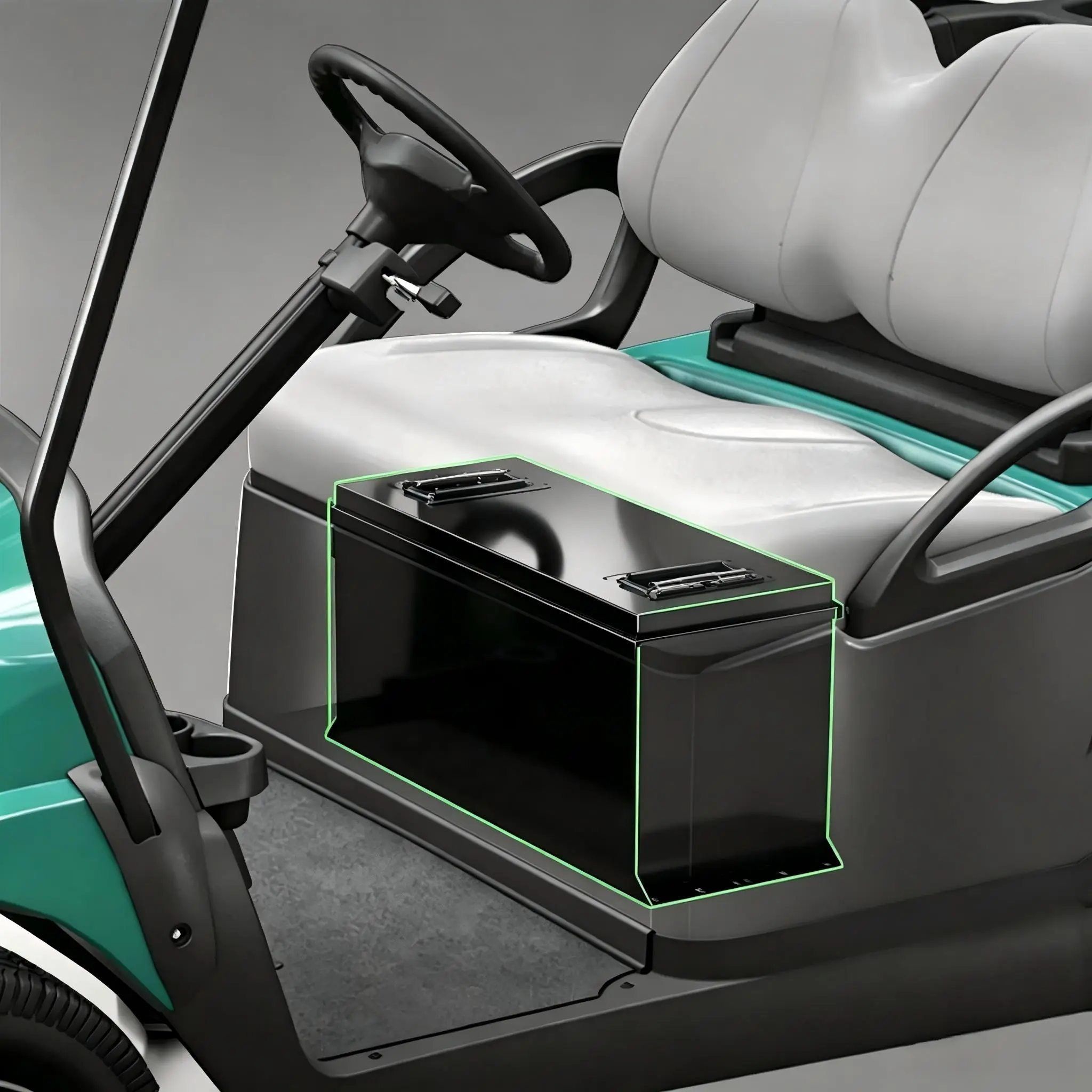
The 52V battery system is a mature and high-performance mid-to-high voltage lithium battery solution widely adopted in industrial energy storage and heavy-duty low-speed electric vehicles. In the lithium battery industry, standard 52V battery packs are uniformly composed of 14-series (14S) lithium cells, which is why it is commonly defined as a 14S 52V BMS system. Different from conventional 36V and 48V light electric vehicle battery systems, 52V 14S BMS features higher voltage platform, stronger load capacity and wider current coverage, covering dual core scenarios of commercial ESS energy storage and heavy-duty electric transportation equipment.
48V Battery BMS Guide: 13S vs 16S Differences, Applications & Full XJBMS Models
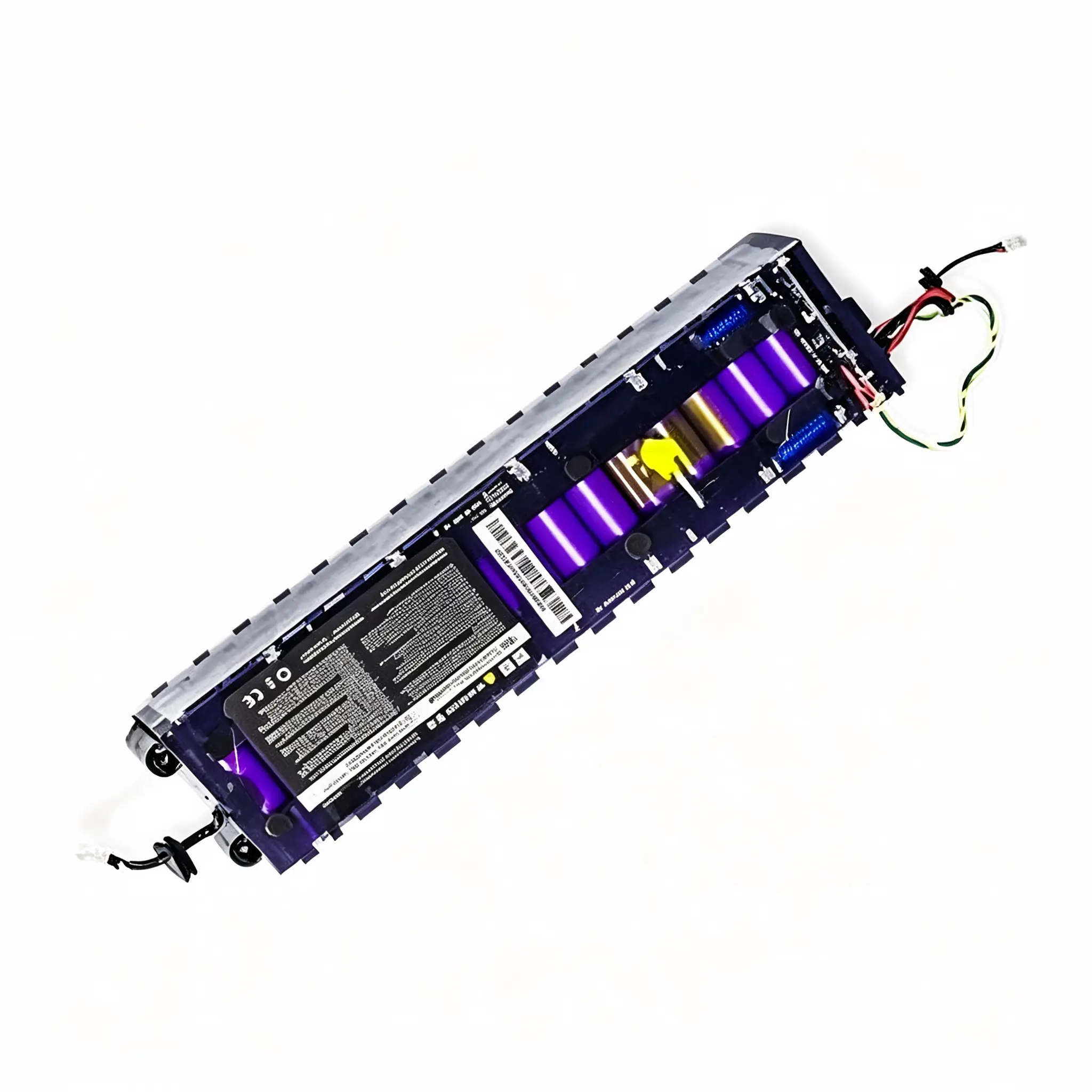
The 48V battery system is one of the most popular and practical voltage specifications in modern mobility and energy storage industries. When sourcing 48V lithium battery packs and matching 48V BMS (Battery Management System), there are confused by two core configurations: 13S 48V and 16S 48V. Although both are defined as 48V systems, their cell chemistry, working voltage, application scenarios, current requirements, and functional designs are completely different.
36V BMS (10S): Full Application Guide, Current Classification & XJBMS Best Models
The 36V battery system is the most classic and widely used voltage specification for light electric mobility devices. In the lithium battery industry, standard 36V lithium battery packs are uniformly composed of 10-series (10S) cells, which is why it is commonly referred to as 10S 36V BMS. As a core power solution for electric two-wheelers and DIY battery projects, 10S BMS has flexible current ranges, diverse appearances, and universal global applicability.