Leave Your Message
Precision-engineered Battery Management Systems designed for telecommunication base station backup power applications.
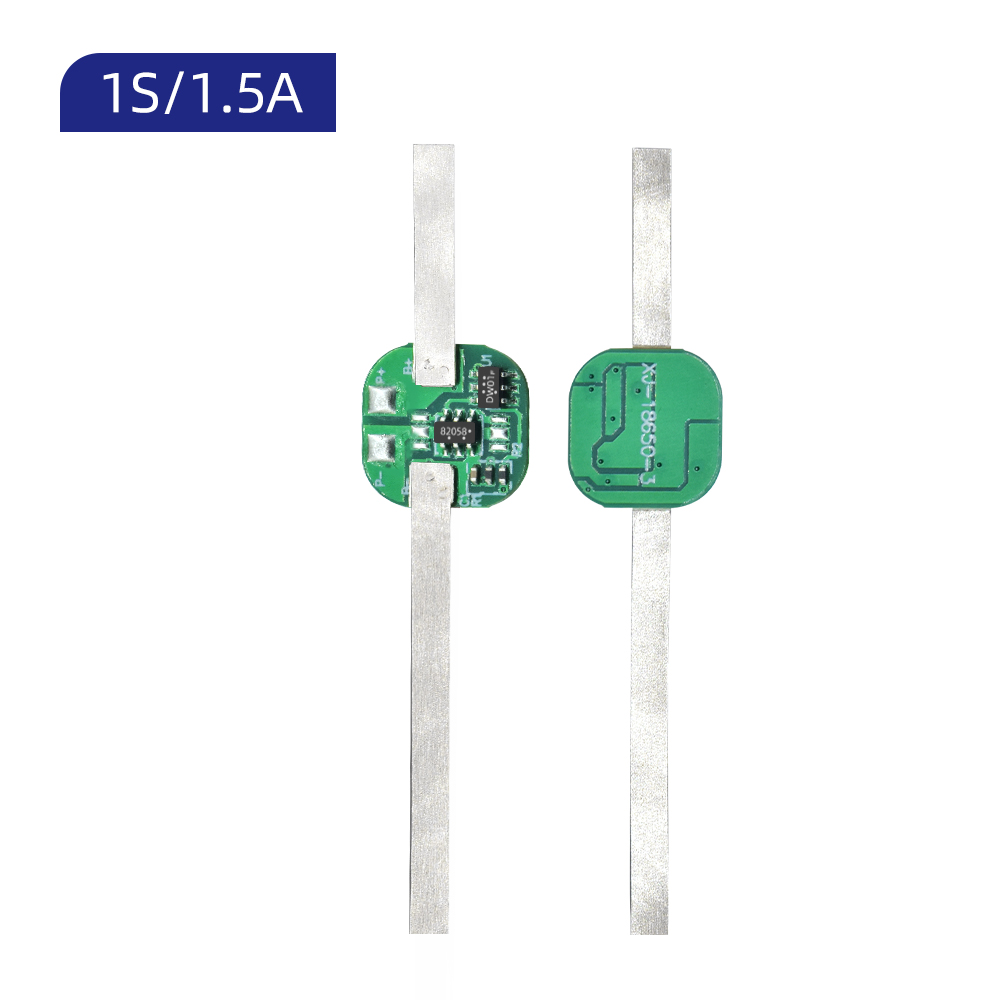

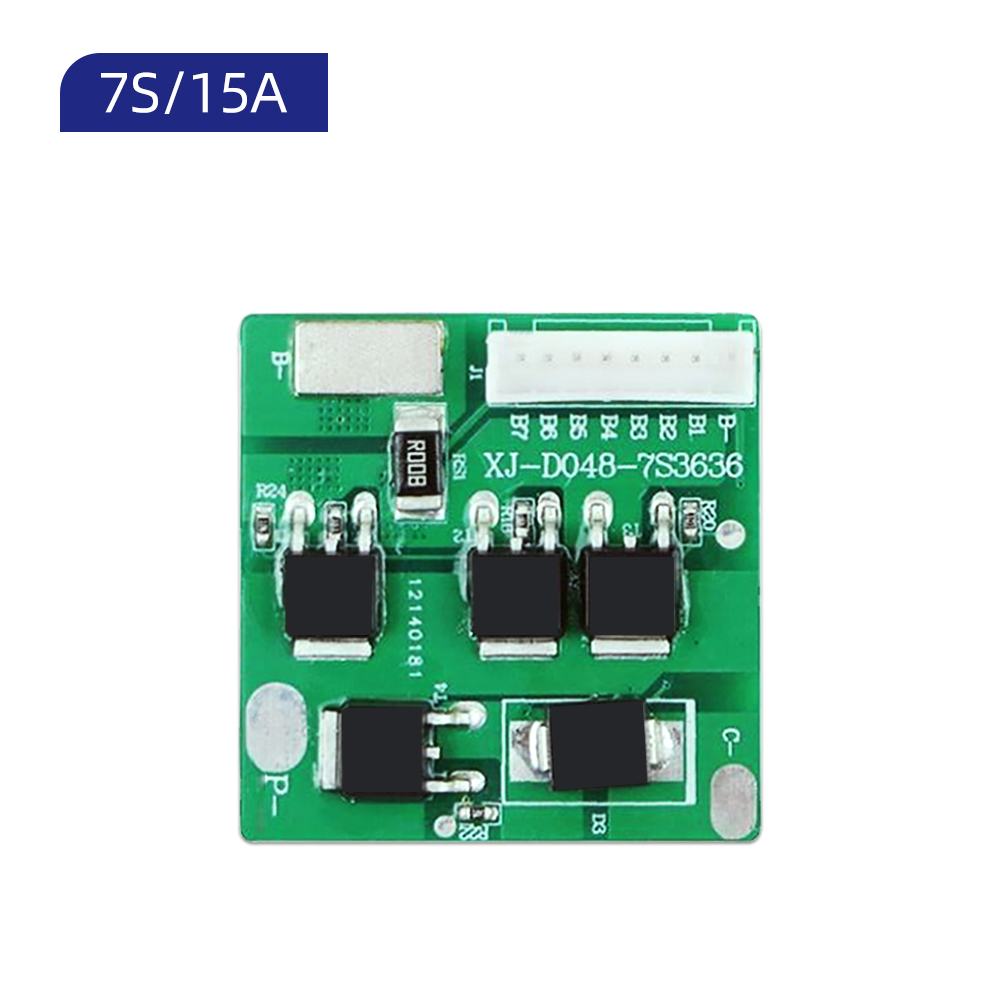
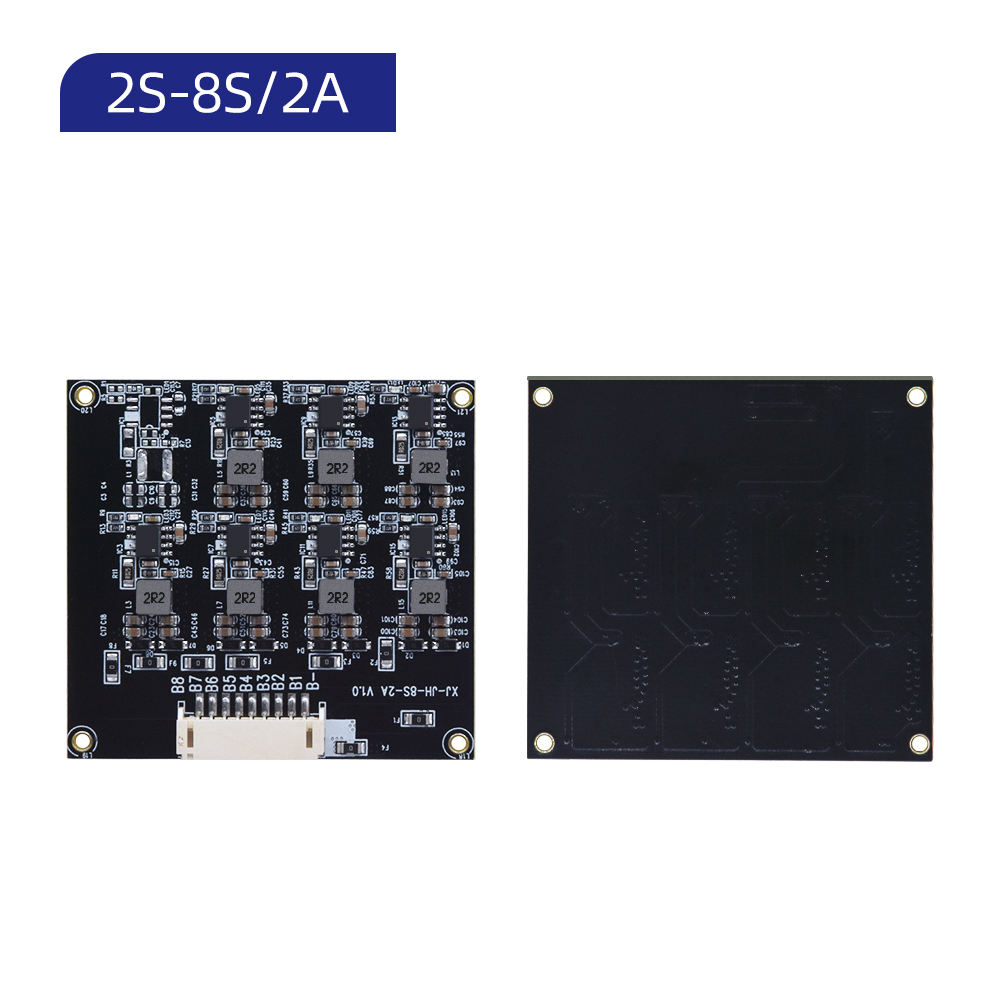
Telecommunication base stations — the backbone of 4G, 5G, and emerging 6G networks — demand absolute power continuity. A single minute of downtime can cascade into service outages affecting millions of subscribers. At the heart of every resilient backup power system lies a Smart Battery Management System (BMS): the intelligent controller that monitors, protects, and optimises the battery pack in real time.
Unlike consumer-grade BMS modules, a Smart BMS for telecom applications must handle extreme ambient temperatures, prolonged float-charge cycles, high-current discharge events during grid failures, and remote diagnostics over RS485, CAN, or 4G/IoT communication interfaces. XJ-BMS delivers purpose-built solutions that meet these exacting standards — from compact single-cell protection boards to 300A industrial hardware BMS platforms.
As operators worldwide accelerate 5G rollouts, the installed base of telecom sites is projected to exceed 7 million globally by 2027, each requiring reliable, smart backup power management. The demand for intelligent BMS solutions in this sector has never been greater.
The convergence of 5G densification, energy cost pressures, and ESG commitments is reshaping how telecom operators manage backup power.
5G small cells and macro base stations require denser deployment with tighter power budgets. Smart BMS enables compact, high-energy-density LiFePO4 and NMC packs to replace bulky VRLA batteries, reducing site footprint by up to 60% while extending backup duration.
Operators increasingly pair base stations with solar or wind micro-grids. A Smart BMS with active balancing and multi-chemistry support (LiFePO4, NMC, Sodium-ion) seamlessly manages hybrid energy flows, maximising renewable utilisation and cutting diesel generator runtime.
Telecom operators are deploying Battery Energy Storage Systems (BESS) with cloud-based monitoring. Smart BMS platforms with RS485/CAN/IoT communication deliver real-time SOC, SOH, temperature, and fault data to centralised NOCs, enabling predictive maintenance and reducing OPEX.
The global telecom industry is rapidly migrating from lead-acid to lithium-based chemistries. LiFePO4 offers 3–4× longer cycle life and superior thermal stability. Smart BMS solutions from XJ-BMS support LiFePO4, NMC, and next-generation Sodium-ion cells on a single hardware platform.
Post-pandemic supply chain resilience has driven demand for regionally manufactured BMS components. XJ-BMS, based in Dongguan — adjacent to Guangzhou and Shenzhen airports — provides rapid global logistics with ISO9001-certified production and dust-free manufacturing environments.
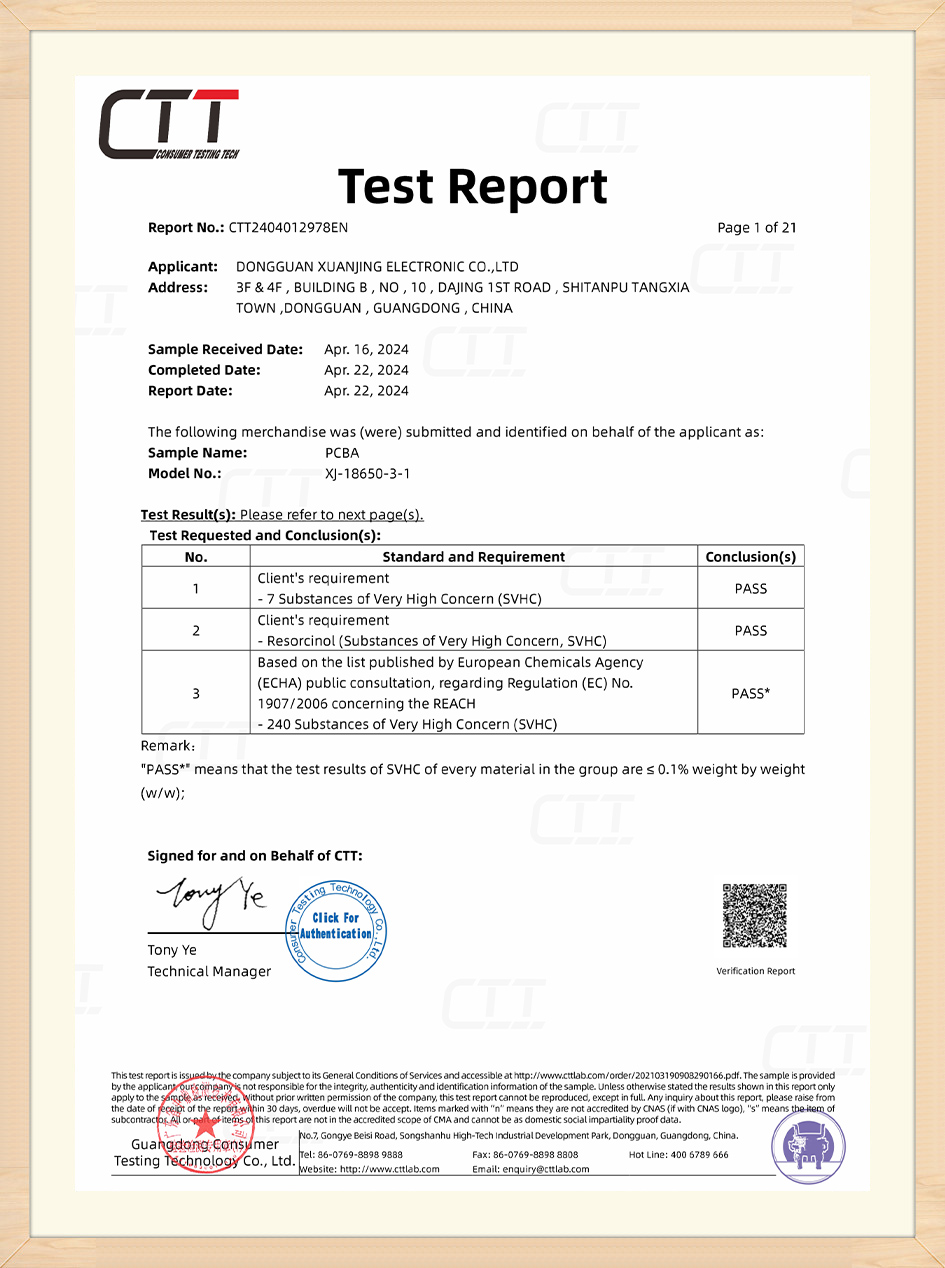
Telecom infrastructure is subject to stringent safety standards. XJ-BMS products carry CE, RoHS, EMC, REACH, and ISO9001 certifications, ensuring compliance with international telecom power standards including ITU-T L.1200 and ETSI EN 300 132-2.
Smart BMS technology addresses a broad spectrum of telecom power challenges — from remote off-grid towers to urban 5G small cells.
Macro towers typically require 48V DC backup systems with 100–300A continuous discharge capability. The XJ-D038V5 4S–24S 150A–300A Hardware BMS is purpose-designed for this application, featuring NTC temperature sensing, active cell balancing, and hardware-level short-circuit protection. It supports LiFePO4, NMC, and Sodium-ion chemistries, allowing operators to future-proof their battery investment as cell technology evolves.
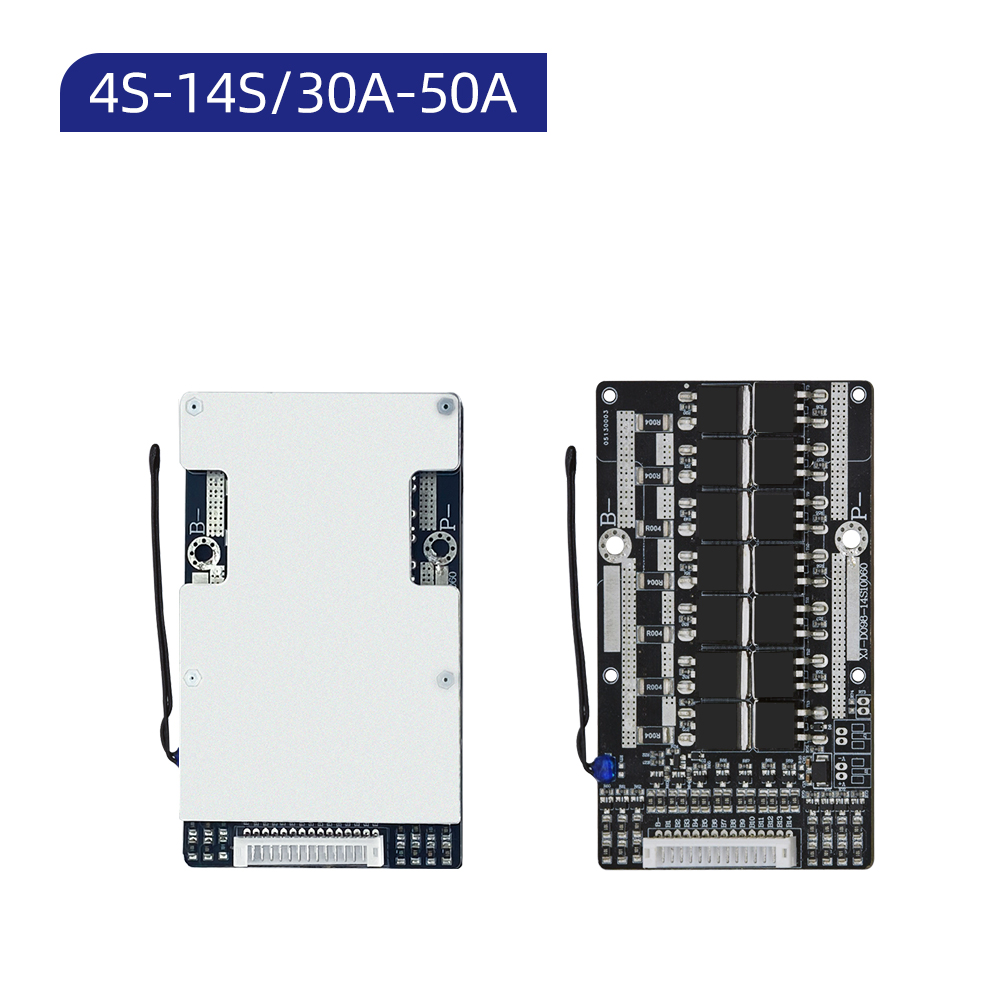
Urban 5G densification demands compact, lightweight backup solutions integrated into street furniture, lamp posts, and building facades. The XJ-D048 7S 15A BMS and XJ-D098 4S–14S 30A–50A BMS deliver high energy density in a minimal footprint, with cable-integrated designs that simplify installation in constrained urban enclosures.
In emerging markets and rural deployments, base stations operate entirely on solar-plus-storage. Smart BMS with active balancing — such as the 5S–8S 2A Active Balance BMS — ensures maximum energy harvest from solar panels by maintaining precise cell voltage equilibrium, extending pack life by 20–35% compared to passive balancing approaches.
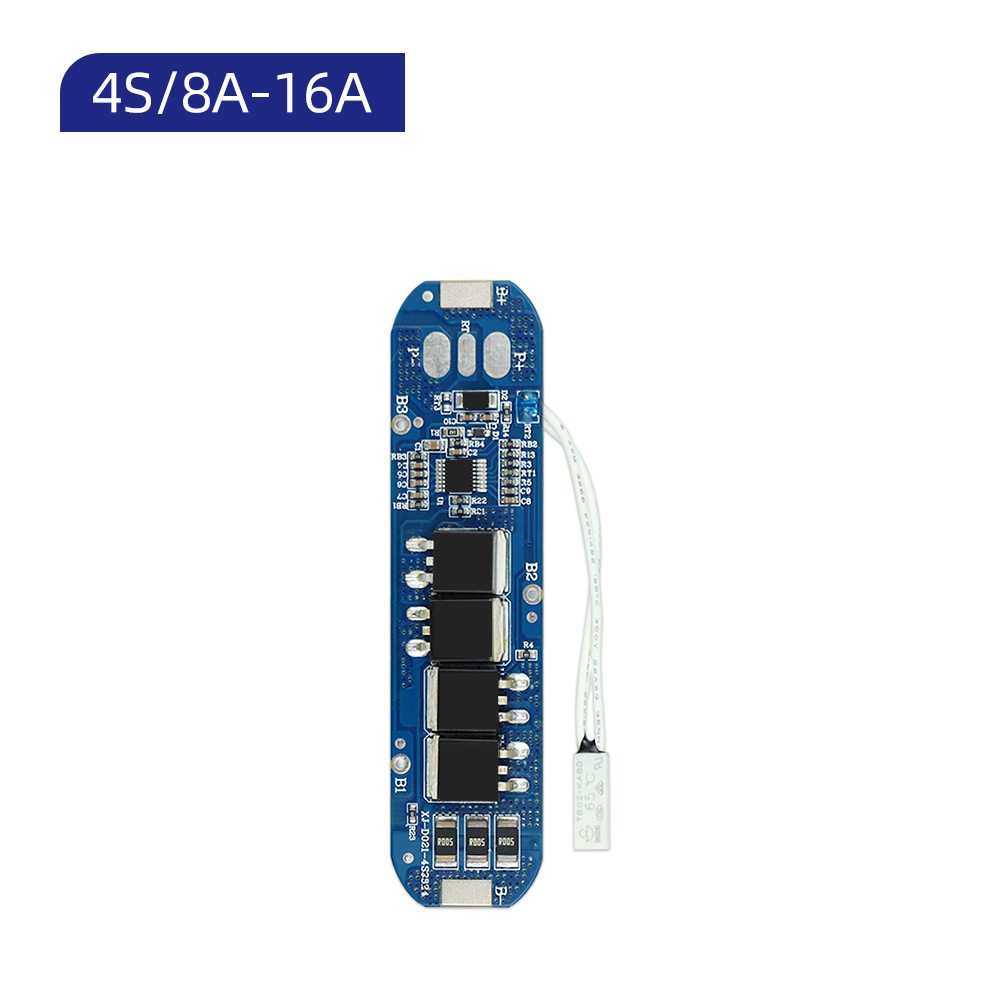
Indoor telecom equipment rooms use rack-mounted UPS systems with 48V or 24V battery strings. The XJ-D021 4S 14.6V 8A/16A BMS with common-port charge/discharge and short-circuit protection integrates seamlessly into rectifier cabinet designs, providing granular cell-level protection that legacy VRLA systems cannot offer.
Base stations in desert, arctic, and high-altitude environments face temperature extremes from −40°C to +70°C. XJ-BMS hardware BMS platforms incorporate multi-point NTC temperature monitoring with configurable charge/discharge inhibit thresholds, preventing thermal runaway and capacity fade in harsh field conditions.
Forward-thinking operators are monetising idle telecom battery capacity by participating in grid frequency regulation and demand response markets. A Smart BMS with precise SOC/SOH estimation and communication interfaces enables telecom batteries to act as distributed Virtual Power Plants (VPPs), generating additional revenue streams from backup assets.
Every XJ-BMS product is engineered with telecom-grade reliability at its core.
Overcharge, over-discharge, overcurrent, short-circuit, and over-temperature protection — hardware and firmware redundancy ensures zero single-point failure in mission-critical telecom environments.
Both passive dissipation and active energy-transfer balancing options available, maximising usable capacity and extending cycle life beyond 3,000 full cycles for LiFePO4 chemistry.
RS485, CAN bus, and I²C interfaces enable seamless integration with telecom site controllers, SCADA systems, and cloud-based NOC platforms for remote diagnostics and predictive maintenance.
Compatible with LiFePO4, NMC, Li-ion, and next-generation Sodium-ion cells — a single BMS platform supports current and future battery chemistries without hardware redesign.
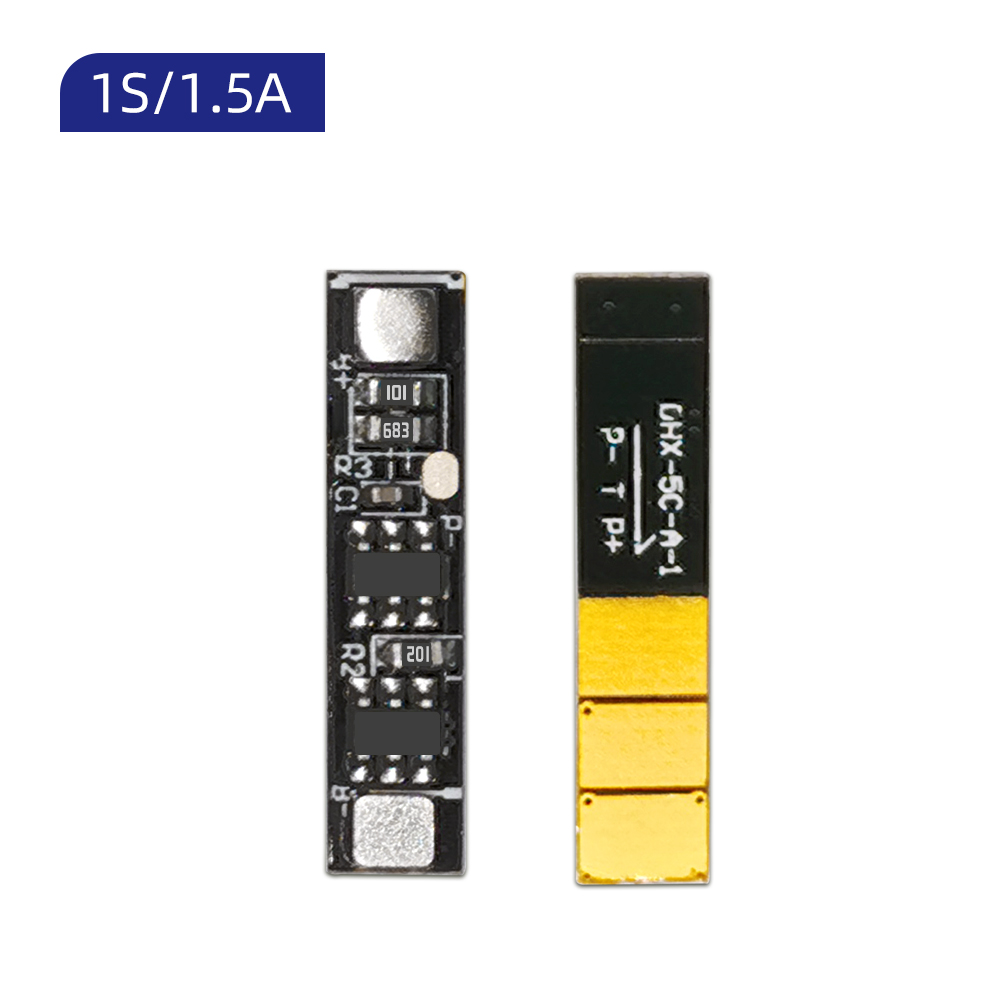
From 1S single-cell configurations to 24S high-voltage packs, and from 1.5A micro-applications to 300A industrial discharge — XJ-BMS covers the full telecom power spectrum.
Multi-point NTC sensors provide real-time thermal mapping of the battery pack, enabling intelligent charge/discharge derating and early warning of thermal anomalies.
Produced in ISO9001-certified, dust-free facilities with automated optical inspection (AOI), X-ray testing, and 100% functional burn-in testing before shipment.
CE, RoHS, EMC, REACH certifications ensure compliance with international telecom and environmental standards, facilitating smooth customs clearance and regulatory approval worldwide.
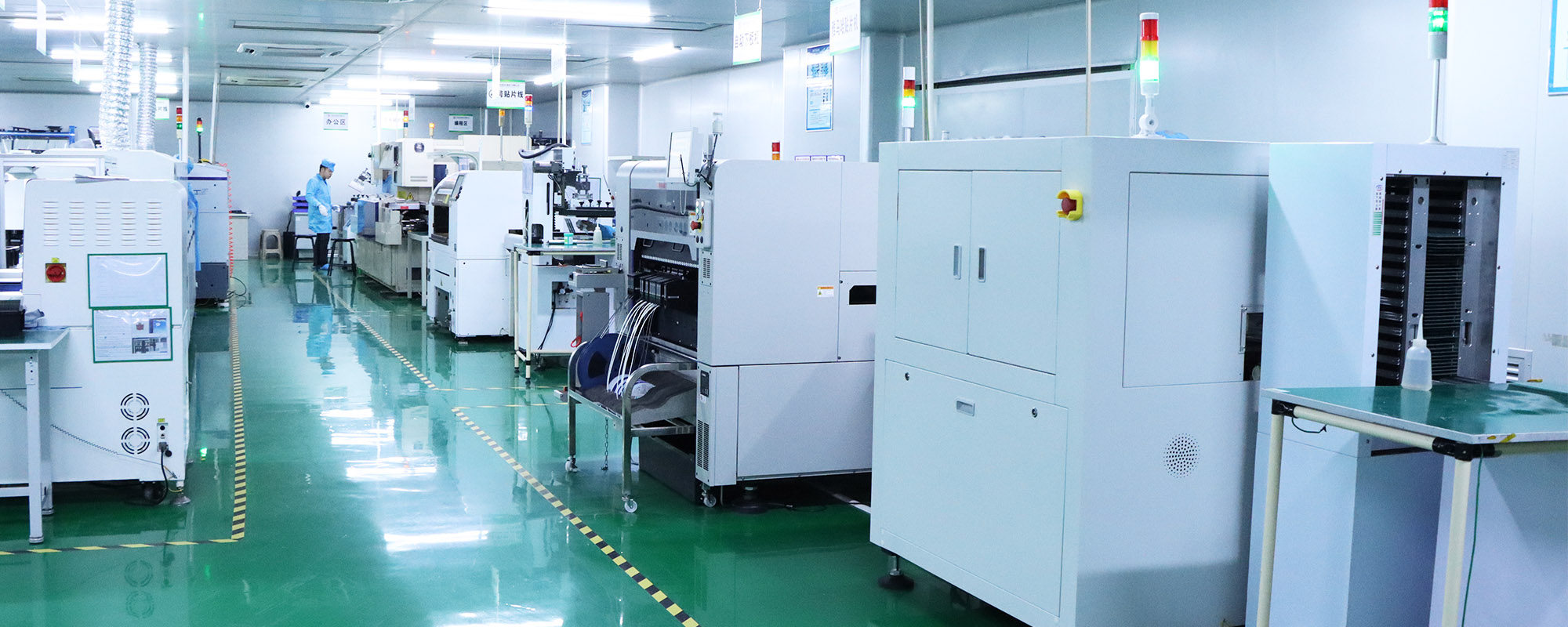
Dongguan XuanJing Electronics Co., Ltd. (Brand: XJ BMS) is a high-tech firm founded in 2015, specialising in developing, customising, producing, and marketing PCBA including Battery Management Systems (BMS), PCM, and Active Balancers for LiFePO4, Li-ion, and Sodium-ion batteries.
With a top-notch, dust-free workshop, cutting-edge inspection and production tools, and ISO9001, CE, RoHS, EMC, and REACH certifications, XJ-BMS ensures that every product meets the highest quality standards with a 2-year warranty.
XJ-BMS delivers more than 5 million BMS units to the worldwide market annually. Located in Dongguan City, close to Guangzhou and Shenzhen airports, XJ-BMS provides rapid global logistics and welcomes factory visits for business partnership or quality inspection at any time.
Our BMS solutions are widely deployed across telecommunication backup power, solar energy storage systems, electric vehicles, industrial equipment, and consumer electronics — making the world smarter and safer, one battery at a time.




Contact XJ-BMS for custom Smart BMS solutions tailored to your base station backup power requirements. 7/24 online engineering support available.
Get a Custom BMS Quote →Explore our full portfolio of intelligent Battery Management Systems — from single-cell protection to high-power multi-string telecom backup platforms.