
Leave Your Message
Precision-engineered battery management systems designed for high-performance e-mobility applications.
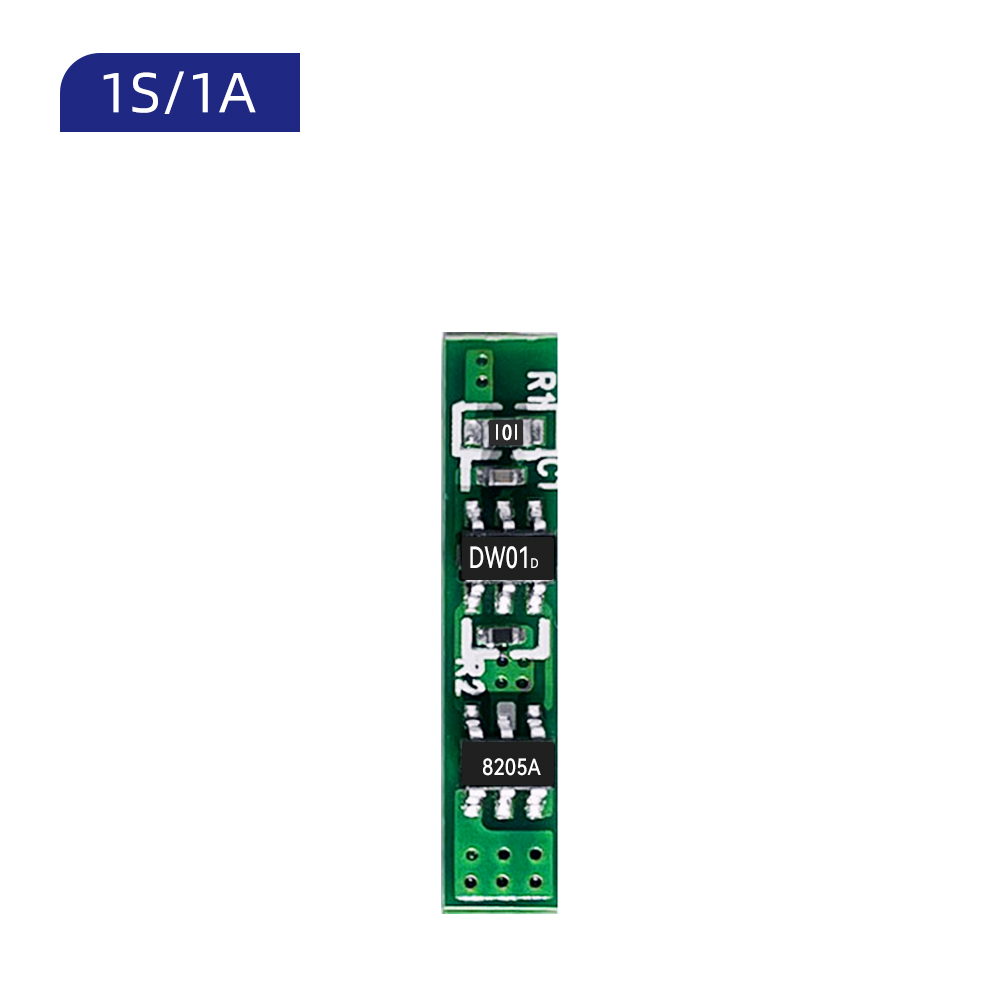
XJ-18-6H 1S 1A BMS for Lithium 18650 Battery Single Cell Battery Management System

XJ-D033 4S 5A 10A BMS Same Port with Balance for Electric Power Tools
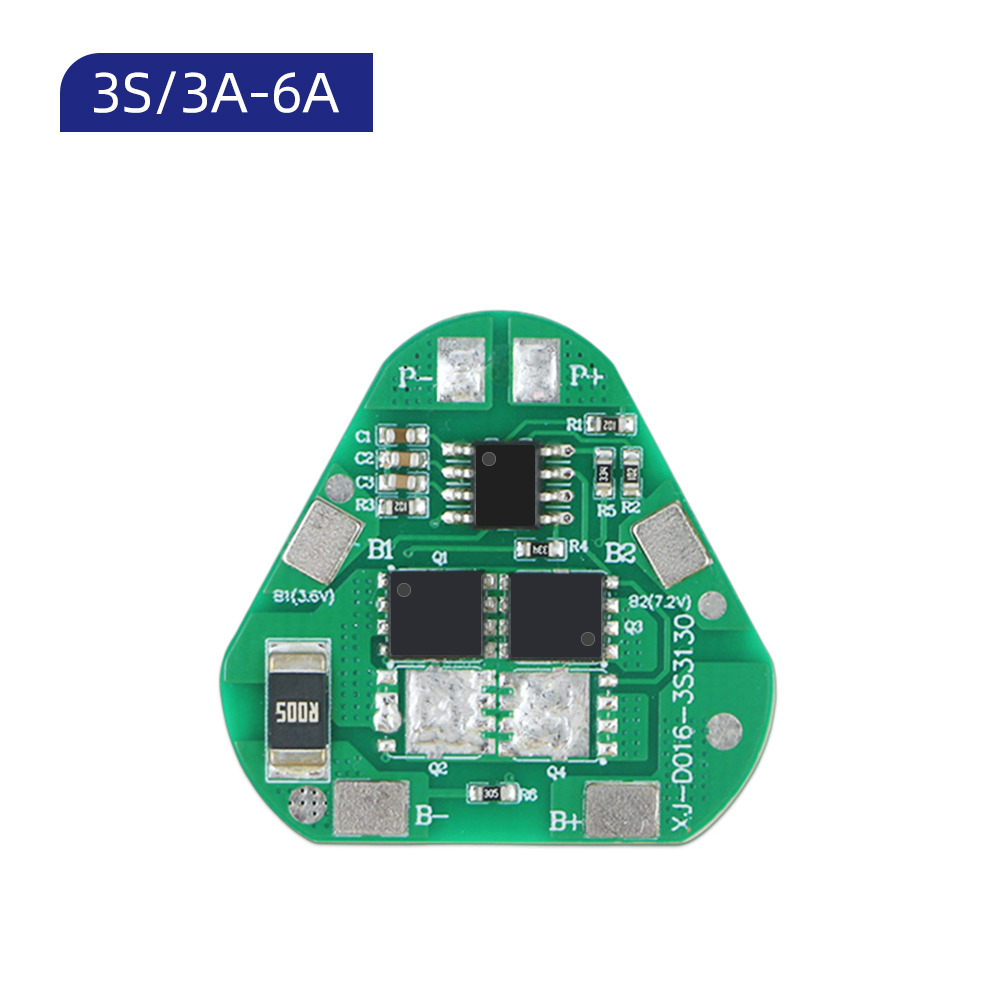
XJ-D016 3S 3A/6A 12V BMS Same Port for Electric Power Tools Drills Fans Speakers
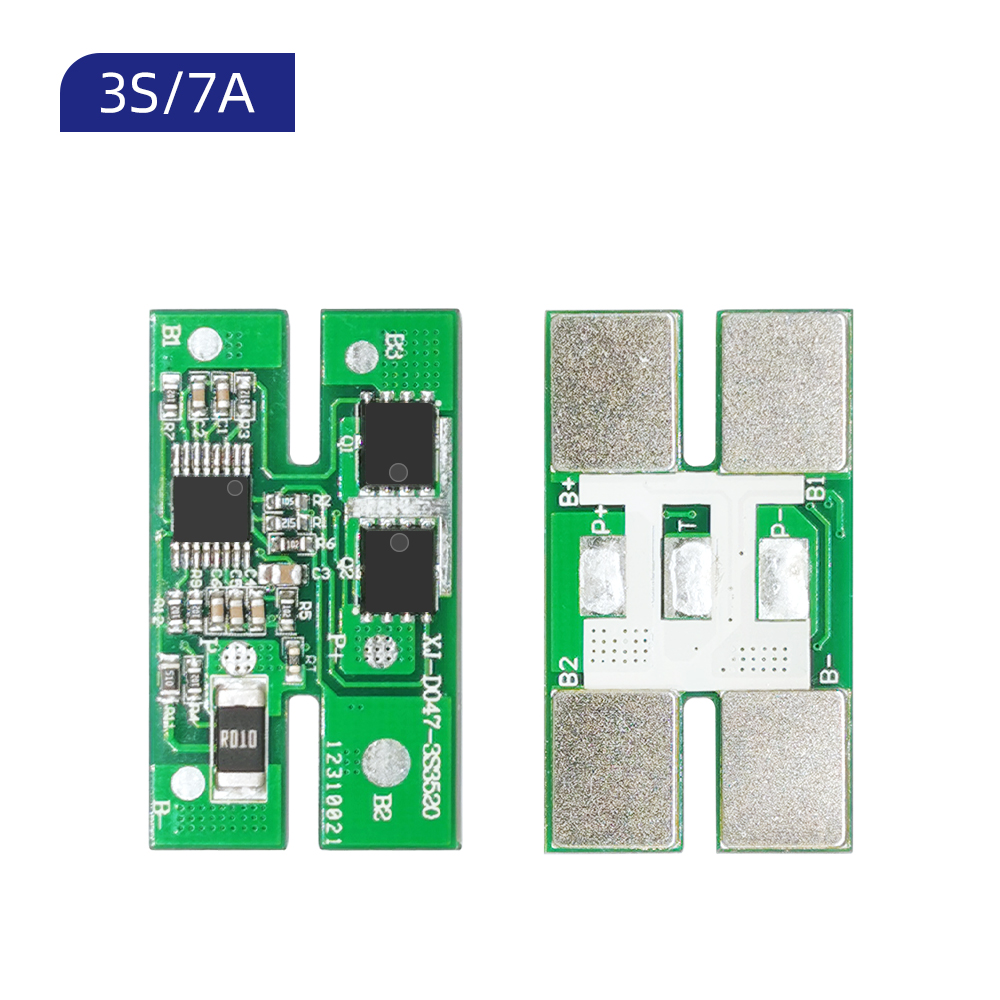
XJ-D047 3S 12.6V 3A/7A NTC BMS Common Port for Rechargeable Lithium Battery
A Battery Management System (BMS) is an intelligent electronic circuit board — the central nervous system of any lithium-based battery pack. For electric motorcycles and urban delivery e-bikes, the BMS meaning goes far beyond simple overcharge protection: it is the critical component that determines safety, longevity, performance, and total cost of ownership for every ride and every delivery route.
Core BMS Definition: A Battery Management System monitors, controls, and protects individual battery cells within a pack — regulating voltage, current, temperature, and state of charge (SoC) in real time. Without a BMS, lithium batteries used in electric motorcycles and e-bikes would be prone to thermal runaway, cell imbalance, premature degradation, and catastrophic failure.
Understanding the BMS meaning requires examining each of its core protective and management functions, especially as they apply to the demanding environments of urban delivery and electric motorcycle operation:
Six dimensions where BMS directly impacts the performance and economics of electric motorcycles and delivery e-bikes.
Precision cell balancing and voltage control extend lithium battery life to 1,000+ charge cycles — dramatically reducing fleet replacement costs.
Multi-layer protection against thermal runaway, short circuits, and overcharge prevents fires and explosions — the #1 safety concern in e-mobility.
Bluetooth and RS485/UART interfaces enable real-time monitoring via smartphone apps and IoT fleet management platforms.
Dynamic current management ensures maximum power delivery during acceleration while preventing over-discharge during high-load scenarios.
NTC temperature sensors provide real-time thermal data, enabling proactive cooling or heating strategies in extreme operating environments.
SoC/SoH tracking and charge cycle logging provide actionable analytics for predictive maintenance and fleet optimization.
The global electric two-wheeler and urban delivery e-bike market is reshaping BMS technology at an unprecedented pace.
The global electric motorcycle and e-bike market surpassed USD 50 billion in 2024 and is projected to grow at a CAGR of over 9% through 2030. This explosive growth is placing enormous demands on BMS technology — pushing manufacturers to develop smarter, lighter, and more reliable battery management solutions. Understanding the evolving BMS meaning in this commercial context is essential for any stakeholder in the e-mobility supply chain.
Electric motorcycles today range from lightweight urban commuters to high-performance sport bikes, each with distinct BMS requirements. Commercial-grade electric motorcycles typically use 48V–96V battery packs (13S–26S lithium configurations) with BMS current ratings from 30A to 150A. Fleet operators — including police departments, delivery companies, and shared mobility platforms — demand BMS units with CAN bus or RS485 communication for centralized fleet monitoring.
In markets like China, India, Southeast Asia, and Europe, regulatory pressure for battery safety certification (CE, RoHS, UN38.3) has made a high-quality BMS not just a performance component but a legal compliance requirement. Manufacturers who cannot provide certified BMS solutions are increasingly excluded from major procurement contracts.
The last-mile delivery revolution — driven by e-commerce giants and food delivery platforms — has created a massive new market for purpose-built delivery e-bikes. These vehicles face uniquely demanding BMS requirements: continuous high-current discharge during loaded climbing, frequent partial-charge cycles, wide temperature operation, and the need for rapid battery swap compatibility. BMS units for this segment must support hot-swap architecture, sub-second fault response, and integration with cloud-based fleet management APIs.
Next-generation BMS units are integrating machine learning algorithms for adaptive SoC estimation, predictive cell failure detection, and dynamic charge optimization — reducing energy waste by up to 15%.
Smart BMS with 4G/Bluetooth connectivity enables real-time remote diagnostics, OTA firmware updates, and centralized battery health dashboards for urban delivery fleet operators managing thousands of e-bikes.
Standardized BMS communication protocols are enabling interoperable battery swap networks — where delivery riders can exchange depleted packs in under 60 seconds at automated swap stations.
Advanced BMS data logging enables accurate SoH assessment of retired e-bike batteries, facilitating their repurposing into stationary energy storage — a key pillar of the circular economy in e-mobility.
As solid-state batteries approach commercial viability, BMS manufacturers are developing new protection algorithms and communication standards to manage these fundamentally different cell chemistries.
System-on-chip BMS designs are shrinking PCB footprints by 40–60%, enabling integration directly into battery cell modules — a critical enabler for the next generation of ultra-compact urban e-bikes.
A typical urban delivery e-bike in a major city completes 8–12 delivery cycles per day, covering 80–120 km with loads of 30–80 kg. The BMS in this context must handle continuous partial-state-of-charge (PSOC) operation — one of the most degrading conditions for lithium batteries. XJ BMS solutions with active cell balancing and adaptive charging algorithms are specifically engineered to mitigate PSOC degradation, maintaining over 80% capacity after 800 cycles even under these demanding conditions.
Furthermore, delivery e-bikes often operate in rain, extreme heat, and cold — requiring BMS units with IP-rated enclosures, wide operating temperature ranges (-20°C to +60°C), and humidity resistance. The NTC temperature monitoring in XJ BMS products provides multi-point thermal sensing, enabling the battery management system to adjust charge/discharge parameters dynamically based on ambient and cell temperature.
Sport and commuter electric motorcycles demand instantaneous high-current discharge — a 48V 60A BMS must respond to full-throttle acceleration events within milliseconds while maintaining cell balance and preventing voltage sag. XJ BMS high-current models (up to 250A continuous) feature ultra-low MOSFET on-resistance designs that minimize energy loss during peak discharge, translating directly into longer range and better acceleration response.
Logistics operators managing fleets of 100+ electric motorcycles or delivery e-bikes require centralized battery intelligence. Smart BMS units with RS485 or UART communication interfaces can be networked through fleet management software, providing real-time visibility into the state of charge, state of health, temperature, and fault status of every battery in the fleet. This data enables predictive maintenance scheduling, prevents unexpected vehicle downtime, and optimizes charging station utilization — delivering measurable ROI for fleet operators.
Industry Insight: According to industry analysis, fleets equipped with smart BMS monitoring systems report a 23% reduction in battery replacement costs and a 31% improvement in vehicle uptime compared to fleets using passive BMS solutions — demonstrating the direct commercial value of intelligent battery management.
Shared mobility operators require BMS units that support hot-swap battery architectures with standardized communication protocols. The BMS must authenticate battery packs, communicate SoC to the vehicle controller, and log usage data to the cloud — all within the few seconds of a battery swap. XJ Smart Bluetooth BMS with LCD display capability provides riders and operators with immediate visual feedback on battery status, charge level, and fault codes.
Refrigerated last-mile delivery e-bikes operating in northern climates face a dual thermal challenge: the cargo refrigeration system draws additional current while low ambient temperatures reduce battery capacity. BMS units for these applications must implement low-temperature charge inhibit (preventing lithium plating at sub-zero temperatures), pre-heating control circuits, and enhanced thermal compensation algorithms to maintain safe and efficient operation throughout the delivery shift.
Selecting the correct BMS is one of the most consequential decisions in electric vehicle design or procurement. The following parameters must be matched precisely to your application:
From single-cell protection to 250A smart Bluetooth systems — XJ BMS covers every e-mobility application.
XJ-18-6H 1S 1A BMS for Lithium 18650 Battery Single Cell Battery Management System
XJ-D033 4S 5A 10A BMS Same Port with Balance for Electric Power Tools
XJ-D016 3S 3A/6A 12V BMS Same Port for Electric Power Tools Drills Fans Speakers
XJ-D047 3S 12.6V 3A/7A NTC BMS Common Port for Rechargeable Lithium Battery

XJ-D096 4S 5-40A Lithium Battery Protection Circuit BMS
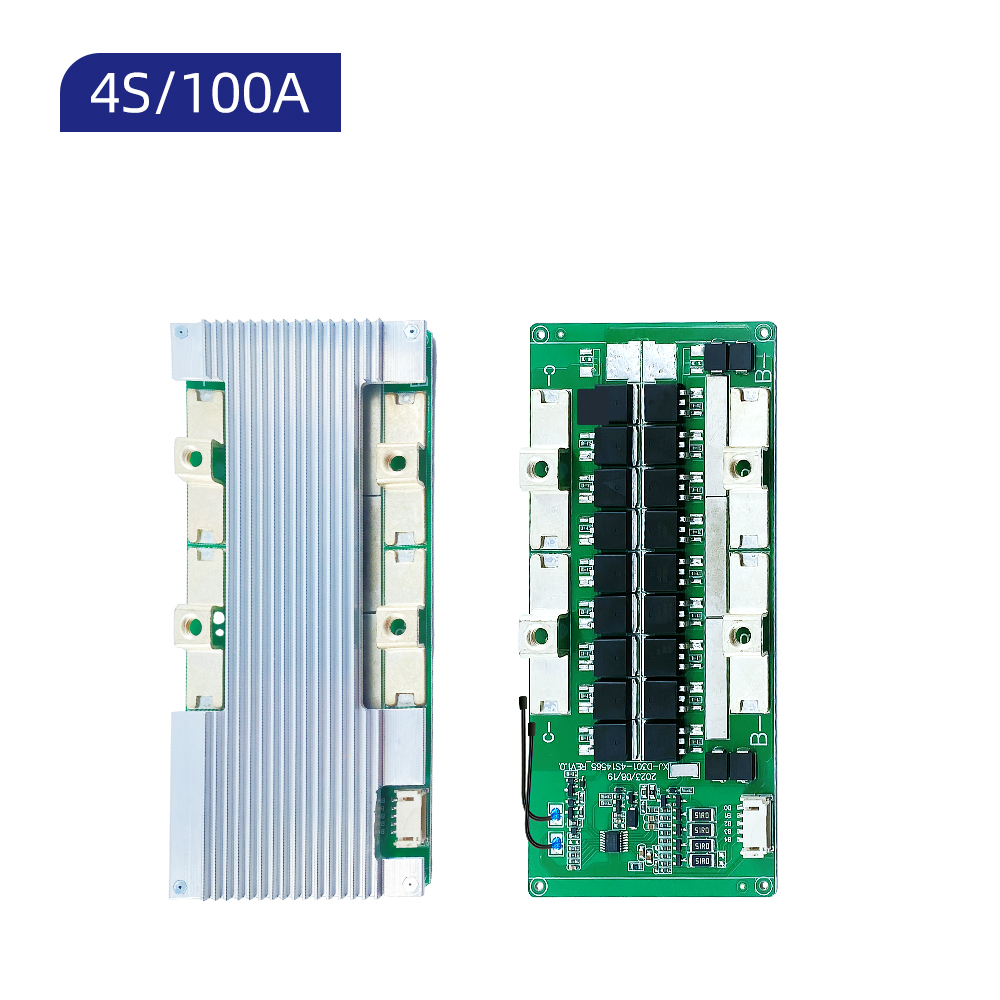
XJ-D301 4S 12V 100A BMS for LifePO4 NMC Battery Management System
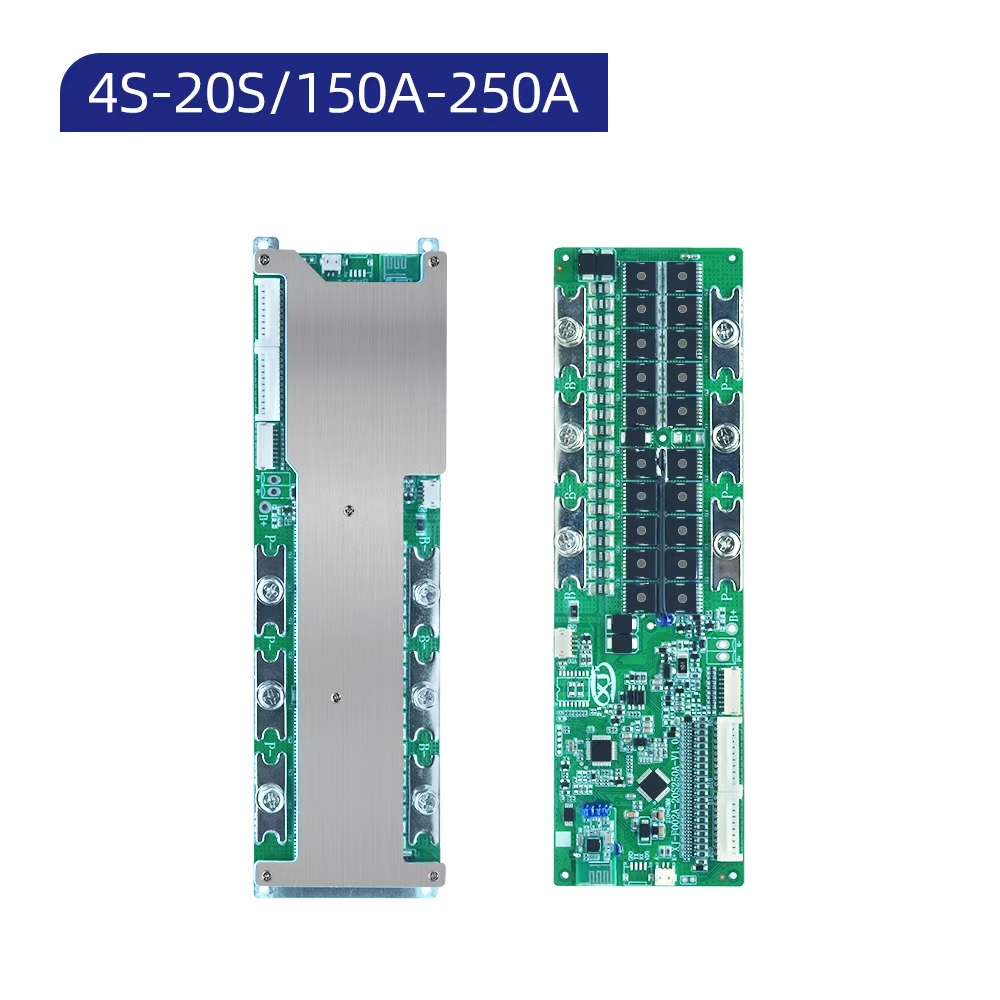
XJ-F002A 4S-20S 150A-250A Smart Bluetooth RS485/UART Balance NTC BMS
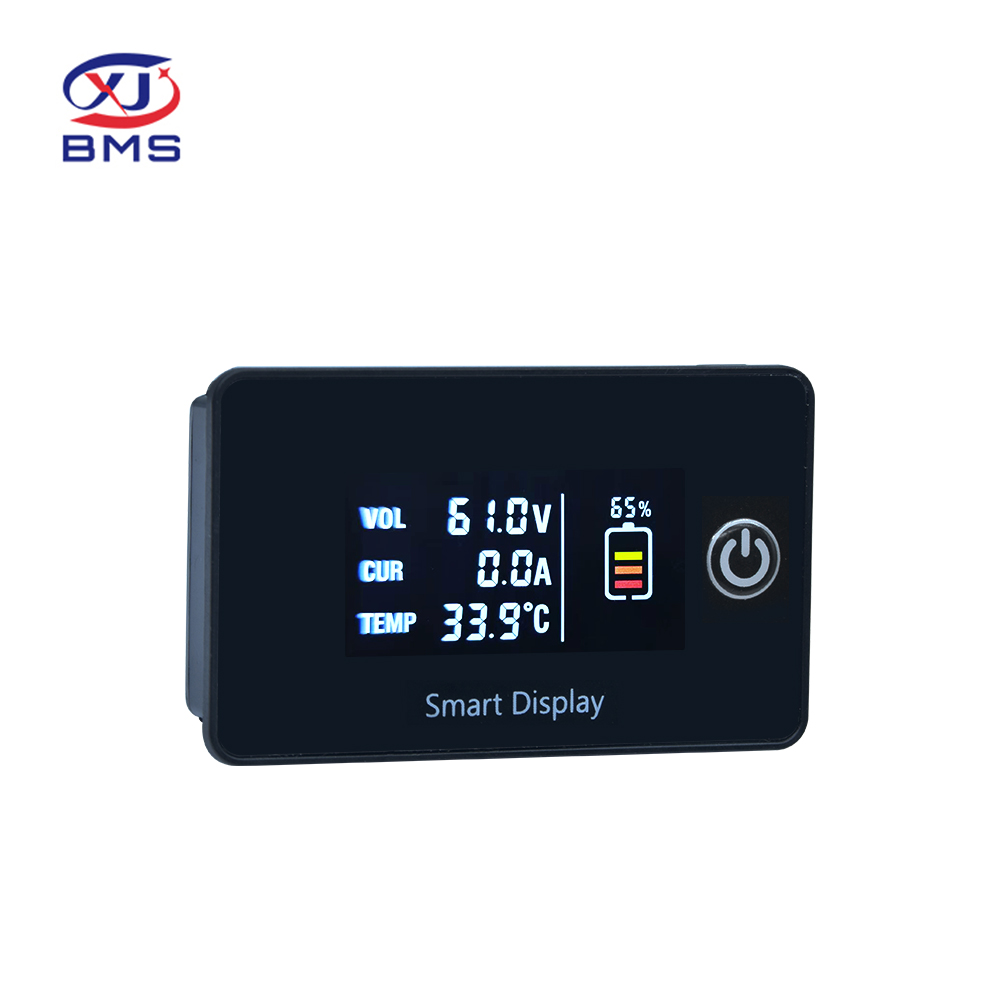
XJ Smart Bluetooth BMS LCD Display Battery Voltage Current Temperature Capacity Charger & Discharger Display
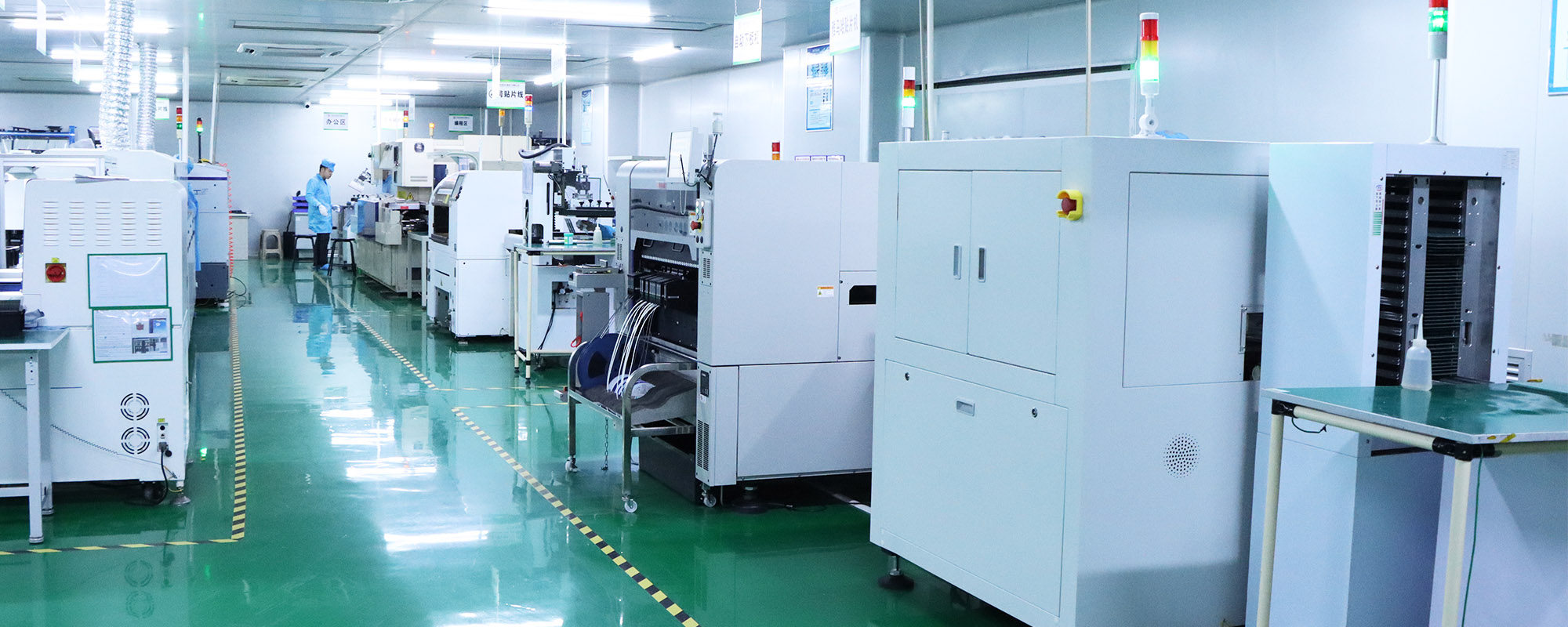
Dongguan XuanJing Electronics Co., Ltd. (Brand: XJ BMS) is a high-tech firm founded in 2015, specializing in developing, customizing, producing, and marketing PCBA solutions including Battery Management Systems (BMS), PCM, and Active Balancers for LiFePO4, Li-ion, and sodium-ion batteries.
With a top-notch dust-free workshop, cutting-edge inspection and production tools, and ISO9001, CE, RoHS, EMC, and REACH certifications, XJ BMS ensures every product delivers excellent quality backed by a 2-year warranty. Our BMS solutions are widely deployed across electric motorcycles, golf carts, forklifts, electric touring vehicles, solar energy storage systems, e-bikes, electric scooters, electric wheelchairs, and rickshaws.
XJ BMS delivers more than 5 million BMS units to the worldwide market annually. Located in Dongguan City — close to Guangzhou and Shenzhen international airports — we welcome factory visits for business partnerships and quality inspections at any time.
7/24 Online Service for Professional BMS Solutions
Every XJ BMS product is manufactured and tested to international quality and safety standards.




Whether you're designing a new electric motorcycle, scaling a delivery e-bike fleet, or sourcing OEM BMS components — XJ BMS engineers are ready to help you select, customize, and certify the perfect battery management solution.
7/24 Online Service | ISO9001 Certified | 5M+ Units Shipped Annually