Leave Your Message
High-performance Battery Management Systems engineered for outdoor energy reliability
The acronym BMS stands for Battery Management System — a sophisticated electronic control circuit that monitors, protects, and optimizes the performance of rechargeable battery packs. In the automotive world, you will frequently hear the term "BMS meaning car", which refers to the onboard system that supervises the traction battery in electric vehicles (EVs), hybrid cars, and even conventional vehicles equipped with advanced start-stop systems or 48V mild-hybrid architectures.
🔑 Key Insight: The same BMS intelligence that protects an EV battery on the highway is now being miniaturized and adapted for portable outdoor power stations and solar generators — bringing automotive-grade safety to off-grid living.
In the automotive context, a BMS constantly measures individual cell voltages, pack temperature, charge/discharge current, and state of health (SoH). It prevents overcharge, over-discharge, short-circuit, and thermal runaway — all critical events that could damage a battery pack or pose a safety risk. Modern EVs such as Tesla, BYD, and Rivian rely entirely on their BMS to deliver consistent range, longevity, and safety.
As the portable energy market exploded in the 2020s, engineers began applying the same "BMS meaning car" principles to portable outdoor power stations (POPS) and solar generators. These consumer and industrial devices — ranging from 256 Wh compact units to 10 kWh+ home backup systems — demand the same level of cell-level protection, balancing, and communication that a car BMS provides. The result is a rapidly growing market segment where automotive BMS expertise directly informs the design of outdoor and renewable energy storage products.
The global market for portable power stations was valued at approximately USD 2.8 billion in 2023 and is projected to exceed USD 7.5 billion by 2030, growing at a CAGR of over 15%. This explosive growth is driven by several macro forces: the increasing frequency of grid outages due to extreme weather, the surge in outdoor recreational activities post-pandemic, the proliferation of remote work requiring reliable power anywhere, and the dramatic cost reduction in lithium iron phosphate (LiFePO4) cells.
At the core of every portable power station and solar generator is a BMS that handles the unique demands of these devices: wide input voltage ranges (from solar panels with variable irradiance), simultaneous charge-discharge (pass-through charging while powering loads), multi-chemistry support (LiFePO4, NMC, sodium-ion), and wireless communication (Bluetooth, RS485, UART for smartphone app integration).
Major brands such as EcoFlow, Jackery, Bluetti, Anker SOLIX, and Goal Zero have invested heavily in proprietary BMS designs to differentiate their products on safety, efficiency, and smart features. Meanwhile, B2B manufacturers and OEM integrators increasingly source high-quality BMS modules from specialist suppliers to accelerate time-to-market and ensure regulatory compliance (CE, RoHS, REACH, UL, IEC standards).
Six critical roles that make BMS the brain of every solar generator
Monitors individual cell voltages in real time to prevent overcharge (OVP), over-discharge (UVP), over-current (OCP), and short-circuit (SCP) — mirroring the protection layers found in automotive BMS designs.
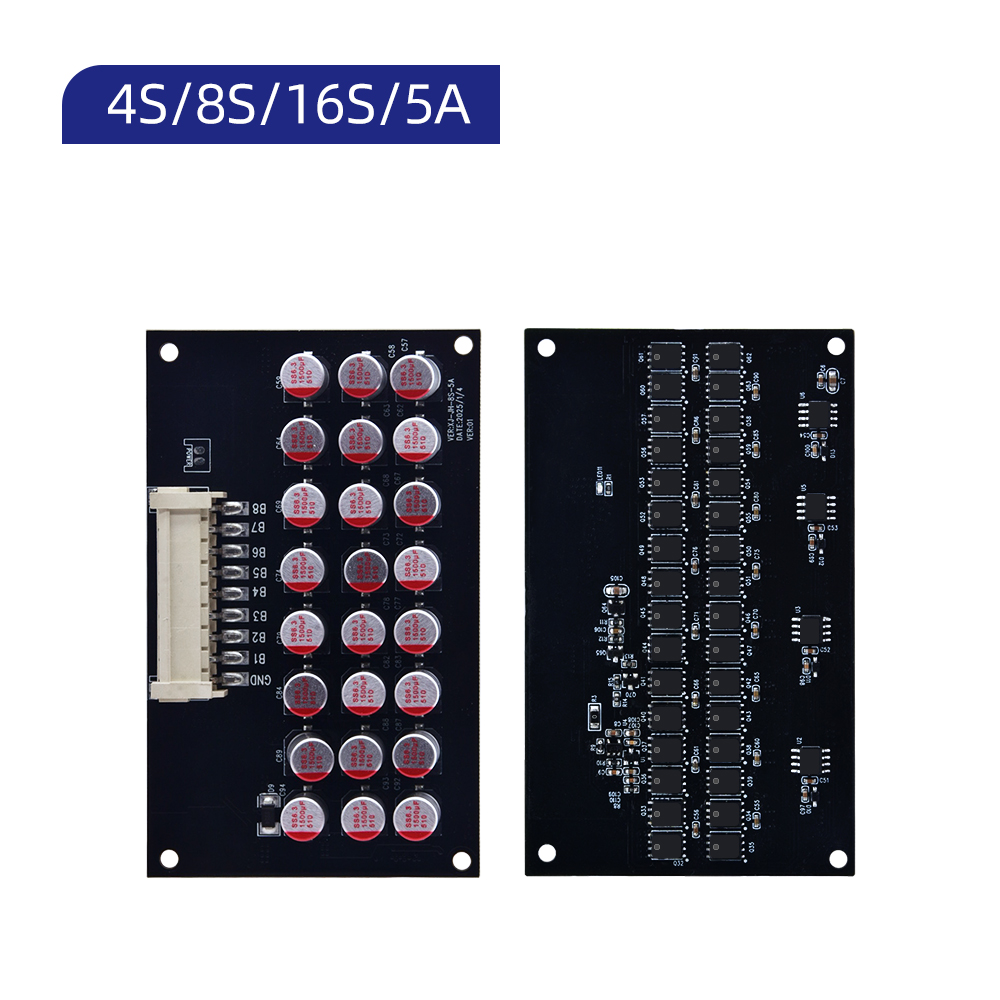
Redistributes energy between cells to equalize voltages across the pack. Active balancing (up to 5A balancing current) significantly extends cycle life and maximizes usable capacity in multi-cell solar generator batteries.
Multi-point NTC temperature sensing detects localized hot spots and triggers protective responses — including charge inhibition in sub-zero conditions, critical for outdoor power stations used in alpine or arctic environments.
RS485, UART, and Bluetooth interfaces enable real-time data streaming to inverters, solar charge controllers, and mobile apps — enabling predictive maintenance, remote diagnostics, and integration with smart home ecosystems.
Accurate SoC (State of Charge) and SoH (State of Health) algorithms — borrowed directly from automotive BMS methodology — provide users with reliable battery percentage readings and long-term health analytics.
Advanced BMS platforms support LiFePO4, NMC, Li-ion, and emerging sodium-ion chemistries within the same hardware framework, giving solar generator manufacturers the flexibility to adapt to evolving cell markets.
The phrase "BMS meaning car" is not merely a technical curiosity — it represents a direct technological lineage. Early EV manufacturers in the late 2000s developed sophisticated BMS architectures to handle the complex demands of large-format lithium battery packs. These systems introduced concepts like distributed cell monitoring ICs, hierarchical protection layers, and CAN-bus communication that later became the blueprint for all modern battery management.
By the mid-2010s, as lithium battery costs fell below $200/kWh and portable power stations emerged as a product category, BMS designers applied automotive-proven techniques to consumer energy devices. Key adaptations included:
Perhaps the most significant trend borrowed from automotive BMS is the shift toward software-defined battery management. Just as modern EVs receive over-the-air BMS firmware updates that improve range and battery longevity, portable power station manufacturers are now deploying smart BMS platforms where algorithms can be updated, parameters reconfigured, and performance profiles optimized remotely.
Smart BMS platforms like the XJ-F002 series — supporting RS485, UART, and Bluetooth — represent this new generation. They enable OEM manufacturers to customize protection thresholds, communication protocols, and balancing strategies without hardware redesigns. For a solar generator OEM, this translates directly to faster product iterations, reduced warranty claims, and richer end-user experiences through companion mobile applications.
While consumer-facing portable power stations dominate headlines, the industrial and commercial applications of BMS-equipped energy storage represent a far larger opportunity:
The commercialization of BMS-equipped portable energy products is increasingly governed by stringent international standards. Key certifications shaping the market include IEC 62619 (safety for stationary Li batteries), UL 9540 (energy storage systems), CE + RoHS + REACH (European market access), and UN 38.3 (transportation of lithium batteries). Manufacturers sourcing BMS modules must verify that their suppliers hold relevant certifications — a non-negotiable requirement for entry into major retail and B2B channels.
Next-generation BMS platforms will integrate machine learning models trained on millions of charge cycles to predict cell degradation, optimize charging protocols, and forecast remaining useful life — extending portable power station battery lifespans by 20-40%.
As sodium-ion cells approach commercial viability with superior low-temperature performance and lower raw material costs, BMS manufacturers are developing multi-chemistry firmware stacks that support seamless transitions between Li-ion, LiFePO4, and Na-ion chemistries.
Vehicle-to-Load and Vehicle-to-Home capabilities, already standard in EVs like the Ford F-150 Lightning, are being adapted for portable solar generators — requiring BMS architectures that seamlessly manage bidirectional power flows with sub-millisecond switching.
Inspired by automotive DC fast-charging technology, portable power station BMS designs are evolving to support 3000W+ solar inputs, requiring advanced thermal management algorithms and cell-level impedance monitoring to ensure safe, rapid energy replenishment.
Fleet management platforms for rental power stations, disaster relief stockpiles, and industrial site deployments require BMS modules with cloud connectivity — enabling centralized state-of-health monitoring, automated maintenance alerts, and remote configuration updates.
Following the automotive trend of scalable battery platforms (used in everything from small city cars to long-range SUVs), portable energy manufacturers are adopting modular BMS designs that scale from 1 kWh to 100 kWh+ by daisy-chaining identical modules — dramatically reducing engineering costs.
Real-world use cases where smart BMS technology makes the critical difference
BMS-equipped solar generators power camping refrigerators, lighting, and satellite communications across extreme temperatures. Active balancing ensures maximum runtime while thermal protection prevents failure in desert heat or mountain cold.
During grid outages, smart BMS systems manage seamless switching between solar input, grid charging, and household load delivery — protecting critical devices like medical equipment, refrigerators, and Wi-Fi routers.
Silent, zero-emission portable power stations with robust BMS replace diesel generators on film sets, outdoor concerts, and sporting events where noise and exhaust are unacceptable. BMS ensures consistent output voltage for sensitive electronics.
Ruggedized BMS designs with wide operating temperature ranges (-20°C to +60°C) power field hospitals, communication equipment, and drone charging stations in post-disaster environments where grid power is unavailable.
Solar generators with LiFePO4 batteries and smart BMS provide reliable power for precision agriculture sensors, autonomous irrigation systems, remote weather stations, and off-grid mining or oil field instrumentation.
Multi-source BMS architectures manage simultaneous inputs from rooftop solar, shore power, and vehicle alternators while balancing diverse loads — delivering the automotive-grade battery intelligence that mobile living demands.
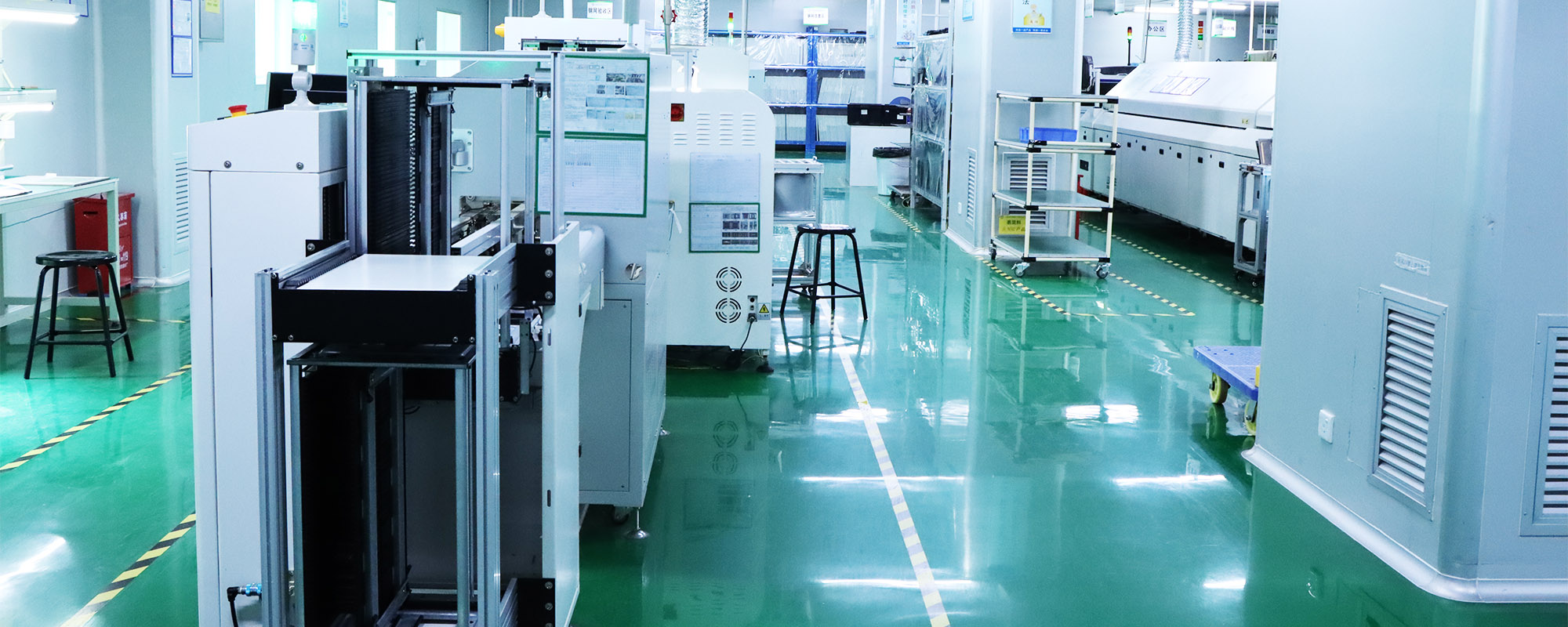
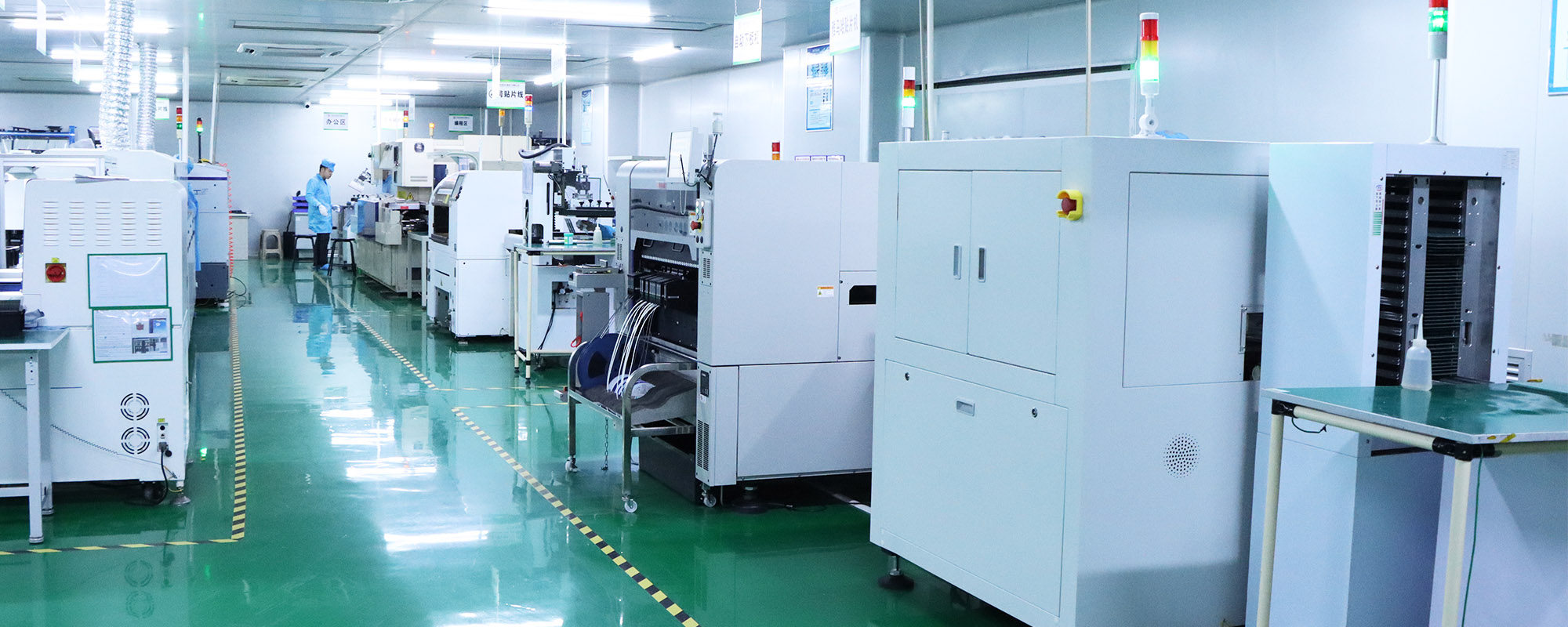
Dongguan XuanJing Electronics Co., Ltd. (Brand: XJ BMS) is a high-tech firm that was founded in 2015 and focuses on developing, customizing, producing, and marketing PCBA, such as Battery Management Systems (BMS), PCM, Active Balancer for LiFePO4, Li-ion, and sodium-ion batteries.
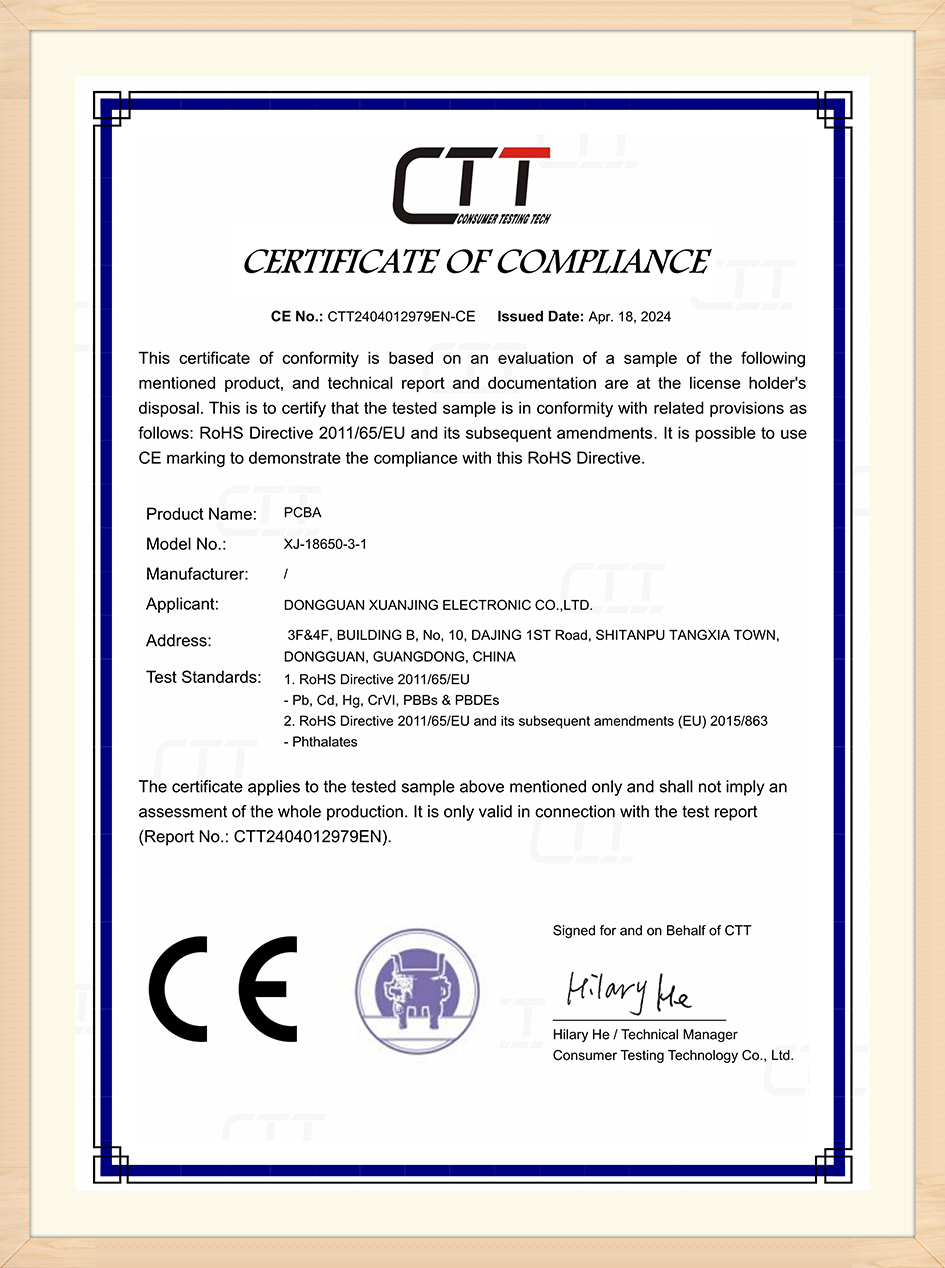
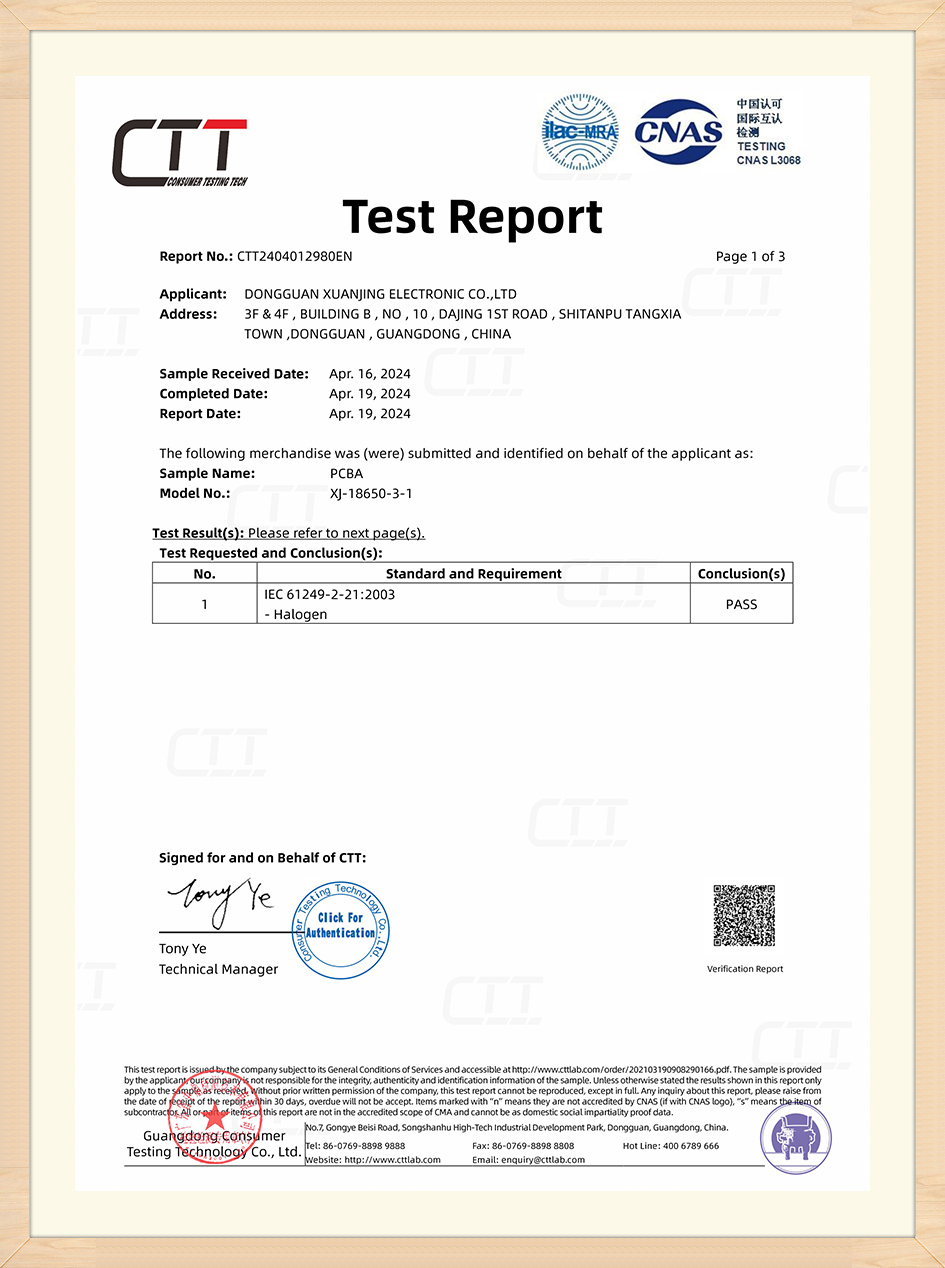
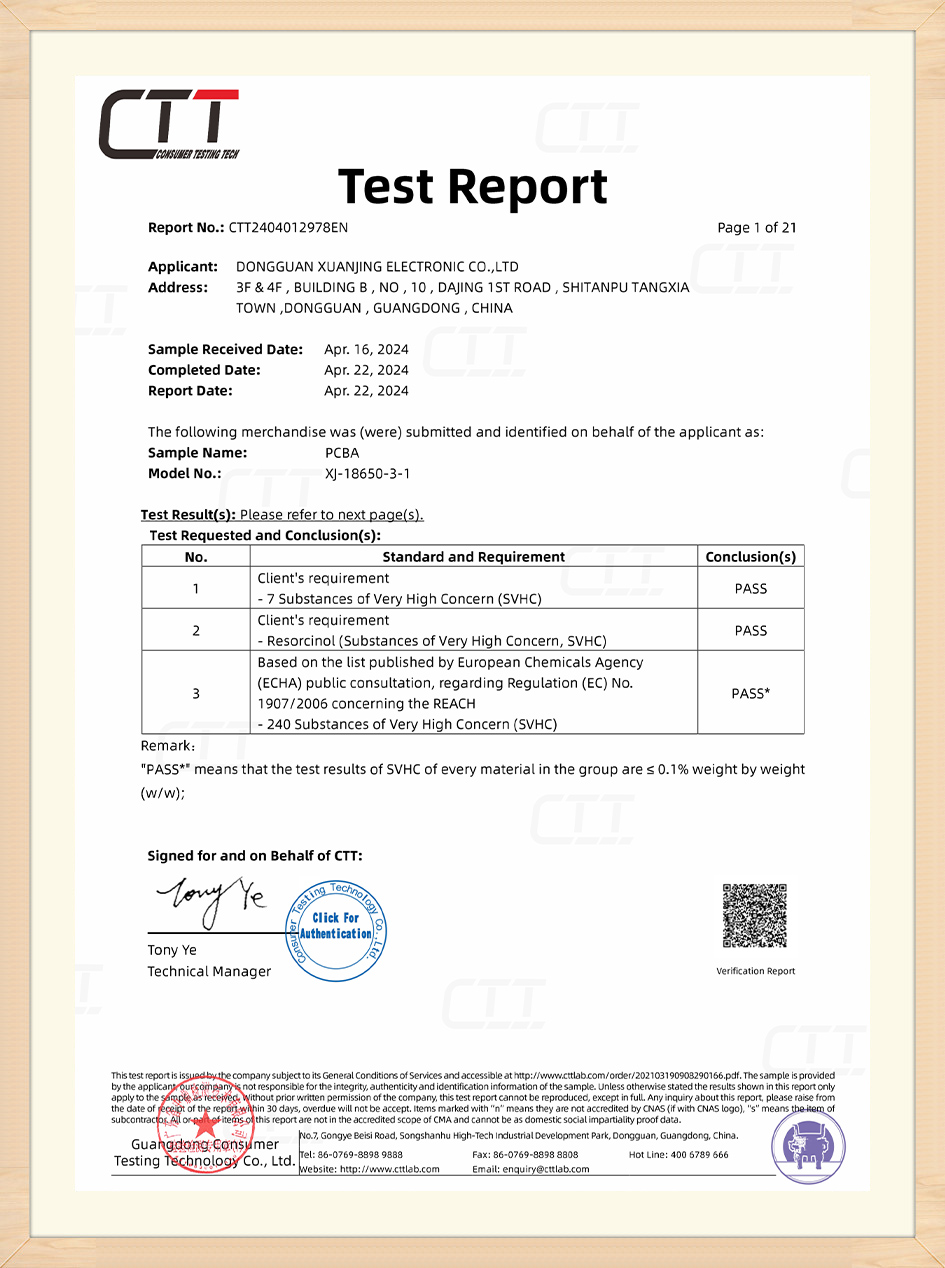
With a top-notch, dust-free workshop, cutting-edge inspection and production tools, and ISO9001, CE, RoHS, EMC and REACH certifications, it ensures that every product is of excellent quality with a 2-year warranty. Its BMS is widely employed in a variety of application scenarios, including motorcycles, golf carts, forklifts, and electric touring vehicles; solar systems (home energy system storage); and one-, two-, and three-wheelers (e-bikes, electric scooters, electric wheelchairs, rickshaws, and motorcycles).
XJ BMS delivers more than 5 million BMS to the worldwide market annually with the goal of making the world smarter and safer. It is located in Dongguan City, close to the airports in Guangzhou and Shenzhen. We invite you to visit our factory at any moment for a business partnership or inspection.
7/24 Online Service for Professional BMS Solutions — our engineering team is ready to support your portable power station or solar generator project with custom BMS configurations, firmware development, and compliance documentation.
Every XJ-BMS product meets rigorous international standards for global market access

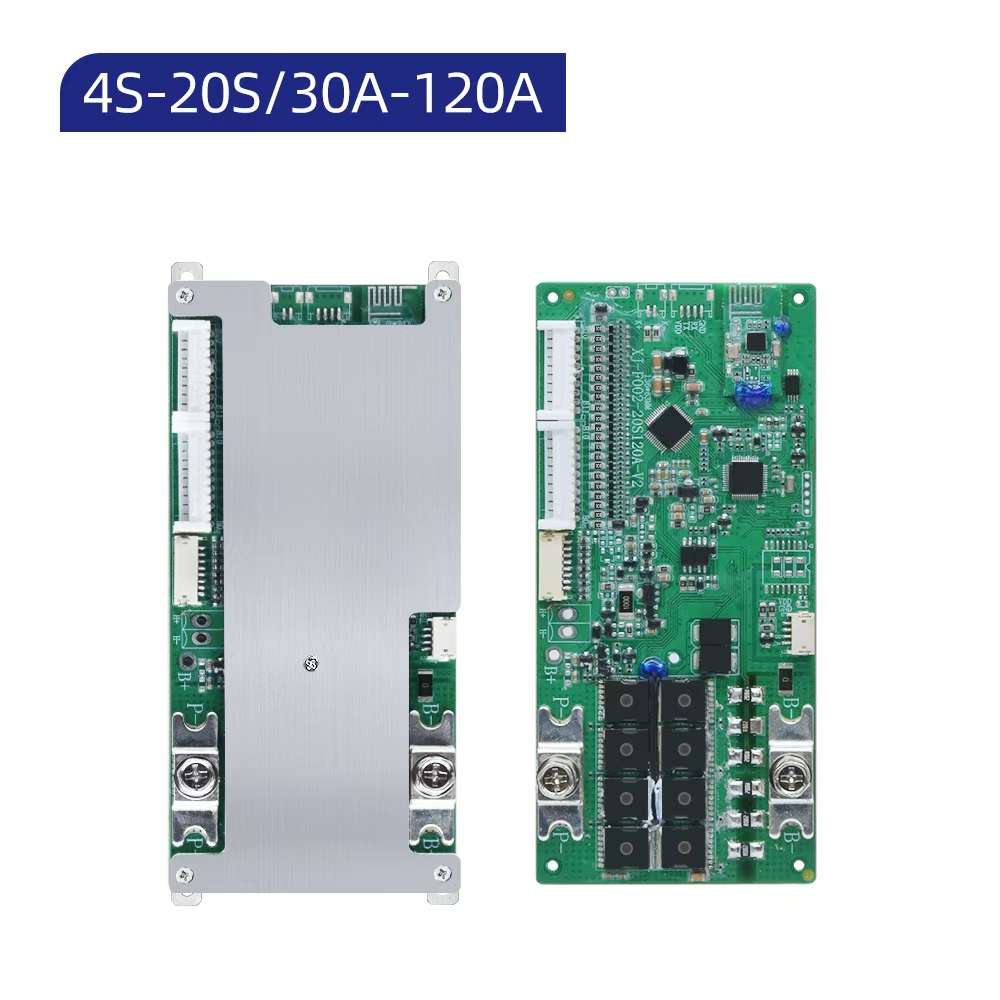
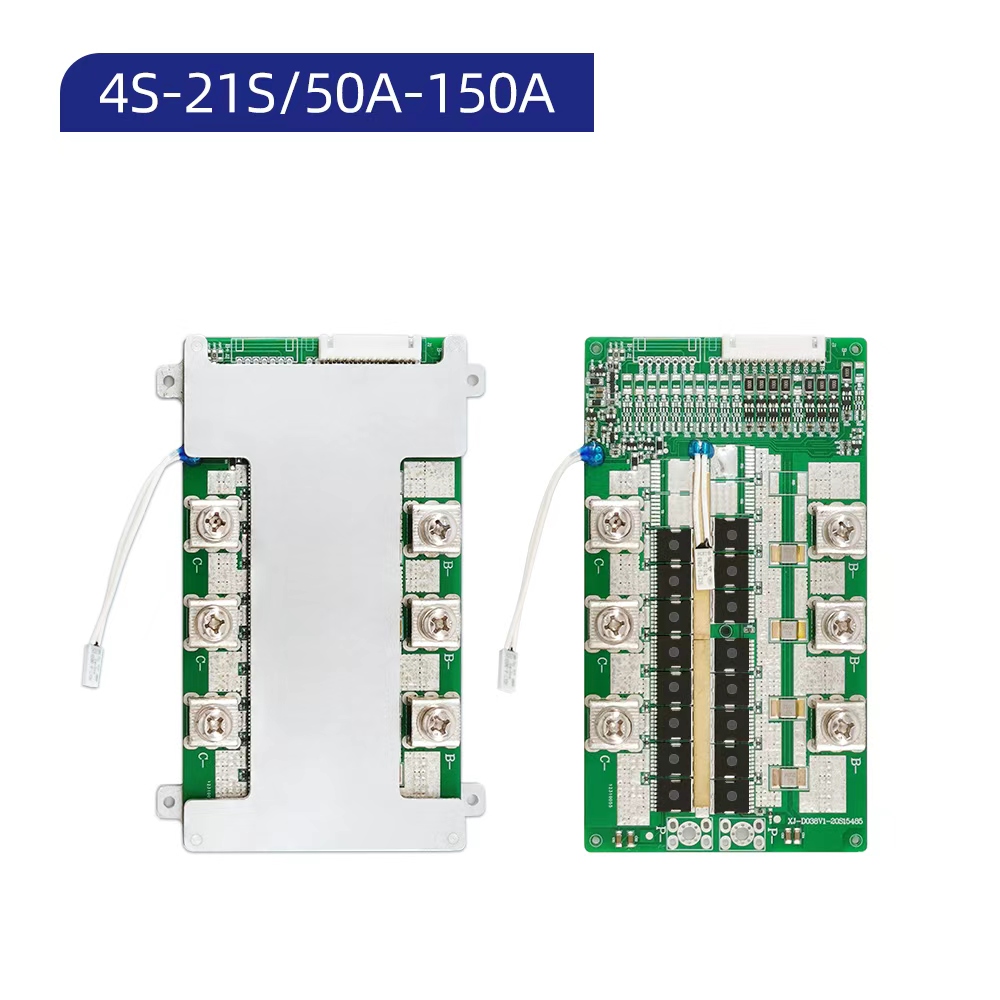
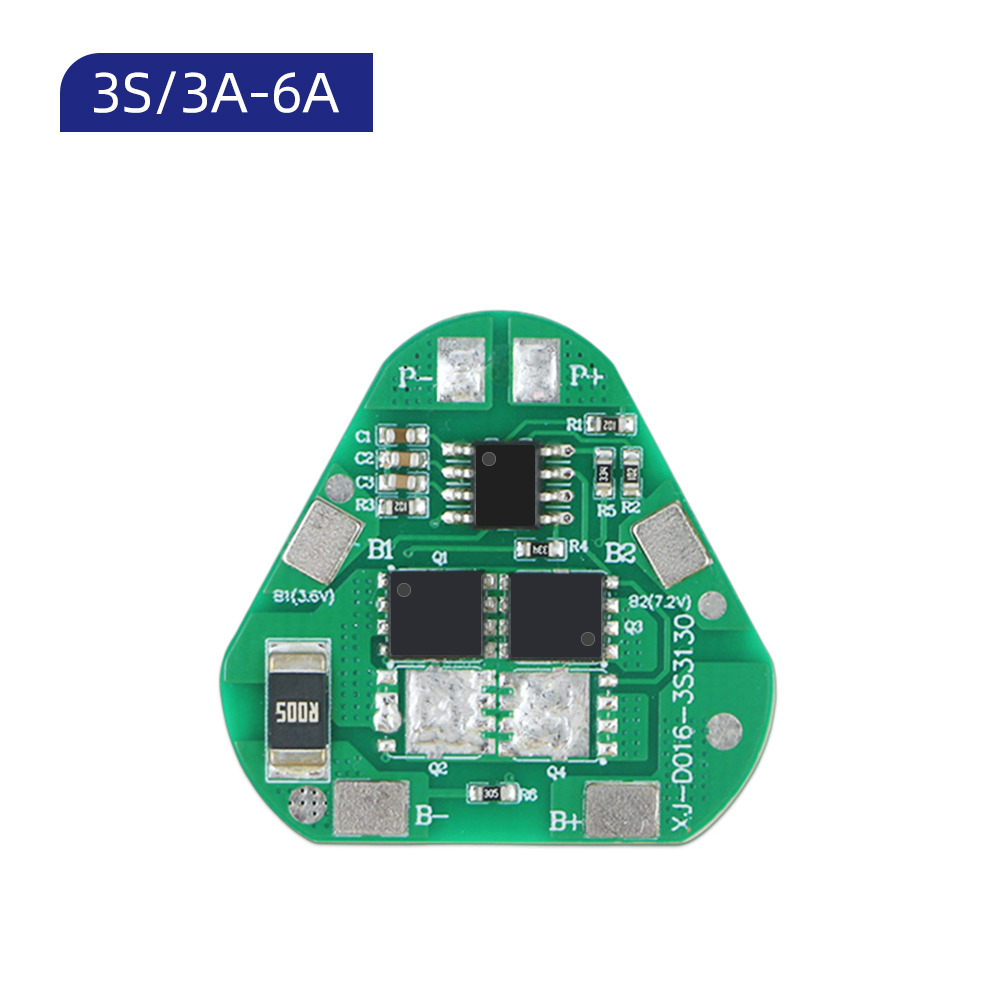
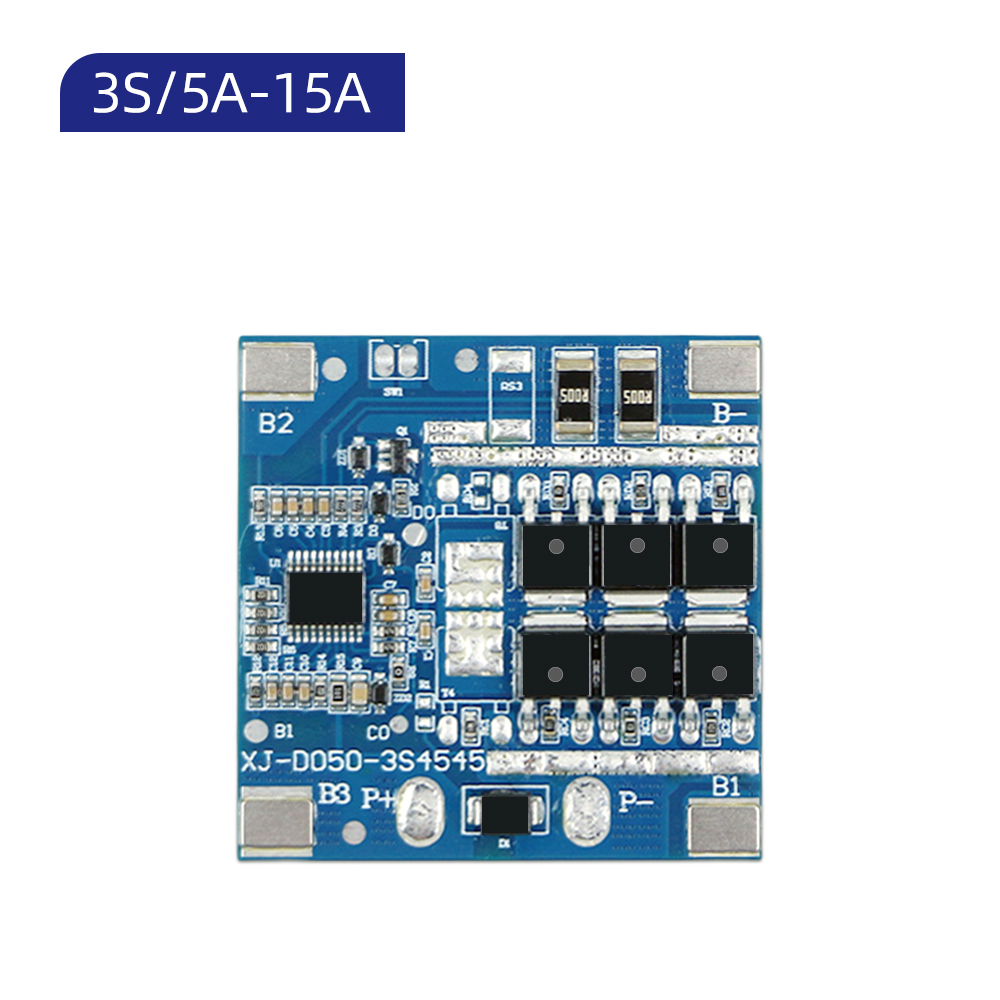
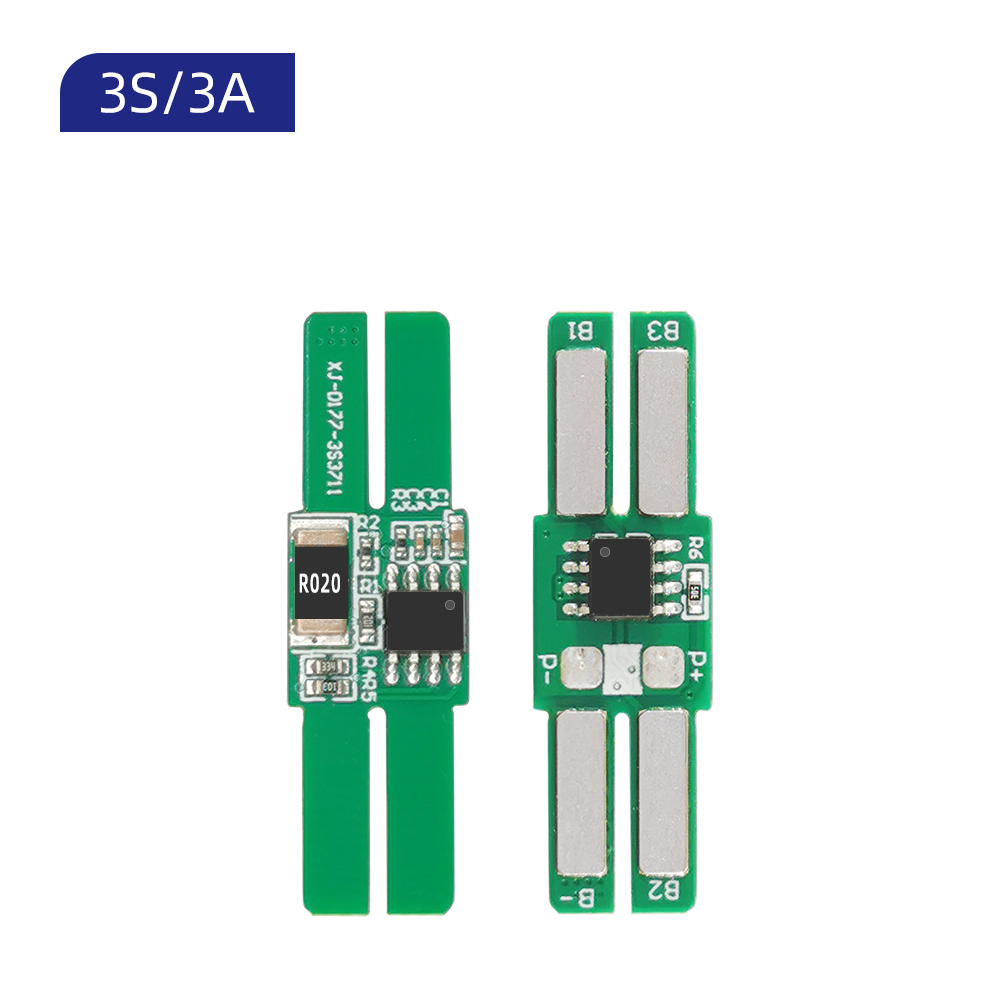
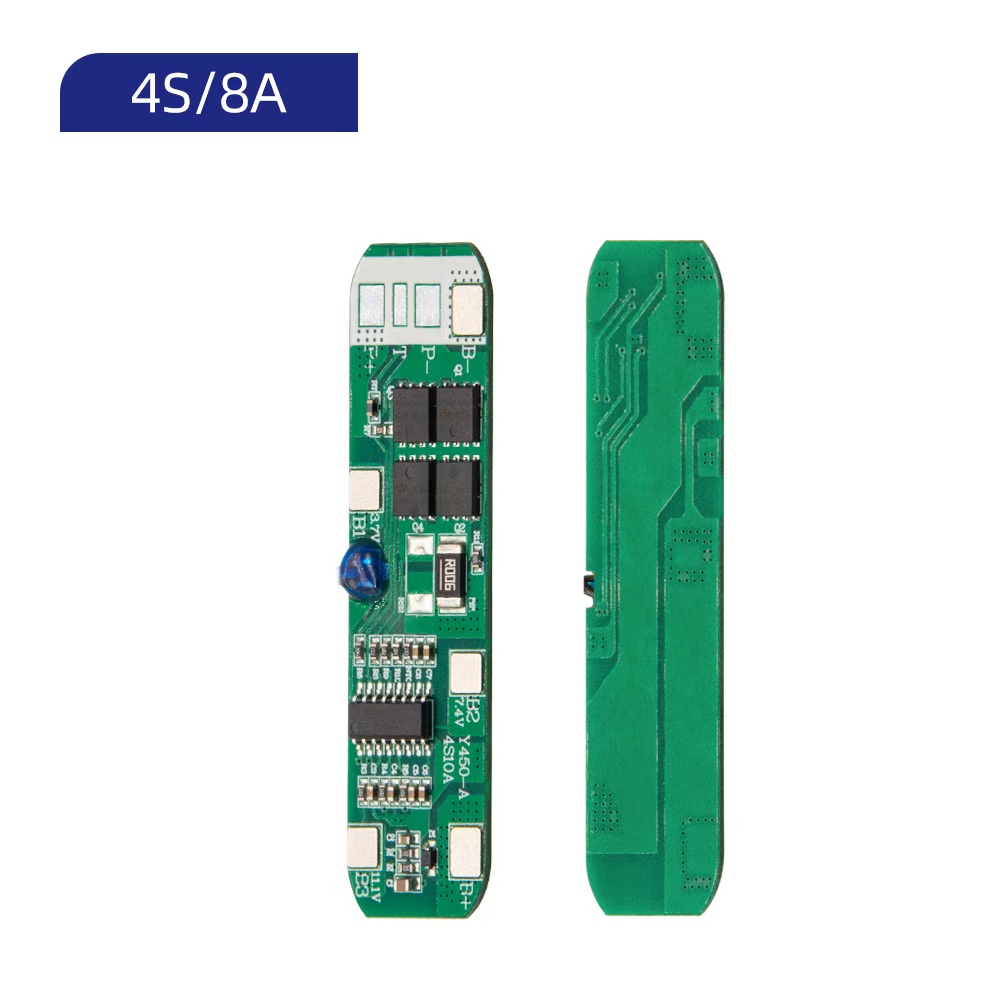
Explore our full lineup of high-reliability BMS solutions — from compact 3S designs to advanced smart communication platforms
Whether you are designing a new portable outdoor power station, scaling a solar generator product line, or sourcing OEM BMS modules with CE/RoHS compliance, our engineering team is ready to support your project with expert guidance, rapid prototyping, and competitive pricing.
Explore BMS Solutions →