In today’s rapidly changing energy scene, really getting a handle on battery Management Systems (BMS) is super important for global buyers who want to boost efficiency and reliability in their projects. As everyone’s talking more about sustainable energy solutions, the role of BMS becomes even more clear—especially when it comes to keeping batteries running smoothly and lasting longer. Dongguan XuanJing Electronics Co., Ltd. (you might know us as XJ BMS), started back in 2015, and we’ve been leading the charge in this tech. We specialize in creating and customizing advanced PCBA solutions—stuff like BMS, PCM, and Active Balancers—for all kinds of batteries, whether it’s LiFePO4 or sodium-ion. Our goal? To deliver innovative, tailored solutions that really meet the needs of our customers around the globe. In this blog, I’ll walk you through the perks of using a good BMS, showing how our products can seriously boost the performance of energy storage systems across different applications.
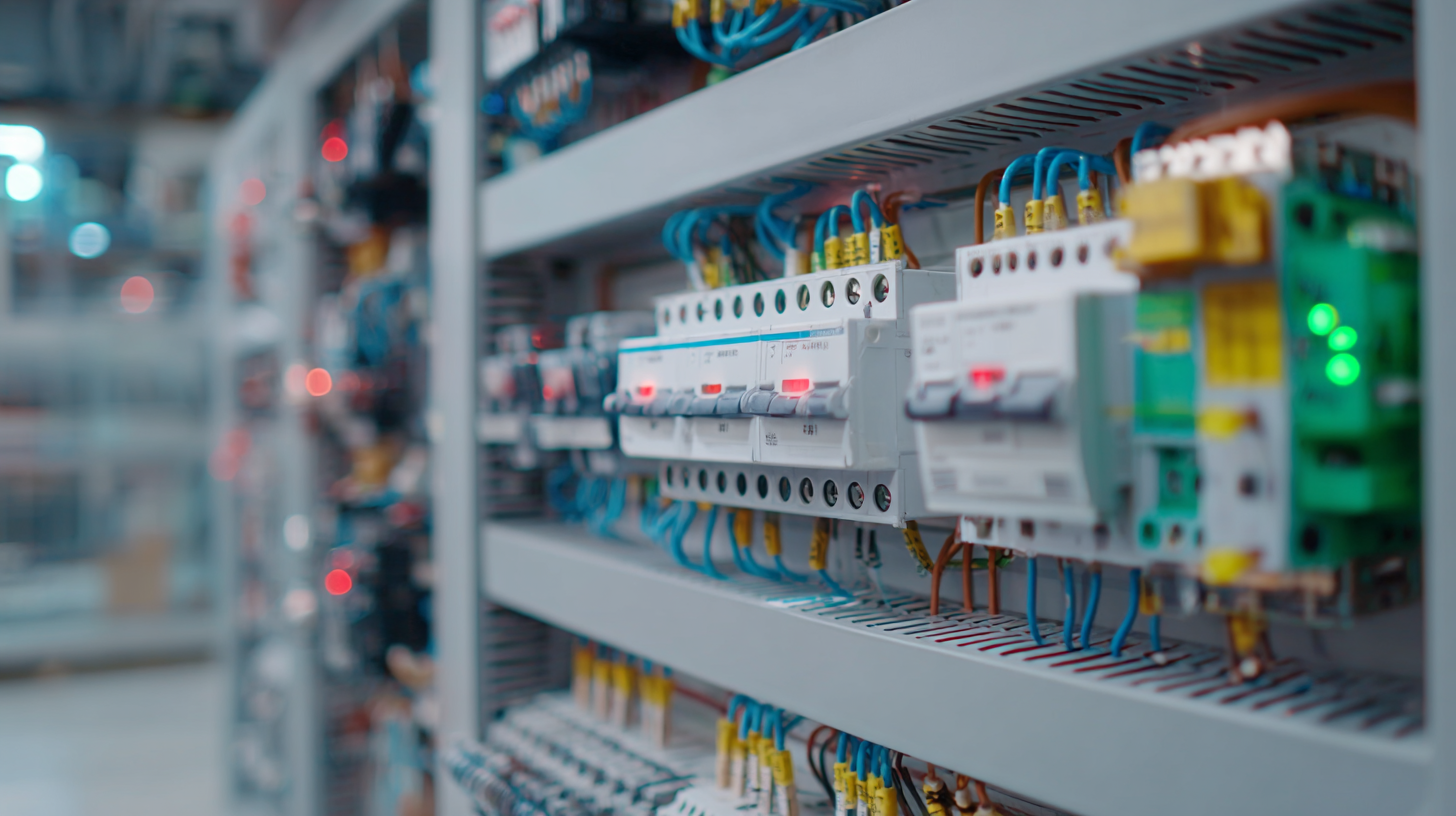
Understanding Battery Management Systems (BMS) and Their Importance
Battery Management Systems, or BMS for short, have really become a must-have in today's battery tech. They play such a crucial role in keeping things safe, efficient, and reliable—that’s a big deal when you think about how the global battery market is expected to hit around $120 billion by 2025. Honestly, understanding why BMS matter has never been more important. When you have a good BMS, it’s not just about keeping an eye on each individual cell — it also helps optimize the entire battery pack’s performance. This is especially key whether you’re dealing with electric cars, solar storage, or other big energy projects. A recent report from BloombergNEF even says that a solid BMS can extend battery life by up to 25%, which can really cut down long-term costs worldwide.
Key Advantages of Implementing a BMS for Global Buyers
Implementing a Building Management System, or BMS for short, really packs a punch when it comes to benefits for global buyers. A big one is saving money — a lot of it, actually. By automating things like heating, ventilation, AC, lighting, and security, a BMS helps you use resources more efficiently. So, you get to cut down on energy bills while still keeping the building comfortable and safe for everyone inside. Plus, because it helps with predictive maintenance, you can fix problems early before they turn into costly repairs, which means your equipment lasts longer and costs less to maintain.

On top of that, a BMS gives you smarter data to work with. It offers real-time info on how your building's performing, making it way easier to spot issues or areas where things could be run more smoothly. This helps in making better decisions and finding ways to boost overall efficiency. Another perk is that it helps you stay on top of rules and regulations — ensuring your building always meets safety and environmental standards without hassle. All in all, going for a BMS isn't just about streamlining operations; it also positions your business as a leader in sustainability. It’s a win-win, really.
Common Challenges Faced by Buyers in BMS Selection
When you're trying to pick out a Battery Management System (BMS), it can honestly get pretty overwhelming. There's just so many options out there, each with its own set of features, specs, and compatibility quirks, which makes figuring out which one really fits your needs a total headache. Plus, all the technical mumbo jumbo and jargon they throw around can be confusing as hell — it’s easy to get lost or make the wrong call.
And then there's the whole money-versus-performance dilemma. Do you go for the more expensive one that promises better longevity and extra features, or do you try to stick within your budget and maybe end up with something that’s not as reliable? The initial cost can seem steep, but skimping now might cost you more later in safety issues or system failures. Oh, and don’t forget about making sure the BMS plays nice with the gear you already have. Compatibility checks can be a real pain and add another layer of complexity in what’s already a tricky decision.
All in all, choosing the right BMS isn’t exactly a walk in the park — it takes some serious research and a bit of luck to get it just right.
Enhancing Efficiency: How BMS Optimizes Battery Performance
Battery Management Systems, or BMS for short, are honestly pretty vital when it comes to getting the most out of your batteries. They keep an eye on things like individual cell voltage, temperature, and overall health of the battery—kind of like its personal health tracker. This not only helps the battery perform better but also makes sure you're using your energy wisely, whether you're just charging a gadget or managing a fleet of industrial batteries. When batteries are taken care of properly, they last longer and tend to be a lot more reliable, which is why so many folks around the world prefer them when they're hunting for eco-friendly energy options.
Here’s a tip: it's a good idea to check your BMS firmware every now and then. Updates often come with cool new features and improvements that can really boost your battery’s efficiency and longevity. Staying up-to-date is definitely worth it.
And get this — a good BMS isn’t just passively monitoring. It uses clever algorithms to balance out charge levels across all the cells, which is super important. It prevents overcharging or deep discharges that could kill your battery early. When all the cells are properly balanced and running smoothly, you’ll see more juice from your battery and save money on repairs or replacements down the line.
Another handy tip: if you can find a BMS that offers data analytics, go for it. Tracking battery performance over time can give you some pretty helpful insights. You’ll be better equipped to spot potential problems before they become serious, and it makes decision-making about usage and maintenance way easier.
Unlocking the Advantages of BMS: Enhancing Efficiency and Reliability for Global Buyers
This bar chart illustrates the optimized performance metrics achieved through Battery Management Systems (BMS). By effectively regulating cell voltage, monitoring temperature, prolonging charge cycle life, enhancing discharge efficiency, and maintaining accurate state of charge, BMS significantly contributes to the overall efficiency and reliability of battery systems.
Ensuring Reliability: The Role of BMS in Safety and Longevity
As modern energy systems get more complicated, we really need reliable solutions to keep everything safe and running smoothly for the long haul. That’s where Battery Management Systems, or BMS for short, come into play—they’re pretty much the backbone of everything. By keeping an eye on key battery stats like voltage, current, and temperature all the time, a good BMS makes sure things stay safe and helps prevent failures that could turn into a major disaster. Plus, with real-time diagnostics, it can flag issues right away and even kick in to fix problems before they get worse, which boosts overall system reliability.
But it’s not just about safety—having a solid BMS actually helps batteries last longer, too. It fine-tunes charging and discharging cycles, which are super important if you want your batteries to stay healthy over time. Preventing overcharging or deep discharges means your batteries won’t lose their mojo prematurely. That’s good news not just for the bottom line—saving money in the long run—but also for the planet, since it supports more sustainable energy use. As more businesses focus on being efficient and dependable, investing in advanced BMS tech is honestly just a smart move if you’re aiming for long-term success and smooth operations.
Best Practices for Integrating BMS into Global Supply Chains
Growing attention is being paid to how Battery Management Systems, or BMS, are being smoothly integrated into global supply chains — and honestly, it’s a pretty big deal if we want things to run more efficiently and reliably. Just recently, a report from Navigant Research mentioned that the worldwide BMS market is expected to grow at about 15.5% each year. By 2026, it’s projected to hit over $7 billion. That’s quite a jump! The main drivers? The huge surge in electric vehicles and renewable energy projects, both of which depend on smart battery tech that guarantees their performance and lifespan stays solid.
So, if companies want to get BMS fully onboard with their supply chains, they’re wise to use data analytics to keep an eye on things in real time and do predictive maintenance. A study from McKinsey & Company pointed out that businesses tapping into real-time data can cut down downtime by up to 30%. That kind of savings really adds up and makes everything run smoother. On top of that, teaming up with suppliers who are experts in advanced BMS tech can help companies develop tailored solutions, which ultimately boost the reliability of their products and keep customers happy — especially in such a competitive market.
FAQS
: Buyers often struggle with the overwhelming variety of options, technical jargon, balancing cost against performance, and ensuring compatibility with existing systems.
The wide range of features, specifications, and compatibilities can make it difficult for buyers to determine which BMS best suits their needs, leading to confusion and misjudgments.
Buyers often need to weigh a system's efficiency and reliability against its price, which can lead to settling for less effective solutions due to budget constraints, potentially compromising safety and operational viability.
A BMS actively monitors voltage, temperature, and overall battery health, enhancing efficiency and prolonging battery lifespan while improving reliability.
Regularly checking the firmware of the BMS is essential to leverage the latest features and performance enhancements, which can significantly impact battery efficiency and reliability.
A well-designed BMS uses advanced algorithms to balance charge levels among battery cells, preventing overcharging or deep discharging, thus avoiding premature battery failure.
Buyers should consider investing in a BMS with data analytics capabilities to track performance metrics, helping predict potential issues and make informed decisions for usage and maintenance.
Properly managed batteries can reduce maintenance costs over time by ensuring optimal operation conditions and improving overall energy output.
Buyers should perform thorough compatibility checks with existing systems during the selection process to avoid integration difficulties.
Conclusion
As battery technology keeps evolving, Battery Management Systems (or BMS for short) are becoming more and more important for ensuring everything runs smoothly and safely—especially for buyers around the world. If you want to get a handle on what BMS actually means, it’s pretty crucial because these systems do more than just boost battery performance. They also make sure safety is top-notch and batteries last longer. This is especially helpful because many buyers struggle with picking the right system. By choosing a good quality BMS, companies can really up their game—cut down costs, run more efficiently, and make sure different types of batteries like Lifepo4, lithium-ion, or even sodium-ion work safely and reliably.
Here at Dongguan XuanJing Electronics Co., Ltd. (XJ BMS), we’ve been working since 2015 to develop and tailor advanced BMS solutions. We see these systems as key pieces of the puzzle, especially when it comes to smooth supply chains. Using best practices for BMS integration isn’t just about making logistics easier—it’s also about building a battery world that’s more sustainable and resilient. Ultimately, it helps buyers everywhere get the most out of their energy storage investments.
It’s all about making these technologies work better for everyone, and we’re excited to be part of that journey.