You know, when it comes to battery tech nowadays, having a reliable LiFePO4 Bms 4s is pretty much a must. I’ve read somewhere that close to 30% of battery problems actually come down to not having a good enough battery management system in place. That really shows just how vital a solid BMS is for keeping batteries safe and lasting longer. If you use a high-quality LiFePO4 BMS 4s, it can really help cut down on risks, extend your battery’s lifespan, and boost overall performance.
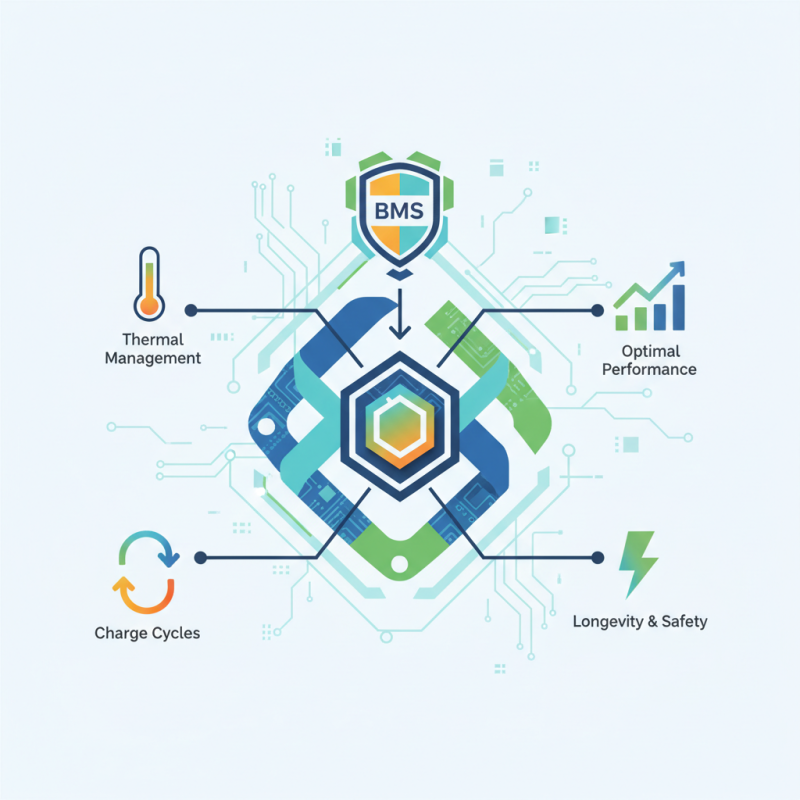
Lately, tech in BMS has come a long way — companies like CALB and A123 Systems have been doing some cool stuff to make lithium batteries smarter and more efficient. But, let’s be honest, there’s still some common pitfalls. People often overlook how important thermal management is or don’t pay enough attention to proper charging cycles. Skimping on those things can lead to batteries wearing out way too soon. To really get the best out of a motorcycle LiFePO4 BMS lithium ion starter, it’s all about staying educated and being detail-oriented.
Recognizing these issues is step one for anyone who wants to get the most out of their battery system. An effective LiFePO4 BMS 4s isn’t just about protection — it’s about ensuring your setup runs smoothly no matter what. Bottom line: investing in a good BMS means investing in stability, efficiency, and peace of mind.
Understanding LiFePO4 Battery Management Systems (BMS)
Understanding LiFePO4 Battery Management Systems (BMS) is crucial for maximizing battery performance. These systems monitor and manage charging, discharging, temperature, and cell balance. A well-optimized BMS can extend the lifespan of your LiFePO4 battery significantly. According to a recent industry report, a proper BMS can enhance battery life by up to 30%.
Here are some tips for selecting and using a BMS effectively. First, ensure it supports all cells within a 4s configuration. The BMS should manage each cell's voltage accurately to avoid overcharging or deep discharging. Check if it has built-in thermal protection features. Overheating can damage cells permanently. Lastly, consider a modular BMS for easier upgrades in the future.
Regular monitoring is critical. An overlooked aspect can lead to diminished performance. Pay attention to the state of charge and health indicators. They can signal issues long before they become critical. Another point of reflection: Not all BMS systems are equal. Some may lack essential functions like balancing or charge cut-off. Choose wisely to avoid potential pitfalls.
Key Features of 4s BMS for LiFePO4 Batteries
When considering a 4s Bms for LiFePO4 batteries, key features can greatly enhance performance. A good Battery Management System should monitor cell voltages actively. This helps ensure each cell is balanced. Sometimes, cells drift apart in voltage. This can lead to inefficiencies and reduce battery lifespan.
Temperature control is crucial. A quality BMS must include thermal monitoring capabilities. Heat can damage cells and compromise performance. You want a system that disconnects under extreme heat. It’s important to avoid situations that can lead to battery failure.
Protection features are also vital. Short-circuit protection can prevent catastrophic failures. Overcharge and over-discharge protection extend battery life. However, many systems overlook settings. Users often find these settings complicated. It’s essential to review them thoroughly to ensure proper functionality.
Importance of Proper Configuration in BMS for Optimal Performance
In the realm of Lithium Iron Phosphate (LiFePO4) batteries, the Battery Management System (BMS) plays a pivotal role. Proper configuration in the BMS can significantly enhance battery performance. According to industry reports, a well-tuned BMS can lead to a 20% increase in battery lifespan. Such lifespans are critical for applications ranging from electric vehicles to renewable energy storage.
One important tip is to monitor the state of charge (SOC) carefully. An imbalance even as low as 0.5V can cause reduced efficiency. Another consideration is the thermal management of your BMS. Overheating can lead to cycle degradation. A good BMS will provide real-time temperature readings. Trustworthy data shows that maintaining optimal temperatures can improve charging efficiency by up to 15%.
When configuring your bms 3.2v 1s lifepo4 bms board for lithium battery, prioritize cell balancing. Automatic balancing circuits ensure each cell discharges evenly. Neglecting this can lead to premature voltage drop. Additionally, regularly updating the firmware may optimize performance further. Devices incorporating this feedback can yield better results. It’s easy to overlook these aspects but doing so can lead to unanticipated challenges.
Battery Performance Metrics for LiFePO4 BMS 4S
This chart illustrates the key performance metrics of a Lithium Iron Phosphate (LiFePO4) Battery Management System (BMS) configured for 4S applications. The data highlights the importance of proper configuration and management for optimal battery performance.
Monitoring Battery Health: Key Metrics and Tools
Monitoring the health of a Lifepo4 Bms 4s is essential for optimal battery performance. Key metrics play a vital role in tracking battery status. Voltage, current, temperature, and state of charge (SOC) are crucial indicators. According to industry reports, a consistent monitoring of these parameters can improve battery lifespan by over 20%. Neglecting even one metric can lead to inefficiencies and potential failures.
Using the right tools enhances battery health monitoring. Smart BMS systems offer real-time data on performance metrics. This data can help predict when maintenance is needed. Studies show that predictive maintenance reduces operational costs significantly. However, many users still rely on basic monitoring methods. Missed opportunities for data analysis can lead to reduced efficiency. A deeper understanding could drive significant improvements.
Temperature management is another key focus. Overheating is a common issue. Reports indicate that temperatures exceeding 60°C can significantly shorten battery life. Regular checks can reveal temperature irregularities. Without attention, users might overlook gradual performance drops. This subtle decline can eventually impact overall function. Investing in advanced monitoring tools may seem daunting, but it is essential for long-term performance.
Safety Considerations and Protection Mechanisms in BMS
In the realm of battery management systems, safety is paramount. A well-designed Lifepo4 Battery Bms ensures not only optimal performance but also safeguards the battery from potential hazards. Overcharging or deep discharging can lead to severe damage. A robust BMS incorporates voltage and temperature monitoring to maintain reliability. These are crucial features that help prevent thermal runaway, which can pose fire risks.
In addition to monitoring, protection mechanisms are essential for performance. Current limits must be set to avoid excessive draw that could overheat the battery. Short circuits present a significant danger, and the BMS needs to quickly disconnect in such events. Regular maintenance checks are vital. Even the best systems may fail if not properly inspected. Users must be aware of signs of wear and tear, as ignoring these can result in unexpected failures.
Lifepo4 Battery BMS is a complex yet rewarding area to explore. However, it's not perfect. Some systems may lack comprehensive temperature controls. This oversight can lead to uneven performance and reduced lifespan. It's important to reflect on these flaws. Evaluating BMS features carefully can lead to enhancements that improve overall safety and efficiency.
Maintenance Tips for Enhancing LiFePO4 Battery Lifespan
To enhance the lifespan of your LiFePO4 battery, maintenance is crucial. Regularly check the battery’s state of charge. A well-maintained battery should never sit at a low charge for extended periods. Allowing it to discharge completely can lead to permanent damage. Always store your battery in a cool, dry place. Heat can degrade battery performance over time.
Monitoring the Battery Management System (Bms Lifepo4) is also vital. This system ensures optimal performance and safety. If the BMS alerts you to any issues, investigate promptly. Ignoring these warnings often results in greater problems later. Additionally, avoid exposing the battery to extreme temperatures. High heat can trigger swelling or leakage. Cold temperatures can cause the battery to underperform.
Lastly, maintaining clean terminals is often overlooked. Dirty connections lead to resistance and inefficiencies. Periodically, check for corrosion on the terminals and clean them carefully. None of these tasks are overly complex but are easily forgotten. Take a moment to reflect on your routine. Are you giving your LiFePO4 batteries the attention they need?
Troubleshooting Common Issues in 4s BMS for LiFePO4 Batteries
Troubleshooting a 4s Battery Management System (BMS) for LiFePO4 batteries can be challenging. Issues can arise from poor connections, calibration errors, or thermal management problems. Reports indicate that improper connections can lead to 30% inefficiency in energy transfer. Checking all wiring is essential. Loose or corroded connectors can cause voltage drops and uneven cell performance.
Thermal management is another area deserving attention. LiFePO4 batteries operate best between 0°C and 60°C. Operating beyond this range can degrade battery life. Data from industry studies shows that overheating can reduce capacity by as much as 20%. Regularly monitor temperature using built-in sensors or external devices. If your BMS lacks thermal monitoring, consider upgrading to a model that includes this feature.
Calibration issues may also affect performance. If the BMS isn’t calibrated correctly, it can miscalculate cell voltages. This often results in trapped energy and shortened cycles. In some cases, users have observed a 15% reduction in battery longevity due to incorrect calibration. Regularly reset your BMS and verify that all cells are in balance. Balancing might take longer than expected but is crucial for optimal performance.
Exploring the Benefits and Features of the XJ 4S 8S 16S 5A Active Balancer BMS for LifePO4 and NMC Li-ion Batteries
The 4S/8S/16S 5A Active Balancer BMS is an innovative solution designed specifically for LifePO4 and NMC Li-ion batteries, utilizing advanced capacitor and inductance technology. This active equalizer balancer performs the crucial task of maintaining charge and voltage equilibrium among individual cells within a lithium battery pack. By effectively managing the electrical characteristics of each cell, this system ensures optimized performance and longevity of the battery pack, promoting better efficiency and reliability in various applications.
One of the standout features of this active balancer is its ability to autonomously equalize the voltage across all cells, minimizing the risk of overcharging or undercharging. This active balancing technique reduces heat generation and extends the overall lifespan of the battery, making it an ideal choice for electric vehicles, renewable energy storage, and other high-demand applications. By employing circuits that actively redistribute energy among cells, it empowers users to achieve enhanced operational stability and performance, paving the way for advancements in battery technology.
FAQS
: The content focuses on various topics relevant to daily life and well-being.
Yes, there are clear guidelines against illegal content and certain products.
Sharing is generally allowed, but respect copyrights and usage limits.
Most information is current, but some facts may need re-evaluation over time.
Engaging with different perspectives can enhance your understanding significantly.
Yes, many resources exist, but they may not cover all aspects deeply.
Reporting errors is encouraged. It helps improve the overall quality.
Follow relevant news or updates in those specific areas to stay informed.
Knowledge is vast, and no one can learn everything. Focus on key interests.
It's normal to feel overwhelmed. Take breaks and process information gradually.
Conclusion
The article "Top Lifepo4 Bms 4s Tips for Optimal Battery Performance" provides a comprehensive overview of Battery Management Systems (BMS) specifically designed for 4s configurations of LiFePO4 batteries. It begins with an understanding of BMS and highlights the critical features that are essential for ensuring optimal performance in a 4s setup. Proper configuration of the BMS is emphasized as vital for enhancing battery efficiency and longevity.
Additionally, the article discusses the importance of monitoring battery health through key metrics and tools, alongside safety considerations that protect the system. Maintenance tips are provided to increase the lifespan of LiFePO4 batteries, while troubleshooting common issues faced in 4s BMS configurations is addressed to aid users in resolving potential challenges. Overall, this guide serves as a valuable resource for anyone looking to maximize the performance and safety of their LiFePO4 BMS 4s systems.