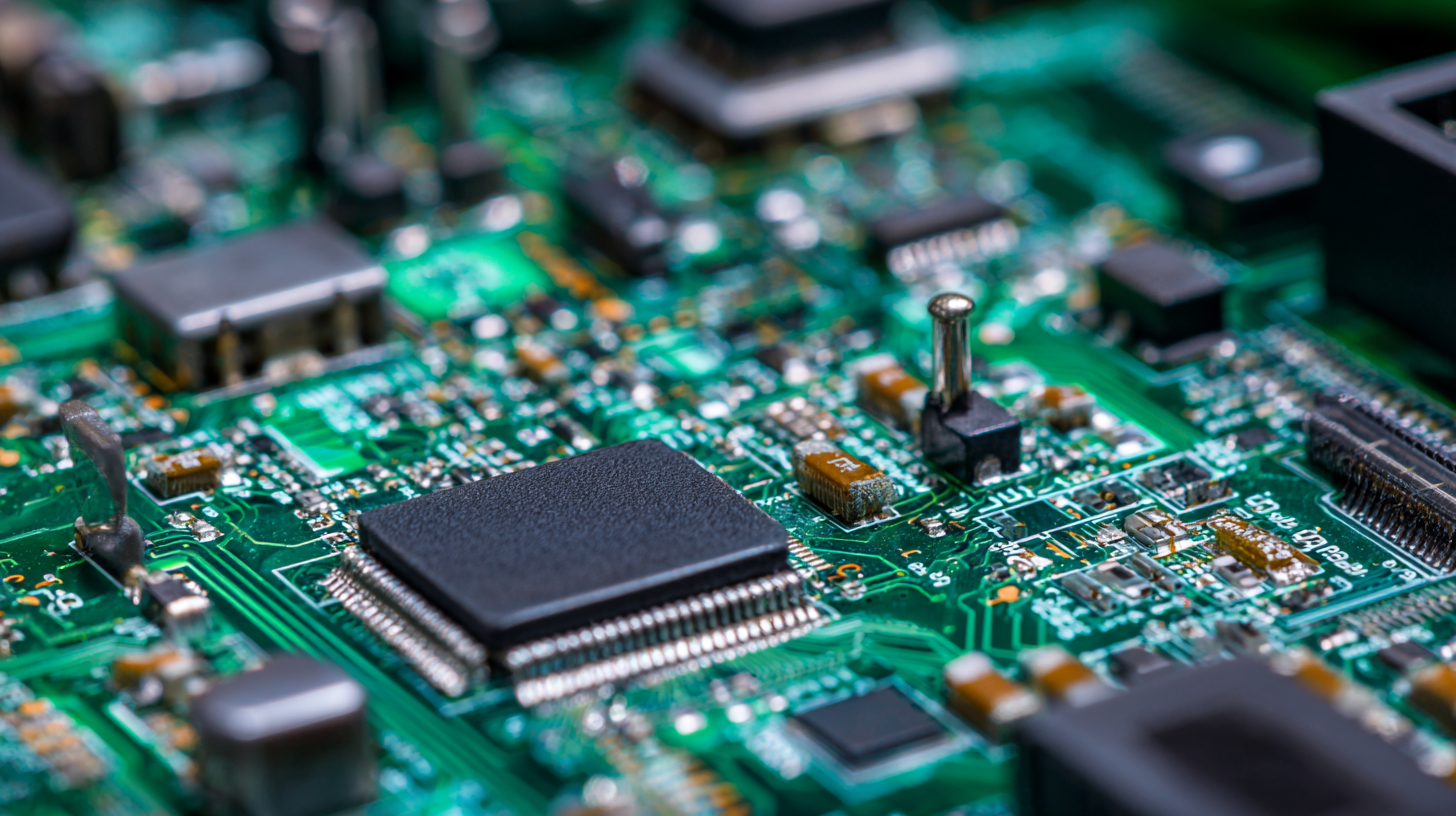
Lately, there's been a real explosion in demand for innovative printed circuit boards (PCBs) and their assembly solutions (PCBA). A big reason? Tech keeps advancing, and more industries are craving custom electronic products than ever before. I saw a recent market report that predicts the global PCB industry will hit around $78 billion by 2025—that’s a healthy growth rate of about 5% annually. One company that’s really making waves in this space is Dongguan XuanJing Electronics Co., Ltd., better known as XJ Bms. They’re leading the charge with cutting-edge solutions, especially in areas like battery Management Systems (BMS), PCM, and Active Balancer tech for batteries like Lifepo4, Li-ion, and sodium-ion. In this blog, I want to share five exciting trends that are really reshaping what’s possible with PCB and PCBA solutions. These changes are super important for buyers worldwide, and companies like XJ BMS are playing a key role in providing custom solutions that really suit everyone's needs.
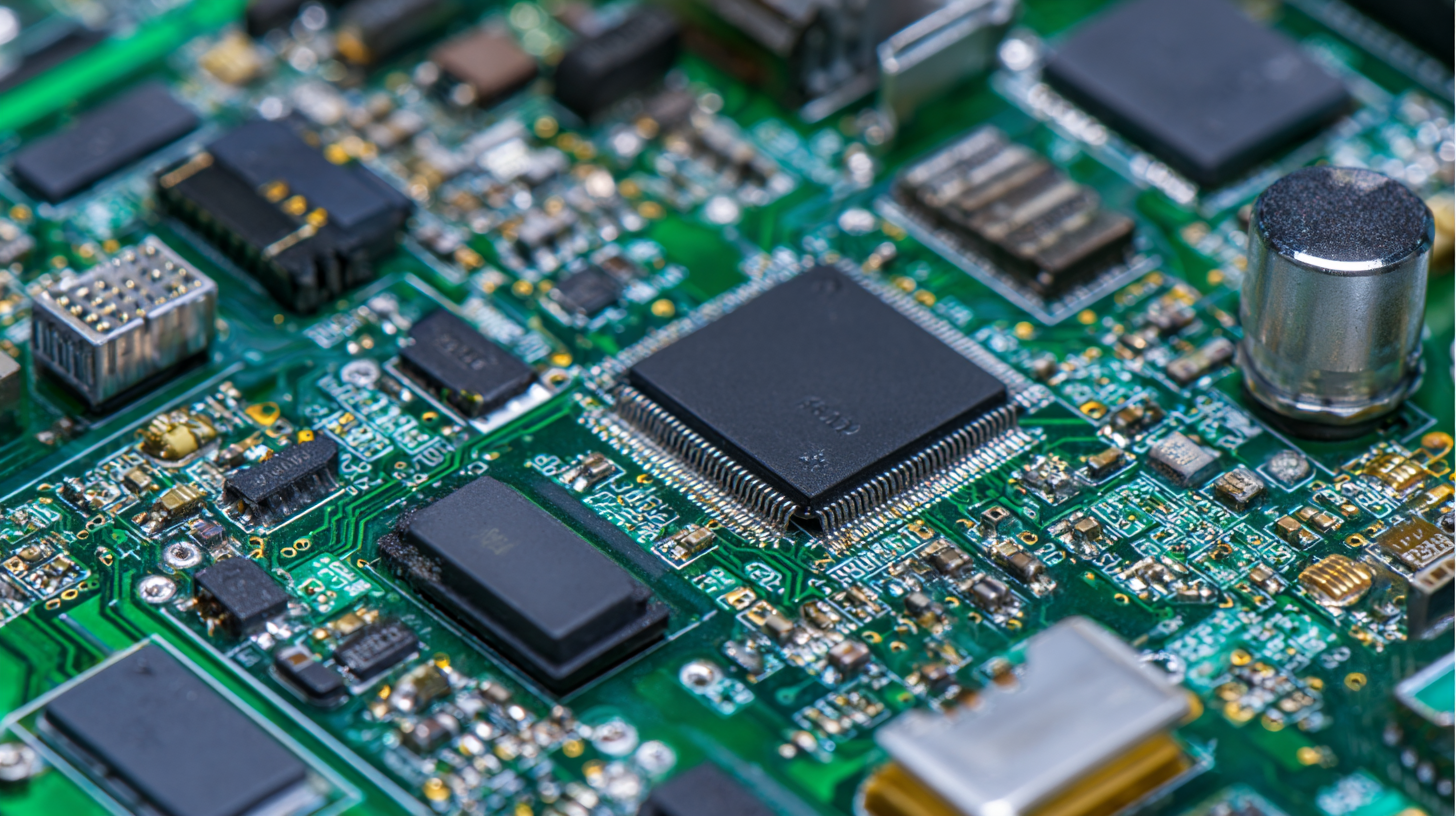
Emerging PCB Technologies Shaping the Future of Electronics Industry
In the fast-changing world of electronics, there are a bunch of new PCB techs coming up that are really shaking things up for manufacturers and buyers alike. One big trend right now is the use of flexible printed circuit boards, or FPCBs. These things are super versatile in terms of design and give better performance, especially when you're working with tight spaces. They’re pretty much everywhere—medical gadgets, consumer electronics, you name it—and they’re opening doors to all sorts of innovative product ideas and features.
If you're thinking about using FPCBs for your project, it’s a good idea to pay attention to their mechanical properties first. Flexibility needs to match what your device needs to do—otherwise, you might run into issues down the line. Making sure they’re reliable over the long haul is key.
On another note, there’s also a lot of buzz around high-frequency PCBs these days—especially in telecom and aerospace. With everyone craving faster and more accurate communication, these boards are built to handle high-speed digital signals without messing up the signal quality. Moving towards materials like PTFE and ceramics is pretty smart too; it helps push past the limitations old-school materials had.
If you’re working on a project that involves high frequencies, just make sure your material choices match your needs. Picking the wrong stuff can cause signal problems, and nobody wants that. It’s also a good idea to team up with manufacturers who really know their high-frequency solutions—they can help you avoid the tricky parts and get everything working smoothly.
5 Innovative Trends in Other PCB & PCBA Solutions for Global Buyers - Emerging PCB Technologies Shaping the Future of Electronics Industry
| Trend | Description | Impact on Industry | Future Outlook |
| Flexible PCBs | Printed circuit boards that can bend and flex. | Increased design flexibility and applications in wearable tech. | Growth in flexible electronics market. |
| High-Frequency PCBs | PCBs designed for high-frequency applications. | Essential for 5G and telecommunications. | Expanding demand in RF applications. |
| Embedded Components | Incorporating components directly into the PCB. | Reduces overall size and improves performance. | Rise in compact electronic devices. |
| Thermal Management Solutions | PCBs designed to dissipate heat efficiently. | Improves reliability and lifespan of electronics. | Increasing relevance in high-power applications. |
| Automated Manufacturing | Use of robotics and AI in PCB production. | Enhances speed and precision in manufacturing. | Major shifts towards Industry 4.0 practices. |
Streamlined PCBA Processes: Enhancing Efficiency and Reducing Costs
You know, lately there's been quite a buzz around streamlining PCBA processes. With global buyers looking for ways to boost efficiency and cut costs, it’s no surprise that the market is booming. A report by IPC mentions that the worldwide PCB and PCBA industry is expected to jump from about $75 billion in 2021 to around $105 billion by 2026. That’s a pretty clear sign that everyone’s really into optimizing how they manufacture stuff. More and more companies are jumping on the automation bandwagon, with roughly 57% already using some level of automated equipment. The main goal? Lower labor costs and faster production — hey, who doesn’t want that?
On top of that, lean manufacturing principles are becoming a staple in PCBA operations—helping companies work smarter, not harder. In fact, research suggests that those who adopt lean strategies can cut their production times by up to 30%, saving quite a bit in the process. And it’s not just about the basics anymore — digital twin tech is also making waves, letting businesses run simulations and optimize their processes before they even hit the production line. It’s pretty cool stuff. By embracing these new techs and methods, companies aren’t just keeping up with the growing demand—they’re also sharpening their competitive edge in this fast-changing market. It’s an exciting time for the industry, no doubt!
Sustainable Materials in PCB Manufacturing: A Greener Approach
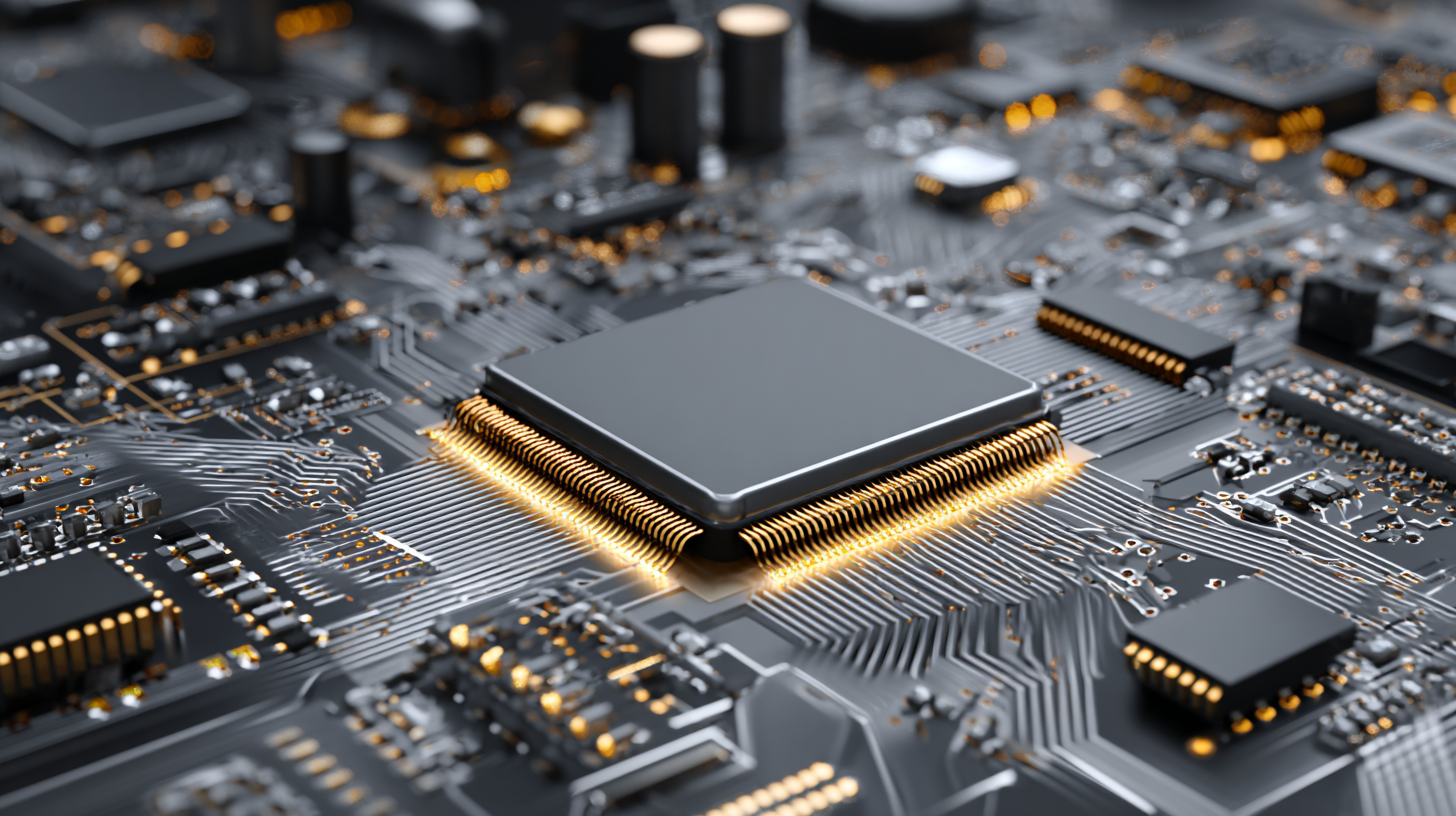 The world of PCB manufacturing is changing pretty quickly these days, especially with sustainability taking center stage for buyers everywhere. I’ve come across some recent reports that predict the global market for eco-friendly PCB materials could hit around $30 billion by 2026. That’s a huge jump, with companies shifting towards greener practices at about 25% growth per year. Using sustainable materials isn’t just good for the environment—it’s also a smart move to meet rising consumer demand for eco-conscious products. Things like biodegradable options and recycled substrates are really gaining popularity, helping manufacturers keep up their performance while playing a part in a circular economy.
On top of that, advances in material science are making it easier to bring sustainability into PCB production. For example, lead-free soldering and halogen-free laminates are helping reduce the harmful effects of traditional methods. Companies that have adopted these greener materials have seen a 40% drop in hazardous waste—that’s pretty impressive. By focusing on sustainable solutions, manufacturers aren’t just ticking boxes for environmental standards; they’re also boosting their competitive edge in the market. It just goes to show that being environmentally responsible and making a profit can go hand in hand. Overall, this move towards greener practices isn’t just a trend—it’s a long-term commitment that benefits everyone: the industry, consumers, and of course, our planet too.
Customization Trends in PCB Designs: Meeting Diverse Global Demand
Lately, there's been a huge shift in the way the world views PCB designs—everyone’s craving more customization these days. If you’ve checked out recent industry reports, you’ll see that the global Printed Circuit Board (PCB) market was worth around $84.4 billion in 2023, and experts pretty much agree it’s headed for a whopping $139.63 billion by 2032. That’s a pretty clear sign that folks are really leaning into tailor-made solutions to suit all kinds of needs around the globe. This trend is fueled by cutting-edge tech and a growing desire for personalized gadgets, especially in sectors like electronics and lifestyle products.
Advanced Testing Methods for PCB & PCBA: Ensuring Quality and Reliability
In the fast-paced world of PCB and PCBA manufacturing, staying ahead with the right testing methods is super important to make sure products are reliable and of top quality. As technology keeps moving forward, manufacturers are trying out all sorts of advanced testing techniques that go way beyond the old-school ways. For example, Automated Optical Inspection (AOI) has become a real game-changer. It allows teams to visually check printed circuit boards in real-time, catching defects quickly. Not only does this speed things up, but it also cuts down on human errors, making sure every part meets the really high standards needed for high-performance stuff.
Then there’s in-circuit testing (ICT), which is also catching on. This method lets you test the electrical performance of the PCB while it’s still on the production line. Spotting issues like open circuits or shorts early on helps save a ton of money on fixes later down the road. Plus, it makes sure only the best, most reliable units make their way to customers. All these cutting-edge testing methods don’t just improve the final product—they also give buyers worldwide extra confidence in what they’re getting. As the industry keeps adopting these innovations, the focus on quality remains key. Ultimately, all this means happier customers and better loyalty in the long run.
The Role of Automation in PCB Production: Driving Innovation and Speed
The world of PCB manufacturing is really changing fast these days, thanks mainly to automation technology taking center stage. One of the most exciting things happening is the rise of automated solder paste dispensers. These machines aren’t just about doing the job faster—they’re also way more precise, which means fewer mistakes and much better quality overall. As companies around the world look for smarter and more reliable solutions, using automation is quickly becoming the new normal in the industry.
And then there’s AI stepping into the scene, totally transforming how PCBs are designed and built. Thanks to AI tools like machine learning and deep learning, designers can now create layouts that perform better while using less material—that’s a win-win. On the manufacturing side, AI-powered optical inspection systems are now catching tiny defects that used to slip right past traditional checks. This is super important these days, where precision really makes a difference, and even small errors can cost a lot. All these advances in automation and AI are not only making production more efficient but also helping manufacturers stay competitive in a fast-paced global market that keeps on demanding more and more.
Automation Impact on PCB Production Efficiency
This chart illustrates the significant improvement in production efficiency for PCB manufacturing before and after the implementation of automation solutions, highlighting a rise from 65% to 90% efficiency.
FAQS
: FPCBs are versatile circuit boards that enhance performance in compact spaces and are used in a variety of applications, including medical devices and consumer electronics.
It's important to assess the mechanical properties required for your device and ensure the flexibility of the FPCB aligns with operational requirements for reliability and efficiency.
High-frequency PCBs are specialized circuit boards that support telecommunications and aerospace applications by transmitting high-speed digital signals while maintaining signal quality.
Manufacturers should align their projects with specific frequency requirements and collaborate with specialists in high-frequency solutions to avoid signal integrity issues.
Advanced testing methods include Automated Optical Inspection (AOI) for real-time visual inspection and in-circuit testing (ICT) to assess electrical performance during production.
AOI enhances efficiency by quickly identifying defects and reducing the risk of human error, ensuring components meet high-performance standards.
Automation improves speed and precision in manufacturing processes, such as solder paste dispensing, while also reducing human error and enhancing product quality.
AI tools help optimize design layouts for better performance and enable automated inspection systems to detect nanoscale defects, which are crucial for maintaining high precision in production.
The integration of automation and AI boosts production efficiency, minimizes errors, and helps manufacturers meet the demands of a competitive marketplace.
Conclusion
Wow, the electronics world is changing so fast these days! There are all these new trends in PCB and PCBA solutions that are really shaking things up for buyers around the globe. For example, more and more companies are adopting streamlined PCBA processes — it’s amazing how much this boosts efficiency and helps cut down costs. Plus, using eco-friendly materials in PCB manufacturing is becoming more common, which shows how everyone is really starting to care more about the environment. Another thing I’ve noticed is how customization is taking center stage — manufacturers are now tailoring designs to fit the specific needs of different customers worldwide, and that’s pretty cool.
On the tech side, really advanced testing methods are being put into play to make sure these products are as reliable and high-quality as possible. Automation is also playing a big role, speeding up production and driving innovation. Companies like Dongguan XuanJing Electronics Co., Ltd. are really leading the charge here. Being a high-tech firm focusing on Battery Management Systems and similar solutions, they’re in a great position to ride these trends and make a real impact in the world of PCB and PCBA solutions.