As we dive into the thrilling world of tech advancements in 2025, it's hard not to notice how crucial battery Management Systems (BMS) are becoming, especially in the automotive industry. When we talk about BMS in relation to car innovations, we really see how these systems play a key role—not just in boosting vehicle performance but also in pushing for sustainability through better energy management.  Take Dongguan XuanJing Electronics Co., Ltd., for example; they've made quite a name for themselves with their brand, XJ BMS. They're really leading the charge, focusing on high-tech solutions like PCBA, BMS, PCM, and Active Balancers to support various battery types—think Lifepo4, li-ion, and even sodium-ion. In this blog, we’re going to dig into the unique features and uses of different battery management solutions. We'll shed some light on the benefits these technologies bring to modern vehicles and how they’re shaping the automotive industry as a whole.
The Future of Automotive Technology: Key Innovations to Watch in 2025
Looking ahead to 2025, we’re really on the brink of some major changes in the automotive world. Thanks to all these tech advancements and shifts in what people want, the industry is about to get a whole lot more exciting. We’re talking about stuff like artificial intelligence and smart connectivity reshaping how we drive—making cars feel a bit more like they’re part of the family, you know? It’s kind of refreshing to see that while price cuts haven’t really thrilled consumers, the spotlight is now on delivering real value through cool, high-tech features that boost safety, efficiency, and just overall convenience.
And get this: the push towards sustainable mobility is really picking up speed! Electric and hybrid rides are leading the charge here, and honestly, this focus on eco-friendly options isn’t just a passing fad. It’s a direct response to some pretty serious global environmental issues we’re facing right now. Plus, with all the exciting new developments in battery tech and self-driving capabilities, it feels like we’re heading into a time where sustainability and intelligent innovation will go hand in hand. Everyone’s keeping a close eye on these advancements, hopeful that they’ll usher in a fresh era in the automotive scene—one that really resonates with consumers who want both cutting-edge tech and a sense of responsibility.
Key Automotive Technology Innovations to Watch in 2025
This chart illustrates the projected advancements in various automotive technologies by 2025, showcasing the key innovations that are expected to significantly enhance vehicle performance, safety, and user experience.
Understanding "BMS": The Backbone of Modern Electric Vehicles
So, when you hear the term 'BMS'—which stands for Battery Management System—you might not realize just how crucial it is for the future of electric vehicles (EVs). As we dive into the tech trends heading into 2025, it’s really important to grasp what BMS is all about. Basically, it's like the guardian of the battery. It keeps an eye on things like voltage, current, temperature, and charge cycles, ensuring the battery stays healthy. This clever system helps batteries run smoothly, which not only prolongs their lifespan but also gives the car a nice boost in performance.
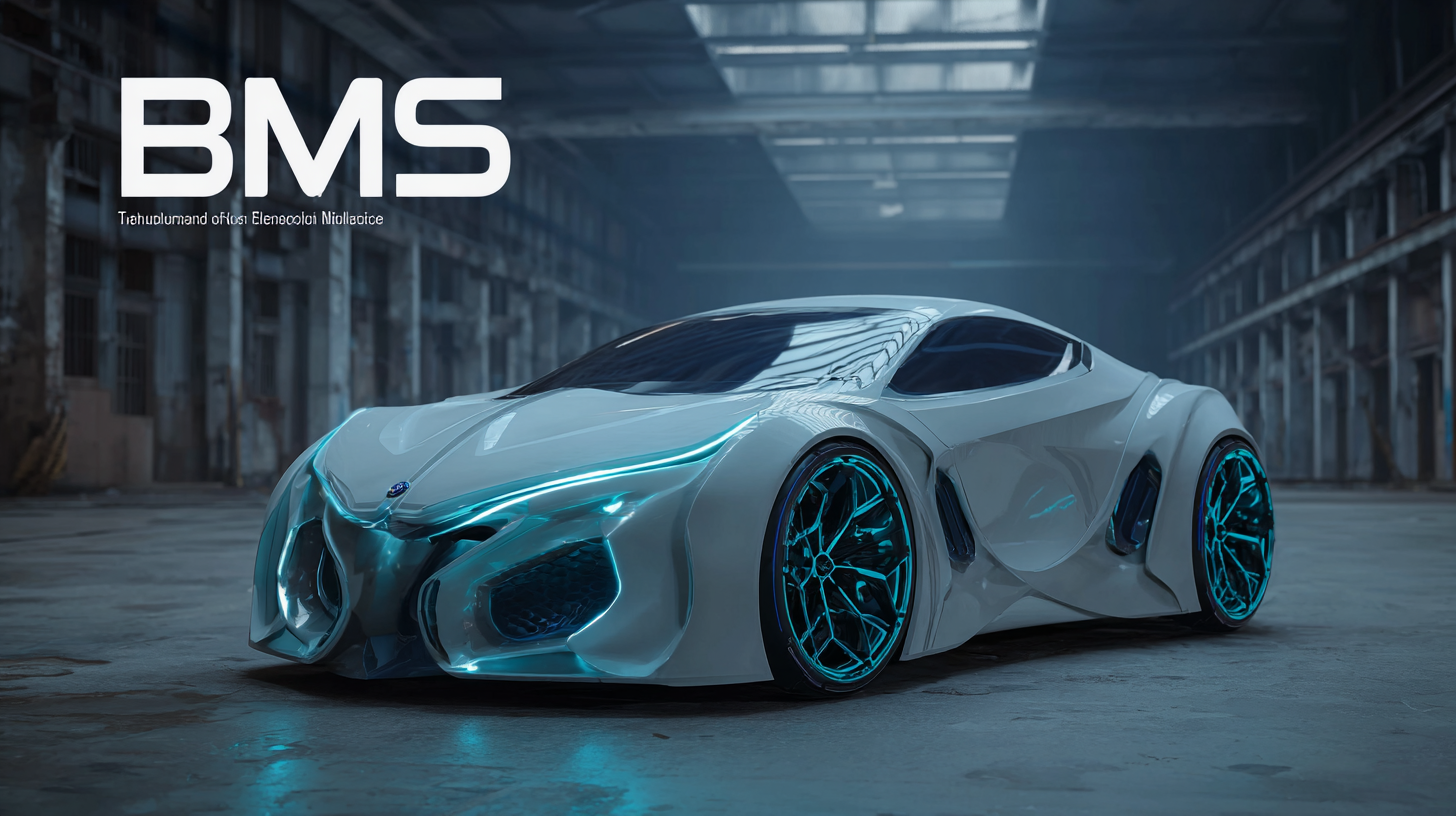
Now, in the world of car tech, you can’t really underestimate the role of BMS. As more folks jump on the electric vehicle bandwagon, car makers are putting a lot of effort into leveling up their BMS technologies to help manage energy effectively. They’re even building in advanced algorithms and real-time monitoring, which means EVs can adjust on the fly to different driving situations and energy needs—how cool is that? Plus, with the rise of autonomous driving and smart connectivity, the BMS really becomes the backbone of it all, supporting not just how well the car performs but also keeping it safe. It’s definitely a key player in shaping a sustainable transportation future.
Advanced Battery Management Systems: Enhancing Performance and Safety
You know, in the fast-changing world of electric vehicles, having top-notch Battery Management Systems (BMS) is becoming super important for boosting both performance and safety. Car manufacturers are really pushing for longer ranges and better efficiency, and that's where fancy BMS technology comes in. It can make a huge difference in battery life and reliability! One company that’s really leading the charge is Dongguan XuanJing Electronics Co., Ltd. – or as they like to call themselves, XJ BMS. They’ve been all about researching and developing advanced battery solutions since 2015. They’ve got mad skills when it comes to making Battery Management Systems for all kinds of batteries, like Lifepo4, lithium-ion, and even sodium-ion. They're really doing their part to help shape the tech scene for 2025 and beyond.
What’s really neat about BMS technology is how crucial it is for keeping electric vehicles safe and efficient. These advanced systems don’t just keep an eye on the battery’s health; they also manage temperature to prevent overheating – super important stuff that can help avoid nasty accidents. By adding cool features like active balancing and real-time diagnostics, companies like XJ BMS are really pushing the envelope on what modern battery systems can do. This focus on performance and safety means we’re moving towards a future where electric vehicles aren’t just eco-friendly alternatives, but real leaders in tech innovation.
Integrating AI in Car Technologies: Driving the Future of User Experience
Looking ahead to 2025, it’s pretty clear that AI is going to shake things up in the car industry like never before. I mean, have you seen the latest McKinsey report? They’re saying that automakers are ready to drop around $100 billion on AI in the next five years. That’s some serious cash! The goal? To not just make cars safer and boost performance, but also to totally enhance how we experience driving. We’re talking cool features like predictive maintenance, personalized driving assistance, and smart infotainment systems becoming the norm. It's all about creating this seamless connection between us and our vehicles, which is super exciting.
And hey, a quick tip: to really make the most of these tech advancements, keep your vehicle's software updated. Regular updates can really boost efficiency and even bring in new features that can make your ride safer and easier to handle.
On top of that, there are some awesome trends popping up. AI is gearing up to let cars chat with each other and with the infrastructure around them, which is a huge part of those smart city projects we keep hearing about. Gartner even predicts that by 2025, a whopping 75% of vehicles will be connected. Can you imagine? That’s going to ramp up real-time info sharing, help manage traffic better, and hopefully cut down on accidents. If we embrace these innovations, we’re looking at a driving experience that’s not just smarter but also safer and more intuitive.
Oh, and while you're at it, why not check out some apps that give you real-time insights on your driving habits? Those can seriously help tweak your performance and extend the life of your vehicle.
Step-by-Step Guide: How to Choose the Best Battery Management System for Your Vehicle
So, as more people are jumping on the electric vehicle (EV) bandwagon, figuring out how to pick the right Battery Management System (BMS) has become super important. A good BMS is key to keeping your battery in great shape, making it last longer, and ensuring your ride is safe, all of which really matter when it comes to how your vehicle performs. With the EV market expanding rapidly and tons of models out there, it’s crucial to think about the essential features when you're on the hunt for a BMS. Some reports even show that using advanced BMS tech can boost battery efficiency by as much as 30%! Yeah, that can really make a difference in your driving range and battery life.
A quick tip: Always double-check that the BMS is compatible with your vehicle's specs—pay attention to things like voltage and power needs. And just a heads-up, not every charging station works for every model; like, some might need specific connectors or power levels, which can mess with how efficiently you charge. A top-notch BMS should let you keep an eye on things in real-time and give you diagnostics to help you stay ahead of any maintenance needs.
When you’re checking out BMS options, keep an eye out for features like thermal management and cell balancing. Good thermal management is super important because it helps stop your battery from overheating—trust me, that's a biggie when it comes to battery health! And if you've got a BMS that does cell balancing, you're in luck; it makes sure all the battery cells are charging and discharging evenly, helping you get the most out of your EV’s battery life.
The Role of Sustainability: Innovations Shaping Eco-Friendly Cars in 2025
As we look towards 2025, it's pretty exciting to see the automotive industry gearing up for a major shift in technology. Sustainability is really taking the spotlight in new car innovations, and honestly, it’s about time! The push for eco-friendly vehicles isn't just some passing fad—it’s become a necessity, especially with all the concerns about climate change and running out of resources. Big car manufacturers are pouring a ton of money into developing electric and hybrid vehicles, and they’re really upping their game with advanced battery management systems (BMS). These systems aren’t just for show; they keep track of battery health, make sure everything’s running smoothly, and even cut down on waste. It’s a perfect match with the whole sustainable driving goal.
And let’s not forget about the materials being used in cars these days. There’s a big movement towards using renewable resources in manufacturing. You’ve probably noticed things like interior parts made from recycled plastics or even sustainable materials like bamboo popping up more often. This shift is helping to reduce the environmental impact of making these vehicles. Plus, with all the new tech, like smart eco-driving assistants, drivers can actually save energy while cruising around.
All in all, as we dive into the nitty-gritty of sustainability, it’s becoming super clear that 2025 will literally combine tech with eco-awareness, steering the industry towards greener paths where every little piece of the car contributes to a brighter, more sustainable future.
FAQS
: BMS stands for Battery Management System, which is essential for monitoring and managing the health of the vehicle's battery.
A BMS monitors the battery's voltage, current, temperature, and charge cycles to ensure safe and efficient battery operation, ultimately extending its lifespan and enhancing vehicle performance.
Advanced BMS technology optimizes battery life and reliability, allowing for longer range and improved efficiency through features like active balancing and real-time diagnostics.
BMS systems manage thermal conditions and prevent overheating, which is vital for ensuring the safety of the battery and the vehicle.
AI will enhance vehicle safety, performance, and user experience through features like predictive maintenance, personalized driving assistance, and intelligent infotainment systems.
Vehicle owners should ensure their vehicle's software is up-to-date to enhance system efficiency and unlock new features that improve usability and safety.
It is projected that by 2025, 75% of vehicles will be connected, enhancing communication between vehicles and infrastructure, which contributes to smart city initiatives.
Real-time analytics can help drivers adjust their driving habits, optimize performance, and enhance the longevity of their vehicles.
Dongguan XuanJing Electronics Co., Ltd. (XJ BMS) is at the forefront of developing advanced BMS technology, focusing on various battery types since 2015.
Manufacturers are integrating advanced algorithms and real-time monitoring capabilities into BMS to allow electric vehicles to adapt seamlessly to various driving conditions and energy demands.