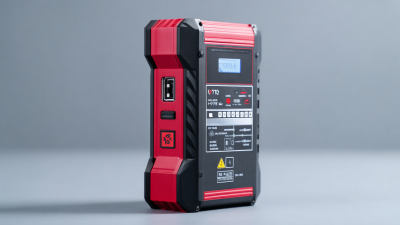
In the fast-moving world of energy storage, picking the right battery Management System (BMS) really matters if you want your Lifepo4 Sodium-Ion Battery to perform well and stay safe. Since our company, Dongguan XuanJing Electronics (we go by XJ BMS), was started back in 2015, we've been all about developing and customizing cutting-edge PCBA solutions — especially BMS designed specifically for Lifepo4, lithium-ion, and sodium-ion batteries. We understand that navigating the options can get pretty complicated, but don’t worry — we’re here to help. In this blog, I’ll share seven key tips to help you make smarter choices, so your energy storage system runs smoothly and reliably. Join us as we break down what to consider when selecting the ideal BMS for your Lifepo4 Sodium-Ion Battery and how you can improve your energy management setup.
Key Considerations for Battery Management System (BMS) Selection in Lifepo4 Applications
When you're picking out a Battery Management System (or BMS for short) for things like LiFePO4 and sodium-ion batteries, there are a few important points you really should keep in mind. First off, you want to make sure the BMS is compatible with the specific chemistry of your battery. For example, LiFePO4 batteries are pretty great because they’re thermally stable and tend to last longer, but they’re quite different from sodium-ion batteries—especially when it comes to voltage and current needs. According to a recent report from the International Energy Agency, if you manage LiFePO4 batteries well, they can last for over 2,000 charge cycles. So, having a solid BMS that can keep a close eye on things like voltage and temperature is pretty much a must.
Another thing to think about is how the BMS communicates with other devices. Usually, standards like CAN bus or Modbus are the way to go because they make it easy to connect and talk to other tech in your system. A study from IDTechEx even shows that a good BMS can boost your battery’s efficiency by up to 15%, which is huge when it comes to making your setup last longer and work more reliably. And don’t forget, features like balancing the cells and keeping temperatures in check are super important—especially if safety is a top priority. As long as your BMS has these capabilities, you’re set to get the best out of both LiFePO4 and sodium-ion batteries.
Understanding the Unique Requirements of Sodium-Ion Batteries for Effective BMS Integration
When you're picking out a Battery Management System (or BMS, as folks often call it) for Sodium-Ion batteries, it’s super important to get a handle on their unique needs. Unlike the usual Lithium-ion batteries, Sodium-Ion batteries have a different energy density and operate at a different voltage—usually somewhere between 3.0V and 4.0V per cell. The International Energy Agency (IEA) has pointed out that Sodium-Ion batteries can really complement renewable energy sources, especially since they work pretty well even in lower temperatures. That makes them a kinda attractive option for high-performance uses.
One big thing to keep in mind when integrating a BMS is the need for precise monitoring of cell voltage and temperature. This is crucial to avoid thermal runaway, which is a major risk in Lithium systems—although, honestly, it might not be as big of a concern with Sodium-Ion. Recent research published in the Journal of Energy Storage suggests that using smart algorithms to estimate the state of charge (or SOC) can boost the battery’s lifespan by up to 30%. When you combine real-time data analysis with a well-designed BMS, you get better battery longevity and more efficiency. So, for manufacturers, picking a BMS that can handle the unique traits and demands of Sodium-Ion tech isn’t just a good idea—it’s essential.
Evaluating BMS Features: Charge/Discharge Control, Temperature Management, and Safety Protocols
When you're picking out a Battery Management System (BMS) for your LiFePO4 Sodium-Ion battery, it’s really important to look at the features that matter most for both performance and safety. First off, charge and discharge control is a big deal. A good BMS needs to handle the current going in and out smoothly. This helps prevent overcharging — which can cause dangerous thermal runaway — and keeps your battery running at its best, helping it last longer and perform better.
Temperature management’s also a key factor. You want a BMS that has reliable temperature sensors that keep an eye on how hot or cold your battery is at all times. This info is super important because overheating is pretty common and can seriously mess with safety and how well the battery works. Plus, a decent BMS should be able to activate cooling systems or slow down charging and discharging if things get too hot, so your system stays safe no matter where you are.
And of course, safety features are absolutely essential. Look for protection against overcurrent, short circuits, and voltage issues — they’re your battery’s best friends when it comes to avoiding mishaps. A really solid BMS won’t just have these protections, but will also give you diagnostics and alerts, so you can catch potential problems early before they turn into major headaches. All of this really adds up to a system you can trust to keep your battery and device safe and reliable in the long run.
Comparative Analysis of BMS Compatibility with Lifepo4 vs. Sodium-Ion Battery Technologies
When you're choosing a Battery Management System, or BMS, for your Lifepo4 or Sodium-Ion battery, it's really important to understand how well these two techs actually work together. Lifepo4 batteries are pretty well-loved for their stability at higher temperatures and their long lifespan. They’re used in all sorts of things, really. On the flip side, Sodium-Ion batteries are gaining some ground—people are looking at them as a more sustainable, cost-effective alternative. But here’s the kicker: you gotta make sure the BMS you pick is suited for each type, so everything runs smoothly and safely.
Now, typically, a BMS for Lifepo4 batteries keeps tabs on things like cell voltage, temperature, and how much charge is left—basically making sure the charging and discharging are balanced out. But with Sodium-Ion batteries, you might need to look at different parameters because their electrochemical stuff is a bit different. It’s really key to understand what each battery type needs so you don’t end up with a BMS that’s all wrong for it—trust me, that can lead to lower performance or even damage. Taking the time to spot these differences means your entire energy setup will work better and last longer, hopefully meeting all those expectations you’ve got for it.
The Role of Communication Protocols in Optimizing BMS Performance for Advanced Battery Systems
So, when you're choosing a Battery Management System (BMS) for Lifepo4 or sodium-ion batteries, it's super important to get a good grasp of how the communication protocols work. Basically, these protocols are like the system’s language—they’re what let all the parts talk to each other smoothly. Without them, data transfer would be a mess, and you wouldn’t get accurate info about how your batteries are doing. Thanks to these protocols, your BMS can keep tabs on stuff like voltage, temperature, and how full the battery is—in real-time. That’s a huge deal because it helps you maximize battery life and keep everything running efficiently.
Now, if you’re looking into more advanced setups, protocols like CAN (Controller Area Network) and Modbus come into play. They make your system more scalable and adaptable. For instance, adding extra sensors or devices becomes way easier, giving you a more complete picture of your battery’s health. This kind of flexibility is especially handy as battery tech keeps changing and improving. It’s comforting to know that your BMS can keep up with the latest and greatest, right? All in all, picking a BMS with solid communication protocols isn’t just a technical detail—it’s key to making sure your battery system runs reliably and performs at its best over time.
Assessing Cost-Effectiveness: Balancing Performance and Budget in BMS Decisions
When you're shopping around for a Battery Management System (BMS) for your Lifepo4 or Sodium-Ion batteries, it’s really important to think about value for money. A top-notch BMS might promise better efficiency and longer battery life, but it’s gotta fit within your budget, right? You want to weigh both the upfront cost and the potential savings you might see in the long run. Things like energy savings, maintenance expenses, and maybe even warranty perks can really add up over time. Taking the time to compare and analyze helps you avoid spending way more than you need to on features that might not even be necessary for what you’re doing.
It’s also worth balancing performance with your wallet by checking out what features different BMS options actually offer. Look for the essentials—like cell balancing, thermal management, and safety protections—and skip the fancy extras if they don’t really add value for you. Sometimes, going for a more budget-friendly system can do the job just fine without sacrificing safety or efficiency. The goal is to find a BMS that genuinely suits your needs and keeps you within budget, so you get the best bang for your buck and a solid investment in the long run.
Enhancing Battery Performance: The Benefits of the XJ-D038V1 4S-21S BMS for Li-ion and Sodium-ion Technologies
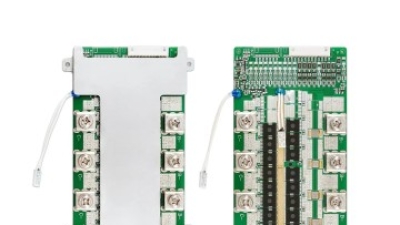
In the evolving landscape of battery technology, enhancing performance while maintaining safety and efficiency is a top priority. The XJ-D038V1 4S-21S Battery Management System (BMS) stands out as a transformative solution for both Li-ion and Sodium-ion technologies. This robust BMS, suited for applications ranging from electric motorcycles to yachts, supports a charge and discharge current of 50A-150A on the same port, optimizing operational efficiency and simplifying system design.
One of the key features of the XJ-D038V1 is its compatibility with various battery chemistries, including LifePO4, NMC, and Sodium-ion batteries. This adaptability is crucial, as reported by the International Energy Agency, with sodium-ion batteries projected to capture up to 25% of the market share in energy storage solutions by 2025. Additionally, the presence of a balance circuit with a current of 40mA ensures that each cell operates within its optimal range, enhancing overall battery life and performance.
Furthermore, the integrated NTC temperature sensor provides an additional layer of safety by monitoring the temperature, helping prevent thermal runaway—a critical consideration outlined in the latest safety standards by industry authorities. This feature is particularly important in high-demand environments like electric tricycles and forklifts, where battery reliability and safety are paramount. The XJ-D038V1 BMS not only enhances battery performance but also aligns with the industry's push towards more sustainable and efficient energy solutions.
FAQS
: Sodium-Ion batteries require precise monitoring of cell voltage and temperature to avoid risks such as thermal runaway. Their operating voltage typically ranges from 3.0V to 4.0V per cell, and they can operate efficiently at lower temperatures, making them suitable for high-performance applications.
Implementing robust algorithms for state-of-charge (SOC) estimation can enhance lifecycle performance by up to 30%. Using real-time data analytics helps ensure battery longevity and efficiency.
Key features include charge and discharge control to prevent overcharging, temperature management with sensors to monitor thermal states, and safety protocols like overcurrent protection and voltage regulation.
Continuous monitoring of the battery's thermal state is crucial to prevent overheating, which can significantly affect the battery's safety and performance. A good BMS should also implement cooling mechanisms if necessary.
Lifepo4 batteries focus on thermal stability and longevity, requiring specific monitoring features, while Sodium-Ion batteries have distinct electrochemical properties that necessitate tailored parameters for optimal performance.
Essential safety features include overcurrent protection, short-circuit protection, voltage regulation, and extensive diagnostic capabilities to identify potential issues early.
Yes, Sodium-Ion batteries can complement renewable energy sources well due to their efficient operation at lower temperatures and their ability to be cost-effective.
Extreme temperatures can adversely affect the performance and safety of Sodium-Ion batteries; thus, monitoring and managing temperature through a BMS is vital.
Improperly compatible BMS could lead to reduced efficiency, potential damage to the battery, and overall ineffective energy system performance.
Real-time data analytics facilitate accurate monitoring and management of battery performance, enhancing longevity and ensuring the battery operates within safe parameters.
Conclusion
When you're trying to get the best performance out of Lifepo4 and sodium-ion batteries, picking the right Battery Management System—or BMS—is pretty vital. It’s not just about the basics; you really need to understand what each battery type needs—things like how they handle charging and discharging, managing their temperature, and keeping everything safe. Doing a side-by-side look at how different BMS options work with Lifepo4 versus sodium-ion tech can really highlight some key differences that affect how smoothly everything runs together.
Plus, it’s worth checking out the communication protocols those BMSs use. A good protocol can make the whole system run more seamlessly, especially with pretty advanced battery setups these days. And, of course, you don’t want to break the bank, so weighing the cost versus what you’re getting in terms of performance is a smart move. That way, you can find a solution that strikes the right balance for your energy storage needs.
Here at Dongguan XuanJing Electronics Co., Ltd. (XJ BMS), we’re all about custom solutions tailored to Lifepo4 and sodium-ion batteries. We understand how fast the energy tech world is evolving, and we’re here to help you keep up with reliable, tailored BMS options to meet today’s demands.