Leave Your Message
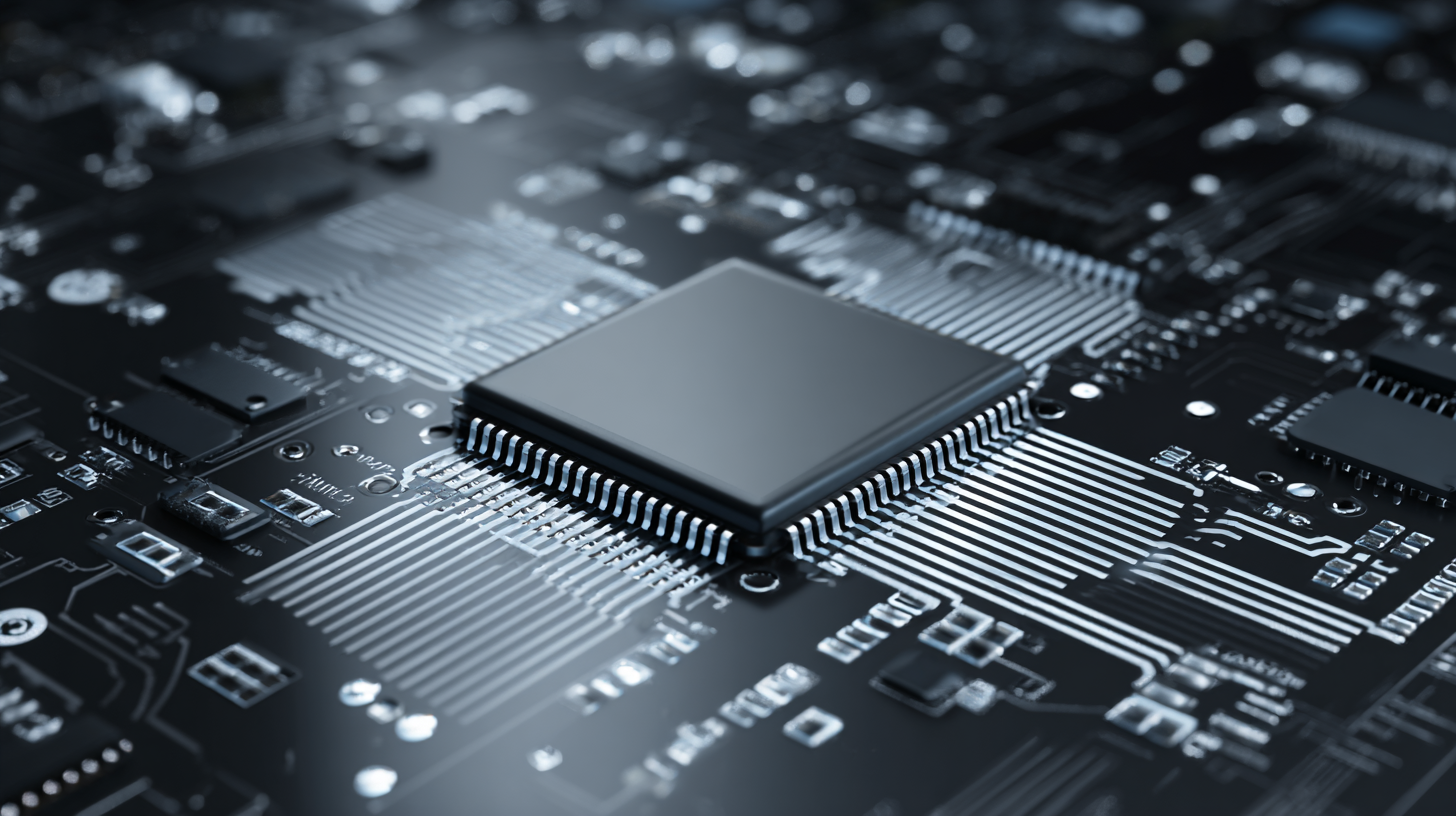
Hey there! So, in today’s fast-paced world of battery tech, it’s pretty clear that having smart, efficient ways to manage energy is more important than ever. Seriously, the global market for battery management systems (Bms) is expected to hit around $34.6 billion by 2027 — all thanks to advancements in electric vehicles and renewable energy storage. And at the heart of it all are Battery Management System ICs, which play a super crucial role. Now, Dongguan XuanJing Electronics, or XJ BMS as they’re known, was founded back in 2015, and they’re really leading the charge here, focusing on developing and customizing some of the coolest, most cutting-edge battery management solutions. They work on PCBA for all sorts of batteries like Lifepo4, lithium-ion, and even sodium-ion. As battery tech gets more complex, fine-tuning these Battery Management System ICs becomes key to making batteries safer, longer-lasting, and just overall more efficient. That means better performance across all kinds of applications — pretty exciting stuff. In this blog, I’ll dive into some innovative strategies for optimizing these systems — because let’s face it, the industry isn’t slowing down anytime soon, and staying ahead of the game is everything.
Battery Management Systems, or BMS for short, are pretty much the unsung heroes when it comes to making sure our battery-powered gadgets are safe, last longer, and perform well. Lately, there's been some cool new innovations in how these systems are designed. For example, developers are coming up with smarter ways to keep batteries cool and balanced out, which helps avoid issues like overheating or capacity fading. One of the coolest tricks they've added is using advanced algorithms that fine-tune how batteries charge and discharge—kind of like giving the battery a personalized workout plan. These algorithms can react in real-time, adjusting power flow on the fly so the battery's resources are used in the most efficient way possible.
And here's the thing—machine learning is now getting involved too. By analyzing past data, these models can predict when a battery might fail or need some extra TLC, which means less unexpected downtime and a longer lifespan overall. Plus, many new BMS designs are modular, so they’re much easier to upgrade and adapt to all sorts of applications—from electric cars to solar energy setups. All these new approaches not only make batteries work better but also open the door to smarter, more sustainable tech in the future. It’s pretty exciting to think about where all this is heading, right?
The XJ-D198 Battery Management System (BMS) is engineered to empower the electrification of e-bikes and scooters, ensuring optimal battery performance and longevity. With its robust specifications, including support for 13S 48V configurations and current ratings from 5A to 25A, this BMS is ideal for both LifePO4 and NMC lithium-ion 18650 batteries. The advanced design allows for efficient charge and discharge cycles, crucial for enhancing the overall performance of electric two-wheelers.
One of the standout features of the XJ-D198 BMS is its balance capabilities, which maintain equal charge across all battery cells, thereby extending their life and improving reliability. Incorporated NTC temperature sensors offer real-time monitoring, crucial for protecting batteries from overheating and ensuring safe operation under varying environmental conditions. Additionally, the BMS is versatile, coming with both standard and split ports to meet diverse user needs and preferences in wiring. This comprehensive approach makes the XJ-D198 not just a component, but a vital partner in the electrification journey of modern mobility solutions.
: Battery management systems (BMS) are crucial for optimizing battery performance, particularly in electric vehicles and renewable energy integration, by monitoring and managing energy usage effectively.
Artificial intelligence is revolutionizing energy management by optimizing the scheduling of generation sources, ensuring that energy is utilized in the most efficient and effective manner.
Phase change materials are used in passive thermal management systems to maintain optimal operating temperatures for lithium-ion batteries, enhancing safety and extending their cycle life.
V2X technologies facilitate improved energy exchange between electric vehicles and power grids, supporting the transition to zero-energy buildings and enhancing overall energy efficiency.
The global battery management system market is expected to reach USD 20 billion by 2027, fueled by advancements in battery technology and the increasing adoption of electric vehicles.
Tesla has integrated sophisticated BMS solutions that monitor cell health, leading to an estimated 20% improvement in energy efficiency over previous battery generations.
Optimized BMS ICs enhance the integration of battery systems with solar power, allowing for greater storage capacity and smarter energy allocation.
The evolution of battery technology is vital as it supports the growing demand for energy-efficient solutions in electric vehicles, consumer electronics, and renewable energy storage, promoting sustainability.
Advanced battery management systems contribute to environmental sustainability by improving energy management and facilitating the use of cleaner energy across various applications.
If you're diving into how to make Battery Management Systems (or BMS) work even better, you’ll quickly realize that coming up with smarter strategies for optimizing those BMS ICs is a game-changer. Lately, there's been a lot of exciting stuff happening—like folks integrating super cool tech and performance metrics that really impact how efficient batteries can be. By using the latest tools—think advanced thermal management and real-time monitoring—these systems can perform way better, helping batteries last longer and stay reliable across all kinds of uses.
And here’s the kicker: AI and machine learning are totally shaking up how we do smart battery management. They let us predict issues before they happen and dynamically decide how to allocate resources, which is pretty amazing. Companies like Dongguan XuanJing Electronics Co., Ltd. are leading the charge, customizing solutions for different types of batteries—Lifepo4, li-ion, sodium-ion, you name it. This kind of innovation is not just about better performance; it’s paving the way for a more sustainable future in energy management. Pretty exciting stuff, right?