Leave Your Message
Within a very short span of time, e-commerce bicycles or e-bikes have become well-acclaimed and highly demanded with the market expected to grow at a compound growth rate of 7.49% between 2021 and 2026, industry reports by Mordor Intelligence state. The increasing demand for a greener mode of transport and developments in battery technology are amongst the prominent reasons for this sudden boom. One of the most efficient solutions has to be the use of the "36v E-Bike Bms 10s 36v 15a Lithium Battery," where performance, efficiency, and costs are balanced perfectly. By including advanced battery management systems in e-bikes, manufacturers can certainly enhance the life, safety, and reliability of lithium battery packs.
Here at Dongguan XuanJing Electronics Co., Ltd. (Brand: XJ BMS), we endorse the whole evolution-thrust by providing customized Battery Management Systems for e-bike manufacturers along the highest possible standards. The company was established in 2015 and has been engaged in the development and manufacture of critical electronic components-PCBA, PCM, and Active Balancers-from many battery chemistries, including Lifepo4, li-ion, and sodium-ion. Backed up with technological innovation and the market understanding, our 36v E-Bike Bms 10s 36v 15a Lithium Battery solutions are the most efficient way of saving costs, being the best choice for increasing the performance of e-bikes in a competitive market.

It is necessary to understand the basic 36V e-bike battery to make the most of an electric biking adventure. A typical 36V e-bike battery has ten cells connected in series, balancing power with light weight. When combined with a 15A current rating, these batteries will withstand a hefty load for different riding conditions. The new advancements in recent times in the e-bike market would blatantly inform a rider of the performance benefits of a 36V system. Such e-bikes include the E-Kinder Racing model, which features a powerful motor that can run at speeds of up to 21 mph using this 36V technology. For now, the rapidly changing scenario in e-bikes reminds the riders how to best use and maintain such lithium battery solutions in order to have the greatest efficiency and savings in their rides.
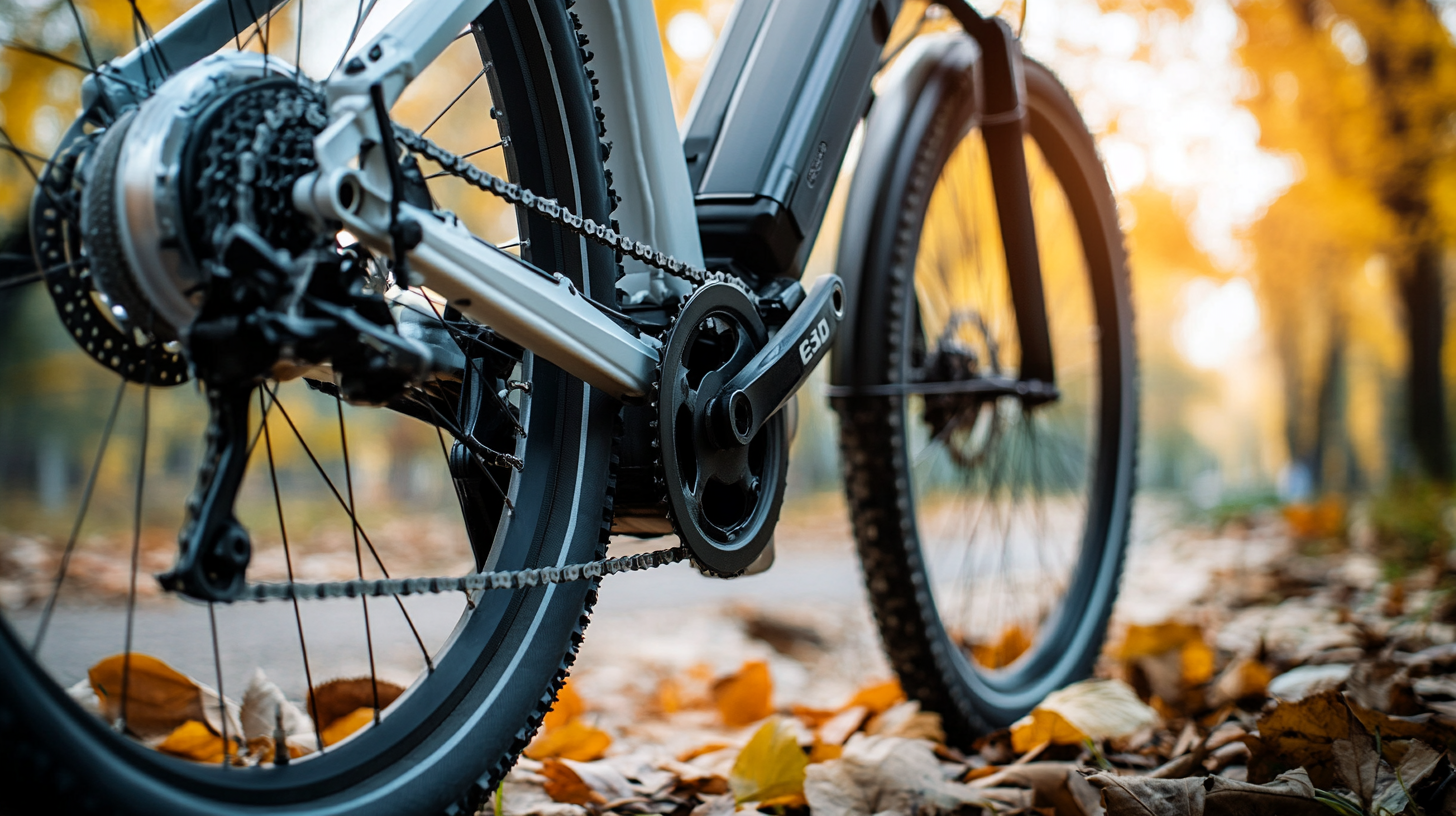
Battery management systems (BMS) greatly increase the efficiency of e-bikes. A properly designed BMS guarantees effective charging and discharging of lithium batteries, greatly extending the life of the battery and its performance. By continuously monitoring health parameters for each cell of the 36V battery pack, a BMS helps maintain balancing and safety and gives assurance to the riders to make longer rides.
Introducing advanced BMS technology into the e-bike domain not only improves reliability but also helps cater to the user's budget significantly. The correct management of battery cycles and thermal regulation will help the riders avert undue replacements of batteries, extracting maximum value for their investments. While e-bikes are at the summit of publicity, any discussion on the effectiveness of a BMS cannot be overestimated, making it a design feature of paramount importance in modern e-bikes on the drawing board.
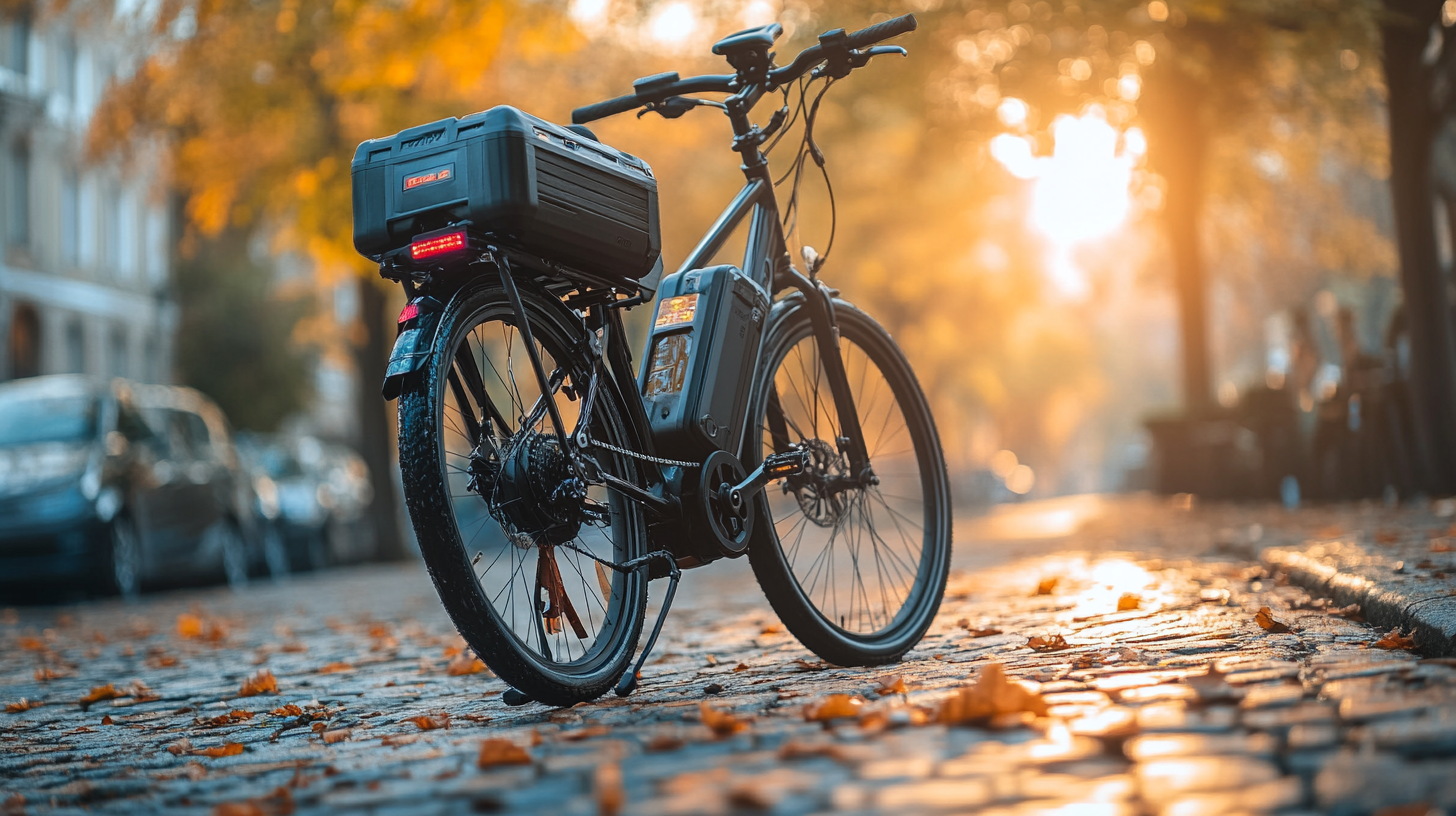
Lithium battery development has greatly impacted e-bike applications, giving advantage to traditional lead-acid batteries. Noteworthy is the lightweight property, resulting in enhanced performance and efficiency. As in the case of 36v BMS 10s 36v 15a lithium battery configurations, E-bikes that provide even longer ranges and quicker charge times translate to more convenience for everyday use.
A considerable increase in life and energy density leads to savings in the long run. With the range of e-bike brands worldwide, there is ever-increasing demand for power solutions, which means the importance of battery technology. The growing e-bike market indicates the need for sturdy and cost-efficient battery solutions to match consumer expectations for performance and sustainability.
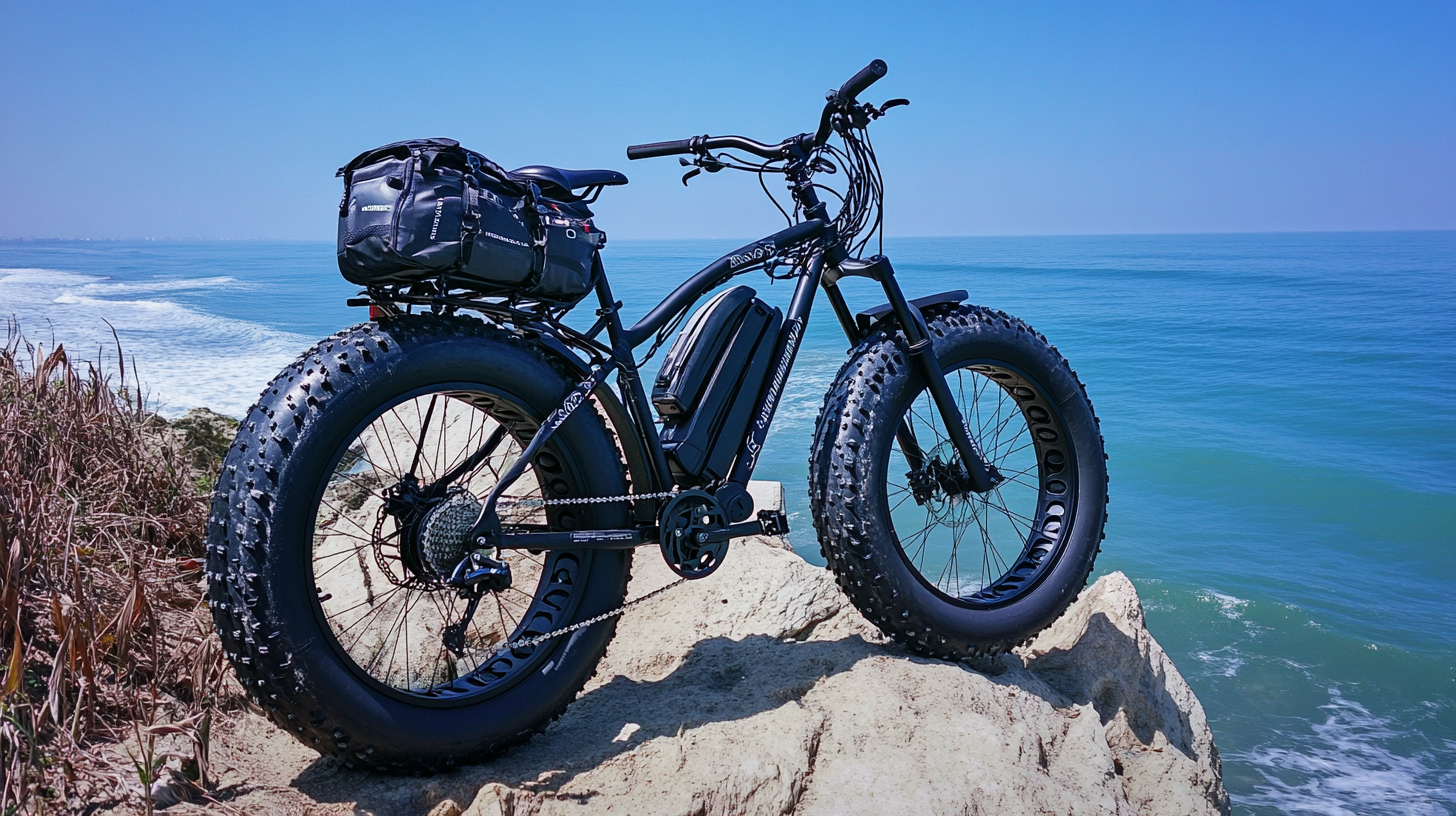
The emergence of advanced Battery Management Systems (BMS) becomes indispensable to the growth of e-bike technologies. A timely 10S 36V 15A BMS will support the crucial features that allow for performance and efficiency in ensuring safe and effective lithium battery use. Features include monitoring battery health, balancing cell voltage, and thermally managing cells to achieve enhanced battery life and riding experiences.
Moreover, given recent e-bike publicity generated through environmental policies and urbanization, the profitability of manufacturers striving to maximize efficiency and cost savings depends heavily on investing in strong battery solutions. The cutting-edge BMS technological integration assists manufacturers in meeting ever-increasing consumer demand while still contributing towards wider sustainability aspirations within the transport sector. As cities conform to this new mode of mobility, so too will the advanced battery systems become indispensable in influencing urban commuting's future.
Investing in 36V lithium batteries will give e-bike users quite a sizeable savings in addition to increased efficiency. The 36V 15A battery management system lithium battery then provides not just a steady energy source but also the best performance, enabling riders to tackle steep hills or very long distances with a piece of cake. These cost implications of these types of battery systems should be well understood by both manufacturers and consumers now that the E-bike technology is moving towards rapid evolution.
There are varieties of e-bikes on the markets that demonstrate what a 36V system could heights into, from daily commuting to the recreational riding modes it can accomplish. For instance, advances are made in battery life and climbing abilities, and reviews state that a well-structured lithium battery solution would propel the whole riding experience. Emerging solar charging kit options have heightened awareness on sustainability and cost-effectiveness, making investment in a 36V lithium battery an intelligent decision for the eco-minded cyclist.
Optimizing the BMS (Battery Management System) such that it is most efficient with an e-bike would include several strategies. Primarily, you should maintain your 36v 10s 15a lithium battery for overall boosting performance. Periodically checking the terminals for corrosion and even assessing battery conditions with software tools can help be part of the optimization process.
Going further, one can even look to advancing technologies such as AI solutions that will do data analysis associated with how power is used from batteries; and then use that data to help maximize decision-making related to energy consumption and hence cost savings. Such practices will help maximize the efficiency of the e-bike, but also ensure its longevity, making it a worthy addition in terms of productivity and cost to your mode of transportation.
The primary priority while handling 36V e-bike battery systems should be safety. Understanding the role of a strong Battery Management System (BMS) is vital for longevity and reliability. Besides battery performance management, the BMS also protects against common threats like overcharging, overheating, and short circuits. E-bikers should know what safety features the battery pack possesses for peace of mind while enjoying a ride.
Recent advances in lithium-ion cell 36V technology lay more emphasis on customization, allowing the user to generate tailored solutions for his or her needs. This has opened the way for certain designs that include safety mechanisms onto the battery design directly. However, with the growing popularity of home-built battery packs, there is also an increasing need for proper knowledge and compliance with safety standards. Such education regarding all safety factors will lower risks and help maximize benefit factors from 36V e-bike battery systems.
When measuring the effectiveness of the 36V e-bike systems, advantages reveal themselves when compared to a smattering of other voltage systems. Here, the 36V lithium battery Spanish Armada fights for glory, especially in the name of the BMS (Battery Management System) built for 10s 36V 15A, which essentially fits all the demands of performance versus economy. This voltage means enough power for city commuting while optimizing battery life and bringing down entire operational costs.
Current trends in various industries signal a movement toward efficiency and cost savings, which is only echoed in the e-bike market. Battery technology innovations increase energy storage capabilities while addressing concerns about costs. Successful corporate restructurings enhance operational efficiency; hence, adoption of advanced battery solutions such as 36V configurations expectedly delivers substantial energy and maintenance savings for e-bike operators. A focus on the 36V system therefore translates into an intelligent move for an enterprise that aspires to compete.
Advancements in battery technology have become the hot cake as the appetite for e-bikes has begun to soar. Considerable improvements in energy density and safety have come with the increased usage of lithium-ion and Lifepo4 batteries. Shenzhen CIC is among the few companies that have made their mark in the area with effectiveness in battery solutions for all reliable storages to cater to users' demands for e-bikes well into the future.
One remarkable trend is high voltage battery systems such as those in the configuration of 43V. These systems boast very high efficiencies through reduced heat loss compared to similar traditional 36V systems. Performance is improved and also prolongs battery life. In addition, there has been an increase in DIY battery kits in the marketplace, which allows users to fix their setups and maximize the benefit of riding an e-bike.
Maintaining the long life of 36V e-bike lithium batteries is very important for efficient operation and cost savings. Periodic maintenance interventions such as keeping the battery clean and proper storage can do wonders to increase the battery life. It should also be noted that keeping track of charge cycles and extreme discharging of the battery would also cause it to lose its performance over time.
Once the refurbishment of e-bike batteries is in consideration, it is imperative to familiarize oneself with the procedure and what to look for. Ensure that refurbishment is done by qualified technicians who follow industry practice. This will avert many future problems and enhance the reliability of the battery. A modern monitoring system for the batteries will further allow tracking battery health and ensure safe and optimal operation.
The primary function of a BMS in e-bikes is to maximize the efficiency of lithium batteries by ensuring optimal charging and discharging, which extends battery life and improves performance.
A BMS enhances safety by continuously monitoring the health of each cell within the battery pack, maintaining balance and preventing overcharging or deep discharging.
An effective BMS leads to substantial cost savings for riders by managing battery cycles and thermal regulation, helping to avoid premature battery replacements and maximizing the value of their investment.
To optimize an e-bike's BMS, riders should maintain the battery, regularly check connections for corrosion, and monitor battery health using appropriate software tools.
Advanced technologies such as AI solutions can streamline data analysis related to battery usage, leading to better decision-making in energy consumption.
A notable trend is the development of high voltage battery systems, such as 43V configurations, which provide greater efficiency by reducing heat loss compared to traditional 36V systems.
DIY battery solutions are empowering users to customize their setups, allowing them to optimize their e-biking experience based on individual needs and preferences.
The choice of battery technology, especially the shift towards lithium-ion and Lifepo4 batteries, is important for improving energy density and safety in e-bikes.
A healthy battery boosts overall performance, ensuring the BMS operates effectively and prolonging the lifespan of the battery.
Monitoring battery health helps riders identify potential issues early, allowing for timely maintenance and ensuring optimal functioning of the BMS and overall e-bike performance.