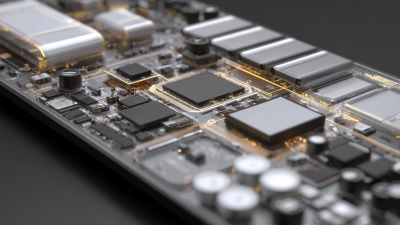
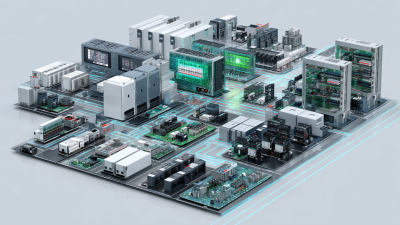
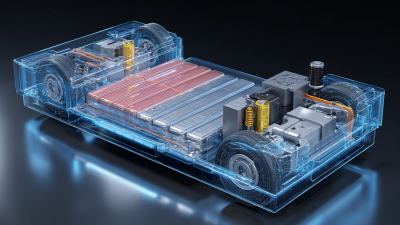
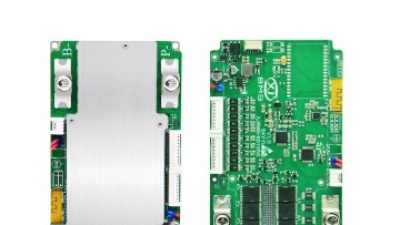
Hey, if you’re into cars and tech, you probably know that understanding what 'BMS' means in a car is pretty important. It’s not just tech jargon—it actually plays a huge role in making driving safer and more enjoyable. Did you know the market for automotive batteries is expected to hit around $90.95 billion by 2025? That’s a ton of growth, and it really puts into perspective just how critical battery Management Systems (or BMS) are. Dongguan XuanJing Electronics, also known as XJ BMS, has been leading the charge since 2015. They’re all about cutting-edge PCBA solutions—things like BMS, PCM, and Active Balancers—that work with all kinds of batteries like Lifepo4, li-ion, and even sodium-ion. As electric cars become way more popular, having a super-smart BMS is more important than ever—helping drivers get better performance, safety, and efficiency. So yeah, getting a handle on what BMS is and why it matters can really help you understand how these vehicles are changing the game toward cleaner, sustainable energy options.

The Importance of BMS in Modern Vehicles for Enhanced Safety and Performance
In today's world of cars, the Battery Management System, or BMS for short, really is a game-changer when it comes to safety and performance. It's like the brain behind your electric vehicle's battery, making sure everything runs smoothly. It keeps an eye on how healthy the battery is, how much charge it has left, and how it's doing overall. By carefully managing the energy flow—like preventing overcharging or letting the battery drain too deep—it helps the battery last longer and keeps your ride running without a hitch. Honestly, knowing the BMS is working properly gives you some peace of mind knowing you're not gonna get stranded out of nowhere.
Here's a quick tip: make it a habit to check your EV's battery status regularly using the onboard diagnostics. Staying on top of it not only improves your driving experience but also helps your battery live a lot longer.
And let’s not forget, the BMS is also super important for safety. It catches problems like overheating early, so things don’t turn into a hazard. It constantly keeps tabs on temperature and voltage, warning you before small issues become big problems. That’s one of the reasons today’s vehicles are safer than ever. Plus, having this tech onboard helps keep your whole car reliable and solid.
Another tip: get familiar with the warning lights or messages related to your battery health. Recognizing these signals early can save you from unexpected breakdowns and hassle down the line.
Key Functions of Battery Management Systems in Electric and Hybrid Cars
 Battery Management Systems, or BMS for short, are honestly a game-changer when it comes to making electric and hybrid cars safer and just generally better. They keep an eye on things like how charged the battery is, its temperature, and overall health — making sure everything's running smoothly. One of the cool things they do is balance out the voltages of individual cells. This not only stops the battery from overcharging or draining too deeply but also helps it last way longer and keeps your vehicle running reliably. So, in a way, a good BMS is like the car’s nervous system — always working behind the scenes to keep things in check.
Over here at Dongguan XuanJing Electronics Co., Ltd., we’re all about crafting top-notch Battery Management Systems. We’ve got custom solutions tailored for different types of batteries, like LiFePO4 and sodium-ion ones. Our focus on innovation means our BMS units have effective active balancing — which basically helps charge your batteries more efficiently and boosts overall reliability of the vehicle. Safety and performance are our top priorities, and we’re committed to delivering solutions that help manufacturers and end-users excel in this rapidly growing electric vehicle world. Honestly, we’re pretty excited about what we do — and it shows in our products.
Industry Statistics: The Growth of BMS Technology and Its Impact on Driving Experience
You know, the Battery Management System (BMS) market is really picking up speed right now, mainly because electric vehicles are taking off and stricter energy rules are coming into play. Looking ahead to 2032, we’re expecting this market to grow a ton — it’s all about more integrated, smarter battery setups for both stationary energy storage and mobile devices. As the auto industry moves more and more toward electrification, the need for advanced BMS tech is skyrocketing. It’s not just about powering cars anymore; it’s about making the whole driving experience safer and better performance-wise.
If you look at the industry stats, BMS tech is changing fast. Companies are experimenting with different system setups—some centralized, some distributed—and that innovation is really pushing efficiency forward. This isn’t just good for vehicles, but it’s a huge step toward making electric mobility the norm. At Dongguan XuanJing Electronics Co., Ltd., we’re super committed to being part of this change. We’re developing cutting-edge BMS solutions designed specifically to meet the needs of modern electric cars and energy storage systems. Our skills in PCBA manufacturing and active balancing are helping the industry move toward safer, more sustainable driving environments — it’s an exciting time!
Best Practices for Utilizing BMS Features to Optimize Vehicle Efficiency
Battery Management Systems, or BMS for short, are super important when it comes to keeping your car efficient and safe these days. If you want to make your driving experience a bit smoother, it’s pretty helpful to get a handle on how to actually use the features a BMS provides. For starters, it's a good idea to check your battery health regularly—things like the charge level and overall battery condition. This way, you can catch any potential issues early on before they turn into bigger problems. Keep an eye on the state-of-charge (SOC) and state-of-health (SOH) readings; they give you a heads-up so you can tweak how you drive or charge the car and, in the end, help the battery last longer and keep your vehicle going further.
Another pro tip? Make good use of the thermal management features of the BMS. Keeping your battery at the right temperature can seriously boost performance and efficiency. Usually, this involves choosing driving modes that allow the BMS to manage cooling and energy flow more effectively. Plus, don’t forget about regenerative braking—that’s a smart way to recover energy when you slow down, which helps you save on charging and extends your range. If you follow these tips, you’ll get the most out of your BMS and enjoy a safer, more enjoyable ride overall.
Future Trends in Battery Management Systems and Their Role in Autonomous Driving
As the automotive world keeps evolving—especially with all these autonomous driving tech coming into play—Battery Management Systems, or BMS for short, are really becoming more and more important. They’re basically the heart and soul of ensuring your electric car runs smoothly and safely. Looking ahead, trends suggest we’ll see even smarter BMS that can monitor in real-time and adapt on the fly to keep batteries performing their best and lasting longer. This isn’t just about extending your range (which is a big deal)—it also boosts overall safety, making self-driving cars more practical and less nerve-wracking.
If you're thinking about jumping into an EV, it’s a good idea to pick a model that’s packed with advanced BMS tech. I mean, having better energy management can seriously improve your driving experience—features like predictive alerts for maintenance and checking your battery’s health can save you some headaches down the line.
Plus, when BMS teams up with autonomous systems, we’re looking at cool innovations like vehicle-to-grid stuff. Imagine your car not just drawing power but actually sending back excess energy to the grid whenever needed. It’s like your car helping make the whole energy system more sustainable. Understanding these tech advances can really give you a new appreciation for how BMS isn’t just about your safety—it's also a big part of making transportation more energy-efficient.
So, my tip? Keep an eye on what’s happening with battery tech, because it can have a huge impact on how well your future EV performs and how safe it is. Also, do some research on different manufacturers’ BMS features before you buy—being informed makes a big difference when choosing your ride.
Understanding BMS Alerts: What Every Driver Should Know for Safety
Getting the hang of Battery Management System (BMS) alerts is pretty important for any driver who wants to stay safe and have a smoother driving experience. Basically, a BMS keeps an eye on your battery’s health, making sure it runs efficiently and lasts as long as possible. It provides real-time updates on how your battery is doing — things like temperature spikes, charge levels, or even if something's just not right. Being aware of these alerts can really help you avoid breakdowns or unsafe driving situations.
It’s kind of like those recent safety alerts from the Australian Maritime Safety Authority about securing containers properly — knowing what's going on means you can act before things go sideways. Just like good shipping practices are crucial for moving stuff safely, staying alert to your BMS notifications is key to keeping your electric vehicle running safely. As a driver, keeping an eye out and reacting when needed can make all the difference, not just for you, but for everyone around you. Companies like Dongguan XuanJing Electronics Co., Ltd. are doing great work in developing top-notch BMS tech, helping to make EV use safer and more reliable.
Ultimate Guide to Choosing the Right Smart BMS: The XJBMS-HD108G for NMC, LFP, and SIB Battery Packs
When selecting a smart Battery Management System (BMS) for your battery packs, the XJBMS-HD108G stands out as an exceptional choice for NMC, LFP, and SIB chemistry. This advanced BMS is designed to support a voltage range of 4 to 20 series lithium batteries, making it versatile for various applications. With charging and discharging capabilities ranging from 10 to 100A, the XJBMS-HD108G ensures efficient power management, accommodating both high-performance setups and standard energy storage solutions.
One of the key features of the XJBMS-HD108G is its robust communication options, including Bluetooth, RS-485, and CAN protocols. This flexibility allows for seamless integration into diverse systems, offering real-time monitoring and enhanced control. Users benefit from comprehensive protection mechanisms embedded in the system, which safeguard against potential threats such as overvoltage, undervoltage, and overcurrent scenarios. By prioritizing safety while providing actionable insights, the XJBMS-HD108G delivers a reliable solution tailored to the specific demands of modern battery technologies.
FAQS
: The primary function of a BMS is to monitor the battery's health, charge levels, and overall functionality, ensuring efficient operation, preventing overcharging or deep discharging, and prolonging battery life.
A BMS enhances safety by continuously assessing temperature and voltage levels, mitigating risks associated with battery failure, and alerting drivers to potential issues before they escalate.
Regularly check your EV's battery status through the vehicle's onboard diagnostics system and be proactive about battery maintenance to improve driving experiences and extend battery longevity.
Real-time monitoring is important as it allows adaptive algorithms to optimize battery performance and longevity, extending the range of electric vehicles and contributing to overall vehicle safety.
Innovations may include vehicle-to-grid technology, enabling cars to communicate with the energy grid, allowing them to draw power and send excess energy back, thus creating a more sustainable ecosystem.
Familiarize yourself with the warning indicators related to battery health, as understanding these signals can help you address issues promptly and avoid unexpected breakdowns.
Look for models that have sophisticated BMS technology, which facilitates better energy management and includes features like predictive maintenance alerts and battery health monitoring.
Staying informed about battery technology developments can greatly influence the performance, safety features, and overall efficiency of future vehicles, helping owners make informed decisions when purchasing.
Conclusion
Battery Management Systems, or BMS for short, are a pretty big deal in today's vehicles. They do a lot to keep everything running smoothly—making sure the batteries stay healthy, charging gets optimized, and energy gets shared efficiently, especially in electric and hybrid cars. If you're a driver, it’s pretty important to understand what a BMS is all about because these systems really impact your driving experience and safety. As electric vehicles become more common, BMS tech has come a long way, leading to better performance and more reliable driving overall.
You’d be surprised at how fast this technology is growing. It's actually crucial as cars get more complex with all the batteries they pack in. Knowing how to make the most of your BMS features can make your vehicle even more efficient. Plus, looking ahead, BMS will probably be key in the development of self-driving cars. Those little alerts you see on your dashboard? They’re there for a reason—they help you stay informed and make smart decisions on the road. Companies like Dongguan XuanJing Electronics are doing some seriously cool stuff in this area, pushing forward solutions that keep up with the rapid evolution of electric mobility.
Overall, understanding BMS isn’t just tech-speak; it’s about making your ride safer, smarter, and more reliable. And with the industry advancing so quickly, it’s definitely worth paying attention to!