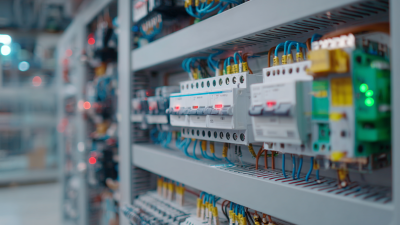
As the energy storage scene keeps evolving, getting a grasp on what 'BMS' actually means is becoming more and more important. battery Management Systems, or BMS, are pretty much the unsung heroes when it comes to making batteries safer, more efficient, and longer-lasting—especially since everyone’s so hot on renewable energy these days. I recently came across a market report from Fortune Business Insights, and it says that the global BMS market could hit around $36.5 billion by 2028. That’s a huge jump from 2021, with a growth rate of about 20.6% annually. One company to keep an eye on is Dongguan XuanJing Electronics, or XJ BMS as they’re known. They’re a pretty high-tech outfit, started back in 2015, and they focus on coming up with innovative PCBA solutions—think advanced BMS, PCM, and Active Balancers—that work with all sorts of battery chemistries like Lifepo4, lithium-ion, and even sodium-ion. Breaking down what 'BMS' really means helps us see just how much these systems are changing the game in energy storage and pushing us toward a more sustainable future.
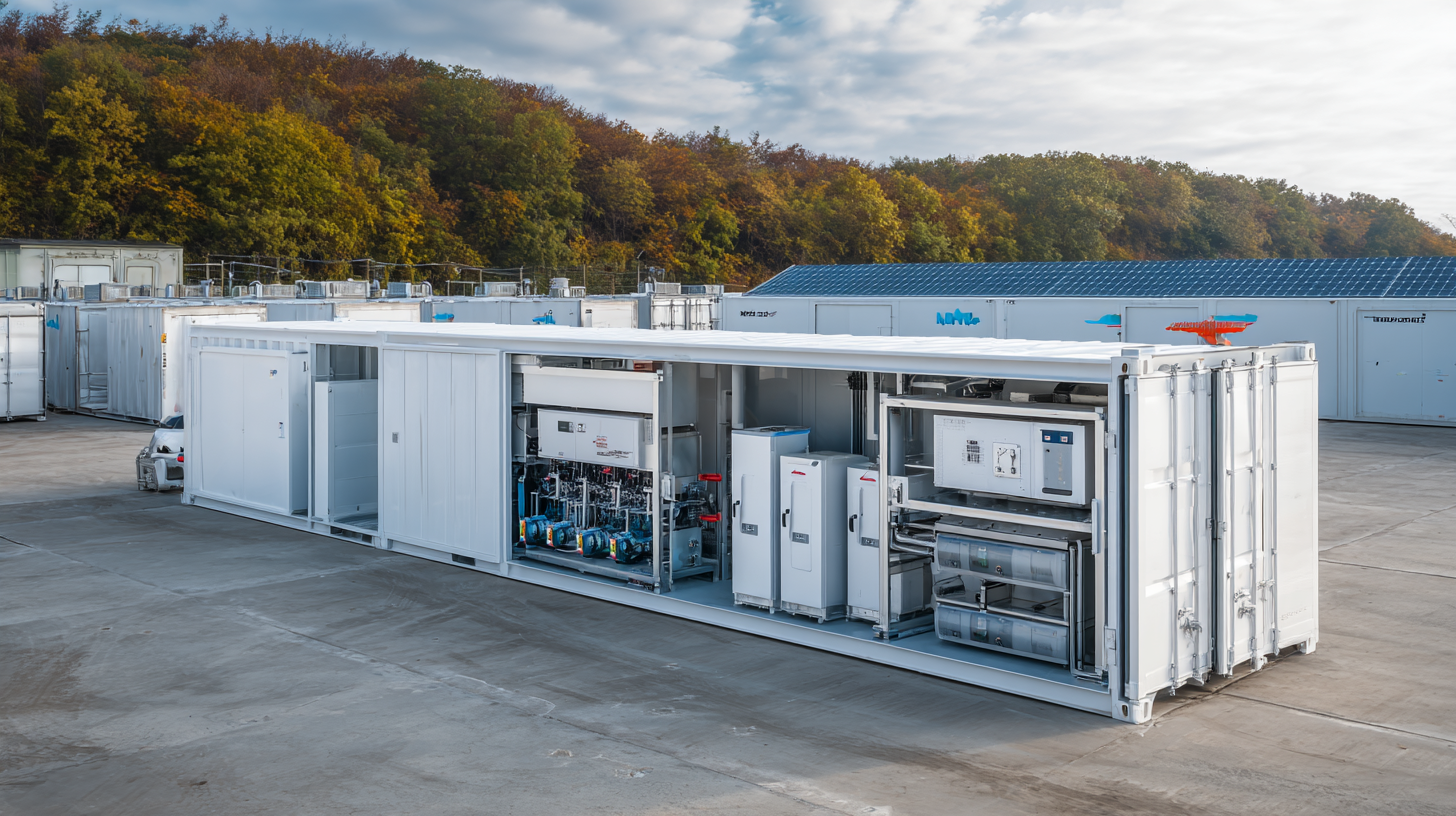
Understanding the Core Functions of Battery Management Systems
Battery Management Systems, or BMS for short, are kind of the unsung heroes behind safe and efficient battery use these days. Basically, they keep an eye on things like voltage, current, temperature, and how full the battery is, making sure everything runs smoothly. If something's off—say, the battery’s getting too hot or it's charging too much—they act fast to prevent any accidents or damage. It’s like having a smart watchdog for your batteries.
If you’ve been following industry trends, you might have noticed that the global market for these systems is booming. It’s expected to hit around $9.4 billion by 2026, growing at a pretty impressive rate of about 20.5% a year since 2021. This surge is mainly driven by the surge in electric vehicle sales and the push for renewable energy storage. As these techs become more common, the need for top-tier BMS becomes clearer than ever. They help squeeze out more capacity from the batteries, keep things safe, and basically support the shift toward cleaner, greener energy sources.
Plus, with the rise of complex applications that require serious energy storage solutions, battery systems are getting more sophisticated. That means BMS have to keep up, using smart algorithms and real-time data sharing to improve performance and reliability across different industries. Ultimately, they’re a crucial piece of the puzzle in making sure our battery-powered future runs smoothly—and safely.
Battery Management Systems: Energy Storage Efficiency
The above chart illustrates key metrics monitored by Battery Management Systems (BMS). These metrics include Voltage Level, Current Level, Temperature, State of Charge, and Health Status, which are crucial for optimizing energy storage efficiency and ensuring the safe operation of battery systems.
Identifying Key Components of Effective BMS Architecture
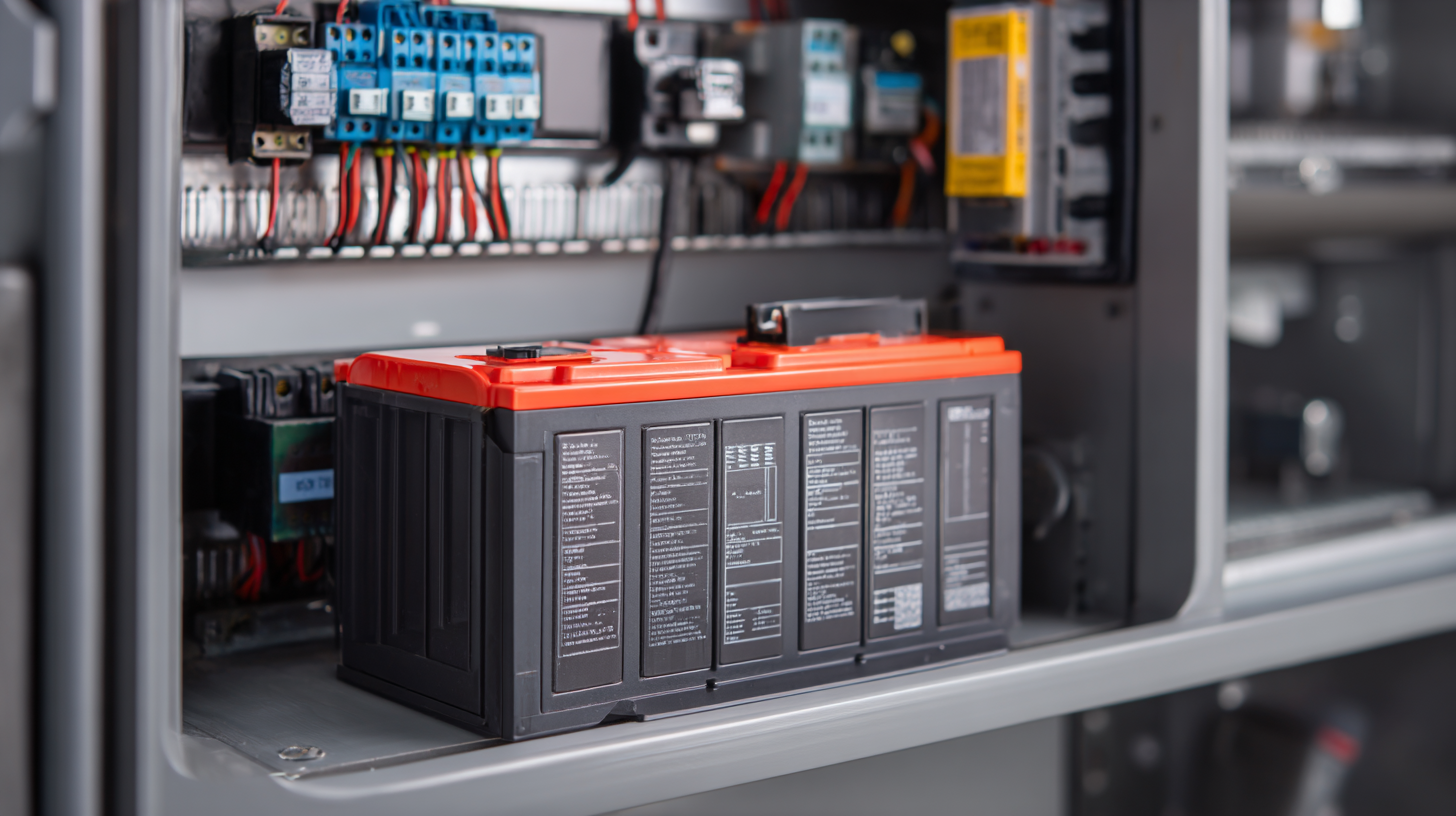 Battery Management Systems, or BMS for short, are super important when it comes to making energy storage solutions more efficient and lasting longer. Basically, a good BMS setup includes some main parts: the battery cells themselves, the Battery Management Unit (or BMU), the thermal management systems to keep things cool, and communication interfaces so all the parts talk to each other. By the way, a recent report from the International Energy Agency (IEA) shows that the global market for BMS is expected to hit around $1.7 billion by 2025. That’s mainly because more folks are using electric vehicles and turning to renewable energy storage.
Now, to get the best performance out of these systems, designers really need to embed smart algorithms into the BMU. These help keep an eye on things like the battery’s state of charge (SOC) and health (SOH). Think of these algorithms like the brain—they help balance the charge across the cells, which is super important because overcharging can really cut down on a battery’s lifespan. Plus, a solid thermal management system is a must—temperature swings can actually reduce a battery’s efficiency by up to 30%, and nobody wants that.
A few tips if you’re working on a BMS: first, consider investing in real-time data analytics tools—these can help predict issues before they happen, saving you a lot of headaches. Also, make sure to use top-quality thermal interface materials to keep the heat in check inside the battery pack. And don’t forget—your BMS’s communication interfaces should be compatible with the latest IoT tech. This way, you can easily connect it with smart grid systems and other modern tech setups.
All in all, building a reliable BMS isn’t just about throwing some components together; it’s about smart design choices that really make a difference in performance and longevity.
Exploring How BMS Improves Battery Safety and Longevity
Battery Management Systems, or BMS for short, really are a big deal when it comes to keeping batteries safe and making them last longer — whether we're talking about electric cars or storing renewable energy. They keep a close eye on things like the voltage and temperature of individual cells, as well as the overall health of the battery. It’s kind of like having a nervous but helpful watcher that makes sure everything stays within safe limits. This real-time monitoring is super important because it helps prevent overheating and overcharging, which are common culprits behind battery failures. And let’s be honest, nobody wants a battery that’s prone to catching fire or exploding, right?
On top of that, BMS does a pretty great job at extending battery life too. It does this by managing how the battery charges and discharges, making sure the cells stay balanced. When those cells are in sync, the battery performs better and lasts longer. Plus, with all the recent tech upgrades—like smarter algorithms and machine learning—the BMS can even predict potential problems before they happen. That means maintenance can be scheduled proactively, which really helps batteries keep going strong over many cycles. Overall, it’s clear that these advancements make BMS a key player in making energy storage safer, more efficient, and longer-lasting.
Unpacking BMS Meaning: How Battery Management Systems Revolutionize Energy Storage - Exploring How BMS Improves Battery Safety and Longevity
| Feature | Description | Benefits |
| Temperature Monitoring | BMS monitors battery temperature to prevent overheating. | Enhances safety, reduces risk of thermal runaway. |
| State of Charge (SOC) Estimation | Calculates remaining battery life and usage level. | Improves battery utilization, prevents over-discharge. |
| Cell Balancing | Ensures all battery cells charge and discharge evenly. | Increases overall energy capacity, extends battery life. |
| Fault Diagnosis | Identifies and communicates battery faults and issues. | Proactive maintenance, reduces risk of failure. |
| Integration with Smart Devices | Connects with smartphones and apps for monitoring. | User-friendly interface, real-time data access. |
Analyzing the Impact of BMS on Energy Storage Efficiency
So, the global Battery Management System (BMS) market is really gearing up for some serious growth. Experts are saying it’s gonna hit around $11.42 billion by 2024 and then, get this, shoot up to nearly $47 billion by 2032! That’s a huge jump, with a CAGR of about 19.32%. This kind of growth shows just how much BMS tech is changing the game for energy storage. Basically, BMS is the heart of managing battery systems—it keeps everything running smoothly by monitoring, protecting, and balancing those battery cells.
With energy storage becoming more and more crucial—think electric cars, renewable energy setups, and all that—it’s clear that BMS needs to keep evolving. It’s not just about storing energy anymore; it’s about making that stored energy work better, last longer, and be safer. When you think about it, BMS really helps boost energy density, extend battery life, and improve efficiency—all key if we want to maximize what we get out of our batteries.
As the world’s energy needs grow and shift, having smarter, more sophisticated storage systems is a must. And that’s exactly where BMS is leading the charge—making our energy future cleaner, smarter, and more sustainable. The predicted market boom just reflects how much people are craving innovative solutions that tick all the boxes—safety, performance, and affordability—no matter what kind of energy setup they’re working with.
Future Innovations in Battery Management Technology
The future of battery management tech looks pretty exciting when it comes to boosting how we store energy. Thanks to new innovations like smarter algorithms and machine learning, Battery Management Systems (or BMS, as folks often call them) are getting way more clever. They can now predict how long a battery’s gonna last with much better accuracy, fine-tune charging routines, and keep an eye on thermal conditions to avoid overheating. All this means our batteries last longer and work more efficiently, which is a huge plus.
Plus, the integration of IoT—yeah, the internet of things—into these systems is really changing the game. Think of smart sensors pulling in real-time data, so maintenance becomes more proactive, and failures are less likely. Looking ahead, we might see even better ways for batteries to communicate with each other in a system—so energy gets shared around more smoothly, especially in things like electric vehicles and renewable energy setups. As all these innovations keep rolling out, I truly believe they’ll play a big role in making our energy future more sustainable and reliable.
Implementing BMS Solutions for Various Energy Applications
Battery Management Systems, or BMS for short, are honestly a game-changer in today's world of energy storage. They’re pretty much the unsung heroes when it comes to keeping batteries running smoothly and lasting longer, whether we’re talking about solar farms, electric cars, or even our gadgets. A recent report from Mordor Intelligence notes that the global BMS market is expected to nearly double—from about 4.7 billion USD in 2021 to over 9.3 billion USD by 2026—with a Compound Annual Growth Rate (or CAGR) of around 15%. That’s a huge jump, and it really shows how much more industries are starting to depend on these systems, especially in solar energy, electric vehicles, and consumer electronics.
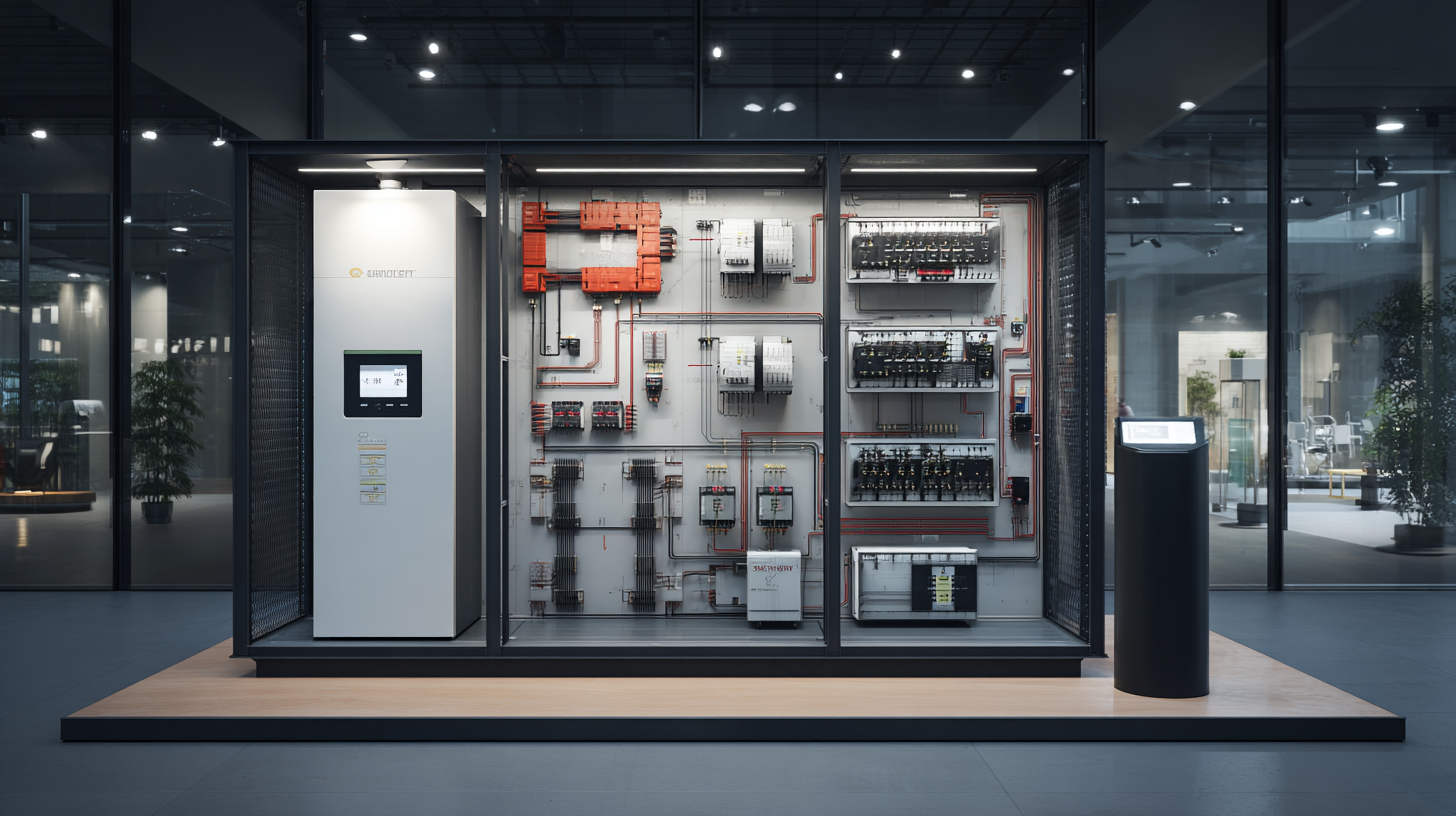
When it comes to renewable energy, BMS isn’t just a fancy box—it’s super important for making sure the whole power storage system works efficiently and stays reliable. Interestingly, the International Energy Agency (IEA) says we’re going to need over five times the current energy storage capacity by 2040 if we really want to meet the rising global demand for renewables. A good BMS doesn’t just protect the batteries—it also boosts how well they perform. It does this by giving real-time data and tracking, which helps catch problems early and keeps everything running smoothly. For EV makers, having a top-notch BMS can mean longer-lasting batteries, which means those cars can go further on a single charge and perform better overall.
Plus, in the business world, BMS plays a role in managing energy smarter. Things like peak shaving and demand response strategies are made easier, helping companies save money on energy bills. The Electric Power Research Institute (EPRI) even says that with the right storage tech and a good BMS, businesses could cut their energy costs by as much as 30%. In other words, BMS is a pretty essential piece of the puzzle as we work toward a greener, more sustainable future.
Comprehensive Guide to the XJ-D482 BMS 13S 54.6V 30A: Elevate Your E-bike & Scooter Performance with Advanced Lithium Technology
The XJ-D482 bms 13s 54.6V 30A is a cutting-edge battery management system designed specifically to enhance the performance of e-bikes and scooters. With the increasing demand for efficient and reliable electric mobility solutions, this model stands out by supporting a 13-cell lithium battery configuration. This design not only ensures optimal energy storage but also maximizes power delivery for a seamless riding experience.
One of the remarkable features of the XJ-D482 is its ability to handle a working current of up to 30A, making it suitable for high-performance electric vehicles. This capability means that riders can enjoy faster acceleration and better overall performance, which is crucial for both urban commuting and leisurely rides. Additionally, the advanced lithium technology utilized in this BMS ensures durability and longevity, significantly reducing maintenance needs and prolonging the life of the battery system.
By incorporating the XJ-D482 into your electric bike or scooter setup, you can experience an elevated ride with enhanced efficiency and performance. Whether you're looking to upgrade your existing vehicle or build a new one, this BMS is a reliable choice that combines innovation with practicality, pushing the boundaries of electric mobility.
FAQS
: BMS are crucial for managing the performance and longevity of batteries, optimizing efficiency through real-time data analytics and performance monitoring.
They are making BMS more intelligent by improving battery life predictions, optimizing charging cycles, and managing thermal conditions to prevent overheating.
Future innovations include IoT integration for real-time data monitoring, enhanced battery communication for better coordination, and improved energy distribution.
The global BMS market is projected to grow from USD 4.68 billion in 2021 to USD 9.31 billion by 2026, reflecting a CAGR of 15.2%.
They optimize the performance of battery storage systems, ensuring stability in power supply, which is essential as energy storage capacity must increase significantly to meet future demands.
Effective BMS implementation can extend battery pack lifespan, improving overall vehicle range and performance.
BMS facilitate peak shaving and demand response strategies, helping businesses manage energy usage and potentially reduce operational costs by up to 30%.
Energy storage capacity must increase by over 500% by 2040 to meet global demand for renewable energy integration.
By providing real-time data analytics and facilitating effective management strategies, BMS help increase the efficiency and lifespan of battery systems.
Data analytics allow for proactive maintenance and monitoring of battery health, reducing the risk of system failures and enhancing performance.
Conclusion
Battery Management Systems, or BMS for short, are really the backbone of modern energy storage tech. They’re what keep batteries safe, running smoothly, and lasting longer. If you’re not familiar with what a BMS does, think of it as the system that keeps an eye on battery health, balances out cell charges so they’re all on the same page, and stops things like overcharging or overheating from ruining everything. An effective BMS isn’t just one thing; it’s made up of key parts like sensors, processors, and communication tools—kind of like the nervous system that makes sure everything’s working together properly.
Thanks to some pretty innovative BMS tech, companies like Dongguan XuanJing Electronics Co., Ltd. are really changing the game when it comes to energy storage. They focus on creating custom BMS solutions tailored for different kinds of batteries—whether it’s Lifepo4, lithium-ion, or sodium-ion—that shows just how crucial BMS is for safety and efficiency. As we keep seeing new developments in this space, understanding what BMS really means is more important than ever—whether you're a manufacturer or just someone using these batteries at home. It’s all about making sure your energy storage systems keep performing at their best and last as long as they should.