The BMS LiFePO4 Sodium-Ion battery is pretty exciting tech—it's like a step forward in the world of batteries. Basically, it combines the benefits of lithium iron phosphate (LiFePO4) chemistry with sodium-ion technology. And with everyone hankering for cleaner, more sustainable energy options these days, this new battery kind of looks like a promising alternative to the usual lithium-ion ones. Plus, it offers some real perks—like being safer and lasting longer. Another cool point? It relies less on lithium, which, let’s be honest, is kind of tricky because of supply issues and global politics.
In this deep dive, we'll take a closer look at what makes the BMS Sodium-Ion Battery tick—its materials, how it works, and why it might actually be better than traditional options like lithium-ion or lead-acid batteries. We'll compare them side-by-side, focusing on stuff like how much energy they pack, how fast they charge, and how well they handle heat. The goal is to show just how game-changing sodium-ion tech could be for energy storage in many areas, whether it's powering electric cars or helping out with renewable energy setups.
Honestly, the future looks pretty bright for these batteries, especially as we shift toward greener energy. They might just become the new standard for keeping our gadgets, vehicles, and even entire grids up and running.
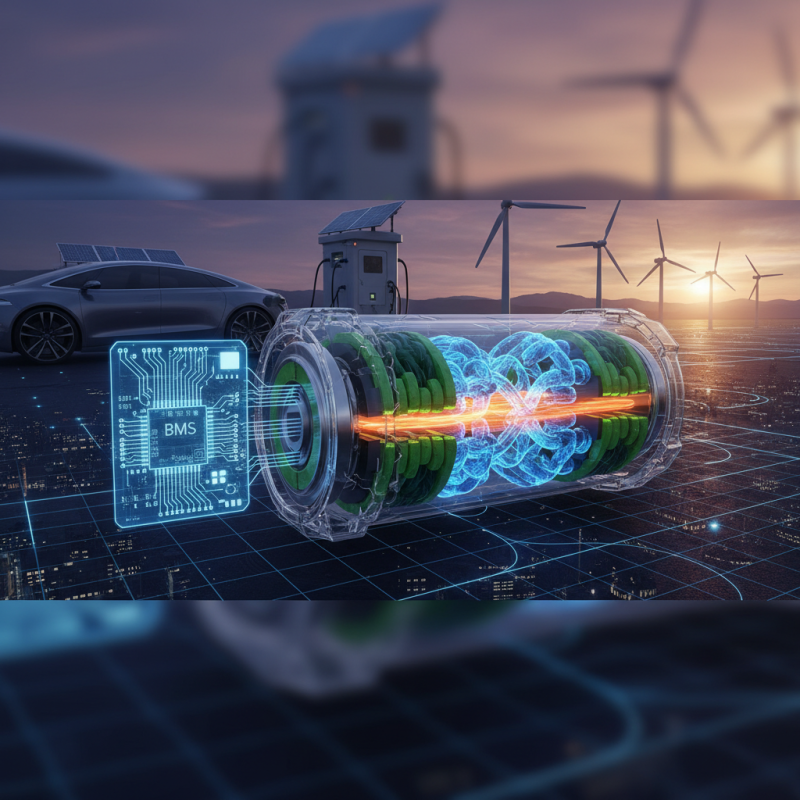
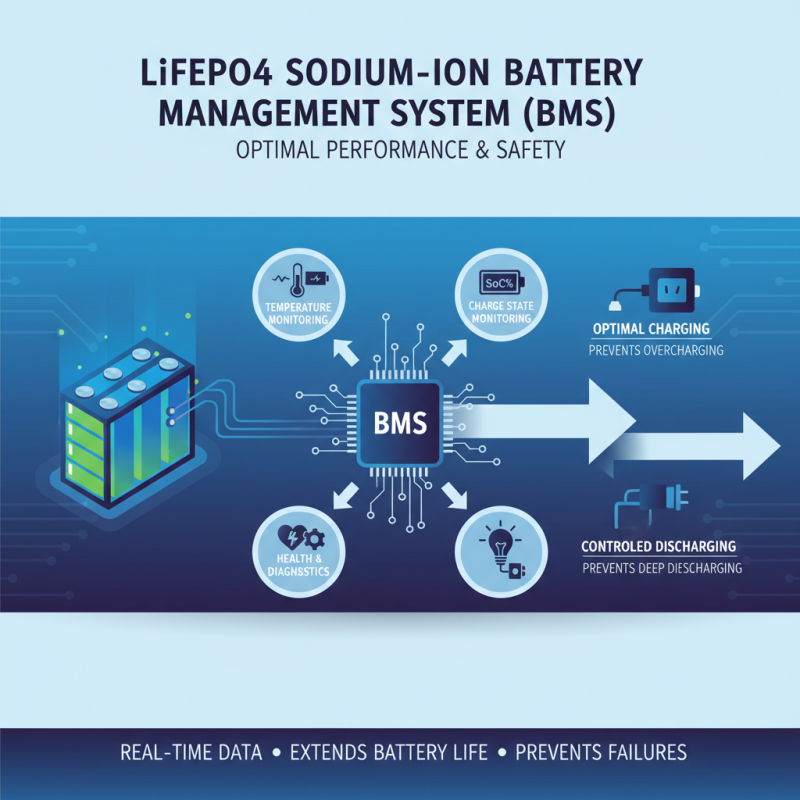
A Battery Management System (BMS) plays a critical role in ensuring the optimal performance and safety of LiFePO4 (Lithium Iron Phosphate) sodium-ion batteries. The BMS is an electronic system that manages the different functions of the battery, including monitoring its state of charge, temperature, and health. By providing real-time data and insights, the BMS allows for effective charging and discharging processes, which prevents overcharging and deep discharging—conditions that could lead to battery failure or safety hazards.
In the context of LiFePO4 sodium-ion batteries, the BMS also facilitates cell balancing, ensuring that each cell within the battery maintains a uniform charge level. This is crucial as imbalances can reduce overall battery efficiency and lifespan. Furthermore, the BMS can include safety features that detect faults or malfunctions, thus ensuring protection against scenarios like overheating or short circuits. Overall, the BMS is vital not only for enhancing the performance and longevity of LiFePO4 sodium-ion batteries but also for ensuring safe operation, which is increasingly important as these technologies find applications in various sectors, including renewable energy and electric vehicles.
LiFePO4 (Lithium Iron Phosphate) sodium-ion battery technology combines elements of both lithium and sodium-ion batteries, creating a unique energy storage solution. The primary component, LiFePO4, is known for its thermal stability, long cycle life, and safety characteristics. In this type of battery, sodium ions replace some of the lithium ions, which offers several advantages, such as lower material costs and enhanced sustainability. The incorporation of sodium not only reduces dependence on lithium but also makes the battery potentially more resilient against supply chain fluctuations.
In terms of composition, the LiFePO4 sodium-ion battery maintains a structure similar to that of traditional lithium-ion batteries but utilizes sodium-based materials for certain components. The positive electrode is typically composed of LiFePO4 while the negative electrode may include various carbon-based materials or other innovative compounds tailored for optimal performance. The electrolyte can also vary, often being formulated to support the efficient movement of sodium ions. This novel construction leads to high energy density and improved charging characteristics, allowing for a more versatile application range, from electric vehicles to renewable energy storage systems.
| Feature | LiFePO4 Battery | Sodium-Ion Battery | Comparison |
|---|---|---|---|
| Energy Density (Wh/kg) | 90-160 | 100-140 | Sodium-ion is comparable but slightly lower. |
| Cycle Life | 2000-5000 cycles | 2000-4000 cycles | LiFePO4 generally offers a longer cycle life. |
| Temperature Range (°C) | -20 to 60 | -10 to 55 | LiFePO4 works in a broader temperature range. |
| Safety | Very safe, low risk of thermal runaway | Generally safe, but potential risks in extreme conditions | LiFePO4 is safer in higher temperatures. |
| Cost | Moderate | Lower than LiFePO4 | Sodium-ion typically has a lower cost advantage. |
The Lifepo4 sodium-ion battery is gaining attention as a promising alternative energy storage solution in comparison to traditional lithium-ion batteries. Both types of batteries have their unique properties, but sodium-ion technology offers distinct advantages in terms of cost and resource availability. Sodium is more abundant and less expensive than lithium, which could lead to lower production costs and a more sustainable battery supply chain. Moreover, sodium-ion batteries display comparable energy density and performance metrics, making them a competitive option in various applications.
When comparing Lifepo4 sodium-ion batteries to lithium-ion batteries, it's essential to consider their lifecycle and environmental impact. Sodium-ion batteries tend to have a longer lifespan, which translates to reduced waste and more efficient energy use over time. Additionally, their chemical composition poses fewer environmental concerns at the end of their life cycle, making them a greener choice in the pursuit of sustainable energy solutions.
Tips for those considering battery options: assess the specific energy requirements of your application, as the optimal choice may vary. Additionally, consider the availability and environmental impact of raw materials involved in production. As technology advances, keep an eye on new developments in both sodium-ion and lithium-ion battery technologies, as innovation continues to shape the future of energy storage.
The Bms Lifepo4 Sodium-Ion Battery is an innovative energy storage solution that offers promising performance metrics, particularly in terms of energy density, cycle life, and efficiency. Energy density measures the amount of energy stored in a given volume, and sodium-ion batteries are becoming competitive in this realm. While traditional lithium-ion batteries have set a high standard, sodium-ion solutions present a compelling alternative, especially in applications where weight and space may be less critical, thus allowing for enhanced energy storage capabilities.
Cycle life is another crucial performance metric, determining how many charge and discharge cycles a battery can undergo before its capacity significantly degrades. Sodium-ion batteries typically offer a competitive cycle life that can rival or even surpass that of lithium-ion batteries. This durability makes them suitable for applications that require long-term reliability and reduced maintenance. Additionally, efficiency, which measures how effectively a battery converts stored energy into usable power, is an area where sodium-ion technology shows promising advancements. Improved efficiency translates into longer usage between charges and reduced energy waste, making sodium-ion batteries an appealing choice for various renewable energy applications and large-scale energy storage systems.
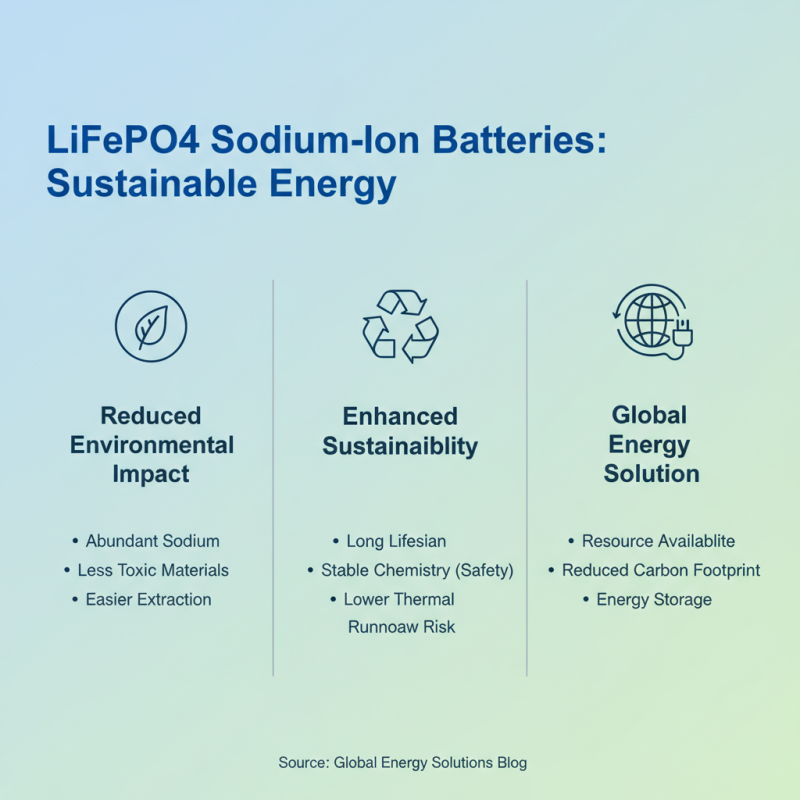
The environmental impact and sustainability of LiFePO4 sodium-ion batteries are crucial considerations in the context of global energy solutions. LiFePO4, or lithium iron phosphate, is known for its stable chemistry and safety, which contributes to its longevity and reduced risk of thermal runaway, making it a commendable choice for energy storage systems. When integrated with sodium-ion technology, the resulting batteries leverage the abundance of sodium, a resource that is widely available and less environmentally taxing to extract compared to lithium. This aspect drastically lowers the ecological footprint associated with battery production and disposal.
Moreover, the sustainability of LiFePO4 sodium-ion batteries extends beyond raw material sourcing. Their performance in terms of charge cycles is a notable factor; they tend to have a longer lifespan compared to traditional lithium-ion batteries, which means fewer replacements over time. This longevity translates into lower waste generation and reduced resource depletion. Furthermore, the recyclability of these batteries is a burgeoning area of research, with potential recycling methods aiming to repurpose the materials, thereby minimizing landfill impact and promoting a circular economy. Overall, these characteristics position LiFePO4 sodium-ion batteries as a promising alternative in the quest for sustainable energy storage solutions.
As the demand for sustainable energy solutions grows, sodium-ion battery technology is emerging as a promising alternative to traditional lithium-ion batteries. This shift is largely due to the abundance and accessibility of sodium, which presents a more sustainable and cost-effective option for energy storage. Current market trends indicate a gradual transition from lithium-ion systems towards sodium-ion technologies, driven by ongoing research and development aimed at improving battery efficiency and longevity. Many manufacturers are exploring sodium-ion batteries for applications in electric vehicles, grid storage, and consumer electronics, highlighting their potential to meet the increasing global energy demands.
The future outlook for sodium-ion battery technology appears bright, with innovations such as improved cathode materials and electrolyte formulations paving the way for enhanced performance. Analysts predict a significant growth trajectory for the market as more companies recognize the advantages of sodium-ion batteries, including lower raw material costs and reduced environmental impact. As production techniques continue to evolve, the scalability of sodium-ion technology may further facilitate its adoption across various sectors, possibly leading to a paradigm shift in the energy storage landscape. The continuous efforts to commercialize this technology are likely to play a crucial role in supporting the transition to renewable energy sources, ensuring a more sustainable future.
Sodium-ion batteries, particularly those utilizing lithium iron phosphate (LiFePO4) chemistry, offer several advantages over traditional lithium-ion batteries, including cost-effectiveness and abundance of raw materials. However, they present specific challenges and limitations that can impact their application in various sectors. One significant challenge is their comparatively lower energy density. This means that sodium-ion batteries may not store as much energy per unit weight or volume, which can be detrimental in applications where size and weight are critical, such as in electric vehicles and portable consumer electronics.
Another limitation of LiFePO4 sodium-ion batteries is their performance in extreme temperatures. While lithium-ion batteries have been optimized for a wide operational range, sodium-ion batteries can experience reduced performance and efficiency in very high or low temperatures. This characteristic can limit their usability in certain climates or specialized applications that require consistent energy output under varying environmental conditions. Furthermore, the cycle life and rate of charge/discharge of sodium-ion batteries may not yet match that of their lithium counterparts, which can hinder their competitiveness in rapidly evolving technology markets.
: The main advantage is its combination of low material costs and enhanced sustainability by replacing some lithium ions with sodium ions, reducing dependence on lithium and improving resilience against supply chain fluctuations.
While maintaining a similar structure, LiFePO4 sodium-ion batteries use sodium-based materials for certain components, with LiFePO4 as the positive electrode and various carbon-based materials for the negative electrode, along with a specially formulated electrolyte for efficient sodium ion movement.
Key performance metrics include energy density, cycle life, and efficiency, all of which are promising in sodium-ion batteries compared to traditional lithium-ion batteries.
Sodium-ion batteries are becoming competitive in energy density, making them a compelling alternative in applications where weight and space constraints are less critical.
Sodium-ion batteries typically offer a competitive cycle life, which can rival or exceed that of lithium-ion batteries, making them suitable for applications requiring long-term durability.
Improved efficiency allows for longer usage periods between charges and reduces energy waste, making sodium-ion batteries an appealing choice for renewable energy applications and large-scale energy storage systems.
The use of abundant sodium instead of lithium reduces ecological footprints, along with longer lifespans leading to fewer replacements and lower waste generation.
Ongoing research into recycling methods aims to repurpose materials from these batteries, minimizing landfill impact and promoting a circular economy, which is crucial for sustainability.
They are suitable for a range of applications, including electric vehicles and renewable energy storage systems, due to their high energy density and improved charging characteristics.
The stable chemistry enhances longevity and reduces the risk of thermal runaway, making these batteries a safer choice for energy storage systems.
The Bms Lifepo4 Sodium-Ion Battery represents a significant advancement in energy storage technology, built upon the robust framework of Lifepo4 chemistry. This battery system integrates a Battery Management System (BMS) that enhances its safety and performance by monitoring various operational parameters. The Lifepo4 Sodium-Ion Battery's composition and technology provide a competitive alternative to conventional lithium-ion batteries, particularly in energy density, cycle life, and efficiency.
As the market shifts toward more sustainable energy solutions, the Lifepo4 Sodium-Ion Battery is gaining attention due to its lower environmental impact and abundant raw materials. However, challenges such as integration into existing applications and scalability must be addressed for broader adoption. Overall, the future outlook for Sodium-Ion battery technology appears promising, driven by ongoing innovations and increasing demand for sustainable energy storage solutions.