Leave Your Message
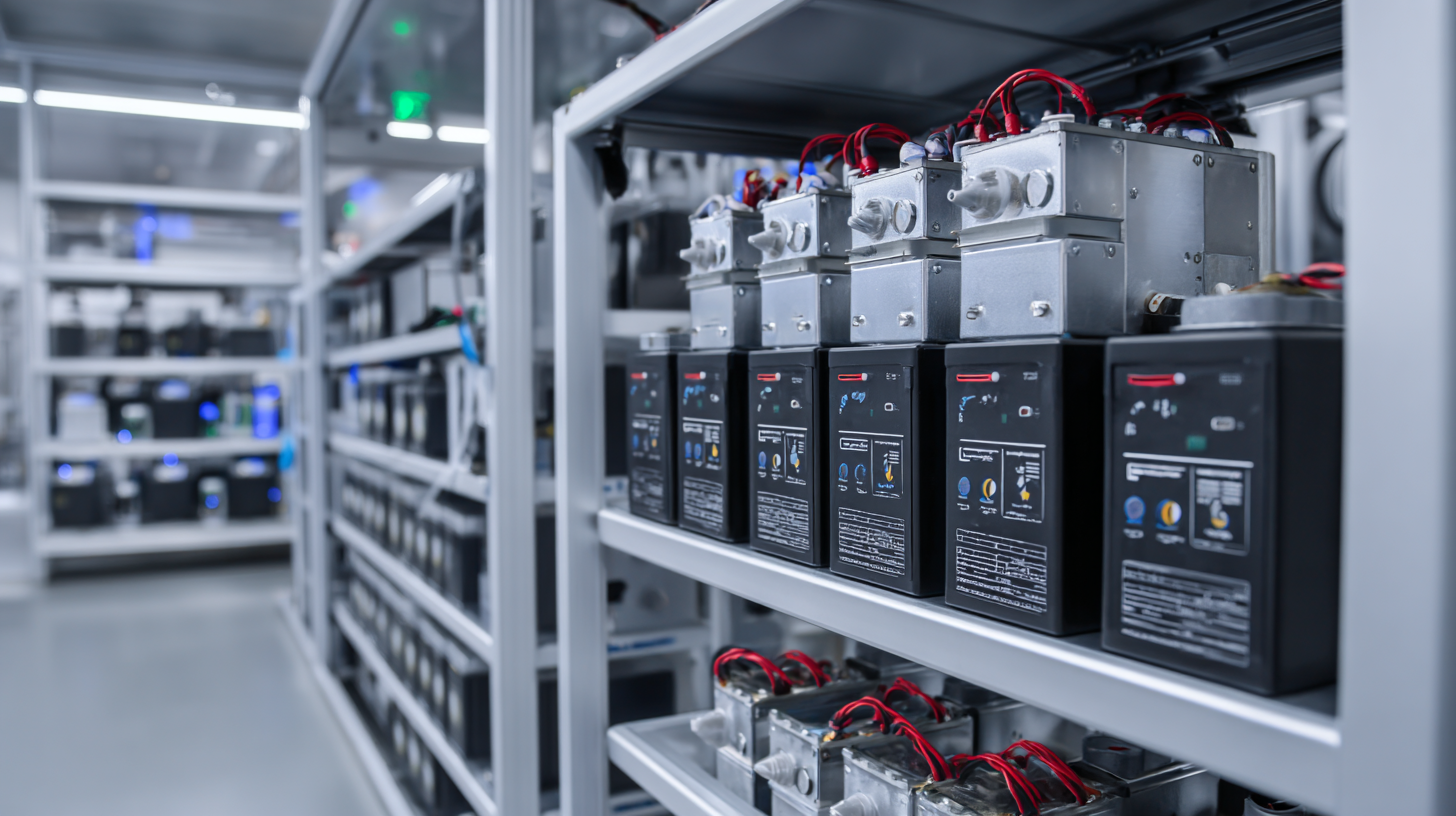
Lately, the energy storage scene has been buzzing with exciting new developments, especially with cool tech like Bms Lifepo4 and sodium-ion batteries popping up. These new solutions could really shake things up, offering about 20% more efficiency than the old-school systems we’re used to. Market trends are showing a big boost in demand for smarter battery management systems (BMS), especially as industries move toward renewable energy and electric cars — pretty much aligned with global sustainability goals.
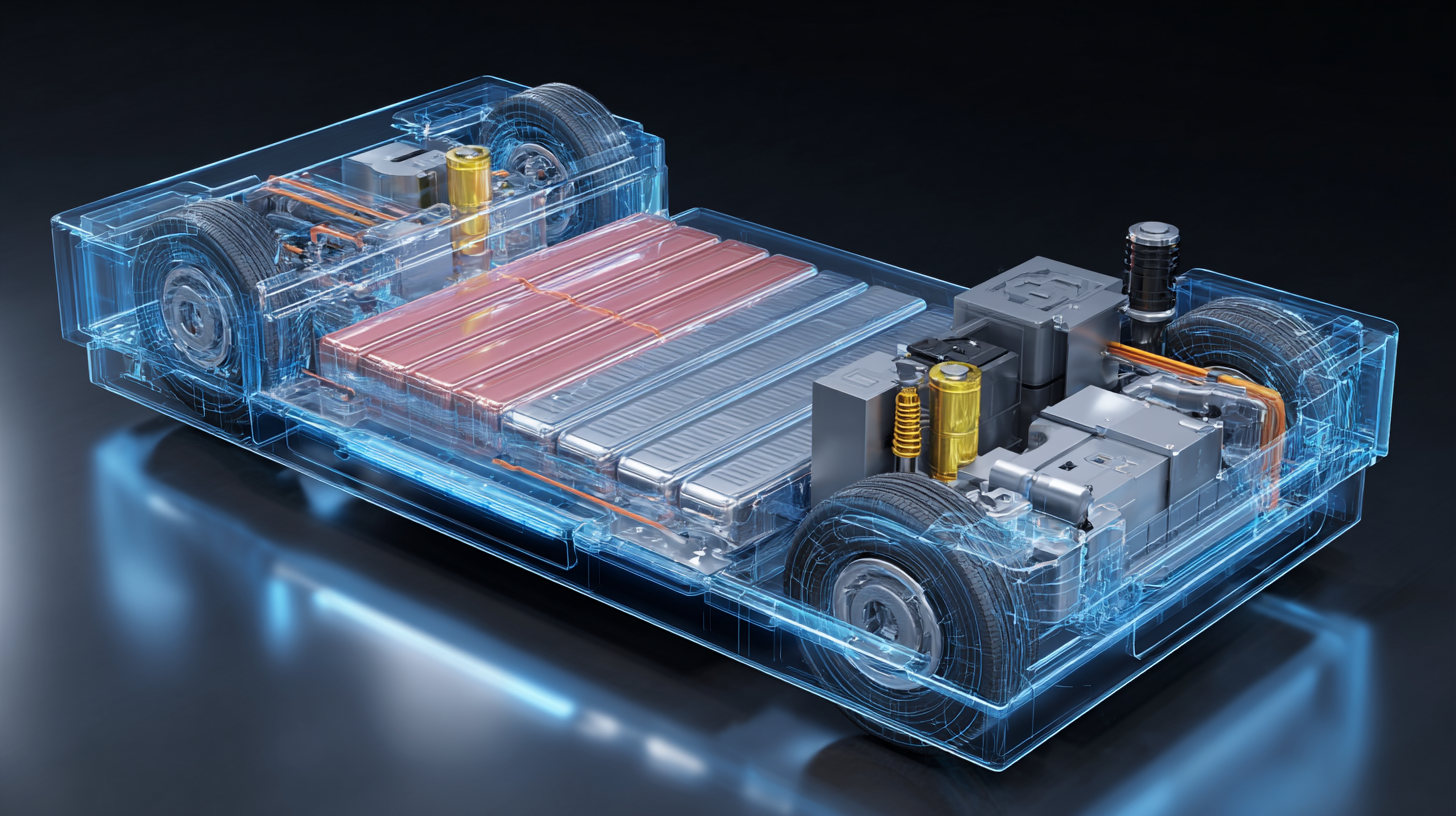
A good example is Dongguan XuanJing Electronics Co., Ltd. (they go by XJ BMS), which has been around since 2015. They’re right at the forefront of this wave, focusing on developing and manufacturing advanced BMS and other crucial parts for LiFePO4, lithium-ion, and sodium-ion batteries. As the world’s energy storage needs keep changing, XJ BMS is dedicated to offering custom solutions that maximize the potential of BMS LiFePO4 and sodium-ion tech — working towards a more energy-efficient future, one battery at a time.
You know, the world of energy storage is really getting a boost thanks to some pretty exciting advancements in Battery Management Systems (BMS) for LiFePO4 and sodium-ion batteries. Here at Dongguan XuanJing Electronics, or XJ BMS for short, we see all this progress as a game-changer. Not only do these innovations boost battery performance, but they can also improve overall efficiency — we're talking up to 20% better! We pride ourselves on customizing our BMS solutions to fit what our clients need best, making sure everything's built for durability and reliability.
One thing we're especially proud of is how we incorporate the latest monitoring and balancing tech into our designs. Keeping tabs on the battery's health and safety is absolutely essential — especially in high-energy-density setups. That’s why we use cutting-edge PCBA technology, so our BMS can give real-time updates about the battery’s condition. It helps users stay on top of maintenance and avoid issues before they become big problems.
If you’re on the hunt for a BMS for your energy storage setup, a couple of things to keep in mind: make sure it's compatible with your battery chemistry, supports the right communication protocols, and can grow with your needs. A solid BMS can really extend the life of your batteries and improve their overall efficiency, which is a big win for sustainability. And don’t forget, features like thermal management and fault detection can seriously boost safety and performance, so it’s worth choosing a provider who really knows their stuff when it comes to batteries.
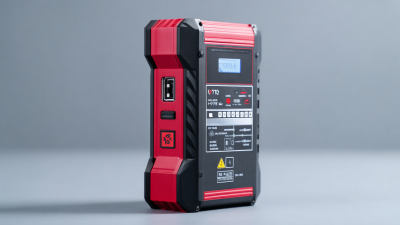
The XJ-D339 Battery Management System (BMS) represents a significant advancement in optimizing battery performance, particularly for LifePO4 and NMC lithium-ion batteries. This versatile model accommodates configurations from 4S to 24S with a current rating between 200A and 300A, making it suitable for a variety of applications including forklifts, recreational vehicles, low-speed electric vehicles, and yachts. By supporting multiple battery types, including Sodium-ion batteries, the XJ-D339 provides a flexible solution for users looking to maximize battery efficiency and longevity.
One of the standout features of the XJ-D339 is its balanced current capability of 40mA, which helps maintain uniform voltage levels across the battery cells, thereby enhancing their overall lifespan. The incorporation of an NTC temperature sensor is crucial for monitoring battery temperatures in real-time, further optimizing performance and safety. With the weak current switch functionality, users can ensure minimal power consumption when the system is idle, contributing to a more environmentally friendly operation. Whether for personal or professional use, the XJ-D339 BMS is designed to facilitate optimal battery management, ensuring reliable performance in demanding applications.
: Sodium-ion batteries are more abundant and lower in cost than lithium-ion batteries, making them a promising alternative, especially as global energy demands increase.
Japan's pivot towards sodium batteries reflects a strategic move to enhance supply chain resilience and advance carbon neutrality amidst growing energy demands.
Innovations such as biochar and novel electrolytes improve electrochemical performance, leading to increased energy storage efficiency and overcoming limitations like low capacity and high operational temperatures.
Both LiFePO4 and sodium-ion technologies could improve energy efficiency by up to 20%, which is crucial for applications in electric vehicles and renewable energy.
LiFePO4 is known for its robust thermal stability and long cycle life, contributing to its reputation as a safe option for energy storage.
Sodium-ion batteries offer a cost-effective and scalable alternative, which could help reduce reliance on imported lithium for countries with abundant sodium resources.
Both LiFePO4 and sodium-ion technologies are emerging as key players in the energy storage market, driven by improvements in manufacturing techniques and increasing environmental concerns.
The chemistry of batteries significantly influences energy storage capabilities, which is essential for integrating renewable energy sources and supporting a transition away from fossil fuel dependence.
Continued research into advanced materials and battery technologies is critical for enhancing energy storage efficiency and meeting the challenges of sustainability in the evolving energy landscape.
The future of the energy storage market appears promising, with anticipated advancements in efficiency and sustainability due to innovations in technologies like LiFePO4 and sodium-ion batteries.
So, I came across this article titled "Exploring BMS LiFePO4 and Sodium-Ion Batteries: Revolutionizing Energy Storage with 20% Higher Efficiency," and honestly, it’s pretty fascinating. It dives into the latest designs of Battery Management Systems—those are the tech bits that keep lithium iron phosphate (LiFePO4) and sodium-ion batteries running smoothly. The article compares the efficiency of these two battery types, pointing out how improvements in BMS tech can really boost how much energy they can store and deliver. Plus, it takes a closer look at how different battery chemistries affect overall performance, scalability, and even the environmental perks of these advanced systems. Definitely makes you think about where energy storage is headed!
On a related note, Dongguan XuanJing Electronics—better known as XJ BMS—is right there on the frontlines. Since kicking things off in 2015, they’ve been all about developing cutting-edge BMS solutions for both LiFePO4 and sodium-ion batteries. It’s exciting to see a company so dedicated to innovation, especially because they’re setting the stage for a future where energy storage gets smarter, more efficient, and more environmentally friendly. Looks like they’re really aligning with all the trends the article talks about—making batteries better and more practical for everyday use.
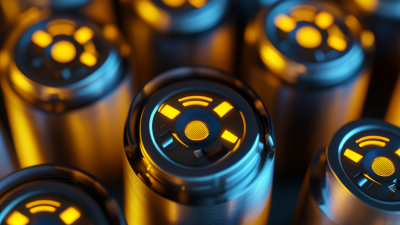





 Using the natural strengths of LiFePO4, shifting to sodium-ion tech seems like an exciting move. Recycling old LiFePO4 batteries not only boosts performance—by about 20%, in fact—but also makes sodium-ion batteries a really promising and even better alternative for energy storage. All this underlines how important it is to develop sustainable energy solutions while also making the most out of the materials we already have.