In the fast-changing world of renewable energy, understanding the ins and outs of Lithium battery BMS is more important than ever. I remember hearing Dr. Alice Thompson from Battery Innovations say once, “A sturdy BMS can really make or break your lithium battery setup.” That really stuck with me—it highlights just how critical choosing the right Battery Management System is for getting the best performance and keeping things safe.
Today, there's a bunch of features that define a top-notch Lithium Battery BMS. Things like real-time monitoring and cell balancing are pretty much non-negotiable. For example, being able to check on the battery’s health in real time can prevent potential problems and help the battery last longer. But, let’s be honest—technology’s moving so fast that it can also be kinda overwhelming. Sometimes, folks get lost trying to wrap their heads around all the complex specs, wishing there was a simpler way to find what they need and boost efficiency.
Plus, a lot of these features can seem either unnecessary or way more complicated than they should be. That often leads people to overlook some really important functions. To really get the most out of Lithium Battery BMS, you gotta have a good grasp of what it does—and strike a balance. This way, we can improve energy solutions overall and do our part for the environment. Of course, recognizing that designs aren’t perfect is part of the process, but that doesn’t mean we can’t keep pushing for better stuff.

Key Functions of Lithium Battery BMS Explained
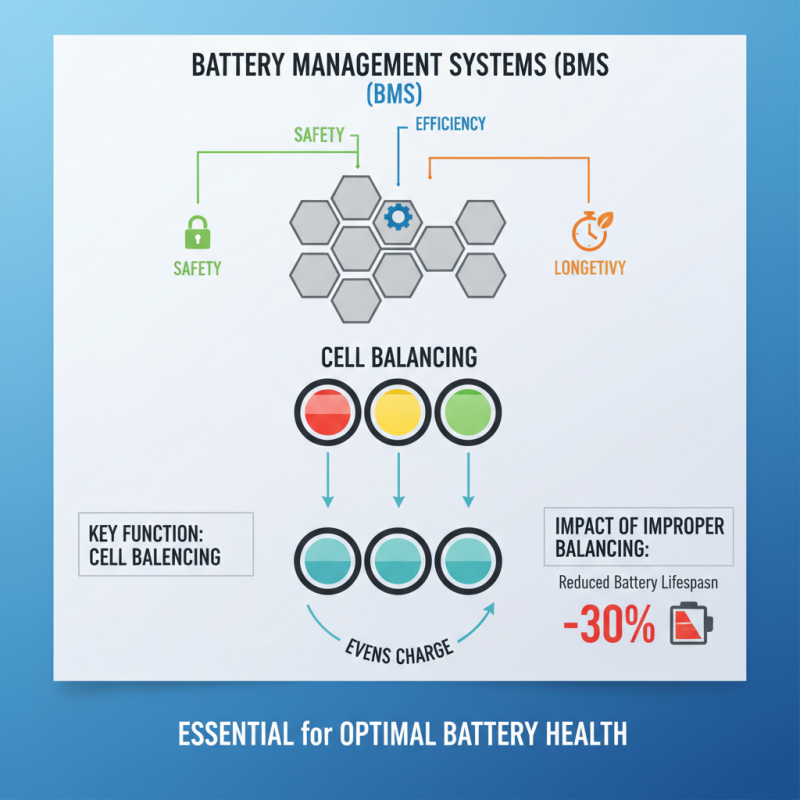
Battery Management Systems (BMS) are crucial for lithium-ion batteries. They ensure safety, efficiency, and longevity. One key function is cell balancing. This process ensures all cells in a battery pack are charged evenly. A recent report highlights that improper balancing can reduce battery lifespan by up to 30%. Therefore, effective cell balancing is essential for maintaining optimal battery health.
Monitoring temperature is another vital role of a BMS. Lithium batteries operate optimally within specific temperature ranges. A study revealed that operating beyond these limits can lead to thermal runaway. This serious issue can damage cells and pose safety risks. BMS systems track temperatures continuously, providing critical data to prevent overheating.
State of Charge (SoC) estimation is equally important. Accurate SoC helps optimize battery usage and extends life cycle. However, inaccurate SoC readings can lead to unexpected shutdowns or performance drops. Reports indicate that poor estimation can result in up to 15% capacity loss over a battery's life. Nonetheless, achieving perfect SoC estimation remains a challenge for many systems.
Importance of Battery Management Systems in Lithium Cells
Battery Management Systems (BMS) play a crucial role in ensuring the safe operation of lithium cells. A well-designed BMS monitors voltage, temperature, and current. It prevents overcharging and deep discharges, which can significantly harm battery life. Industry reports indicate that improper management can reduce the lifespan of lithium batteries by up to 30%. This statistic emphasizes the need for effective battery management.
Data suggests that 60% of lithium battery failures are due to thermal issues. BMS technology addresses this by implementing thermal management strategies. These systems detect potential overheating and initiate cooling measures. However, many existing BMS solutions can still struggle with real-time data processing. A significant proportion of users report delayed responses to thermal fluctuations. This gap highlights the need for continuous improvement in BMS technologies.
Additionally, the integration of advanced algorithms can enhance performance. Predictive modeling could further optimize battery life cycles. Yet, many systems still rely on outdated data inputs, limiting their efficiency. As the industry evolves, constant innovation in BMS features becomes essential. Improvements could lead to better energy management and prolonged battery durability. The journey toward enhanced BMS functionality is ongoing and requires attention.
Core Features to Look for in a 2026 BMS
When choosing a Battery Management System (BMS) for lithium batteries in 2026, several core features stand out. A robust BMS ensures safety and efficiency. According to recent reports, over 90% of battery failures relate to thermal management. Thus, effective temperature monitoring is crucial. A good BMS will monitor individual cell temperatures. Alerts for overheating can prevent catastrophic failures.
Another essential feature is state-of-charge (SoC) measurement. Accurate SoC readings ensure efficient energy use. Research indicates that a BMS with precise SoC can improve battery lifespan by 20%. Additionally, voltage balance across cells is vital for performance stability. An unbalanced battery pack can lead to capacity loss. Thus, active or passive balancing methods are important features.
Also worth noting is the data logging capability of a BMS. Many users overlook this. But detailed logging can help diagnose issues over time. A comprehensive data set can lead to insights for future designs. Industry experts suggest that integrating these features can significantly enhance user experience and battery longevity. Overall, choosing a BMS with these attributes will yield a more reliable and efficient lithium battery system.
Safety Mechanisms in Lithium Battery Management Systems
Safety mechanisms in lithium battery management systems (BMS) are crucial for reliable operation. Data shows that battery failures can lead to dangerous incidents, including fires. According to a report from the Department of Energy, approximately 25% of lithium battery failures stem from inadequate thermal management. An effective BMS includes features like over-temperature protection and voltage regulation to mitigate these risks.
Adequate cell monitoring is also vital. A study from the International Energy Agency indicates that 35% of battery issues arise from cell imbalance. BMS systems can prevent this by ensuring equal charging and discharging of cells. Real-time diagnostics help identify anomalies early, allowing for corrective actions. Yet, there are challenges.
Many systems lack advanced algorithms for predictive maintenance, which could enhance safety. Overall, while many advancements exist, more innovation is needed. Designers must consider how to improve battery longevity and safety. Applying more robust safety algorithms could reduce hazards significantly.
Future developments will likely focus on integrating AI to predict issues before they occur. The goal is to balance efficiency and safetyin Lithium Bms.
Monitoring and Data Logging Capabilities of BMS
Monitoring and data logging capabilities are crucial features of Lithium Battery Management Systems (BMS). Effective monitoring ensures that battery performance is optimal and safe. A recent report indicates that real-time data can reduce maintenance costs by up to 30%. These systems track voltage, current, and temperature, providing insights into battery health. This data can trigger alerts for unusual patterns, which might indicate potential failures.
Many BMS now incorporate advanced data logging features. These features store historical data that can be analyzed later. Analysis helps identify usage trends and potential issues. According to industry studies, batteries with comprehensive data logging can extend their lifecycle by as much as 20%. This leads to better performance forecasts and aids in improving operational strategies.
Tip: Ensure your BMS has robust monitoring functions to enhance safety and efficiency. Regular data reviews can prevent costly downtime. Data visualization tools can be handy in making sense of complex information. Remember, embracing technology can lead to smarter battery management. However, it is essential to continuously assess these systems for improvements.
2026 Best Lithium Battery BMS Features You Must Know
| Feature | Description | Importance | Data Logging Capability |
| Voltage Monitoring | Tracks individual cell voltage to ensure cells are balanced. | Critical for battery health and longevity. | Yes, logs voltage readings over time. |
| Temperature Monitoring | Monitors the temperature of cells to prevent overheating. | Essential for safety and performance. | Yes, records temperature data for analysis. |
| State of Charge (SoC) Estimation | Estimates the remaining battery capacity to inform users. | Important for predicting usage time. | Yes, stores data on charging cycles. |
| Current Monitoring | Tracks the charging and discharging current for efficiency. | Vital for optimizing energy management. | Yes, logs current usage data. |
| Fault Detection | Identifies and alerts for faults in the battery system. | Crucial for user safety and battery integrity. | Yes, logs instances of detected faults. |
| Communication Protocols | Supports various communication protocols for compatibility. | Important for integration with other systems. | Some systems log communication errors. |
Trends in Lithium Battery BMS Technology for 2026
The lithium battery BMS (Battery Management System) technology is evolving rapidly. In 2026, we can expect smarter systems that enhance performance. Increased integration is a key trend. Modules will connect seamlessly, offering real-time data. This fusion will provide detailed insights into battery health and usage.
New algorithms will play a huge role. They optimize charging and discharging. This means longer battery life and better efficiency. Consider how predictive analytics could improve maintenance. However, challenges remain. Not all algorithms will succeed in all conditions. Testing and validation are crucial.
Tip: When selecting a BMS, focus on scalability. Ensure it can grow with your needs. Look for systems that provide regular updates. This guarantees you won't miss out on advancements. Always evaluate performance metrics. Simple data points can reveal a lot about efficiency.
Battery safety is another focus. Expect systems with enhanced monitoring and control. They’ll help prevent overheating and short circuits. Yet, these systems also need thorough testing. Some features may not work as intended. Implementation should be approached with caution. Always prioritize safety alongside features.
2026 Best Lithium Battery BMS Features
Comparative Analysis of Top Lithium Battery BMS Products
When choosing a lithium battery BMS, performance is crucial. Different products offer varying features that can affect battery life, safety, and efficiency. Many buyers focus on cell balancing and temperature monitoring capabilities. These features help prevent overheating and extend the lifespan of the battery. Yet, it’s easy to overlook the self-diagnostic functions they provide. A system that monitors its own health can alert users to potential issues early.
Tips: Pay attention to the ease of installation. A complicated setup can lead to mistakes. Look for systems with clear instructions and user-friendly interfaces.
Another aspect often underestimated is communication protocols. Products may support various standards like CAN or RS485. These affect how well the BMS integrates with other devices. A good BMS should ensure seamless communication across your entire system. Additionally, some BMS might lack comprehensive app support. This can limit your monitoring capabilities.
Tips: Consider getting a BMS that offers robust software. It can enhance your control and monitoring experience. Always research user reviews to gauge common issues and benefits.
Maximizing Efficiency and Safety: Insights from Industry Reports on the XJ-D039 4S 10A BMS for LifePO4 and NMC Li-ion Batteries
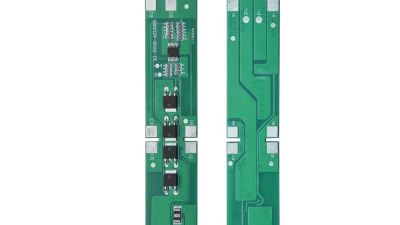
The XJ-D039 model is a highly efficient Battery Management System (BMS) designed to support 4-cell configurations of LifePO4 and NMC Li-ion batteries, specifically tailored for applications such as electric power tools and sweeping robots. With a nominal voltage of 16V and a current capacity of 10A, this BMS ensures that the batteries operate within optimal parameters, providing reliable power while maximizing the lifespan and safety of the battery cells.
One of the standout features of the XJ-D039 is its comprehensive protection mechanisms, which include safeguards against overcharging, over-discharging, overcurrent, and short-circuiting. This not only enhances the safety of the batteries but also significantly reduces the risk of malfunction during operation. Additionally, the inclusion of NTC (Negative Temperature Coefficient) ensures temperature monitoring, allowing for real-time adjustments to maintain ideal operating conditions. Users can choose between configurations with or without a nickel strip, adding flexibility depending on specific application requirements.
Incorporating advanced battery management technologies, the XJ-D039 embodies a focus on efficiency and safety that is critical for both consumer and industrial applications. Its robust design and innovative features make it a valuable solution for anyone looking to optimize the performance and safety of their battery systems.
FAQS
: The platform connects users for various services and activities. It fosters community engagement and interaction.
You can sign up by providing basic information. Ensure your email is valid for confirmation.
Some activities may have fees. Check the details on each service page for specifics.
Use the location feature on the platform. This helps you discover services in your area.
Report problems through the support section. Provide clear details for better assistance.
Yes, you can edit your profile. Update any information as needed to keep it current.
Various services are offered, including tutoring and fitness. Explore categories to find what you need.
The platform takes privacy seriously. User data is protected through security measures and protocols.
Absolutely, feedback is encouraged. Share your experiences to help others make informed decisions.
Yes, there are guidelines to maintain respect and safety. Review them to ensure a positive environment.
Conclusion
The article "2026 Best Lithium Battery BMS Features You Must Know" provides a comprehensive overview of the critical aspects of Lithium Battery BMS (Battery Management Systems). It highlights the key functions and importance of BMS in ensuring efficient performance and longevity of lithium cells. Essential features recommended for 2026 include advanced safety mechanisms that protect against overcharging and thermal runaway, as well as robust monitoring and data logging capabilities that facilitate real-time performance analysis.
Furthermore, the article discusses emerging trends in Lithium Battery BMS technology, emphasizing the increasing integration of smart functionalities and connectivity options. A comparative analysis of top Lithium Battery BMS products illustrates the varying features, helping consumers make informed choices. Overall, this summary encapsulates the essential knowledge and considerations for selecting an effective Lithium Battery BMS in the coming years.